 In the first of a series of updated blogs focusing on the importance of the distinction between nominal and real values we look at the issue of earnings. Here we update the blog Getting Real with Pay written back in February 2019. Then, we noted how the macroeconomic environment since the financial crisis of the late 2000s had continued to affect people’s pay. Specifically, we observed that there had been no growth in real or inflation-adjusted pay. In other words, people were no better off in 2019 than in 2008.
In this updated blog, we consider to what extent the picture has changed five years down the line. While we do not consider the distributional impact on pay, the aggregate picture nonetheless continues to paint a very stark picture, with consequences for living standards and financial wellbeing.
While the distinction between nominal and real values is perhaps best known in relation to GDP and economic growth, the distinction is also applied frequently to analyse the movement of one price relative to prices in general. One example is that of movements in pay (earnings) relative to consumer prices.
Pay reflects the price of labour. The value of our actual pay is our nominal pay. If our pay rises more quickly than consumer prices, then our real pay increases. This means that our purchasing power rises and so the volume of goods and services we can afford increases. On the other hand, if our actual pay rises less quickly than consumer prices then our real pay falls. When real pay falls, purchasing power falls and the volume of goods and services we can afford falls.
Figures from the Office for National Statistics show that in January 2000 regular weekly pay (excluding bonuses and before taxes and other deductions from pay) was £293. By April 2024 this had risen to £640. This is an increase of 118 per cent. Over the same period, the consumer prices index known as the CPIH, which, unlike the better-known CPI, includes owner-occupied housing costs and council tax, rose by 82 per cent. Therefore, the figures are consistent with a rise both in nominal and real pay between January 2000 to April 2024. However, this masks a rather different picture that has emerged since the global financial crisis of the late 2000s.
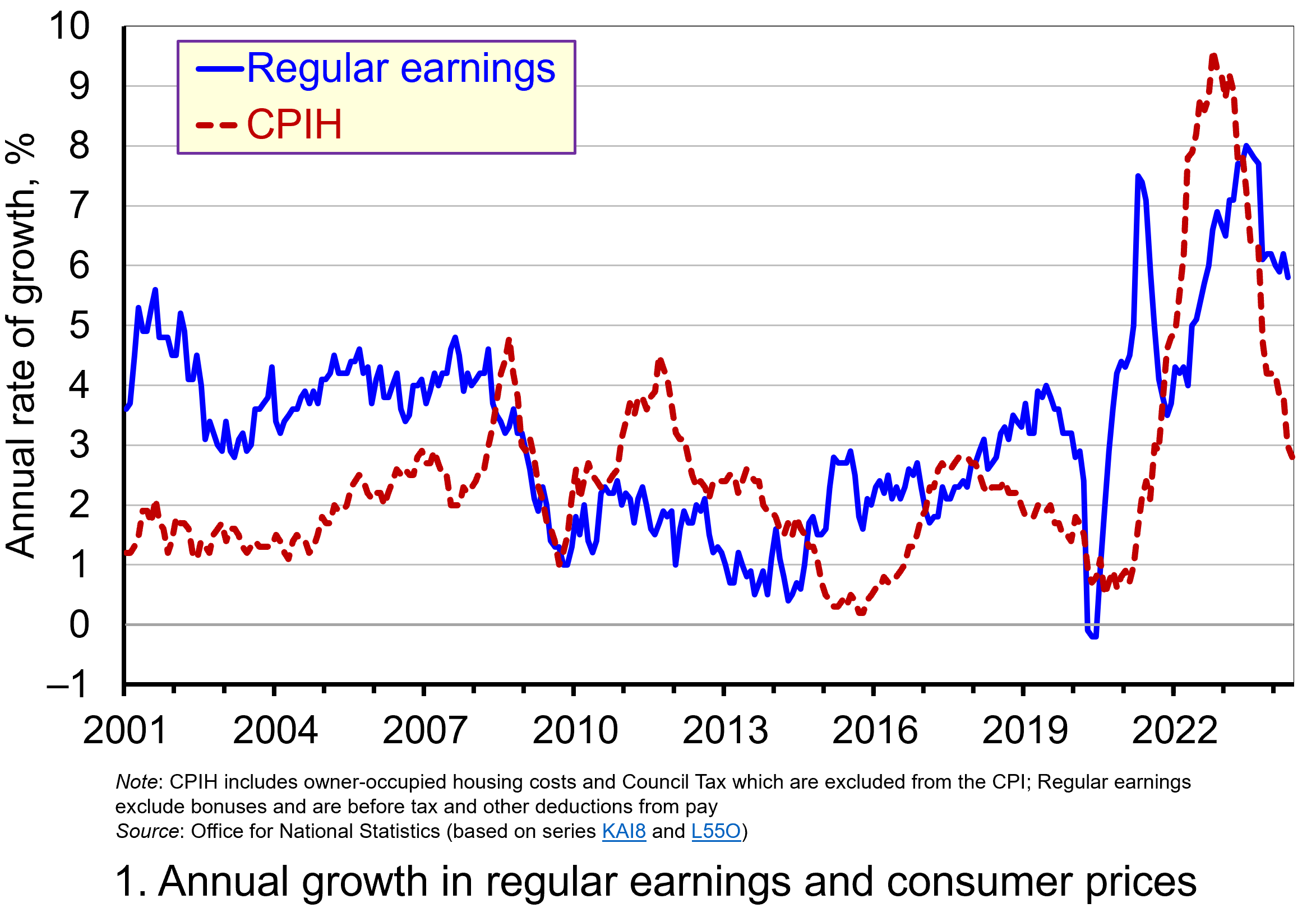 Chart 1 shows the annual percentage changes in actual (nominal) regular weekly pay and the CPIH since January 2001. Each value is simply the percentage change from 12 months earlier. The period up to June 2008 saw the annual growth of weekly pay outstrip the growth of consumer prices – the blue line in the chart is above the red dashed line. Therefore, the real value of pay rose. However, from June 2008 to August 2014 pay growth consistently fell short of the rate of consumer price inflation – the blue line is below the red dashed line. The result was that average real weekly pay fell. (Click here to download a PowerPoint copy of the chart.)
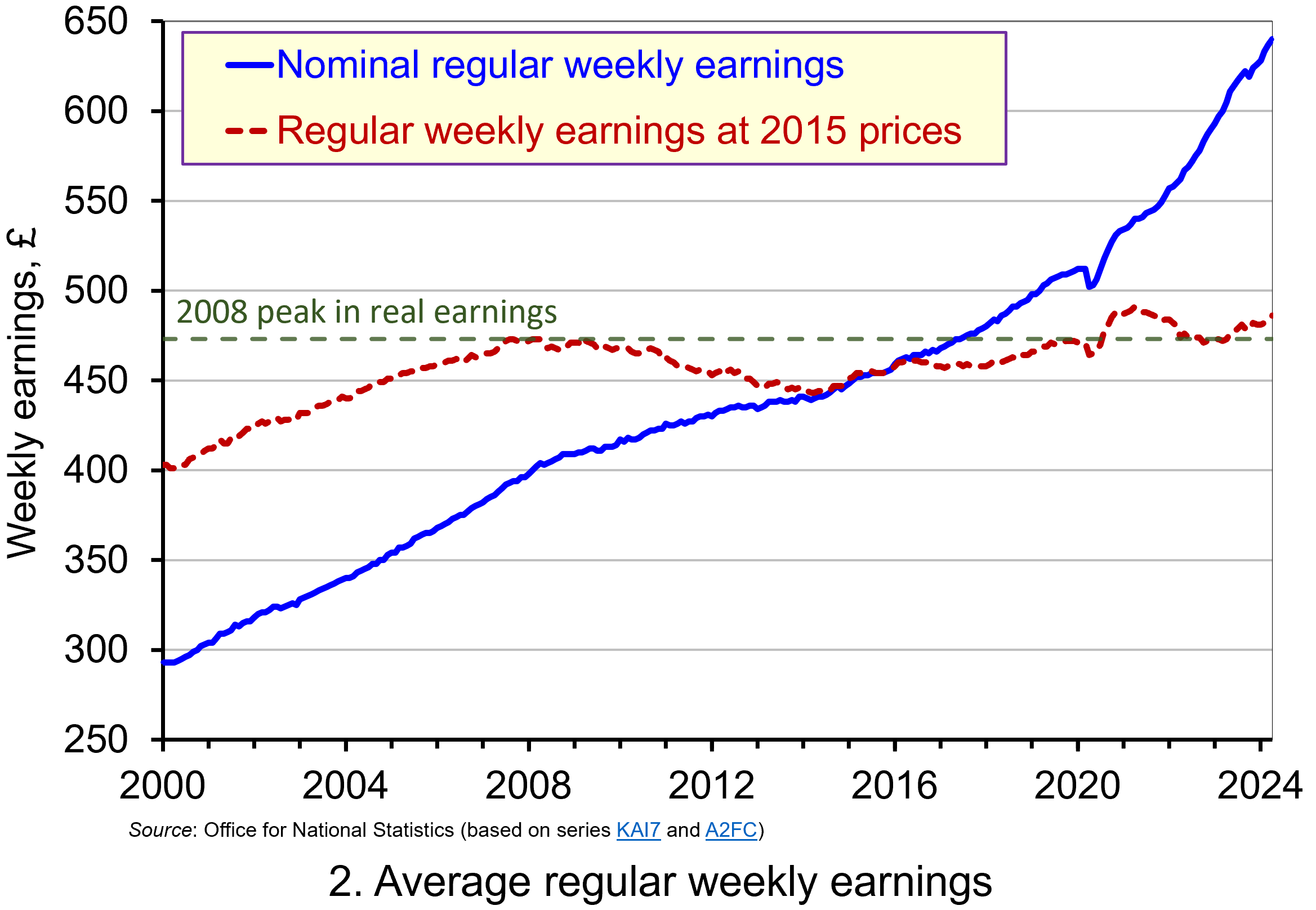 Chart 2 show the average levels of nominal and real weekly pay. The real series is adjusted for inflation. It is calculated by deflating the nominal pay values by the CPIH. Since the CPIH is a price index whose value averages 100 across 2015, the real pay values are at constant 2015 consumer prices. From the chart, we can see that the real value of weekly pay peaked in April 2008 at £473 at 2015 prices. The subsequent period saw rates of pay increases that were lower than rates of consumer price inflation. This meant that by March 2014 the real value of weekly pay had fallen by 6.3 per cent to £443 at 2015 prices. (Click here to download a PowerPoint copy of the chart.)
Although real (inflation-adjusted) pay recovered a little after 2014, 2017 again saw consumer price inflation rates greater than those of pay inflation (see Chart 1). This meant that at the start of 2018 real earnings were 3.2 per cent lower than their 2008-peak (see Chart 2). Real earnings then began to recover, buoyed by the economic rebound following the relaxation of COVID lockdown measures and increasing staffing pressures. Real earnings finally passed their 2008-peak in August 2020. By April 2021 regular weekly pay reached £491 at 2015 prices which was 3.8 per cent above the pre-global financial crisis peak.
However, the boost to real wages was to be short-lived as inflationary pressures rose markedly. While some of this was attributable to the same pressures that were driving up wages, inflationary pressures were fuelled further by the commodity price shock arising from Russia’s invasion of Ukraine and, in particular, its impact on energy prices. This saw the CPIH inflation rate rise to 9.6 per cent in October 2022 (while the CPI inflation rate peaked in the same month at 11.1 per cent). The result was that real weekly earnings fell by 2.7 per cent between January and October 2022 to stand at £471 at 2015 consumer prices. Consequently, average pay was once again below its pre-global financial crisis level.
Although inflationary pressures have recently weakened and real earnings have begun to recover, real regular weekly earnings in April 20024 (£486 at 2015 prices) were a mere 2.7 per cent higher than back in the first half of 2008. This compares to a nominal increase of around 58 per cent over the same period thereby demonstrating the importance of the distinction between nominal and real values in understanding what developments in pay mean for the purchasing power of households.
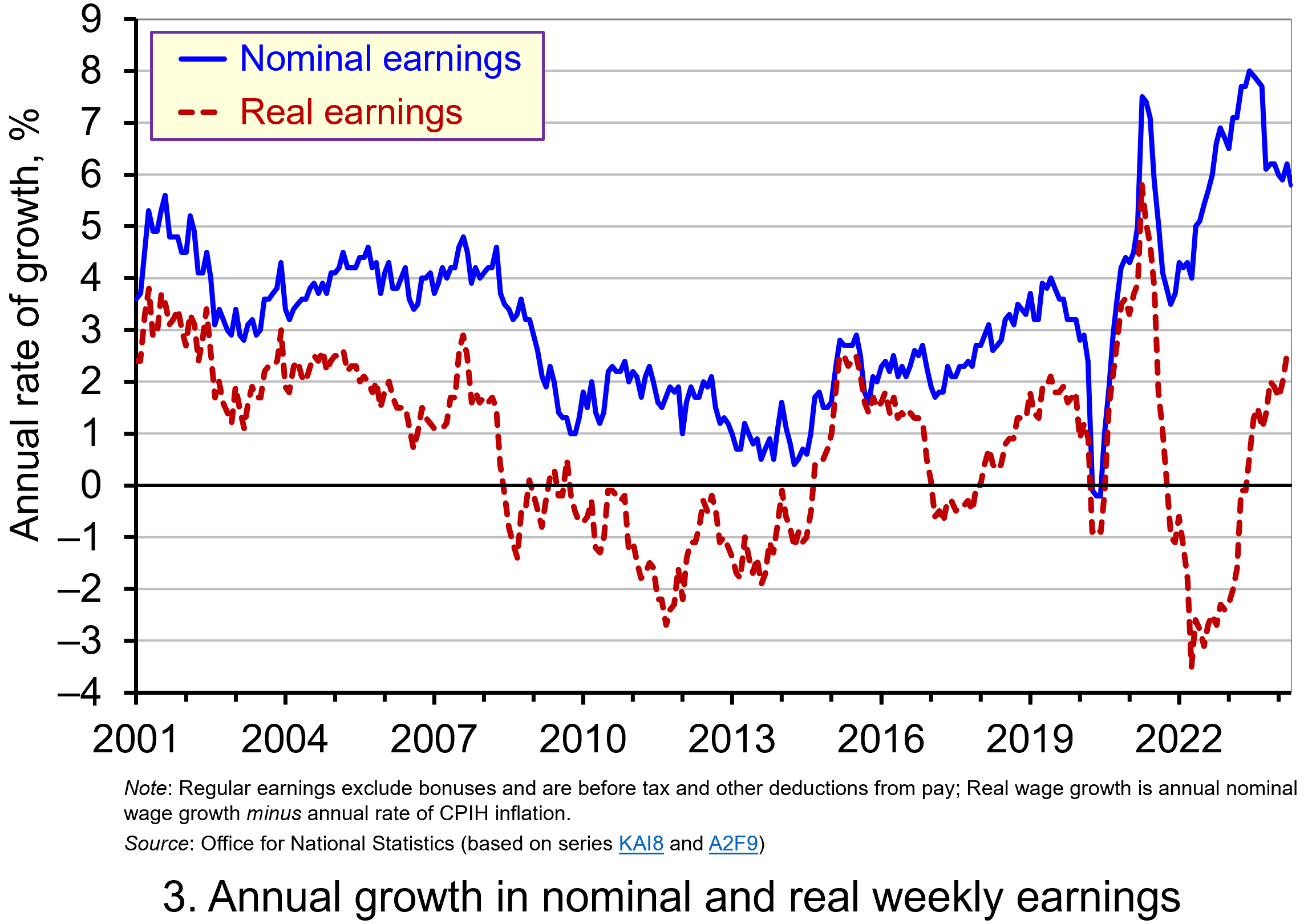 Chart 3 reinforces the importance of the nominal-real distinction. It shows nicely the sustained period of real pay deflation (negative rates of pay inflation) that followed the financial crisis, and the significant rates of real pay deflation associated with the recent inflation shock.
The result is that since June 2008 the average annual rate of growth of real regular weekly pay has been 0.1 per cent, despite nominal pay increasing at an annual rate of 2.9 per cent. In contrast, the period from January 2001 to May 2008 saw real regular weekly pay grow at an annual rate of 2.1 per cent with nominal pay growing at an annual rate of 4.0 per cent. (Click here to download a PowerPoint copy of the chart.)
If we think about the growth of nominal earnings, we can identify two important determinants.
The first is the expected rate of inflation. Workers will understandably want wage growth at least to match the growth in prices so as to maintain their purchasing power.
The second factor is the growth in labour productivity. Firms will be more willing to grant pay increases if workers are more productive, since productivity helps to offset pay increases and maintain firms’ profit margins. Consequently, since over time the actual rate of inflation will tend to mirror the expected rate, the growth of real pay is closely related to the growth of labour productivity. This is significant because, as John discusses in his blog The Productivity Puzzle (14 April 2024), labour productivity growth in the UK, as measured by national output per worker hour, has stalled since the global financial crisis.
Understanding the stagnation of real earnings therefore nicely highlights the interconnectedness of economic variables. In this case, it highlights the connections between productivity, levels of investment and people’s purchasing power. It is not surprising, therefore, that the stagnation of both real earnings and productivity growth since the global financial crisis have become two of the most keenly debated macroeconomic issues of recent times. Indeed, it is likely that their behaviour will continue to shape macroeconomic debates and broader conversations around government policy for some time.
Articles
Questions
- Using the examples of both GDP and earnings, explain how the distinction between nominal and real relates to the distinction between values and volumes.
- In what circumstances would an increase in actual pay translate into a reduction in real pay?
- In what circumstances would a decrease in actual pay translate into an increase in real pay?
- What factors might explain the reduction in real rates of pay seen in the UK following the financial crisis of 2007–8?
- Of what importance might the growth in real rates of pay be for consumption and aggregate demand?
- Why is the growth of real pay an indicator of financial well-being? What other indicators might be included in measuring financial well-being?
- Assume that you have been asked to undertake a distributional analysis of real earnings since the financial crisis. What might be the focus of your analysis? What information would you therefore need to collect?
 It’s two years since Russia invaded Ukraine. Western countries responded by imposing large-scale sanctions. These targeted a range of businesses, banks and other financial institutions, payments systems and Russian exports and imports. Some $1 trillion of Russian assets were frozen. Many Western businesses withdrew from Russia or cut off commercial ties. In addition, oil and gas imports from Russia have been banned by most developed countries and some developing countries, and a price cap of $60 per barrel has been imposed on Russian oil. What is more, sanctions have been progressively tightened over the past two years. For example, on the second anniversary of the invasion, President Biden announced more than 500 new sanctions against individuals and companies involved in military production and supply chains and in financing Russia’s war effort.
The economy in Russia has also been affected by large-scale emigration of skilled workers, the diversion of workers to the armed forces and the diversion of capital and workers to the armaments industry.
So has the economy of Russia been badly affected by sanctions and these other factors? The IMF in its World Economic Forecast of April 2022 predicted that the Russian economy would experience a steep, two-year recession. But, the Russian economy has fared much better than first predicted and the steep recession never materialised.
In this blog we look at Russia’s economic performance. First, we examine why the Russian economy seems stronger today than forecast two years ago. Then we look at its economic weaknesses directly attributable to the war.
Apparent resilience of the Russian economy
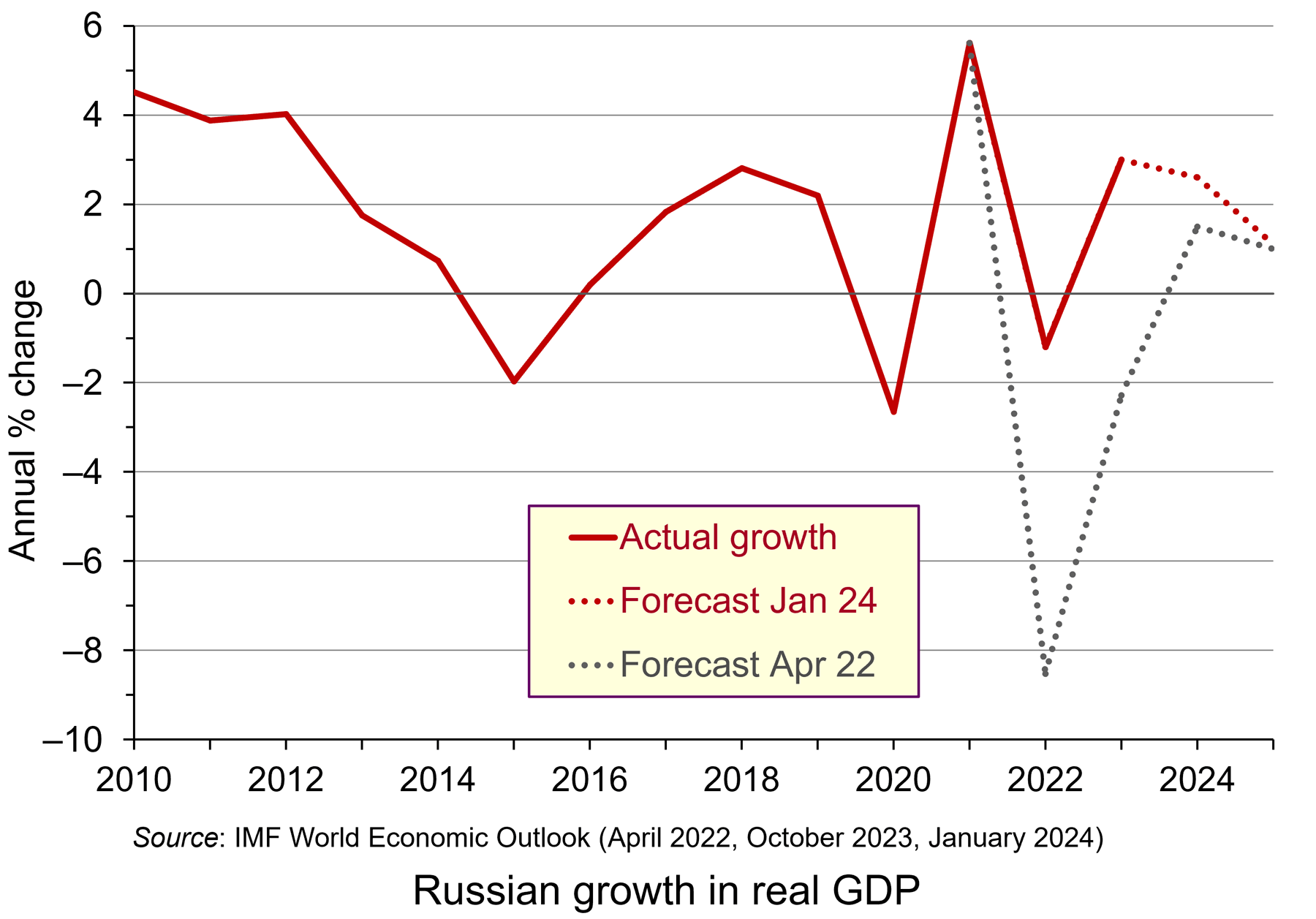 GDP forecasts have proved wrong. In April 2022, just after the start of the war, the IMF was forecasting that the Russian economy would decline by 8.5% in 2022 and by 2.3% in 2023 and grow by just 1.5% in 2024. In practice, the economy declined by only 1.2% in 2022 and grew by 3.0% in 2023. It is forecast by the IMF to grow by 2.6% in 2024. This is illustrated in the chart (click here for a PowerPoint).
Similarly, inflation forecasts have proved wrong. In April 2022, Russian consumer price inflation was forecast to be 21.3% in 2022 and 14.3% in 2023. In practice, inflation was 13.8% in 2022 and 7.4% in 2023. What is more, consumer spending in Russia has remained buoyant. In 2023, retail sales rose by 10.2% in nominal terms – a real rise of 2.8%. Wage growth has been strong and unemployment has remained low, falling from just over 4% in February 2022 to just under 3% today.
So why has the Russian economy seemingly weathered the war so successfully?
 The first reason is that, unlike Ukraine, very little of its infrastructure has been destroyed. Even though it has lost a lot of its military capital, including 1120 main battle tanks and some 2000 other armoured vehicles, virtually all of its production capacity remains intact. What is more, military production is replacing much of the destroyed vehicles and equipment.
The second is that its economy started the war in a strong position economically. In 2021, it had a surplus on the current account of its balance of payments of 6.7% of GDP, reflecting large revenues from oil, gas and mineral exports. This compares with a G7 average deficit of 0.7%. It had fiscal surplus (net general government lending) of 0.8% of GDP. The G7 countries had an average deficit of 9.1% of GDP. Its gross general government debt was 16% of GDP. The G7’s was an average of 134%. This put Russia in a position to finance the war and gave it a considerable buffer against economic sanctions.
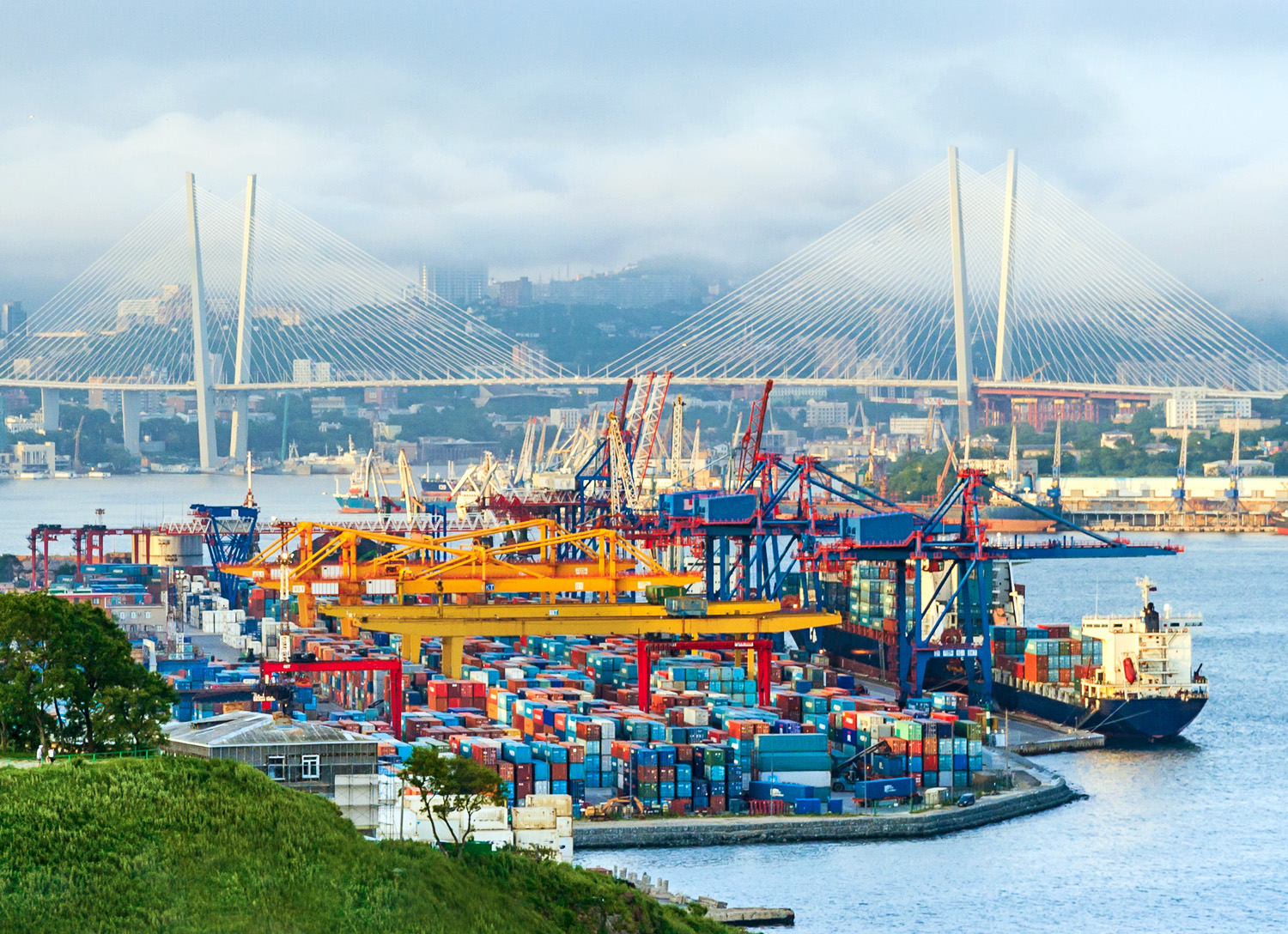 The third reason is that Russia has been effective in switching the destinations of exports and sources of imports. Trade with the West, Japan and South Korea has declined, but trade with China and various neutral countries, such as India have rapidly increased. Take the case of oil: in 2021, Russia exported 4.4 billion barrels of oil per day to the USA, the EU, the UK, Japan and South Korea. By 2023, this had fallen to just 0.6 billion barrels. By contrast, in 2021, it exported 1.9 billion barrels per day to China, India and Turkey. By 2023, this had risen to 4.9 billion. Although exports of natural gas have fallen by around 42% since 2021, Russian oil exports have remained much the same at around 7.4 million barrels per day (until a voluntary cut of 0.5 billion barrels per day in 2024 Q1 as part of an OPEC+ agreement to prop up the price of oil).
China is now a major supplier to Russia of components (some with military uses), commercial vehicles and consumer products (such as cars and electrical goods). Total trade with China (both imports and exports) was worth $147 billion in 2021. By 2023, this had risen to $240 billion.
The use of both the Chinese yuan and the Russian rouble (or ruble) has risen dramatically as a means of payment for Russian imports. Their share has risen from around 5% in 2021 (mainly roubles) to nearly 75% in 2023 (just over 37% in each currency). Switching trade and payment methods has helped Russia to circumvent many of the sanctions.
 The fourth reason is that Russia has a strong and effective central bank. It has successfully used interest rates to control inflation, which is expected to fall from 7.4% in 2023 to under 5% this year and then to its target of 4% in subsequent years. The central bank policy rate was raised from 8.5% to 20% in February 2022. It then fell in steps to 7.5% in September 2022, where it remained until August 2023. It was then raised in steps to peak at 16% in December 2023, where it remains. There is a high level of confidence that the Russian central bank will succeed in bringing inflation back to target.
The fifth reason is that the war has provided a Keynesian stimulus to the economy. Military expenditure has doubled as a share of GDP – from 3.7% of GDP in 2021 to 7.5% in 2024. It now accounts for around 40% of government expenditure. The boost that this has given to production and employment has helped achieve the 3% growth rate in 2023, despite the dampening effect of a tight monetary policy.
Longer-term weaknesses
Despite the apparent resilience of the economy, there are serious weaknesses that are likely to have serious long-term effects.
There has been a huge decline in the labour supply as many skilled and professional workers have move abroad to escape the draft and as many people have been killed in battle. The shortage of workers has led to a rise in wages. This has been accompanied by a decline in labour productivity, which is estimated to have been around 3.6% in 2023.
 Higher wages and lower productivity is putting a squeeze on firms’ profits. This is being exacerbated by higher taxes on firms to help fund the war. Lower profit reduces investment and is likely to have further detrimental effects on labour productivity.
Although Russia has managed to circumvent many of the sanctions, they have still had a significant effect on the supply of goods and components from the West. As sanctions are tightened further, so this is likely to have a direct effect on production and living standards. Although GDP is growing, non-military production is declining.
The public finances at the start of the war, as we saw above, were strong. But the war effort has turned a budget surplus of 0.8% of GDP in 2021 to a deficit of 3.7% in 2023 – a deficit that will be difficult to fund with limited access to foreign finance and with domestic interest rates at 16%. As public expenditure on the military has increased, civilian expenditure has decreased. Benefits and expenditure on infrastructure are being squeezed. For example, public utilities and apartment blocks are deteriorating badly. This has a direct on living standards.
In terms of exports, although by diverting oil exports to China, India and other neutral countries Russia has manage to maintain the volume of its oil exports, revenue from them is declining. Oil prices have fallen from a peak of $125 per barrel in June 2022 to around $80 today. Production from the Arabian Gulf is likely to increase over the coming months, which will further depress oil prices.
Conclusions
With the war sustaining the Russian economy, it would be a problem for Russia if the war ended. If Russia won by taking more territory in Ukraine and forcing Ukraine to accept Russia’s terms for peace, the cost to Russia of rebuilding the occupied territories would be huge. If Russia lost territory and negotiated a settlement on Ukraine’s terms, the political cost would be huge, with a disillusioned Russian people facing reduced living standards that could lead to the overthrow of Putin. As The Conversation article linked below states:
A protracted stalemate might be the only solution for Russia to avoid total economic collapse. Having transformed the little industry it had to focus on the war effort, and with a labour shortage problem worsened by hundreds of thousands of war casualties and a massive brain drain, the country would struggle to find a new direction.
Articles
- How Russia’s economy survived two years of war
The Bell (23/2/24)
- How Russia uses China to get round sanctions
The Bell, Denis Kasyanchuk (20/2/24)
- As Ukraine’s economy burns, Russia clings to a semblance of prosperity
The Observer, Larry Elliott and Phillip Inman (24/2/24)
- ‘A lot higher than we expected’: Russian arms production worries Europe’s war planners
The Guardian, Andrew Roth (15/2/24)
- There are lessons from Russia’s GDP growth — but not the ones Putin thinks
Financial Times, Martin Sandbu (11/2/24)
 Russia’s economy going strong
DW, Miltiades Schmidt (21/2/24)
- The West tried to crush Russia’s economy. Why hasn’t it worked?
Politico, Nahal Toosi, Ari Hawkins, Koen Verhelst, Gabriel Gavin and Kyle Duggan (24/2/24)
- Don’t Buy Putin’s Bluff. The West Can Outspend Him.
Bloomberg UK, Editorial (23/2/24)
- Russia’s war economy cannot last but has bought time
BBC News, Faisal Islam (11/2/24)
- US targets Russia with more than 500 new sanctions
BBC News, George Wright and Will Vernon (24/2/24)
- Russia’s economy is now completely driven by the war in Ukraine – it cannot afford to lose, but nor can it afford to win
The Conversation, Renaud Foucart (22/2/24)
Questions
- Argue the case for and against including military production in GDP.
- How successful has the freezing of Russian assets been?
- How could Western sanctions against Russia be made more effective?
- What are the dangers to Western economies of further tightening financial sanctions against Russia?
- Would it be a desirable policy for a Western economy to divert large amounts of resources to building public infrastructure?
- Has the Ukraine war hastened the rise of the Chinese yuan as a reserve currency?
- How would you summarise Russia’s current public finances?
- How would you set about estimating the cost to Russia of its war with Ukraine?
 Artificial intelligence is having a profound effect on economies and society. From production, to services, to healthcare, to pharmaceuticals; to education, to research, to data analysis; to software, to search engines; to planning, to communication, to legal services, to social media – to our everyday lives, AI is transforming the way humans interact. And that transformation is likely to accelerate. But what will be the effects on GDP, on consumption, on jobs, on the distribution of income, and human welfare in general? These are profound questions and ones that economists and other social scientists are pondering. Here we look at some of the issues and possible scenarios.
According to the Merrill/Bank of America article linked below, when asked about the potential for AI, ChatGPT replied:
AI holds immense potential to drive innovation, improve decision-making processes and tackle complex problems across various fields, positively impacting society.
But the magnitude and distribution of the effects on society and economic activity are hard to predict. Perhaps the easiest is the effect on GDP. AI can analyse and interpret data to meet economic goals. It can do this much more extensively and much quicker than using pre-AI software. This will enable higher productivity across a range of manufacturing and service industries. According to the Merrill/Bank of America article, ‘global revenue associated with AI software, hardware, service and sales will likely grow at 19% per year’. With productivity languishing in many countries as they struggle to recover from the pandemic, high inflation and high debt, this massive boost to productivity will be welcome.
But whilst AI may lead to productivity growth, its magnitude is very hard to predict. Both the ‘low-productivity future’ and the ‘high-productivity future’ described in the IMF article linked below are plausible. Productivity growth from AI may be confined to a few sectors, with many workers displaced into jobs where they are less productive. Or, the growth in productivity may affect many sectors, with ‘AI applied to a substantial share of the tasks done by most workers’.
Growing inequality?
 Even if AI does massively boost the growth in world GDP, the distribution is likely to be highly uneven, both between countries and within countries. This could widen the gap between rich and poor and create a range of social tensions.
In terms of countries, the main beneficiaries will be developed countries in North America, Europe and Asia and rapidly developing countries, largely in Asia, such as China and India. Poorer developing countries’ access to the fruits of AI will be more limited and they could lose competitive advantage in a number of labour-intensive industries.
Then there is growing inequality between the companies controlling AI systems and other economic actors. Just as companies such as Microsoft, Apple, Google and Meta grew rich as computing, the Internet and social media grew and developed, so these and other companies at the forefront of AI development and supply will grow rich, along with their senior executives. The question then is how much will other companies and individuals benefit. Partly, it will depend on how much production can be adapted and developed in light of the possibilities that AI presents. Partly, it will depend on competition within the AI software market. There is, and will continue to be, a rush to develop and patent software so as to deliver and maintain monopoly profits. It is likely that only a few companies will emerge dominant – a natural oligopoly.
Then there is the likely growth of inequality between individuals. The reason is that AI will have different effects in different parts of the labour market.
The labour market
 In some industries, AI will enhance labour productivity. It will be a tool that will be used by workers to improve the service they offer or the items they produce. In other cases, it will replace labour. It will not simply be a tool used by labour, but will do the job itself. Workers will be displaced and structural unemployment is likely to rise. The quicker the displacement process, the more will such unemployment rise. People may be forced to take more menial jobs in the service sector. This, in turn, will drive down the wages in such jobs and employers may find it more convenient to use gig workers than employ workers on full- or part-time contracts with holidays and other rights and benefits.
But the development of AI may also lead to the creation of other high-productivity jobs. As the Goldman Sachs article linked below states:
Jobs displaced by automation have historically been offset by the creation of new jobs, and the emergence of new occupations following technological innovations accounts for the vast majority of long-run employment growth… For example, information-technology innovations introduced new occupations such as webpage designers, software developers and digital marketing professionals. There were also follow-on effects of that job creation, as the boost to aggregate income indirectly drove demand for service sector workers in industries like healthcare, education and food services.
Nevertheless, people could still lose their jobs before being re-employed elsewhere.
The possible rise in structural unemployment raises the question of retraining provision and its funding and whether workers would be required to undertake such retraining. It also raises the question of whether there should be a universal basic income so that the additional income from AI can be spread more widely. This income would be paid in addition to any wages that people earn. But a universal basic income would require finance. How could AI be taxed? What would be the effects on incentives and investment in the AI industry? The Guardian article, linked below, explores some of these issues.
The increased GDP from AI will lead to higher levels of consumption. The resulting increase in demand for labour will go some way to offsetting the effects of workers being displaced by AI. There may be new employment opportunities in the service sector in areas such as sport and recreation, where there is an emphasis on human interaction and where, therefore, humans have an advantage over AI.
Another issue raised is whether people need to work so many hours. Is there an argument for a four-day or even three-day week? We explored these issues in a recent blog in the context of low productivity growth. The arguments become more compelling when productivity growth is high.
Other issues
AI users are not all benign. As we are beginning to see, AI opens the possibility for sophisticated crime, including cyberattacks, fraud and extortion as the technology makes the acquisition and misuse of data, and the development of malware and phishing much easier.
 Another set of issues arises in education. What knowledge should students be expected to acquire? Should the focus of education continue to shift towards analytical skills and understanding away from the simple acquisition of knowledge and techniques. This has been a development in recent years and could accelerate. Then there is the question of assessment. Generative AI creates a range of possibilities for plagiarism and other forms of cheating. How should modes of assessment change to reflect this problem? Should there be a greater shift towards exams or towards project work that encourages the use of AI?
Finally, there is the issue of the sort of society we want to achieve. Work is not just about producing goods and services for us as consumers – work is an important part of life. To the extent that AI can enhance working life and take away a lot of routine and boring tasks, then society gains. To the extent, however, that it replaces work that involved judgement and human interaction, then society might lose. More might be produced, but we might be less fulfilled.
Articles
- The Macroeconomics of Artificial Intelligence
IMF publications, Erik Brynjolfsson and Gabriel Unger (December 2023)
- Economic impacts of artificial intelligence (AI)
European Parliamentary Research Service, Marcin Szczepański (July 2019)
- Artificial intelligence: A real game changer
Chief Investment Office, Merrill/Bank of America (July 2023)
- Generative AI could raise global GDP by 7%
Goldman Sachs, Joseph Briggs (5/4/23)
- The macroeconomic impact of artificial intelligence
PwC, Jonathan Gillham, Lucy Rimmington, Hugh Dance, Gerard Verweij, Anand Rao, Kate Barnard Roberts and Mark Paich (February 2018)
- How genAI is revolutionizing the field of economics
CNN, Bryan Mena and Samantha Delouya (12/10/23)
- AI-powered digital colleagues are here. Some ‘safe’ jobs could be vulnerable.
BBC Worklife, Sam Becker (30/11/23)
- Generative AI and Its Economic Impact: What You Need to Know
Investopedia, Jim Probasco (1/12/23)
- AI is coming for our jobs! Could universal basic income be the solution?
The Guardian Philippa Kelly (16/11/23)
- CFPB chief’s warning: AI is a ‘natural oligopoly’ in the making
Politico, Sam Sutton (21/11/23)
Questions
- Which industries are most likely to benefit from the development of AI?
- Distinguish between labour-replacing and labour-augmenting technological progress in the context of AI.
- How could AI reduce the amount of labour per unit of output and yet result in an increase in employment?
- What people are most likely to (a) gain, (b) lose from the increasing use of AI?
- Is the distribution of income likely to become more equal or less equal with the development and adoption of AI? Explain.
- What policies could governments adopt to spread the gains from AI more equally?
 We have examined inflation in several blogs in recent months. With inflation at levels not seen for 40 years, this is hardly surprising. One question we’ve examined is whether the policy response has been correct. For example, in July, we asked whether the Bank of England had raised interest rates too much, too late. In judging policy, one useful distinction is between demand-pull inflation and cost-push inflation. Do they require the same policy response? Is raising interest rates to get inflation down to the target rate equally applicable to inflation caused by excessive demand and inflation caused by rising costs, where those rising costs are not caused by rising demand?
In terms of aggregate demand and supply, demand-pull inflation is shown by continuing rightward shifts in aggregate demand (AD); cost-push inflation is shown by continuing leftward/upward shifts in short-run aggregate supply (SRAS). This is illustrated in the following diagram, which shows a single shift in aggregate demand or short-run aggregate supply. For inflation to continue, rather than being a single rise in prices, the curves must continue to shift.
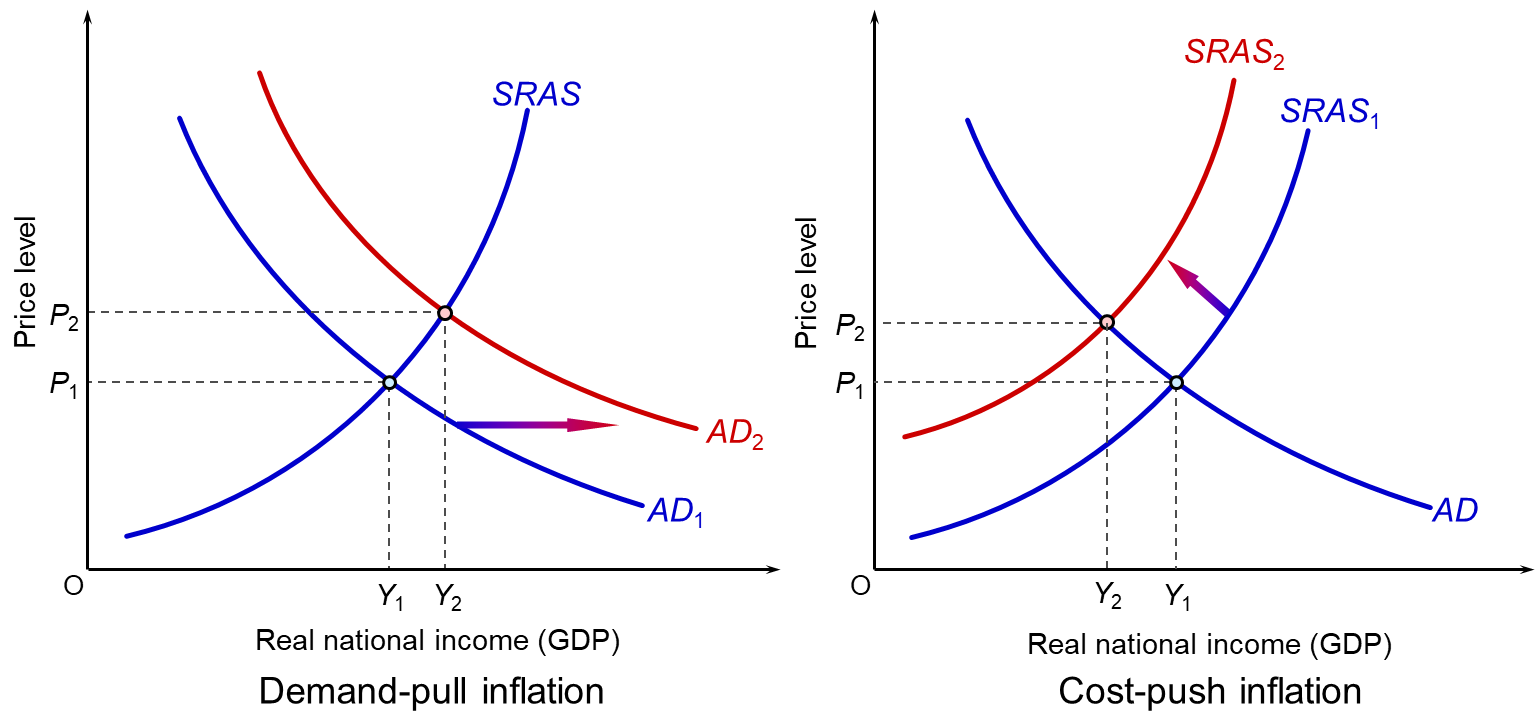
As you can see, the effects on real GDP (Y) are quite different. A rise in aggregate demand will tend to increase GDP (as long as capacity constraints allow). A rise in costs, and hence an upward shift in short-run aggregate supply, will lead to a fall in GDP as firms cut output in the face of rising costs and as consumers consume less as the cost of living rises.
The inflation experienced by the UK and other countries in recent months has been largely of the cost-push variety. Causes include: supply-chain bottlenecks as economies opened up after COVID-19; the war in Ukraine and its effects on oil and gas supplies and various grains; and avian flu and poor harvests from droughts and floods associated with global warming resulting in a fall in food supplies. These all led to a rise in prices. In the UK’s case, this was compounded by Brexit, which added to firms’ administrative costs and, according to the Bank of England, was estimated to cause a long-term fall in productivity of around 3 to 4 per cent.
The rise in costs had the effect of shifting short-run aggregate supply upwards to the left. As well as leading to a rise in prices and a cost-of-living squeeze, the rising costs dampened expenditure.
This was compounded by a tightening of fiscal policy as governments attempted to tackle public-sector deficits and debt, which had soared with the support measures during the pandemic. It was also compounded by rising interest rates as central banks attempted to bring inflation back to target.
Monetary policy response
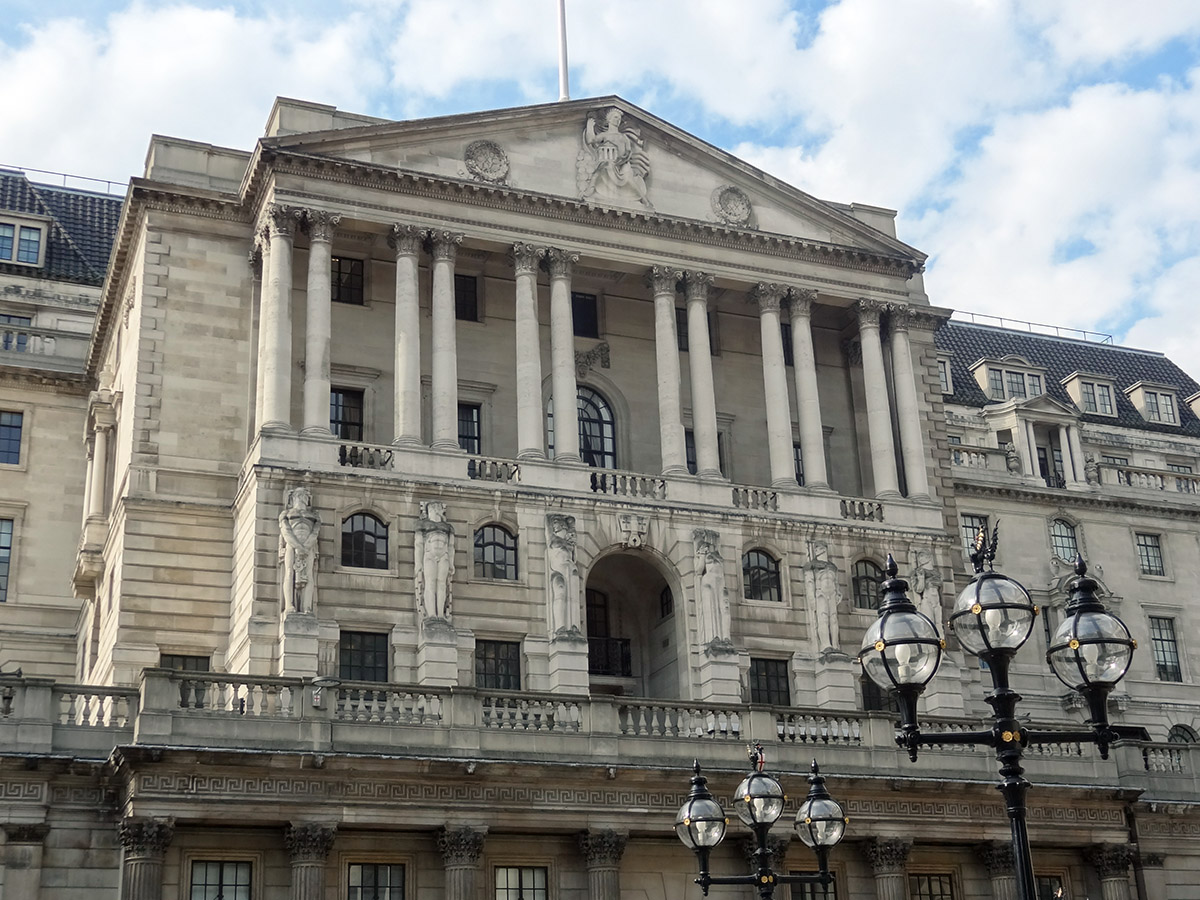 Central banks are generally charged with keeping inflation in the medium term at a target rate set by the government or the central bank itself. For most developed countries, this is 2% (see table in the blog, Should central bank targets be changed?). So is raising interest rates the correct policy response to cost-push inflation?
One argument is that monetary policy is inappropriate in the face of supply shocks. The supply shocks themselves have the effect of dampening demand. Raising interest rates will compound this effect, resulting in lower growth or even a recession. If the supply shocks are temporary, such as supply-chain disruptions caused by lockdowns during the pandemic, then it might be better to ride out the problem and not raise interest rates or raise them by only a small amount. Already cost pressures are easing in some areas as supplies have risen.
If, however, the fall in aggregate supply is more persistent, such as from climate-related declines in harvests or the Ukraine war dragging on, or new disruptions to supply associated with the Israel–Gaza war, or, in the UK’s case, with Brexit, then real aggregate demand may need to be reduced in order to match the lower aggregate supply. Or, at the very least, the growth in aggregate demand may need to be slowed to match the slower growth in aggregate supply.
Huw Pill, the Chief Economist at the Bank of England, in a podcast from the Columbia Law School (see links below), argued that people should recognise that the rise in costs has made them poorer. If they respond to the rising costs by seeking higher wages, or in the case of businesses, by putting up prices, this will simply stoke inflation. In these circumstances, raising interest rates to cool aggregate demand may reduce people’s ability to gain higher wages or put up prices.
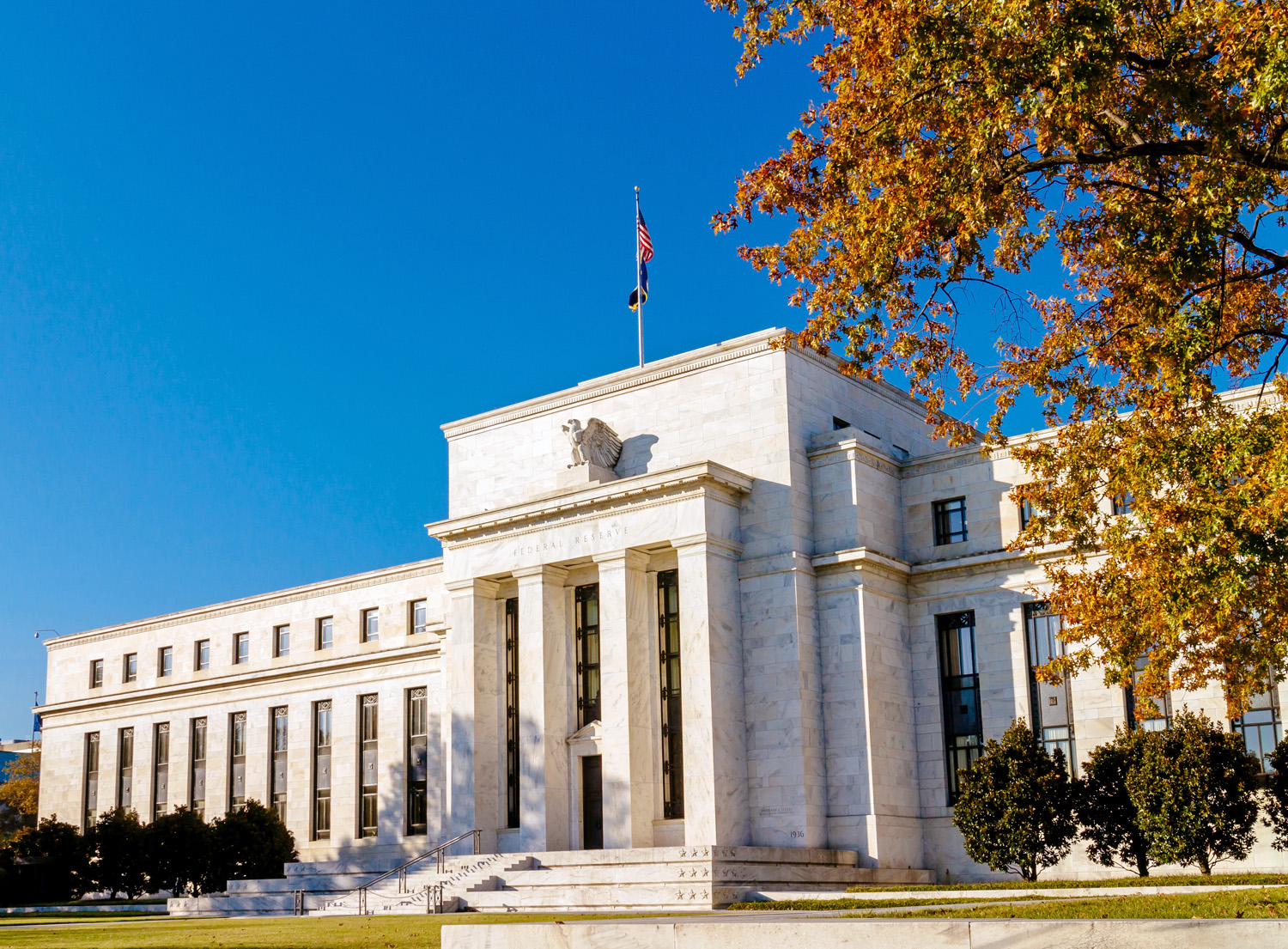 Another argument for raising interest rates in the face of cost-push inflation is when those cost increases are felt more than in other countries. The USA has suffered less from cost pressures than the UK. On the other hand, its growth rate is higher, suggesting that its inflation, albeit lower than in the UK, is more of the demand-pull variety. Despite its inflation rate being lower than in the UK, the problem of excess demand has led the Fed to adopt an aggressive interest rate policy. Its target rate is 5.25% to 5.50%, while the Bank of England’s is 5.25%. In order to prevent short-term capital outflows and a resulting depreciation in the pound, further stoking inflation, the Bank of England has been under pressure to mirror interest rate rises in the USA, the eurozone and elsewhere.
Articles
Blogs on this site
Information and data
Questions
- How may monetary policy affect inflationary expectations?
- If cost-push inflation makes people generally poorer, what role does the government have in making the distribution of a cut in real income a fair one?
- In the context of cost-push inflation, how might the authorities prevent a wage–price spiral?
- With reference to the second article above, explain the ‘monetary policy conundrum’ faced by the Bank of Japan.
- If central banks have a single policy instrument, namely changes in interest rates, how may conflicts arise when there is more than one macroeconomic objective?
- Is Russia’s rise in inflation the result of cost or demand pressures, or a mixture of the two (see articles above)?
 Central bankers, policymakers, academics and economists met at the Economic Symposium at Jackson Hole, Wyoming from August 24–26. This annual conference, hosted by Kansas City Fed, gives them a chance to discuss current economic issues and the best policy responses. The theme this year was ‘Structural Shifts in the Global Economy’ and one of the issues discussed was whether, in the light of such shifts, central banks’ 2 per cent inflation targets are still appropriate.
Inflation has been slowing in most countries, but is still above the 2 peer cent target. In the USA, CPI inflation came down from a peak of 9.1% in June 2022 to 3.2% in July 2023. Core inflation, however, which excludes food and energy was 4.7%. At the symposium, in his keynote address the Fed Chair, Jay Powell, warned that despite 11 rises in interest rates since April 2022 (from 0%–0.25% to 5%–5.25%) having helped to bring inflation down, inflation was still too high and that further rises in interest rates could not be ruled out.
We are prepared to raise rates further if appropriate, and intend to hold policy at a restrictive level until we are confident that inflation is moving sustainably down toward our objective.
However, he did recognise the need to move cautiously in terms of any further rises in interest rates as “Doing too much could also do unnecessary harm to the economy.” But, despite the rises in interest rates, growth has remained strong in the USA. The annual growth rate in real GDP was 2.4% in the second quarter of 2023. Unemployment, at 3.5%, is low by historical standards and similar to the rate before the Fed began raising interest rates.
Raising the target rate of inflation?
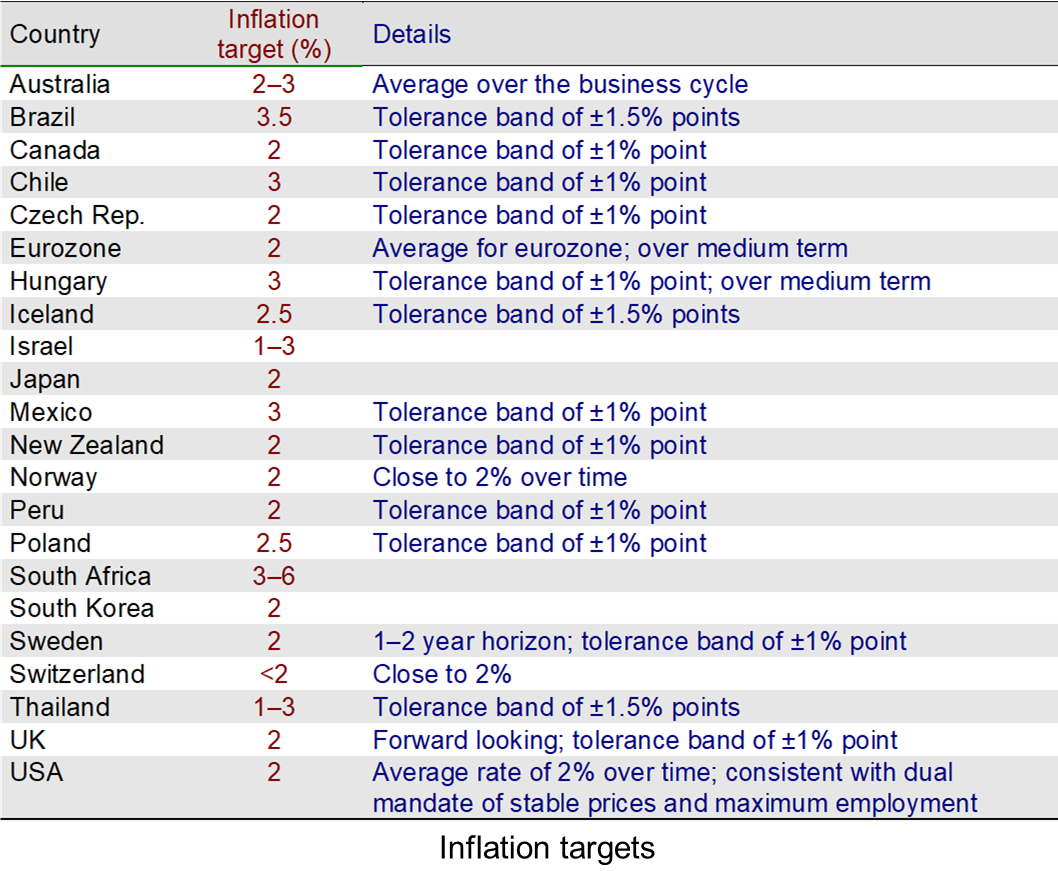 Some economists and politicians have advocated raising the target rate of inflation from 2 per cent to, perhaps, 3 per cent. Jason Furman, an economic policy professor at Harvard and formerly chief economic advisor to President Barack Obama, argues that a higher target has the benefit of helping cushion the economy against severe recessions, especially important when such there have been adverse supply shocks, such as the supply-chain issues following the COVID lockdowns and then the war in Ukraine. A higher inflation rate may encourage more borrowing for investment as the real capital sum will be eroded more quickly. Some countries do indeed have higher inflation targets, as the table shows.
Powell emphatically ruled out any adjustment to the target rate. His views were expanded upon by Christine Lagarde, the head of the European Central Bank. She argued that in a world of greater supply shocks (such as from climate change), greater frictions in markets and greater inelasticity in supply, and hence greater price fluctuations, it is important for wage increases not to chase price increases. Increasing the target rate of inflation would anchor inflationary expectations at a higher level and hence would be self-defeating. Inflation in the eurozone, as in the USA, is falling – it halved from a peak of 10.6% in 2022 to 5.3% in July this year. Given this and worries about recession, the ECB may not raise interest rates at its September meeting. However, Lagarde argued that interest rates needed to remain high enough to bring inflation back to target.
The UK position
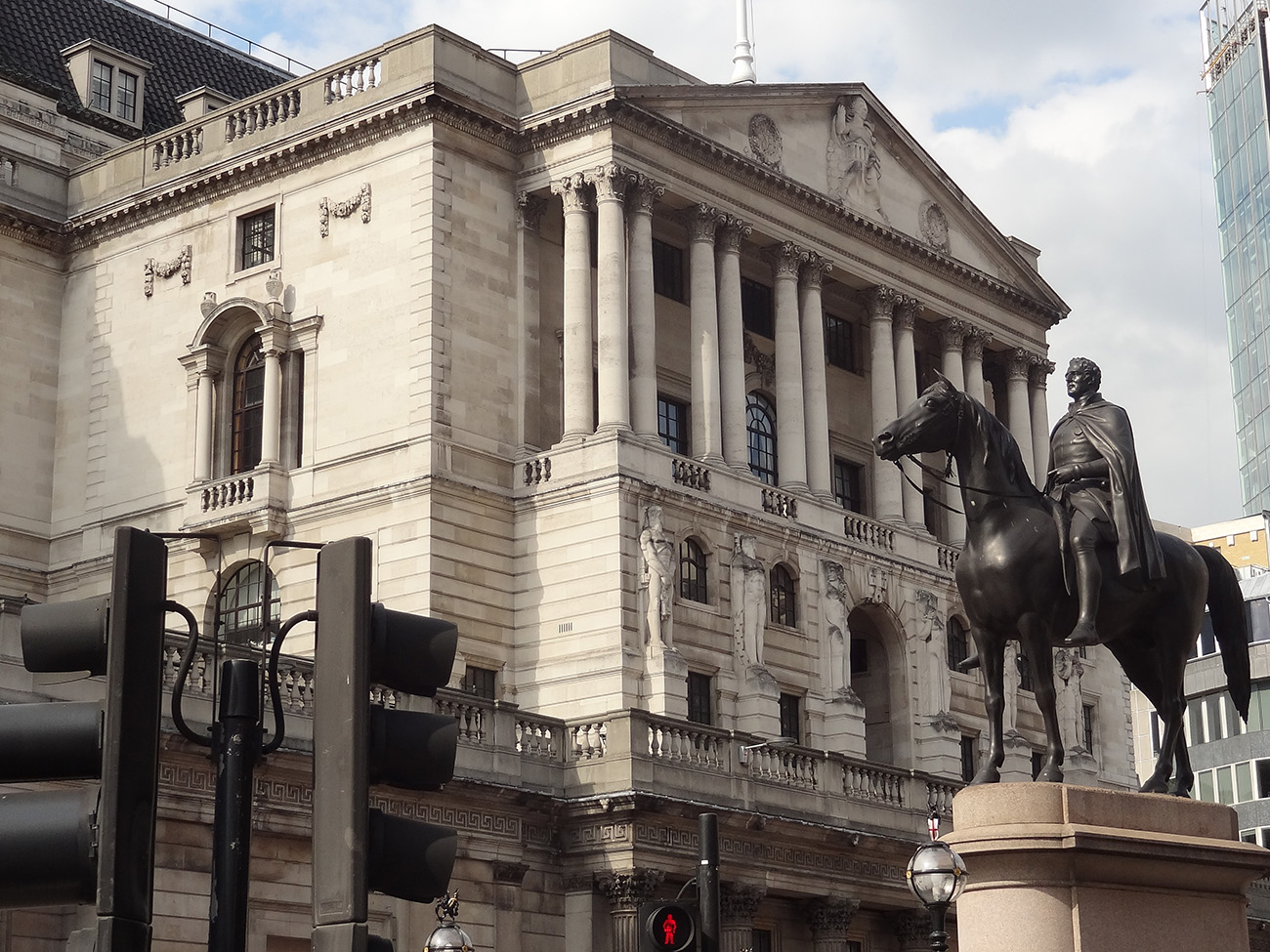 The Bank of England, too, is committed to a 2 per cent inflation target, even though the inflationary problems for the UK economy are greater that for many other countries. Greater shortfalls in wage growth have been more concentrated amongst lower-paid workers and especially in the public health, safety and transport sectors. Making up these shortfalls will slow the rate of inflationary decline; resisting doing so could lead to protracted industrial action with adverse effects on aggregate supply.
Then there is Brexit, which has added costs and bureaucratic procedures to many businesses. As Adam Posen (former member of the MPC) points out in the article linked below:
Even if this government continues to move towards more pragmatic relations with the EU, divergences in standards and regulation will increase costs and decrease availability of various imports, as will the end of various temporary exemptions. The base run rate of inflation will remain higher for some time as a result.
Then there is a persistent problem of low investment and productivity growth in the UK. This restriction on the supply side will make it difficult to bring inflation down, especially if workers attempt to achieve pay increases that match cost-of-living increases.
Sticking to the status quo
There seems little appetite among central bankers to adjust inflation targets. Squeezing inflation out of their respective economies is painful when inflation originates largely on the supply side and hence the problem is how to reduce demand and real incomes below what they would otherwise have been.
Raising inflation targets, they argue, would not address this fundamental problem and would probably simply anchor inflationary expectations at the higher level, leaving real incomes unchanged. Only if such policies led to a rise in investment would a higher target be justified and central bankers do not believe that it would.
Articles
- What happens in Jackson Hole doesn’t stay in Jackson Hole
CNN, Elisabeth Buchwald (26/8/23)
- Fed Chair Powell calls inflation ‘too high’ and warns that ‘we are prepared to raise rates further’
CNBC, Jeff Cox (25/8/23)
- Inflation? This man holds the key
Politico, Geoffrey Smith and Carlo Boffa (24/8/23)
- Global inflation pressures could become harder to manage in coming years, research suggests
Independent, Christopher Rugaber (27/8/23)
- Christine Lagarde warns of long-term inflation risks after global economic upheaval
Financial Times, Martin Arnold and Colby Smith (25/8/23)
- No appetite at Fed, ECB for changing inflation goal
Reuters, Ann Saphir, Howard Schneider and Balazs Koryani (25/8/23)
- Is it time for Fed to raise interest rate target to 3%? Experts weigh in
mint, Nishant Kumar (22/8/23)
- What is the UK inflation rate and why is it so high?
BBC News (16/8/23)
- If you think the UK’s high-inflation cycle has run its course, think again
The Observer, Adam Posen (26/8/23)
Data
Questions
- Use an aggregate demand and supply diagram (AD/AS or DAD/DAS) to illustrate inflation since the opening up of economies after the COVID lockdowns. Use another one to illustrate the the effects of central banks raising interest rates?
- Why is the world likely to continue experiencing bigger supply shocks and greater price volatility than before the pandemic?
- With hindsight, was increasing narrow money after the financial crisis and then during the pandemic excessive? Would it have been better to have used the extra money to fund government spending on infrastructure rather than purchasing assets such as bonds in the secondary market?
- What are the arguments for and against increasing the target rate of inflation?
- How do inflationary expectations influence the actual rate of inflation?
- Consider the arguments for and against the government matching pay increases for public-sector workers to the cost of living.