The grocery retail market in New Zealand is worth billions of dollars each year and is one of the most concentrated supermarket sectors in the world. The industry is dominated by two large groups: Foodstuffs and Woolworths New Zealand. Together, these firms account for around 80–90 per cent of grocery sales, with Foodstuffs operating brands such as Pak’nSave, New World and Four Square, while Woolworths operates the Woolworths supermarket chain.
The market displays many of the characteristics of an oligopoly. The two dominant firms compete through store location, loyalty schemes, advertising and product range, and to some extent through pricing. At the same time, they benefit from substantial economies of scale, extensive distribution networks and strong relationships with suppliers. These factors mean that there are significant barriers to entry in the market and this can prevent new firms from entering the market and surviving.
Competition concerns
Concern about competition in the sector has led to investigations by New Zealand’s Commerce Commission. The Commission concluded that although there was competition in the market, it was less than optimal and both firms were earning higher profits than they would have been able to earn had they been in operating in a more competitive market.
 It identified various barriers to entry that limited competition, including access to suitable retail sites, ownership of distribution networks and the difficulty of establishing large-scale supply chains in a country with a relatively small population.
Despite the market being dominated by these two big firms, there are also many smaller retailers operating within the market, including independent grocery stores, convenience stores and specialist food retailers. However, they lack the scale that is needed to challenge the dominance of Foodstuffs and Woolworths at a national level.
Potential international entrants, such as Aldi and Lidl, have often been suggested as possible competitors, but the costs of establishing a nationwide network of stores and distribution facilities in New Zealand are significant. There have been examples of large and dominant supermarkets in one country attempting to enter the market in other countries but failing to survive or deciding to exit the market early. For example, Tesco entered the Chinese market in 2004 but, despite its efforts, exited the market in 2020.
Response by the New Zealand government
 In response to concerns about competition, the New Zealand government has introduced a series of measures designed to make market entry easier. These include restrictions on anti-competitive land covenants, the introduction of a Grocery Commissioner and changes intended to improve access to wholesale grocery supply.
But, despite these measures, recent reports suggest that the overall market structure has changed little, with the two major firms continuing to dominate grocery retailing.
The public interest
Supporters of the current market structure argue that large supermarket chains deliver lower costs through economies of scale and provide consumers with extensive product choice.
Critics counter that limited competition leads to higher prices, reduced innovation and weaker bargaining power for suppliers.
The debate illustrates the difficulties faced by policymakers when attempting to balance efficiency against the promotion of competition.
Whether greater competition will emerge in the future remains uncertain. Much will depend on whether existing reforms can encourage new entrants or whether the structural advantages enjoyed by Foodstuffs and Woolworths continue to deter potential rivals.
Articles
- ‘Substantive, potentially systemic’ supermarket concerns raised by Commerce Commission
RNZ News, Susan Edmunds (7/7/26)
- Supermarkets aren’t the problem. This issue is a far bigger deal
Money Stuff, Rupert Carlyon (23/9/26)
- This may be as good as it gets: NZ and Australia face a complicated puzzle when it comes to supermarket prices
The Conversation, Richard Meade (23/4/25)
- Every party has pitched its own supermarket fix. What if we combined the best ideas?
The Conversation, Jonathan Baker (21/9/26)
- NZ regulator eyes ‘problematic’ supermarket supplier fees
Inside FMCG, Sean Cao (7/7/26)
- Australia vs NZ: Supermarket competition compared
Consumer NZ, Vanessa Pratley (27/3/25)
- Grocery Commissioner puts supermarkets on notice
RNZ News, Susan Edmunds (18/3/26)
- High margins, double the normal returns – does NZ’s supermarket duopoly drive prices up?
The Press, Susan Edmunds (22/9/26)
- Everyone wants to break up the supermarkets. How would it actually work?
The Spinoff, Joel MacManus (22/9/26)
Questions
- What are the characteristics of the New Zealand supermarket industry that create barriers to entry for new firms?
- To what extent is the New Zealand grocery market consistent with the characteristics of an oligopoly?
- Evaluate the likely effectiveness of government measures designed to increase competition in the supermarket sector.
- Australia too has two main supermarket chains: Coles and Woolworths. However, Aldi has entered the Australian market and in some parts of the country had provided significant competition to the two major chians. Why may Aldi have more difficulty in entering the New Zealnd market
- Investigate the grocery retail market in another country (not the UK). Who are the major competitors and what is their market share? What barriers to entry exist? Has the competition authority expressed concerns about the market and if so, what are they?

The prices of many species of fish have risen in recent months. Coastal pelagic fish, such as mackerel, herring and sardines have risen especially rapidly. Mackerel, once seen as a cheap source of protein, is no longer quite such a ‘bargain’.
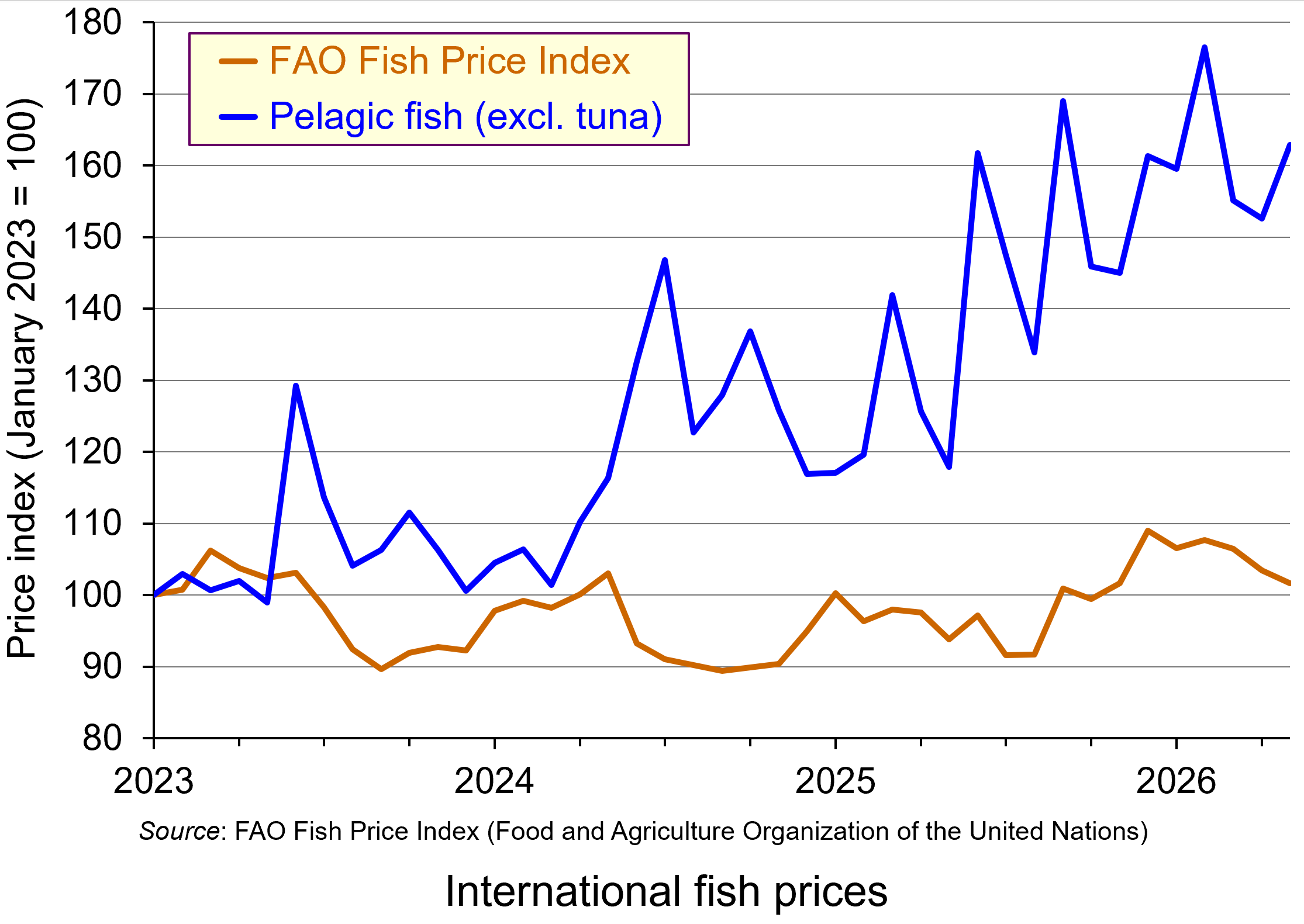 From January 2023 to May 2026, the international price index of pelagic fish rose by 69%. In 2025, UK supermarket fresh, chilled smoked and tinned mackerel prices rose by an average of 25%; and over the first part of 2026, some tinned mackerel product lines have increased by as much 55%. In February 2026, Waitrose announced that it would suspend sales of fresh and chilled mackerel and tinned mackerel once current stocks had been cleared. It cited overfishing and sustainability concerns.
Supply and demand
But why have mackerel prices risen so much? The price of fish is determined by demand and supply. So what has changed? The main changes have been on the supply side.
Supply. Most of the world’s supply of mackerel comes from the Northeast Atlantic. These waters have been overfished for many years, thereby depleting the stock of the fish and reducing the amount of mackerel caught.
 To arrest the decline and allow stocks to rebuild, the International Council for the Exploration of the Sea (ICES) recommended a quota of 174,357 tonnes for 2026. This would represent a 70% cut from 2025. The main fishing countries – Norway, the UK, the Faroe Islands and Iceland – eventually agreed to a quota of 299,010 tonnes: a cut of 48%. After a series of bilateral agreements between the four countries over access to each other’s waters, this resulted in the following quota shares: UK 30.55%, Norway 26.4%, Faroes 12% and Iceland 10.5%. The remaining 20.55% would be for the EU, Greenland and Russia.
Despite these other countries not being part of the deal, in May 2026 the EU agreed to reduce its catch by 48% too. Russia, however, set its own quota of 67,548 tonnes, which is 22.6% of the total 299,010 quota, above the 20.55% set aside for the EU, Russia and Greenland combined and almost almost five times Russia’s historic quota share! The UK, EU and Iceland responded by agreeing to bar Russian vessels carrying mackerel from entering their ports.
The quotas have added to the decline in supply, even though the aim is to increase supply in the future as stocks are rebuilt. In May this year, the Norwegian catch was down nearly 85% – well below the 48% reduction in the quota.
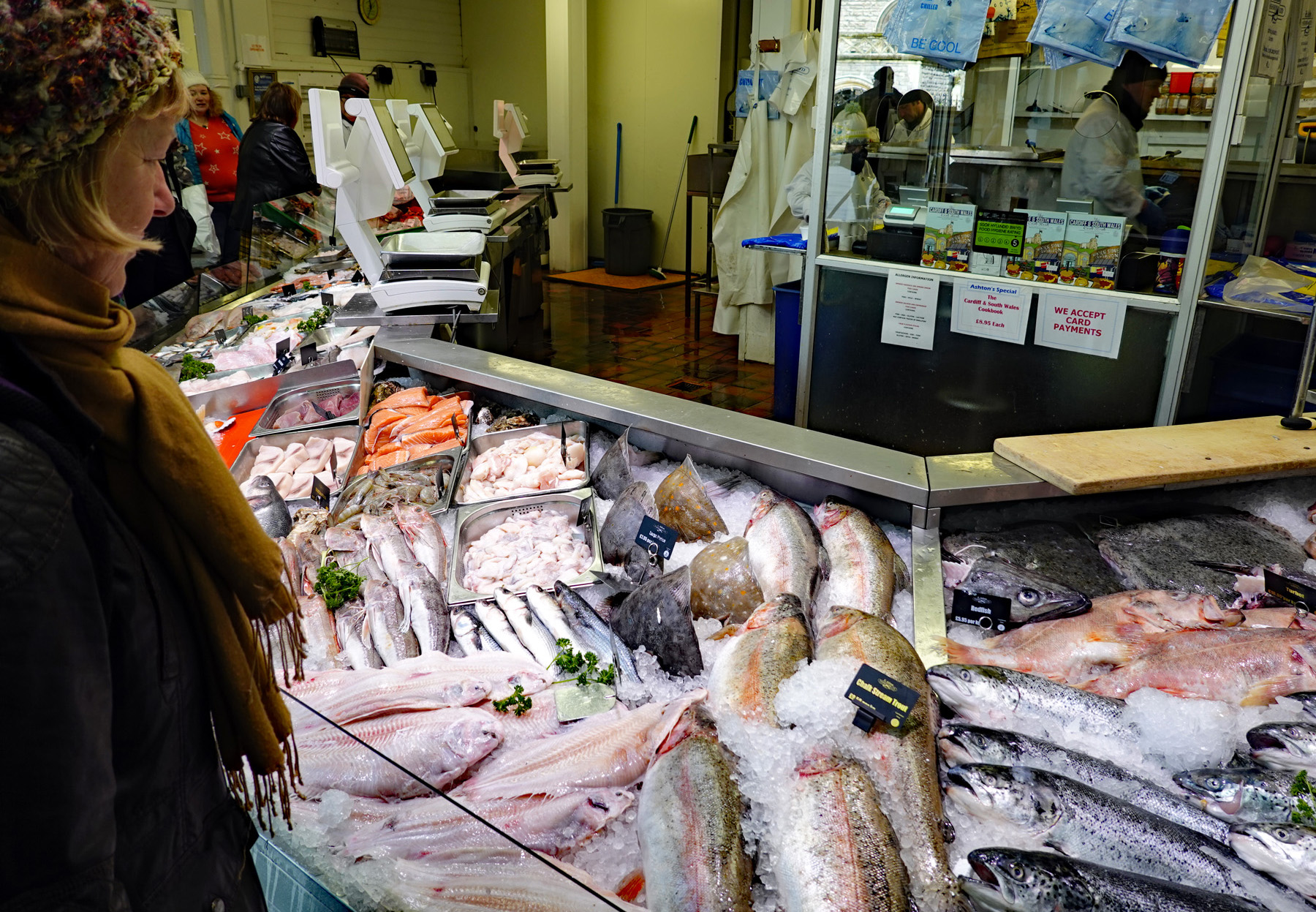 Demand. Despite higher prices, demand has remained strong. Part of the reason is that demand is relatively inelastic. This is because, despite its increase in price, mackerel remains a relatively cheap fish and thus there is little option to switch to cheaper alternative fish. Indeed, with other fish going up in price, and meat too, some people may even switch to mackerel.
Another reason for strong demand is the growing market outside Europe, especially in southeast Asia, China, South Korea and Japan. In some of these countries, mackerel is seen as a luxury fish and people are prepared to pay higher prices, making demand relatively inelastic but at the other end of the market. In 2025, imports of frozen whole mackerel into the region rose by nearly 9%, despite rising prices.
However, Norwegian exports to the region have been falling, reflecting lower quotas in 2025 and lower still in 2026. This has further exacerbated the rise in price and intensified competition between Asian importers. For example, in July 2026, Korea sent a ‘mackerel envoy’ to Norway and other major exporters to seek to secure additional supplies.
The future
With supply restricted by declining stocks and tighter quotas, and with a price inelastic and growing demand, the high prices of mackerel in all forms look set to last – at least until stocks rebuild and quotas can be relaxed. But, with total quotas well above the level suggested by the ICES, rebuilding could take a long time.
Articles
- Norwegian Mackerel Prices Drive Record Pelagic Values in 2025
The Fishing Daily, Oliver McBride (25/5/26)
- Mackerel prices soar as demand and supply pressures take hold
The Grocer, Charles Elliman (23/1/26)
- Mackerel Prices Have Broken Historical Highs And May See Another Surge in 2026
Caharbor Import and Export Co., Ltd, China (12/1/26)
- Waitrose to suspend mackerel sales due to overfishing concerns
BBC News, Emer Moreau (27/2/26)
- Holy mackerel! The fish Waitrose removed from its shelves
Epigram (University of Bristol student newspaper), Grace Golby (6/6/26)
- Four Northeast Atlantic coastal parties agree on 2026 mackerel quotas, shares; EU left out again
SeafoodSource, Regin Winther Poulsen (17/12/25)
- EU Raises Mackerel Quotas despite Scientific Overfishing Warnings
The Fishing Daily, Oliver McBride (30/3/26)
- High Mackerel Prices Reshape Asian Small Pelagic Trade
The Fishing Daily, Oliver McBride (2/6/26)
- Korea dispatches ‘mackerel envoy’ to Norway as prices spike
Korea JoongAng Daily, Ahn Hyo-Seong (6/7/26)
- Norwegian Mackerel Supply Plunges, Korean Catch Regains Price Edge
Seoul Economic Daily, Nam Yoon-jung (28/6/26)
- Geopolitical unrest, currency effects and quota cuts led to a decline in the value of Norwegian seafood exports in the first half of the year
Norwegian Seafood Council, Press Release (3/7/26)
- Norwegian Seafood Exports: Frozen Mackerel and Herring Prices Surge in Week 26 of 2026
IndexBox (1/7/26)
- New sanctions on Russia following huge unilateral increase in mackerel quota
Fishing News, Steve Mackinson (9/7/26)
Data
Questions
- Draw a supply and demand diagram to illustrate what has happened to mackerel prices.
- What is the effective price elasticity of supply of mackerel?
- Why is demand for mackerel relatively price inelastic in the UK, except when prices rise above a certain level?
- Why is demand for mackerel relatively price inelastic in certain Asian countries, such as Japan and South Korea?
- In which country is demand for mackerel likely to be more income elastic: the UK or Japan?
- Under what circumstances might the price of mackerel in five years’ time be (a) higher than now; (b) lower than now? What will determine which is more likely?
- Should other supermarkets follow Waitrose’s lead in stopping the sale of mackerel?
- What is the ‘tragedy of the commons’? Why is a common resource such as fish in the open seas likely to result in the tragedy?
 Economists use game theory to understand decision making where the outcome for an economic actor – individual, firm, government, etc. – depends on the actions and reactions of other actors. It models how rational actors make optimal decisions based on their expectations about such actions and reactions of competitors. Sometimes these expectations will be based on considerable knowledge; sometimes they will be based on hunch or the degree of optimism or pessimism.
Perhaps the most famous game is the prisoners’ dilemma. This is where two or more firms (or people) independently attempt to choose the best strategy, thinking about how their rivals are likely to react. But they end up in a worse position than if they had co-operated in the first place. For example, if a firm is considering cutting price, it would gain market share if the other firm does not cut price; in such a scenario it is likely to gain by cutting price. If, however, the other firm is expected to cut its price, the first firm will have to cut price itself to avoid losing market share; in this scenario it will also cut price. Assuming the other firm reasons the same, the outcome is likely to be a price war, with both firms losing profit. However, if they both colluded to maintain prices or even raise them (assuming they can evade any legal restrictions on collusion), they will both gain.
 Another example is the game of chicken. This is where two or more actors engage in brinkmanship, hoping that the other actor(s) will give in first. Take the above example of a price war. Assume that two firms are engaging in price cutting. They know that this will damage their short-term profit. But each hopes that the other will give up first and may then be willing to collude or, better still, be driven out of business. If either firm thinks it can win the game, it will reason that short-term pain is justified by long-term gain.
The war in Iran
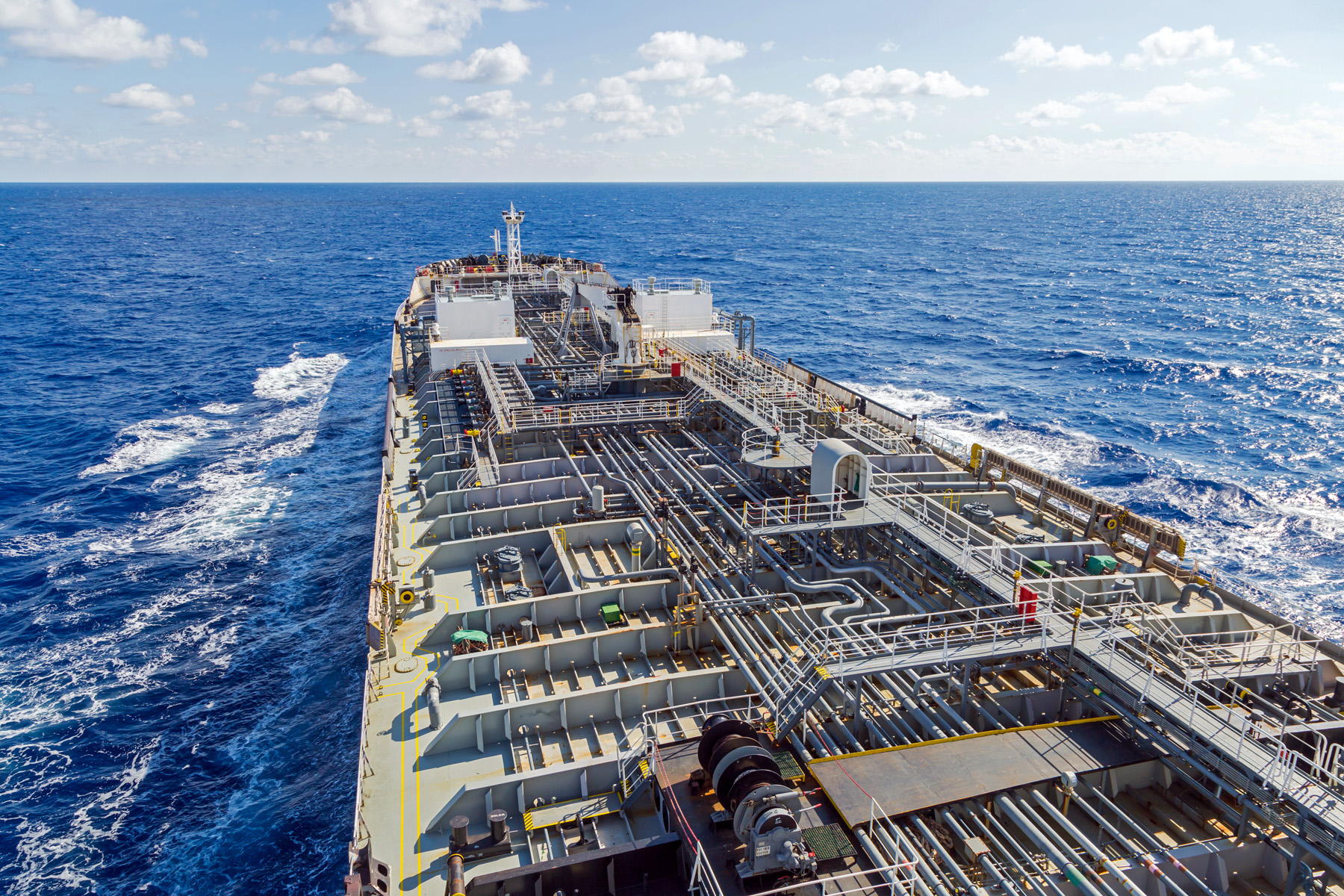 A game of chicken is currently being ‘played’ by the USA and Iran. Iran is blocking the Strait of Hormuz; the USA is blockading Iranian ports, preventing ships from arriving or leaving. Both policies inflict economic pain. Blocking the Strait of Hormuz has driven up oil and gas prices and the prices of many other products exported through the Strait – products such as fertilisers, plastics, petrochemicals, sulphur, methanol and helium.
Each side hopes that the economic pain inflicted on the other will cause it to give up first.
But the game is ‘asymmetric’: the costs of continuing the blockades are different for each side and thus the pressures on each side to concede differ. For Iran, the blockade of its ports is massively curtailing its exports and is doing huge damage to its economy, already battered by bombing. But the war has so far seemed to allow the Iranian authorities to tighten their political grip and they may be prepared to play the ‘long game’ by rallying the Iranian population against the US and Israeli assault. The authorities may calculate that the Iranian people will be prepared to endure greater hardship for some time.
The USA is facing a much lower economic cost. Much of the hardship from the effective closure of the Strait of Hormuz is being borne by other countries. Energy and fertiliser shortages and the resulting rise in price of these critical inputs threaten a humanitarian disaster in some of the poorest countries. Harvests will be down, as will GDP; food prices will soar. There will be widespread economic hardship across Africa and much of Asia, particularly in those countries struggling with existing high debt burdens.
 But for Donald Trump and his administration, those costs are likely to be seen as important only in so far as they affect the USA. However, oil prices are determined in international markets and, despite the US economy gaining from higher oil prices as the USA is a net exporter, the price of fuel to the US consumer has risen substantially. Petrol prices in the USA have risen some 45% since the start of the war and jet fuel prices have doubled, driving up air fares. With the prices of other key products, such as medicines, clothing and electronics increasing too, US inflation is now rising – aggravated by the effects of the tariffs on many products. These costs matter to the US consumer and, with mid-term elections approaching and with Donald Trump’s approval rate plummeting, the USA is likely to be more sensitive to short-term economic costs than Iran.
But the USA poses a much greater military threat to Iran than vice versa and this is seen in the USA as a major advantage in this high-stakes game of chicken. But the Iranian authorities’ willingness to endure further military strikes for what they see as long-term gain, may make them unlikely to concede first.
Podcast and video
Articles
- Chicken
Stanford University, Janet Chen, Su-I Lu and Dan Vekhter
- Who will blink first as the Iran war hits the world economy?
CNN, Nic Robertson (23/4/26)
- Game theory explains why the US’s goals in Iran keep changing
New Scientist, Petros Sekeris (21/4/26)
- The Islamabad Game: From Lose-Lose to Win-Win in the Iran War
Times of Israeil, Vincent James Hoope (28/4/26)
- Deadly game they’re playing: Why Iran, Israel, and the US can’t stop escalating
The Business Standard, Bangladesh, Mohammad Omar Farooq (29/4/26)
- The Middle East’s game of chicken
Funds Global MENA, Raphael Olszyna-Marzys (27/4/26)
- The Strait of Hormuz shows how everything is now about leverage
The Conversation, Renaud Foucart (22/4/26)
Questions
- Explain the prisoners’ dilemma game and explain what is meant by the Nash equilibrium in the game.
- What is the Nash equilibrium of a game of chicken?
- Explain the asymmetries in the ‘game’ being ‘played’ by the USA, Israel and Iran?
- What other actors are there in the ‘game’ and do they play any significant role?
- How important is information and understanding held by the USA, Israeli and Iran about the likely consequences of their actions?
- What can mediators, such as Pakistan, do to de-escalate the situation?
- What are the likely long-term costs to the global economy if the blocking of the Strait of Hormuz persists for a number of months?
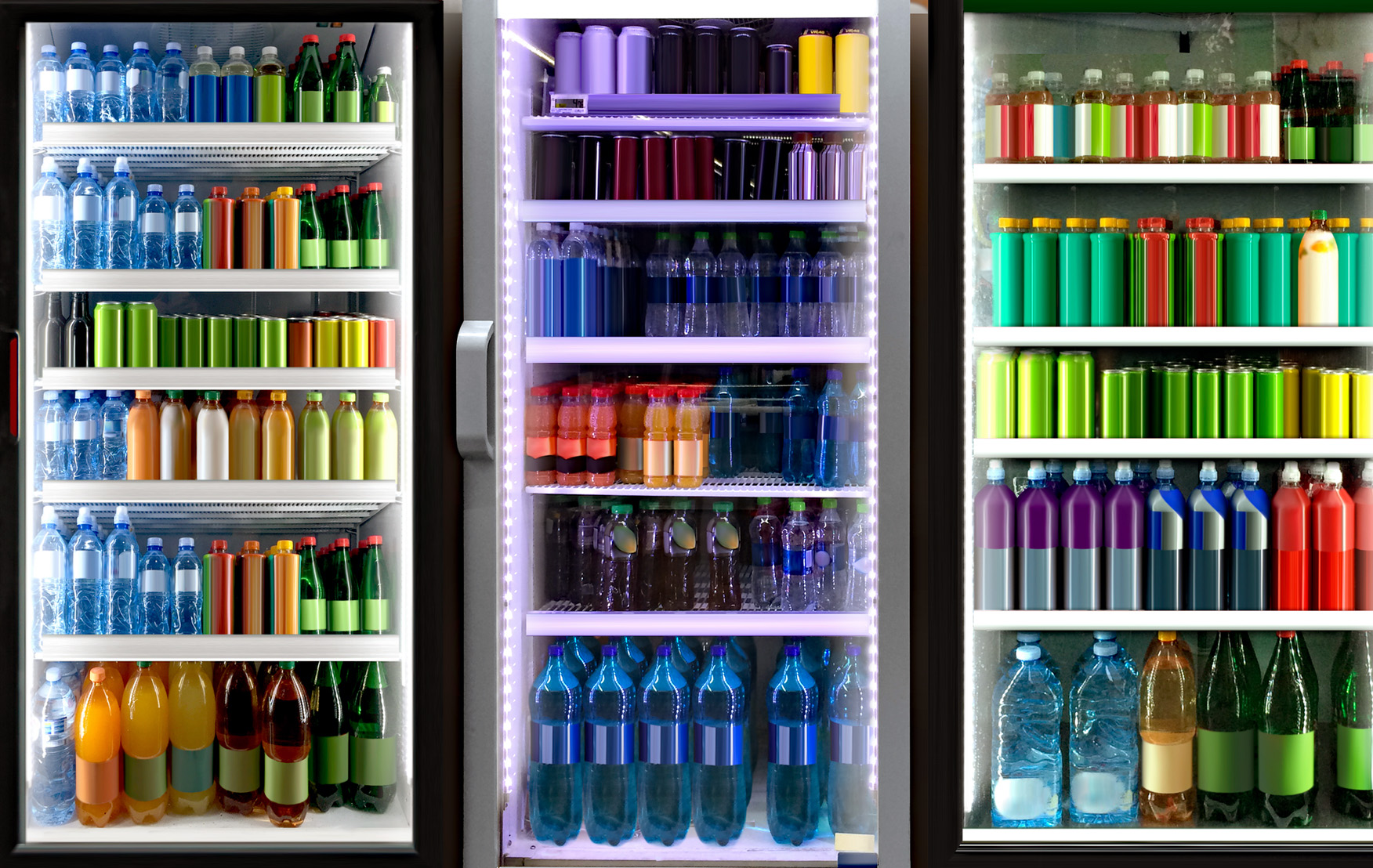
 When we think about suppliers and retailers working together, we usually imagine negotiations over things like the price a retailer pays for products, the quantities ordered, or delivery schedules. However, some suppliers do much more than simply supplying products. In fact, suppliers to many supermarkets also advise them on which brands to stock, how much shelf space each brand should get, and which products to promote. In this role, known as a ‘category captain’, a supplier can influence not only its own products but also those of its competitors within a specific category of products.
For example, if Red Bull were acting as a category captain in the energy drinks category for a supermarket like Tesco, it could also advise on where its competitor, Monster Energy, appears on the shelves, or even whether it appears at all!
Sounds problematic? Arrangements like these are an example of vertical relationships between suppliers and retailers, something economists often study. Like other vertical arrangements, such as exclusive dealing, they can have both benefits and drawbacks. For example, while a category captain can result in efficiency gains, allow for a more organised category of products and improve consumer choice, it also raises questions when the supplier giving the advice also competes with the products it is advising on.
 That is exactly what the European Commission (EC), the EU’s competition authority, began examining in November 2025, when it opened an investigation into potential anticompetitive conduct by Red Bull.
One of the key concerns is whether Red Bull used its role as a category captain to disadvantage competing energy drink brands.
Category management is common … but novel for enforcement
The practice of appointing a category captain is not new. Many large supermarkets appoint category captains from major consumer goods suppliers. For example, firms such as Kraft Foods and Procter & Gamble have long taken on category management roles in a range of consumer-packaged goods categories.
However, despite how common these arrangements are in retail, this is the first time the EC has formally investigated whether a supplier has misused its category management role to limit or disadvantage competing products, and it has said it will treat the case as a priority.
How Red Bull could be disadvantaging competitors
 According to the Commission, Red Bull appears to hold a dominant position in the wholesale supply of branded energy drinks, at least in The Netherlands. In competition policy, a firm which holds a dominant position has a special responsibility to ensure that its actions do not unfairly restrict competition. Regulators are investigating whether the company abused this position by offering financial or non-financial incentives and/or leveraging its role as a category captain to disadvantage competing energy drinks sold in larger can sizes.
At an extreme, a category captain could advise a supermarket to stop selling a competitor’s product entirely, effectively excluding the brand from the shelves and potentially reducing consumer choice.
But there are also more subtle ways Red Bull could disadvantage its competitors. Insights from behavioural economics suggest that the placement of products on shelves can strongly influence what consumers notice and buy. By reducing the visibility of rival energy drinks, for example, products in less prominent locations are less likely to be purchased and are therefore disadvantaged.
These practices matter for consumers as well as competitors. By limiting which products are stocked or how prominently they are displayed, dominant suppliers could reduce choice and potentially keep prices higher.
Growing scrutiny of category management?
 Competition authorities seem to be paying closer attention to how suppliers influence the management of product categories in retail stores. In April 2025, the Belgian Competition Authority fined three large pharmaceutical companies more than €11 million for co-ordinating the placement of over-the-counter medicines in pharmacies. The companies had created shelf layouts that favoured their own products, disadvantaged competing brands, and monitored whether pharmacies followed the plans.
Thus far there have not been many European cases related to category management.
Why the Red Bull case matters
The Red Bull investigation is the first EC case focusing specifically on the potential misuse of category management by a dominant supplier. There is currently little guidance on how these arrangements should be assessed under competition law, meaning the case could set an important precedent.
If the Commission concludes that category management was used strategically to disadvantage competitors, Red Bull could be found to have abused its dominant position under EU competition rules. Such a decision could reshape supplier–retailer relationships across Europe.
Articles
Questions
- Beyond prices, how might dominant suppliers influencing shelf space affect competition and consumer choice?
- How might category captain arrangements affect barriers to entry?
- What are the potential efficiencies of supplier-led category management, and what are the possible anti-competitive effects?
- What guidelines or safeguards could regulators provide to ensure category captains deliver the potential efficiencies without harming competition?
 A previous post detailed how Netflix and Paramount Skydance were competing to acquire part or all of Warner Bros. Discovery (WBD). In December 2025, Netflix announced that it had agreed a deal to buy WBD’s studio and streaming service business. However, Paramount has still pursued a hostile takeover of WBD.
In mid-February 2026, it emerged that WBD had reopened talks with Paramount. Paramount was given a week to make its final offer. Then, under the agreed deal, Netflix would have the right to adjust its bid. Things have developed quickly since then.
Paramount raised its offer price by $1 per share making the deal worth a total of $111bn. WBD stated that this was superior to Netflix’s offer and Netflix declined to increase its bid. Netflix executives stated that:
This transaction was always a ‘nice to have’ at the right price, not a ‘must have’ at any price.1
Paramount will also pay Netflix the $2.8bn fee WBD owes Netflix for terminating the deal.
Whilst it appears Paramount has won the race to acquire WBD, the deal still needs regulatory clearance from competition authorities in the USA and Europe. Paramount CEO, David Ellison, stated that the proposal offered WBD shareholders ‘superior value, certainty and speed to closing.’2
Should the deal go through, the merged company would be in a powerful position as one of the few remaining Hollywood film and television studios.
References
- Paramount set for $111bn Warner Bros takeover after Netflix drops bid
BBC News, Danielle Kaye and Nardine Saad (26/2/26)
- Ibid
Articles
Questions
- What are the similarities and differences between Netflix’ and YouTube’s business models? How close substitutes do you think they are?
- Do you think cinemas are a closer or more distant substitute to Netflix than YouTube?
- Which of the possible deals, do you think, raised the most competition concerns? What might be a possible remedy that could alleviate these concerns?
- Was WBD’s decision to accept the Paramount takeover purely determined by the size of Paramount’s bid?
- What is the significance of legacy assets to the acquisition of WBD?
