
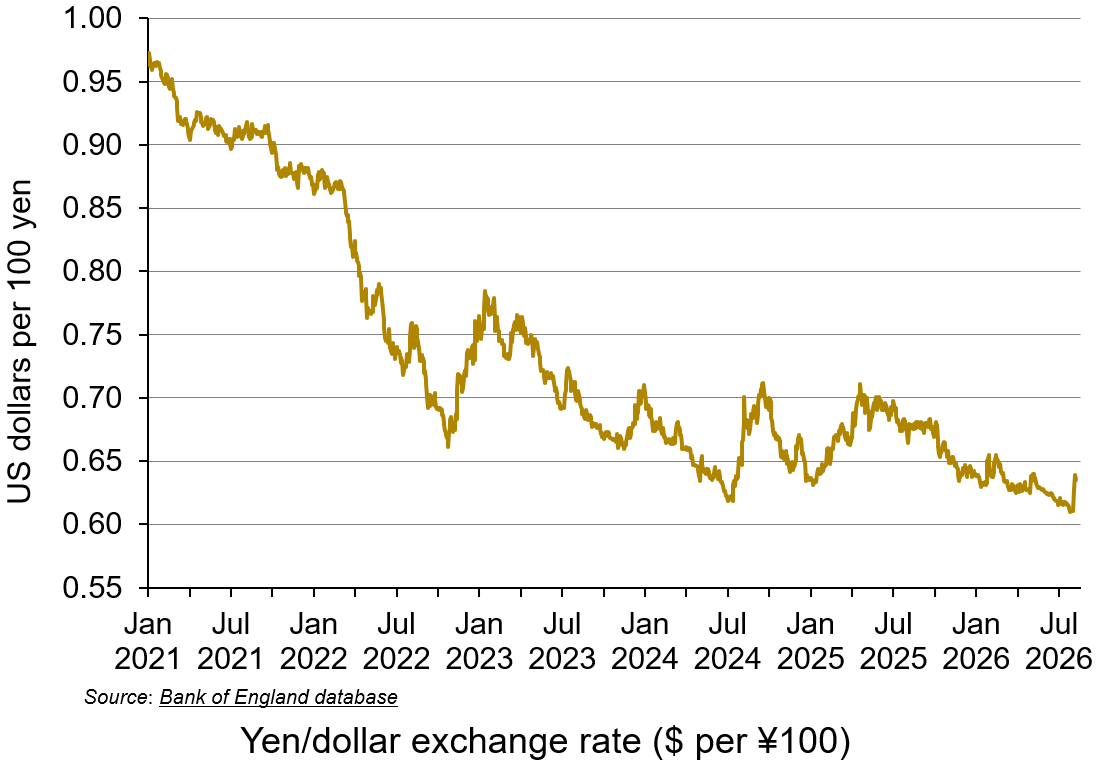
The yen has been depreciating against the dollar and other currencies for several months. It fell from 100 yen = $0.97 in January 2021 to $0.61 by the end of July 2026 – a fall of 37%. This marked a 40-year low. But then, at the end of July it rallied and by 3 August the rate was 100 yen = $0.64 – a rise of nearly 5%. But why did this happen and what will be the implications for Japan and the wider world economy?
Why has the yen fallen so much since 2021?
 There have been two main drivers.
The first is fiscal policy. For many years, Japan has been pursuing expansionary fiscal policy in an attempt to stimulate the sluggish economy. This has led to large budget deficits and public-sector debt. Since 2020, general government gross debt has been around 255% of GDP, the largest of any high-income economy.
Recently, the Japanese government has adopted aggressive supplementary budgets to fund, among other things, fuel subsidies and public-private investment initiatives. This has involved the issuance of more government bonds to fund the necessary borrowing.
 Fiscal pressures have also increased becase of demography. A rapidly aging population and declining birth rates have required substantial public spending on healthcare, social security and pensions. Meanwhile, the tax-paying working-age population has declined as a proportion of total population.
On the plus side, unlike most highly indebted nations, over 90% of Japan’s debt is held domestically by Japanese residents, Japanese institutional investors, banks and the Bank of Japan (BoJ). This lowers the risk of default and hence the risk premium on Japanese bonds.
 The second driver is monetary policy. Interest rates have been kept low over many years, including periods of negative rates, as the BoJ has attempted to stimulate the economy. Low interest rates have sometimes been backed up with quantitative easing to increase money supply.
Since March 2024, however, there have been four interest rate increases. The latest was in June 2026 when the BoJ raised the short-term policy rate from 0.75% to 1.0% – the highest level since 1995. Despite this, interest rates have remained below those in other countries, and this contributed to the continuing fall of the yen.
A falling yen has helped to increase Japanese exports by making them more competitive, but more expensive imports have contributed to rising Japanese inflation.
Low interest rates have also stimulated the yen-dollar carry trade. This is where investors borrow money in yen at low interest rates, convert it into US dollars and invest it in higher-yielding US assets, typically US government bonds (‘Treasury bonds’). This borrowing in yen to buy dollars further contributed to the depreciation of the yen against the dollar.
Co-ordinated intervention
 In an attempt to raise the value of the yen, the Bank of Japan and the US Federal Reserve acted together – their first joint currency rescue operation since 2011. The BoJ spent tens of billions of dollars to buy yen; the US Treasury bought yen by selling euros. Prior to the intervention, global hedge funds held near-record short positions against the yen, meaning that they sold yen at a current price, agreeing to buy them back at a particular later date, hoping that the yen would fall in the meantime and that they would therefore make a profit. The sudden joint intervention forced these traders to buy back the yen to cut their losses before the rate rose further. This accelerated the yen’s appreciation.
But why did the USA join Japan in intervening? Japan is the largest foreign holder of US Treasuries ($1.1 trillion). The USA intervened to discourage Japanese investors from selling US Treasuries in order to raise cash, thereby pushing up US borrowing costs.
The rise in the yen was also encouraged by speculators who are expecting further interest rate rises from the BoJ to counter inflation and support public finances, driving domestic bond yields higher. This will lead to a narrowing of interest rates between Japan and other countries.
Effects on the Japanese economy
 If the yen continues to appreciate, this will help to reduce inflation by making imports cheaper and will help to ease cost-of-living pressures on Japanese consumers. Japan is heavily reliant on imported energy and raw materials.
However, the decline in the yen over recent years has provided a large boost to Japanese exports. A sharp reversal in this could severely affect exporters’ profits and have a serious negative impact on economic growth.
If the appreciation continues, it would lead to an unwinding of the carry trade. To prevent mounting currency losses, highly leveraged institutional investors would be forced to sell assets, such as US and other countries’ shares and bonds to buy back yen and pay off their debts. This potentially massive unwinding would be likely to create global market volatility and drive up interest rates.
Articles
- Yen holds gains after Japan, US confirm joint intervention, signal more action
Reuters, Makiko Yamazaki and Leika Kihara (3/8/26)
- Yen surges to three-month peak, dollar pares losses after intervention
Reuters, Chibuike Oguh (3/8/26)
- US dollar weakens sharply against the Japanese yen after officials intervene in markets
ABC7 Eyewitness News, Mayuko Ono and Elaine Kurtenbach (3/8/26)
- Yen hits three-month high after Trump helps prop up currency
The Guardian, Graeme Wearden (3/8/26)
- Why has Trump stepped in to prop up Japan’s currency?
The Guardian, Jonathan Yerushalmy (3/8/26)
- Why the U.S. stepped in after decades to prop up Japan’s yen — and what’s at stake
CNBC, Lee Ying Shan (3/8/26)
- Politics & Policy Analysis: How Bessent is pushing Warsh’s Fed to expand backstop for Japan’s yen defense
CNBC, Matt Peterson (3/8/26)
- Why Japan is propping up the yen – and why the US helped
The Straits Times (4/8/26)
- The Pros and Cons of a Strong Dollar
Johnston Investment Counsel (3/8/26)
- Why the U.S. Stepped In to Prop Up Japan’s Yen Currency
Yahoo!Finance, Tiago Ventura (3/8/26)
- Why the U.S. Is Helping Prop Up Japan’s Weak Currency
The New York Times, Eshe Nelson (3/8/26)
- U.S.-Japan Intervention Triggers Yen Carry Trade Fears
The Chosun Daily, Lee Hai-woon (3/8/26)
- What top minds in markets are saying about the US intervention to prop up Japan’s currency
Business Insider, Jennifer Sor (3/8/26)
Data
Questions
- What have been the benefits and costs to Japan of a depreciating exchange rate?
- Explain the carry trade.
- Why might the yen-dollar carry trade unwind and what would be the consequences for Japan and the USA?
- Find out what has happened to the exchange rate between the yen and the euro. Has this been driven by the carry trade?
- For what reasons might the yen (a) now continue rising; (b) resume depreciating?
- Find out what has happened to the yen/dollar exchange rate since this blog was written. Explain your findings.
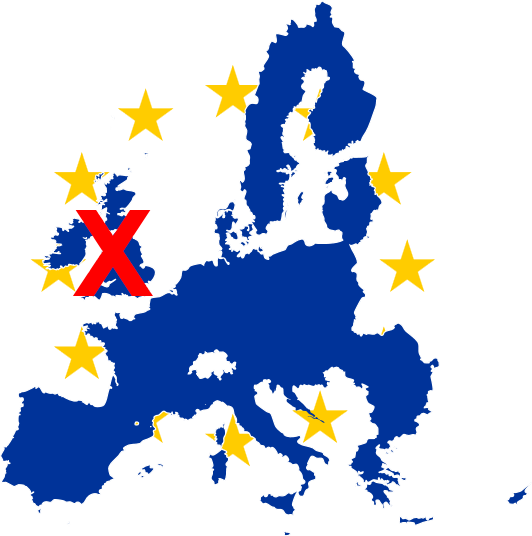 It is 10 years since the Brexit referendum. From an electorate of 46,501,251 people, 17,410,742 (37.4%) voted to leave, 16,141,241 (34.7%) voted to remain and 12,949,258 (27.8%) did not vote. The UK left the EU on 31 January 2020 at 11:00 pm, but remained in the single market and customs union during a transition period lasting for a further 11 months until December 31 2020.
To mark the 10th anniversary of the vote a number of articles have been written assessing the effects of Brexit. Here we look at the economic effects, as do the articles linked below. This blog updates the analysis of an earlier one, The costs of Brexit: a clearer picture.
Trade
After the referendum, extensive negotiations took place on the trading arrangements between the UK and EU that would exist once Brexit was finalised.
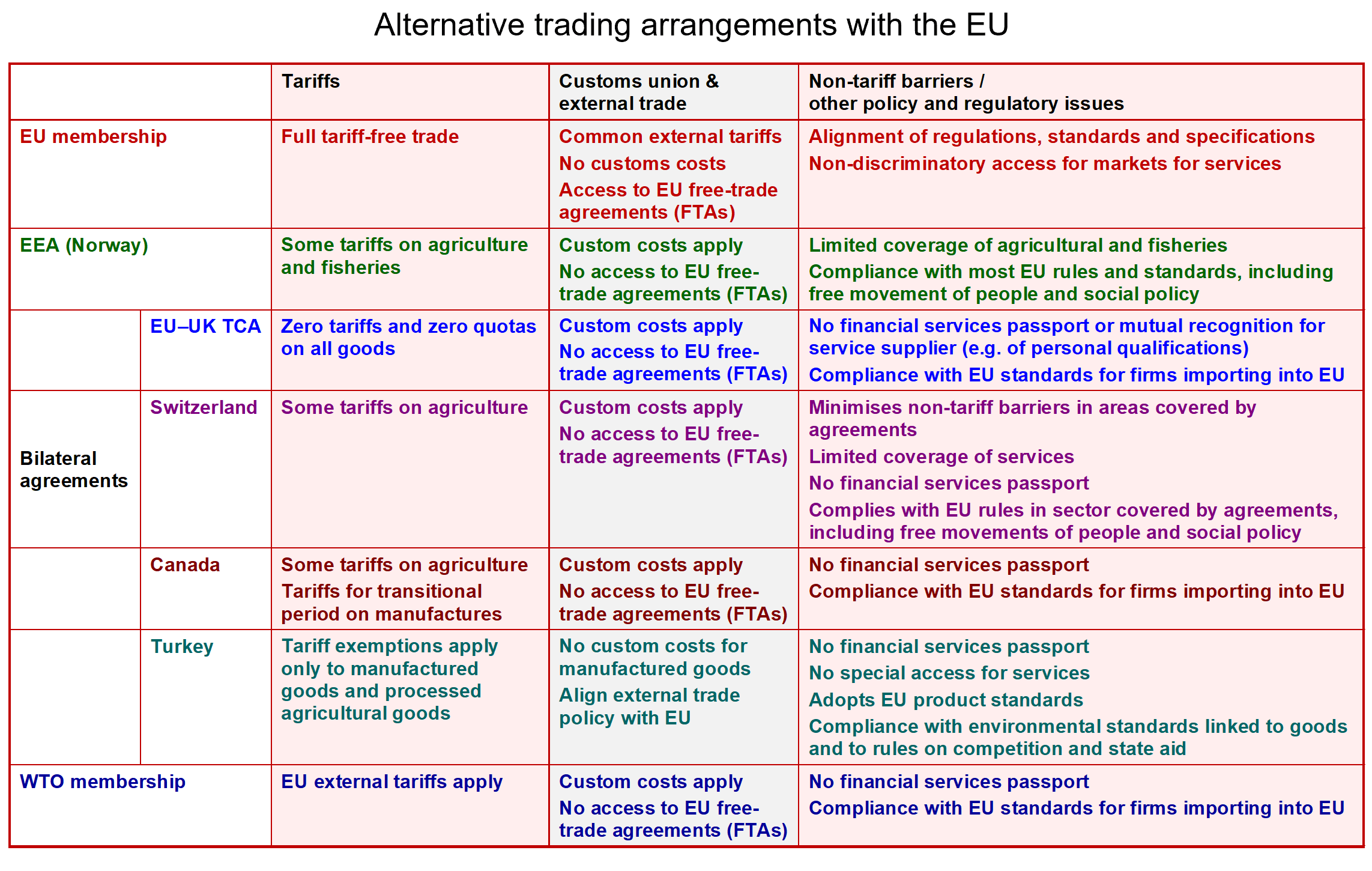
One possibility was ‘The Norwegian model’, which would have seen the UK join the European Economic Area (EEA), giving it access to the single market, but removing regulation in some key areas, such as fisheries and home affairs. This was ruled out in favour of a bilateral trade agreement. Three main types were available:
- Swiss model, where the UK would negotiate a series of bilateral agreements with the EU, including selective or general access to the single market.
- Canadian model, where the UK would form a comprehensive trade agreement with the EU to lower customs tariffs and other barriers to trade.
- Turkish model, where the UK would form a customs union with the EU. In Turkey’s case the agreement relates principally to manufactured goods.
The agreement reached, the Trade and Cooperation Agreement (TCA) was a version of the Canadian model. The UK would leave the single market and customs union, but there would be tariff-free and quota-free trade in goods between the UK and the EU. However, to ensure that it was EU and UK business that would benefit from these ‘trade preferences’, businesses must show that their products fulfil ‘rules of origin’ requirements.
 Rules of origin. Under rules of origin requirements, when a good is imported into the UK from outside the EU and then has value added to it by processing, packaging, cleaning, remixing, preserving, refashioning, etc., it can only count as a UK good if sufficient value or weight is added. The proportions vary by product, but generally goods must have approximately 50% UK content (or 80% of the weight of foodstuffs) to qualify for tariff-free access to the EU. For example, in the case of a petrol car, 55% of its value must have been created in either the EU or UK.
Meeting rules of origin has created a large amount of paperwork for businesses and this has created a significant barrier to trade. What is more, exporters are required to complete import/export declarations. Also, agri-food goods are subject to strict physical border controls. These barriers have increased the costs of trade and reduced its volume.
Services. Free trade in services is not provided by the TCA. Instead, services exporters face various barriers, such as certain professional qualifications no longer being recognised in EU countries and a loss of ‘passporting’ rights that previously allowed cross-border financial operations with minimal extra permissions.
Brexit impact. Despite new barriers to trade in services, they are generally less significant than the barriers for trade in goods, particularly in a digital age. Indeed, UK services exports have held up well. Although they fell in 2020, they have grown significantly since. According to House of Commons Library Statistics on UK-EU trade (see link below):
In 2025, UK exports of services to the EU were 28% above their 2019 level in real terms. Exports to non-EU countries were 26% above their 2019 level.
UK exports of goods to the EU, however, have fared less well. In 2025 they were 14% below their 2019 level in real terms. This is partly the effect of COVID and the Ukraine war, but exports to non-EU countries were only 8% lower than 2019. According to research by economists John Springford and Anton Spisak for the Centre for European Reform (see link below), Brexit has depressed UK goods exports to the EU by 16%. According to the Office for Budget Responsibility, (see link below) both exports and imports in the long run will be around 15% lower than they would have been if the UK had remained in the EU. What is more, the growth of goods trade (exports plus imports) has fallen well behind the average of the rest of the G7. And according to British Chambers of Commerce research (see link below), 54% of UK exporters think the TCA is making it harder to export and the need for change is urgent.
The new barriers reduce market access, while lower export volumes reduce competition and economies of scale. There is less competition too from imports, with many EU firms no longer exporting to the UK because of the costs. The barriers lead to a misallocation of resources, with highly productive UK firms exporting less, with less productive firms in the UK and EU focusing purely on their domestic markets. The barriers thus impose an impediment to the exploitation of comparative advantage
Investment
 Both domestic and foreign direct investment (FDI) in the UK have been adversely affected by Brexit. Bloom et al., in their paper for the NBER (see link below), estimate that by 2025, investment was 12–18% lower than it would have been without Brexit.
In the early years after the referendum, lower capital investment was mainly the result of uncertainty and devoting significant resources to administrative Brexit preparations. Later it was largely the result of the trade barriers themselves. Not surprisingly, firms in the UK with high exposure to EU markets experienced a sharper decline in investment than less-exposed ones.
The end of the single market and customs union reduced the attractiveness of the UK as a hub for FDI relative to competitor countries. And UK firms were encouraged to invest in the EU to create hubs for selling within the EU, thereby allowing them to avoid the trade barriers.
According to the Bloom et al. analysis, the effect of lower investment and less competition has been a fall in UK productivity of around 3% to 4% compared to remaining in the EU. The Office For Budget Responsibility argues that the post-Brexit trading relationship will reduce long-run productivity by 4% relative to remaining in the EU.
Growth in GDP
Lower investment, lower productivity and trade barriers have had a negative impact on economic growth. According to analysis by the National Institute of Economic and Social Research (NIESR) (see link below), by the end of 2023, UK real GDP was some 2–3% lower solely as a result of Brexit – in other words, after having taken into account the effects of COVID-19 and the Russia-Ukraine war. This corresponds to a per capita income loss of approximately £850. The NIESR analysis predicts that this will rise to some 5–6% of GDP, or about £2,300 per capita, by 2035.
Bank of England data, based on surveys of chief financial officers of over 2000 firms (small, medium and large), suggest that the UK economy is some 6% smaller than it would have been without Brexit. The Office for Budget Responsibility estimates that Brexit has caused a long-run reduction in GDP of 4% as a result of a similar percentage reduction in productivity.
The growth of small and medium-sized enterprises (SMEs) has been disproportionately dampened by the compliance costs of trade with the EU. Some SMEs, especially in the food and drink sector, have ceased exporting to the EU altogether.
Labour supply and migration
Halting the right of EU workers to move freely to the UK for work created acute labour shortages in specific sectors such as hospitality, health and social care, logistics, construction and agriculture. However, while immigration from the EU fell dramatically, this was more than offset by increased immigration from non-EU countries. But this was unable to fill shortfalls in some sectors.
 The loss of free movement of labour means that UK workers now face restrictions on working in the EU. These include obtaining a work visa, which requires a formal job offer, sponsorship and meeting strict salary thresholds. While business trips for meetings, conferences, trade fairs, etc. are generally exempt, if the work involves remuneration, then normally a work visa will be required. The terms of work visas vary between member states. This has created a considerable barrier for touring bands and other artists. Short-term self-employed or freelance work is highly restricted, with virtually no work permit options available for visiting UK nationals.
Because employing UK nationals now imposes extra administrative and time-consuming burdens on local EU employers, many now prioritize applicants from EU nations who can start immediately.
Articles
- Ten years on, Brexit’s economic impact is becoming clearer
BBC News, Faisal Islam (24/6/26)
- How Brexit is estimated to have hit the UK economy
Reuters, David Milliken (17/6/26)
- Ten years on, Britain counts the cost of Brexit
CNN, Hanna Ziady (22/6/26)
- Brexit at 10: The economy
Institute for Government: Comment, Giles Wilkes (16/6/26)
- Brexit has been an economic failure
LSE Blogs, Thomas Sampsos (16/6/26)
- Ten years after the referendum, how Brexit could have been done differently
The Conversation, Renaud Foucart (22/6/26)
- How Brexit has made Britain poorer – in charts
The Guardian, Richard Partington (14/6/26)
- The cost of Brexit, ten years on: The impact of leaving the customs union and single market on UK trade
Centre for European Reform, John Springford and Anton Spisak (18/6/26)
- Rejoining customs union would not fix damage caused by Brexit, research finds
The Guardian, Heather Stewart (18/6/26)
- The Economic Impact of Brexit
National Bureau of Economic Research , Nicholas Bloom, Philip Bunn, Paul Mizen, Pawel Smietanka, Gregory Thwaites and Sasha Abrahams (revised June 2026)
- Brexit’s impact on the UK economy
UK in a Changing Europe: blog, Gregory Thwaites, Nicholas Bloom, Paul Mizen, Pawel Smietanka and Philip Bunn (4/12/25)
- What the NBER gets wrong on the ‘Economic Impact of Brexit’
Julian Jessop (24/11/25)
- Brexit burden must be cut
British Chambers of Commerce (22/6/26)
- Brexit impact will be negative ‘for the foreseeable future,’ Bank of England governor warns
Business Matters, Jamie Young (19/10/25)
- Brexit knocked 6% off the UK economy, Bank of England company data suggests
Business Matters, Jamie Young (22/6/26)
- Brexit ten years on: the economy
UK in a Changing Europe: blog, Jonathan Portes (2/6/26)
- Brexit 10 years later: How the UK economy and politics changed, in charts
CNBC, Joseph Wilkins and Chloe Taylor (23/6/26)
- Ten Years of Brexit: An Assessment of the Macroeconomic, Regional, and Sectoral Impacts
NIESR blog (19/6/26)
- Brexit was supposed to limit immigration – it did the opposite
LSE blogs, Alan Manning (22/6/26)
Videos
Reports, Research, Analysis and Data
- Brexit analysis
OBR
- Brexit: research and analysis
UK Parliament
- Brexit analyses
Centre for Economic Performance (LSE)
- Trading relationship with the EU
House of Commons Library, Ilze Jozepa, Dominic Webb and Matthew Ward (25/4/25)
- Statistics on UK-EU trade
House of Commons Library, Matthew Ward and Dominic Webb (12/6/26)
- How are our Brexit trade forecast assumptions performing?
Office for Budget Responsibility, Economic and fiscal outlook – March 2024, Box 2.4
- Revisiting the Effect of Brexit
National Institute of Economic and Social Research, Ahmet Ihsan Kaya, Iana Liadze, Hailey Low, Patricia Sánchez Juanino and Stephen Millard (16/11/23)
- Net migration to the UK
The Migration Observatory, Madeleine Sumption, Ben Brindle and Peter William Walsh (27/5/26)
Questions
- Summarise the negative effects of Brexit on the UK economy.
- Why is it difficult to quantify these effects?
- How have UK firms attempted to reduce the costs of exporting to the EU?
- Why have goods exports been worse affected by Brexit than services exports?
- What difficulties would lie in the way of the UK negotiating a Turkish or Swiss model of trading relations with the EU?
- Have there been any economic benefits from Brexit and, if so, what?
A common practice of international investors is to take part in the so-called ‘carry trade’. This involves taking advantage of nominal interest rate differences between countries. For example, assume that interest rates are low in Japan and high in the USA. It is thus profitable to borrow yen in Japan at the low interest rate, exchange it into US dollars and deposit the money at the higher interest rate available in the USA. If there is no change in the exchange rate between the dollar and the yen, the investor makes a profit equal to the difference in the interest rates.
Rather than depositing the money in a US bank account, an alternative is to purchase US bonds or other assets in the USA, where the return is again higher than that in Japan.
If, however, interest-rate differentials narrow, there is the possibility of the carry trade ‘unwinding’. Not only may the carry trade prove unprofitable (or less so), but investors may withdraw their deposits and pay back the loans. This, as we shall, can have adverse consequences on exchange rates.
The problem of an unwinding of the carry trade is not new. It worsened the underlying problems of the financial crisis in 2008. The question today is whether history is about to repeat itself with a new round of unwinding of the carry trade threatening economic growth and recovery around the world.
We start by looking at what happened in 2008.
The carry trade and the 2008 financial crisis
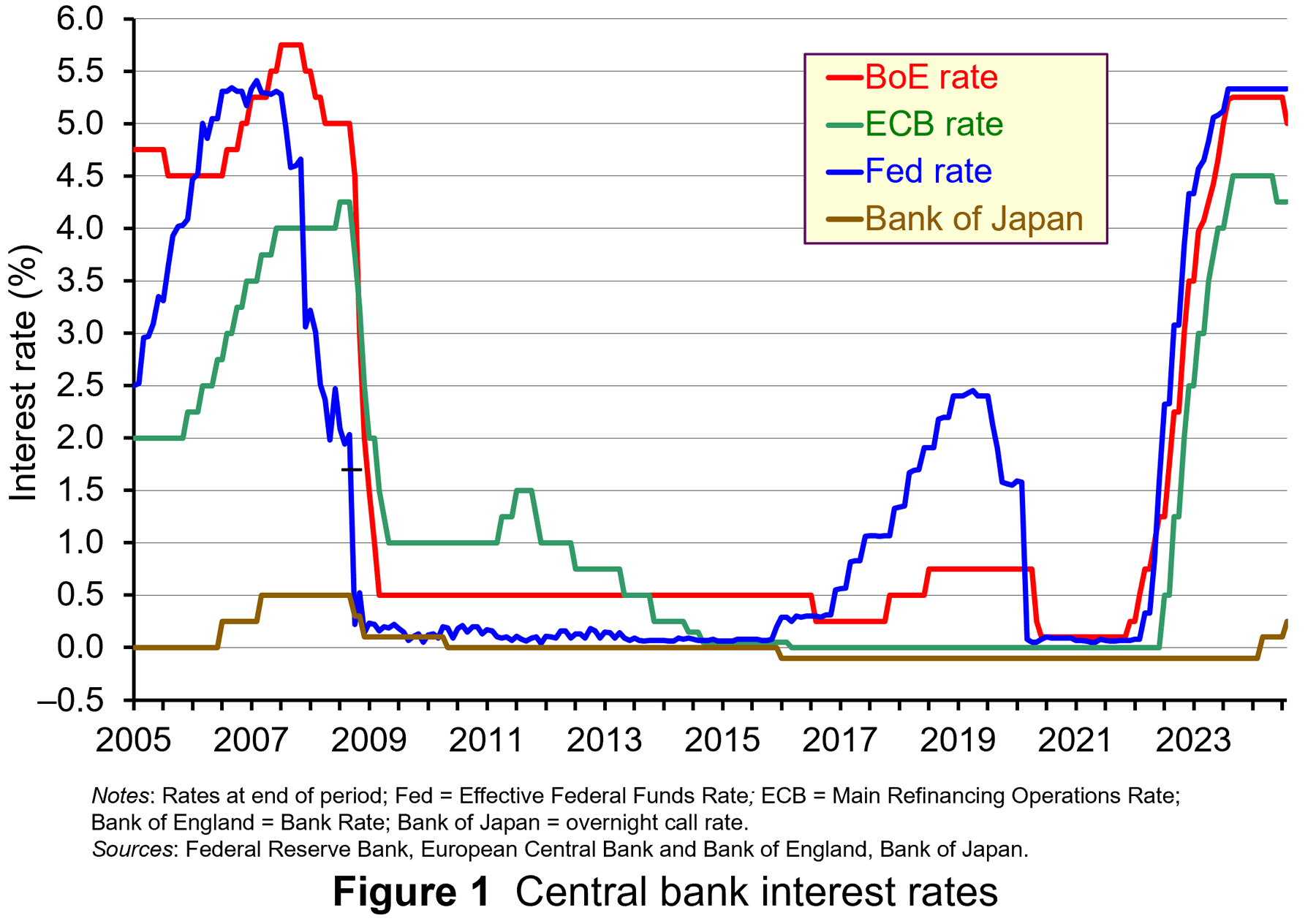 Prior to the financial crisis of 2008, current account deficit countries, such as the UK, USA and Australia, typically had relatively high interest rates, while current account surplus countries such as Japan and Switzerland had relatively low ones. Figure 1 shows central bank interest rates from 2005 to the current day (click here for a PowerPoint).
The carry trade saw investors borrowing money in Japan and Switzerland, exchanging it on the foreign exchange market, with the currency then deposited in the UK, USA and Australia. Hundreds of billions worth of dollars were involved in this carry trade.
If, however, the higher interest rates in the UK and other deficit countries were simply to compensate investors for the risk of currency depreciation, then there would be no excessive inflow of finance. The benefit of the higher interest rate would be offset by a depreciating currency. But the carry trade had the effect of making deficit currencies appreciate, thereby further boosting the carry trade by speculation of further exchange rate rises.
Thus the currencies of deficit countries appreciated, making their goods less competitive and worsening their current account deficit. Between 1996 and 2006, the average current account deficits as a percentage of GDP for Australia, the USA and the UK were close to 4½, 4 and 2, respectively. Between January 1996 and December 2006, the broad-based real exchange rate index of the Australian dollar appreciated by 17%, of the US dollar by 4% and of sterling by some 23%.
 Currencies of surplus countries depreciated, making their goods more competitive and further boosting their current account surpluses. For example, between 2004 and 2006 the average current account surpluses as a percentage of GDP for Japan and Switzerland were 3½ and 13, respectively. Their short-term interest rates averaged a mere 0.1% and 1.0% respectively (compared with 3.4%, 4.7% and 5.7% for the USA, the UK and Australia). Yet between January 2004 and December 2006, the real exchange rate index of the yen depreciated by 21%, while that of the Swiss franc depreciated by 6%.
With the credit crunch of 2007/8, the carry trade unwound. Much of the money deposited in the USA had been in highly risky assets, such as sub-prime mortgages. Investors scrambled to sell their assets in the USA, UK and the EU. Loans from Japan and Switzerland were repaid and these countries, seen as ‘safe havens’, attracted deposits. The currencies of deficit countries, such as the UK and USA, began to depreciate and those of surplus countries, such as Japan and Switzerland, began to appreciate. Between September 2007 and September 2008, the real exchange rate indices of the US dollar and sterling depreciated by 2% and 13% respectively; the yen and the Swiss franc appreciated by 3% and 2¾%.
This represented a ‘double whammy’ for Japanese exporters. Not only did its currency appreciate, making its exports more expensive in dollars, euros, pounds, etc., but the global recession saw consumers around the world buying less. As a result, the Japanese economy suffered the worst recession of the G7 economies.
The carry trade in recent months
Since 2016, there has been a re-emergence of the carry trade as the Fed began raising interest rates while the Bank of Japan kept rates at the ultra low level of –0.1% (see Figure 1). The process slowed down when the USA lowered interest rates in 2020 in response to the pandemic and fears of recession. But when the USA, the EU and the UK began raising rates at the beginning of 2022 in response to global inflationary pressures, while Japan kept its main rate at –0.1%, so the carry trade resumed in earnest. Cross-border loans originating in Japan (not all of it from the carry trade) had risen to ¥157tn ($1tn) by March 2024 – a rise of 21% from 2021.
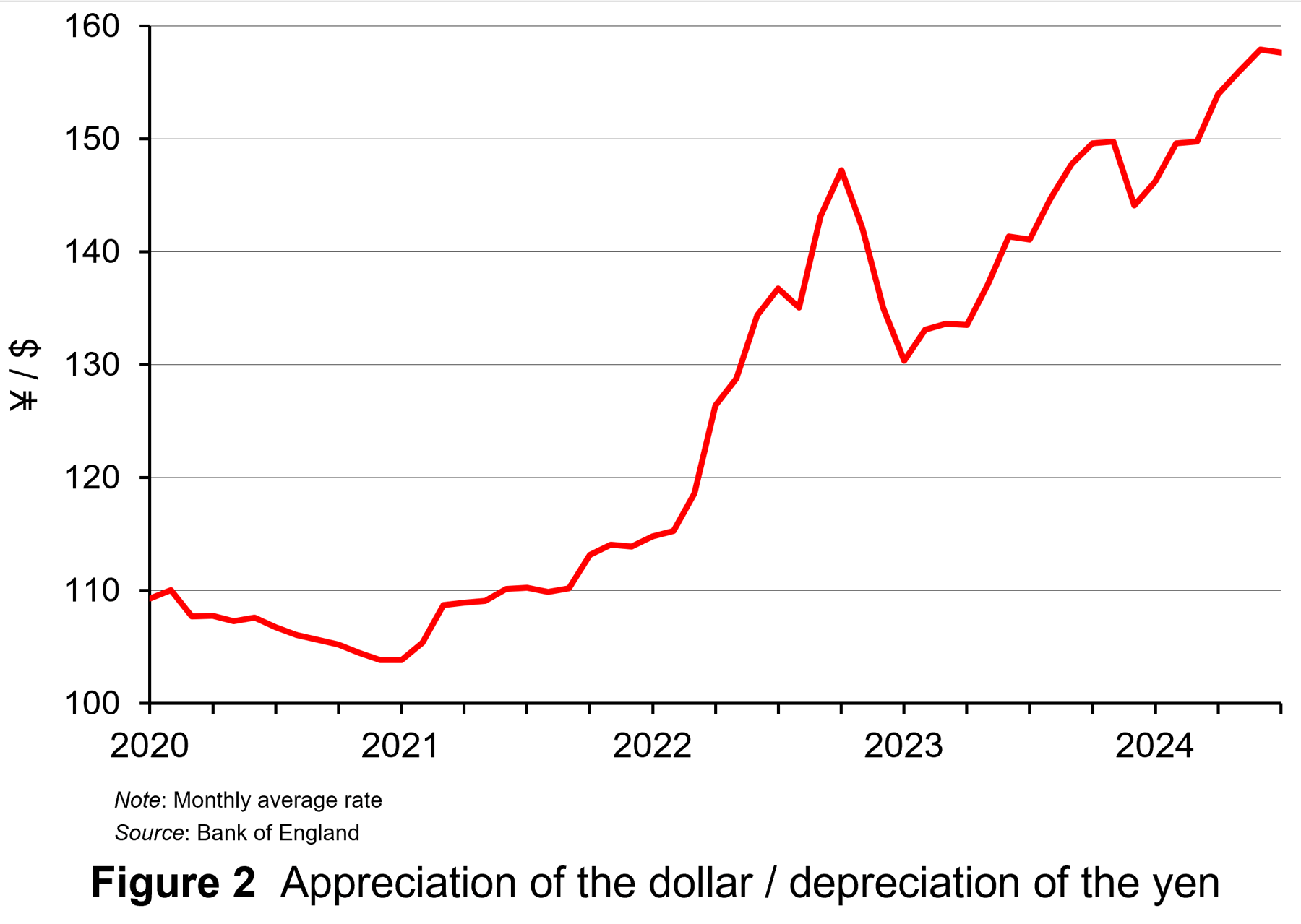 The process boosted US stock markets and contributed to the dollar appreciating against the yen (see Figure 2: click here for a PowerPoint).
Although this depreciation of the yen helped Japanese exports, it also led to rising prices. Japanese inflation rose steadily throughout 2022. In the 12 months to January 2022 the inflation rate was 0.5% (having been negative from October 2020 to August 2021). By January 2023, the annual rate had risen to 4.3% – a rate not seen since 1981. The Bank of Japan was cautious about raising interest rates to suppress this inflation, however, for fear of damaging growth and causing the exchange rate to appreciate and thereby damaging exports. Indeed, quarterly economic growth fell from 1.3% in 2023 Q1 to –1.0% in 2023 Q3.
But then, with growth rebounding and the yen depreciating further, in March 2024 the Bank of Japan decided to raise its key rate from –0.1% to 0.1%. This initially had the effect of stabilising the exchange rate. But then with the yen depreciating further and inflation rising from 2.5% to 2.8% in May and staying at this level in June, the Bank of Japan increased the key rate again at the end of July – this time to 0.25% – and there were expectations that there would be another rise before the end of the year.
At the same time, there were expectations that the Fed would soon lower its main rate (the Federal Funds Rate) from its level of 5.33%. The ECB and the Bank of England had already begun lowering their main rates in response to lower inflation. The carry trade rapidly unwound. Investors sold US, EU and UK assets and began repaying yen loans.
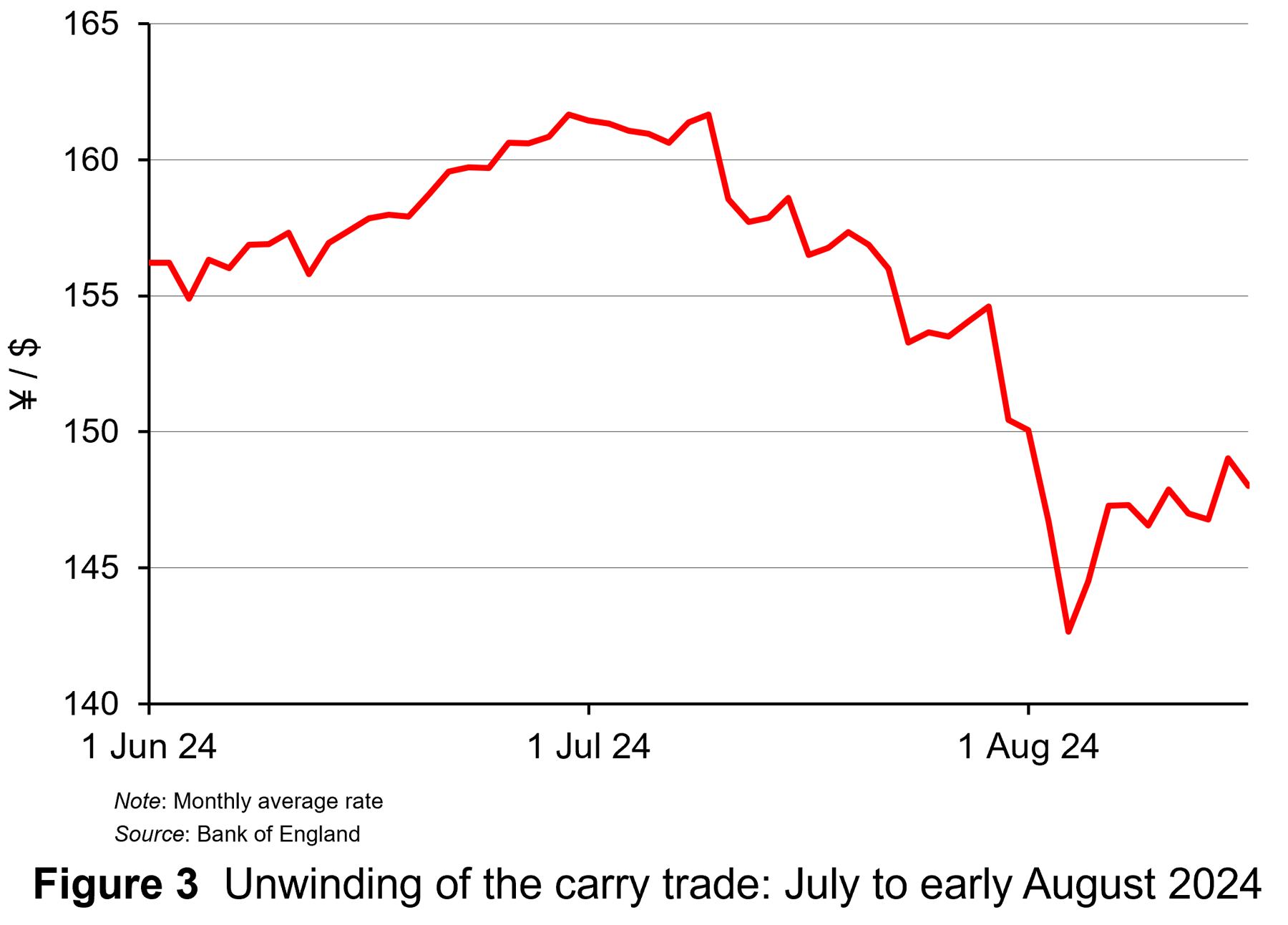 The result was a rapid appreciation of the yen as Figure 3 shows (click here for a PowerPoint). Between 31 July (the date the Bank of Japan raised interest rates the second time) and 5 August, the dollar depreciated against the yen from ¥150.4 to ¥142.7. In other words, the value of 100 yen appreciated from $0.66 to $0.70 – an appreciation of the yen of 6.1%.
Fears about the unwinding of the carry trade led to falls in stock markets around the world. Not only were investors selling shares to pay back the loans, but fears of the continuing process put further downward pressure on shares. From 31 July to 5 August, the US S&P 500 fell by 6.1% and the tech-heavy Nasdaq by 8.0%.
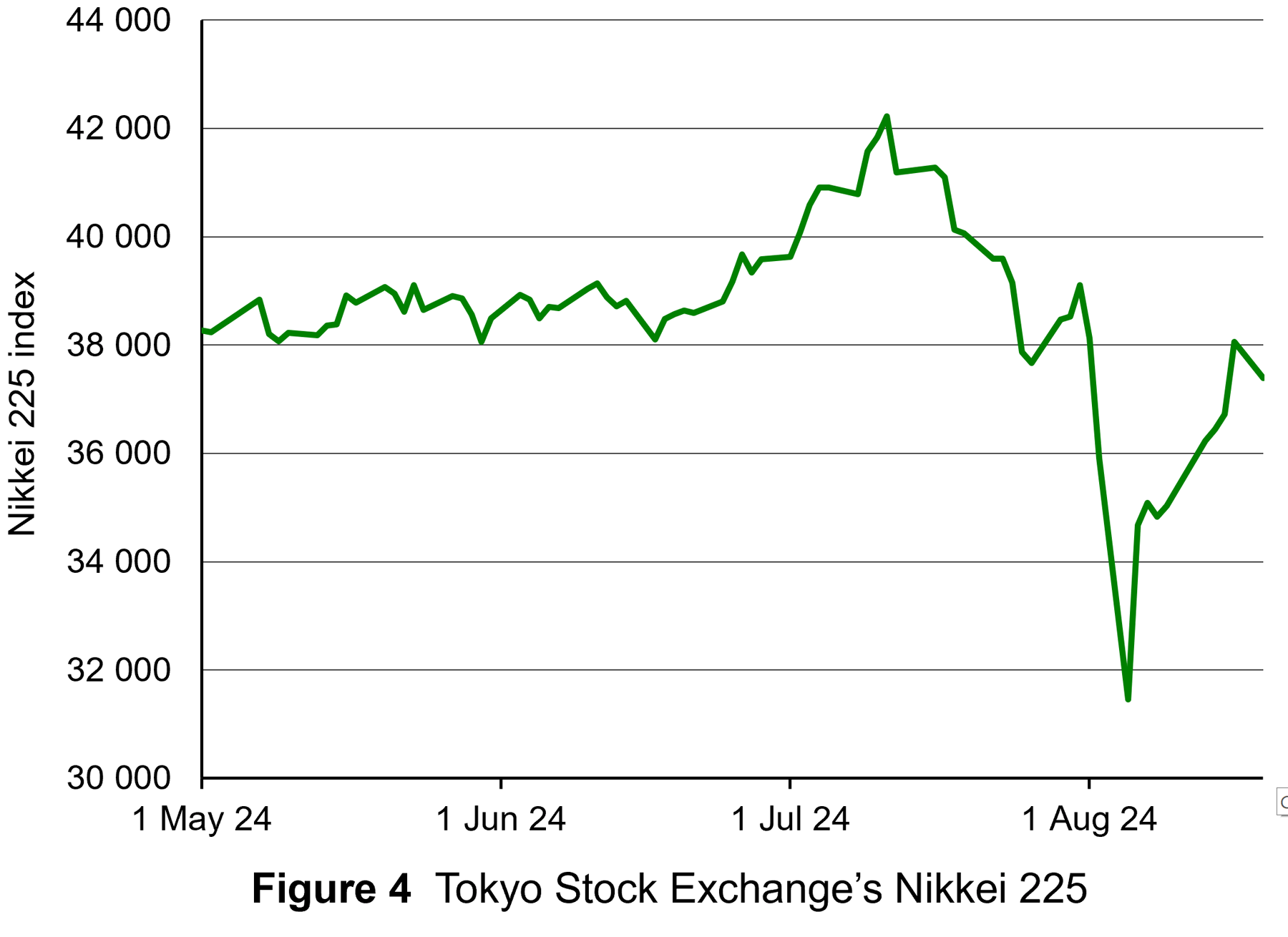 As far as the Tokyo stock market was concerned, the appreciation of the yen sparked fears that the large Japanese export sector would be damaged. Investors rushed to sell shares. Between 31 July and 5 August, the Nikkei 225 (the main Japanese stock market index) fell by 19.5% – its biggest short-term fall ever (see Figure 4: click here for a PowerPoint).
Although the yen has since depreciated slightly (a rise in the yen/dollar rate) and stock markets have recovered somewhat, expectations of many investors are that the unwinding of the yen carry trade has some way to go. This could result in a further appreciation of the yen from current levels of around ¥100 = $0.67 to around $0.86 in a couple of years’ time.
There are also fears about the carry trade in the Chinese currency, the yuan. Some $500 billion of foreign currency holdings have been acquired with yuan since 2022. As with the Japanese carry trade, this has been encouraged by low Chinese interest rates and a depreciating yuan. Not only are Chinese companies investing abroad, but foreign companies operating in China have been using their yuan earnings from their Chinese operations to invest abroad rather than in China. The Chinese carry trade, however, has been restricted by the limited convertibility of the yuan. If the Chinese carry trade begins to unwind when the Chinese economy begins to recover and interest rates begin to rise, the effect will probably be more limited than with the yen.
Articles
- A popular trading strategy just blew up in investors’ faces
CNN, Allison Morrow (7/8/24)
- The big ‘carry trade’ unwind is far from over, strategists warn
CNBC, Sam Meredith (13/8/24)
- Unwinding of yen ‘carry trade’ still threatens markets, say analysts
Financial Times, Leo Lewis and David Keohane (7/8/24)
- The yen carry trade sell-off marks a step change in the business cycle
Financial Times, John Plender (10/8/24)
- Forbes Money Markets Global Markets React To The Japanese Yen Carry Trade Unwind
Forbes, Frank Holmes (12/8/24)
- 7 unwinding carry trades that crashed the markets
Alt21 (26/1/23)
- A carry crash also kicked off the global financial crisis 17 years ago — here’s why it’s unlikely to get as bad this time
The Conversation, Charles Read (9/8/24)
- What is the Chinese yuan carry trade and how is it different from the yen’s?
Reuters, Winni Zhou and Summer Zhen (13/8/24)
- Carry Trade That Blew Up Markets Is Attracting Hedge Funds Again
Yahoo Finance/Bloomberg, David Finnerty and Ruth Carson (16/8/24)
- Currency Carry Trades 101
Investopedia, Kathy Lien (9/8/24)
- Carry Trades Torpedoed The Market. They’re Still Everywhere.
Finimize, Stéphane Renevier (13/8/24)
Questions
- What factors drive the currency carry trade?
- Is the carry trade a form of arbitrage?
- Find out and explain what has happened to the Japanese yen since this blog was written.
- Find out and explain some other examples of carry trades.
- Why are expectations so important in determining the extent and timing of the unwinding of carry trades?
 We have examined inflation in several blogs in recent months. With inflation at levels not seen for 40 years, this is hardly surprising. One question we’ve examined is whether the policy response has been correct. For example, in July, we asked whether the Bank of England had raised interest rates too much, too late. In judging policy, one useful distinction is between demand-pull inflation and cost-push inflation. Do they require the same policy response? Is raising interest rates to get inflation down to the target rate equally applicable to inflation caused by excessive demand and inflation caused by rising costs, where those rising costs are not caused by rising demand?
In terms of aggregate demand and supply, demand-pull inflation is shown by continuing rightward shifts in aggregate demand (AD); cost-push inflation is shown by continuing leftward/upward shifts in short-run aggregate supply (SRAS). This is illustrated in the following diagram, which shows a single shift in aggregate demand or short-run aggregate supply. For inflation to continue, rather than being a single rise in prices, the curves must continue to shift.
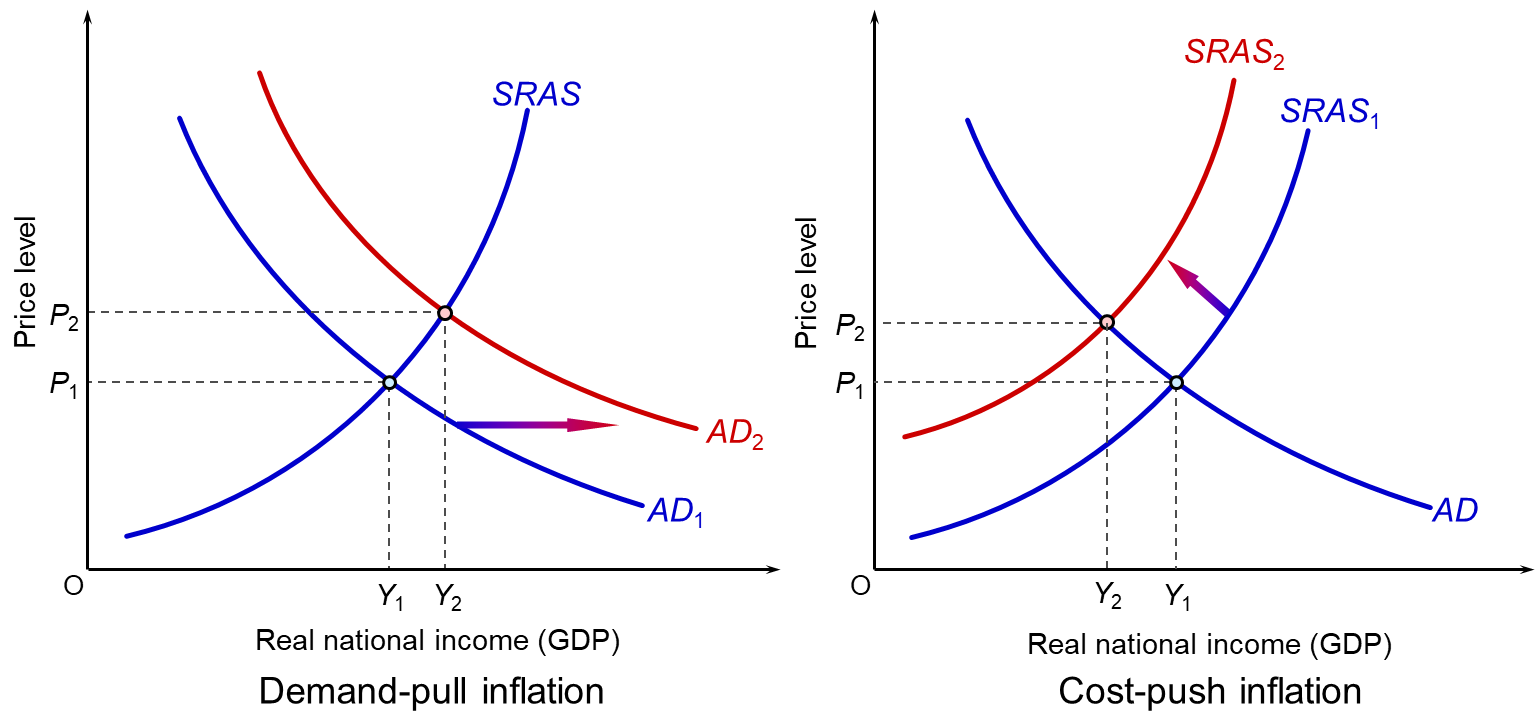
As you can see, the effects on real GDP (Y) are quite different. A rise in aggregate demand will tend to increase GDP (as long as capacity constraints allow). A rise in costs, and hence an upward shift in short-run aggregate supply, will lead to a fall in GDP as firms cut output in the face of rising costs and as consumers consume less as the cost of living rises.
The inflation experienced by the UK and other countries in recent months has been largely of the cost-push variety. Causes include: supply-chain bottlenecks as economies opened up after COVID-19; the war in Ukraine and its effects on oil and gas supplies and various grains; and avian flu and poor harvests from droughts and floods associated with global warming resulting in a fall in food supplies. These all led to a rise in prices. In the UK’s case, this was compounded by Brexit, which added to firms’ administrative costs and, according to the Bank of England, was estimated to cause a long-term fall in productivity of around 3 to 4 per cent.
The rise in costs had the effect of shifting short-run aggregate supply upwards to the left. As well as leading to a rise in prices and a cost-of-living squeeze, the rising costs dampened expenditure.
This was compounded by a tightening of fiscal policy as governments attempted to tackle public-sector deficits and debt, which had soared with the support measures during the pandemic. It was also compounded by rising interest rates as central banks attempted to bring inflation back to target.
Monetary policy response
 Central banks are generally charged with keeping inflation in the medium term at a target rate set by the government or the central bank itself. For most developed countries, this is 2% (see table in the blog, Should central bank targets be changed?). So is raising interest rates the correct policy response to cost-push inflation?
One argument is that monetary policy is inappropriate in the face of supply shocks. The supply shocks themselves have the effect of dampening demand. Raising interest rates will compound this effect, resulting in lower growth or even a recession. If the supply shocks are temporary, such as supply-chain disruptions caused by lockdowns during the pandemic, then it might be better to ride out the problem and not raise interest rates or raise them by only a small amount. Already cost pressures are easing in some areas as supplies have risen.
If, however, the fall in aggregate supply is more persistent, such as from climate-related declines in harvests or the Ukraine war dragging on, or new disruptions to supply associated with the Israel–Gaza war, or, in the UK’s case, with Brexit, then real aggregate demand may need to be reduced in order to match the lower aggregate supply. Or, at the very least, the growth in aggregate demand may need to be slowed to match the slower growth in aggregate supply.
Huw Pill, the Chief Economist at the Bank of England, in a podcast from the Columbia Law School (see links below), argued that people should recognise that the rise in costs has made them poorer. If they respond to the rising costs by seeking higher wages, or in the case of businesses, by putting up prices, this will simply stoke inflation. In these circumstances, raising interest rates to cool aggregate demand may reduce people’s ability to gain higher wages or put up prices.
 Another argument for raising interest rates in the face of cost-push inflation is when those cost increases are felt more than in other countries. The USA has suffered less from cost pressures than the UK. On the other hand, its growth rate is higher, suggesting that its inflation, albeit lower than in the UK, is more of the demand-pull variety. Despite its inflation rate being lower than in the UK, the problem of excess demand has led the Fed to adopt an aggressive interest rate policy. Its target rate is 5.25% to 5.50%, while the Bank of England’s is 5.25%. In order to prevent short-term capital outflows and a resulting depreciation in the pound, further stoking inflation, the Bank of England has been under pressure to mirror interest rate rises in the USA, the eurozone and elsewhere.
Articles
Blogs on this site
Information and data
Questions
- How may monetary policy affect inflationary expectations?
- If cost-push inflation makes people generally poorer, what role does the government have in making the distribution of a cut in real income a fair one?
- In the context of cost-push inflation, how might the authorities prevent a wage–price spiral?
- With reference to the second article above, explain the ‘monetary policy conundrum’ faced by the Bank of Japan.
- If central banks have a single policy instrument, namely changes in interest rates, how may conflicts arise when there is more than one macroeconomic objective?
- Is Russia’s rise in inflation the result of cost or demand pressures, or a mixture of the two (see articles above)?
At the time of the 2016 referendum, the clear consensus among economists was that Brexit would impose net economic costs on the UK economy. The size of these costs would depend on the nature of post-Brexit trading relations with the EU. The fewer the new barriers to trade and the closer the alignment with the EU single market, the lower these costs would be.
The Brexit deal in the form of the EU-UK Trade and Cooperation Agreement (see also) applied provisionally from January 2021, after the end of the transition period, and came into force in May 2021. Although this is a free-trade deal in the sense that goods made largely in the UK or EU can be traded tariff-free between the two, the deal does not apply to services (e.g. financial services) or to goods where components made outside the UK or EU account for more than a certain percentage (the ‘rules of origin‘ condition). Also there has been a huge increase in documentation that must be completed to export to or import from the EU.
Even though the nature of the Brexit deal has been clear since it was signed in December 2020, assessing the impact of the extra barriers to trade it has created has been hard given the various shocks that have had a severe impact on the UK (and global) economy. First COVID-19 and the associated lockdowns had a direct effect on output and trade; second the longer-term international supply-chain disruptions have extended the COVID costs beyond the initial lockdowns and acted as a brake on recovery and growth; third the Russian invasion of Ukraine imposed a severe shock to energy and food markets; fourth these factors have created not just a supply shock but also an inflationary shock, which has resulted in central banks seeking to dampen demand by significantly raising interest rates. One worry among analysts was that the negative effects of such shocks might be greater on the UK economy than on other countries.
However, the negative effects of Brexit are now becoming clearer and various institutions have attempted to quantify the costs. These costs are largely in terms of lower GDP than otherwise. This results from:
- reduced levels of trade with the EU, thereby reducing the gains from exploiting comparative advantage;
- increased costs of trade with the EU;
- disruptions to supply chains;
- reduced competition from European firms, with many no longer exporting to the UK because of the costs;
- reduced inward investment;
- labour market shortages, particularly in certain areas such a hospitality, construction, social care and agriculture as many European workers have left the UK and fewer come;
- a reduction in productivity.
Here is a summary of the findings of different organisations.
The Office for Budget Responsibility (OBR)
The OBR has argued that Brexit as negotiated in the Trade and Cooperation Agreement:
will reduce long-run productivity by 4 per cent relative to remaining in the EU. This largely reflects our view that the increase in non-tariff barriers on UK-EU trade acts as an additional impediment to the exploitation of comparative advantage.21
In addition the OBR estimates that:
Both exports and imports will be around 15 per cent lower in the long run than if the UK had remained in the EU.21
Recent evidence supports this. According to the OBR:
UK and aggregate advanced economy goods export volumes fell by around 20 per cent during the initial wave of the pandemic in 2020. But by the fourth quarter of 2021 total advanced economy trade volumes had rebounded to 3 per cent above their pre-pandemic levels while UK exports remain around 12 per cent below.22
This assumption was repeated in the November 2022 Economic and Fiscal Outlook (p.26) 23. What is more, new trade deals will make little difference, either because they are a roll-over from previous EU trade deals with the respective country or have only a very small effect (e.g. the trade deal with Australia).
The Bank of England
The Bank of England, ever since the referendum in 2016, has forecast that Brexit would damage trade, productivity and GDP growth. In recent evidence to the House of Commons Treasury Committee5, Andrew Bailey, the Governor, stated that previous work by the Bank concluded that Brexit would reduce productivity by a bit over 3% and that this was still the Bank’s view.
His colleague, Dr Swati Dhingra, stated that, because of Brexit, there was a ‘much bigger slowdown in trade in the UK compared to the rest of the world’. She continued:
The simple way of thinking about what Brexit has done to the economy is that in the period after the referendum, the biggest depreciation that any of the world’s four major economies have seen overnight contributed to increasing prices [and] reduced wages. …We think that number is about 2.6% below the trend that real wages would have been on. Soon afterwards and before the TCA happened came the effects of the uncertainty that was unleashed, which basically translates into reduced business investment and less certainty of the FDI effects. Those tend to be very long-pay things.
She continued that now we are seeing significantly reduced trade directly as a result of the Brexit trade agreement (TCA).
Her colleague, Dr Catherine Mann, argued that ‘the small firms are the ones that are the most damaged, because the cost of the paperwork and so forth is a barrier’. This does not only affect UK firms exporting to the EU but also EU firms exporting to the UK. Reduced imports from EU firms reduces competition in the UK, which tends to lead to higher prices.
The Institute for Fiscal Studies
The IFS has consistently argued that Brexit, because of increased trade barriers with the EU, has reduced UK trade, productivity and GDP. In a recent interview6, its Director, Paul Johnson, stated that ‘Brexit, without doubt, has made us poorer than we would otherwise have been’. That, plus other convulsions, such as the mini-Budget of October 2022, have reduced foreigners’ confidence in the UK, with the result that investment in the UK and trade with the rest of the world have fallen.
Resolution Foundation
 In a major Resolution Foundation report24, the authors argued that the effects of Brexit will take time to materialise fully and will occur in three distinct phases. First, in anticipation of permanent effects, the referendum caused sterling to depreciate and this adversely affected household incomes. What is more, the uncertainty about the future caused business investment to fall (but not inward FDI). Second, the Trade and Cooperation Act, by introducing trade barriers, reduced UK trade with the EU. But trade with the rest of the world also fell suggesting that Brexit is impacting UK trade openness and competitiveness more broadly. Third, there will be structural changes to the UK economy over the long-term which will adversely affect economic growth:
A less-open UK will mean a poorer and less productive one by the end of the decade, with real wages expected to fall by 1.8 per cent, a loss of £470 per worker a year, and labour productivity by 1.3 per cent, as a result of the long-run changes to trade under the TCA. This would be equivalent to losing more than a quarter of the last decade’s productivity growth.
Nuffield Trust
One of the key effects of Brexit has been on the labour market and especially on sectors, such as hospitality, agriculture, construction, health and social care. These sectors are experiencing labour shortages, in part due to EU nationals leaving the UK. In 2021, the Nuffield Trust looked at the supply of workers in health and social care25 and found that, as a result of increased bureaucratic hurdles, the number of EU/EFTA-trained nurses had declined since 2016. In social care, new immigration rules have made it virtually impossible to recruit from the EU. A more recent report looked at the recruitment of doctors in four specific specialties.26 In each case, although the number recruited from the EU/EFTA was still increasing, the rate of increase had slowed significantly. The reason appeared to be Brexit not COVID-19.
Ivalua
Research by Coleman Parkes for Ivalua18 shows that 80% of firms found Brexit to have been the biggest cause of supply-chain disruptions in the 12 months to August 2022, with 83% fearing the biggest disruptions from Brexit are yet to come. Brexit was found to have had a bigger effect on supply chains than the war in Ukraine, rising energy costs and COVID-19.
Centre for European Reform
Modelling conducted by John Springford27 used a ‘doppelgängers’ method to show the effects of Brexit on the UK economy. Each doppelgänger is ‘a basket of countries whose economic performance closely matches the UK’s before the Brexit referendum and the end of the transition period’. Comparing the UK’s performance with the doppelgänger can show the difference between leaving and not leaving the UK. Doppelgängers were estimated for GDP, investment (gross fixed capital formation), total services trade (exports plus imports) and total goods trade (ditto).
The results are sobering. In the final quarter of 2021, UK GDP is 5.2 per cent smaller than the modelled, doppelgänger UK; investment is 13.7 per cent lower; and goods trade, 13.6 per cent lower.
Economic and Social Research Institute (ESRI) (Ireland)
Similar results for UK trade have been obtained by Janez Kren and Martina Lawless in research conducted for the ESRI.28 They used product-level trade flows between the EU and all other countries in the world as a comparison group. This showed a 16% reduction in UK exports to the EU and a 20% reduction in UK imports from the EU relative to the scenario in which Brexit had not occurred.
British Chambers of Commerce (BCC) survey
According to a BCC survey of 1168 businesses33, 92% of which are SMEs, more than three quarters (77%) for which the Brexit deal is applicable say it is not helping them increase sales or grow their business and 56% say they have difficulties in adapting to the new rules for trading goods. The survey shows that UK firms are facing significant challenges in trying to trade with EU countries under the terms of the Trade and Cooperation Agreement. What is more, 80% of firms had seen the cost of importing increase; 53% had seen their sales margins decrease; and almost 70% of manufacturers had experienced shortages of goods and services from the EU.
Academic studies
Research at the Centre for Business Prosperity, Aston University, by Jun Du, Emine Beyza Satoglu and Oleksandr Shepotylo20, 29 found that UK exports to the EU ‘fell by an average of 22.9% in the first 15 months after the introduction of the EU-UK Trade and Cooperation Agreement’. The negative effect on UK exports persisted and deepened from January 2021 to March 2022. The research involved comparing actual trade with an ‘alternative UK economy’ model based on the UK having remained in the EU. What is more, the researchers found that there had been a reduction of 42% in the number of product varieties exported to the EU, with a large number of exporters simply ceasing to export to the EU and with many of the remaining exporters streamlining their product ranges.
 Research at the LSE’s Centre for Economic Performance by Jan David Bakker, Nikhil Datta, Richard Davies and Josh De Lyon31 found that leaving the EU added an average of £210 to UK household food bills over the two years to the end of 2021. This amounted to a total cost to consumers of £5.8 billion. This confirmed the findings of previous research30 that the increase in UK-EU trade barriers led to food prices in the UK being 6% higher than they would have been.
Finally, a report from the Migration Observatory at the University of Oxford32 examined the effects of the ending of the free movement of labour from the EU to the UK. Visas are now required, but ‘low-wage occupations that used to rely heavily on EU workers are now ineligible for work visas, with some limited exceptions for social care and seasonal workers’. Many industries are facing labour shortages. Reasons include other factors, such as low pay and unattractive working conditions, and workers leaving the workforce during the pandemic and afterwards. But the end of free movement appears to have exacerbated these existing problems.
References
Videos
 The Brexit effect: how leaving the EU hit the UK
Financial Times film (18/10/22)
- What impact is Brexit having on the UK economy?
Brexit and the UK economy, Ros Atkins (29/10/22)
- Why Brexit is damaging the UK economy both now and in the future
Economics Help on YouTube, Tejvan Pettinger (5/12/22)
- Why the Costs of Brexit keep growing for the UK economy
Economics Help on YouTube, Tejvan Pettinger (17/10/22)
- Treasury Committee (see also)
Parliament TV (25/11/22) (see 15:03:00 to 15:08:12) (Click here for a transcript: see Q637 to Q641)
- UK economy made worse by ‘own goals’ like Brexit and Truss mini-budget, IFS economist says
Sky News, Paul Johnson (IFS) (18/11/22)
Articles
- Brexit and the economy: the hit has been ‘substantially negative’
Financial Times, Chris Giles (30/11/22)
- ‘What have we done?’: six years on, UK counts the cost of Brexit
The Observer, Toby Helm, Robin McKie, James Tapper & Phillip Inman (25/6/22)
- Brexit did hurt the City’s exports – the numbers don’t lie
Financial News, David Wighton (9/11/22)
- Brits are starting to think again about Brexit as the economy slides into recession
CNBC, Elliot Smith (23/11/22)
- Brexit has cracked Britain’s economic foundations
CNN, Hanna Ziady (24/12/22)
- Mark Carney: ‘Doubling down on inequality was a surprising choice’
Financial Times, Edward Luce (14/10/22)
- Brexit: Progress on trade deals slower than promised
BBC News, Ione Wells & Brian Wheeler (2/12/22)
- How Brexit costs this retailer £1m a month in sales
BusinessLive, Tom Pegden (22/11/22)
- Brexit Is Hurting The UK Economy, Bank Of England Official Says
HuffPost, Graeme Demianyk (16/11/22)
- Brexit and drop in workforce harming economic recovery, says Bank governor
The Guardian, Richard Partington (16/11/22)
- Brexit a major cause of UK’s return to austerity, says senior economist
The Guardian, Anna Isaac (14/11/22)
- 80% of UK businesses say Brexit caused the biggest supply chain disruption in the last 12 months
Ivalua (28/11/22)
- Brexit added £210 to household food bills, new research finds
Sky News, Faye Brown (1/12/22)
- Brexit changes caused 22.9% slump in UK-EU exports into Q1 2022 – research
Expertfile (8/12/22)
Research and analysis
- Brexit analysis
OBR (26/5/22)
- The latest evidence on the impact of Brexit on UK trade
OBR (March 2022)
- Economic and fiscal outlook – November 2022 (PDF)
OBR (17/11/22)
- The Big Brexit (PDF)
Resolution Foundation, Swati Dhingra, Emily Fry, Sophie Hale & Ningyuan Jia (June 2022)
- Going it alone: health and Brexit in the UK
Nuffield Trust, Mark Dayan, Martha McCarey, Tamara Hervey, Nick Fahy, Scott L Greer, Holly Jarman, Ellen Stewart and Dan Bristow (20/12/21)
- Has Brexit affected the UK’s medical workforce?
Nuffield Trust, Martha McCarey and Mark Dayan (27/11/22)
- What can we know about the cost of Brexit so far?
Centre for European Reform, John Springford (9/6/22)
- Brexit reduced overall EU-UK goods trade flows by almost one-fifth
Economic and Social Research Institute (Ireland), Janez Kren and Martina Lawless (19/10/22)
- Post-Brexit UK Trade – An Update (PDF)
Centre for Business Prosperity, Aston University, Jun Du, Emine Beyza Satoglu and Oleksandr Shepotylo (November 2022)
- Post-Brexit imports, supply chains, and the effect on consumer prices (PDF)
UK in a Changing Europe, Jan David Bakker, Nikhil Datta, Josh De Lyon, Luisa Opitz and Dilan Yang (25/4/22)
- Non-tariff barriers and consumer prices: evidence from Brexit
Centre for Economic Performance, LSE, Jan David Bakker, Nikhil Datta, Richard Davies and Josh De Lyon (December 2022)
- How is the End of Free Movement Affecting the Low-wage Labour Force in the UK?
Migration Observatory, University of Oxford, Madeleine Sumption, Chris Forde, Gabriella Alberti and Peter William Walsh (15/8/22)
- The Trade and Cooperation Agreement: Two Years On – Proposals For Reform by UK Business
British Chambers of Commerce (21/12/22)
- The Detriments of Brexit
Yorkshire Bylines (June 2022) (see also)
Questions
- Summarise the negative effects of Brexit on the UK economy.
- Why is it difficult to quantify these effects?
- Explain the ‘doppelgängers’ method of estimating the costs of Brexit? How reliable is this method likely to be?
- How have UK firms attempted to reduce the costs of exporting to the EU?
- Is Brexit the sole cause of a shortage of labour in many sectors in the UK?