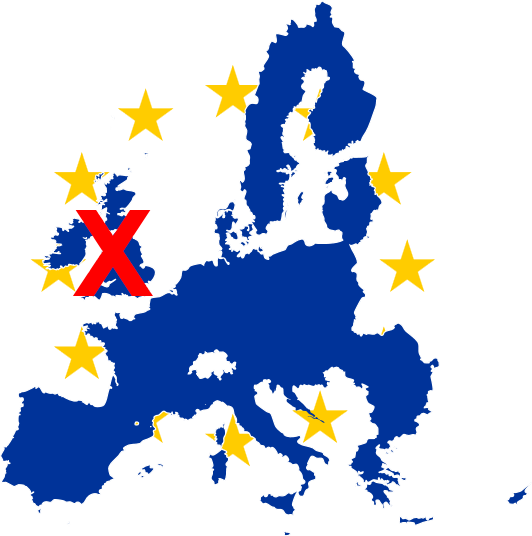
 It is 10 years since the Brexit referendum. From an electorate of 46,501,251 people, 17,410,742 (37.4%) voted to leave, 16,141,241 (34.7%) voted to remain and 12,949,258 (27.8%) did not vote. The UK left the EU on 31 January 2020 at 11:00 pm, but remained in the single market and customs union during a transition period lasting for a further 11 months until December 31 2020.
To mark the 10th anniversary of the vote a number of articles have been written assessing the effects of Brexit. Here we look at the economic effects, as do the articles linked below. This blog updates the analysis of an earlier one, The costs of Brexit: a clearer picture.
Trade
After the referendum, extensive negotiations took place on the trading arrangements between the UK and EU that would exist once Brexit was finalised.
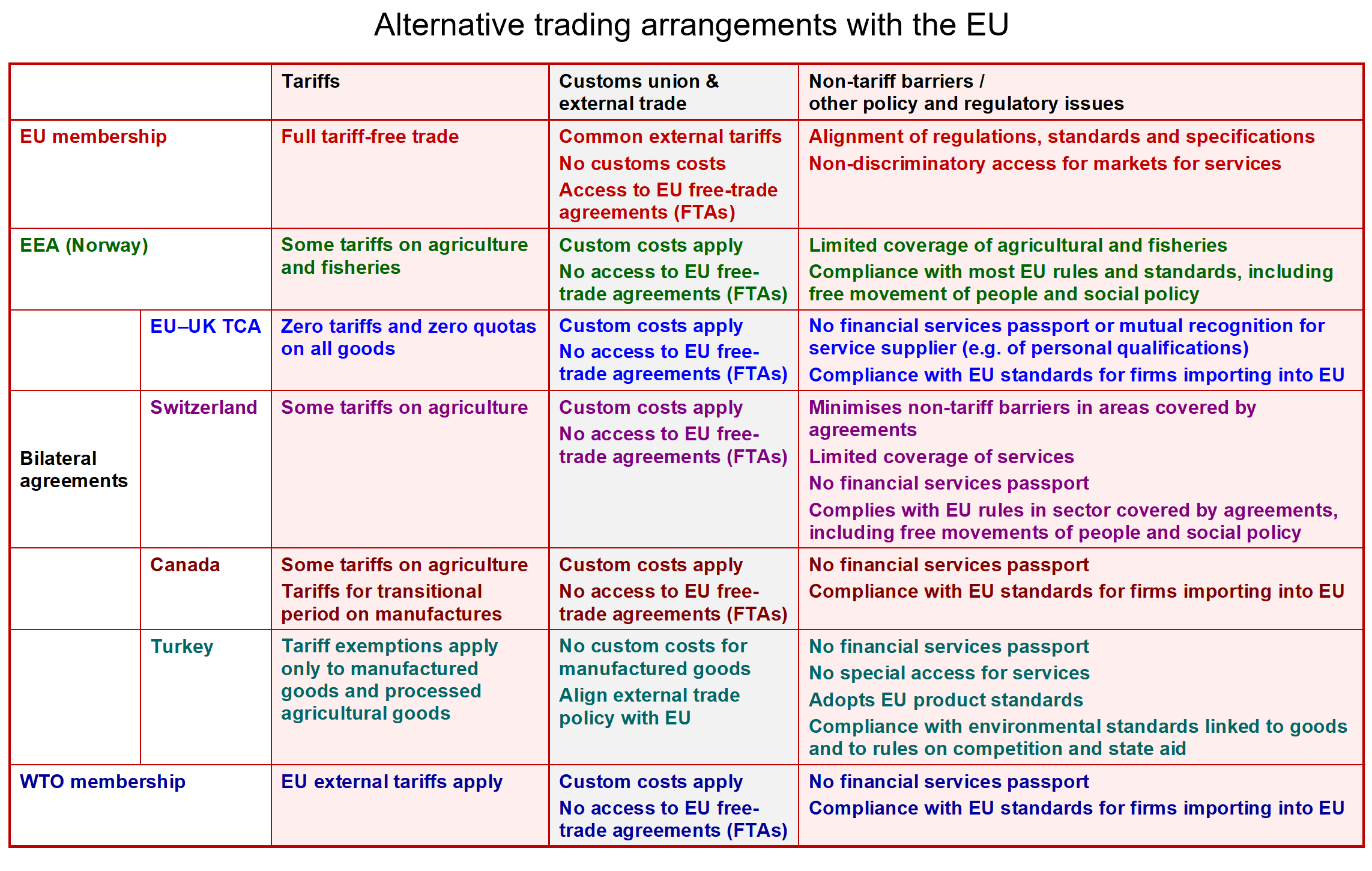
One possibility was ‘The Norwegian model’, which would have seen the UK join the European Economic Area (EEA), giving it access to the single market, but removing regulation in some key areas, such as fisheries and home affairs. This was ruled out in favour of a bilateral trade agreement. Three main types were available:
- Swiss model, where the UK would negotiate a series of bilateral agreements with the EU, including selective or general access to the single market.
- Canadian model, where the UK would form a comprehensive trade agreement with the EU to lower customs tariffs and other barriers to trade.
- Turkish model, where the UK would form a customs union with the EU. In Turkey’s case the agreement relates principally to manufactured goods.
The agreement reached, the Trade and Cooperation Agreement (TCA) was a version of the Canadian model. The UK would leave the single market and customs union, but there would be tariff-free and quota-free trade in goods between the UK and the EU. However, to ensure that it was EU and UK business that would benefit from these ‘trade preferences’, businesses must show that their products fulfil ‘rules of origin’ requirements.
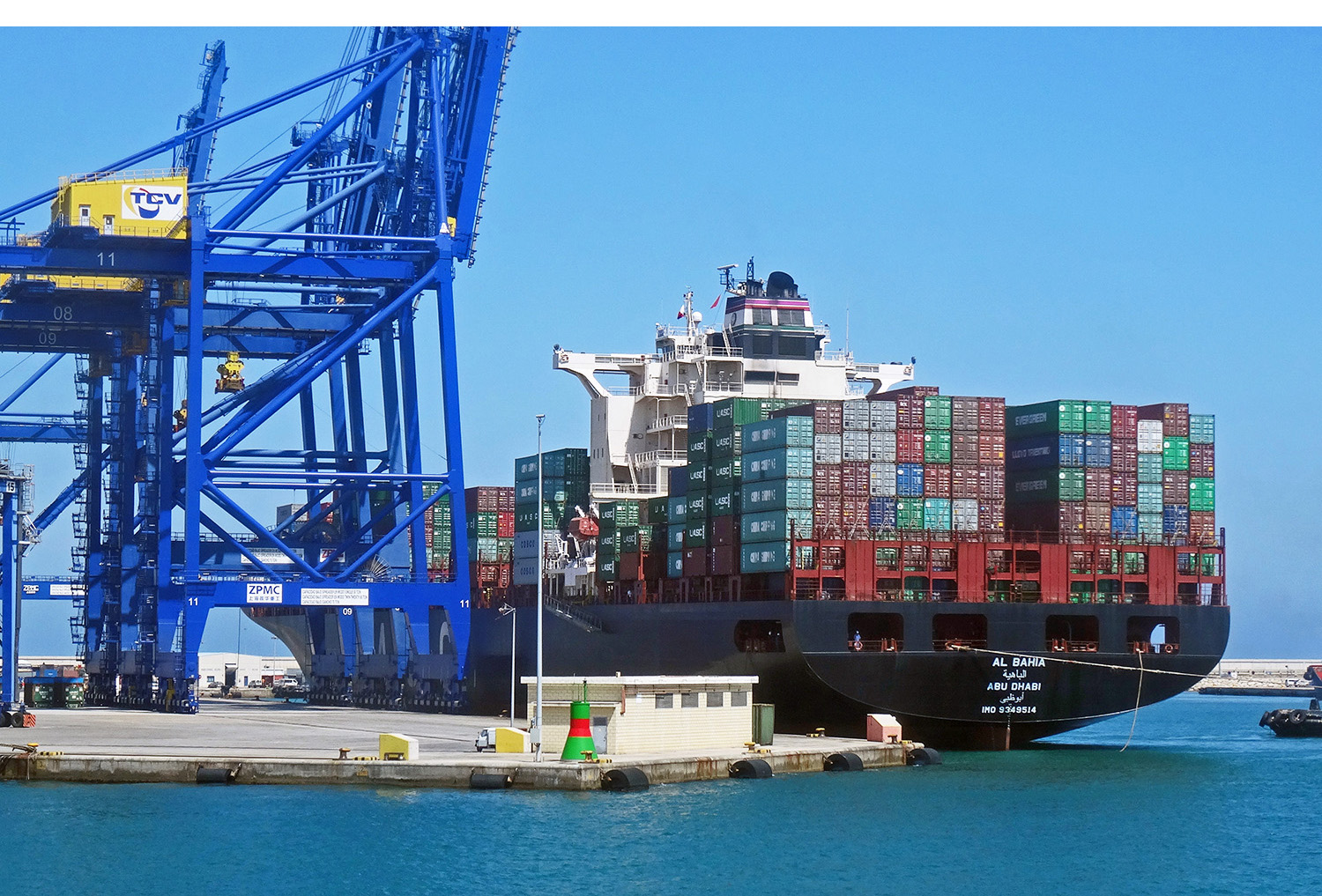 Rules of origin. Under rules of origin requirements, when a good is imported into the UK from outside the EU and then has value added to it by processing, packaging, cleaning, remixing, preserving, refashioning, etc., it can only count as a UK good if sufficient value or weight is added. The proportions vary by product, but generally goods must have approximately 50% UK content (or 80% of the weight of foodstuffs) to qualify for tariff-free access to the EU. For example, in the case of a petrol car, 55% of its value must have been created in either the EU or UK.
Meeting rules of origin has created a large amount of paperwork for businesses and this has created a significant barrier to trade. What is more, exporters are required to complete import/export declarations. Also, agri-food goods are subject to strict physical border controls. These barriers have increased the costs of trade and reduced its volume.
Services. Free trade in services is not provided by the TCA. Instead, services exporters face various barriers, such as certain professional qualifications no longer being recognised in EU countries and a loss of ‘passporting’ rights that previously allowed cross-border financial operations with minimal extra permissions.
Brexit impact. Despite new barriers to trade in services, they are generally less significant than the barriers for trade in goods, particularly in a digital age. Indeed, UK services exports have held up well. Although they fell in 2020, they have grown significantly since. According to House of Commons Library Statistics on UK-EU trade (see link below):
In 2025, UK exports of services to the EU were 28% above their 2019 level in real terms. Exports to non-EU countries were 26% above their 2019 level.
UK exports of goods to the EU, however, have fared less well. In 2025 they were 14% below their 2019 level in real terms. This is partly the effect of COVID and the Ukraine war, but exports to non-EU countries were only 8% lower than 2019. According to research by economists John Springford and Anton Spisak for the Centre for European Reform (see link below), Brexit has depressed UK goods exports to the EU by 16%. According to the Office for Budget Responsibility, (see link below) both exports and imports in the long run will be around 15% lower than they would have been if the UK had remained in the EU. What is more, the growth of goods trade (exports plus imports) has fallen well behind the average of the rest of the G7. And according to British Chambers of Commerce research (see link below), 54% of UK exporters think the TCA is making it harder to export and the need for change is urgent.
The new barriers reduce market access, while lower export volumes reduce competition and economies of scale. There is less competition too from imports, with many EU firms no longer exporting to the UK because of the costs. The barriers lead to a misallocation of resources, with highly productive UK firms exporting less, with less productive firms in the UK and EU focusing purely on their domestic markets. The barriers thus impose an impediment to the exploitation of comparative advantage
Investment
 Both domestic and foreign direct investment (FDI) in the UK have been adversely affected by Brexit. Bloom et al., in their paper for the NBER (see link below), estimate that by 2025, investment was 12–18% lower than it would have been without Brexit.
In the early years after the referendum, lower capital investment was mainly the result of uncertainty and devoting significant resources to administrative Brexit preparations. Later it was largely the result of the trade barriers themselves. Not surprisingly, firms in the UK with high exposure to EU markets experienced a sharper decline in investment than less-exposed ones.
The end of the single market and customs union reduced the attractiveness of the UK as a hub for FDI relative to competitor countries. And UK firms were encouraged to invest in the EU to create hubs for selling within the EU, thereby allowing them to avoid the trade barriers.
According to the Bloom et al. analysis, the effect of lower investment and less competition has been a fall in UK productivity of around 3% to 4% compared to remaining in the EU. The Office For Budget Responsibility argues that the post-Brexit trading relationship will reduce long-run productivity by 4% relative to remaining in the EU.
Growth in GDP
Lower investment, lower productivity and trade barriers have had a negative impact on economic growth. According to analysis by the National Institute of Economic and Social Research (NIESR) (see link below), by the end of 2023, UK real GDP was some 2–3% lower solely as a result of Brexit – in other words, after having taken into account the effects of COVID-19 and the Russia-Ukraine war. This corresponds to a per capita income loss of approximately £850. The NIESR analysis predicts that this will rise to some 5–6% of GDP, or about £2,300 per capita, by 2035.
Bank of England data, based on surveys of chief financial officers of over 2000 firms (small, medium and large), suggest that the UK economy is some 6% smaller than it would have been without Brexit. The Office for Budget Responsibility estimates that Brexit has caused a long-run reduction in GDP of 4% as a result of a similar percentage reduction in productivity.
The growth of small and medium-sized enterprises (SMEs) has been disproportionately dampened by the compliance costs of trade with the EU. Some SMEs, especially in the food and drink sector, have ceased exporting to the EU altogether.
Labour supply and migration
Halting the right of EU workers to move freely to the UK for work created acute labour shortages in specific sectors such as hospitality, health and social care, logistics, construction and agriculture. However, while immigration from the EU fell dramatically, this was more than offset by increased immigration from non-EU countries. But this was unable to fill shortfalls in some sectors.
 The loss of free movement of labour means that UK workers now face restrictions on working in the EU. These include obtaining a work visa, which requires a formal job offer, sponsorship and meeting strict salary thresholds. While business trips for meetings, conferences, trade fairs, etc. are generally exempt, if the work involves remuneration, then normally a work visa will be required. The terms of work visas vary between member states. This has created a considerable barrier for touring bands and other artists. Short-term self-employed or freelance work is highly restricted, with virtually no work permit options available for visiting UK nationals.
Because employing UK nationals now imposes extra administrative and time-consuming burdens on local EU employers, many now prioritize applicants from EU nations who can start immediately.
Articles
- Ten years on, Brexit’s economic impact is becoming clearer
BBC News, Faisal Islam (24/6/26)
- How Brexit is estimated to have hit the UK economy
Reuters, David Milliken (17/6/26)
- Ten years on, Britain counts the cost of Brexit
CNN, Hanna Ziady (22/6/26)
- Brexit at 10: The economy
Institute for Government: Comment, Giles Wilkes (16/6/26)
- Brexit has been an economic failure
LSE Blogs, Thomas Sampsos (16/6/26)
- Ten years after the referendum, how Brexit could have been done differently
The Conversation, Renaud Foucart (22/6/26)
- How Brexit has made Britain poorer – in charts
The Guardian, Richard Partington (14/6/26)
- The cost of Brexit, ten years on: The impact of leaving the customs union and single market on UK trade
Centre for European Reform, John Springford and Anton Spisak (18/6/26)
- Rejoining customs union would not fix damage caused by Brexit, research finds
The Guardian, Heather Stewart (18/6/26)
- The Economic Impact of Brexit
National Bureau of Economic Research , Nicholas Bloom, Philip Bunn, Paul Mizen, Pawel Smietanka, Gregory Thwaites and Sasha Abrahams (revised June 2026)
- Brexit’s impact on the UK economy
UK in a Changing Europe: blog, Gregory Thwaites, Nicholas Bloom, Paul Mizen, Pawel Smietanka and Philip Bunn (4/12/25)
- What the NBER gets wrong on the ‘Economic Impact of Brexit’
Julian Jessop (24/11/25)
- Brexit burden must be cut
British Chambers of Commerce (22/6/26)
- Brexit impact will be negative ‘for the foreseeable future,’ Bank of England governor warns
Business Matters, Jamie Young (19/10/25)
- Brexit knocked 6% off the UK economy, Bank of England company data suggests
Business Matters, Jamie Young (22/6/26)
- Brexit ten years on: the economy
UK in a Changing Europe: blog, Jonathan Portes (2/6/26)
- Brexit 10 years later: How the UK economy and politics changed, in charts
CNBC, Joseph Wilkins and Chloe Taylor (23/6/26)
- Ten Years of Brexit: An Assessment of the Macroeconomic, Regional, and Sectoral Impacts
NIESR blog (19/6/26)
- Brexit was supposed to limit immigration – it did the opposite
LSE blogs, Alan Manning (22/6/26)
Videos
Reports, Research, Analysis and Data
- Brexit analysis
OBR
- Brexit: research and analysis
UK Parliament
- Brexit analyses
Centre for Economic Performance (LSE)
- Trading relationship with the EU
House of Commons Library, Ilze Jozepa, Dominic Webb and Matthew Ward (25/4/25)
- Statistics on UK-EU trade
House of Commons Library, Matthew Ward and Dominic Webb (12/6/26)
- How are our Brexit trade forecast assumptions performing?
Office for Budget Responsibility, Economic and fiscal outlook – March 2024, Box 2.4
- Revisiting the Effect of Brexit
National Institute of Economic and Social Research, Ahmet Ihsan Kaya, Iana Liadze, Hailey Low, Patricia Sánchez Juanino and Stephen Millard (16/11/23)
- Net migration to the UK
The Migration Observatory, Madeleine Sumption, Ben Brindle and Peter William Walsh (27/5/26)
Questions
- Summarise the negative effects of Brexit on the UK economy.
- Why is it difficult to quantify these effects?
- How have UK firms attempted to reduce the costs of exporting to the EU?
- Why have goods exports been worse affected by Brexit than services exports?
- What difficulties would lie in the way of the UK negotiating a Turkish or Swiss model of trading relations with the EU?
- Have there been any economic benefits from Brexit and, if so, what?
 Have you noticed that many products in the supermarket seem to be getting smaller or are poorer quality, or that special offers are not as special as they used to be? When you ring customer services, does it seem that you have to wait longer than you used to? Do you now have to pay for extras that used to be free? These are all ways that producers try to pass on cost increases to consumers without rising prices. There are three broad ways in which producers try to hide inflation.
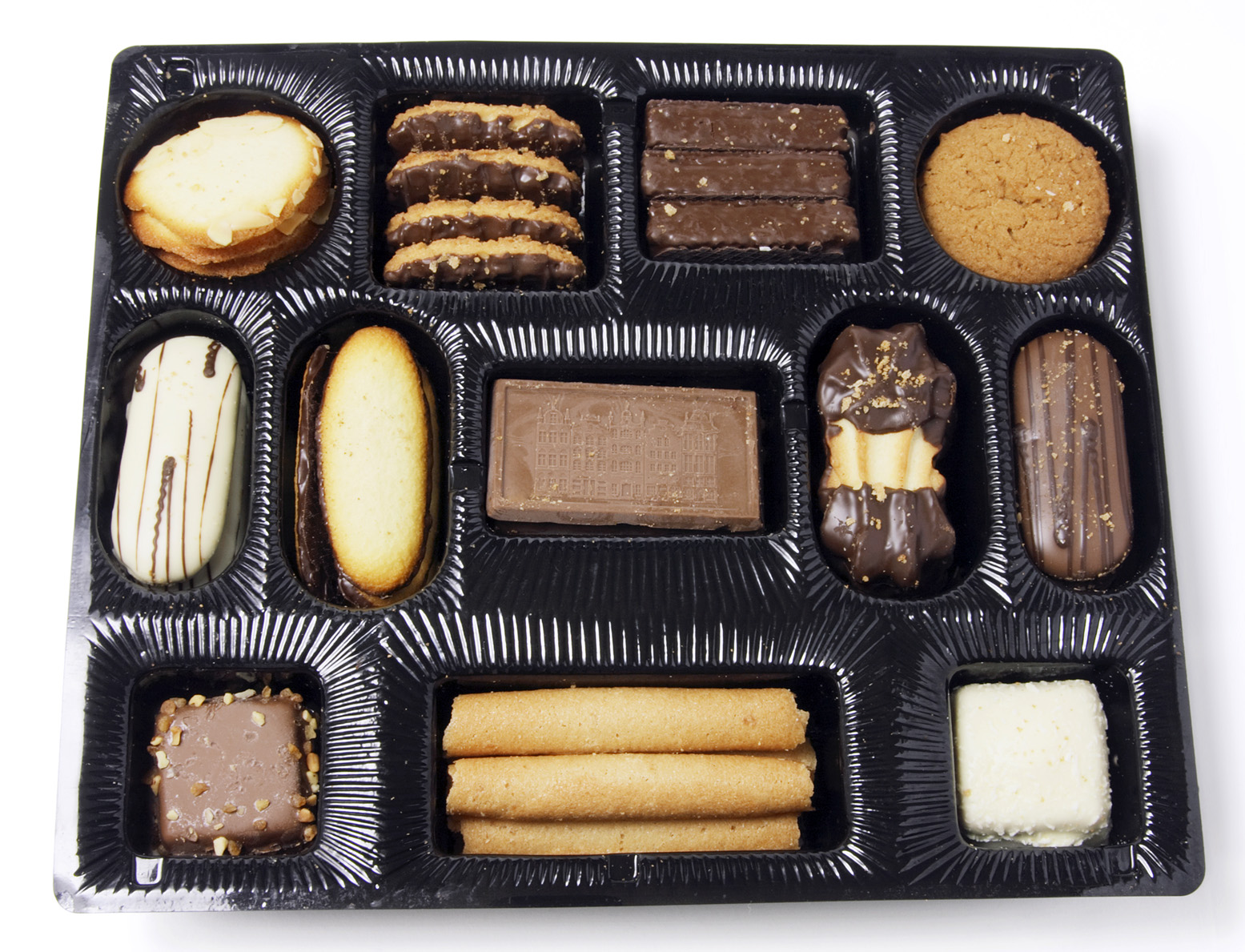
The first is called ‘shrinkflation’. It is defined as having less product in the same package or a smaller package for the same price. For example, reducing the number of chocolates in a tub, reducing the size of a can of beans, jar of coffee or block of butter, reducing the number of sheets in a toilet roll, or the length of a ride in a fairground or portion sizes in a restaurant or takeaway. A 2023 YouGov poll revealed that 75% of UK adults are either ‘very’ or ‘fairly’ concerned about shrinkflation. A similar poll in 2025 showed that this figure had increased to 80%. The product category with the greatest concerns was snack foods (e.g. crisps, confectionery items, nuts, etc.).1
The second form of hidden inflation is called ‘skimpflation’. This is defined as decreasing the quality of a product or service without lowering the price. Examples include cheaper ingredients in food or confectionery, such as using palm oil instead of butter, or reducing the cocoa content in chocolate or the meat content in sausages and pies, or package holidays reducing the quality of meals, or customer service centres or shops reducing the number of staff so that people have to wait longer on the phone or to be served.
The third is called ‘sneakflation’. This is similar to skimpflation but normally refers to reducing what you get when you pay for a service, such as a flight, by now charging for extras, such as luggage or food. Sometimes shrinkflation or skimpflation are seen as subsets of sneakflation.
 These practices have had a lot of publicity in recent months, with consumers complaining that they are getting less for their money. Many people see them as a sneaky way of passing on cost increases without raising the price. But the changes are often subtle and difficult for shoppers to spot when they are buying an item. Skimpflation especially is difficult to observe at the time of purchase. It’s only when people consume the product that they think that it doesn’t seem as good as it used to be. Even shrinkflation can be hard to spot if the package size remains the same but there is less in it, such as fewer biscuits in a tin or fewer crisps in a packet. People would have to check the weight or volume, while also knowing what it used to be.
If firms are legitimately passing on costs and are up-front about what they are doing, then most consumers would probably understand it even if they did not like it. It’s when firms do it sneakily that many consumers get upset. Also, firms may do it to increase profit margins – in other words, by reducing the size or quality beyond what is necessary to cover the cost increase.
Does the official rate of inflation take such practices into account?
 The answer is that some of the practices are taken into account – especially shrinkflation. The Office for National Statistics (ONS) accounts for shrinkflation by monitoring price changes per unit of weight or volume, rather than just the price. Data collectors track the weight, volume or count of item. When a product’s size is reduced, the ONS records this as a price increase in CPI or CPIH inflation statistics. This is known as a ‘quality adjustment’ process and allows the ONS to isolate price changes from product size changes. As CPI data from the ONS is used by the Bank of England in monitoring its 2% inflation target, it too is incorporating shrinkflation.
ONS quality adjustments are also applied to non-market public services, such as healthcare, education and policing to measure changes in service quality rather than just volume. This allows a more accurate measurement of productivity as it focuses on outcomes and user experience per pound spent rather than just focusing on costs.
Skimpflation is more difficult to monitor. The quality adjustment process may miss some quality changes and hence some skimpflation goes unrecorded. This means that the headline inflation rate might understate the true decline in purchasing power felt by consumers.
How extensive is hidden inflation?
Despite public perception, shrinkflation has a relatively small impact on the headline CPI and CPIH inflation rate in the UK because it is largely confined to certain sectors, such as bread and cereals, personal care products, meat products, and sugar, jams, syrups, chocolate & confectionery. Nevertheless, in these sectors it is particularly prevalent, especially in the packaged foodstuffs and confectionery sector. The latest research by the ONS in 2019 covered the period June 2015 to June 2017 and is shown in the following figure.2
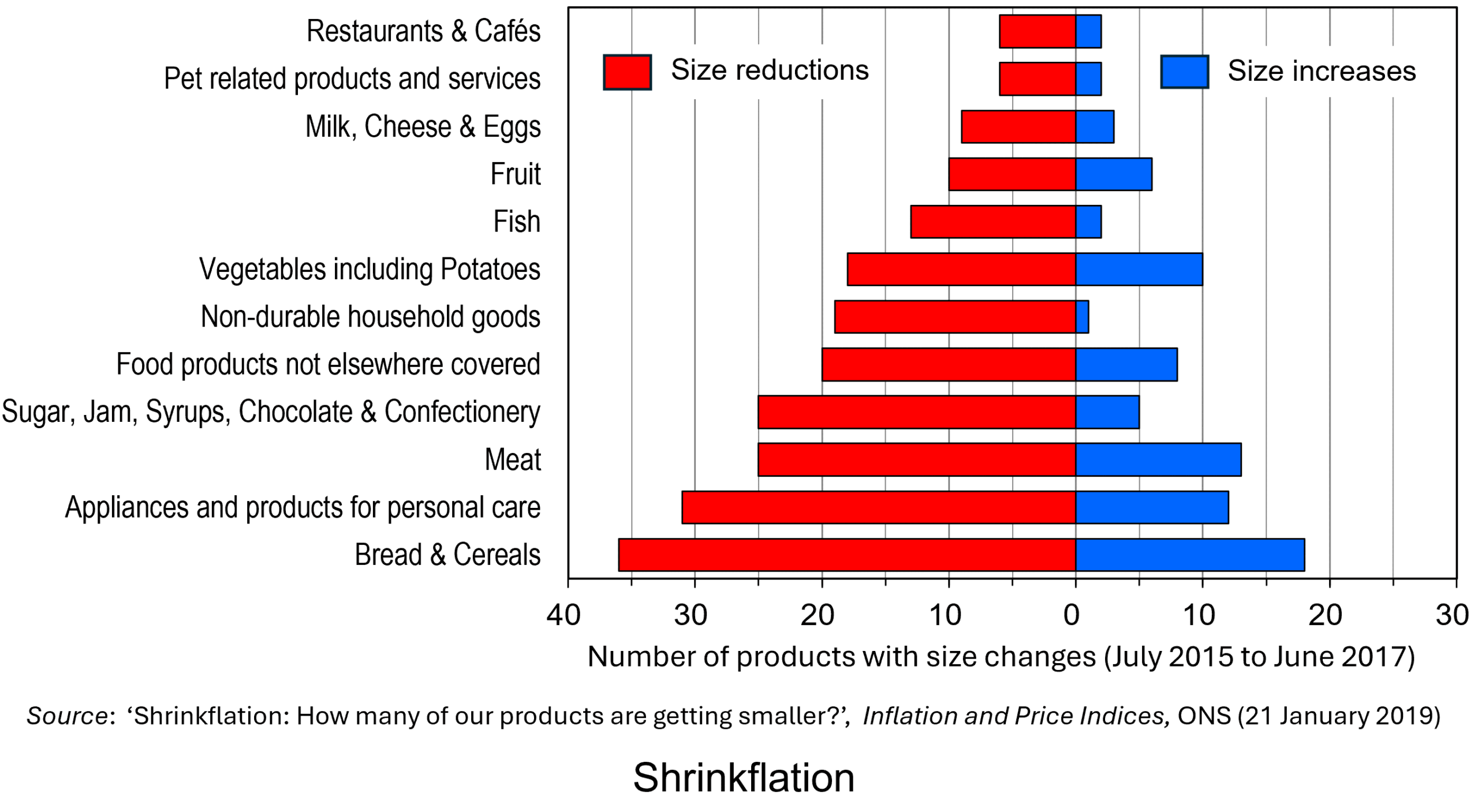
According to research in the USA by Capital One Shopping, some major brands reduced product sizes by over 30% in 2025 without reducing prices, with shrinkflation averaging 14.8% among selected national grocery brands.3 Shrinkflation had been observed by 74% of Americans at their grocery store. Of these, 81% took some kind of action as a result, with 48% abandoning a brand. Nevertheless, across all products, shrinkflation accounts for quite a small percentage of any overall price rises.
A US Government Accountability Office (GAO) report found that shrinkflation accounted for less than 1/10 of a percentage point of the 34.5% increase in overall consumer prices from 2019 to 2024.4 The reason is that the items that were downsized comprised a small percentage of goods and services. Indeed, many goods and services, such as housing, cannot be downsized in the same way that household products can.
Nevertheless, with consumer budgets being squeezed by the inflation that followed the pandemic and the Russian invasion of Ukraine, hidden inflation has become more prevalent in many countries and an increasing concern of consumers.
References
- Shrinkflation concern rises in 2025, but fewer Britons are changing shopping habits
YouGov (15/8/25)
- Shrinkflation: How many of our products are getting smaller?
Office for National Statistics (21/1/19)
- Shrinkflation Statistics
Capital One Shopping (30/12/25)
- What is “Shrinkflation,” And How Has It Affected Grocery Store Items Recently?
U.S. Government Accountability Office (12/8/25)
Videos
Articles
- Shrinkflation: How many of our products are getting smaller?
Office for National Statistics (21/1/19)
- Shrinkflation: Inflation hiding in plain sight
Britannica Money, Doug Ashburn (21/7/25)
- Shrinkflation: the brands charging you more for less
Which?, Ellie Simmonds (28/10/25)
- 7 Surprising Ways Inflation Is Still Rising Even as Prices Slow This Year
SavingAdvice.com, Teri Monroe (3/2/26)
- 22 Real-Life Examples Of Shrinkflation That People Have Spotted In The Last Few Weeks That Are Honestly Infuriating
BuzzFeed, Megan Liscomb (10/12/25)
- Shrinkflation: smaller products hurt some households more than others – and can be bad for business
The Conversation, Erhan Kilincarslan (14/1/26)
- Shoppers brand the UK “a disgrace” as Cadbury Mini Egg prices rise by 105% on pre-pandemic levels
Food Manufacture, Thomas West (6/1/26)
- This article is more than 3 months old Shrinkflation hits everyday staples, piling more pressure on households
The Guardian, Sarah Marsh and Sarah Butler (28/12/25)
- Shrinkflation isn’t slowing down — It’s just getting harder to spot
ConsumerAffairs, Kyle James (13/1/26)
- Shrinkflation – are brands and supermarkets required to inform consumers if a product has been reduced in size or quantity but the packaging looks the same?
CMS Law-Now, Loïc de Hults and Tom Heremans (25/9/25)
- Study reveals shrinking package sizes hide significant food inflation
Phys.org, Aaron Kupec (28/1/26)
Journal Article
Questions
- If shrinkflation, when included in CPI statistics, accounts for such a small percentage of inflation, why are people so concerned about it?
- From a company’s perspective, is it a good idea to engage in (a) shrinkflation; (b) skimpflation?
- Go round you local supermarket and identify examples of shrinkflation and skimpflation.
- How are various EU countries attempting to inform consumers of shrinkflation?
- Why is skimpflation often harder to detect than shrinkflation?
- Give some other examples of sneakflation in the provision of services.
- How could behavioural economists help firms decide whether or how to engage in shrinkflation or skimpflation?
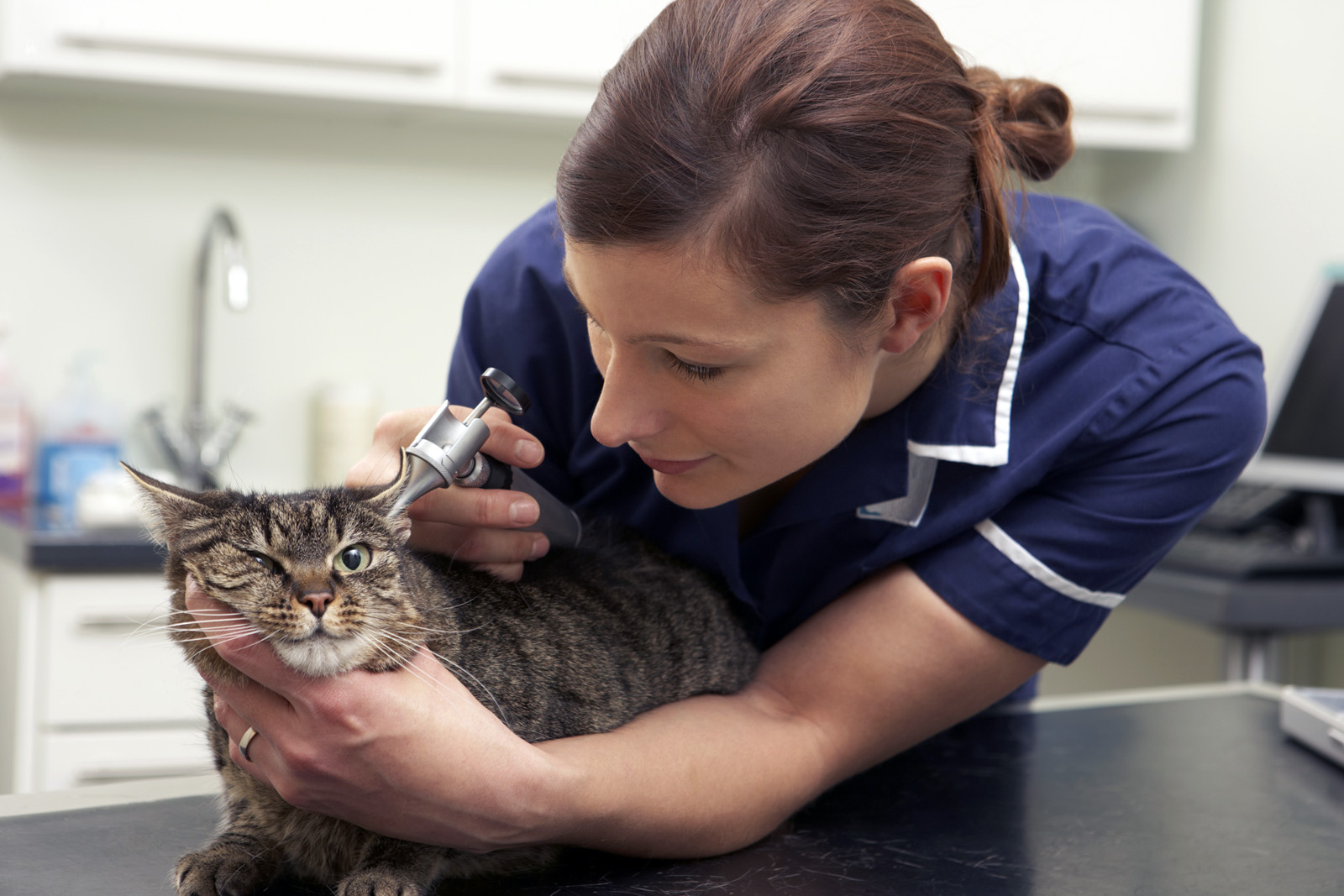 The Competition and Markets Authority (CMA) is proposing to launch a formal Market Investigation into anti-competitive practices in the UK’s £2bn veterinary industry (for pets rather than farm animals or horses). This follows a preliminary investigation which received 56 000 responses from pet owners and vet professionals. These responses reported huge rises in bills for treatment and medicines and corresponding rises in the cost of pet insurance.
At the same time there has been a large increase in concentration in the industry. In 2013, independent vet practices accounted for 89% of the market; today, they account for only around 40%. Over the past 10 years, some 1500 of the UK’s 5000 vet practices had been acquired by six of the largest corporate groups. In many parts of the country, competition is weak; in others, it is non-existent, with just one of these large companies having a monopoly of veterinary services.
This market power has given rise to a number of issues. The CMA identifies the following:
- Of those practices checked, over 80% had no pricing information online, even for the most basic services. This makes is hard for pet owners to make decisions on treatment.
- Pet owners potentially overpay for medicines, many of which can be bought online or over the counter in pharmacies at much lower prices, with the pet owners merely needing to know the correct dosage. When medicines require a prescription, often it is not made clear to the owners that they can take a prescription elsewhere, and owners end up paying high prices to buy medicines directly from the vet practice.
- Even when there are several vet practices in a local area, they are often owned by the same company and hence there is no price competition. The corporate group often retains the original independent name when it acquires the practice and thus is is not clear to pet owners that ownership has changed. They may think there is local competition when there is not.
 Often the corporate group provides the out-of-hours service, which tends to charge very high prices for emergency services. If there is initially an independent out-of-hours service provider, it may be driven out of business by the corporate owner of day-time services only referring pet owners to its own out-of-hours service.
- The corporate owners may similarly provide other services, such as specialist referral centres, diagnostic labs, animal hospitals and crematoria. By referring pets only to those services owned by itself, this crowds out independents and provides a barrier to the entry of new independents into these parts of the industry.
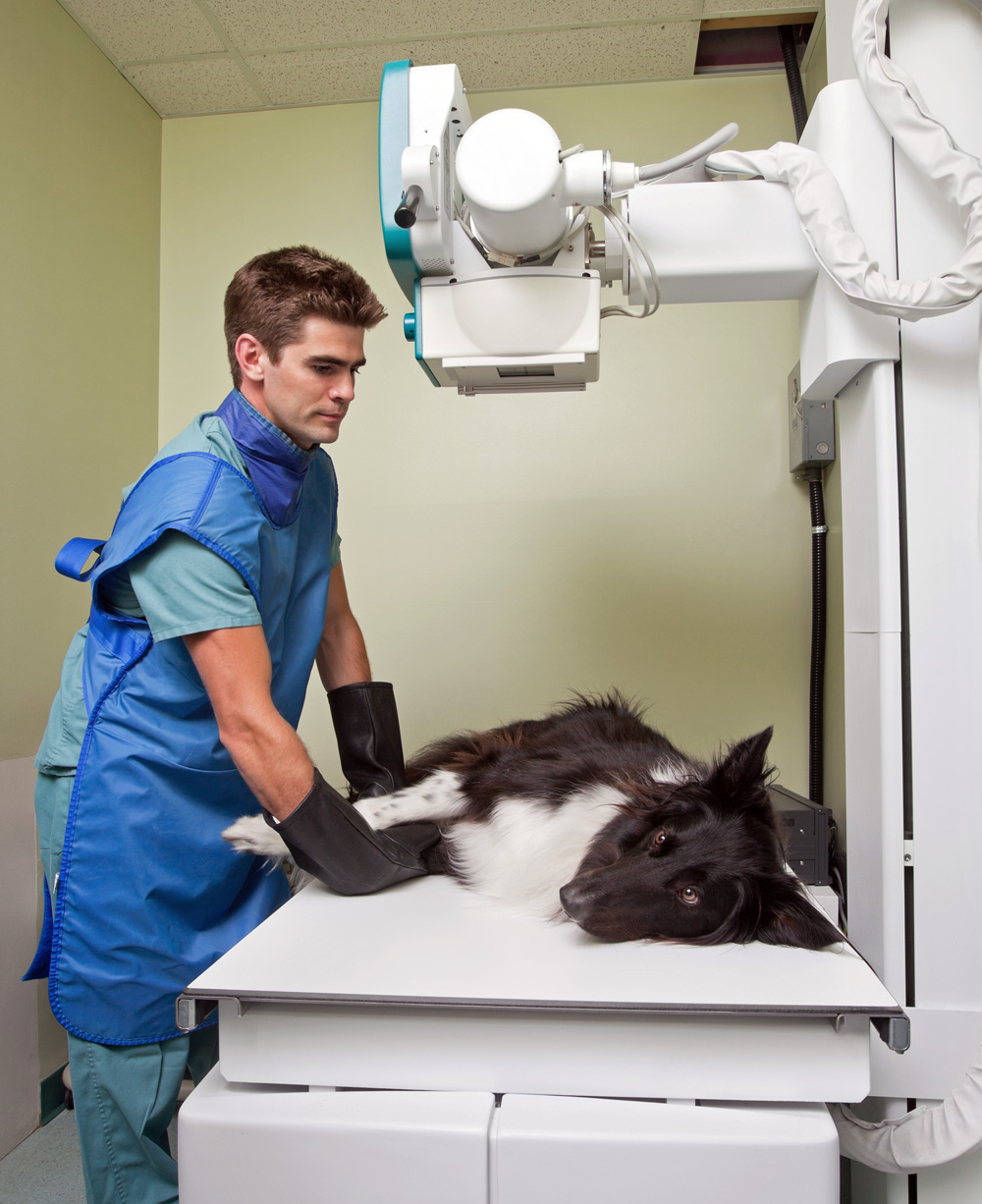
- Large corporate groups have the incentive to act in ways which may further reduce competition and choice and drive up their profits. They may, for example, invest in advanced equipment, allowing them to provide more sophisticated but high-cost treatment. Simpler, lower-cost treatments may not be offered to pet owners.
- The higher prices in the industry have led to large rises in the cost of pet insurance. These higher insurance costs are made worse by vets steering owners with pet insurance to choosing more expensive treatments for their pets than those without insurance. The Association of British Insurers notes that there has been a large rise in claims attributable to an increasing provision of higher-cost treatments.
- The industry suffers from acute staff shortages, which cuts down on the availability of services and allows practices to push up prices.
- Regulation by the Royal College of Veterinary Surgeons (RCVS) is weak in the area of competition and pricing.
The CMA’s formal investigation will examine the structure of the veterinary industry and the behaviour of the firms in the industry. As the CMA states:
In a well-functioning market, we would expect a range of suppliers to be able to inform consumers of their services and, in turn, consumers would act on the information they receive.
Market failures in the veterinary industry
The CMA’s concerns suggest that the market is not sufficiently competitive, with vet companies holding significant market power. This leads to higher prices for a range of vet services. However, the CMA’s analysis suggests that market failures in the industry extend beyond the simple question of market power and lack of competition.
A crucial market failure is asymmetry of information. The veterinary companies have much better information than pet owners. This is a classic principal–agent problem. The agent, in this case the vet (or vet company), has much better information than the principal, in this case the pet owner. This information can be used to the interests of the vet company, with pet owners being persuaded to purchase more extensive and expensive treatments than they might otherwise choose if they were better informed.
The principal–agent problem also arises in the context of the dependant nature of pets. They are the ones receiving the treatment and, in this context, are the principals. Their owners are the ones acquiring the treatment for them and hence are the pets’ agents. The question is whether the owners will always do the best thing for their pets. This raises philosophical questions of animal rights and whether owners should be required to protect the interests of their pets.
 Another information issue is the short-term perspective of many pet owners. They may purchase a young and healthy pet and assume that it will remain so. However, as the pet gets older, it is likely to face increasing health issues, with correspondingly increasing vet bills. But many owners do not consider such future bills when they purchase the pet. They suffer from what behavioural economists call ‘irrational exuberance’. Such exuberance may also occur when the owner of a sick pet is offered expensive treatment. They may over-optimistically assume that the treatment will be totally successful and that their pet will not need further treatment.
Vets cite another information asymmetry. This concerns the costs they face in providing treatment. Many owners are unaware of these costs – costs that include rent, business rates, heating and lighting, staff costs, equipment costs, consumables (such as syringes, dressings, surgical gowns, antiseptic and gloves), VAT, and so on. Many of these costs have risen substantially in recent months and are reflected in the prices pet owners are charged. With people experiencing free health care for themselves from the NHS (or other national provider), this may make them feel that the price of pet health care is excessive.
Then there is the issue of inequality. Pets provide great benefits to many owners and contribute to owners’ well-being. If people on low incomes cannot afford high vet bills, they may either have to forgo having a pet, with the benefits it brings, or incur high vet bills that they ill afford or simply go without treatment for their pets.
 Finally, there are the external costs that arise when people abandon their pets with various health conditions. This has been a growing problem, with many people buying pets during lockdown when they worked from home, only to abandon them later when they have had to go back to the office or other workplace. The costs of treating or putting down such pets are born by charities or local authorities.
The CMA is consulting on its proposal to begin a formal Market Investigation. This closes on 11 April. If, in the light of its consultation, the Market Investigation goes ahead, the CMA will later report on its findings and may require the veterinary industry to adopt various measures. These could require vet groups to provide better information to owners, including what lower-cost treatments are available. But given the oligopolistic nature of the industry, it is unlikely to lead to significant reductions in vets bills.
Articles
- UK competition watchdog plans probe into veterinary market
Financial Times, Suzi Ring and Oliver Ralph (12/3/24)
 Vet prices: Investigation over concerns pet owners are being overcharged
Sky News (12/3/24)
- UK watchdog plans formal investigation into vet pricing
The Guardian, Kalyeena Makortoff (12/3/24)
- ‘Eye-watering’ vet bills at chain-owned surgeries prompt UK watchdog review
The Guardian, Kalyeena Makortoff (7/9/23)
- Warning pet owners could be overpaying for medicine
BBC News, Lora Jones & Jim Connolly (12/3/24)
- I own a vet practice, owners complain about the spiralling costs of treatments, but I only make 5 -10% profit – here’s our expenditure breakdown
Mail Online, Alanah Khosla (14/3/24)
- Vets bills around the world: As big-name veterinary practices come under pressure for charging pet owners ‘eyewatering’ care costs, how do fees in Britain compare to other countries?
Mail Online, Rory Tingle, Dan Grennan and Katherine Lawton (13/3/24)
CMA documents
Questions
- How would you establish whether there is an abuse of market power in the veterinary industry?
- Explain what is meant by the principal–agent problem. Give some other examples both in economic and non-economic relationships.
- What market advantages do large vet companies have over independent vet practices?
- How might pet insurance lead to (a) adverse selection; (b) moral hazard? Explain. How might (i) insurance companies and (ii) vets help to tackle adverse selection and moral hazard?
- Find out what powers the CMA has to enforce its rulings.
- Search for vet prices and compare the prices charged by at least three vet practices. How would you account for the differences or similarities in prices?
At the time of the 2016 referendum, the clear consensus among economists was that Brexit would impose net economic costs on the UK economy. The size of these costs would depend on the nature of post-Brexit trading relations with the EU. The fewer the new barriers to trade and the closer the alignment with the EU single market, the lower these costs would be.
The Brexit deal in the form of the EU-UK Trade and Cooperation Agreement (see also) applied provisionally from January 2021, after the end of the transition period, and came into force in May 2021. Although this is a free-trade deal in the sense that goods made largely in the UK or EU can be traded tariff-free between the two, the deal does not apply to services (e.g. financial services) or to goods where components made outside the UK or EU account for more than a certain percentage (the ‘rules of origin‘ condition). Also there has been a huge increase in documentation that must be completed to export to or import from the EU.
Even though the nature of the Brexit deal has been clear since it was signed in December 2020, assessing the impact of the extra barriers to trade it has created has been hard given the various shocks that have had a severe impact on the UK (and global) economy. First COVID-19 and the associated lockdowns had a direct effect on output and trade; second the longer-term international supply-chain disruptions have extended the COVID costs beyond the initial lockdowns and acted as a brake on recovery and growth; third the Russian invasion of Ukraine imposed a severe shock to energy and food markets; fourth these factors have created not just a supply shock but also an inflationary shock, which has resulted in central banks seeking to dampen demand by significantly raising interest rates. One worry among analysts was that the negative effects of such shocks might be greater on the UK economy than on other countries.
However, the negative effects of Brexit are now becoming clearer and various institutions have attempted to quantify the costs. These costs are largely in terms of lower GDP than otherwise. This results from:
- reduced levels of trade with the EU, thereby reducing the gains from exploiting comparative advantage;
- increased costs of trade with the EU;
- disruptions to supply chains;
- reduced competition from European firms, with many no longer exporting to the UK because of the costs;
- reduced inward investment;
- labour market shortages, particularly in certain areas such a hospitality, construction, social care and agriculture as many European workers have left the UK and fewer come;
- a reduction in productivity.
Here is a summary of the findings of different organisations.
The Office for Budget Responsibility (OBR)
The OBR has argued that Brexit as negotiated in the Trade and Cooperation Agreement:
will reduce long-run productivity by 4 per cent relative to remaining in the EU. This largely reflects our view that the increase in non-tariff barriers on UK-EU trade acts as an additional impediment to the exploitation of comparative advantage.21
In addition the OBR estimates that:
Both exports and imports will be around 15 per cent lower in the long run than if the UK had remained in the EU.21
Recent evidence supports this. According to the OBR:
UK and aggregate advanced economy goods export volumes fell by around 20 per cent during the initial wave of the pandemic in 2020. But by the fourth quarter of 2021 total advanced economy trade volumes had rebounded to 3 per cent above their pre-pandemic levels while UK exports remain around 12 per cent below.22
This assumption was repeated in the November 2022 Economic and Fiscal Outlook (p.26) 23. What is more, new trade deals will make little difference, either because they are a roll-over from previous EU trade deals with the respective country or have only a very small effect (e.g. the trade deal with Australia).
The Bank of England
The Bank of England, ever since the referendum in 2016, has forecast that Brexit would damage trade, productivity and GDP growth. In recent evidence to the House of Commons Treasury Committee5, Andrew Bailey, the Governor, stated that previous work by the Bank concluded that Brexit would reduce productivity by a bit over 3% and that this was still the Bank’s view.
His colleague, Dr Swati Dhingra, stated that, because of Brexit, there was a ‘much bigger slowdown in trade in the UK compared to the rest of the world’. She continued:
The simple way of thinking about what Brexit has done to the economy is that in the period after the referendum, the biggest depreciation that any of the world’s four major economies have seen overnight contributed to increasing prices [and] reduced wages. …We think that number is about 2.6% below the trend that real wages would have been on. Soon afterwards and before the TCA happened came the effects of the uncertainty that was unleashed, which basically translates into reduced business investment and less certainty of the FDI effects. Those tend to be very long-pay things.
She continued that now we are seeing significantly reduced trade directly as a result of the Brexit trade agreement (TCA).
Her colleague, Dr Catherine Mann, argued that ‘the small firms are the ones that are the most damaged, because the cost of the paperwork and so forth is a barrier’. This does not only affect UK firms exporting to the EU but also EU firms exporting to the UK. Reduced imports from EU firms reduces competition in the UK, which tends to lead to higher prices.
The Institute for Fiscal Studies
The IFS has consistently argued that Brexit, because of increased trade barriers with the EU, has reduced UK trade, productivity and GDP. In a recent interview6, its Director, Paul Johnson, stated that ‘Brexit, without doubt, has made us poorer than we would otherwise have been’. That, plus other convulsions, such as the mini-Budget of October 2022, have reduced foreigners’ confidence in the UK, with the result that investment in the UK and trade with the rest of the world have fallen.
Resolution Foundation
 In a major Resolution Foundation report24, the authors argued that the effects of Brexit will take time to materialise fully and will occur in three distinct phases. First, in anticipation of permanent effects, the referendum caused sterling to depreciate and this adversely affected household incomes. What is more, the uncertainty about the future caused business investment to fall (but not inward FDI). Second, the Trade and Cooperation Act, by introducing trade barriers, reduced UK trade with the EU. But trade with the rest of the world also fell suggesting that Brexit is impacting UK trade openness and competitiveness more broadly. Third, there will be structural changes to the UK economy over the long-term which will adversely affect economic growth:
A less-open UK will mean a poorer and less productive one by the end of the decade, with real wages expected to fall by 1.8 per cent, a loss of £470 per worker a year, and labour productivity by 1.3 per cent, as a result of the long-run changes to trade under the TCA. This would be equivalent to losing more than a quarter of the last decade’s productivity growth.
Nuffield Trust
One of the key effects of Brexit has been on the labour market and especially on sectors, such as hospitality, agriculture, construction, health and social care. These sectors are experiencing labour shortages, in part due to EU nationals leaving the UK. In 2021, the Nuffield Trust looked at the supply of workers in health and social care25 and found that, as a result of increased bureaucratic hurdles, the number of EU/EFTA-trained nurses had declined since 2016. In social care, new immigration rules have made it virtually impossible to recruit from the EU. A more recent report looked at the recruitment of doctors in four specific specialties.26 In each case, although the number recruited from the EU/EFTA was still increasing, the rate of increase had slowed significantly. The reason appeared to be Brexit not COVID-19.
Ivalua
Research by Coleman Parkes for Ivalua18 shows that 80% of firms found Brexit to have been the biggest cause of supply-chain disruptions in the 12 months to August 2022, with 83% fearing the biggest disruptions from Brexit are yet to come. Brexit was found to have had a bigger effect on supply chains than the war in Ukraine, rising energy costs and COVID-19.
Centre for European Reform
Modelling conducted by John Springford27 used a ‘doppelgängers’ method to show the effects of Brexit on the UK economy. Each doppelgänger is ‘a basket of countries whose economic performance closely matches the UK’s before the Brexit referendum and the end of the transition period’. Comparing the UK’s performance with the doppelgänger can show the difference between leaving and not leaving the UK. Doppelgängers were estimated for GDP, investment (gross fixed capital formation), total services trade (exports plus imports) and total goods trade (ditto).
The results are sobering. In the final quarter of 2021, UK GDP is 5.2 per cent smaller than the modelled, doppelgänger UK; investment is 13.7 per cent lower; and goods trade, 13.6 per cent lower.
Economic and Social Research Institute (ESRI) (Ireland)
Similar results for UK trade have been obtained by Janez Kren and Martina Lawless in research conducted for the ESRI.28 They used product-level trade flows between the EU and all other countries in the world as a comparison group. This showed a 16% reduction in UK exports to the EU and a 20% reduction in UK imports from the EU relative to the scenario in which Brexit had not occurred.
British Chambers of Commerce (BCC) survey
According to a BCC survey of 1168 businesses33, 92% of which are SMEs, more than three quarters (77%) for which the Brexit deal is applicable say it is not helping them increase sales or grow their business and 56% say they have difficulties in adapting to the new rules for trading goods. The survey shows that UK firms are facing significant challenges in trying to trade with EU countries under the terms of the Trade and Cooperation Agreement. What is more, 80% of firms had seen the cost of importing increase; 53% had seen their sales margins decrease; and almost 70% of manufacturers had experienced shortages of goods and services from the EU.
Academic studies
Research at the Centre for Business Prosperity, Aston University, by Jun Du, Emine Beyza Satoglu and Oleksandr Shepotylo20, 29 found that UK exports to the EU ‘fell by an average of 22.9% in the first 15 months after the introduction of the EU-UK Trade and Cooperation Agreement’. The negative effect on UK exports persisted and deepened from January 2021 to March 2022. The research involved comparing actual trade with an ‘alternative UK economy’ model based on the UK having remained in the EU. What is more, the researchers found that there had been a reduction of 42% in the number of product varieties exported to the EU, with a large number of exporters simply ceasing to export to the EU and with many of the remaining exporters streamlining their product ranges.
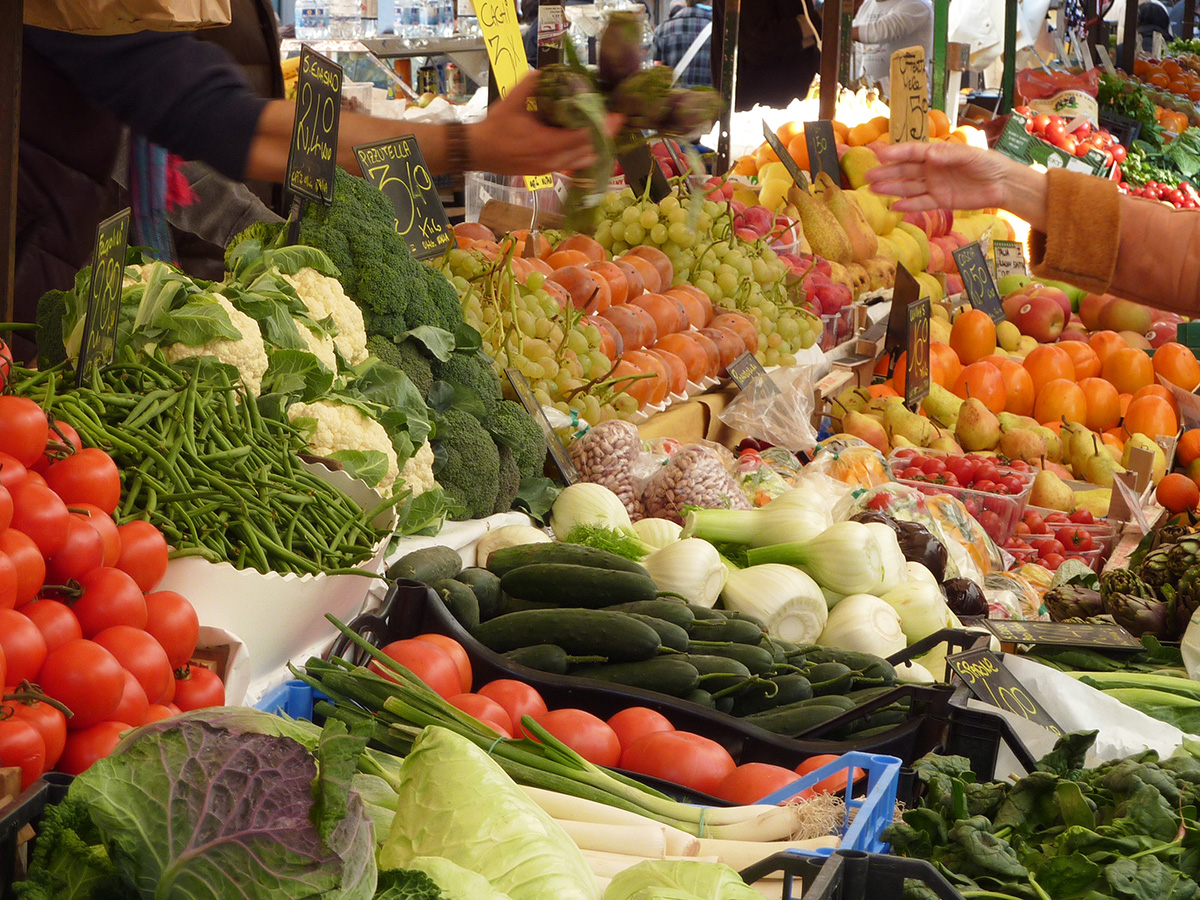 Research at the LSE’s Centre for Economic Performance by Jan David Bakker, Nikhil Datta, Richard Davies and Josh De Lyon31 found that leaving the EU added an average of £210 to UK household food bills over the two years to the end of 2021. This amounted to a total cost to consumers of £5.8 billion. This confirmed the findings of previous research30 that the increase in UK-EU trade barriers led to food prices in the UK being 6% higher than they would have been.
Finally, a report from the Migration Observatory at the University of Oxford32 examined the effects of the ending of the free movement of labour from the EU to the UK. Visas are now required, but ‘low-wage occupations that used to rely heavily on EU workers are now ineligible for work visas, with some limited exceptions for social care and seasonal workers’. Many industries are facing labour shortages. Reasons include other factors, such as low pay and unattractive working conditions, and workers leaving the workforce during the pandemic and afterwards. But the end of free movement appears to have exacerbated these existing problems.
References
Videos
- The Brexit effect: how leaving the EU hit the UK
Financial Times film (18/10/22)
- What impact is Brexit having on the UK economy?
Brexit and the UK economy, Ros Atkins (29/10/22)
- Why Brexit is damaging the UK economy both now and in the future
Economics Help on YouTube, Tejvan Pettinger (5/12/22)
- Why the Costs of Brexit keep growing for the UK economy
Economics Help on YouTube, Tejvan Pettinger (17/10/22)
- Treasury Committee (see also)
Parliament TV (25/11/22) (see 15:03:00 to 15:08:12) (Click here for a transcript: see Q637 to Q641)
- UK economy made worse by ‘own goals’ like Brexit and Truss mini-budget, IFS economist says
Sky News, Paul Johnson (IFS) (18/11/22)
Articles
- Brexit and the economy: the hit has been ‘substantially negative’
Financial Times, Chris Giles (30/11/22)
- ‘What have we done?’: six years on, UK counts the cost of Brexit
The Observer, Toby Helm, Robin McKie, James Tapper & Phillip Inman (25/6/22)
- Brexit did hurt the City’s exports – the numbers don’t lie
Financial News, David Wighton (9/11/22)
- Brits are starting to think again about Brexit as the economy slides into recession
CNBC, Elliot Smith (23/11/22)
- Brexit has cracked Britain’s economic foundations
CNN, Hanna Ziady (24/12/22)
- Mark Carney: ‘Doubling down on inequality was a surprising choice’
Financial Times, Edward Luce (14/10/22)
- Brexit: Progress on trade deals slower than promised
BBC News, Ione Wells & Brian Wheeler (2/12/22)
- How Brexit costs this retailer £1m a month in sales
BusinessLive, Tom Pegden (22/11/22)
- Brexit Is Hurting The UK Economy, Bank Of England Official Says
HuffPost, Graeme Demianyk (16/11/22)
- Brexit and drop in workforce harming economic recovery, says Bank governor
The Guardian, Richard Partington (16/11/22)
- Brexit a major cause of UK’s return to austerity, says senior economist
The Guardian, Anna Isaac (14/11/22)
- 80% of UK businesses say Brexit caused the biggest supply chain disruption in the last 12 months
Ivalua (28/11/22)
- Brexit added £210 to household food bills, new research finds
Sky News, Faye Brown (1/12/22)
- Brexit changes caused 22.9% slump in UK-EU exports into Q1 2022 – research
Expertfile (8/12/22)
Research and analysis
- Brexit analysis
OBR (26/5/22)
- The latest evidence on the impact of Brexit on UK trade
OBR (March 2022)
- Economic and fiscal outlook – November 2022 (PDF)
OBR (17/11/22)
- The Big Brexit (PDF)
Resolution Foundation, Swati Dhingra, Emily Fry, Sophie Hale & Ningyuan Jia (June 2022)
- Going it alone: health and Brexit in the UK
Nuffield Trust, Mark Dayan, Martha McCarey, Tamara Hervey, Nick Fahy, Scott L Greer, Holly Jarman, Ellen Stewart and Dan Bristow (20/12/21)
- Has Brexit affected the UK’s medical workforce?
Nuffield Trust, Martha McCarey and Mark Dayan (27/11/22)
- What can we know about the cost of Brexit so far?
Centre for European Reform, John Springford (9/6/22)
- Brexit reduced overall EU-UK goods trade flows by almost one-fifth
Economic and Social Research Institute (Ireland), Janez Kren and Martina Lawless (19/10/22)
- Post-Brexit UK Trade – An Update (PDF)
Centre for Business Prosperity, Aston University, Jun Du, Emine Beyza Satoglu and Oleksandr Shepotylo (November 2022)
- Post-Brexit imports, supply chains, and the effect on consumer prices (PDF)
UK in a Changing Europe, Jan David Bakker, Nikhil Datta, Josh De Lyon, Luisa Opitz and Dilan Yang (25/4/22)
- Non-tariff barriers and consumer prices: evidence from Brexit
Centre for Economic Performance, LSE, Jan David Bakker, Nikhil Datta, Richard Davies and Josh De Lyon (December 2022)
- How is the End of Free Movement Affecting the Low-wage Labour Force in the UK?
Migration Observatory, University of Oxford, Madeleine Sumption, Chris Forde, Gabriella Alberti and Peter William Walsh (15/8/22)
- The Trade and Cooperation Agreement: Two Years On – Proposals For Reform by UK Business
British Chambers of Commerce (21/12/22)
- The Detriments of Brexit
Yorkshire Bylines (June 2022) (see also)
Questions
- Summarise the negative effects of Brexit on the UK economy.
- Why is it difficult to quantify these effects?
- Explain the ‘doppelgängers’ method of estimating the costs of Brexit? How reliable is this method likely to be?
- How have UK firms attempted to reduce the costs of exporting to the EU?
- Is Brexit the sole cause of a shortage of labour in many sectors in the UK?
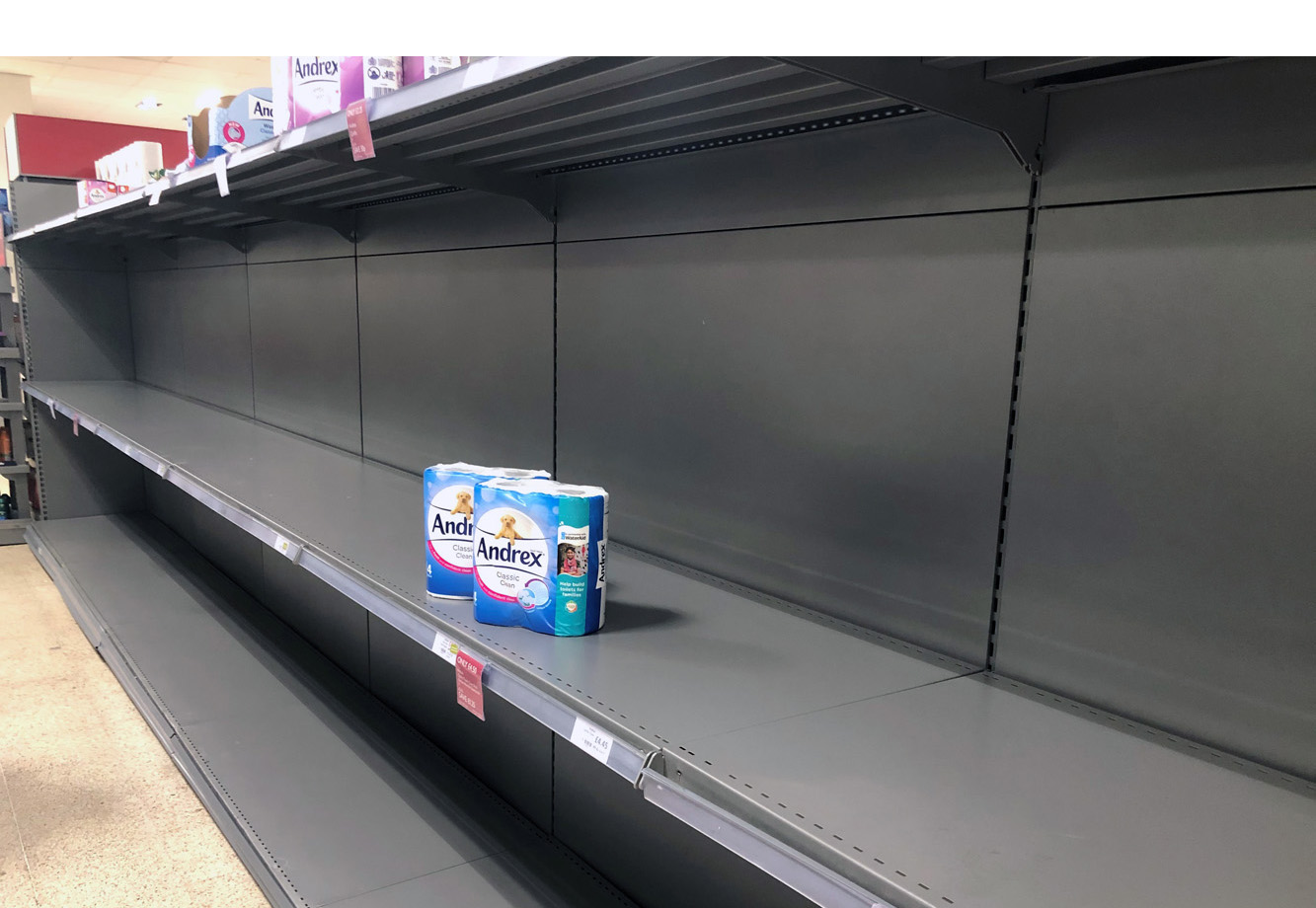 With the bounce-back from the pandemic, many countries have experienced supply-chain problems. For example, the shortage of lorry drivers in the UK and elsewhere (see the blog Why is there a driver shortage in the UK?) has led to empty shelves, fuel shortages and rising prices. The problem has been exacerbated by a lack of stock holding. Holding minimum stocks has been part of the modern system of ‘just-in-time’ (JIT) supply-chain management.
JIT involves involves highly integrated and sophisticated supply chains. Goods are delivered to factories, warehouses and shops as they are needed – just in time. Provided firms can be sure that they will get their deliveries on time, they can hold minimum stocks. This enables them to cut down on warehousing and its associated costs. The just-in-time approach to supply-chain management was developed in the 1950s in Japan and since the 1980s has been increasingly adopted around the world, helped more recently by sophisticated ordering and tracking software.
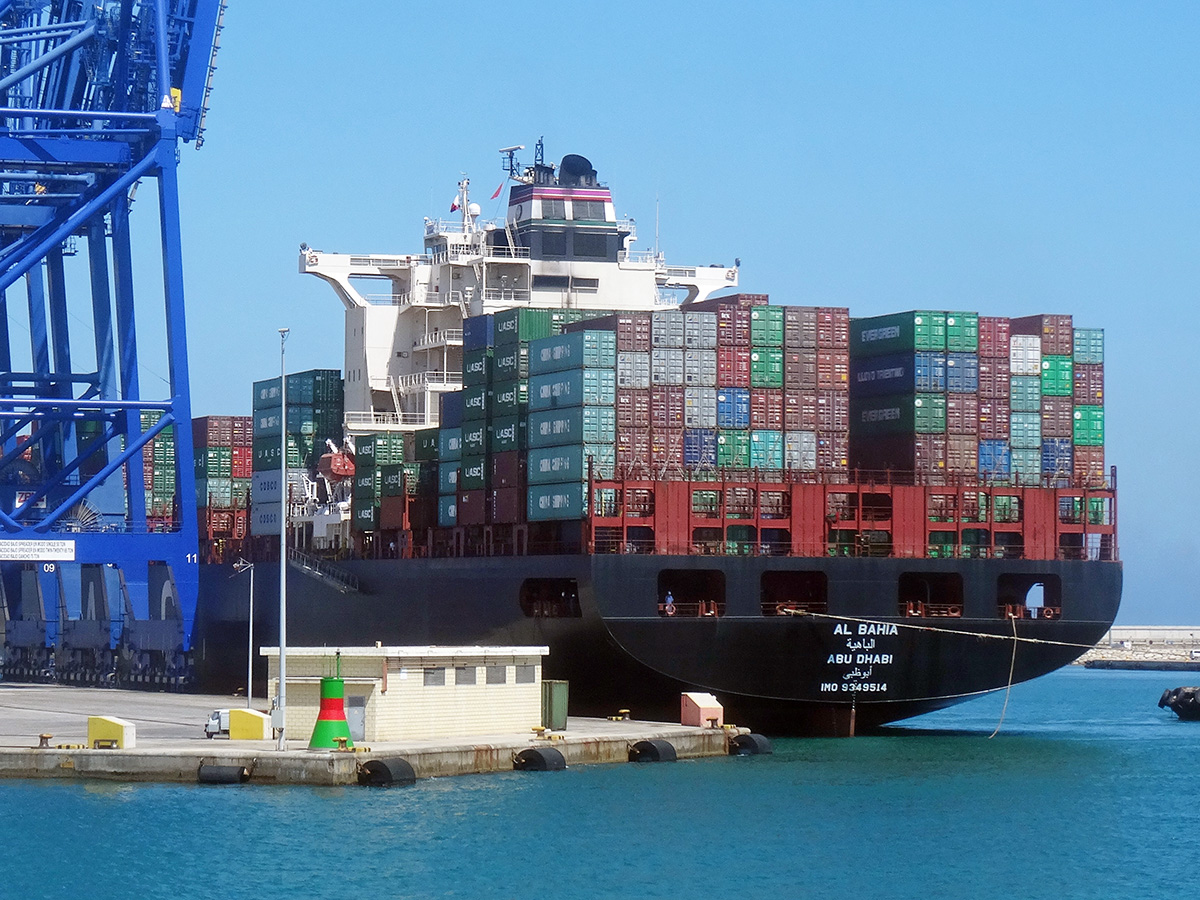 If supply chains become unreliable, however, JIT can lead to serious disruptions. A hold-up in one part of the chain will have a ripple effect along the whole chain because there is little or no slack in the system. When the large container ship, the Ever Given, en route from Malaysia to Felixtowe, was wedged in the Suez canal for six days in March this year, the blockage caused shipping to be backed up. By day six, 367 container ships were waiting to transit the canal. The disruption to supply cost some £730m.
JIT works well when sources of supply and logistics are reliable and when demand is predictable. The pandemic is causing many logistics and warehousing managers to consider building a degree of slack into their systems. This might involve companies having alternative suppliers they can call on, building in more spare capacity and having their own fleet of lorries or warehousing facilities that can be hired out when not needed but can be relied on at times of high demand.
When the ‘bounce back’ subsides, so may the current supply chain bottlenecks. But the rethinking that has been generated by the current problems may see new patterns emerge that make supply chains more flexible without becoming more expensive.
Articles
- What Is a Just-in-Time Supply Chain?
The Balance Small Business, Martin Murray (12/10/20)
- Why it’s high time to move on from ‘just-in-time’ supply chains
The Guardian, Kim Moody (11/10/21)
- Logistics Study Reveals Three Potential Cures To Global Supply Chain Problems
Forbes, Garth Friesen (20/9/21)
- Just-in-Time Manufacturing Needs Better Data
Supply & Demand Chain Executive, Paul Lachance (8/10/21)
- Just-in-time supply chains after the Covid-19 crisis
VoxEU, Frank Pisch (30/6/20)
- Plastics industry moves away from just-in-time logistics amid increased volatility
S&P Global, Miguel Cambeiro, Baoying Ng and George Griffiths (8/10/21)
- Just-in-time supply chains have left us dependent and with just-not-enough
CityAM, Tom Tugendhat MP (1/10/21)
- Supply chain havoc is getting worse — just in time for holiday shopping
Vox, Rebecca Heilweil (7/10/21)
- Ever Given and the Suez Canal: A list of affected ships and what delays mean for shippers
Supply Chain Dive, Matt Leonard (25/3/21)
Questions
- What are the costs and benefits of a just-in-time approach to logistics?
- Are current supply chain problems likely to be temporary or are there issues that are likely to persist?
- How might the JIT approach be reformed to make it more adaptable to supply chain disruptions?