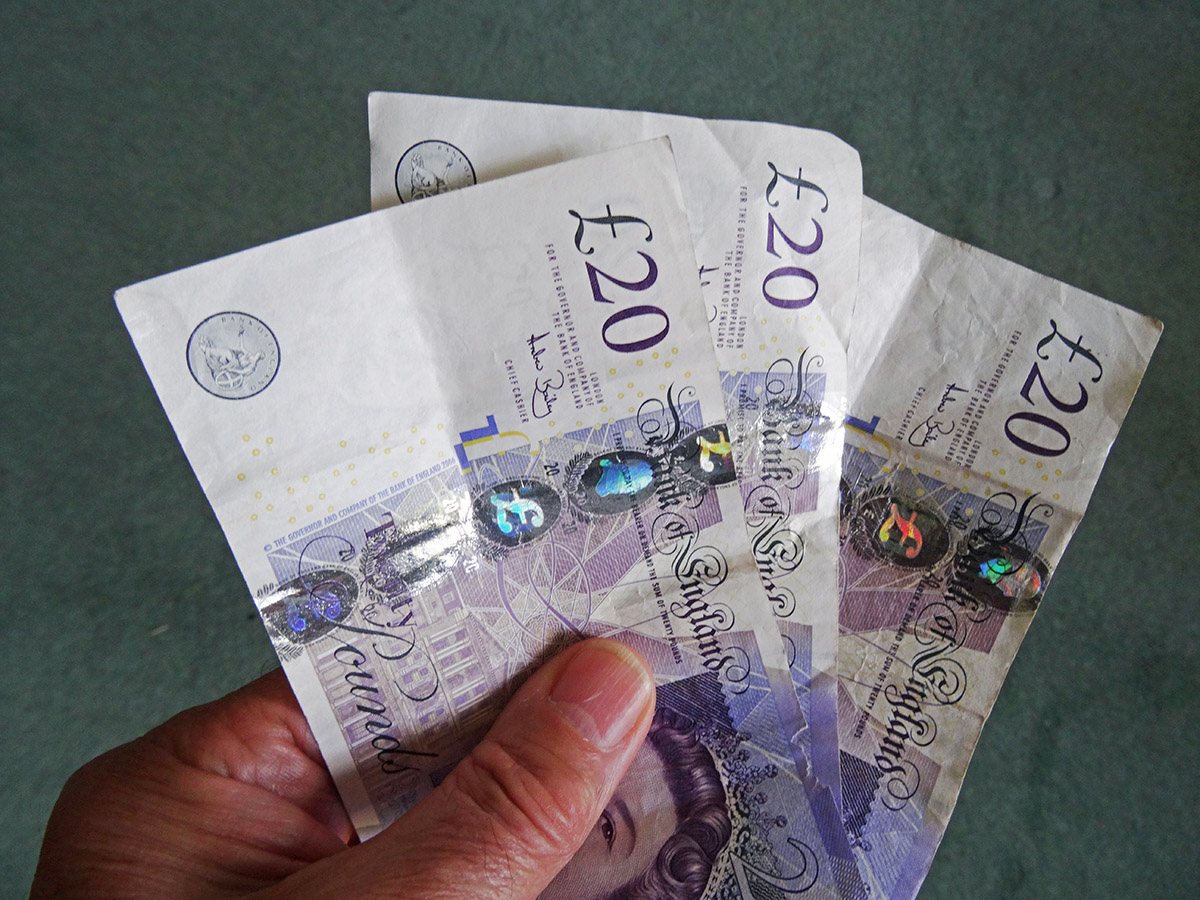
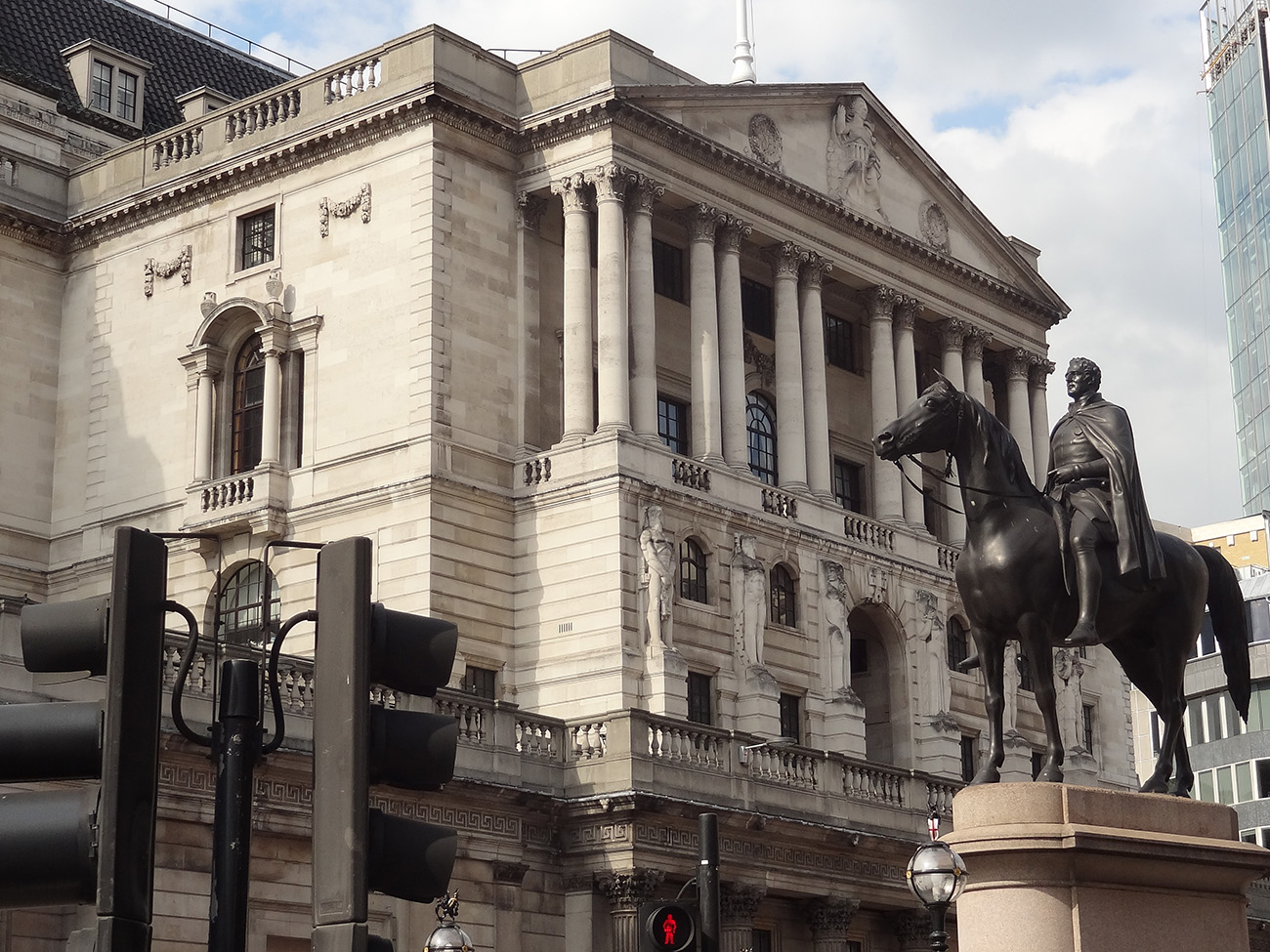
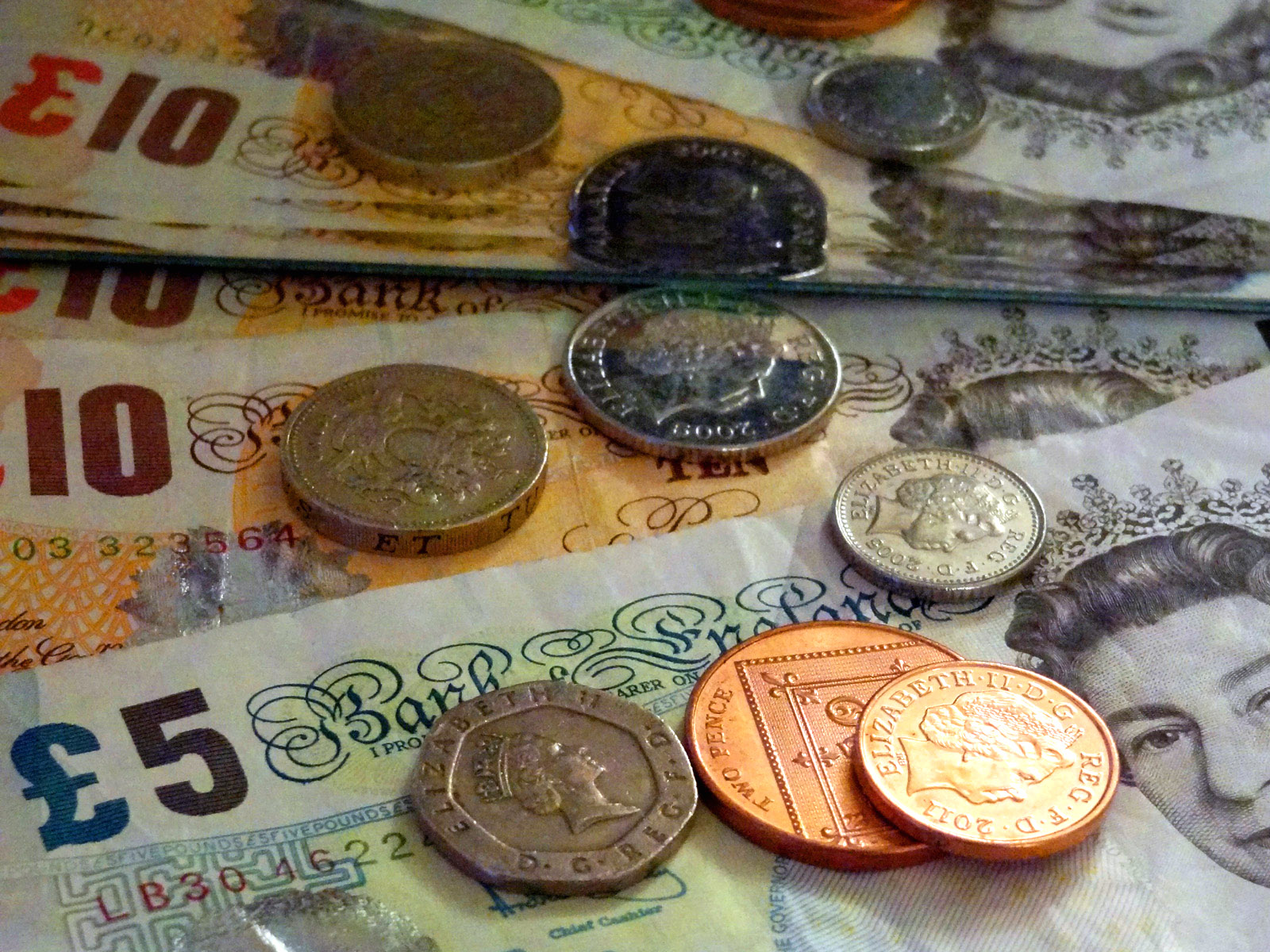
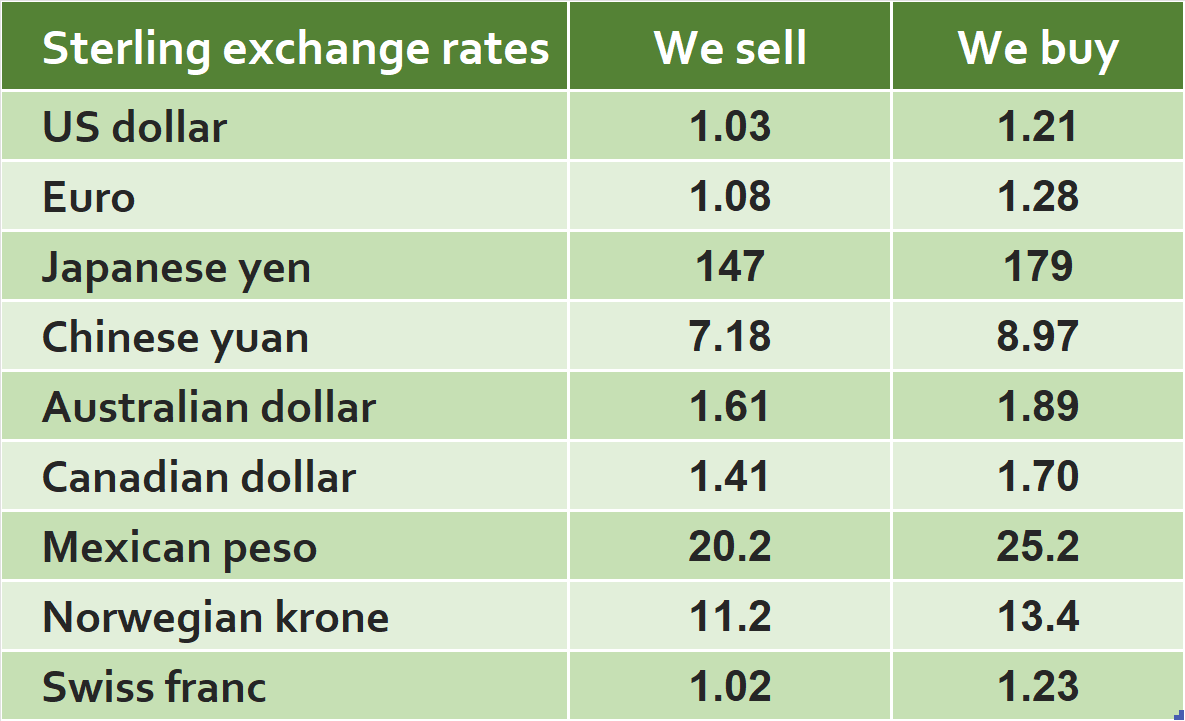
 On 23 September, the new Chancellor of the Exchequer, Kwasi Kwarteng, announced his mini-Budget. It revealed big tax-cutting plans with the aim of stimulating economic growth. See the blog From Reaganomics to Trussonomics for details. However, the announcement triggered a crisis of confidence in the markets. The government says the measures will kickstart economic growth, but with the tax cuts funded through extra government borrowing, markets have raised alarm over the plans, sending the pound plunging.
On Monday 26 September, traders in the UK awoke to see that the pound had fallen to the new lowest level on record against the dollar of $1.03. Although it came at a time when the markets expected the pound to weaken, the announcement pushed a fall in the pound beyond previous expectations. Concerns about where the extra money would come from to pay for the tax cuts were reflected in market movements. A weaker currency suggests investors’ faith in a country’s economic prospects is wavering.
What does a falling pound mean?
The pound’s value affects everyone – from shoppers to business owners and investors. The main impacts of the falling pound include:
- Higher prices. A fall in the value of the pound will increase the price of goods and services imported into the UK from overseas. When the pound is weak against the dollar, it costs more for companies in the UK to buy things such as food, raw materials or parts from abroad. Firms are likely then to pass on some or all those higher costs to their customers.
- Higher mortgage repayments. By increasing inflation, a falling pound is likely to push the Bank of England to raise interest rates to counter this. With two million people in the UK on a tracker or variable rate mortgage, monthly costs could increase substantially. Lenders are also likely to increase the rates charged on credit cards, bank loans or car loans.
- Further pressure on energy costs. The price of all of the gas that the UK uses is based on the dollar – even if the gas is produced in the UK. As oil prices are based on the dollar, petrol and diesel could also be more expensive for UK drivers as it costs more to be imported by fuel companies. Although the dollar price of oil has been falling in recent weeks, consumers are not likely to see the benefit at the pump due to the slide in the value of the pound.
- Stronger sales for UK firms who sell goods abroad. Some businesses in the UK could get a boost from a fall in the value of the pound. A cheaper pound makes it less expensive for people from around the globe to buy goods and services from British firms, making them more competitive.
- More expensive trips abroad. The plunge in the pound means that people’s holiday money won’t stretch as far, particularly for anyone planning a trip to the USA. The depreciation of the pound could also see airlines face sharply increased costs, with fuel and aircraft leases often denominated in dollars.
Threat to confidence
The Bank of England said a weaker outlook for the UK economy as well as a stronger dollar were putting pressure on sterling. However, market responses were clear that Kwarteng’s mini-Budget was threatening to undermine confidence in the UK. The pound plunged to its lowest since Britain went decimal in 1971, as belief in the UK’s economic management and assets evaporated.
By Tuesday 27 September, there were expectations that the Bank of England would have to raise interest rates to counter the extra spending in the mini-Budget. Economists from the City suggested the slump in the pound would not just force the Bank of England into raising rates at the next MPC announcement in November, but to intervene now by announcing an emergency interest rate rise to support the currency. This sent mortgage activity into a frenzy as brokers worked around the clock to help clients secure deals before lenders pulled their products or replaced them with more expensive ones. By the end of the week there were 40% fewer products available than before the mini-Budget.
The Bank of England
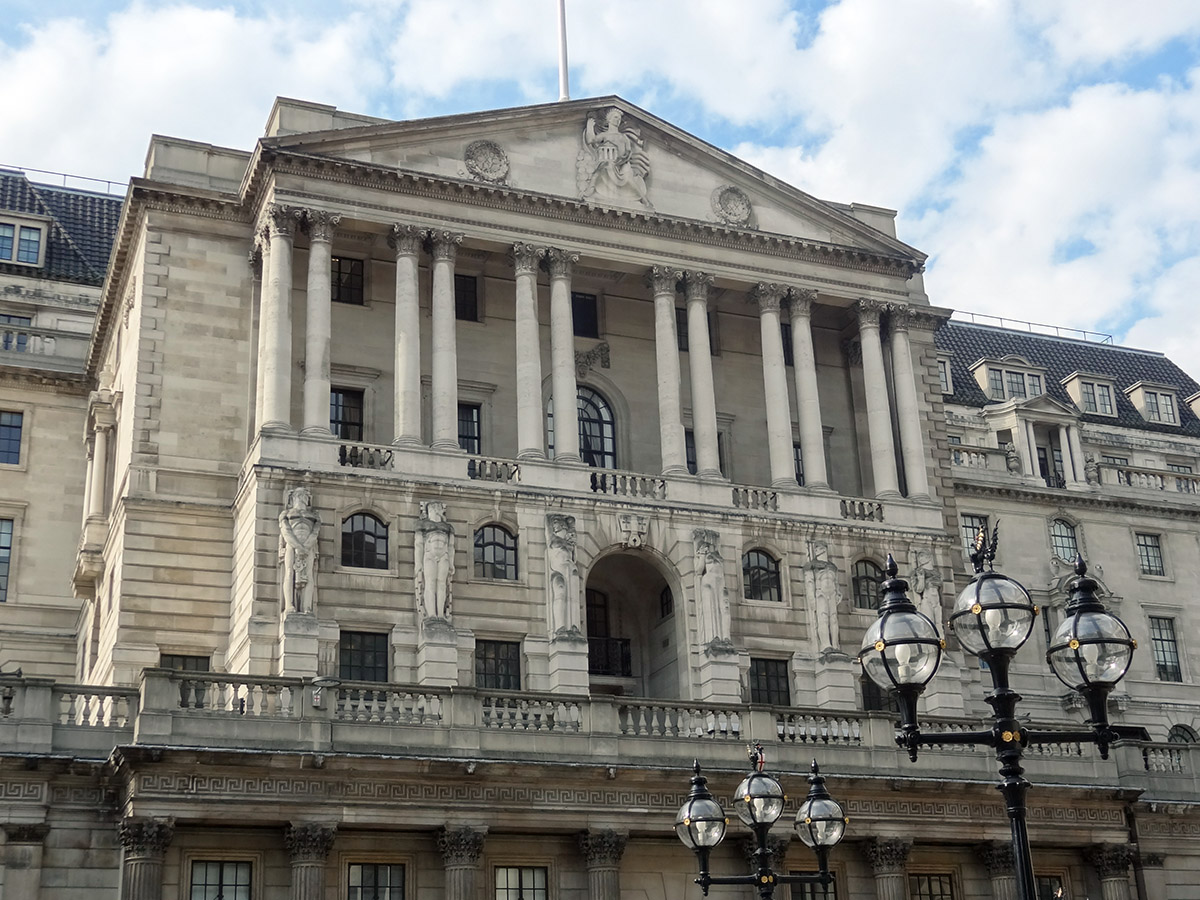 In August, the Bank predicted that the UK would go into recession, lasting some 15 months. It did so as it raised interest rates by the highest margin in 27 years (0.5 percentage points) in a bid to keep soaring prices under control. Higher interest rates can make borrowing more expensive, meaning people have less money to spend and prices will stop rising as quickly. The Bank of England is expected to raise interest rates by an even larger amount to combat the inflationary impact of the mini-Budget, as a weakening pound drives up costs of imports. The money markets are pricing a doubling of UK interest rates to more than 5% by next summer.
On Thursday 29 September the cost of government borrowing was rising to levels many economists thought were concerning. After the mini-Budget, the UK Debt Management Office, which borrows on behalf of the government by issuing new government bonds (‘gilts’), plans to raise an additional £72bn before next April, raising the financing remit in 2022/23 to £234bn. The investors in bonds are mainly large institutions, such as pension funds.
New bonds are issued at a fixed payment per annum based on the face value. If interest rates rise, then new bonds must pay a higher amount per annum to attract purchasers. Old bonds with a relatively low payment per year will fall in value. For example, if a £100 bond issued a while back paid £2 per annum (a nominal 2%) and interest rates on equivalent assets rose to 4%, the market price of the bond would fall to £50, as £2 per annum is 4% of £50. This percentage of the market price (as opposed to the face value) is known as the ‘yield’. With worries about the rise in government borrowing, bond prices fell and yields correspondingly rose. Investors were demanding much higher interest rates to lend to the UK government.
 The Investment Director at JM Finn compared investing in government bonds to sloths, they’re low risk and typically don’t move. This is because lending to the UK is usually considered as an ultra-safe bet. However, some bonds fell in price by 20% in two days (26–28 September).
There was concern that the mini-Budget threatened the financial health of Britain’s biggest pensions and insurance companies, which together manage trillions of pounds of people’s cash. These companies hold large amounts of UK government bonds and the fall in their price was significantly reducing the value of their assets.
The Bank of England thus announced that it would step in to calm markets, warning that continued volatility would be a ‘material risk to UK financial stability’. The Bank would start buying government bonds at an ‘urgent pace’ to help push their price back up and restore orderly market conditions. It would set aside £65bn to buy bonds over 13 working days. It is hoped that the Bank’s action will now ease the pressure on pension funds and insurance companies.
But the purchase of bonds increases money supply. This was the process by which money supply was increased during periods of quantitative easing (QE). Increasing money supply, while helping to dampen the rise in interest rates and stabilise the financial markets, is likely to lead to higher inflation. The Bank of England had previously planned to do the opposite: to engage in quantitative tightening (QT), which involves selling some of the stock of (old) bonds which the Bank had accumulated during the various rounds of QE.
Despite the Bank of England’s action which helped to curb the fall in the sterling exchange rate, some analysts warned it could fall further and could even reach parity with the dollar. There are concerns that the Bank is simply firefighting, rather than being able to solve the wider problems. There is now growing pressure on the government to make clear the financial cost of its tax cuts and spending plans.
Criticism from the IMF
 There has been widespread criticism of the government’s plan, with the International Monetary Fund warning on Tuesday 27 September that the measures were likely to fuel the cost-of-living crisis and increase inequality. The stinging rebuke from the IMF arrived at the worst moment for the UK government. The IMF works to stabilise the global economy and one of its key roles is to act as an early economic warning system. It said it understood the package aimed to boost growth, but it warned that the cuts could speed up the pace of price rises, which the UK’s central bank is trying to bring down. In an unusually outspoken statement, the IMF said the proposal was likely to increase inequality and add to pressures pushing up prices.
Mark Carney, the former Governor of the Bank of England also criticised the government, accusing them of ‘undercutting’ the UK’s key economic institutions. Mr Carney said that while the government was right to want to boost economic growth, ‘There is a lag between today and when that growth might come.’ He also criticised the government for undercutting various institutions that underpin the overall approach, including not having an OBR forecast.
What is next for the economy?
Before the announcement, the Bank had expected the economy to shrink in the last three months of 2022 and keep shrinking until the end of 2023. However, some economists believe the UK could already be in recession. The impacts of the mini-Budget have so far not alleviated fears of the UK diving into recession. However, the Governor of the Bank of England, Andrew Bailey, also warned that little could be done to stop the UK falling into a recession this year as the war in Ukraine continued. He added that it would ‘overwhelmingly be caused by the actions of Russia and the impact on energy prices’.
Despite the external pressures on the economy, it is clear that recent market activity has damaged confidence. The Bank has already said it will ‘not hesitate’ to hike interest rates to try to protect the pound and stem surging prices. Some economists have predicted the Bank of England will raise the interest rate from the current 2.25% to 5.75% by next spring.
The Bank’s action of emergency bond purchases helped provide Kwarteng with some respite from the financial markets after three days of turmoil, which included strong criticism of the mini-Budget from the International Monetary Fund, about 1000 mortgage products pulled and interest rates on UK government bonds hitting their highest level since 2008.
On 3 October, at the start of the Conservative Party annual conference, Kwarteng announced that the planned cut in the top rate of income tax from 45% to 40% would not go ahead. This showed that the government would change course if pressure was strong enough. That day, the sterling exchange rate against the dollar appreciated by around 0.5% to around $1.12.
But this was not enough. The pressure was still on the government. There were urgent calls from the House of Commons Treasury Select Committee to bring forward the government’s financial statement, which was not due until 23 November, by at least a month. The government was urged to publish growth forecasts as soon as possible to help calm the markets. In response, on 4 October the government agreed to bring the financial statement forward to late October along with the forecasts of its impacts from the OBR.
However, Truss and Kwarteng have so far resisted this pressure to bring analysis of their tax plans forward. They have refused independent analysis of their plans until more than six weeks after receiving them, despite more calls from Tory MPs for Downing Street to reassure the markets. The Prime Minister and Chancellor said they would only publish the independent forecasts on 23 November alongside a fiscal statement, despite them being ready on 7 October.
Longer term impacts
Amongst all the activity in the week following the mini-Budget, there are real concerns of the longer-term impacts the budget will have on the economy. Some experts predict that the lasting effects of the ‘mini’ Budget will be felt far beyond the trading floors. Large tax cuts the government claimed would boost growth have instead convinced markets the UK’s entire macroeconomic framework is under threat. Although this turmoil has been the short-term result, it’s important to step back and think about how the effects of this abrupt shift in economic policy will be felt far beyond the trading floors.
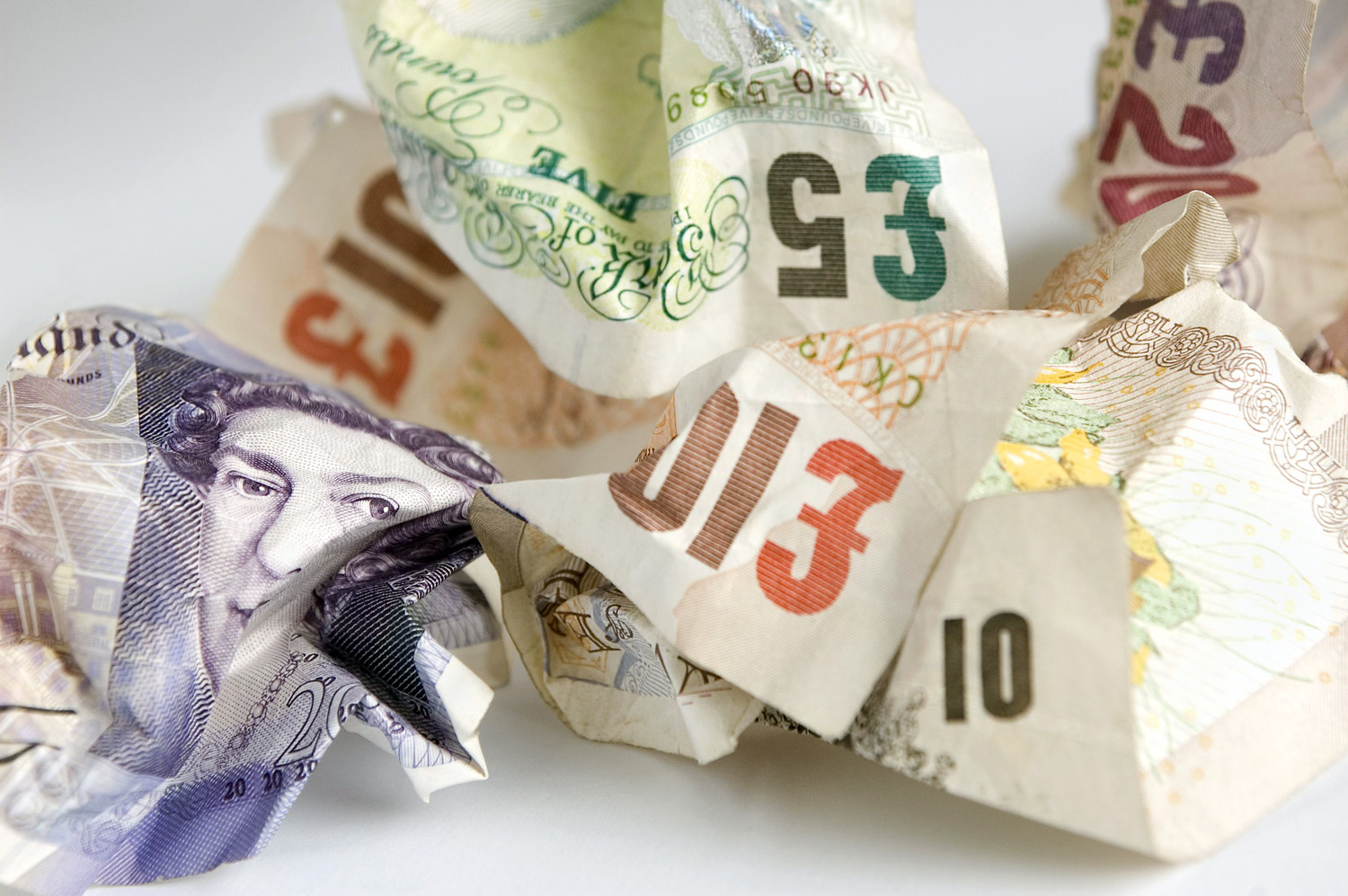 Sterling’s partial recovery a few days after the mini-Budget reflects an increased confidence that there will be a large interest rate rise coming on November 3. However, the bleak economic outlook has removed any fiscal headroom the government may have had. The largest tax cuts in five decades need funding, while spooking the markets means another £12.5bn a year added to the debt interest bill. However, Kwarteng remains committed to debt falling eventually.
It is estimated that there needs to be a fiscal tightening of around £37–£47bn by 2026/27. Even more could be required to ensure that tax revenues cover day-to-day spending or for even a small margin for error. Many have therefore called for a U-turn on the measures announced in the mini-Budget beyond abolishing the cut to the top rate of income tax. Performing a U-turn on some of the tax cuts would make the fiscal tightening much more achievable. However, it could be politically detrimental. Much lower taxes will mean less public spending. Some suggest that this trade-off was ignored when those tax cuts were announced, but market pressure has now put it centre stage.
The Prime Minister has since admitted that mistakes were made in the controversial ‘mini’ Budget that sparked market turmoil in the last week of September. However, a day before reversing the cut in the top rate of income tax, she said she would not retreat on her plan to deliver £45bn of unfunded tax cuts, insisting it would help deliver growth, but admitted: ‘We should have laid the ground better and I have learned from that.’
Articles
- Pound hits all-time low against dollar after mini-budget rocks markets
The Guardian, Graeme Wearden (26/9/22)
- The pound: Why is it falling?
BBC News, Tom Edgington (27/9/22)
- Falling pound: What does it mean for me and my finances?
BBC News, Lora Jones (28/9/22)
- Bank of England steps in to calm markets
BBC News, Daniel Thomas and Noor Nanji (29/9/22)
- Government is undercutting UK institutions, says former Bank governor
BBC News, Dearbail Jordan (30/9/22)
- Bank of England in £65bn scramble to avert financial crisis
The Guardian, Larry Elliott, Pippa Crerar and Richard Partington (28/9/22)
 From mini-budget to market turmoil: Kwasi Kwarteng’s week – video timeline
The Guardian, Elena Morresi and Monika Cvorak plus sources as credited (30/9/22)
- Truss and Kwarteng resist pressure to bring analysis of their tax plans forward
The Guardian, Rowena Mason and Aubrey Allegretti (30/9/22)
- Mark Carney accuses Truss government of undermining Bank of England
The Guardian, Kalyeena Makortoff (29/9/22)
- Lasting effects of ‘mini’ Budget will be felt far beyond the trading floors
The Times, Torsten Bell (1/10/22)
- ‘Big impact’: UK economic chaos, pound plunge hit businesses
ABC News, Sylvia Hui and Kelvin Chan (30/9/22)
- Bank of England bonds rescue has two ugly implications: more inflation and an even weaker pound
The Conversation, Costas Milas (30/9/22)
- Sterling hits all-time low: two things can turn this around but neither is straightforward
The Conversation, Jean-Philippe Serbera (26/9/22)
Questions
- Explain how the announced tax cut will stimulate economic growth.
- What is the impact of the weakened pound on UK households and businesses?
- Draw a diagram illustrating the way in which the $/£ exchange rate is determined.
- How is UK inflation likely to be affected by a depreciation of sterling?
- Are there any advantages of having a lower pound?
 Senior Bank of England officials appeared before the House of Commons’ Treasury Select Committee on 21 February to report on the state of the economy and the future path for inflation and interest rates. One topic considered was the role of depreciation.
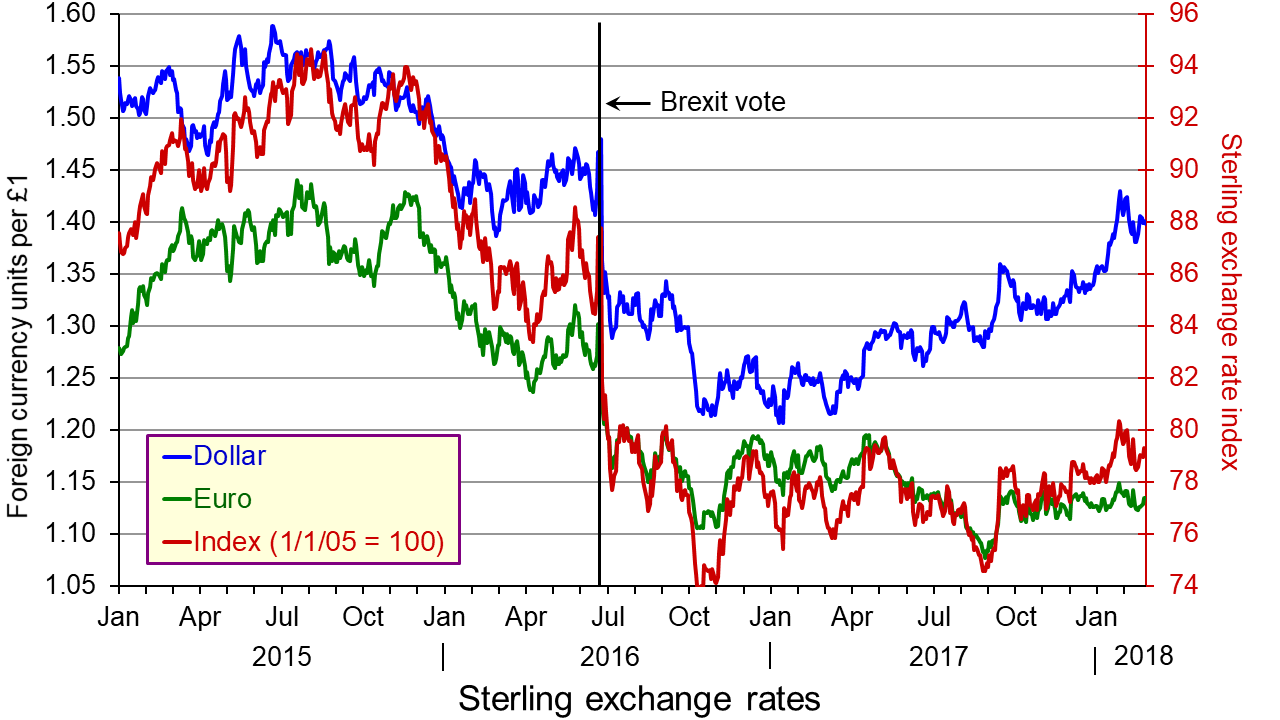
The pound has depreciated since the referendum on EU membership in June 2016. The exchange rate index today is some 9% below that before the referendum and 15% below the peak a year before the referendum.
It had fallen as much as 14% by October 2016 below the level before the referendum and 20% below its peak, pushed down partly by the cut in Bank Rate from 0.5% to 0.25% following the referendum. In November 2017, the Bank’s Monetary Policy Committee raised Bank Rate back to 0.5%. Two or three more rises of 25 basis points are expected over the next couple of years. This has helped to strengthen sterling somewhat. (Click here for a PowerPoint of the chart below.)
But has the depreciation been advantageous or disadvantageous to the economy? Here the Governor (Mark Carney) and the Chief Economist (Andy Haldane) appeared to differ. Andy Haldane said:
A combination of the weaker pound and a stronger global economy has worked its magic. That has meant that net trade has been a significant contributor, and we expect those effects to continue over the next two or three years. … Depreciations work, and that’s how they work.
By contrast, Mark Carney said:
Depreciations don’t work. They have an economic effect, but they’re not a good economic strategy. They may be an outcome of various things … but it’s how you make yourself poorer.
Are these statements contradictory or are they simply emphasising different effects of depreciation?
Both Andy Haldane and Mark Carney would accept that a depreciation makes imports more expensive and thus reduces real incomes (at least in the short run). They would also accept that a depreciation makes exports priced in pounds cheaper in foreign currency terms and thus can boost the demand for exports.
There is disagreement over two things, however. The first is the effect on people’s real incomes in the long run. Will any fall in real incomes from higher-priced imports in the short run be offset in the long run by higher economic growth?
This relates to a second area of disagreement. This is whether a depreciation can act as a significant driver for exports over the longer term. The increased incentive on the demand side (from consumers abroad to buy UK exports) could be offset by a disincentive for exporters to become more efficient and/or to compete in terms of quality. In other words, although it can give exporters a price advantage, the crucial question is the extent to which they take advantage of this, or merely take higher profits.
The disagreements thus relate primarily to the incentive effects over the longer term.
Articles
Bank of England governor says Brexit has made us poorer – as it happened The Guardian, Graeme Wearden (21/2/18)
Brexit will knock 5% off wage growth, says Mark Carney The Guardian, Phillip Inman (21/2/18)
Video
Treasury Committee: Wednesday 21 February 2018 Parliamentlive.tv (21/2/18) (see from 16:08:00)
Bank of England documents
Treasury Select Committee hearing on the February 2018 Inflation Report Bank of England (21/2/18)
Inflation Report – February 2018 Bank of England (8/2/18)
Data
Interest & exchange rates data Bank of England
Questions
- How does a depreciation affect the demand for and supply of imports and exports?
- What determines the size of the effect on inflation of a depreciation?
- What is the significance of the price elasticity of demand for and supply of sterling in determining the size of depreciation resulting from a change in confidence or a change in interest rates?
- How does productivity growth impact on the effectiveness of a depreciation in leading to higher economic growth?
- In what ways might a depreciation affect productivity growth?
 UK CPI inflation rose to 3.1% in November. This has forced Mark Carney to write a letter of explanation to the Chancellor – something he is required to do if inflation is more than 1 percentage point above (or below) the target of 2%.
The rise in inflation over the past few months has been caused largely by the depreciation of sterling following the Brexit vote. But there have been other factors at play too. The dollar price of oil has risen by 32% over the past 12 months and there have been large international rises in the price of metals and, more recently, in various foodstuffs. For example, butter prices have risen by over 20% in the past year (although they have declined somewhat recently). Other items that have seen large price rises include books, computer games, clothing and public transport.
The rate of CPI inflation is the percentage increase in the consumer prices index over the previous 12 months. When there is a one-off rise in prices, such as a rise in oil prices, its effect on inflation will only last 12 months. After that, assuming the price does not rise again, there will be no more effect on inflation. The CPI will be higher, but inflation will fall back. The effect may not be immediate, however, as input price changes take a time to work through supply chains.
Given that the main driver of inflation has been the depreciation in sterling, once the effect has worked through in terms of higher prices, inflation will fall back. Only if sterling continued depreciating would an inflation effect continue. So, many commentators are expecting that the rate on inflation will soon begin to fall.
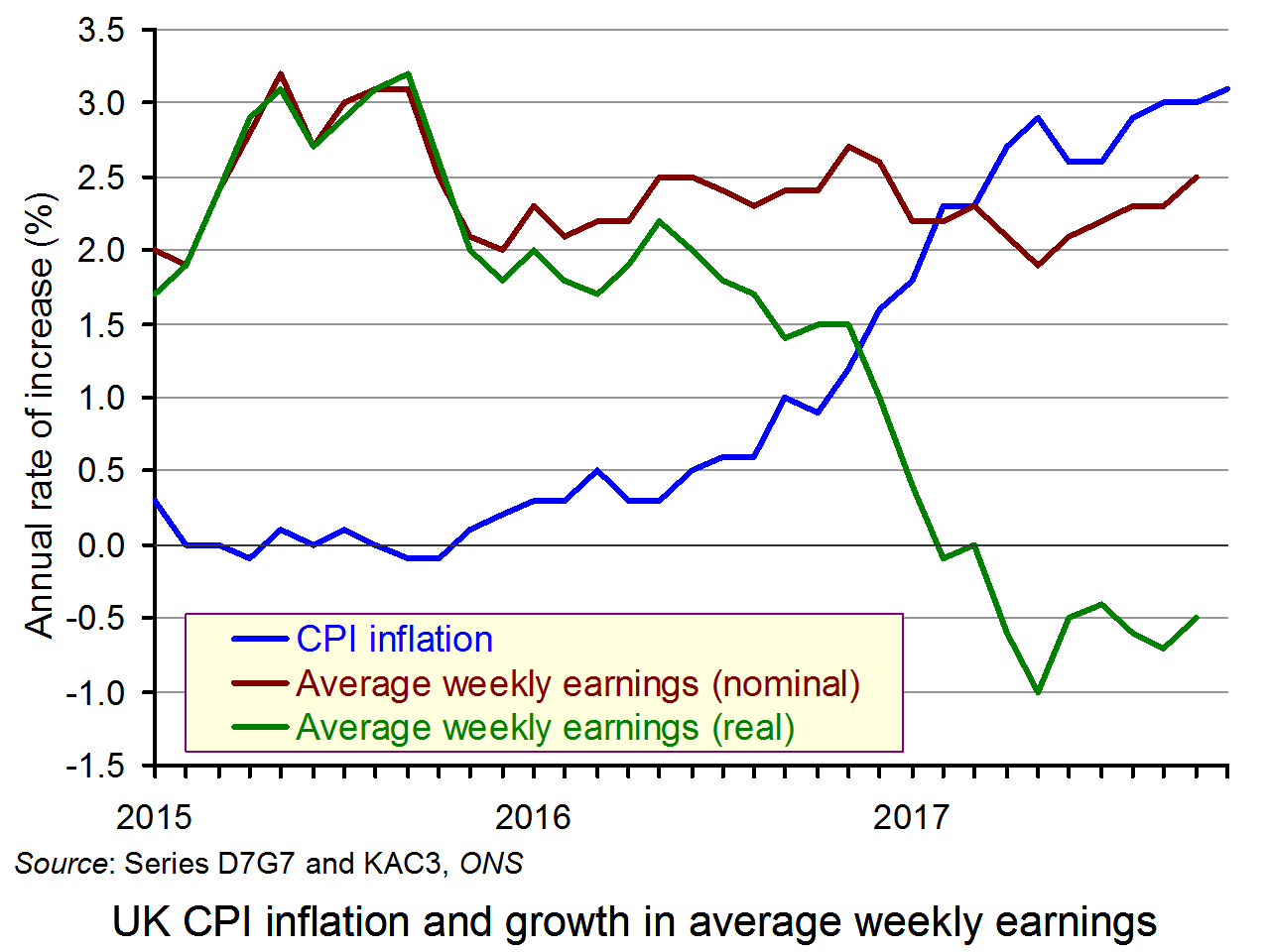 But what will have been the effect on real incomes? In the past 12 months, nominal average earnings have risen by around 2.5% (the precise figures will not be available for a month). This means that real average earnings have fallen by around 0.6%. (Click here for a PowerPoint of the chart.)
For many low-income families the effect has been more severe. Many have seen little or no increase in their pay and they also consume a larger proportion of items whose prices have risen by more than the average. Those on working-age benefits will be particularly badly hit as benefits have not risen since 2015.
If inflation does fall and if real incomes no longer fall, people will still be worse off unless real incomes rise back to the levels they were before they started falling. That could be some time off.
Articles
UK inflation rate at near six-year high BBC News (12/12/17)
Inflation up as food costs jump – and gas crisis threatens worse to come The Telegraph, Tim Wallace (12/12/17)
UK worst for pay growth as rich world soars ahead in 2018 The Telegraph, Tim Wallace (12/12/17)
Inflation rises to 3.1%, adding to UK cost of living squeeze The Guardian, Larry Elliott (12/12/17)
UK inflation breaches target as it climbs to 3.1% Financial Times, Gavin Jackson (12/12/17)
Inflation surges to 3.1% in November, a near six-year high Belfast Telegraph (12/12/17)
Data
CPI annual rate of increase (all items) ONS: series D7G7
Average weekly earnings, annual (3-month average) ONS: series KAC3
UK consumer price inflation: November 2017 ONS Statistical Bulletin (12/12/17)
Commodity prices Index Mundi
Questions
- Apart from CPI inflation, what other measures of inflation are there? Explain their meaning.
- Why is inflation of 2%, rather than 0%, seen as the optimal rate by most central banks?
- Apart from the depreciation of sterling, what other effects is Brexit likely to have on living standards in the UK?
- What are the arguments for and against the government raising benefits by the rate of CPI inflation?
- If Europe and the USA continue to grow faster than the UK, what effect is this likely to have on the euro/pound and dollar/pound exchange rates? What determines the magnitude of this effect?
- Unemployment is at its lowest level since 1975. Why, then, are real wages falling?
- Why, in the light of inflation being above target, has the Bank of England not raised Bank Rate again in December (having raised it from 0.25% to 0.5% in November)?
 On the 15th June, the Bank of England’s Monetary Policy Committee decided to keep Bank Rate on hold at its record low of 0.25%. This was not a surprise – it was what commentators had expected. What was surprising, however, was the split in the MPC. Three of its current eight members voted to raise the rate.
At first sight, raising the rate might seem the obvious thing to do. CPI inflation is currently 2.9% – up from 2.7% in April and well above the target of 2% – and is forecast to go higher later this year. According to the Bank of England’s own forecasts, even at the 24-month horizon inflation is still likely to be a little above the 2% target.
Those who voted for an increase of 0.25 percentage points to 0.5% saw it as modest, signalling only a very gradual return to more ‘normal’ interest rates. However, the five who voted to keep the rate at 0.25% felt that it could dampen demand too much.
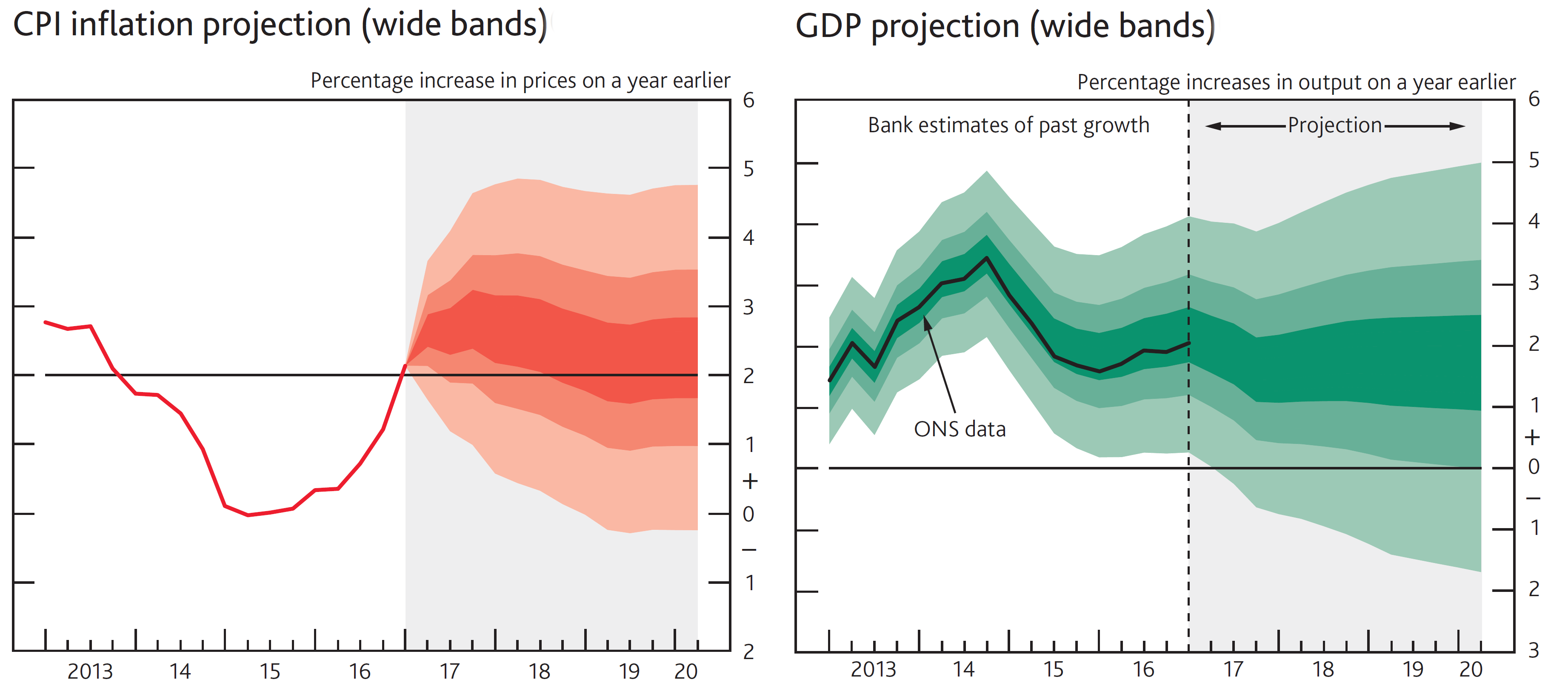
The key argument is that inflation is not of the demand-pull variety. Aggregate demand is subdued. Real wages are falling and hence consumer demand is likely to fall too. Thus many firms are cautious about investing, especially given the considerable uncertainties surrounding the nature of Brexit. The prime cause of the rise in inflation is the fall in sterling since the Brexit vote and the effect of higher import costs feeding through into retail prices. In other words, the inflation is of the cost-push variety. In such cirsumstances dampening demand further by raising interest rates would be seen by most economists as the wrong response. As the minutes of the MPC meeting state:
Attempting to offset fully the effect of weaker sterling on inflation would be achievable only at the cost of higher unemployment and, in all likelihood, even weaker income growth. For this reason, the MPC’s remit specifies that, in such exceptional circumstances, the Committee must balance any trade-off between the speed at which it intends to return inflation sustainably to the target and the support that monetary policy provides to jobs and activity.
The MPC recognises that the outlook is uncertain. It states that it stands ready to respond to circumstances as they change. If demand proves to be more resilient that it currently expects, it will raise Bank Rate. If not, it is likely to keep it on hold to continue providing a modest stimulus to the economy. However, it is unlikely to engage in further quantitative easing unless the economic outlook deteriorates markedly.
Articles
The Bank of England is moving closer to killing the most boring chart in UK finance right now Business Insider, Will Martin (16/6/17)
UK inflation hits four-year high of 2.9% Financial Times, Gavin Jackson and Chloe Cornish (13/6/17)
Surprise for markets as trio of Bank of England gurus call for interest rates to rise The Telegraph, Szu Ping Chan Tim Wallace (15/6/17)
Bank of England rate setters show worries over rising inflation Financial TImes, Chris Giles (15/6/17)
Three Bank of England policymakers in shock vote for interest rate rise Independent, Ben Chu (15/6/17)
Bank of England edges closer to increasing UK interest rates The Guardian, Katie Allen (15/6/17)
Bank of England doves right to thwart hawks seeking interest rate rise The Guardian, Larry Elliott (15/6/17)
Haldane expects to vote for rate rise this year BBC News (21/6/17)
Bank of England documents
Monetary policy summary Bank of England (15/6/17)
Monetary Policy Summary and minutes of the Monetary Policy Committee meeting ending on 14 June 2017 Bank of England (15/6/17)
Inflation Report, May 2017 Bank of England (11/5/16)
Questions
- What is the mechanism whereby a change in Bank Rate affects other interest artes?
- Use an aggregate demand and supply diagram to illustrate the difference between demand-pull and cost-push inflation.
- If the exchange rate remains at around 10–15% below the level before the Brexit vote, will inflation continue to remain above the Bank of England’s target, or will it reach a peak relatively soon and then fall back? Explain.
- For what reason might aggregate demand prove more buoyant that the MPC predicts?
- Would a rise in Bank Rate from 0.25% to 0.5% have a significant effect on aggregate demand? What role could expectations play in determining the nature and size of the effect?
- Why are real wage rates falling at a time when unemployment is historically very low?
- What determines the amount that higher prices paid by importers of products are passed on to consumers?
 The latest figures from the ONS show that UK inflation rose to 2.3% for the 12 months to February 2017 – up from 1.9% for the 12 months to January. The rate is the highest since September 2013 and has steadily increased since late 2015.
The main price index used to measure inflation is now CPIH, as opposed to CPI. CPIH is the consumer prices index (CPI) adjusted for housing costs and is thus a more realsitic measure of the cost pressures facing households. As the ONS states:
CPIH extends the consumer prices index (CPI) to include a measure of the costs associated with owning, maintaining and living in one’s own home, known as owner occupiers’ housing costs (OOH), along with Council Tax. Both of these are significant expenses for many households and are not included in the CPI.
But why has inflation risen so significantly? There are a number of reasons.
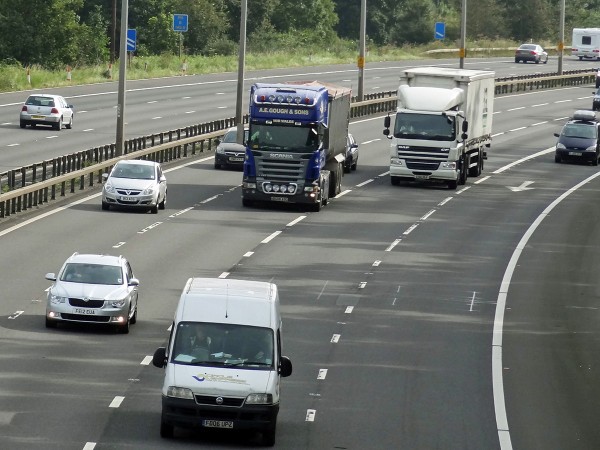 The first is a rise in transport costs (contributing 0.15 percentage points to the overall inflation rate increase of 0.4 percentage points). Fuel prices rose especially rapidly, reflecting both the rise in the dollar price of oil and the depreciation of the pound. In February 2016 the oil price was $32.18; in February 2017 it was $54.87 – a rise of 70.5%. In February 2016 the exchange rate was £1 = $1.43; in February 2017 it was £1 = $1.25 – a depreciation of 12.6%.
The second biggest contributor to the rise in inflation was recreation and culture (contributing 0.08 percentage points). A wide range of items in this sector, including both goods and services, rose in price. ‘Notably, the price of personal computers (including laptops and tablets) increased by 2.3% between January 2017 and February 2017.’ Again, a large contributing factor has been the fall in the value of the pound. Apple, for example, raised its UK app store prices by a quarter in January, having raised prices for iPhones, iPads and Mac computers significantly last autumn. Microsoft has raised its prices by more than 20% this year for software services such as Office and Azure. Dell, HP and Tesla have also significantly raised their prices.
The third biggest was food and non-alcoholic beverages (contributing 0.06 percentage points). ‘Food prices, overall, rose by 0.8% between January 2017 and February 2017, compared with a smaller rise of 0.1% a year earlier.’ Part of the reason has been the fall in the pound, but part has been poor harvests in southern Europe putting up euro prices. This is the first time that overall food prices have risen for more than two-and-a-half years.
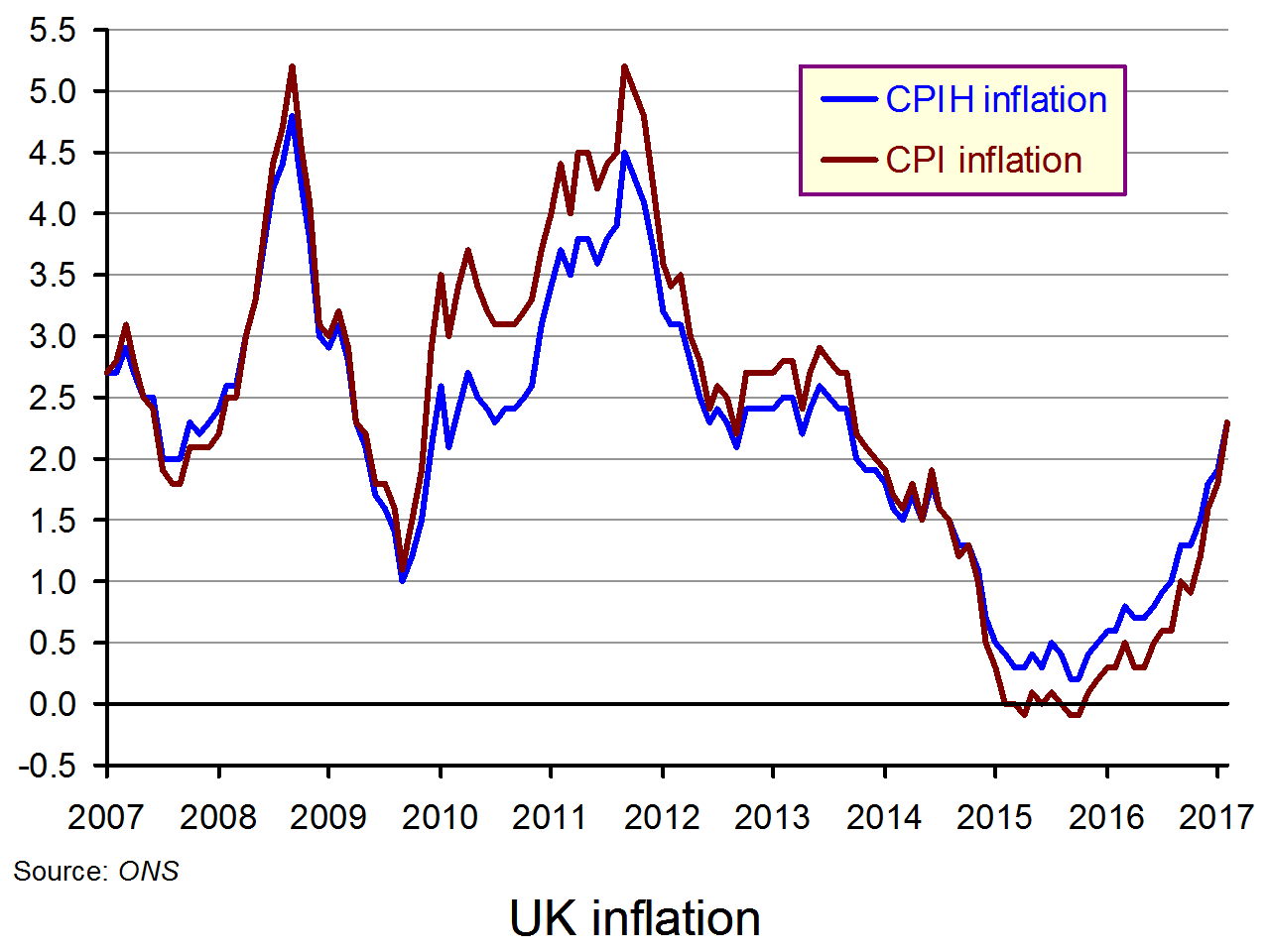 It is expected that inflation will continue to rise over the coming months as the effect of the weaker pound and higher raw material and food prices filter though. The current set of pressures could see inflation peaking at around 3%. If there is a futher fall in the pound or further international price increases, inflation could be pushed higher still – well above the Bank of England’s 2% target. (Click here for a PowerPoint of the chart.)
The higher inflation means that firms are facing a squeeze on their profits from two directions.
First, wage rises have been slowing and are now on a level with consumer price rises. It is likely that wage rises will soon drop below price rises, meaning that real wages will fall, putting downward pressure on spending and squeezing firms’ revenue.
Second, input prices are rising faster than consumer prices. In the 12 months to February 2017, input prices (materials and fuels) rose by 19.1%, putting a squeeze on producers. Producer prices (‘factory gate prices’), by contrast, rose by 3.7%. Even though input prices are only part of the costs of production, the much smaller rise of 3.7% reflects the fact that producer’s margins have been squeezed. Retailers too are facing upward pressure on costs from this 3.7% rise in the prices of products they buy from producers.
One of the worries about the squeeze on real wages and the squeeze on profits is that this could dampen investment and slow both actual and potential growth.
So will the Bank of England respond by raising interest rates? The answer is probably no – at least not for a few months. The reason is that the higher inflation is not the result of excess demand and the economy ‘overheating’. In other words, the higher inflation is not from demand-pull pressures. Instead, it is from higher costs, which are in themselves likely to dampen demand and contribute to a slowdown. Raising interest rates would cause the economy to slow further.
Videos
UK inflation shoots above two percent, adding to Bank of England conundrum Reuters, William Schomberg, David Milliken and Richard Hunter (21/3/17)
Bank target exceeded as inflation rate rises to 2.3% ITV News, Chris Choi (21/3/17)
Steep rise in inflation Channel 4 News, Siobhan Kennedy (21/3/17)
U.K. Inflation Gains More Than Forecast, Breaching BOE Goal Bloomberg, Dan Hanson and Fergal O’Brien (21/3/17)
Articles
Inflation leaps in February raising prospect of interest rate rise The Telegraph, Julia Bradshaw (21/3/17)
Brexit latest: Inflation jumps to 2.3 per cent in February Independent, Ben Chu (21/3/17)
UK inflation rate leaps to 2.3% BBC News (21/3/17)
UK inflation: does it matter for your income, debts and savings? Financial Times, Chris Giles (21/3/17)
Rising food and fuel prices hoist UK inflation rate to 2.3% The Guardian, Katie Allen (21/3/17)
Reality Check: What’s this new measure of inflation? BBC News (21/3/17)
Data
UK consumer price inflation: Feb 2017 ONS Statistical Bulletin (21/3/17)
UK producer price inflation: Feb 2017 ONS Statistical Bulletin (21/3/17)
Inflation and price indices ONS datasets
Consumer Price Inflation time series dataset ONS datasets
Producer Price Index time series dataset ONS datasets
European Brent Spot Price US Energy Information Administration
Statistical Interactive Database – interest & exchange rates data Bank of England
Questions
- If pries rise by 10% and then stay at the higher level, what will happen to inflation (a) over the next 12 months; (b) in 13 months’ time?
- Distinguish between demand-pull and cost-push inflation. Why are they associated with different effects on output?
- If producers face rising costs, what determines their ability to pass them on to retailers?
- Why is the rate of real-wage increase falling, and why may it beome negative over the coming months?
- What categories of people are likely to lose the most from inflation?
- What is the Bank of England’s remit in terms of setting interest rates?
- What is likely to affect the sterling exchange rate over the coming months?