
Inflation has been rising around the world. The main reason has been the supply shock of rising oil, fertiliser and commodity prices caused by the Iran war and the disruption to global supply chains from conflicts in the Middle East and Russia (see the blog, Why have diesel prices risen more than petrol prices?). Central banks, including the US Federal Reserve Bank, the European Central Bank and the Bank of Japan, have responded to this cost-push inflationary shock by raising interest rates. The Bank of England is likely to raise Bank rate at its next meeting on 5 November 2026.
Similar supply shocks have been experienced in recent years (see the May 2026 blog, Supply shocks – long-term gain from the short-term pain?).
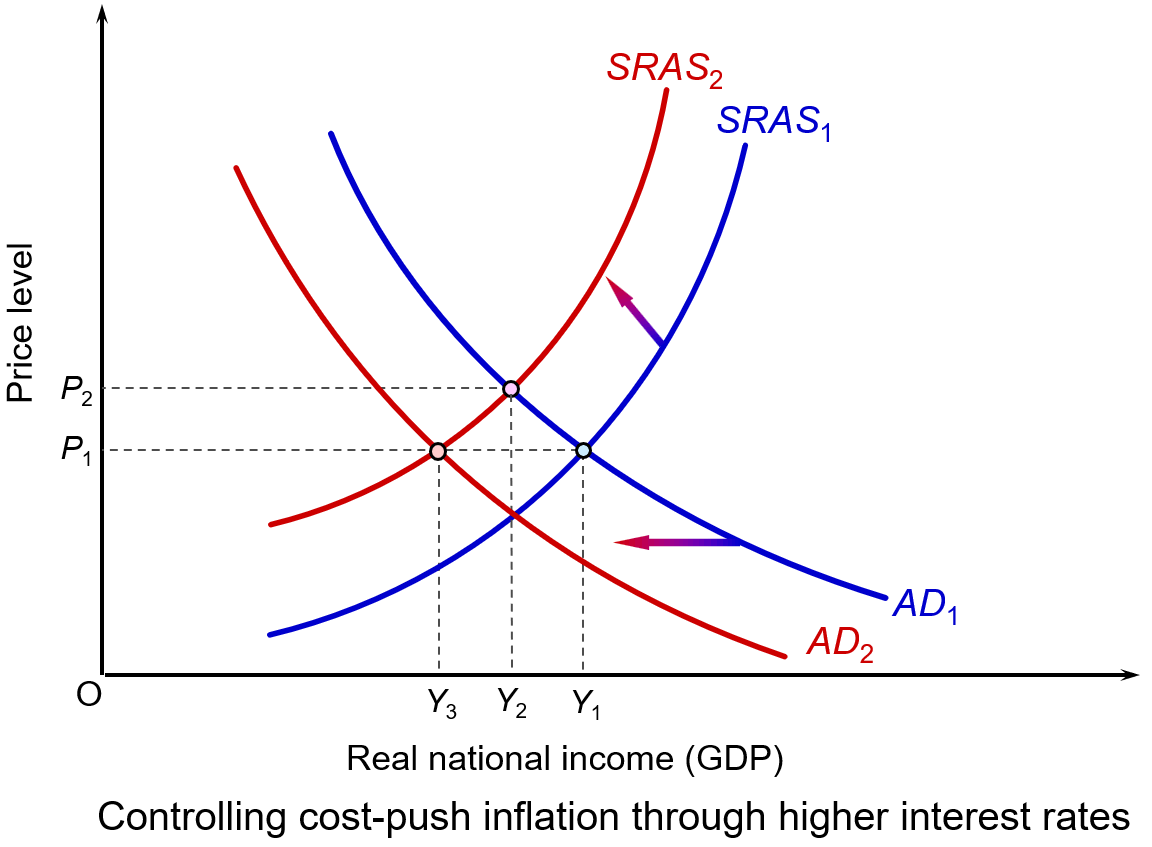 Raising interest rates reduces aggregate demand, or at least its rate of growth. This puts downward pressure on prices, or at least on the rate of inflation. This can be illustrated in the diagram. (Click here for a PowerPoint.)
It shows a country’s initial short-run aggregate supply curve (SRAS1) and initial aggregate demand curve (AD1). The price index is P1 and real GDP is Y1.
The higher costs shift the SRAS curve upwards to the left, say to SRAS2. The price index rises to P2 and real GDP falls to Y2. If, in response to the higher prices, the central bank raises the interest rate, this shifts the aggregate demand curve to the left, say to AD2. As a result, the price index falls back to P1, but the fall in demand causes real GDP to fall further, to Y3.
Policy alternatives
 So, is a rise in interest rates the appropriate response to higher costs that push inflation above, or further above, its target, which for most countries is 2%?
If the cause of inflation was excessive increases in aggregate demand from, say, large government budget deficits or a large increase in consumer demand, then a rise in interest rates would have helped reduce this unsustainable rise in demand. But if the cause of the inflation is a supply shock, is curbing aggregate demand the correct solution?
Ideally, the solution would be to tackle the cost increases directly. A rise in productivity, for example, would help to increase aggregate supply and counter the effect of rising commodity prices. But productivity increases take place over the longer term and are not a solution to a short-term supply shock. Better still, if the increase in commodity prices could be reversed, by finding a political solution that reopened the Strait of Hormuz and other choke points, then higher interest rates would not be needed.
Alternatively, some countries might be able to resort to price controls. These could be targeted at specific sectors such as energy, rent or construction. For example, the UK government has used energy price caps to limit household energy bills.
But even though this may control inflation in the short term, price controls create shortages because demand exceeds the reduced supply. This could lead to higher prices in unofficial markets as people sought to avoid the price controls. It could also create considerable problems for firms planning their logistics when supplies may simply not be available.
Alternatively, subsidies could be used to support output or prices in similar areas. Or they could be targeted at low-income households. These, however, could be costly for governments and may distort markets.
If price controls and subsidies are rejected, and in the absence of short-term increases in aggregate supply, the only solution to inflation is curbing aggregate demand to match the reduced aggregate supply. This could be achieved through fiscal policy by raising taxes or reducing government expenditure, but would prove unpopular and would probably be rejected by governments. Generally, they would prefer to pass the burden to central banks through the use of monetary policy.
The blunt instrument of monetary policy
But, raising interest rates is, indeed, a blunt instrument. Tighter monetary policy cannot increase the global supply of fuel, fix broken supply chains or lower insurance and construction costs. In other words, it cannot directly fix supply shocks, only limit their effect on prices.
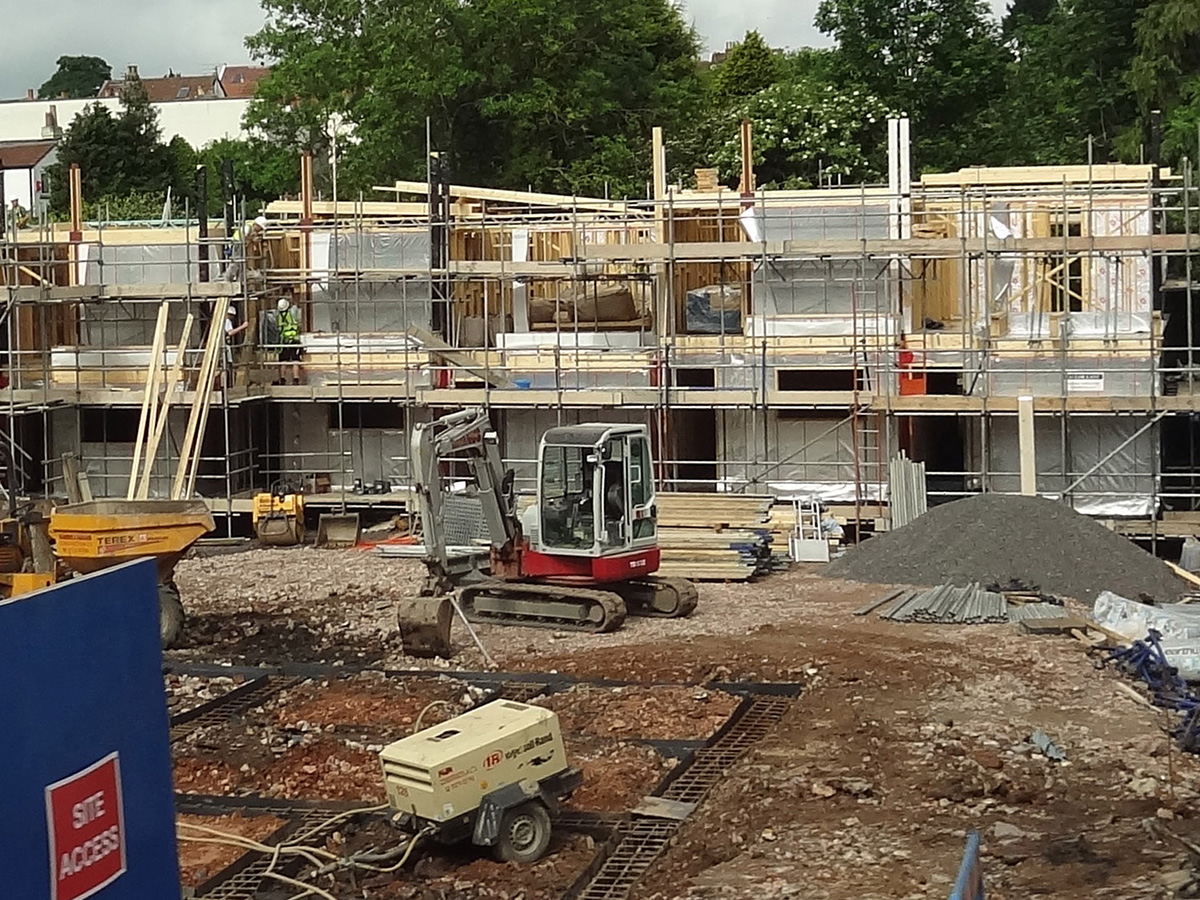 Also, by making borrowing more expensive, higher interest rates may suppress business investment and house building. This adverse supply-side effect may worsen inflation over the longer term.
The hope is that such effects will be avoided by suppressing inflation and helping thereby to maintain business confidence. It is a delicate balancing act for central bankers, who want to constrain inflation but do not want to plunge their economies into recession and damage longer-term increases in potential real GDP.
Most of all, the hope is that by suppressing nominal demand, second-round effects will be avoided. These are where higher prices encourage workers to demand higher wages to compensate for higher prices and businesses to raise prices to cover those wage increases, knowing that they can pass these price increases on to consumers as their competitors are doing the same. This risks creating a damaging wage-price spiral and embedding inflation. By raising interest rates and signalling that they will bring inflation back down to the target rate, central banks hope to anchor long-term inflation expectations. They hope that this will ensure that temporary price shocks do not become permanently embedded in the economy.
Distributional consequences
 However, the burden of higher interest rates will not be shouldered equally. They predominantly penalise a minority of the population, especially younger households with consumer debt and/or large variable-rate mortgages relative to their income or fixed rate mortgages coming the end of their term and requiring renewing. They also penalise businesses which rely on short-term debt.
Meanwhile, people who own their homes outright or wealthy savers may be largely unaffected or even benefit from higher yields on their savings deposits. Similarly, firms with low debt may hardly be affected.
Consequences for servicing public debt
Higher interest rates increase governments’ debt-servicing costs. More has to be paid on new borrowing, either to finance budget deficits or to replace government bonds and bills that are maturing. This consumes a larger share of public spending and limits the fiscal room to support vulnerable households suffering from the price and interest increases.
We examined such costs in the US context in the blog US national debt reaches $40 trillion: but does it matter?.
Fingers crossed!
By being cautious about raising interest rates, central banks hope that geopolitical developments will be favourable and that the supply constraints will diminish. For example, the hope is that there will be a settlement between the USA and Iran that allows oil to flow once more through the Strait of Hormuz. That is why, despite inflation being well above target, central banks have been raising interest rates by just a quarter of a percentage point.
Articles
- US interest rates raised for first time in three years
BBC News, Michael Race (17/9/26)
- What the Fed interest rate hike likely means for borrowers and savers
NBC4 New York, Paul Wiseman (16/9/26)
- How increasing interest rates could reduce inflation, but potentially cause a recession
CNBC, Trina Paul (21/9/26)
- Interest rates held but Bank signals rise if energy prices stay high
BBC News, Dearbail Jordan and Kevin Peachey (17/9/26)
- Bank of England defies Fed’s rate-hike lead, leaving rates unchanged
CNBC, Chloe Taylor (17/9/26)
- ECB hikes rates to 2.5% as energy shock pushes eurozone inflation higher
Euronews, Quirino Mealha (10/9/26)
- Japan raises interest rates to 31-year high to curb impact of rising prices
The Guardian, Mark Sweney (18/9/26)
- What exactly is inflation, and are interest rates the only option for dealing with it?
The Conversation, Luke Hartigan (10/2/26)
- US consumers and businesses are now facing a future of more expensive borrowing
The Conversation, John W Diamond (16/9/26)
- Inflation: raising interest rates was never the right medicine – here’s why central bankers did it anyway
The Conversation, Robert Gausden (20/10/23)
- There are three main reasons inflation is rising. Higher rates won’t fix them
ABC (Australia), Michael Janda (15/9/26)
- Higher interest rates are meant to lower inflation. US economist John Cochrane says there’s only ‘shaky’ evidence it works
ABC (Australia), Michael Janda and Alicia Barry(15/3/24)
- How Governments Fight Inflation with Monetary Policies
Investopedia, Leslie Kramer (11/3/26)
- Interest rates are not the tool to solve the inflation caused by the US’s war with Iran
The Guardian, Josh Ryan-Collins (18/3/26)
- Are higher interest rates the only tool for managing inflation?
Rethinking Economics, Tim Thornton (3/8/23)
Videos
Information
Questions
- What policies have central banks pursued during the Iran war?
- Paint an optimistic scenario for the global economy five years hence.
- Paint a pessimistic scenario for the global economy five years hence.
- Compare the reasons given by the Federal Reserve and ECB for raising interest rates with those given by the Bank of England for not raising them.
- Donald Trump argues for cutting interest rates as a stimulus to the US economy. Provide a critique of this policy.
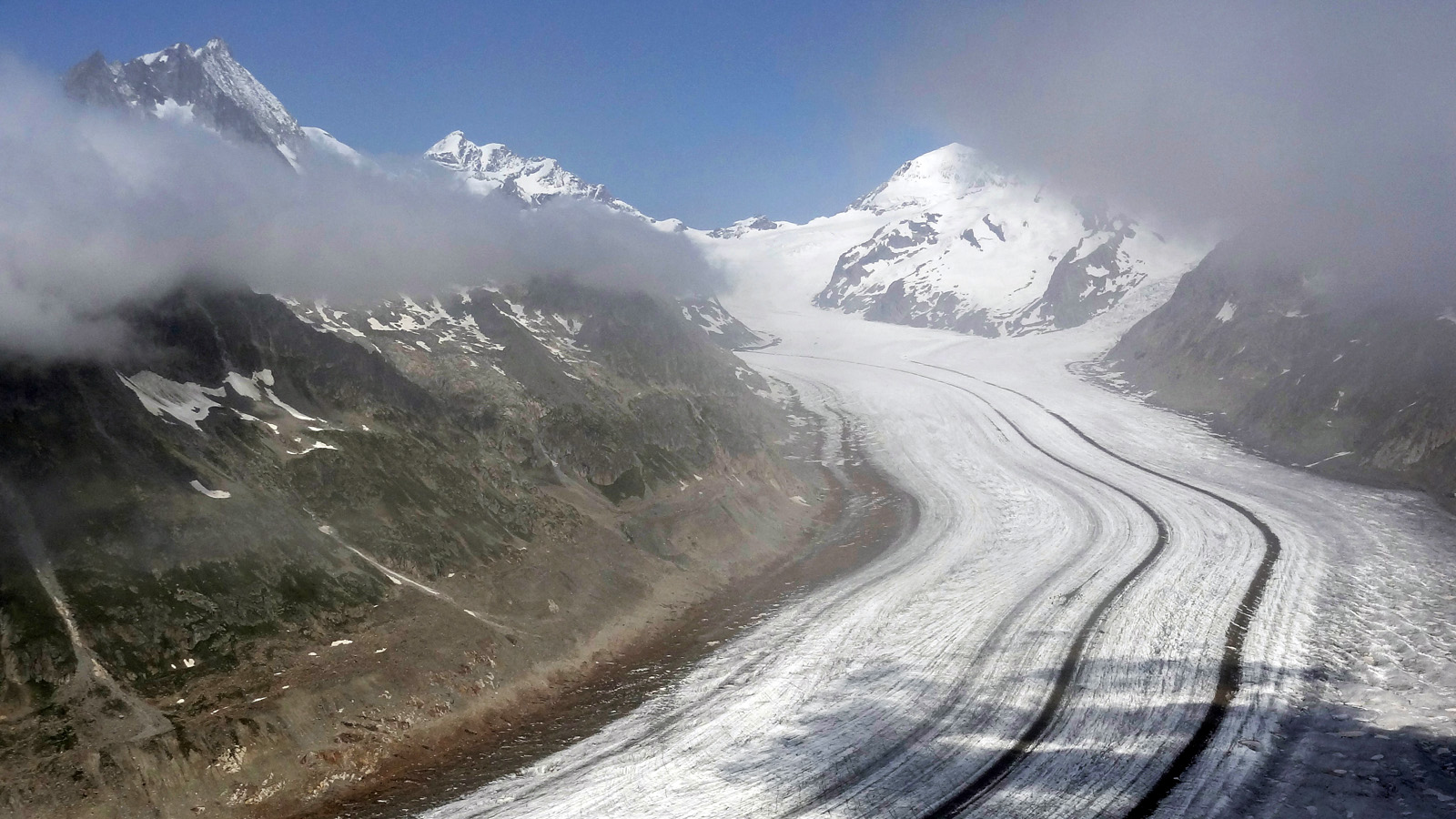 The UN’s Intergovernmental Panel on Climate Change (IPCC) has just published the first part of its latest seven-yearly Assessment Report (AR6) on global warming and its consequences (see video summary). The report was prepared by 234 scientists from 66 countries and endorsed by 195 governments. Its forecasts are stark. World temperatures, already 1.1C above pre-industrial levels, will continue to rise. This will bring further rises in sea levels and more extreme weather conditions with more droughts, floods, wildfires, hurricanes and glacial melting.
The IPCC looked at a number of scenarios with different levels of greenhouse gas emissions. Even in the most optimistic scenarios, where significant steps are taken to cut emissions, global warming is set to reach 1.5C by 2040. If few or no cuts are made, global warming is predicted to reach 4.4C by 2080, the effects of which would be catastrophic.
 The articles below go into considerable detail on the different scenarios and their consequences. Here we focus on the economic causes of the crisis and the policies that need to be pursued.
Global success in reducing emissions, although partly dependent on technological developments and their impact on costs, will depend largely on the will of individuals, firms and governments to take action. These actions will be influenced by incentives, economic, social and political.
Economic causes of the climate emergency
The allocation of resources across the world is through a mixture of the market and government intervention, with the mix varying from country to country. But both market and government allocation suffer from a failure to meet social and environmental objectives – and such objectives change over time with the preferences of citizens and with the development of scientific knowledge.
 The market fails to achieve a socially efficient use of the environment because large parts of the environment are a common resource (such as the air and the oceans), because production or consumption often generates environmental externalities, because of ignorance of the environmental effects of our actions, and because of a lack of concern for future generations.
Governments fail because of the dominance of short-term objectives, such as winning the next election or appeasing a population which itself has short-term objectives related to the volume of current consumption. Governments are often reluctant to ask people to make sacrifices today for the future – a future when there will be a different government. What is more, government action on the environment which involves sacrifices from their own population, often primarily benefit people in other countries and/or future generations. This makes it harder for governments to get popular backing for such policies.
Economic systems are sub-optimal when there are perverse incentives, such as advertising persuading people to consume more despite its effects on the environment, or subsidies for industries producing negative environmental externalities. But if people can see the effects of global warming affecting their lives today, though fires, floods, droughts, hurricanes, rising sea levels, etc., they are more likely to be willing to take action today or for their governments to do so, even if it involves various sacrifices. Scientists, teachers, journalists and politicians can help to drive changes in public opinion through education and appealing to people’s concern for others and for future generations, including their own descendants.
Policy implications of the IPCC report
 At the COP26 meeting in Glasgow in November, countries will gather to make commitments to tackle climate change. The IPCC report is clear: although we are on course for a 1.5C rise in global temperatures by 2040, it is not too late to take action to prevent rises going much higher: to avoid the attendant damage to the planet and changes to weather systems, and the accompanying costs to lives and livelihoods. Carbon neutrality must be reached as soon as possible and this requires strong action now. It is not enough for government to set dates for achieving carbon neutrality, they must adopt policies that immediately begin reducing emissions.
The articles look at various policies that governments can adopt. They also look at actions that can be taken by people and businesses, actions that can be stimulated by government incentives and by social pressures. Examples include:
- A rapid phasing out of fossil fuel power stations. This may require legislation and/or the use of taxes on fossil fuel generation and subsidies for green energy.
- A rapid move to green transport, with investment in charging infrastructure for electric cars, subsidies for electric cars, a ban on new petrol and diesel vehicles in the near future, investment in hydrogen fuel cell technology for lorries and hydrogen production and infrastructure, cycle lanes and various incentives to cycle.
- A rapid shift away from gas for cooking and heating homes and workplaces and a move to ground source heating, solar panels and efficient electric heating combined with battery storage using electricity during the night. These again may require a mix of investment, legislation, taxes and subsidies.
- Improvements in energy efficiency, with better insulation of homes and workplaces.
- Education, public information and discussion in the media and with friends on ways in which people can reduce their carbon emissions. Things we can do include walking and cycling more, getting an electric car and reducing flying, eating less meat and dairy, reducing food waste, stopping using peat as compost, reducing heating in the home and putting on more clothes, installing better insulation and draught proofing, buying more second-hand products, repairing products where possible rather than replacing them, and so on.
- Governments requiring businesses to conduct and publish green audits and providing a range of incentives and regulations for businesses to reduce carbon emissions.
It is easy for governments to produce plans and to make long-term commitments that will fall on future governments to deliver. What is important is that radical measures are taken now. The problem is that governments are likely to face resistance from their supporters and from members of the public and various business who resist facing higher costs now. It is thus important that the pressures on governments to make radical and speedy reductions in emissions are greater than the pressures to do little or nothing and that governments are held to account for their actions and that their actions match their rhetoric.
Articles
 Some climate changes now irreversible, says stark UN report
Channel 4 News, Alex Thomson (9/8/21)
- Climate change: IPCC report is ‘code red for humanity’
BBC News, Matt McGrath (10/8/21)
- Climate change: Five things we have learned from the IPCC report
BBC News, Matt McGrath (10/8/21)
- Climate Scientists Reach ‘Unequivocal’ Consensus on Human-Made Warming in Landmark Report
Bloomberg Green, Eric Roston and Akshat Rathi (9/8/21)
- Climate change: Seven key takeaways from the IPCC climate change report
Sky News, Philip Whiteside (10/8/21)
- IPCC report: global emissions must peak by 2025 to keep warming at 1.5°C – we need deeds not words
The Conversation, Keith Baker (9/8/21)
- This is the most sobering report card yet on climate change and Earth’s future. Here’s what you need to know
The Conversation, Pep Canadell, Joelle Gergis, Malte Meinshausen, Mark Hemer and Michael Grose (9/8/21)
- IPCC report: how to make global emissions peak and fall – and what’s stopping us
The Conversation, Matthew Paterson (9/8/21)
- World’s 1.5C goal slipping beyond reach without urgent action, warns landmark IPCC climate report
Independent, Daisy Dunne and Louise Boyle (9/8/21)
- IPCC report: 14 ways to fight the climate crisis after publication of ‘Code Red’ warning
Independent, Harry Cockburn (10/8/21)
- Major climate changes inevitable and irreversible – IPCC’s starkest warning yet
The Guardian, Fiona Harvey (9/8/21)
- Climate scientists have done their bit. Now the pressure is on leaders for COP26.
CNN, Ivana Kottasová and Angela Dewan (10/8/21)
- 21 For 21: The Climate Change Actions Scotland Needs Now
Common Weal, Common Weal Energy Policy Group (9/8/21)
- How to build support for ambitious climate action in 4 steps
The Conversation, Sarah Sharma and Matthew Hoffmann (4/3/21)
- Scientists have finally added world politics to their climate models
Quartz, Michael J Coren (9/8/21)
Report
Questions
- Summarise the effects of different levels of global warming as predicted by the IPCC report.
- To what extent is global warming an example of the ‘tragedy of the commons’?
- How could prices be affected by government policy so as to provide an incentive to reduce carbon emissions?
- What incentives could be put in place to encourage people to cut their own individual carbon footprint?
- To what extent is game theory relevant to understanding the difficulties of achieving international action on reducing carbon emissions?
- Identify four different measures that a government could adopt to reduce carbon emissions and assess the likely effectiveness of these measures.
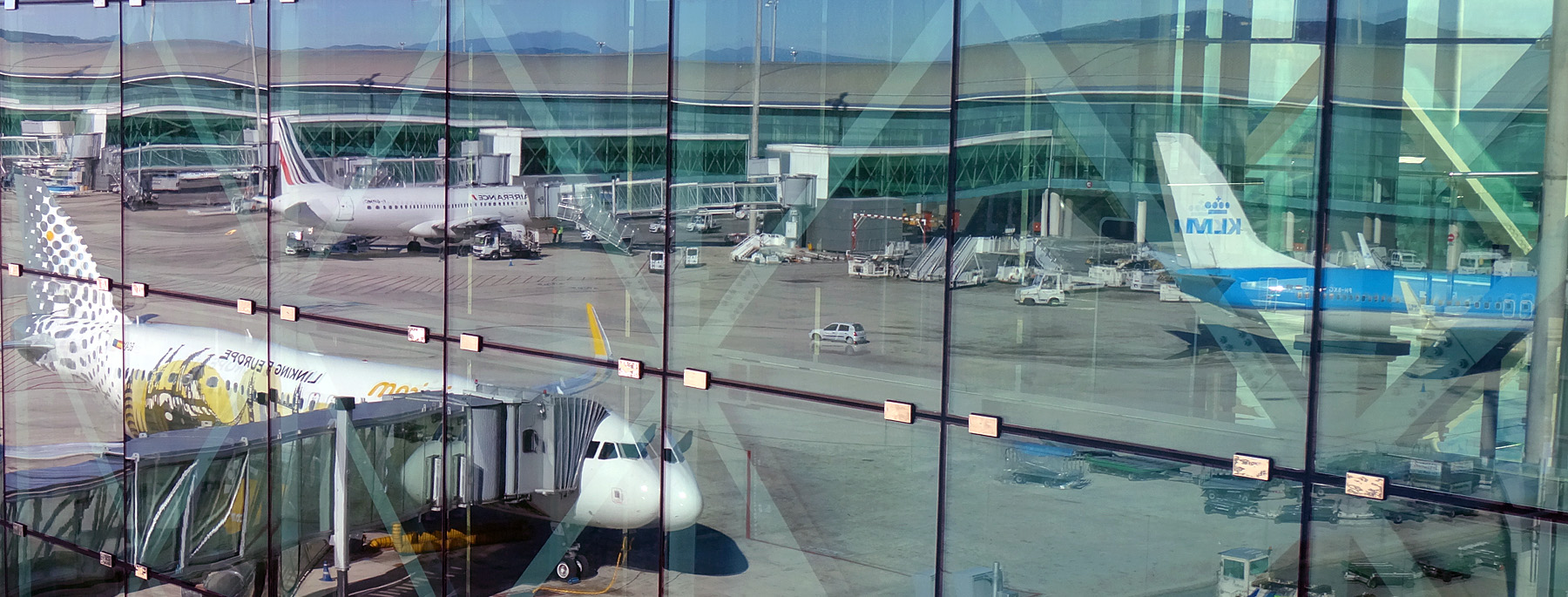
Boeing and Airbus have called a truce in their 17-year battle over subsidies. During this period, both have accused each other of unfair government subsidies to their respective plane makers.
The long-running trade dispute
In October 2004, the USA requested the establishment of a WTO panel to consider whether Airbus was providing unfair subsidies to develop its new super-jumbo – the A380. This provoked a counter-request by Airbus, claiming unfair subsidies of $27.3 billion for Boeing by the US government since 1992. In July 2005, two panels were set up to deal with the two sets of allegations.
In June 2010, the WTO panel circulated its findings on Boeing’s case against Airbus. It found Airbus guilty of using some illegal subsidies to win contracts through predatory pricing, but dismissed several of Boeing’s claims because many of the subsidies were reimbursable at commercial rates of interest. However, some of the ‘launch aid’ for research and development was given at below market rates and so violated WTO rules. The report evoked appeal and counter-appeal from both sides, but the WTO’s Appellate Body reported in May 2011 upholding the case that ‘certain subsidies’ provided by the EU and member states were incompatible with WTO rules. In June 2011, the EU accepted the findings.
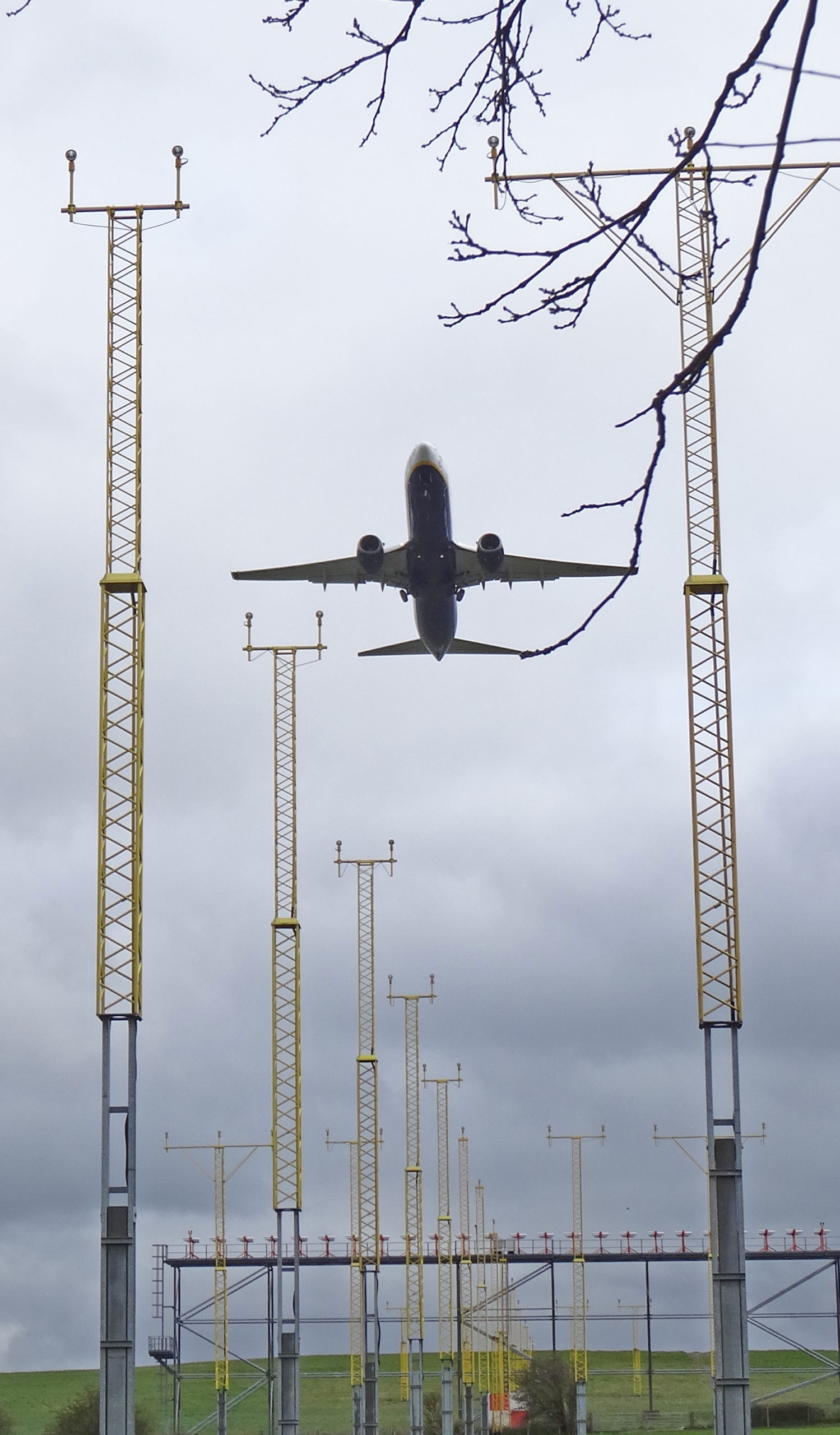 In March 2011, the WTO panel circulated its findings on Airbus’s case against Boeing. The EU claimed that ten specific measures amounted to subsidies to Boeing, which were inconsistent with the WTO’s rules on subsidies (the SCM agreement). It upheld three of ten alleged breaches, including subsidies between 1989 and 2006 of at least $5.3 billion. These subsidies were adjudged to have resulted in adverse effects to the EU’s interests, specifically in lost sales, especially to third-country markets, and in significantly suppressing the price at which Airbus was able to sell its aircraft.
But these rulings were not the end of the matter. Various appeals and counter-appeals were lodged by both sides with varying degrees of success. Also the disputes extended to other wide-bodied jets and to narrow-bodied ones too with claims by both sides of unfair subsidies and tax breaks.
On 9 June 2017 the WTO’s compliance panel rejected several EU claims that the USA had failed to withdraw all illegal subsidies to Boeing. However, it also found that the USA had not complied with an earlier ruling to abolish illegal tax breaks. Both sides claimed victory. Airbus claimed that the ruling had seen the WTO condemn non-compliance and new subsidies. In particular, it focused on the WTO ruling that Washington State subsidies had resulted in a significant loss of sales for Airbus. On the other hand, a Boeing press release spoke of a US win in a major WTO compliance ruling. Boeing claimed that that ruling meant that the United States had complied with ‘virtually all’ of the WTO’s decisions in the counter-case that the EU had filed against the USA in 2006.
On 27 June 2017, as expected, the EU challenged the WTO decision. This meant that the EU’s case would go back to the WTO’s appellate body, which was still considering a separate US case over state aid to Airbus.
On 15 May 2018, the WTO ruled that Airbus did not use unfair subsidies for narrow-bodied jets, such as the A320, which competes with the 737, but did for wide-bodied jets. The EU said that it would comply with the WTO ruling over the support for wide-bodied jets.
In 2019, the WTO ruled that the EU had illegally provided support to Airbus. The USA responded with tariffs of up to $7.5bn on a range of goods imported from the EU. In a parallel case, the WTO ruled that the US benefits to Boeing also violated trade rules, authorising the EU to impose tariffs on US imports worth roughly $4bn. Then in March 2020, the USA imposed a 15% tariff on Airbus aircraft.
The truce
Agreement was reached on 15 June 2021 in trade talks between the USA and the EU in Brussels. Both sides recognised that the dispute had been a negative-sum game, with both sides losing. It was thus agreed to suspend for five years all tariffs on aircraft and on a range of other goods, such as EU cheese and wine and US tobacco and spirits. The agreement did not include ending EU tariffs on US steel, however.
 It was also agreed to work on an overarching agreement on subsidies, which would allow fair support by governments on both sides, and to co-operate in finding ways to counter unfair state investment in aircraft by China. US Trade Representative Katherine Tai said that the agreement ‘includes a commitment for concrete joint collaboration to confront the threat from China’s ambitions to build an aircraft sector on non-market practices’. China’s state-sponsored aerospace manufacturer, the Commercial Aircraft Corporation of China, or Comac, sees its C919, now in late stages of development, as a direct rival to the Airbus A320neo and the Boeing 737 Max.
To work out the details of US-EU collaboration, a working group will be set up. It will consider ways of ensuring that finance is provided on market terms, that R&D funding is transparent and that support given to aircraft manufactures will be equivalent by each side and will avoid harming the other side. It will consider just how the two sides can co-operate to address unfair competition from elsewhere.
Two days later, an almost identically worded deal was reached between the USA and the UK to end tariffs on a range of goods and join the EU-USA co-operation on aircraft manufacture.
Articles
- US and Europe end Airbus-Boeing dispute as they eye threat from China
CNN, Charles Riley and Kevin Liptak (15/6/21)
- After 17 years, truce nears in U.S.-Europe jet subsidy war
Reuters, Tim Hepher, Andrea Shalal, David Shepardson and Philip Blenkinsop (15/6/21)
- U.S, EU agree truce in 17-year Airbus-Boeing conflict
Reuters, Philip Blenkinsop (16/6/21)
- After EU, Britain and U.S. reach truce in aircraft trade dispute
Reuters, Tim Hepher and Alistair Smout (17/6/21)
- EU and US end Airbus-Boeing trade dispute after 17 years
Financial Times, Jim Brunsden, Sam Fleming, Aime Williams and James Politi (15/6/21)
- Boeing-Airbus trade row set to end after 17 years
BBC News (16/6/21)
- Biden, E.U. end 17-year Airbus-Boeing trade dispute, seek to calm relations after Trump
The Washington Post, Michael Birnbaum, Anne Gearan and David J. Lynch
- EU, U.S. Agree to Five-Year Truce in Boeing-Airbus Trade Dispute
Bloomberg, Alberto Nardelli, Nikos Chrysoloras and Jennifer Jacobs (15/6/21)
Questions
- Choose any one particular complaint to the WTO by either Boeing or Airbus and assess the arguments used by the WTO in its ruling.
- Are subsidies by aircraft manufacturers in the interests of (a) passengers; (b) society in general?
- Is collaboration between Boeing and Airbus in the interests of (a) passengers; (b) society in general?
- How is game theory relevant to the long-running disputes between Boeing and Airbus and to their relationships in the coming years?
- Would cheaper aircraft from China be in the interests of (a) passengers; (b) society in general?
- Explain what is meant by ‘strategic trade theory’. How is it relevant to aircraft manufacture?
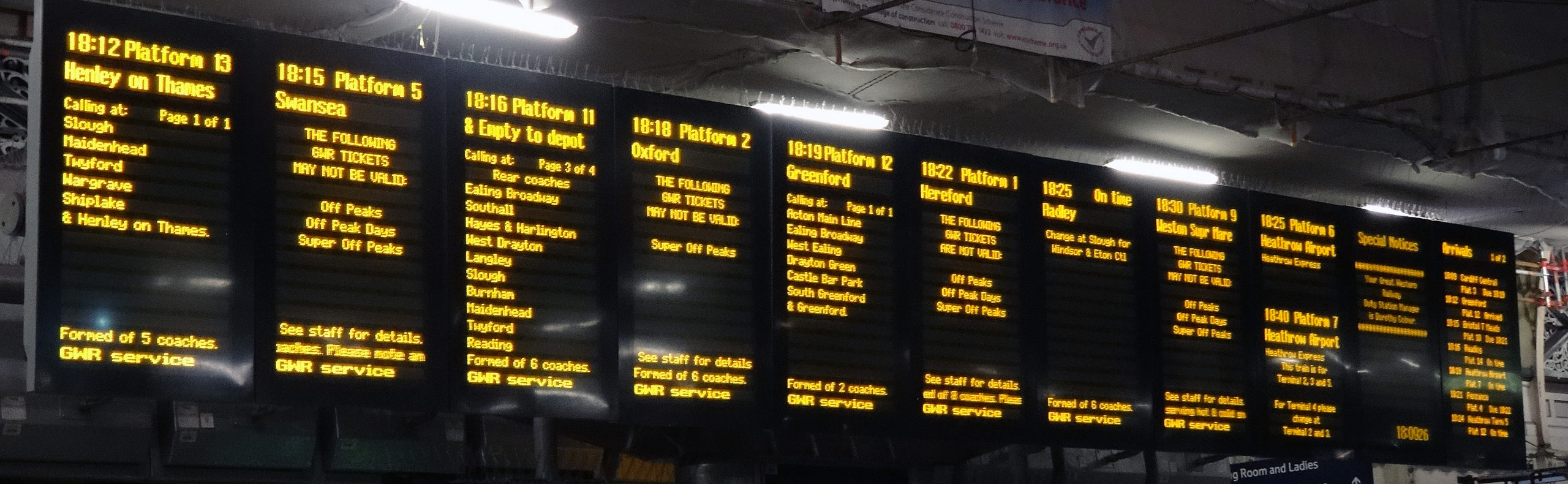
Back in October 2020 in the blog All change for the railways, we looked at the emergency measures for running the railways in Great Britain following the collapse in rail traffic because of the COVID-19 pandemic. We also looked ahead to plans for reorganising the railways, with the expectation that the current franchising system would be scrapped and replaced with a system whereby the train-operating companies (TOCs) would be awarded a contract to run rail services. They would be paid a performance-related fee. All ticket revenues would go to the government, which would bear the costs and the risks. While this would not be quite renationalisation, it would, in effect, be a contract system where private companies are paid to deliver a public service.
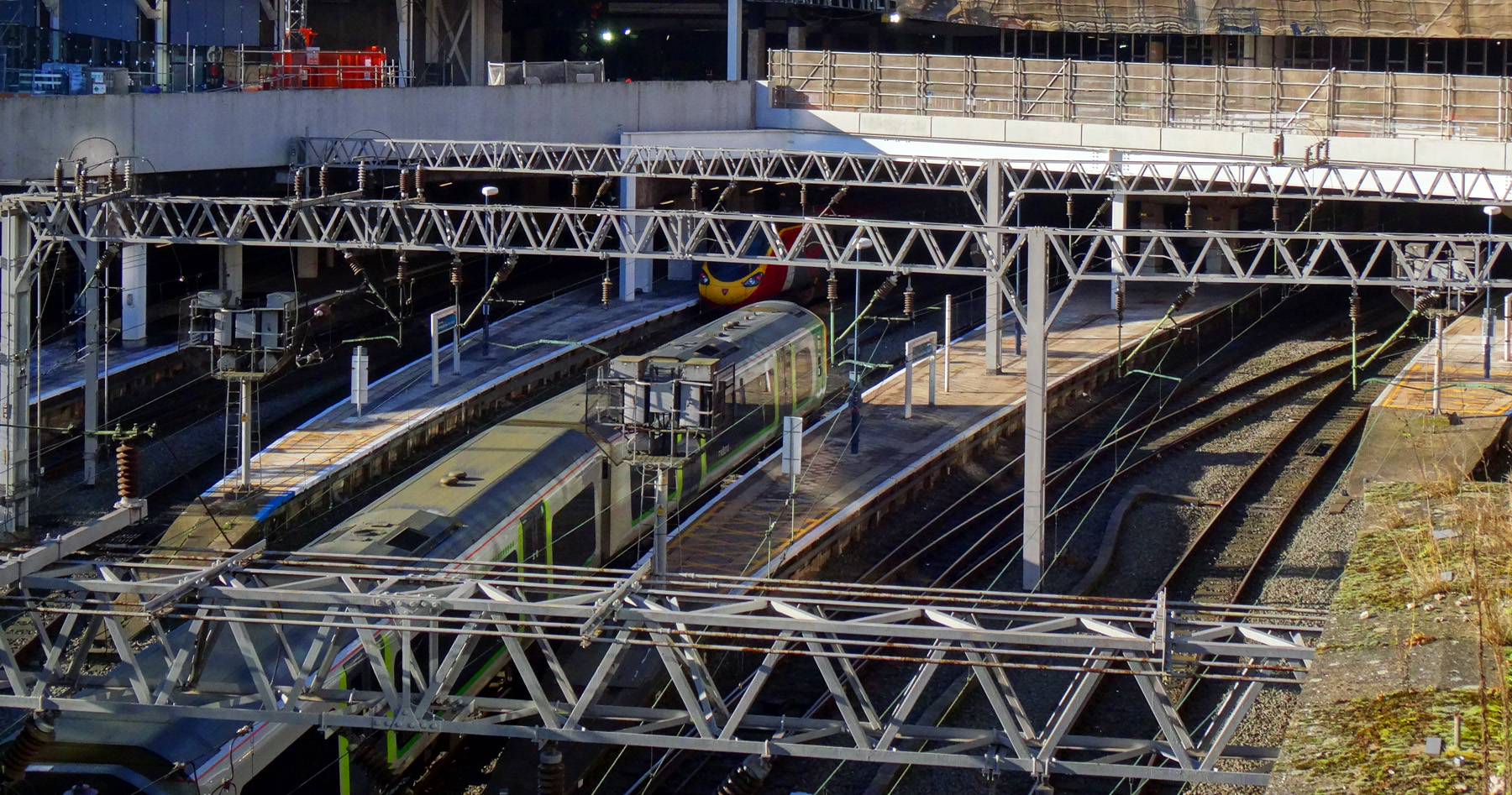 The Transport Secretary, Grant Shapps, has just announced the new system in a White Paper, which is indeed the anticipated contract system. The White Paper has drawn on the findings of the Williams Rail Review, independently chaired by Keith Williams.
The new system has the following features:
- A new public-sector body, Great British Railways (GBR), will be created which will eventually absorb Network Rail.
- GBR will produce five-year business plans. It will also develop a 30-year strategy to shape the long-term development of the railways and will include plans to decarbonise the whole rail network.
- It will be in charge of planning and operating rail infrastructure in England, including track, signalling, stations and depots.
- It will work closely with the devolved rail authorities in Scotland, Wales, London, Merseyside, and Tyne and Wear.
- It will set timetables, plan train operations, set most fares, sell tickets (at stations and on a new dedicated website) and collect revenues.
- The ticketing system will be reformed, with a single integrated system of fares across England, and potentially the devolved rail authorities too. The website will show the best and cheapest options for any given journey. New flexible season tickets will be introduced, allowing workers to travel on limited numbers of days: e.g. eight days in any 28-day period. Also, a new single compensation scheme will simplify the system for refunds.
- Private train-operating companies (TOCs) will run trains over particular routes. They will bid for Passenger Service Contracts (PSCs), which will be awarded by competitive tender. They will be paid a management fee, rather than receiving revenues from ticket sales. The fees will include performance incentives and penalties, which will depend on meeting targets for punctuality, reliability, safety and cleanliness.
- Rolling stock (trains, locomotives and freight wagons) will continue to be procured from the private sector, which will generally be leased to TOCs. It is hoped that by awarding PSCs for a number of years, TOCs will be encouraged to make large-scale procurements of rolling stock.
- GBR in England will be divided into five regional divisions, which will be ‘accountable to customers for their journeys; manage PSCs, stations and infrastructure; procure private partners, such as operators and contractors; manage budgets both locally and regionally; integrate track and train at a local level; work with and be responsive to the needs of local and regional partners, and integrate rail with other transport services’.
- GBR will be held to account by the Office of Rail and Road (ORR), which will monitor its performance.
In its White Paper, the government has recognised that, in many ways, rail privatisation has failed. Page 13 states:
Breaking British Rail into dozens of pieces was meant to foster competition between them and, together with the involvement of the private sector, was supposed to bring greater efficiency and innovation. Little of this has happened. Instead, the fragmentation of the network has made it more confusing for passengers, and more difficult and expensive to perform the essentially collaborative task of running trains on time.
But will the new system bring a better integrated, more efficient, punctual, reliable and greener railway, with more investment, an enlarged network and lower ticket prices? These are certainly aims of the White Paper. But a lot will depend on the details, yet to be finalised.
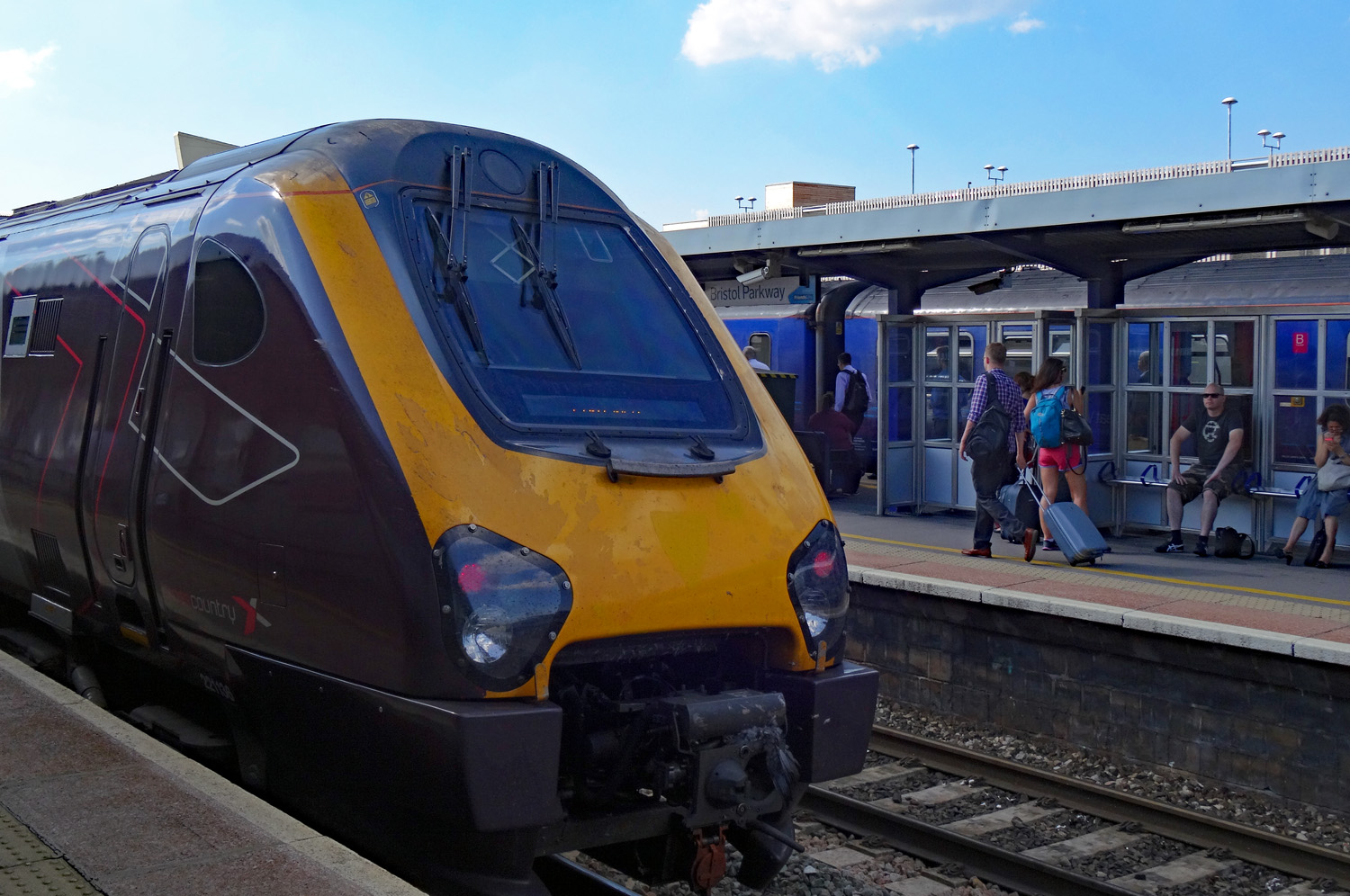 Crucially, it is not clear the extent to which the rail system will be subsidised. Will any subsidies internalise the positive externalities from rail travel? Also, it is not clear exactly what incentives and penalties will be introduced to encourage efficiency, punctuality, safety and cleanliness.
What is also not clear is the degree of contestability of rail routes and freight operations. Routes are contestable at the time of bidding for PSCs, with more efficient companies able to outbid the less efficient ones. But with changing conditions and the desire to maintain contestability, contracts need to be relatively short. However, it contracts are too short, there is no incentive for TOCs to invest in trains and infrastructure. Thus inherent in the PSC system is a tension between competition and investment.
It does seem that fares and tickets will be simpler, with greater use of ‘tapping in and out’ as in London and in many other countries, allowing fares to be capped when multiple journeys are made in any given time period. Ultimately, however, it is price, frequency, punctuality, comfort and reliability that are the crucial metrics. Success according to these will depend on how well GBR is run, how well the PSC system operates and how much the rail system is subsidised. The jury is out on these questions.
Video
Articles
- UK rail looks to private sector in biggest shake-up since 1990s
Financial Times, Philip Georgiadis, Andy Bounds and Jim Pickard (20/5/21)
- UK Rail Review – Williams-Shapps Plan for Rail
The National Law Review, Graeme McLellan, Richard Hughes and John Voorhees (21/5/21)
- Great British Railways: Franchises scrapped and changes to season tickets as part of major revamp to UK’s train network
Sky News, Paul Kelso (20/5/21)
- Great British Railways plan aims to simplify privatised system
The Guardian, Gwyn Topham (19/5/21)
- How is the UK government planning to change the rail network?
The Guardian, Gwyn Topham (20/5/21)
- Better rail services promised in huge shake-up
BBC News (21/5/21)
- Rail reform: What does the shake-up mean for you?
BBC News, Kevin Peachey (21/5/21)
- Great British Railways: New public body to take over all trains and track in biggest reforms since privatisation
Independent, Jon Stone (20/5/21)
- Great British Railways body has been announced to run industry – but what about Scotland?
The Scotsman, Alastair Dalton (20/5/21)
- There’s nothing ‘great’ about this new British Railways revamp
The Guardian, Simon Jenkins (20/5/21)
Documents
Questions
- Explain how the franchising system has worked. What problems have arisen with this system?
- If the proposed new system also involves contracts being awarded to train-operating companies, how is it better than the old franchising system?
- What were the Emergency Measures Agreements (EMAs) introduced in the pandemic and the Emergency Recovery Measures Agreements (ERMAs) which replaced them in September 2020? How similar are they to the proposed system of Passenger Service Contracts (PSCs) with train-operating companies?
- Identify the externalities involved in train travel? What is the best way of internalising them?
- Argue the case for and against making train travel cheaper by increasing subsidies.
- To what extent are individual rail routes natural monopolies? Does a franchising system overcome the problems associated with natural monopolies?
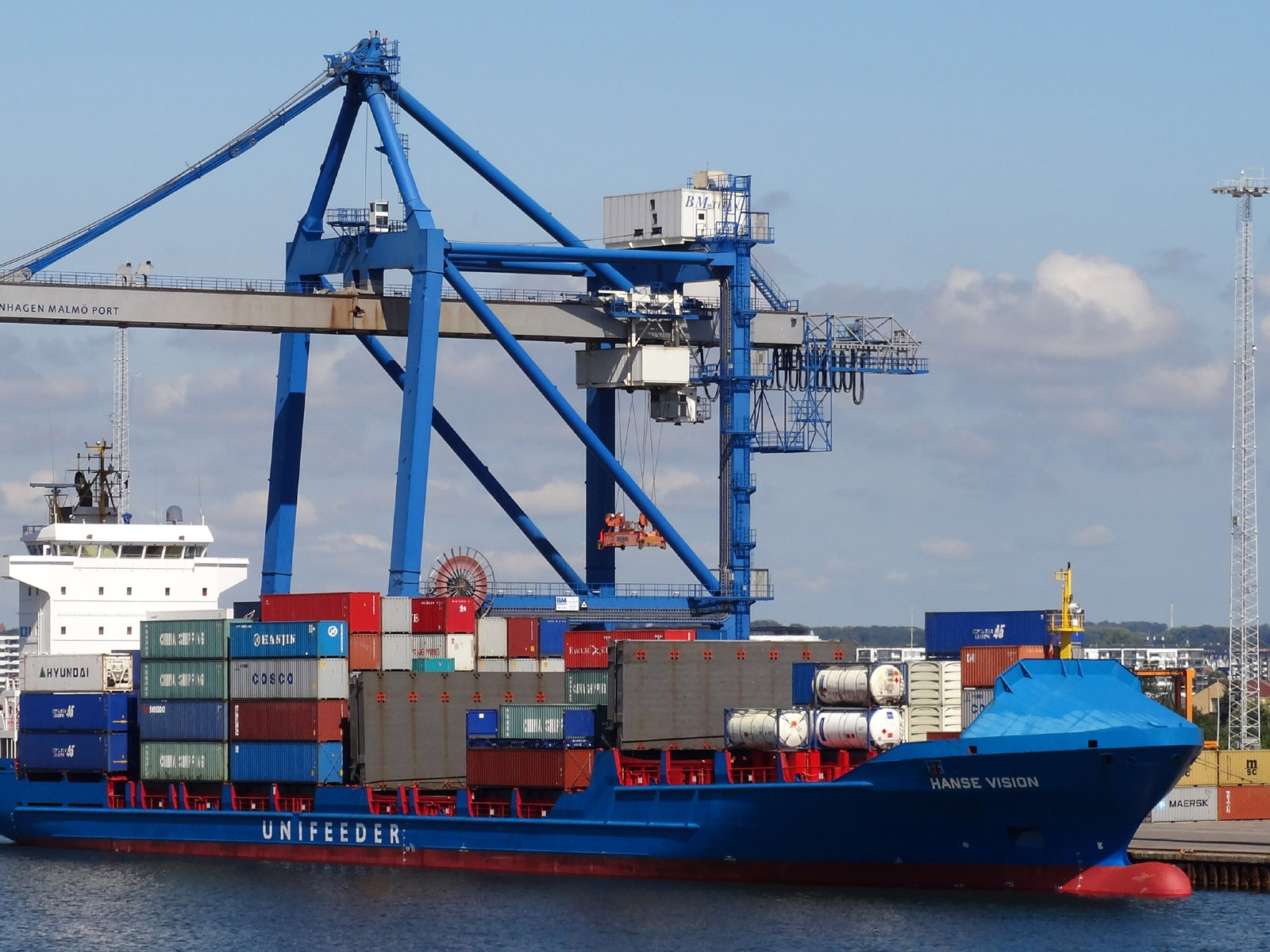 In his March 2021 Budget, Rishi Sunak announced the setting up of eight freeports in England. These will be East Midlands Airport, Felixstowe & Harwich, Humber, Liverpool City Region, Plymouth and South Devon, Solent, Teesside and Thames. The locations were chosen after a bidding process. Some 30 areas applied and they were judged on various criteria, including economic benefits to poorer regions. Other freeports are due to be announced in Scotland, Wales and Northern Ireland. The Scottish government is stressing their contribution to the green agenda and will call them ‘green ports’.
Unlike many countries, the UK in recent years chose not to have freeports. There are currently around 3500 freeports worldwide, There are around 80 in the EU, including the whole or part of Barcelona, Port of Bordeaux, Bremerhaven, Cadiz, Copenhagen, Gdansk, Luxembourg, Madeira, Malta, Plovdiv, Piraeus, Riga, Split, Trieste, Venice and Zagreb. The UK had freeports at Liverpool, Southampton, the Port of Tilbury, the Port of Sheerness and Prestwick Airport from 1984, but the government allowed their status to lapse in 2012.
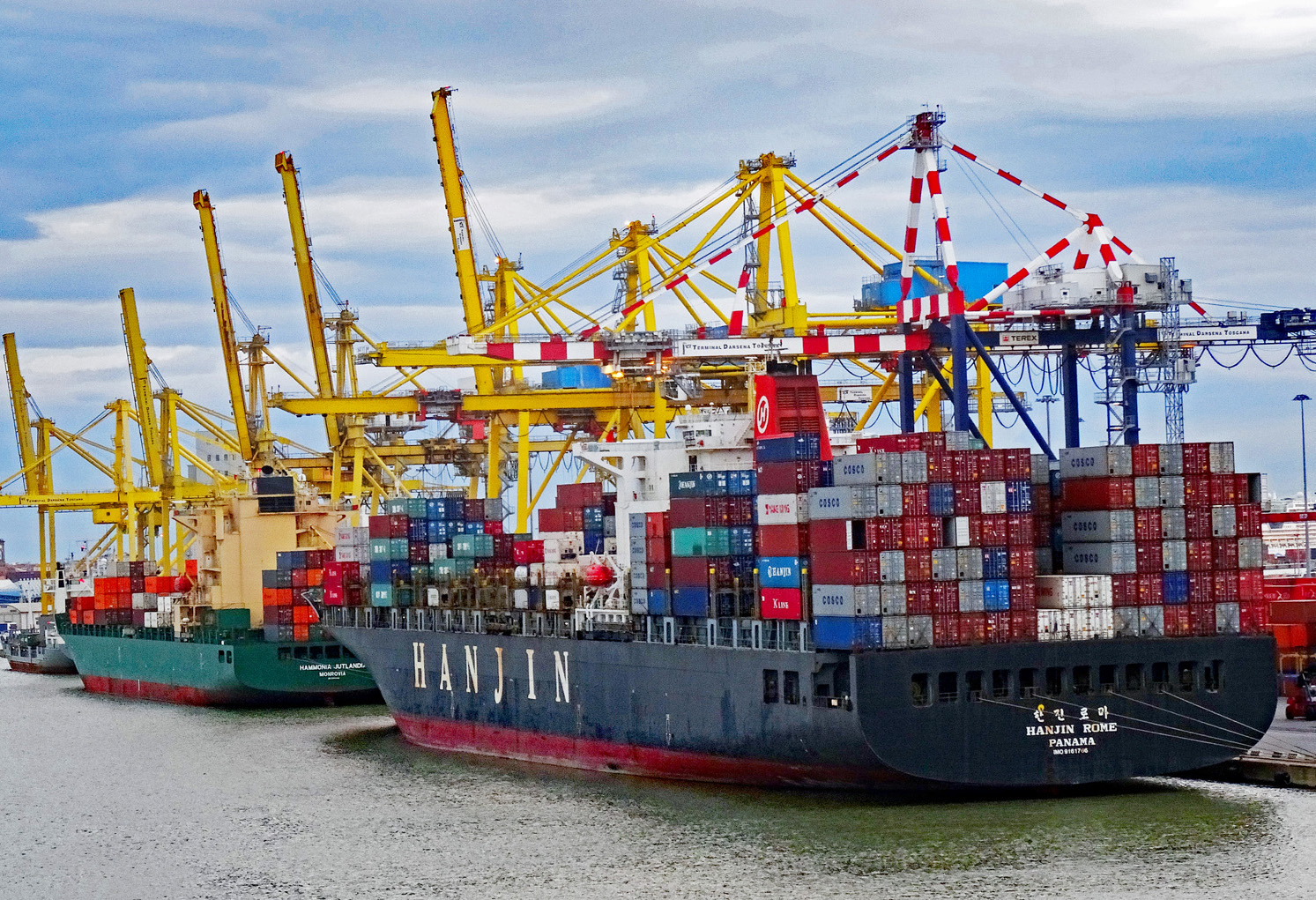 Freeports are treated as ‘offshore’ areas, with goods being allowed into the areas tariff free. This enables raw materials and parts to be imported and made into finished or semi-finished products within the freeport area. At that stage they can either be imported to the rest of the country, at which point tariffs are applied, or they can be exported with no tariff being applied by the exporting country, only the receiving country as appropriate. This benefits companies within the freeport area as it simplifies the tariff system.
The new English freeports will provide additional benefits to companies, including reduced employers’ national insurance payments, reduced property taxes for newly acquired and existing land and buildings, 100% capital allowances whereby the full cost of investment in plant and machinery can be offset against taxable profits, and full business-rates relief for five years (see paragraph 2.115 in Budget 2021).
Benefits and costs
Freeport status will benefit the chosen areas, as it is likely to attract inward investment and provide employment. Many areas were thus keen to bid for freeport status. To the extent that there is a net increase in investment for the country, this will contribute to GDP growth.
But there is the question of how much net additional investment there will be. Critics argue that freeports can divert investment from areas without such status. Also, to the extent that investment is diverted rather than being new investment, this will reduce tax revenue to the government.
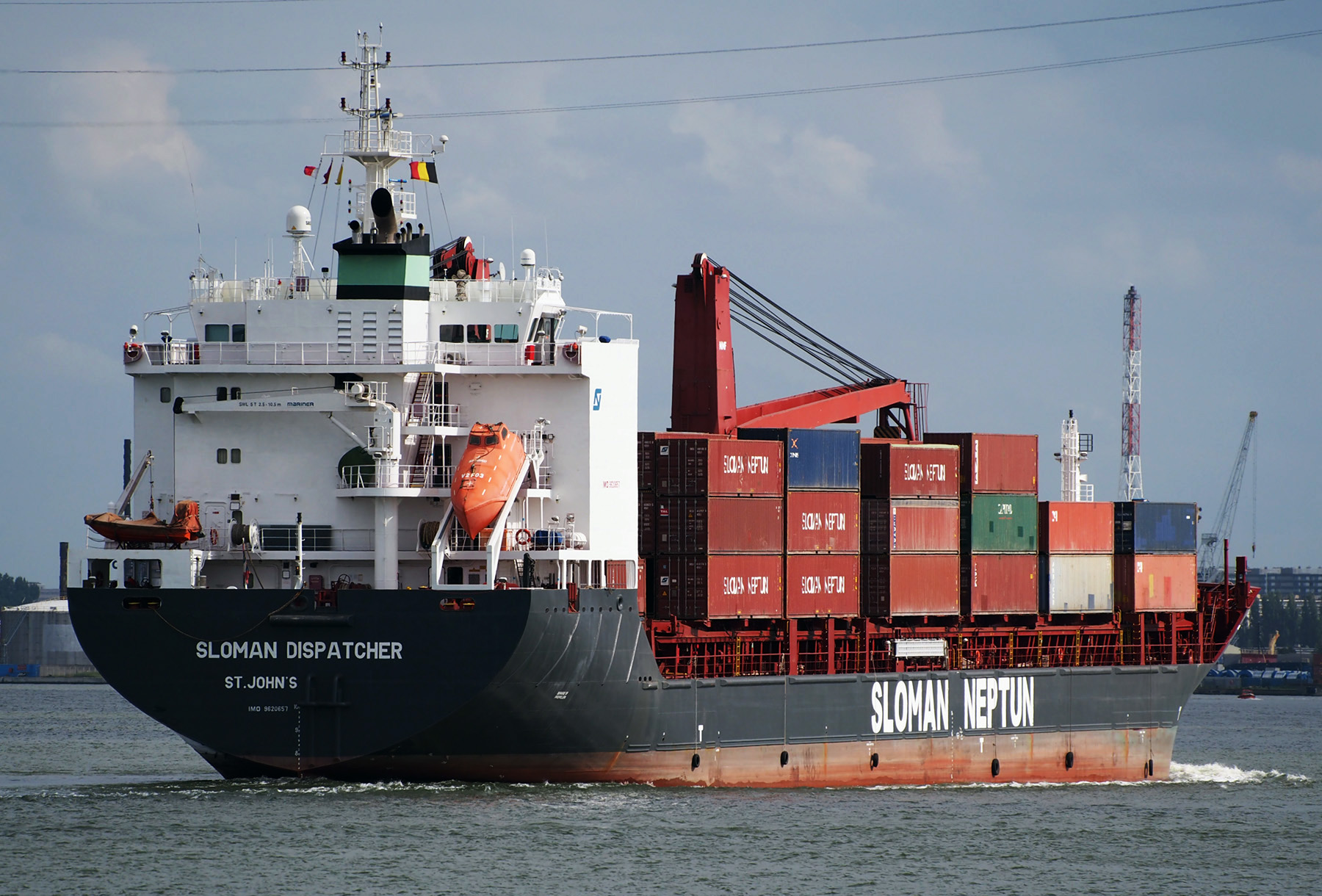 Then there is the question of whether such areas are in breach of international agreements. WTO rules forbid countries from directly subsidising exports. And the Brexit trade deal requires subsidies to be justified for reasons other than giving a trade advantage. If the UK failed to do so, the EU could impose tariffs on such goods to prevent unfair competition.
Also, there is the danger of tax evasion, money laundering and corruption encouraged by an absence of regulations and checks. Tight controls and thorough auditing by the government and local authorities will be necessary to counter this and prevent criminal activity and profits going abroad. Worried about these downsides of freeports, in January 2020 the EU tightened regulations governing freeports and took extra measures to clamp down on the growing level of corruption, tax evasion and criminal activity.
Articles
 US hikes interest rates as fears grow of global oil shock over Iran War