The World Meteorological Organization predicts that a ‘super El Niño’ is building. This has been nicknamed ‘Godzilla’. If forecasts are correct, this will be the most extreme El Niño in 1000 years.
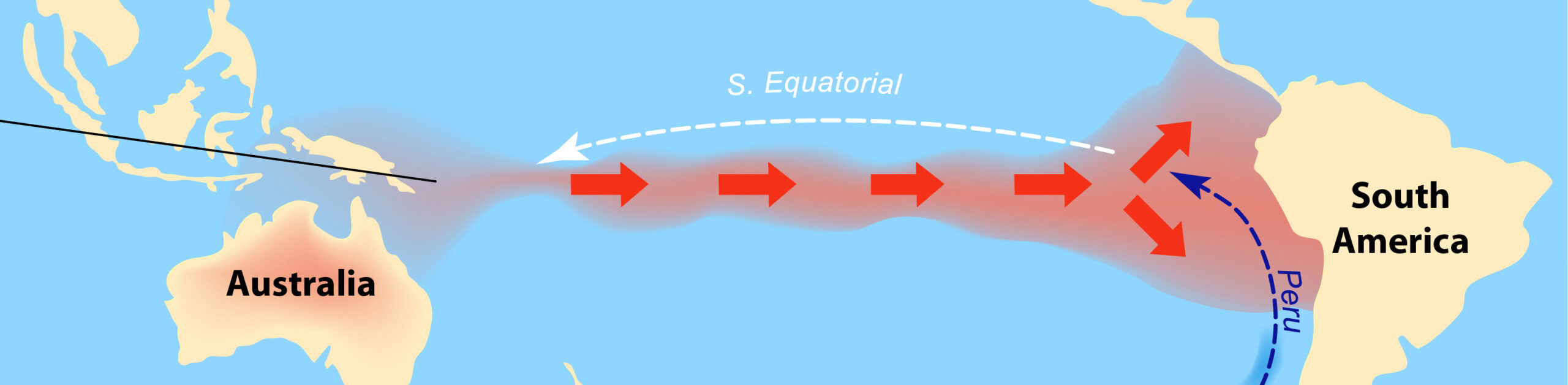
El Niño is a natural phenomenon. It occurs when the surface temperatures in the central and eastern tropical Pacific Ocean warm and cause the trade winds that typically blow from east to west across the Pacific Ocean to weaken or even reverse direction. As well as increasing global temperatures and causing intense heatwaves, it can result in droughts in some parts of the world, such as eastern Australia, south-east Asia and southern Africa, and intense rain and flooding in parts of South America, eastern Africa and south-western North America.
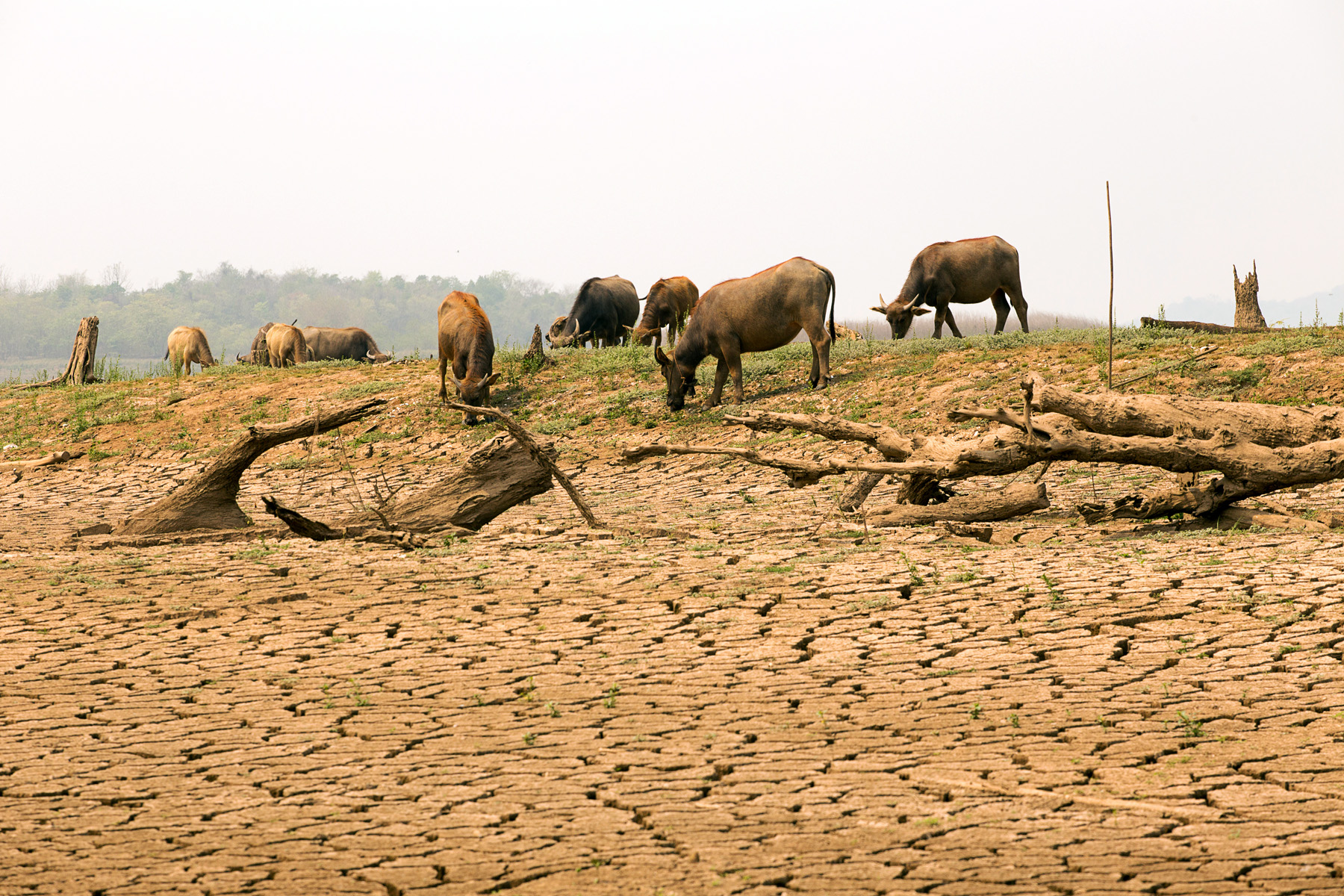
Typically, in an El-Niño event, the surface temperature of the central-eastern equatorial Pacific Ocean rises by 1°C to 1.5°C above the average. In the current El Niño, it is forecast to rise by up to 4°C by the end of 2026 and into 2027. It is already between 2.2°C and 2.6°C above the average. The effects could be catastrophic and hence the term ‘Godzilla’.
Although El Niño is a natural phenomenon, its severity is a direct result of climate change. This in turn is a direct result of economic decisions, and the effects will have severe economic consequences.
The economic causes
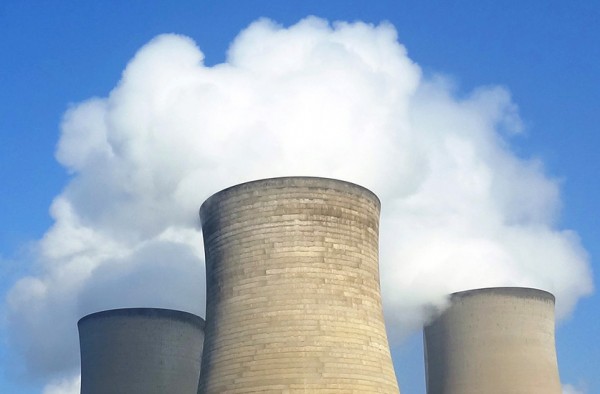
Climate change is an external cost of private economic decisions. When people or organisations burn fossil fuels, the climate costs of the CO2 emissions are not borne by the emitter. They are an external cost. This is illustrated in the diagram below, which shows the costs and benefits of electricity production from fossil fuels. (Click here for a PowerPoint.)
In this example, to make things simple, we assume that the external climate costs begin with the first unit of electricity generated and increase at a constant rate. The marginal social cost (MSC) of electricity generation equals the marginal private costs (MPC) to the generating company plus the marginal external cost in production MECP.
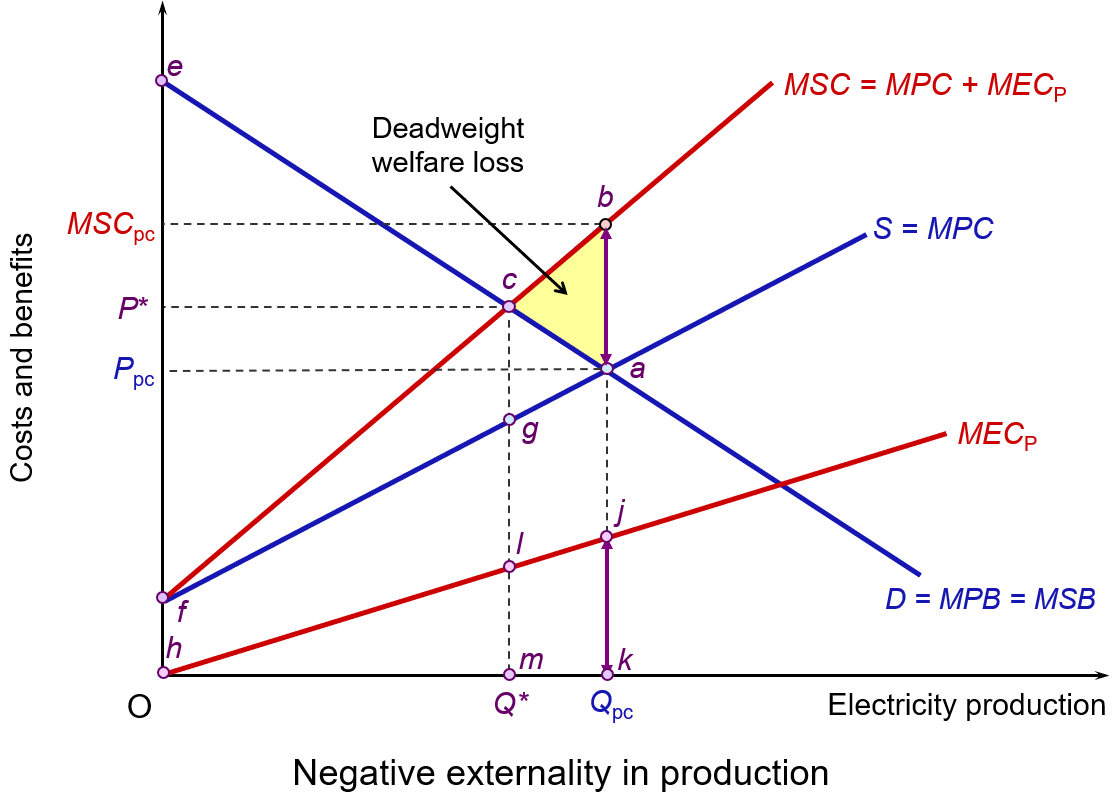 As you can see, the MSC curve is above the MPC curve. The vertical distance between them is equal to the MECP. It is also assumed that there are no externalities in consumption, which means that the marginal social benefit (MSB) curve is the same as the marginal private benefit (MPB) curve.
Competitive market forces, with producers and consumers responding only to private costs and benefits, will result in a market equilibrium at point a: i.e. where demand equals supply. The market equilibrium price is Ppc, while the market equilibrium quantity is Qpc. At Ppc, with no externalities on the consumption side, MPB is equal to MSB. The market price reflects both the private and social benefits from the last unit consumed. However, the presence of external costs in production means that MSC > MPC.
The socially optimal output would be Q*, where P = MSB = MSC, achieved at the socially optimal price of P*. This is illustrated at point c and clearly shows how external costs of production in a perfectly competitive market result in overproduction: i.e. Qpc > Q*. From society’s point of view, too much electricity is being produced from fossil fuels.
Total social surplus equals consumer surplus plus producer surplus minus the external costs. At the market equilibrium (Qpc) this is areas eaPpc+ Ppcaf – fba (or hjk, as it is the same size). At the socially optimal level of output (Q*) total social surplus is areas ecP* + P*cgf – fcg (or hlm).
Although consumer-plus-producer surplus is higher at the market equilibrium (Qpc) than at the socially optimum output (Q*) by the area cag, the external costs are higher still by the area cbag (or ljkm). Therefore, total social surplus at the market equilibrium is smaller than at the socially optimal point by area abc. This is a deadweight welfare loss and represents the excess of social costs over social benefits at all outputs above Q*. Put another way, moving from Qpc to Q* would represent a gain in social surplus of the area abc, as the fall in external costs outweighs the fall in consumer-plus-producer surplus.
One of the reasons why external environmental costs cause problems in a free-market economy is that no one has legal ownership of the atmosphere. Therefore, nobody has the ability either to prevent or to charge for their use as a ‘dumping ground’ for CO2. Such a ‘market’ is missing. Control must, therefore, be left to the government, international organisations, local authorities or regulators.
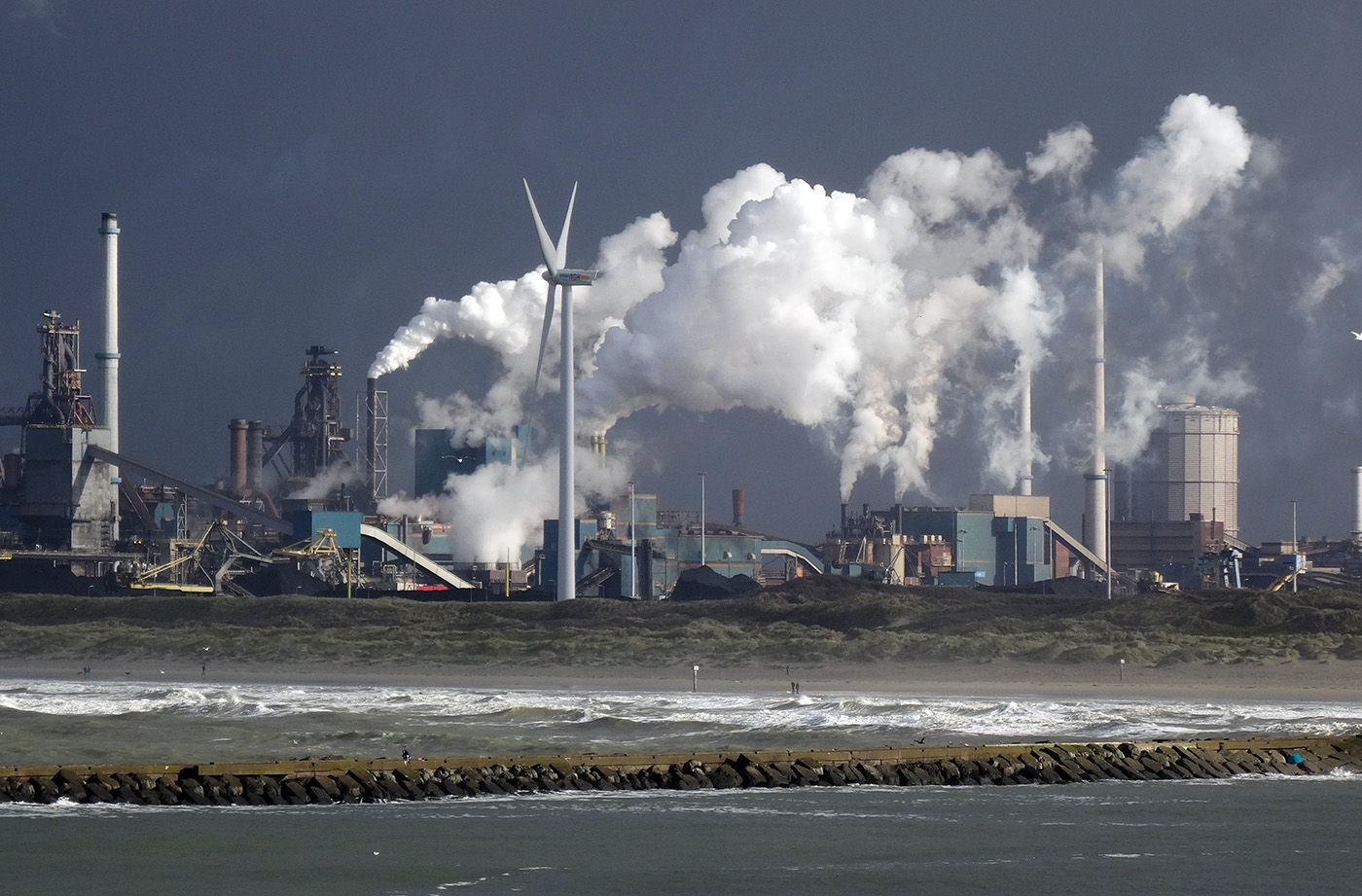 But such control is often too little. For example, when President Trump came to office in January 2025, he announced that the USA would withdraw from the UN’s Paris Agreement on climate change and that his policy towards oil production would be to ‘drill, baby, drill’. Indeed, governments globally spend hundreds of billions of dollars a year in subsidising oil, gas and coal production and its use, partly from pressure from the fossil fuel industry and partly to reduce the cost of living for consumers. This embeds fossil fuel dependence.
Game theory can help to explain the slow process of carbon reduction. For an individual country, such as the USA, it might argue that its optimum solution would be for other countries to cut their emissions, while maintaining its own levels. This approach would yield most of the benefits to the USA and none of the costs. However, when all countries argue like this, no progress is made. It’s a prisoners’ dilemma. Only if countries believe that the other countries will (a) ratify an agreement to cut emissions and (b) stick to the approved terms, is the agreement likely to succeed. This requires trust on all sides as well as the ability to monitor the outcomes.
Another major problem area concerns equity. Most countries will feel that they are being asked to do too much and that others are being asked to do too little. High-income countries will want to adopt a grandfathering approach. The starting point with this approach would be current levels of pollution. Every country would then be required to make the same percentage cut. Low-income countries, on the other hand, will want the bulk of the cuts, if not all of them, to be made by the rich countries. After all, the rich countries produce much higher levels of pollutants per capita than do the poor countries, and curbing growth in low-income countries would have a far more serious impact on levels of absolute poverty.
But will a supersized El Niño persuade countries to make deeper cuts in carbon emissions? In recent months commitments to achieving net zero emissions have waned. But the following economic consequences may encourage some countries to make deeper emissions cuts.
Economic consequences of a Godzilla El Niño
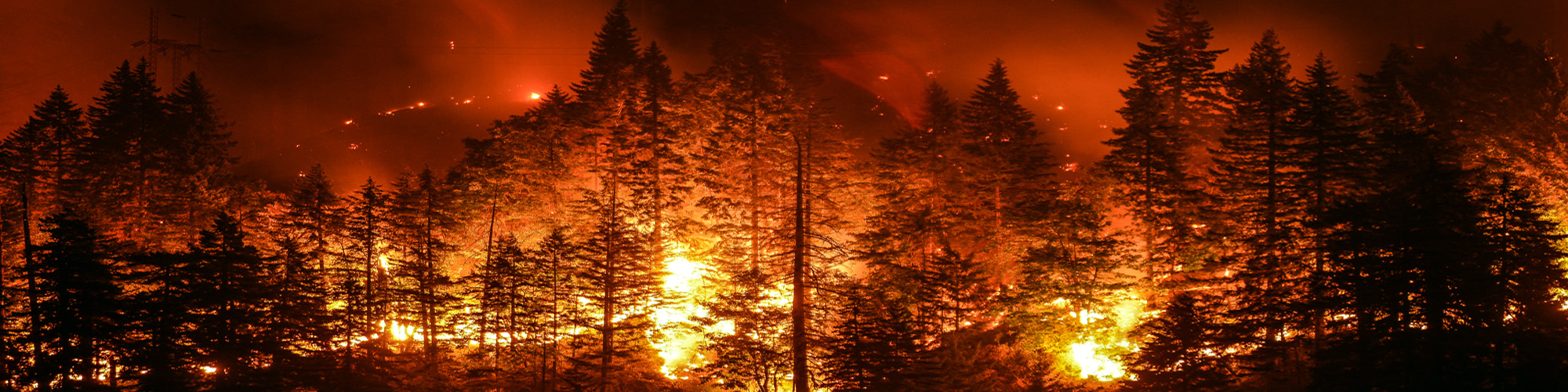
Extreme droughts, heat, wildfires and harvest failures in some areas and extreme rainfall and flooding in others will have severe economic consequences, often for the poorest people. There will be reductions in crop yields and loss of livelihood. Food prices will rise globally. This will add to the inflationary pressures from higher oil prices caused by the Iran war.
Droughts and wildfires in south-east Asia and Australia could have disastrous effects on harvests of palm oil, coffee, cocoa, rice, maize, wheat and various tropical fruits. Droughts and heat reduce output from hydropower and possibly wind energy, and industrial production may slow as a result of extreme heat in workplaces.
In Europe, warmer winters and unusually wet springs promote rapid plant growth. When this is followed by summer heatwaves, the undergrowth dries out and provides fuel for the wildfires. A super El Niño will amplify this. France and Spain have experienced massive wildfires these past few months. In the UK, the 2026 summer has been the hottest on record. The costs in Europe of the heat and wildfires in terms of lost crops and animals have been immense.
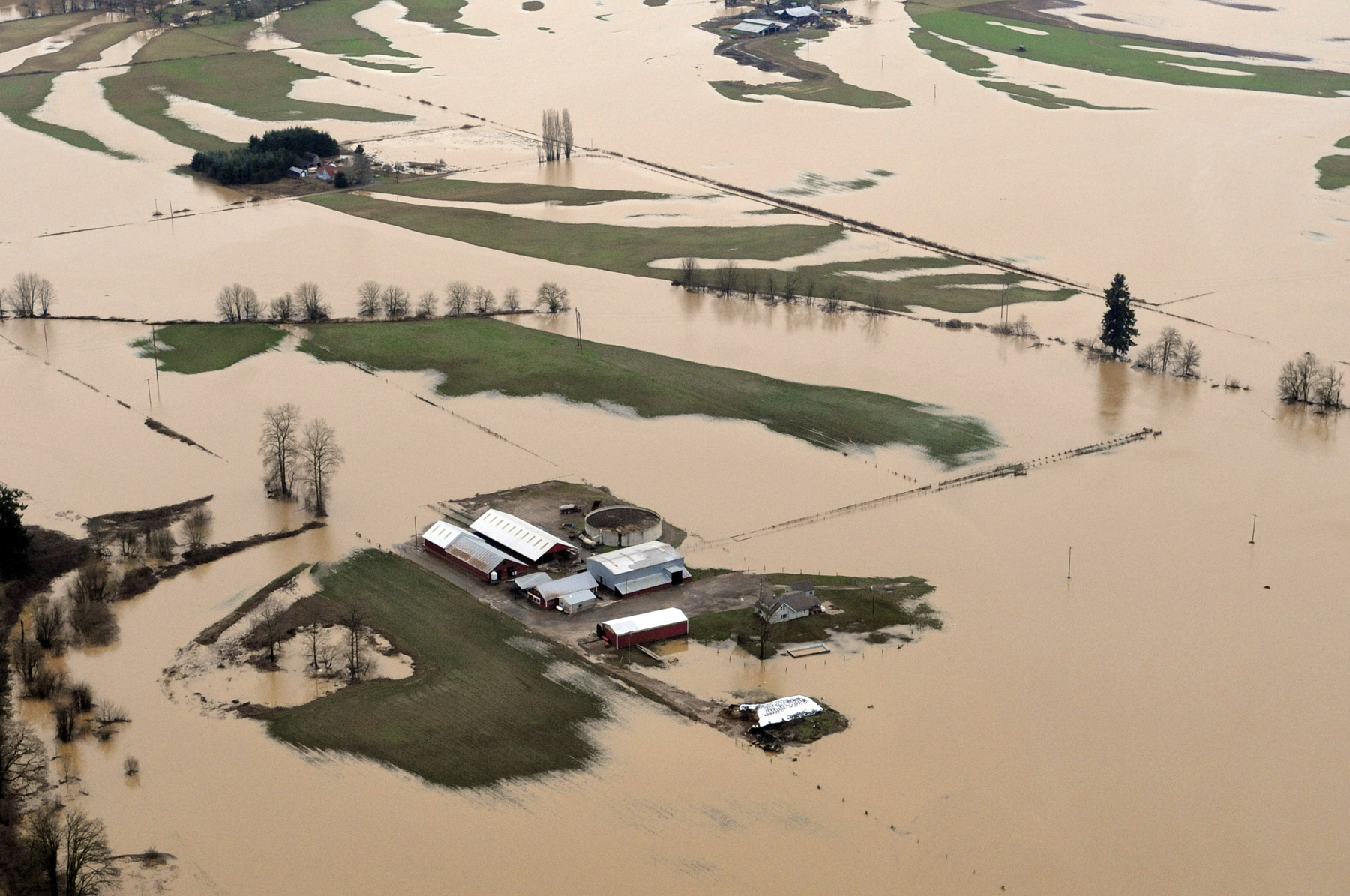 Floods and storms damage roads, power grids, railways and buildings. This forces governments to spend money on repairs instead of long-term investments. People are displaced and many are likely to lose their lives.
Fortunately, El Niños fade after a few months to be replaced by the cooler La Niña. The problem is that, with global warming, the next El Niño in a few years could be even more extreme with even more serious economic consequences.
The hope is that governments wake up to the pressing need to reduce carbon emissions.
Videos and podcast
Information
Articles
- Building climate-resilient agriculture in Europe: an economic perspective
European Environment Agency (17/3/26)
- What Super El Niño Means For Business Supply Chains And The Economy
Forbes, Chloe Demrovsky (25/8/26)
- A summer of extremes: Weathering a hotter world
CBS News, Jonathan Vigliotti (16/8/26)
- Area in Europe affected by wildfires could triple due to climate change
The National (UAE), Tariq Tahir (20/8/26)
- El Niño could drag down the global economy by almost $1 trillion or at least $7 trillion—and the choice is ours
Peterson Institute for International Economics, Cullen S Hendrix (26/7/26)
- UN warns of ‘supersized’ El Niño as countries prepare for impact
BBC News, Esme Stallard, Mark Poynting, Becky Dale, Yvette Tan, Tiffanie Turnbull and Nikita Yadav (3/9/26)
- Toxic haze from wildfires spreads across South East Asia as ‘super’ El Niño intensifies
BBC News (2/9/26)
- A Super El Niño is coming: 5 hard‑won lessons the world can learn from Africa
The Conversation, Tafadzwanashe Mabhaudhi and Mendy Ndlovu (5/7/26)
- ‘Supersizing before our eyes’: UN warns of record El Niño approaching
The Guardian, Damian Carrington (3/9/26)
- ‘Super’ El Niño could cause global food price shock lasting into 2028, analysts say
The Guardian, Richard Partington (12/7/26)
- Without action wildfires in Europe will increase 39% even in best-case climate scenario, study finds
The Guardian, Ajit Niranjan (20/8/26)
- From classrooms to climate action: ICSE 2026 charts new path for sustainability
Economic Times (Times of India) (2/9/26)
Questions
- What is the current state of progress towards meeting the goals of the UN Paris Climate Agreement?
- Are there any externalities in consumption that affect global warming?
- How might technological progress make it privately profitable to reduce carbon emissions?
- How might global supply chains and shipping be affected by a super El Niño?
- What role can education play in tackling climate change and its effects?
 At the G7 conference in Bavaria on 7 and 8 June 2015, it was agreed to phase out the use of fossil fuels by the end of the century. But despite this significant objective, there were no short-term measures put in place to start on the process of achieving this goal. Nevertheless, the agreement contained commitments to further developments in carbon markets, elimination of fossil fuel subsidies, incentives for the development of green energy and support for developing countries in reducing hydrofluorocarbons.
The agreement also sent a strong message to the 21st United Nations International Climate Change conference scheduled to meet in Paris from 30 November to 11 December 2015. The G7 communiqué states that binding rules would be required if the target was to be met.
The agreement should enhance transparency and accountability including through binding rules at its core to track progress towards achieving targets, which should promote increased ambition over time. This should enable all countries to follow a low-carbon and resilient development pathway in line with the global goal to hold the increase in global average temperature below 2°C.
But many environmentalists argue that a more fundamental approach is needed. This requires a change in the way the environment is perceived – by both individuals and politicians. The simple  selfish model of consumption to maximise consumer surplus and production to maximise profit should be rejected. Instead, the environment should be internalised into decision making.
What is more, there should be an integral ecology which brings together a wide range of disciplines, including economics, in analysing the functioning of societies and economies. Rather than being seen merely as a resource to be exploited, respect and care for the environment should be incorporated into our whole decision-making process, along with protecting societies and cultures, and rejecting economic systems that result in a growing divide between rich and poor.
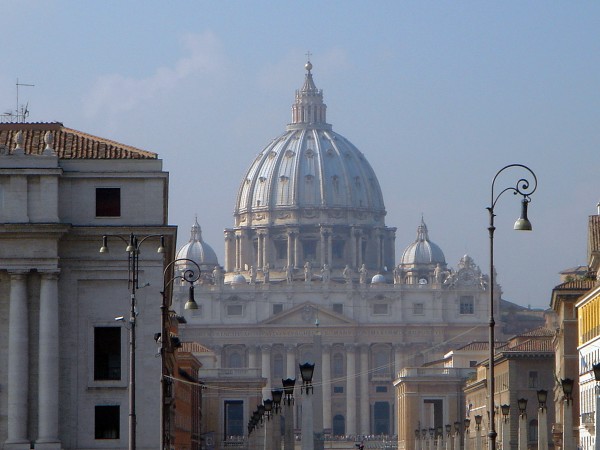
In his latest encyclical, On care for our common home, Pope Francis considers integral ecology, not just in terms of a multidiciplinary approach to the environment but as an approach that integrates the objectives of social justice and care for the environment into an overarching approach to the functioning of societies and economies. And central to his message is the need to change the way human action is perceived at a personal level. Decision making should be focused on care for others and the environment not on the selfish pursuit of individual gain.
 With a change in heart towards other people and the environment, what would be seen as externalities in simple economic models based on rational self-interested behaviour become internal costs or benefits. Care and compassion become the drivers for action, rather than crude self interest.
A key question, of course, is how we get here to there; how society can achieve a mass change of heart. For religious leaders, such as the Pope, the approach centres on spiritual guidance. For the secular, the approach would probably centre on education and the encouragement for people to consider others in their decision making. But, of course, there is still a major role for economic instruments, such as taxes and subsidies, rules and regulations, and public investment.
Articles
G7 leaders agree to phase out fossil fuels by end of centuryEU Observer, Peter Teffer (8/6/15)
Integral Ecology Approach Links ‘Welfare of God’s People and God’s Creation’ Catholic Register (11/6/15)
President’s Corner Teilhard Perspective, John Grim (May 2015)
In his encyclical on climate change Pope Francis reveals himself to be a master of scientific detail Washington Post, Anthony Faiola, Michelle Boorstein and Chris Mooney (18/6/15)
Pope Francis Calls for Climate Action in Draft of Encyclical New York Times, Jim Yardley (15/6/15)
Pope Francis letter on climate change leaked: Draft Vatican encyclical released three days early Independent, Kashmira Gander and Michael Day (15/6/15)
The Pope is finally addressing the gaping hole in the Judaeo-Christian moral tradition Independent, Michael McCarthy (15/6/15)
Pope Francis warns of destruction of Earth’s ecosystem in leaked encyclical The Guardian, Stephanie Kirchgaessner and John Hooper (16/6/15)
Explosive intervention by Pope Francis set to transform climate change debate The Observer, John Vidal (13/6/15)
Pope Francis’ Leaked Encyclical Draft Attributes Climate Change To Human Activity Huffington Post, Antonia Blumberg (15/6/15)
Pope Francis’ Integral Ecology Huffington Post, Dave Pruett (28/5/15)
Videos
 Pope Francis: Climate change mostly man-made BBC News, Caroline Wyatt (18/6/15)
Pope urges action on global warming in leaked document BBC News, Chris Cook (16/6/15)
Questions
- What do you understand by ‘integral ecology’?
- Is an integrated approach to the environment and society consistent with ‘rational’ behaviour (a) in the narrow sense of ‘rational’ as used in consumer and producer theory; (b) in a broader sense of making actions consistent with goals?
- Can cost–benefit analysis be used in the context of an integrated and cross-disciplinary approach to the environment and society?
- What types of incentives would be useful in achieving the approach proposed by Pope Francis?
- Why do many companies publicly state that they pursue a policy of corporate responsibiliy?
- To what extent does it make sense to set targets for the end of this century?
- In what crucial ways might GDP need to be adjusted if it is to be used as a measure of the success of the approach to society, the economy and the environment as advocated by Pope Francis?
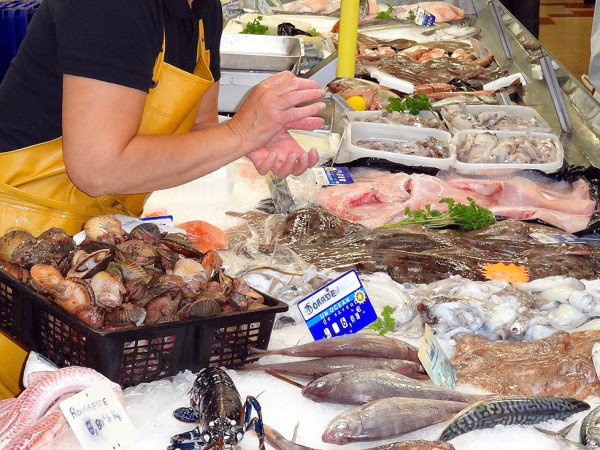 It’s a relatively common dish to see on a menu at a restaurant: mackerel. This particular fish has been promoted as a healthy and sustainable dish, but now its sustainability is coming into question and the Marine Conservation Society has taken it off its ‘fish to eat’ list. My brother Hugh is a marine biologist and often comments on which fish we should be avoiding due to sustainability issues (especially given how much I like fish!) So, how is this an economics issue?
There a couple of key things to pick out here. Firstly, with the conservationists’ warning of this issue of unsustainability, they have been asking consumers to reduce the amount of mackerel they buy. This will naturally have an impact on fisherman. If consumers do listen to the conservationists and hence reduce their demand for mackerel, we could see a fall in the price of this fish and a reduction in the fishermen’s turnover. It could be that we see a switch in consumption to other more sustainable fish, especially if we see some form of intervention.
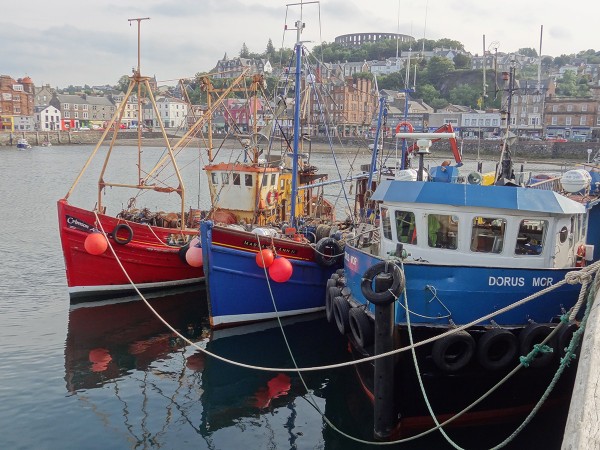 Another area concerning economics is the idea of over-fishing. For years, there have been disputes over who has the rights to these fish stocks. In the past, the Faroe Isles and Iceland have increased their quotas significantly, as mackerel appear to have migrated to their shores, contributing to this question of sustainability. Iceland and the Faroe Isles have ‘unilaterally agreed their quotas … as they are not governed by the common fisheries policy’.
The question is: when fisherman catch one additional mackerel, what are they considering? Do they think about the private benefit to them (or their company) or do they consider the external cost imposed on others? Whenever one fish is taken from the sea, there is one less fish available for other fishermen.
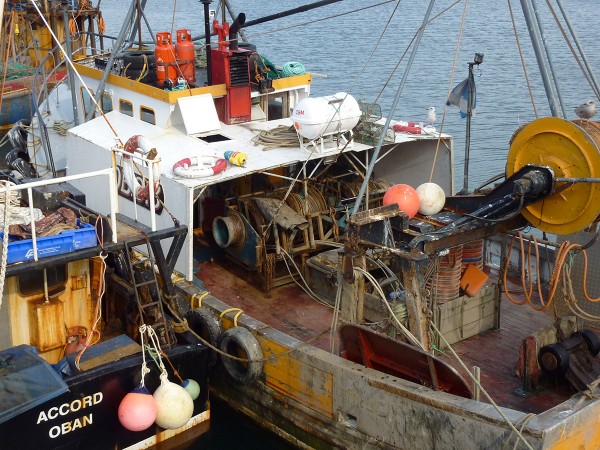 This leads to over-consumption of fish and contributes towards the well-documented depletion of fish stocks and ‘The Tragedy of the Commons’, if account is not taken of the external cost imposed on other fishermen.
The total catch is now far in excess of what has been scientifically recommended and previously agreed upon by all participating countries. Negotiations to introduce new catch allowances have so far failed to reach agreement.
There are hopes that an international policy on quotas can be agreed to ensure mackerel levels return to or remain at a sustainable level. However, at present no progress has been made. Until some form of an agreement is reached, fishermen around Iceland and the Faroe Isles will continue to battle against the conservationists. The following articles consider this fishy topic.
Mackerel taken off conservationists’ ‘fish-to-eat’ list The Guardian, Rebecca Smithers (22/1/13)
Warning over mackerel stocks Scottish Herald (22/1/13)
Fishing quota talks begin amid ongoing disputes and finger-pointing The Scotsman, Fran Urquhart (14/1/13)
Mackerel no longer an ethical choice because of over-fishing The Telegraph, Louise Gray (22/1/13)
Ths fishy tale of macro-mismanagement The Guardian, Annalisa Barbieri (22/1/13)
You can still eat mackerel – just make sure it’s British The Telegraph, Louise Gray (22/1/13)
Dispute means mackerel is no longer fish of the day BBC News, Matt McGrath (22/1/13)
Mackerel struck off sustainable fish list Associated Press (22/1/13)
Questions
- Why are quotas set by the EU for fishing? Who do they apply to?
- Why is there an externality from fishing?
- What is the Tragedy of the Commons? Using a diagram with average and marginal revenue product and average and marginal cost illustrate the market equilibrium and the social optimum. Why are they different?
- Following on from question 3, what does this suggest about the role of governments?
- If the conservationists’ request regarding buying less mackerel is successful, what impact might this have on fishermen and fisheries?
- If consumers do switch to buying other fish, what would happen to the equilibrium in the mackerel market and in the market for other fish? Think about this question in terms of general equilibrium analysis.
 World leaders have been meeting in Rio de Janeiro at a United Nations Conference on Sustainable Development. The conference, dubbed ‘Rio+20’, refers back to the first UN Conference on Environment and Development (UNCED) held in Rio 20 years ago in June 1992.
The 1992 conference adopted an Agenda 21. It was “comprehensive plan of action to be taken globally, nationally and locally by organizations of the United Nations System, Governments, and Major Groups in every area in which human impacts on the environment.”
The 2012 conference has looked at progress, or lack of it, on sustainability and what needs to be done. It has focused on two major themes: “how to build a green economy to achieve sustainable development and lift people out of poverty, including support for developing countries that will allow them to find a green path for development; and how to improve international coordination for sustainable development.” Issues examined have included decent jobs, energy, sustainable cities, food security and sustainable agriculture, water, oceans and disaster readiness.
But just what is meant by sustainable development? The conference defines sustainable development as that which meets the needs of the present without compromising the ability of future generations to meet their own needs. “Seen as the guiding principle for long-term global development, sustainable development consists of three pillars: economic development, social development and environmental protection.”
The articles below look at prospects for national and global sustainability. They also look at a new measure of national wealth, the Inclusive Wealth Index (IWI). This index has been developed under the auspices of the International Human Dimensions Programme on Global Environmental Change (IHDP) and published in its Inclusive Wealth Report 2012 (see report links below).
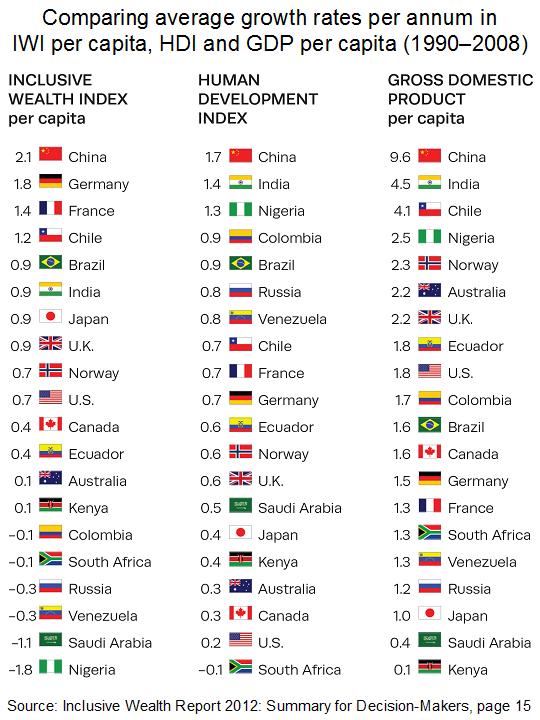 The IWR 2012 was developed on the notion that current economic production indicators such as gross domestic product (GDP) and the Human Development Index (HDI) are insufficient, as they fail to reflect the state of natural resources or ecological conditions, and focus exclusively on the short term, without indicating whether national policies are sustainable.
The IWR 2012 features an index that measures the wealth of nations by looking into a country’s capital assets, including manufactured, human and natural capital, and its corresponding values: the Inclusive Wealth Index (IWI). Results show changes in inclusive wealth from 1990 to 2008, and include a long-term comparison to GDP for an initial group of 20 countries worldwide, which represent 72% of the world GDP and 56% of the global population. (Click on chart for a larger version.)
So will growth in IWI per capita be a better measure of sustainable development than growth in GDP per capita? The articles also consider this issue.
Articles: summit
Rio+20 deal weakens on energy and water pledges BBC News, Richard Black (17/6/12)
Rio+20: Progress on Earth issues ‘too slow’ – UN chief BBC News, Richard Black (20/6/12)
Rio+20 Earth Summit Q&A The Telegraph, Louise Gray (16/5/12)
Rio+20 Earth Summit: campaigners decry final document Guardian, Jonathan Watts and Liz Ford (23/6/12)
A catastrophe if global warming falls off the international agenda Observer, Will Hutton (24/6/12)
Analysis: Rio +20 – Epic Fail The Bureau of Investigative Journalism Brendan Montague (22/6/12)
Articles: IWI
Accounting for natural wealth gains world traction Atlanta Business NewsKaty Daigle (17/6/12) (see alternatively)
New index shows lower growth for major economies Reuters, Nina Chestney (17/6/12)
A New Balance Sheet for Nations: UNU-IHDP and UNEP Launch Sustainability Index that Looks Beyond GDP EcoSeed (20/6/12)
World’s leading economies lag behind in natural capital Firstpost (18/6/12)
Beyond GDP: Experts preview ‘Inclusive Wealth’ index at Planet under Pressure conference EurekAlert, Terry Collins (28/3/12)
New sustainability index created that looks at more than gross domestic product bits of science (17/6/12)
For Sustainability, Go Beyond Gross Domestic Product Scientific AmericanDavid Biello (17/6/12)
Report
Inclusive Wealth Report 2012: Overview IHDP
Inclusive Wealth Report 2012: Summary for Decision-makers IHDP
Inclusive Wealth Report 2012: full report IHDP
Questions
- What progress has been made towards sustainable development over the past 20 years?
- What are the limitations of conferences such as Rio+20 in trying to achieve global action?
- With the current challenges faced by the eurozone and the global economy more generally, is this a good time to be discussing long-term issues of sustainable development?
- Explain how IWI is derived and measured?
- Looking at the chart above, explain the very different positions of countries in the three columns.
- What are the strengths and weaknesses of using growth in IWI compared with using growth in GDP as measures of (a) economic development; (b) economic wellbeing?
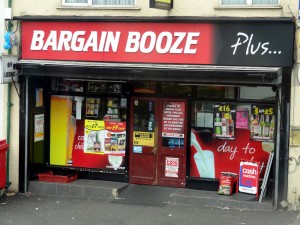 A huge majority of the British population are in agreement on one thing: UK drinking is out of control. At a cost to the NHS of over £2 billion per annum, it’s quite obvious that the current ‘binge drinking’ culture is unsustainable for those doing the drinking and for the NHS.
This issue was raised back in January 2010, when the Labour government came under pressure to impose a minimum price on alcohol. (see All-you-can-drink bans) The report published in early January suggested that a minimum price on alcohol of 50p per unit would save more than 3000 lives per year. Dr. Richard Taylor said:
“The evidence we took showed that minimum pricing was the most effective way forward and at the moment you can sometimes buy beer cheaper than water. Our message is that the price would be put up but only by a little for moderate drinkers. Surely that is a sacrifice to pay for the good health of young people.”
The Coalition’s plan is to introduce a minimum price for alcohol, which would increase the price of a can of lager to a minimum of 38p and a litre bottle of vodka would be a minimum of £10.71. By increasing the price of alcohol, it is hoped that demand will be reduced and this will go some way to tackling the problem of binge drinking.
However, many argue that the proposal will be ineffective. Some believe that the minimum price is not high enough and that such a small increase will have no effect. Others argue that it will only affect small supermarkets and will have a significantly adverse effect on pubs, which are already struggling. Furthermore, a concern is that by raising the price of alcohol, the only people who will suffer are the so-called ‘sensible’ drinkers. Those who go out and binge drink will be largely unresponsive to the higher price.
Articles
How can raising the price of alcohol improve health BBC News, Michelle Roberts (18/1/11)
Pub association responds to alcohol minimum price BBC News (18/1/11)
SNP refuses Britain-wide alcohol minimum price Telegraph, Simon Johnson (19/1/11)
Experts say the new minimum prices on alcohol sales are not enough Wales Online, Abby Alford (19/1/11)
UK drinking ‘is out of control’, two thirds of public believe Guardian, Alan Travis (18/1/11)
Alcohol price plans will only save 21 lives per year, says expert Telegraph, Tom Whitehead (19/1/11)
Supermarkets forced to charge ‘minimum price’ for alcohol in bid to curb binge drinking Mirror News, James Lyons (18/1/11)
Report
Alcohol House of Commons Health Committee (10/12/09)
Questions
- Using a diagram, explain how a minimum price control on alcohol will work. What are the likely effects?
- Which factors will determine the effectiveness of the minimum price?
- Why is it that ‘binge drinkers’ may not be responsive to the higher price?
- The Mirror article refers to ‘loss leaders’. What are they and how are they relevant here?
- What other policies could be used to tackle binge drinking?
- Given that taxes on products such as alcohol and cigarettes raise so much tax revenue for the government, would there be an adverse effect by raising the minimum price on alcohol?
- Why is the current drinking culture unsustainable?
- Is alcohol a de-merit good? Why is it an example of market failure?
 A ‘Super’ El Nino Is Coming For Southeast Asia. What Happens Next?