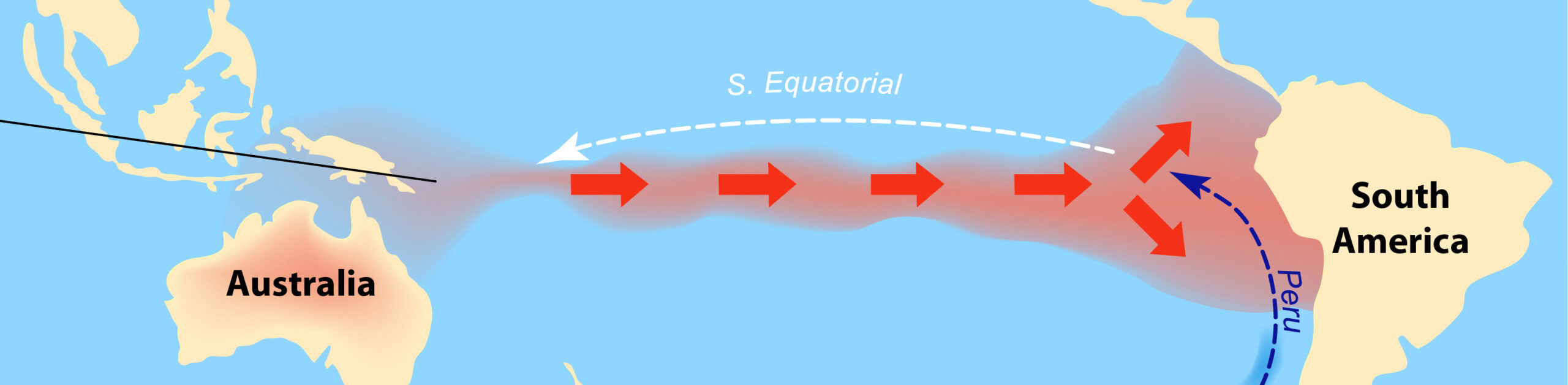
The World Meteorological Organization predicts that a ‘super El Niño’ is building. This has been nicknamed ‘Godzilla’. If forecasts are correct, this will be the most extreme El Niño in 1000 years.
El Niño is a natural phenomenon. It occurs when the surface temperatures in the central and eastern tropical Pacific Ocean warm and cause the trade winds that typically blow from east to west across the Pacific Ocean to weaken or even reverse direction. As well as increasing global temperatures and causing intense heatwaves, it can result in droughts in some parts of the world, such as eastern Australia, south-east Asia and southern Africa, and intense rain and flooding in parts of South America, eastern Africa and south-western North America.
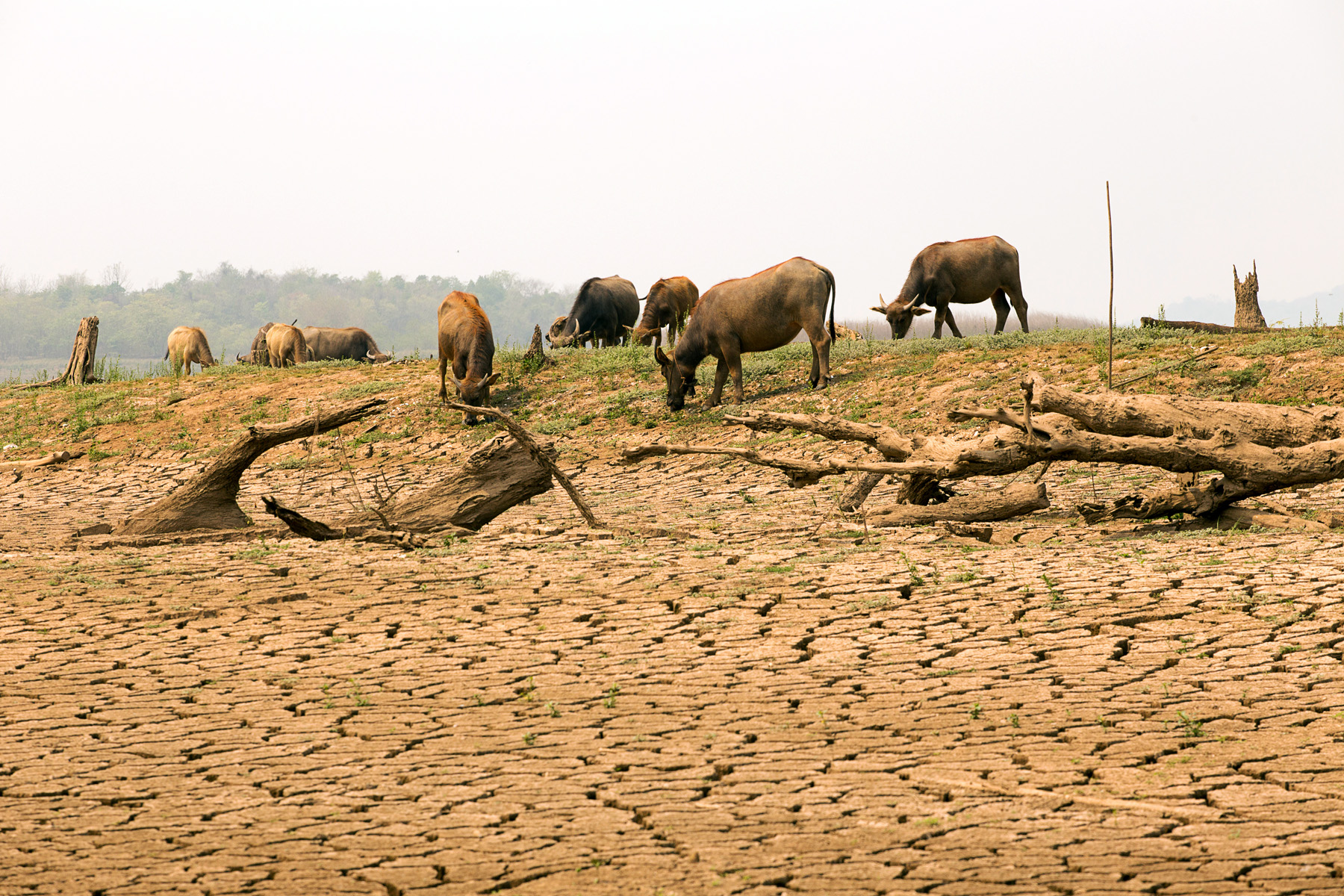
Typically, in an El-Niño event, the surface temperature of the central-eastern equatorial Pacific Ocean rises by 1°C to 1.5°C above the average. In the current El Niño, it is forecast to rise by up to 4°C by the end of 2026 and into 2027. It is already between 2.2°C and 2.6°C above the average. The effects could be catastrophic and hence the term ‘Godzilla’.
Although El Niño is a natural phenomenon, its severity is a direct result of climate change. This in turn is a direct result of economic decisions, and the effects will have severe economic consequences.
The economic causes
Climate change is an external cost of private economic decisions. When people or organisations burn fossil fuels, the climate costs of the CO2 emissions are not borne by the emitter. They are an external cost. This is illustrated in the diagram below, which shows the costs and benefits of electricity production from fossil fuels. (Click here for a PowerPoint.)
In this example, to make things simple, we assume that the external climate costs begin with the first unit of electricity generated and increase at a constant rate. The marginal social cost (MSC) of electricity generation equals the marginal private costs (MPC) to the generating company plus the marginal external cost in production MECP.
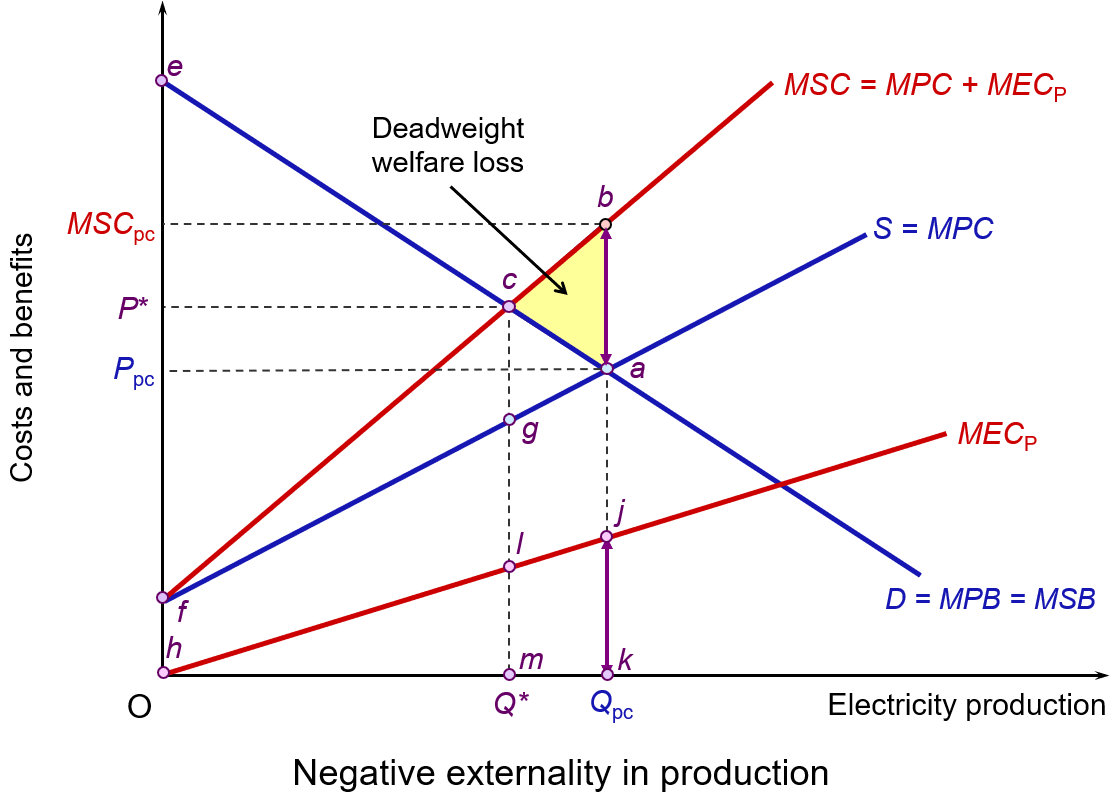 As you can see, the MSC curve is above the MPC curve. The vertical distance between them is equal to the MECP. It is also assumed that there are no externalities in consumption, which means that the marginal social benefit (MSB) curve is the same as the marginal private benefit (MPB) curve.
Competitive market forces, with producers and consumers responding only to private costs and benefits, will result in a market equilibrium at point a: i.e. where demand equals supply. The market equilibrium price is Ppc, while the market equilibrium quantity is Qpc. At Ppc, with no externalities on the consumption side, MPB is equal to MSB. The market price reflects both the private and social benefits from the last unit consumed. However, the presence of external costs in production means that MSC > MPC.
The socially optimal output would be Q*, where P = MSB = MSC, achieved at the socially optimal price of P*. This is illustrated at point c and clearly shows how external costs of production in a perfectly competitive market result in overproduction: i.e. Qpc > Q*. From society’s point of view, too much electricity is being produced from fossil fuels.
Total social surplus equals consumer surplus plus producer surplus minus the external costs. At the market equilibrium (Qpc) this is areas eaPpc+ Ppcaf – fba (or hjk, as it is the same size). At the socially optimal level of output (Q*) total social surplus is areas ecP* + P*cgf – fcg (or hlm).
Although consumer-plus-producer surplus is higher at the market equilibrium (Qpc) than at the socially optimum output (Q*) by the area cag, the external costs are higher still by the area cbag (or ljkm). Therefore, total social surplus at the market equilibrium is smaller than at the socially optimal point by area abc. This is a deadweight welfare loss and represents the excess of social costs over social benefits at all outputs above Q*. Put another way, moving from Qpc to Q* would represent a gain in social surplus of the area abc, as the fall in external costs outweighs the fall in consumer-plus-producer surplus.
One of the reasons why external environmental costs cause problems in a free-market economy is that no one has legal ownership of the atmosphere. Therefore, nobody has the ability either to prevent or to charge for their use as a ‘dumping ground’ for CO2. Such a ‘market’ is missing. Control must, therefore, be left to the government, international organisations, local authorities or regulators.
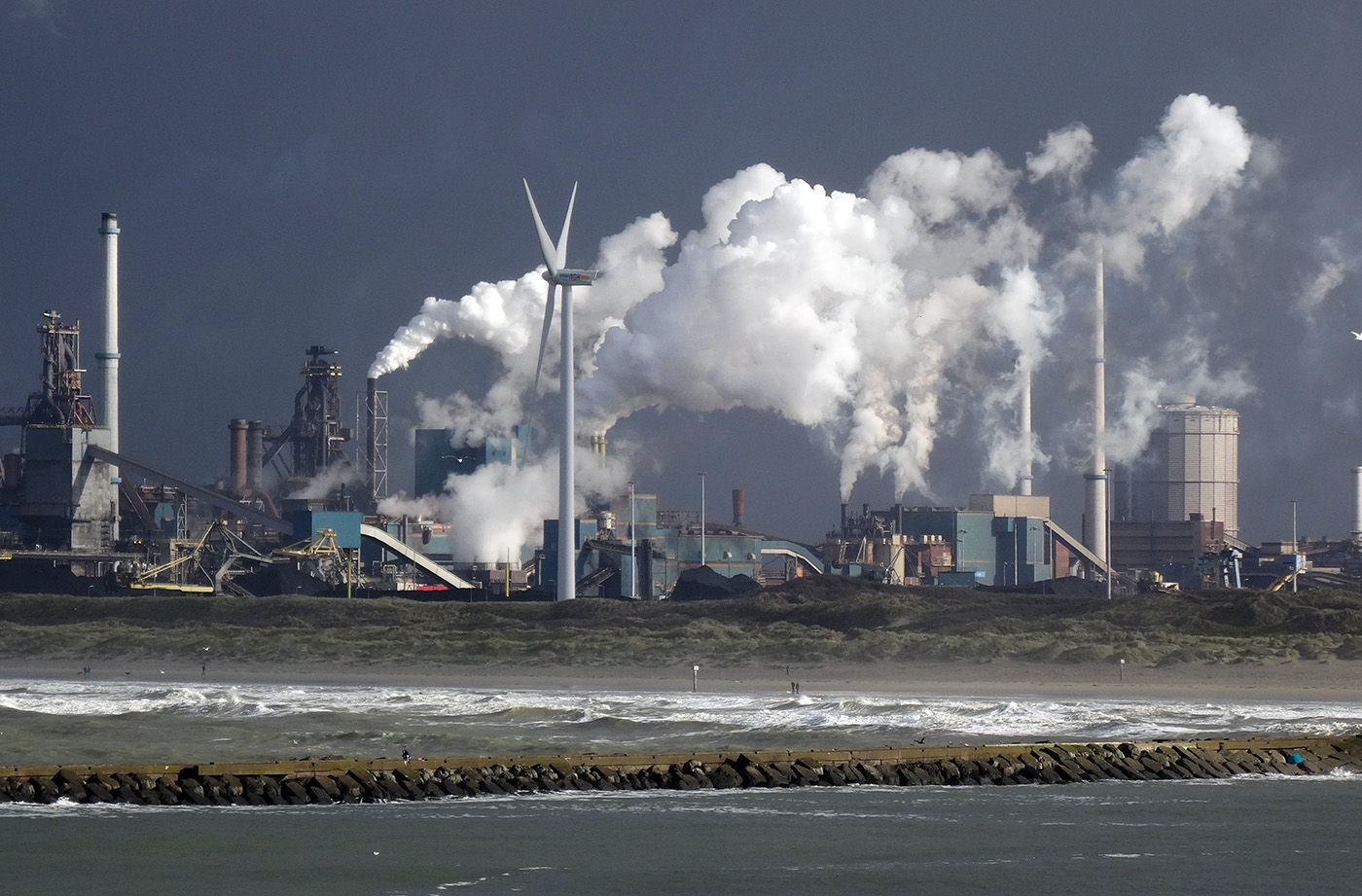 But such control is often too little. For example, when President Trump came to office in January 2025, he announced that the USA would withdraw from the UN’s Paris Agreement on climate change and that his policy towards oil production would be to ‘drill, baby, drill’. Indeed, governments globally spend hundreds of billions of dollars a year in subsidising oil, gas and coal production and its use, partly from pressure from the fossil fuel industry and partly to reduce the cost of living for consumers. This embeds fossil fuel dependence.
Game theory can help to explain the slow process of carbon reduction. For an individual country, such as the USA, it might argue that its optimum solution would be for other countries to cut their emissions, while maintaining its own levels. This approach would yield most of the benefits to the USA and none of the costs. However, when all countries argue like this, no progress is made. It’s a prisoners’ dilemma. Only if countries believe that the other countries will (a) ratify an agreement to cut emissions and (b) stick to the approved terms, is the agreement likely to succeed. This requires trust on all sides as well as the ability to monitor the outcomes.
Another major problem area concerns equity. Most countries will feel that they are being asked to do too much and that others are being asked to do too little. High-income countries will want to adopt a grandfathering approach. The starting point with this approach would be current levels of pollution. Every country would then be required to make the same percentage cut. Low-income countries, on the other hand, will want the bulk of the cuts, if not all of them, to be made by the rich countries. After all, the rich countries produce much higher levels of pollutants per capita than do the poor countries, and curbing growth in low-income countries would have a far more serious impact on levels of absolute poverty.
But will a supersized El Niño persuade countries to make deeper cuts in carbon emissions? In recent months commitments to achieving net zero emissions have waned. But the following economic consequences may encourage some countries to make deeper emissions cuts.
Economic consequences of a Godzilla El Niño
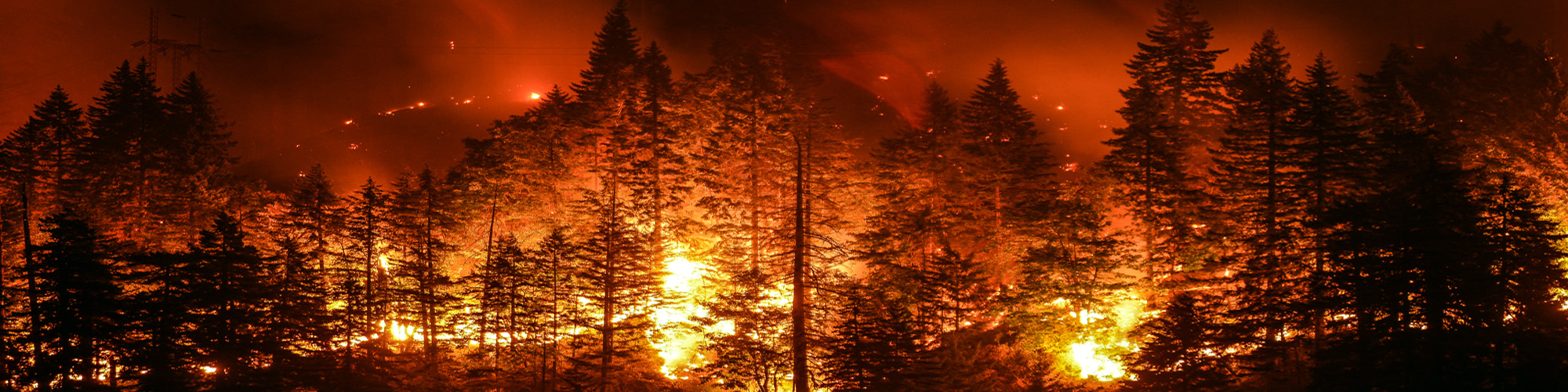
Extreme droughts, heat, wildfires and harvest failures in some areas and extreme rainfall and flooding in others will have severe economic consequences, often for the poorest people. There will be reductions in crop yields and loss of livelihood. Food prices will rise globally. This will add to the inflationary pressures from higher oil prices caused by the Iran war.
Droughts and wildfires in south-east Asia and Australia could have disastrous effects on harvests of palm oil, coffee, cocoa, rice, maize, wheat and various tropical fruits. Droughts and heat reduce output from hydropower and possibly wind energy, and industrial production may slow as a result of extreme heat in workplaces.
In Europe, warmer winters and unusually wet springs promote rapid plant growth. When this is followed by summer heatwaves, the undergrowth dries out and provides fuel for the wildfires. A super El Niño will amplify this. France and Spain have experienced massive wildfires these past few months. In the UK, the 2026 summer has been the hottest on record. The costs in Europe of the heat and wildfires in terms of lost crops and animals have been immense.
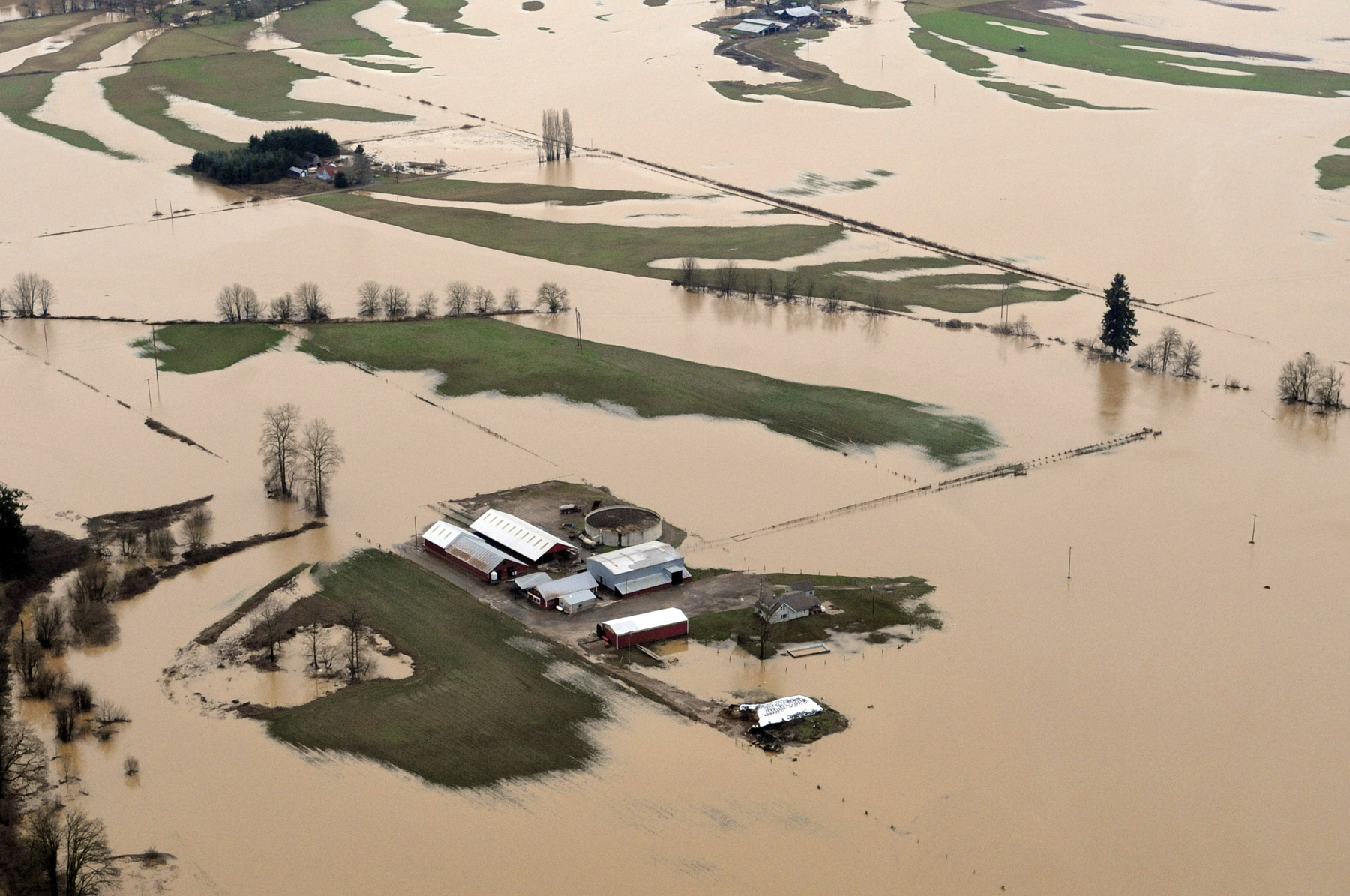 Floods and storms damage roads, power grids, railways and buildings. This forces governments to spend money on repairs instead of long-term investments. People are displaced and many are likely to lose their lives.
Fortunately, El Niños fade after a few months to be replaced by the cooler La Niña. The problem is that, with global warming, the next El Niño in a few years could be even more extreme with even more serious economic consequences.
The hope is that governments wake up to the pressing need to reduce carbon emissions.
Videos and podcast
Information
Articles
- Building climate-resilient agriculture in Europe: an economic perspective
European Environment Agency (17/3/26)
- What Super El Niño Means For Business Supply Chains And The Economy
Forbes, Chloe Demrovsky (25/8/26)
- A summer of extremes: Weathering a hotter world
CBS News, Jonathan Vigliotti (16/8/26)
- Area in Europe affected by wildfires could triple due to climate change
The National (UAE), Tariq Tahir (20/8/26)
- El Niño could drag down the global economy by almost $1 trillion or at least $7 trillion—and the choice is ours
Peterson Institute for International Economics, Cullen S Hendrix (26/7/26)
- UN warns of ‘supersized’ El Niño as countries prepare for impact
BBC News, Esme Stallard, Mark Poynting, Becky Dale, Yvette Tan, Tiffanie Turnbull and Nikita Yadav (3/9/26)
- Toxic haze from wildfires spreads across South East Asia as ‘super’ El Niño intensifies
BBC News (2/9/26)
- A Super El Niño is coming: 5 hard‑won lessons the world can learn from Africa
The Conversation, Tafadzwanashe Mabhaudhi and Mendy Ndlovu (5/7/26)
- ‘Supersizing before our eyes’: UN warns of record El Niño approaching
The Guardian, Damian Carrington (3/9/26)
- ‘Super’ El Niño could cause global food price shock lasting into 2028, analysts say
The Guardian, Richard Partington (12/7/26)
- Without action wildfires in Europe will increase 39% even in best-case climate scenario, study finds
The Guardian, Ajit Niranjan (20/8/26)
- From classrooms to climate action: ICSE 2026 charts new path for sustainability
Economic Times (Times of India) (2/9/26)
Questions
- What is the current state of progress towards meeting the goals of the UN Paris Climate Agreement?
- Are there any externalities in consumption that affect global warming?
- How might technological progress make it privately profitable to reduce carbon emissions?
- How might global supply chains and shipping be affected by a super El Niño?
- What role can education play in tackling climate change and its effects?
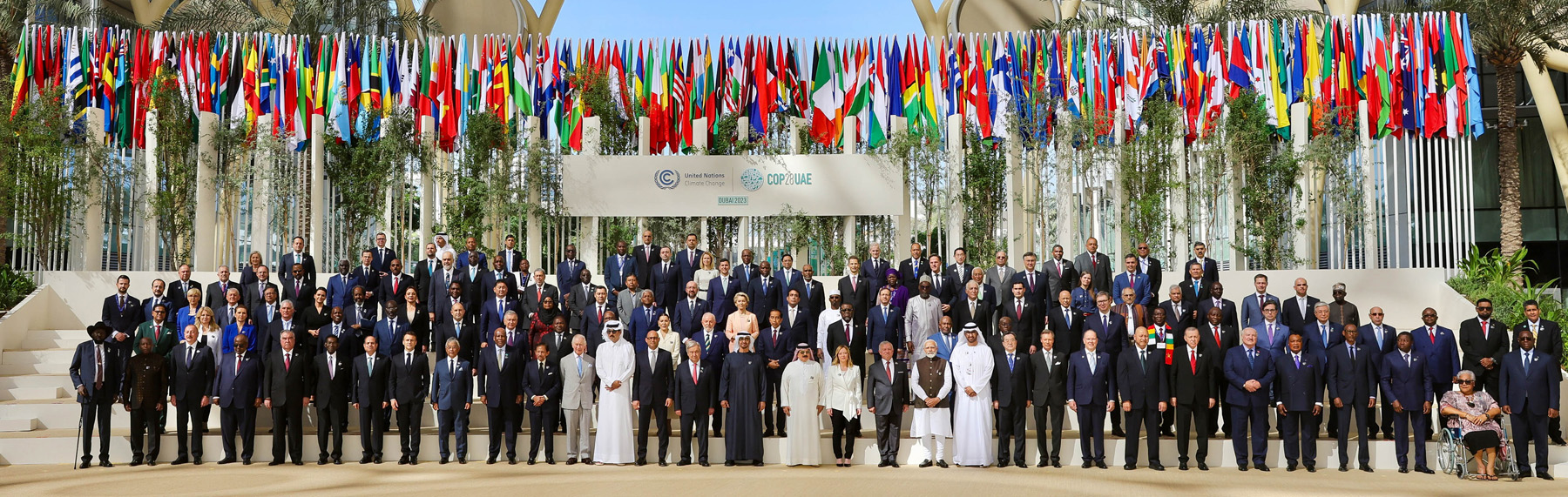
Politicians, business leaders, climate scientists, interest groups and journalists from across the world have been meeting in Dubai at the COP28 climate summit (the 28th annual meeting of the Conference of the Parties (COP) to the United Nations Framework Convention on Climate Change (UNFCCC)). The meeting comes at a time when various climate tipping points are being reached or approached – some bad, but some good. Understanding these tipping points and their implications for society and policy requires understanding not only the science, but also the various economic incentives affecting individuals, businesses, politicians and societies.
Tipping points
A recent report (see first reference in articles section below) identified various climate tipping points. These are when global temperatures rise to a point where various domino effects occur. These are adverse changes to the environment that gather pace and have major effects on ecosystems and the ability to grow food and support populations. These, in turn, will have large effects on economies, migration and political stability.
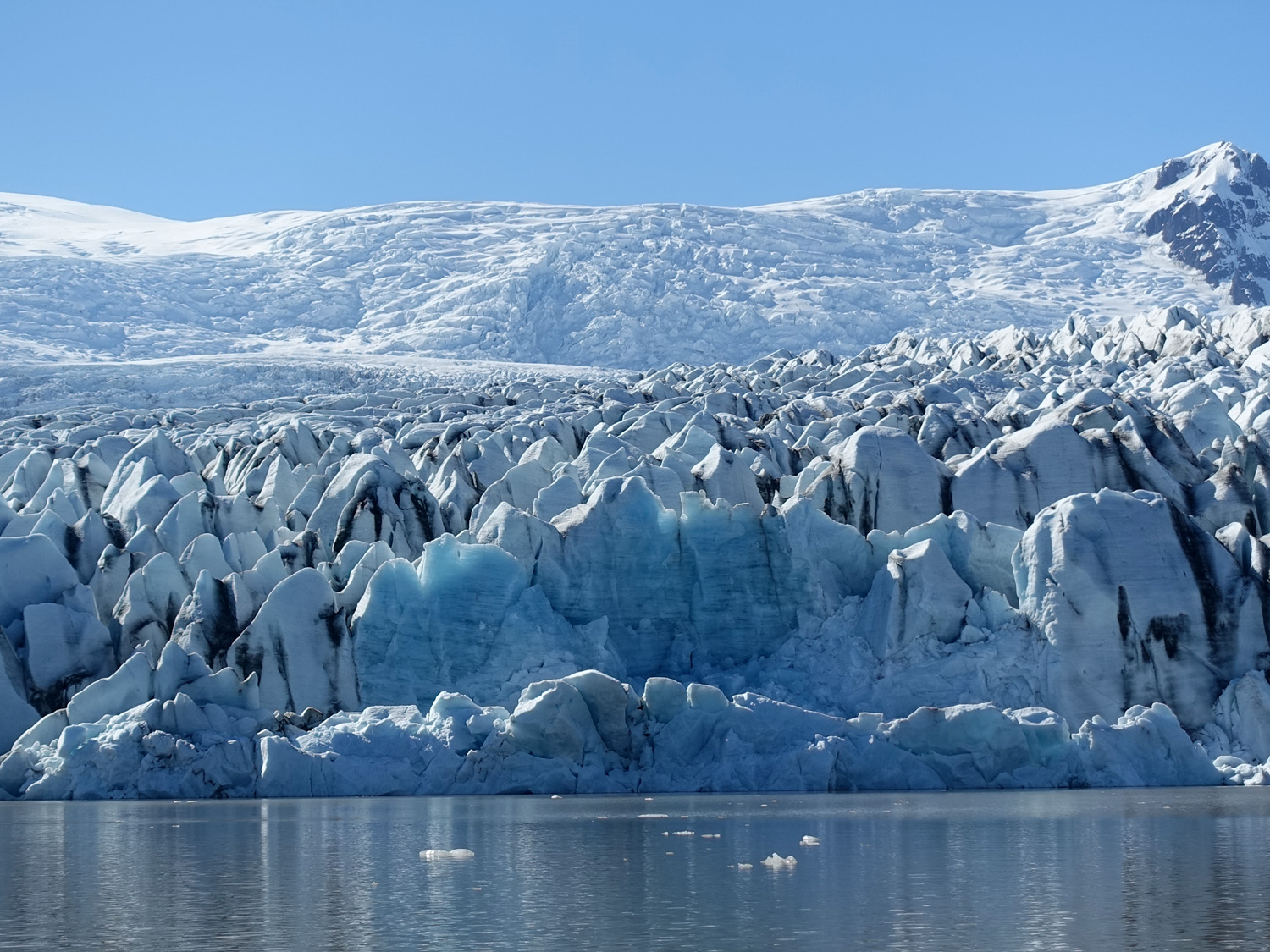 According to the report, five tipping points are imminent with the current degree of global warming (1.2oC). These are:
- Melting of the Greenland ice sheet;
- Melting of the West Antarctic ice sheet;
- Death of warm-water coral reefs;
- Collapse of the North Atlantic Subpolar Gyre circulation, which helps to drive the warm current that benefits Western Europe;
- Widespread rapid thawing of permafrost, where tundra without snow cover rapidly absorbs heat and releases methane (a much more powerful source of global warming than CO2).
With global warming of 1.5oC, three more tipping points are likely: the destruction of seagrass meadows, mangrove swamps and the southern part of the boreal forests that cover much of northern Eurasia. As the temperature warms further, other tipping points can interact in ways that drive one another, resulting in tipping ‘cascades’.
But the report also strikes an optimistic note, arguing that positive tipping points are also possible, which will help to slow global warming in the near future and possibly reverse it further in the future.
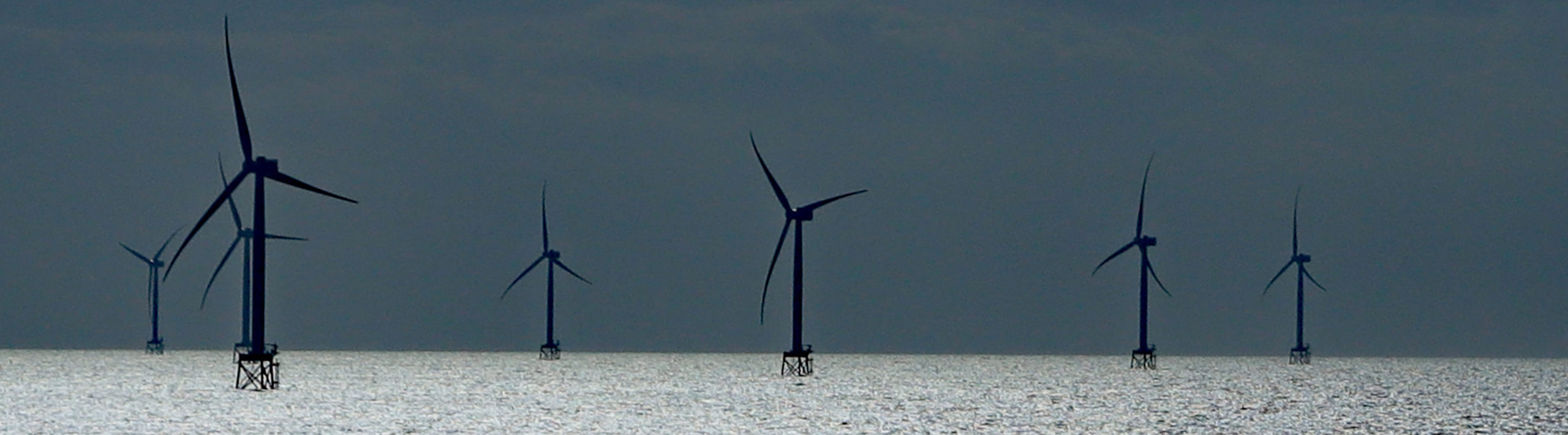
The most obvious one is in renewable energy. Renewable power generation in many countries is now cheaper than generation from fossil fuels. Indeed, in 2022, over 80% of new electricity generation was from solar and wind. And as it becomes cheaper, so this will drive investment in new renewable plants, including in small-scale production suitable for use in developing countries in parts not connected to a grid. In the vehicle sector, improved battery technology, the growth in charging infrastructure and cheaper renewable sources of electricity are creating a tipping point in EV take-up.
Positive tipping points can take place as a result of changing attitudes, such as moving away from a meat-intensive diet, avoiding food waste, greater use of recycling and a growth in second-hand markets.
But these positive tipping points are so far not strong enough or quick enough. Part of the problem is with economic incentives in market systems and part is with political systems.
Market failures
Economic decisions around the world of both individuals and firms are made largely within a market environment. But the market fails to take into account the full climate costs and benefits of such decisions. There are various reasons why.
Externalities. Both the production and consumption of many goods, especially energy and transport, but also much of agriculture and manufacturing, involve the production of CO2. But the costs of the resulting global warming are not born directly by the producer or consumer. Instead they are external costs born by society worldwide – with some countries and individuals bearing a higher cost than others. The result is an overproduction or consumption of such goods from the point of view of the world.
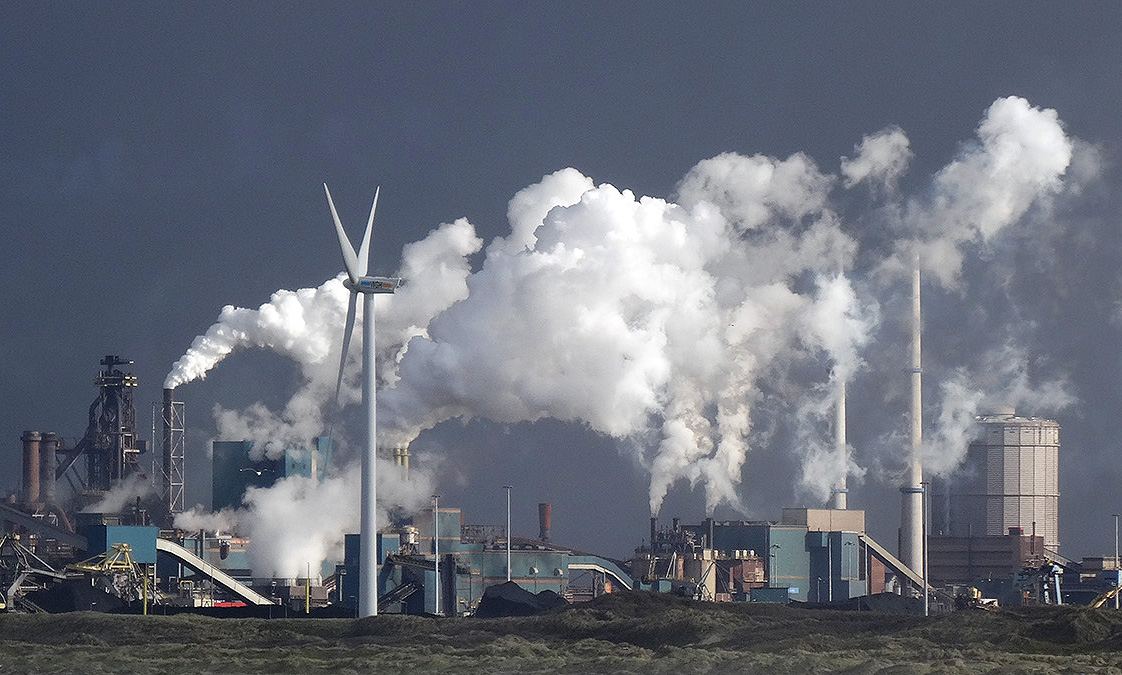 The environment as a common resource. The air, the seas and many other parts of the environment are not privately owned. They are a global ‘commons’. As such, it is extremely difficult to exclude non-payers from consuming the benefits they provide. Because of this property of ‘non-excludability’, it is often possible to consume the benefits of the environment at a zero price. If the price of any good or service to the user is zero, there is no incentive to economise on its use. In the case of the atmosphere as a ‘dump’ for greenhouse gases, this results in its overuse. Many parts of the environment, however, including the atmosphere, are scarce: there is rivalry in their use. As people increase their use of the atmosphere as a dump for carbon, so the resulting global warming adversely affects the lives of others. This is an example of the tragedy of the commons – where a free resource (such as common land) is overused.
Inter-generational problems. The effect of the growth in carbon emissions is long term, whereas the benefits are immediate. Thus consumers and firms are frequently prepared to continue with various practices, such as driving, flying and using fossil fuels for production, and leave future generations to worry about their environmental consequences. The problem, then, is a reflection of the importance that people attach to the present relative to the future.
Ignorance. People may be contributing to global warming without realising it. They may be unaware of which of the goods they buy involve the release of carbon in their production or how much carbon they release when consumed.
Political failures
Governments, whether democratic or dictatorships, face incentives not to reduce carbon emissions – or to minimise their reduction, especially if they are oil producing countries. Reducing carbon involves short-term costs to consumers and this can make them unpopular. It could cost them the next election or, in the case of dictatorships, make them vulnerable to overthrow. What is more, the oil, coal and gas industries have a vested interest in continuing the use of fossil fuels. Such industries wield considerable political power.
 Even if governments want the world to reduce carbon emissions, they would rather that the cost of doing so is born less by their own country and more by other countries. This creates a prisoner’s dilemma, where the optimum may be for a large global reduction in carbon emissions, but the optimum is not achieved because countries individually are only prepared to reduce a little, expecting other countries to reduce more. Getting a deal that is deemed ‘fair’ by all countries is very difficult. An example is where developing countries, may feel that it is fair that the bulk of any cuts, if not all of them, should be made by developed countries, while developed countries feel that fixed percentage cuts should be made by all countries.
Policy options
If the goal is to tackle climate change, then the means is to reduce the amount of carbon in the atmosphere (or at the least to stop its increase – the net zero target). There are two possibilities here. The first is to reduce the amount of carbon emissions. The second is to use carbon capture and storage or carbon sequestration (e.g. through increased forestation).
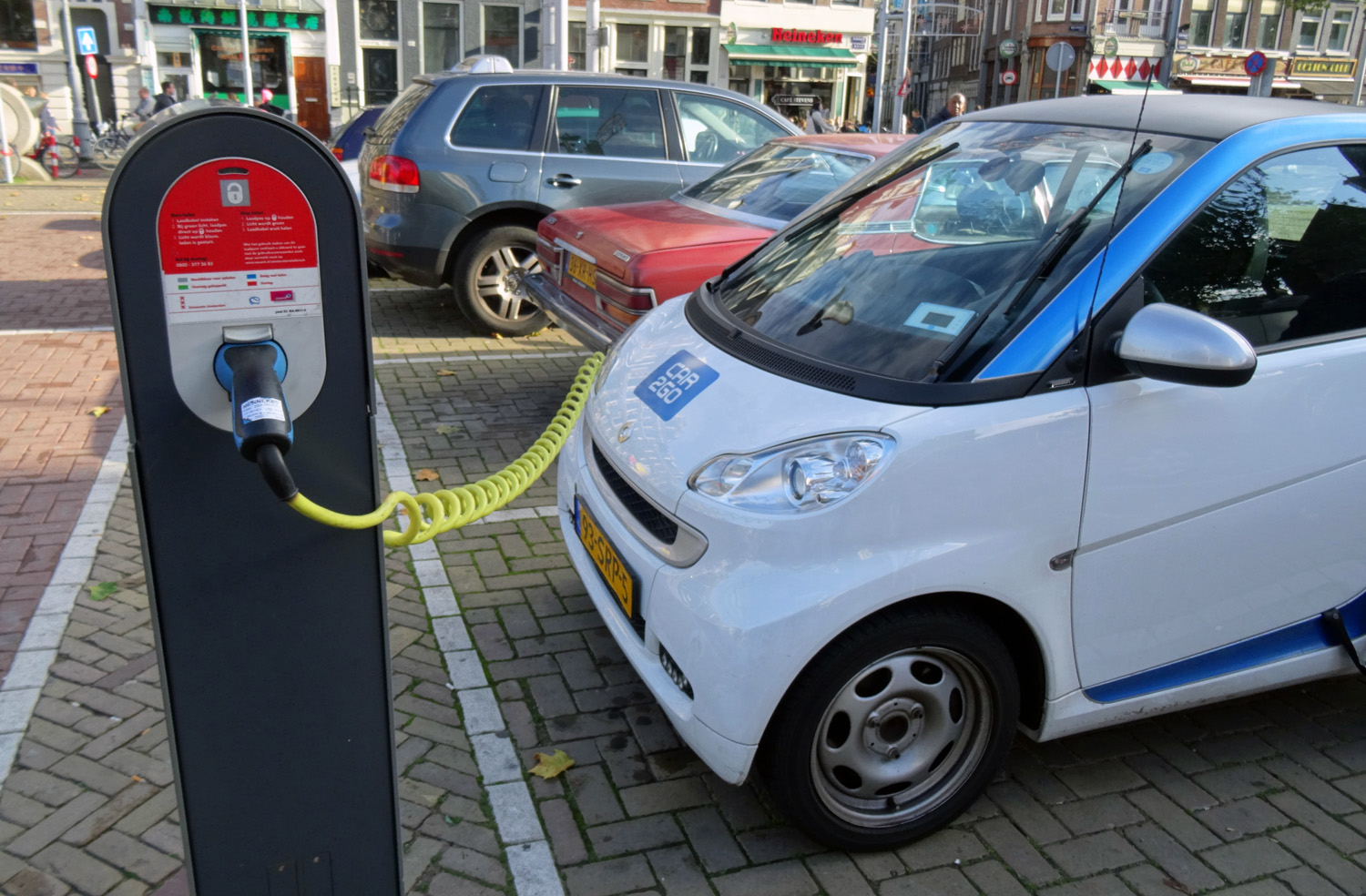 In terms of reducing carbon emissions, the key is reducing the consumption of carbon-producing activities and products that involve emissions in their production. This can be achieved through taxes on such products and/or subsidies on green alternatives (see the blog ‘Are carbon taxes a solution to the climate emergency?‘). Alternatively carbon-intensive consumption can be banned or phased out by law. For example, the purchase of new petrol or diesel cars cold be banned beyond a certain date. Or some combination of taxation and regulation can be used, such as in a cap-and-trade system – for example, the EU Emissions Trading System (EU ETS) (see the blog ‘Carbon pricing in the UK‘). Then there is government investment in zero carbon technologies and infrastructure (e.g. electrifying railways). In practice, a range of policy instruments are needed (see the blog ‘Tackling climate change: “Everything, everywhere, all at once”‘).
With carbon capture, again, solutions can involve a mixture of market mechanisms and regulation. Market mechanisms include subsidies for using carbon capture systems or for afforestation. Regulation includes policies such as requiring filters to be installed on chimneys or banning the felling of forests for grazing land.
The main issue with such policies is persuading governments to adopt them. As we saw above, governments may be unwilling to bear the short-term costs to consumers and the resulting loss in popularity. Winning the next election or simple political survival may be their number-one priority.
COP28
The COP28 summit concluded with a draft agreement which called for the:
transitioning away from fossil fuels in energy systems, in a just, orderly and equitable manner, accelerating action in this critical decade, so as to achieve net zero by 2050 in keeping with the science.
This was the first COP summit that called on all nations to transition away from fossil fuels for energy generation. It was thus hailed as the biggest step forward on tackling climate change since the 2015 Paris agreement. However, there was no explicit commitment to phase out or even ‘phase down’ fossil fuels. Many scientists, climate interest groups and even governments had called for such a commitment. What is more, there was no agreement to transition away from fossil fuels for transport, agriculture or the production of plastics.
If the agreement is to be anything more than words, the commitment must now be translated into specific policy actions by governments. This is where the real test will come. It’s easy to make commitments; it’s much harder to put them into practice with policy measures that are bound to impose costs on various groups of people. What is more, there are powerful lobbies, such as the oil, coal and steel industries, which want to slow any transition away from fossil fuels – and many governments of oil producing countries which gain substantial revenues from oil production.
One test will come in two years’ time at the COP30 summit in the Amazonian city of Belém, Brazil. At that summit, countries must present new nationally determined commitments that are economy-wide, cover all greenhouse gases and are fully aligned with the 1.5°C temperature limit. This will require specific targets to be announced and the measures required to achieve them. Also, it is hoped that by then there will be an agreement to phase out fossil fuels and not just to ‘transition away’ from them.
Reasons for hope
 Despite the unwillingness of many countries, especially the oil and coal producing countries, to phase out fossil fuels, there are reasons for hope that global warming may be halted and eventually even reversed. Damage will have been done and some tipping points may have been reached, but further tipping points may be averted.
The first reason is technological advance. Research, development and investment in zero carbon technologies is advancing rapidly. As we have seen, power generation from wind and solar is now cheaper than from fossil fuels. And this cost difference is likely to grow as technology advances further. This positive tipping point is becoming more rapid. Other technological advances in transport and industry will further the shift towards renewables and other advances will economise on the use of power.
The second is changing attitudes. With the environment being increasingly included in educational syllabuses around the world and with greater stress on the problems of climate change in the media, with frequent items in the news and with programmes such as the three series of Planet Earth, people are becoming more aware of the implications of climate change and how their actions contribute towards the problem. People are likely to put increasing pressure on businesses and governments to take action. Growing awareness of the environmental impact of their actions is also affecting people’s choices. The negative externalities are thus being reduced and may even become positive ones.
Articles
- Global Tipping Points
University of Exeter, Global Systems Institute, Timothy M. Lenton et al. (6/12/23)
- Report: Pivotal moment for humanity as tipping point threats and opportunities accelerate
Phys.org (6/12/23)
- Earth is closing in on catastrophic climate ‘tipping points’, over 200 scientists warn
Independent, Vishwam Sankaran (6/12/23)
- Earth on verge of five catastrophic climate tipping points, scientists warn
The Guardian, Ajit Niranjan (6/12/23)
- Cop28: King Charles warns of ‘vast, frightening experiment’ on natural world
The Guardian, Fiona Harvey, Nina Lakhani, Aletha Adu, Damian Carrington, Patrick Greenfield and Oliver Milman (1/12/23)
- UK likely to miss Paris climate targets by wide margin, analysis shows
The Guardian, Fiona Harvey (5/12/23)
- Water and the High Price of Bad Economics
Project Syndicate, Mariana Mazzucato , Partha Dasgupta, Nicholas Stern, and Johan Rockström (1/12/23)
- Fossil fuels: Can humanity really kick its addiction?
BBC News, Justin Rowlatt (10/12/23)
- Five climate change solutions under the spotlight at COP28
BBC News, Mark Poynting (6/12/23)
- COP28: Five reasons for optimism on climate
BBC News, Matt McGrath (8/12/23)
- COP28 Agreement Signals “Beginning of the End” of the Fossil Fuel Era
UN Climate Press Release (13/12/23)
- COP28 climate summit ends with deal to transition away from fossil fuels
CNBC, Ruxandra Iordache and Sam Meredith (13/12/23)
- Cop28 landmark deal agreed to ‘transition away’ from fossil fuels
The Guardian, Adam Morton, Fiona Harvey and Patrick Greenfield (13/12/23)
- COP28 draft agreement drops phaseout of fossil fuels
Financial Times, Attracta Mooney, Aime Williams and Alice Hancock (13/12/23)
- Examining COP28’s potential impact on climate change
BBC News, Matt McGrath (13/12/23)
- Cop28 failed to halt fossil fuels’ deadly expansion plans – so what now?
The Guardian, Damian Carrington (14/12/23)
- The momentum of the solar energy transition
Nature Communications, Femke Nijsse, Jean-Francois Mercure, Nadia Ameli, Francesca Larosa, Sumit Kothari, Jamie Rickman, Pim Vercoulen and Hector Pollitt (17/10/23)
 COP28: Bill Gates on climate optimism, wealth and the human condition
BBC News on YouTube, Bill Gates (2/12/23)
- From the Paris agreement to COP28, how oil and gas giants try to influence the global climate agenda
The Conversation, Alain Naef (8/12/23)
- COP28: Phasedown or Phaseout, Fossil Fuels Must be Addressed to Meet 1.5C Goal
Forbes, Felicia Jackson (5/12/23)
Questions
- Use a diagram to demonstrate the effects of negative externalities in production on the level of output and how this differs from the optimum level.
- Use another diagram to demonstrate the effects of negative externalities in consumption on the level of consumption and how this differs from the optimum level.
- What was agreed at COP28?
- What incentives were included in the agreement to ensure countries stick to the agreement? Were they likely to be sufficient?
- What can governments do to encourage positive environmental tipping points?
- How may carbon taxes be used to tackle global warming? Are they an efficient policy instrument?
- What can be done to change people’s attitudes towards their own carbon emissions?
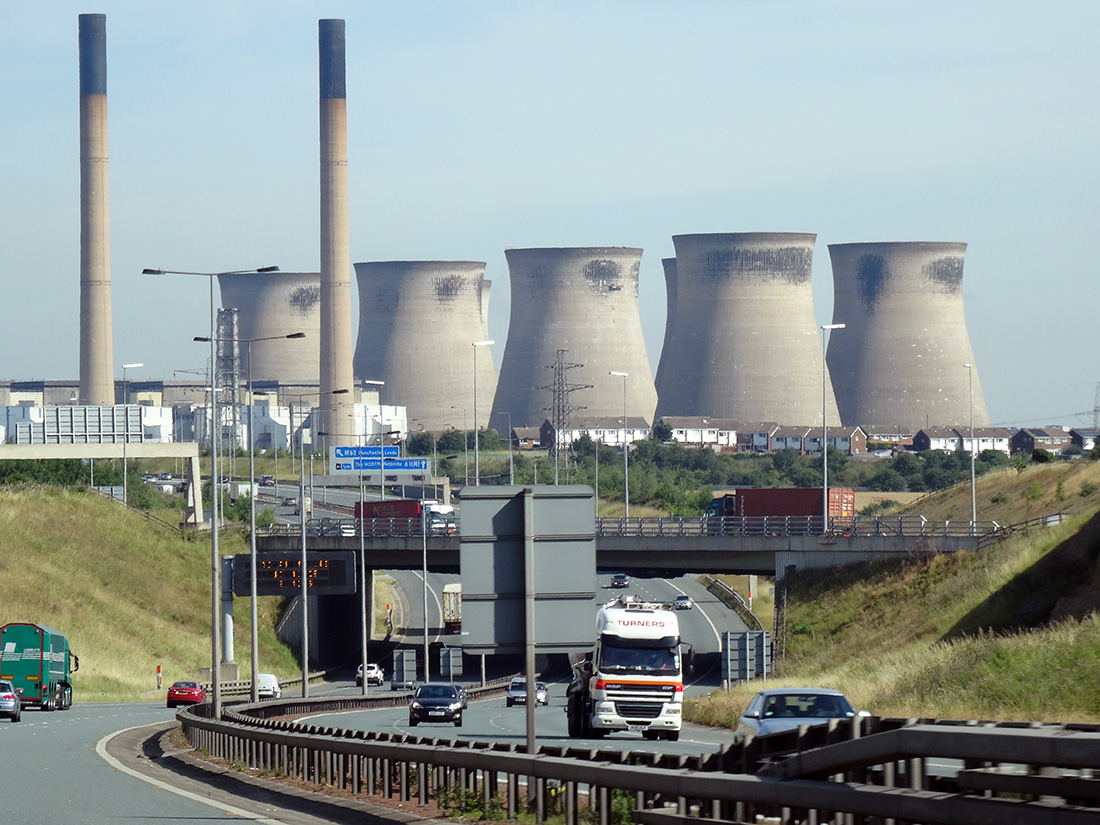 With the growing recognition of the global climate emergency (see also), attention is being increasingly focused on policies to tackle global warming.
In the October version of its journal, Fiscal Monitor, the IMF argues that carbon taxes can play a major part in meeting the goal of achieving net zero carbon emissions by 2050 or earlier.
As the blog accompanying the journal states:
Global warming has become a clear and present threat. Actions and commitments to date have fallen short. The longer we wait, the greater the loss of life and damage to the world economy. Finance ministers must play a central role to champion and implement fiscal policies to curb climate change. To do so, they should reshape the tax system and fiscal policies to discourage carbon emissions from coal and other polluting fossil fuels.
The effect of a carbon tax on production
The argument is that carbon emissions represent a massive negative externality, where the costs are borne largely by people other than the emitters. Taxes can internalise these externalities. The effect would be to raise the price of carbon-emitting activities and reduce the quantity consumed and hence produced.
The diagram illustrates the argument. It takes the case of carbon emissions from coal-fired electricity generation in a large country. To keep the analysis simple, it is assumed that all electricity in the country is generated from coal-fired power stations and that there are many such power stations, making the market perfectly competitive.
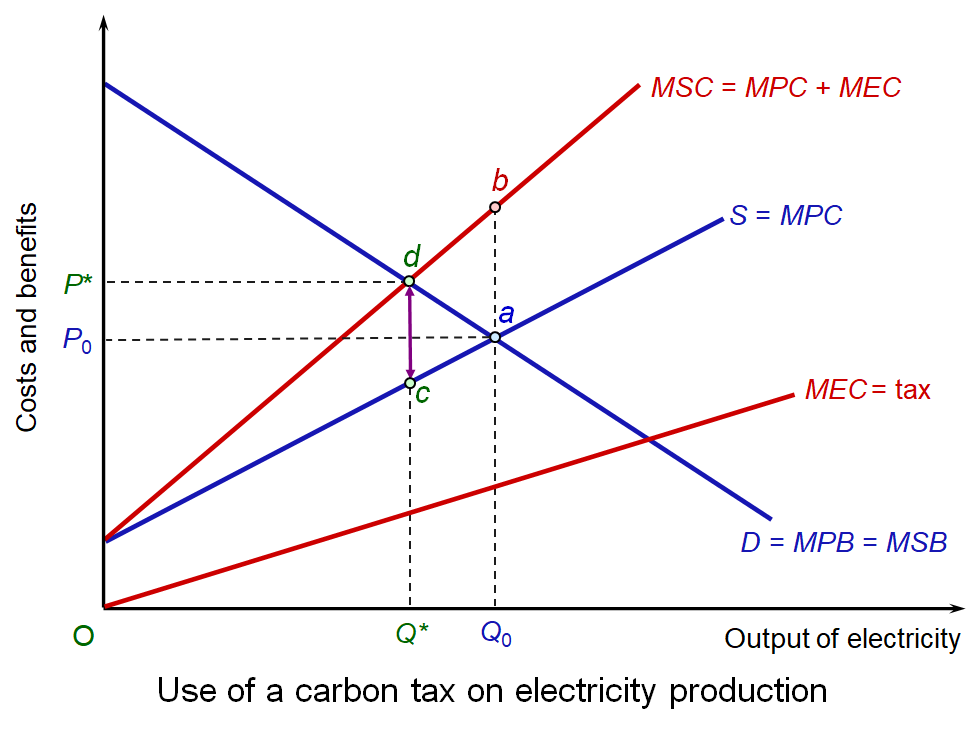 It is assumed that all the benefits from electricity production accrue solely to the consumers of electricity (i.e. there are no external benefits from consumption). Marginal private and marginal social benefits of the production of electricity are thus the same (MPB = MSB). The curve slopes downwards because, with a downward-sloping demand for electricity, higher output results in a lower marginal benefit (diminishing marginal utility).
Competitive market forces, with producers and consumers responding only to private costs and benefits, will result in a market equilibrium at point a in the diagram: i.e. where demand equals supply. The market equilibrium price is P0 while the market equilibrium quantity is Q0. However the presence of external costs in production means that MSC > MPC. In other words, MEC = b – a.
The socially optimal output would be Q* where P = MSB = MSC, achieved at the socially optimal price of P*. This is illustrated at point d and clearly shows how external costs of production in a perfectly competitive market result in overproduction: i.e. Q0 > Q*. From society’s point of view, too much electricity is being produced and consumed.
If a carbon tax of d – c is imposed on the electricity producers, it will now be in producers’ interests to produce at Q*, where their new private marginal costs (including tax) equals their marginal private benefit.
Assessing the benefits of carbon taxes
The diagram shows the direct effect on production of electricity. With widespread carbon taxes, there would be similar direct effects on other industries that emit carbon, and also on consumers, faced with higher fuel prices. In the UK, for example, there are currently higher taxes on high-emissions vehicles than on low-emissions ones.
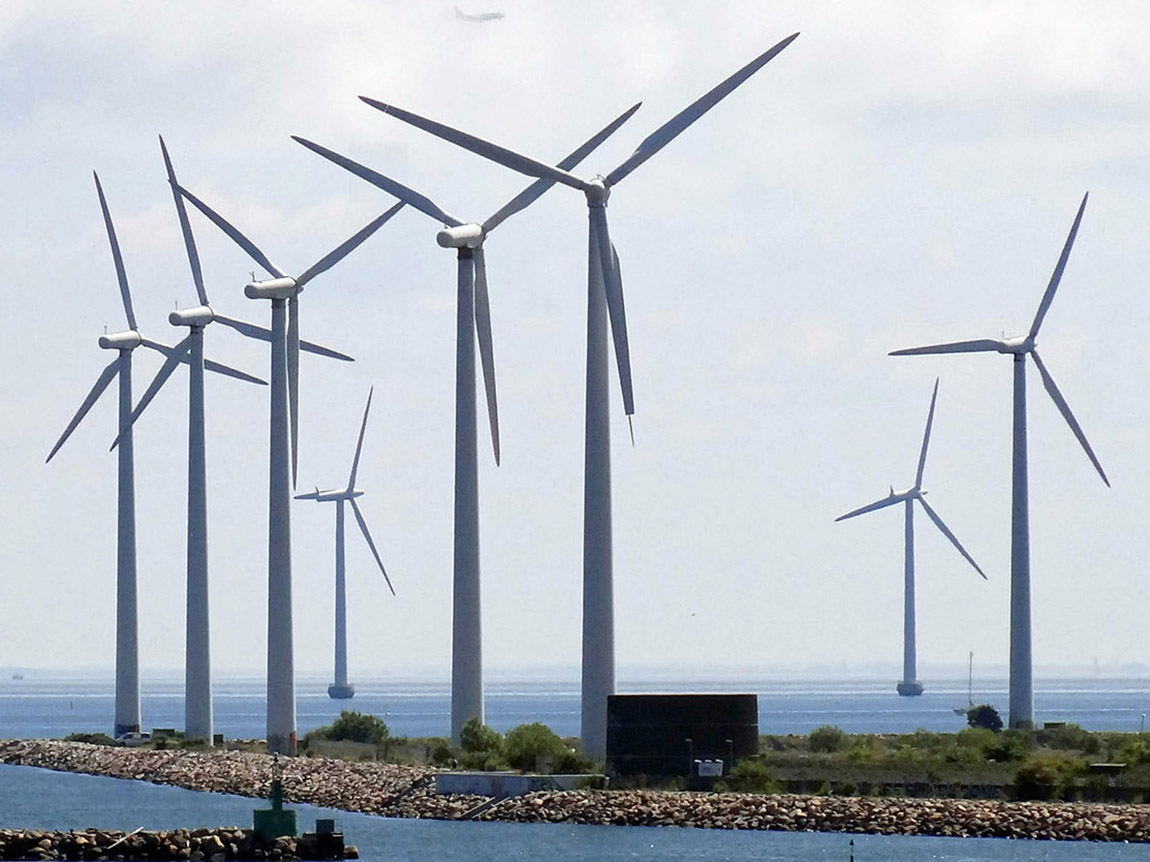 However, there are other effects of carbon taxes which contribute to the reduction in carbon emissions over the longer term. First, firms will have an incentive to invest in green energy production, such as wind, solar and hydro. Second, it will encourage R&D in green energy technology. Third, consumers will have an incentive to use less electricity by investing in more efficient appliances and home insulation and making an effort to turn off lights, the TV, computers and so on.
People may object to paying more for electricity, gas and motor fuel, but the tax revenues could be invested in cheaper clean public transport, home insulation and public services generally, such as health and education. This could be part of a policy of redistribution, with the tax revenues being spent on alleviating poverty. Alternatively, other taxes could be cut.
The IMF estimates that to restrict global warming to 2°C (a target seen as too modest by many environmentalists), large emitting countries ‘should introduce a carbon tax set to rise quickly to $75 a ton in 2030’.
This would mean household electric bills would go up by 43 per cent cumulatively over the next decade on average – more in countries that still rely heavily on coal in electricity generation, less elsewhere. Gasoline would cost 14 percent more on average.
It gives the example of Sweden, which has a carbon tax of $127 per ton. This has resulted in a 25% reduction in emissions since 1995, while the economy has expanded 75% since then.
Limits of carbon taxes
Although carbon taxes can make a significant contribution to combatting global warming, there are problems with their use.
First, it may be politically popular for governments not to impose them, or raise them, with politicians arguing that they are keen to help ‘struggling motorists’ or poor people ‘struggling to keep their homes warm’. In the UK, successive governments year after year have chosen not to raise road fuel taxes, despite a Fuel Price Escalator (replaced in 2011 by a Fuel Duty Stabiliser) designed to raise fuel taxes each year by more than inflation. Also, governments fear that higher energy prices would raise costs for their country’s industries, thereby damaging exports.
Second, it is difficult to measure the marginal external costs of CO2 emissions, which gives ammunition to those arguing to keep taxes low. In such cases it may be prudent, if politically possible, to set carbon taxes quite high.
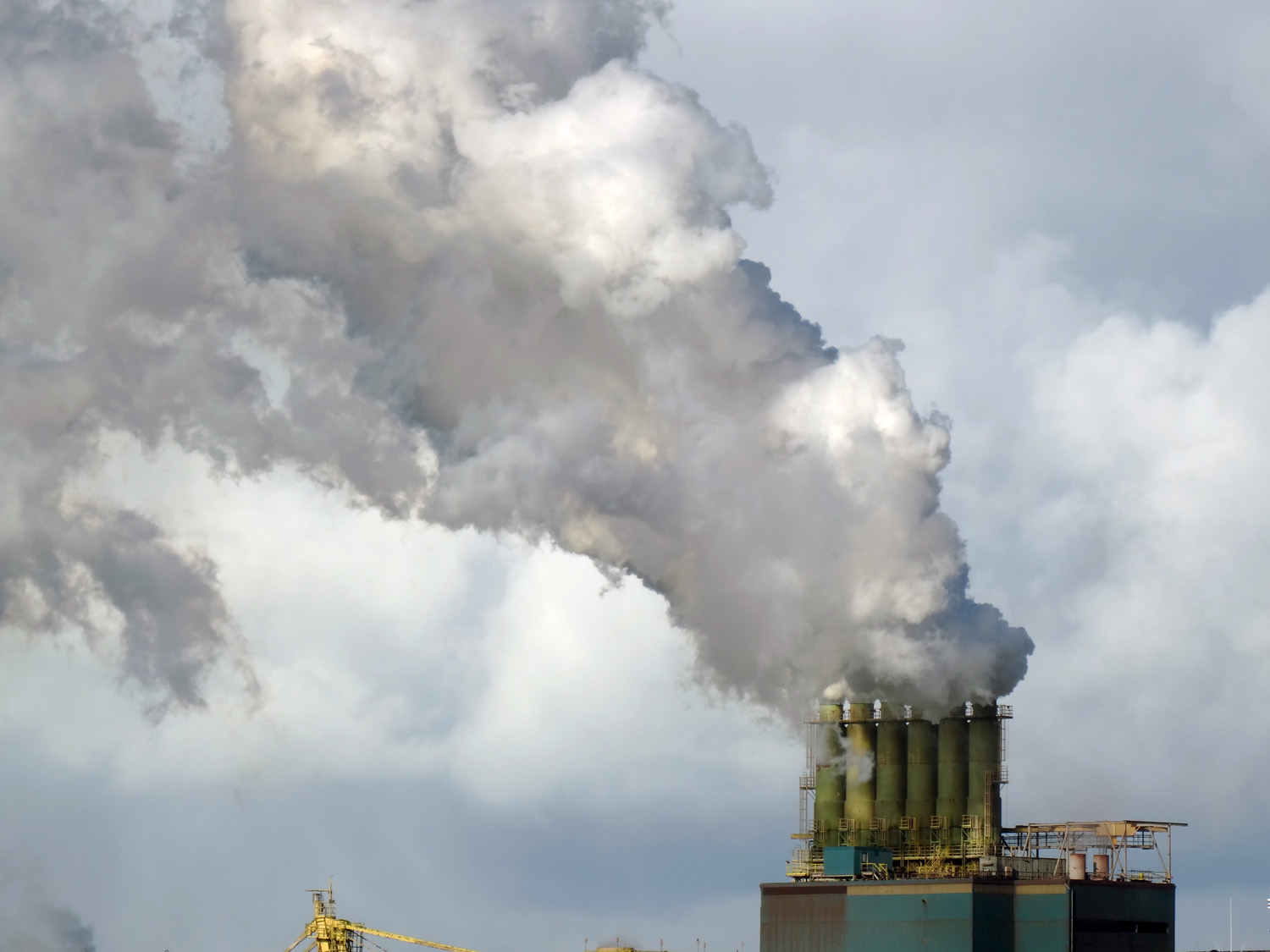 Third, they should not be seen as a sufficient policy on their own, but as just part of the solution to global warming. Legislation to prevent high emissions can be another powerful tool to prevent activities that have high carbon emissions. Examples include banning high-emission vehicles; a requirement for coal-fired power stations and carbon emitting factories to install CO2 scrubbers (filters); and tougher planning regulations for factories that emit carbon. Education to encourage people to cut their own personal use of fossil fuels is another powerful means of influencing behaviour.
A cap-and-trade system, such as the European Emissions Trading Scheme would be an alternative means of cutting carbon efficiently. It involves setting quotas for emissions and allowing firms which manage to cut emissions to sell their surplus permits to less efficient firms. This puts a price pressure on firms to be more efficient. But the quotas (the ‘cap’) must be sufficiently tight if emissions are going to be cut to desired levels.
But, despite being just one possible policy, carbon taxes can make a significant contribution to combatting global warming.
Articles
- Fiscal Policies to Curb Climate Change
IMF blog, Vitor Gaspar, Paolo Mauro, Ian Parry and Catherine Pattillo (10/10/19)
- Energy bills will have to rise sharply to avoid climate crisis, says IMF
The Guardian, Larry Elliott (10/10/19)
- Huge global carbon tax hike needed in next 10 years to head off climate disaster, says IMF
Independent, Chris Mooney and Andrew Freedman (11/10/19)
- World urgently needs to quicken steps to reduce global warming – IMF
Reuters, Lindsay Dunsmuir (10/10/19)
- The Case for a Goldilocks Carbon Tax
Forbes, Roger Pielke (13/9/19)
- The world needs a massive carbon tax in just 10 years to limit climate change, IMF says
Washington Post, Chris Mooney and Andrew Freedman (10/10/19)
- People like the idea of a carbon tax – if the money is put to good use
New Scientist, Michael Le Page (18/9/19)
- The IMF thinks carbon taxes will stop the climate crisis. That’s a terrible idea.
The Guardian, Kate Aronoff (12/10/19)
- Firms ignoring climate crisis will go bankrupt, says Mark Carney
The Guardian, Damian Carrington (13/10/19)
- How central banks can tackle climate change
Financial Times, The editorial board (31/10/19)
- World Economic Forum: Climate change action needed to avoid societal ‘collapse’ says minister
The National, UAE, Anna Zacharias (3/11/19)
- Riots and trade wars: Why carbon taxes will not solve climate crisis
Recharge, Leigh Collins (31/10/19) (Part 1)
- The plethora of effective alternatives to carbon pricing
Recharge, Leigh Collins (31/10/19) (Part 2)
- Are these the real reasons why Big Oil wants a carbon tax?
Recharge, Leigh Collins (31/10/19) (Part 3)
- Do we need carbon taxes in an era of cheap renewables?
Recharge, Leigh Collins (31/10/19) (Part 4)
Report
- How to Mitigate Climate Change
IMF Fiscal Monitor, Ian Parry (team leader), Thomas Baunsgaard, William Gbohoui, Raphael Lam, Victor Mylonas, Mehdi Raissi, Alpa Shah and Baoping Shang (October 2019)
Questions
- Draw a diagram to show how subsidies can lead to the optimum output of green energy.
- What are the political problems in introducing or raising carbon taxes? Examine possible solutions to these problems
- Choose two policies for reducing carbon emissions other than using carbon taxes? Compare their effectiveness with carbon taxes.
- How is game theory relevant to getting international agreement on cutting greenhouse gas emissions? Why is there likely to be a prisoners’ dilemma problem in reaching and sticking to such agreements? How might the problem of a prisoners’ dilemma be overcome in such circumstances?
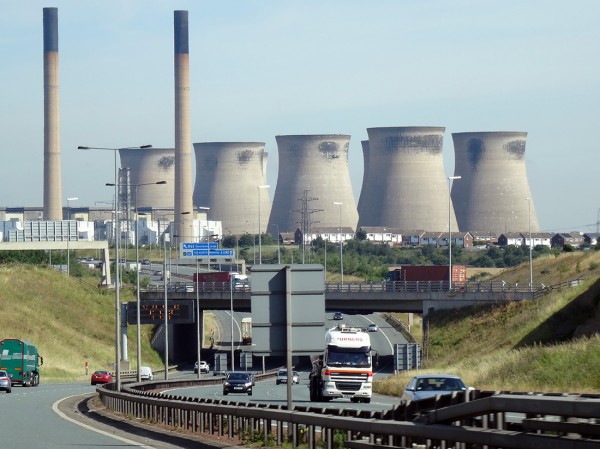 In December, most of the countries of the world will meet in Paris at the 21st annual United Nations Conference of the Parties (COP) on climate change. COP21 ‘will, for the first time in over 20 years of UN negotiations, aim to achieve a legally binding and universal agreement on climate, with the aim of keeping global warming below 2°C.’
When the Copenhagen conference (COP15) ended in disagreement in 2009, few people thought that the increase in renewable energy would be anything like sufficient to prevent global temperatures rising more than 2°C. But things have dramatically changed in the intervening six years.
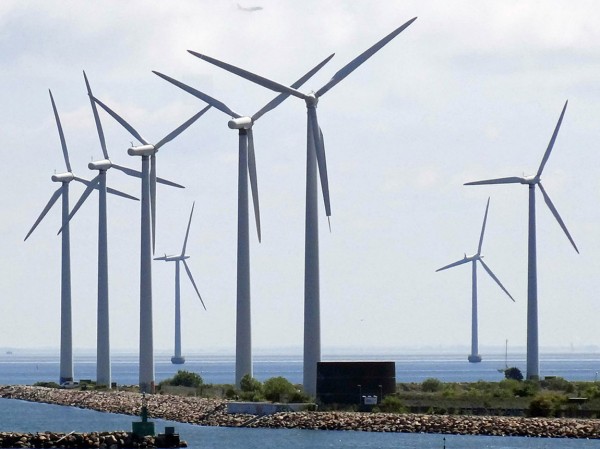
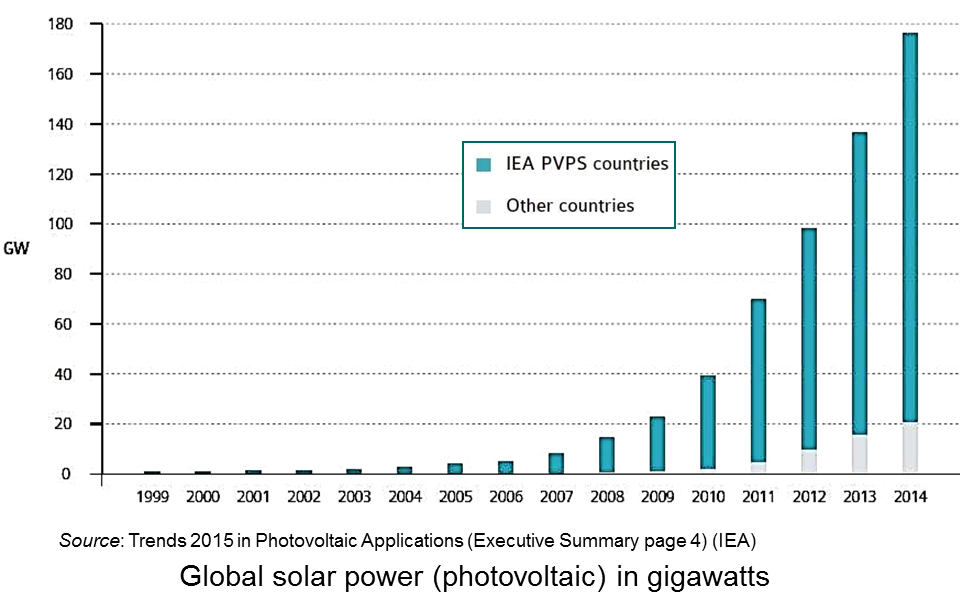 Solar power and other renewables have increased dramatically and the technology for the cleaner burning of fossil fuels, including carbon capture and storage, has developed rapidly.
But perhaps the most important change has been the attitudes of governments. No longer is it a case of Europe and other developed countries moving in the direction of renewables, while developing countries, and, in particular, China and India, argue that their economic development requires a rapid expansion of coal-fired power stations. Now China, India and many other emerging countries are rapidly developing their renewable sectors. This is partly driven by the fall in the costs of renewables and partly by worries that climate change will directly effect them. Now the ‘pro-coal’ countries are in a minority.
 And industry is realising that significant profit is to be made from the development and installation of power plants using renewable energy. This is driving both R&D and investment. As the Telegraph article, linked below, points out, in 2009 ‘the International Energy Agency (IEA) was still predicting that solar power would struggle to reach 20 gigawatts by now. Few could have foretold that it would in fact explode to 180 gigawatts – over three times Britain’s total power output – as costs plummeted, and that almost half of all new electricity installed in the US in 2013 and 2014 would come from solar’.
So is this a good news story? Will real progress be made at COP21 in Paris? The articles explore the issues.
Articles
Paris climate deal to ignite a $90 trillion energy revolution The Telegraph, Ambrose Evans-Pritchard (28/10/15)
OP21 deal critical for low-carbon economy Japan Times, Carlos Ghosn (29/10/15)
Is Solar Without Subsidies Now Viable? Oilprice.com, Michael McDonald (22/10/15)
Policy Paper
The road to Paris and beyond Centre for Climate Change Economics and Policy, Grantham Research Institute on Climate Change and the Environment (LSE), Rodney Boyd, Fergus Green and Nicholas Stern (August 2015)
Report
Energy and Climate Change International Energy Agency (October 2015)
Questions
- What are the drivers for a move from fossil fuels to renewables? Are they similar dirvers in both developed and developing countries?
- What externalities are involved in energy production (a) from fossil fuels; (b) from renewables?
- What policies can be adopted to internalise the externalities?
- What are the merits and problems of a carbon trading scheme? What determines its effectiveness in reducing CO2 emissions?
- Why are more and more investors moving into the renewable energy sector? Could this become a speculative bubble? Explain.
- How might game theory help to explain the process and outcomes of international negotiations over climate change and energy use?
 A ‘Super’ El Nino Is Coming For Southeast Asia. What Happens Next?