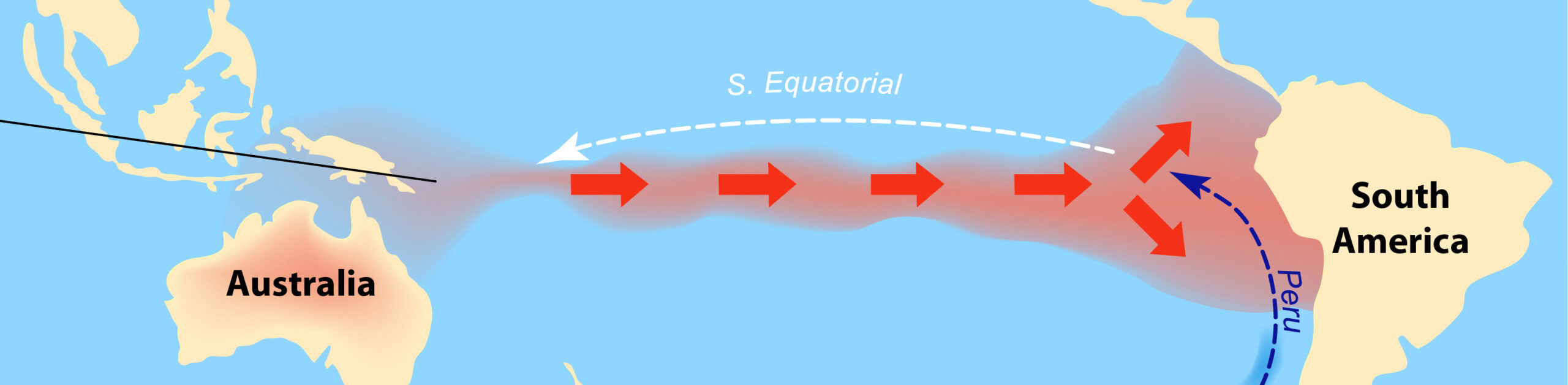
The World Meteorological Organization predicts that a ‘super El Niño’ is building. This has been nicknamed ‘Godzilla’. If forecasts are correct, this will be the most extreme El Niño in 1000 years.
El Niño is a natural phenomenon. It occurs when the surface temperatures in the central and eastern tropical Pacific Ocean warm and cause the trade winds that typically blow from east to west across the Pacific Ocean to weaken or even reverse direction. As well as increasing global temperatures and causing intense heatwaves, it can result in droughts in some parts of the world, such as eastern Australia, south-east Asia and southern Africa, and intense rain and flooding in parts of South America, eastern Africa and south-western North America.
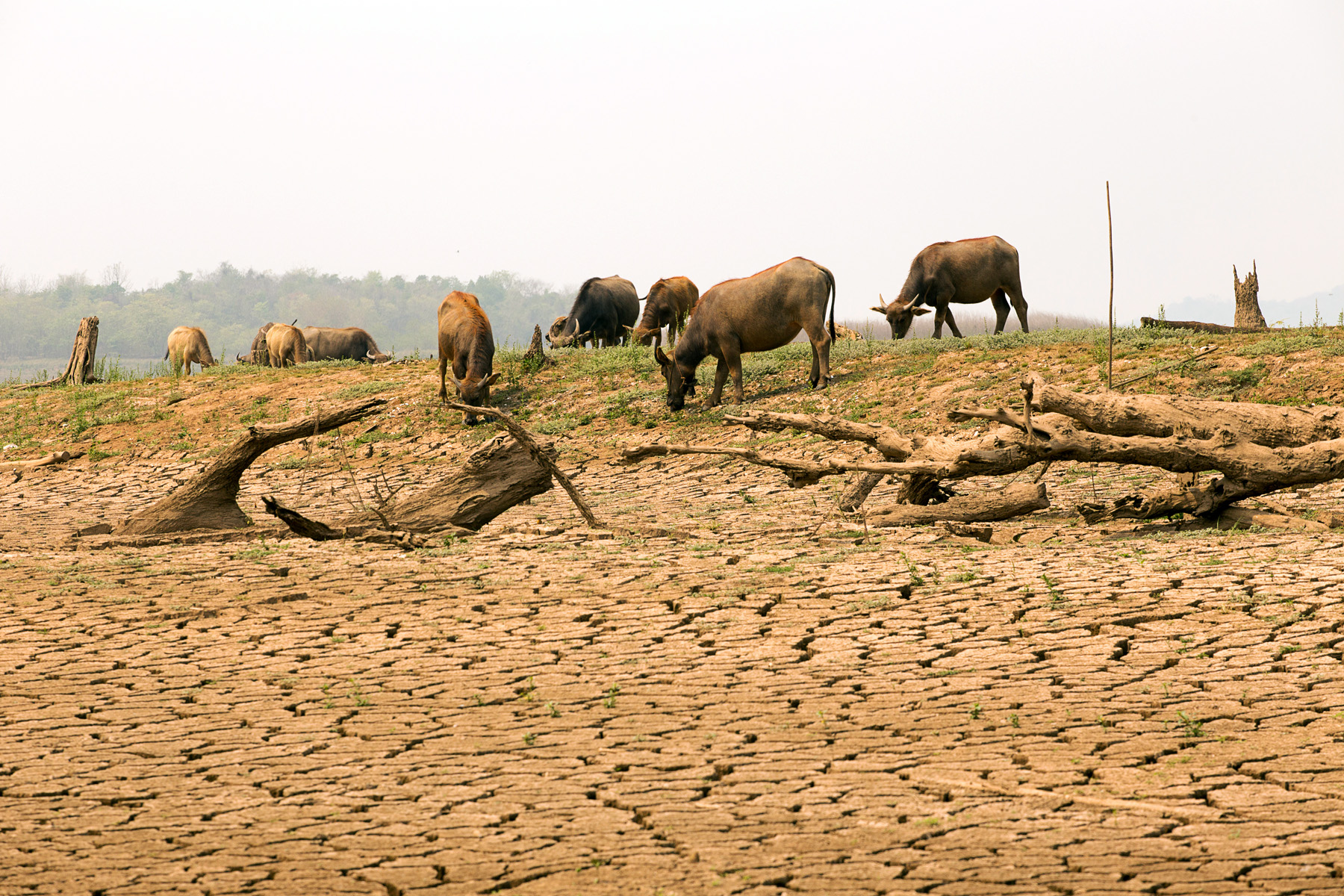
Typically, in an El-Niño event, the surface temperature of the central-eastern equatorial Pacific Ocean rises by 1°C to 1.5°C above the average. In the current El Niño, it is forecast to rise by up to 4°C by the end of 2026 and into 2027. It is already between 2.2°C and 2.6°C above the average. The effects could be catastrophic and hence the term ‘Godzilla’.
Although El Niño is a natural phenomenon, its severity is a direct result of climate change. This in turn is a direct result of economic decisions, and the effects will have severe economic consequences.
The economic causes
Climate change is an external cost of private economic decisions. When people or organisations burn fossil fuels, the climate costs of the CO2 emissions are not borne by the emitter. They are an external cost. This is illustrated in the diagram below, which shows the costs and benefits of electricity production from fossil fuels. (Click here for a PowerPoint.)
In this example, to make things simple, we assume that the external climate costs begin with the first unit of electricity generated and increase at a constant rate. The marginal social cost (MSC) of electricity generation equals the marginal private costs (MPC) to the generating company plus the marginal external cost in production MECP.
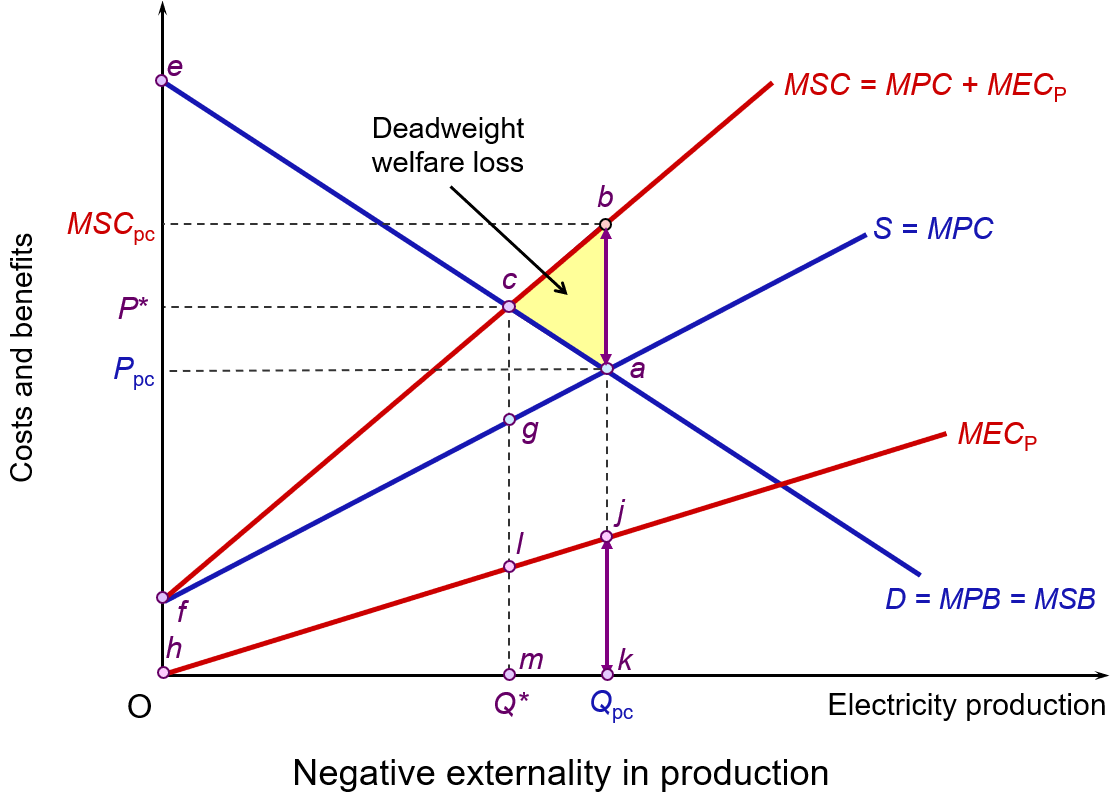 As you can see, the MSC curve is above the MPC curve. The vertical distance between them is equal to the MECP. It is also assumed that there are no externalities in consumption, which means that the marginal social benefit (MSB) curve is the same as the marginal private benefit (MPB) curve.
Competitive market forces, with producers and consumers responding only to private costs and benefits, will result in a market equilibrium at point a: i.e. where demand equals supply. The market equilibrium price is Ppc, while the market equilibrium quantity is Qpc. At Ppc, with no externalities on the consumption side, MPB is equal to MSB. The market price reflects both the private and social benefits from the last unit consumed. However, the presence of external costs in production means that MSC > MPC.
The socially optimal output would be Q*, where P = MSB = MSC, achieved at the socially optimal price of P*. This is illustrated at point c and clearly shows how external costs of production in a perfectly competitive market result in overproduction: i.e. Qpc > Q*. From society’s point of view, too much electricity is being produced from fossil fuels.
Total social surplus equals consumer surplus plus producer surplus minus the external costs. At the market equilibrium (Qpc) this is areas eaPpc+ Ppcaf – fba (or hjk, as it is the same size). At the socially optimal level of output (Q*) total social surplus is areas ecP* + P*cgf – fcg (or hlm).
Although consumer-plus-producer surplus is higher at the market equilibrium (Qpc) than at the socially optimum output (Q*) by the area cag, the external costs are higher still by the area cbag (or ljkm). Therefore, total social surplus at the market equilibrium is smaller than at the socially optimal point by area abc. This is a deadweight welfare loss and represents the excess of social costs over social benefits at all outputs above Q*. Put another way, moving from Qpc to Q* would represent a gain in social surplus of the area abc, as the fall in external costs outweighs the fall in consumer-plus-producer surplus.
One of the reasons why external environmental costs cause problems in a free-market economy is that no one has legal ownership of the atmosphere. Therefore, nobody has the ability either to prevent or to charge for their use as a ‘dumping ground’ for CO2. Such a ‘market’ is missing. Control must, therefore, be left to the government, international organisations, local authorities or regulators.
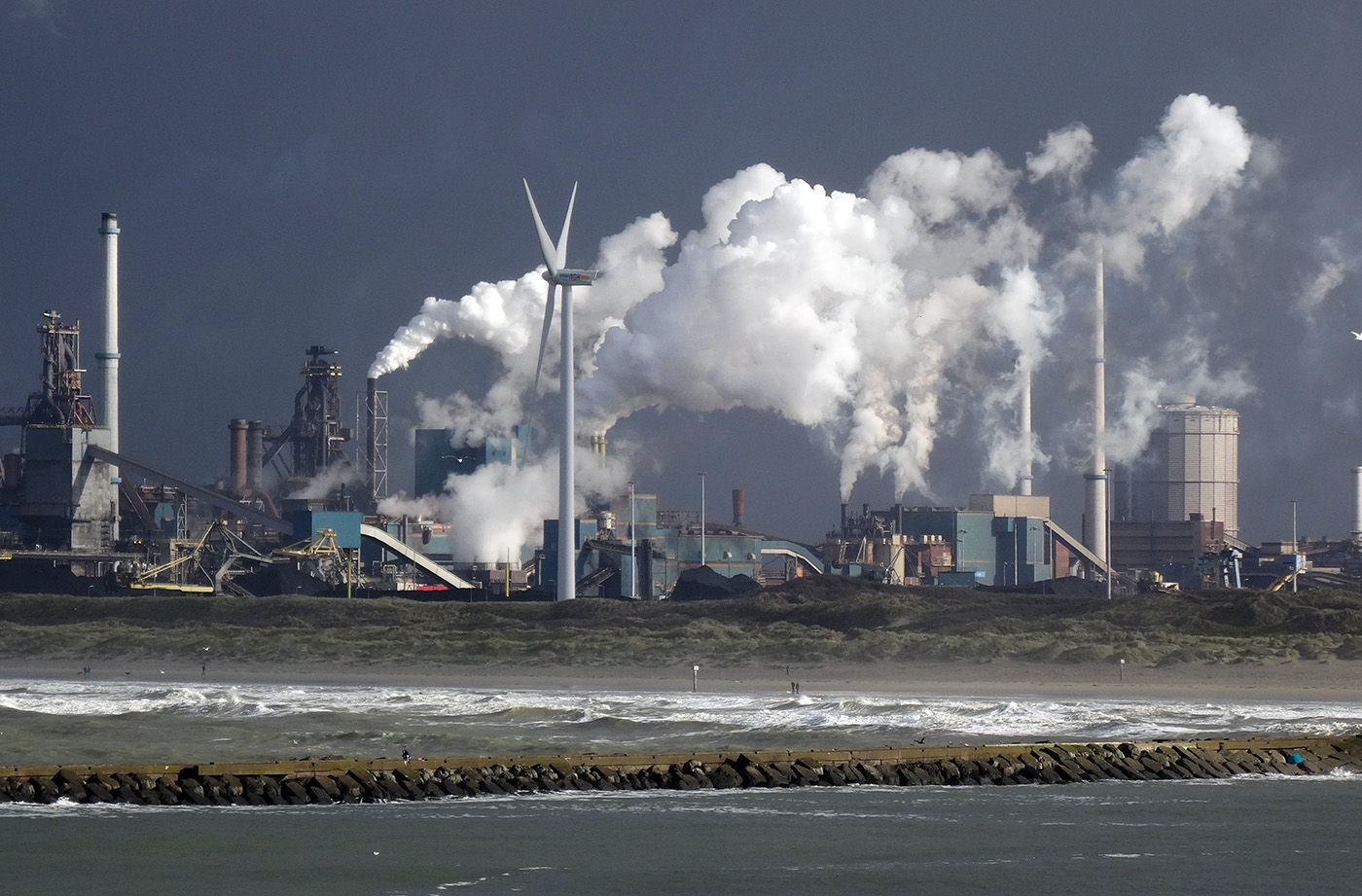 But such control is often too little. For example, when President Trump came to office in January 2025, he announced that the USA would withdraw from the UN’s Paris Agreement on climate change and that his policy towards oil production would be to ‘drill, baby, drill’. Indeed, governments globally spend hundreds of billions of dollars a year in subsidising oil, gas and coal production and its use, partly from pressure from the fossil fuel industry and partly to reduce the cost of living for consumers. This embeds fossil fuel dependence.
Game theory can help to explain the slow process of carbon reduction. For an individual country, such as the USA, it might argue that its optimum solution would be for other countries to cut their emissions, while maintaining its own levels. This approach would yield most of the benefits to the USA and none of the costs. However, when all countries argue like this, no progress is made. It’s a prisoners’ dilemma. Only if countries believe that the other countries will (a) ratify an agreement to cut emissions and (b) stick to the approved terms, is the agreement likely to succeed. This requires trust on all sides as well as the ability to monitor the outcomes.
Another major problem area concerns equity. Most countries will feel that they are being asked to do too much and that others are being asked to do too little. High-income countries will want to adopt a grandfathering approach. The starting point with this approach would be current levels of pollution. Every country would then be required to make the same percentage cut. Low-income countries, on the other hand, will want the bulk of the cuts, if not all of them, to be made by the rich countries. After all, the rich countries produce much higher levels of pollutants per capita than do the poor countries, and curbing growth in low-income countries would have a far more serious impact on levels of absolute poverty.
But will a supersized El Niño persuade countries to make deeper cuts in carbon emissions? In recent months commitments to achieving net zero emissions have waned. But the following economic consequences may encourage some countries to make deeper emissions cuts.
Economic consequences of a Godzilla El Niño
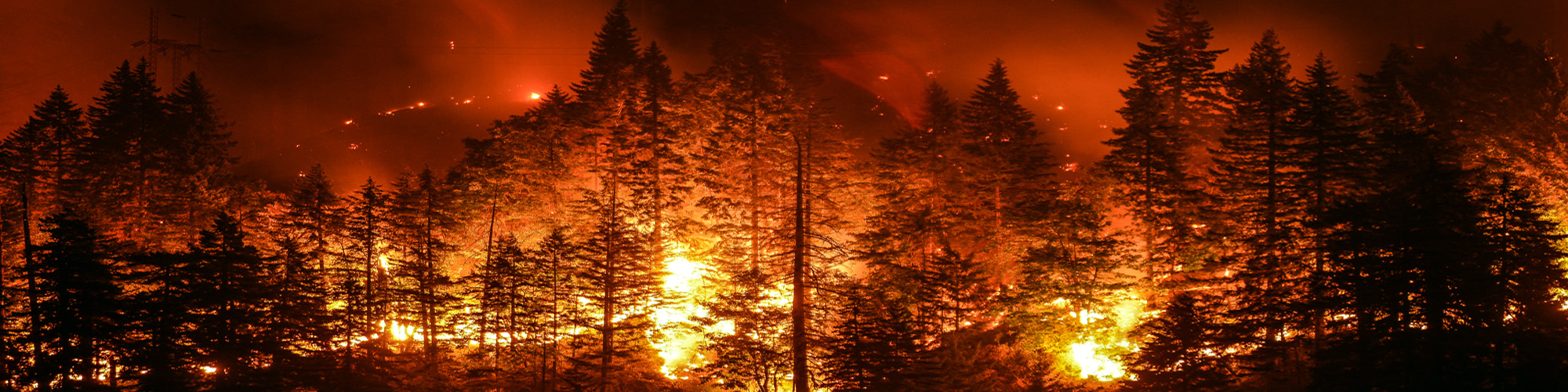
Extreme droughts, heat, wildfires and harvest failures in some areas and extreme rainfall and flooding in others will have severe economic consequences, often for the poorest people. There will be reductions in crop yields and loss of livelihood. Food prices will rise globally. This will add to the inflationary pressures from higher oil prices caused by the Iran war.
Droughts and wildfires in south-east Asia and Australia could have disastrous effects on harvests of palm oil, coffee, cocoa, rice, maize, wheat and various tropical fruits. Droughts and heat reduce output from hydropower and possibly wind energy, and industrial production may slow as a result of extreme heat in workplaces.
In Europe, warmer winters and unusually wet springs promote rapid plant growth. When this is followed by summer heatwaves, the undergrowth dries out and provides fuel for the wildfires. A super El Niño will amplify this. France and Spain have experienced massive wildfires these past few months. In the UK, the 2026 summer has been the hottest on record. The costs in Europe of the heat and wildfires in terms of lost crops and animals have been immense.
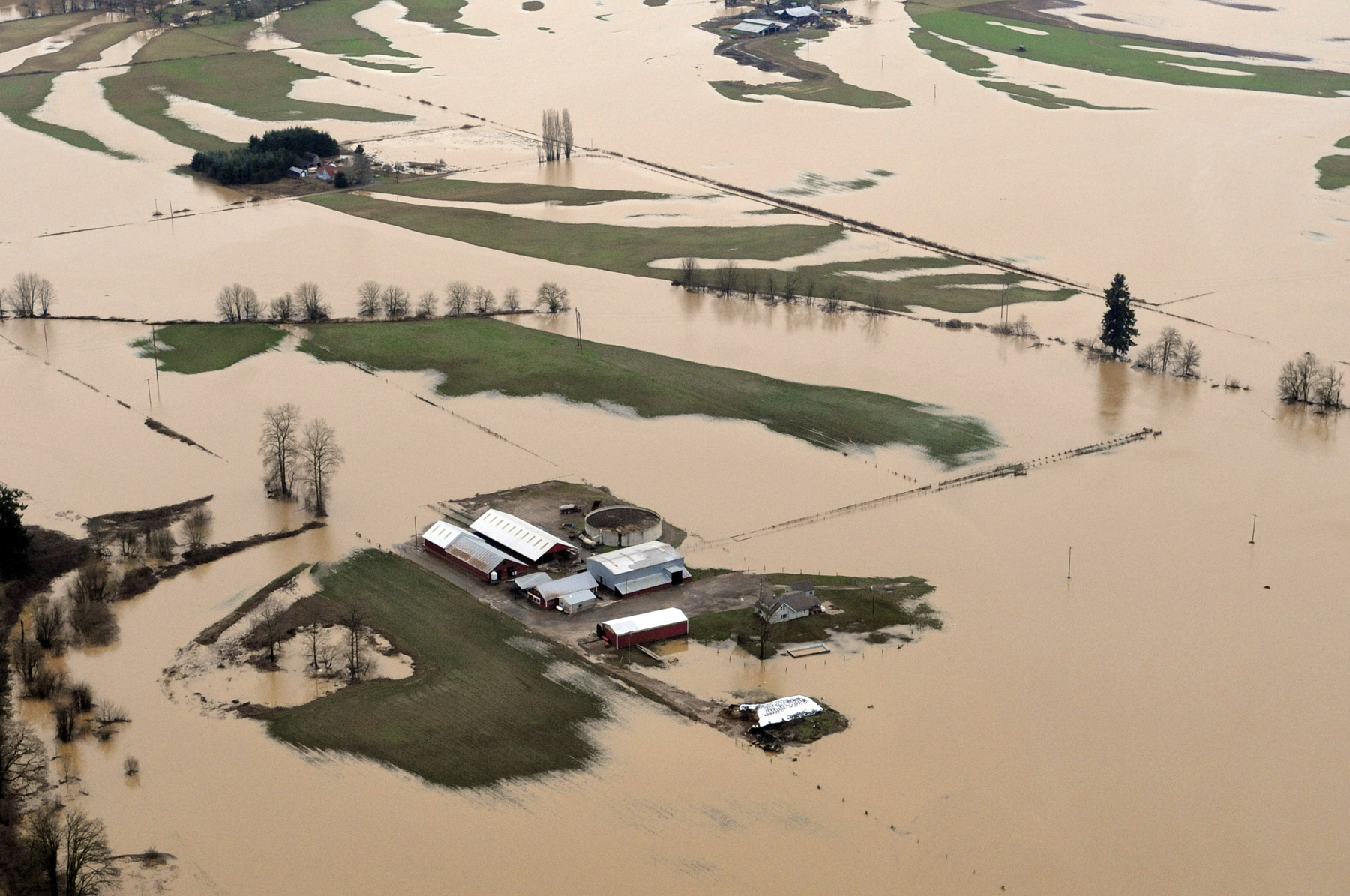 Floods and storms damage roads, power grids, railways and buildings. This forces governments to spend money on repairs instead of long-term investments. People are displaced and many are likely to lose their lives.
Fortunately, El Niños fade after a few months to be replaced by the cooler La Niña. The problem is that, with global warming, the next El Niño in a few years could be even more extreme with even more serious economic consequences.
The hope is that governments wake up to the pressing need to reduce carbon emissions.
Videos and podcast
Information
Articles
- Building climate-resilient agriculture in Europe: an economic perspective
European Environment Agency (17/3/26)
- What Super El Niño Means For Business Supply Chains And The Economy
Forbes, Chloe Demrovsky (25/8/26)
- A summer of extremes: Weathering a hotter world
CBS News, Jonathan Vigliotti (16/8/26)
- Area in Europe affected by wildfires could triple due to climate change
The National (UAE), Tariq Tahir (20/8/26)
- El Niño could drag down the global economy by almost $1 trillion or at least $7 trillion—and the choice is ours
Peterson Institute for International Economics, Cullen S Hendrix (26/7/26)
- UN warns of ‘supersized’ El Niño as countries prepare for impact
BBC News, Esme Stallard, Mark Poynting, Becky Dale, Yvette Tan, Tiffanie Turnbull and Nikita Yadav (3/9/26)
- Toxic haze from wildfires spreads across South East Asia as ‘super’ El Niño intensifies
BBC News (2/9/26)
- A Super El Niño is coming: 5 hard‑won lessons the world can learn from Africa
The Conversation, Tafadzwanashe Mabhaudhi and Mendy Ndlovu (5/7/26)
- ‘Supersizing before our eyes’: UN warns of record El Niño approaching
The Guardian, Damian Carrington (3/9/26)
- ‘Super’ El Niño could cause global food price shock lasting into 2028, analysts say
The Guardian, Richard Partington (12/7/26)
- Without action wildfires in Europe will increase 39% even in best-case climate scenario, study finds
The Guardian, Ajit Niranjan (20/8/26)
- From classrooms to climate action: ICSE 2026 charts new path for sustainability
Economic Times (Times of India) (2/9/26)
Questions
- What is the current state of progress towards meeting the goals of the UN Paris Climate Agreement?
- Are there any externalities in consumption that affect global warming?
- How might technological progress make it privately profitable to reduce carbon emissions?
- How might global supply chains and shipping be affected by a super El Niño?
- What role can education play in tackling climate change and its effects?
Climate change is not just an environmental challenge: its socioeconomic impacts are profound and far-reaching, touching every aspect of society. From agriculture to health, from urban infrastructure to coastal communities, the effects of climate change are evident and escalating.
The far-reaching effects
In agriculture, rising temperatures, more intense and frequent heatwaves and changing precipitation patterns pose significant threats to food security.1, 2 Crop yields decline as extreme weather events become more frequent and unpredictable, leading to increased food prices and economic instability. Smallholder farmers, who often lack the resources to adapt, are particularly vulnerable, exacerbating rural poverty and food insecurity.3
 Coastal communities face the dual threats of sea-level rise and more intense storms.4 Erosion and inundation damage homes, infrastructure and livelihoods, displacing populations and disrupting local economies. The loss of coastal ecosystems further compounds these challenges, reducing natural defences against storm surges and exacerbating the impacts of climate-related disasters.
Health systems strain under the burden of climate-change-induced heatwaves, air pollution and the spread of vector-borne diseases.5, 6 Heat-related illnesses increase as temperatures rise, particularly affecting vulnerable populations such as the elderly and outdoor workers. Air pollution exacerbates respiratory conditions, leading to higher healthcare costs and decreased productivity. Vector-borne diseases, such as malaria and dengue fever, expand into new regions, placing additional strain on already overburdened health systems.
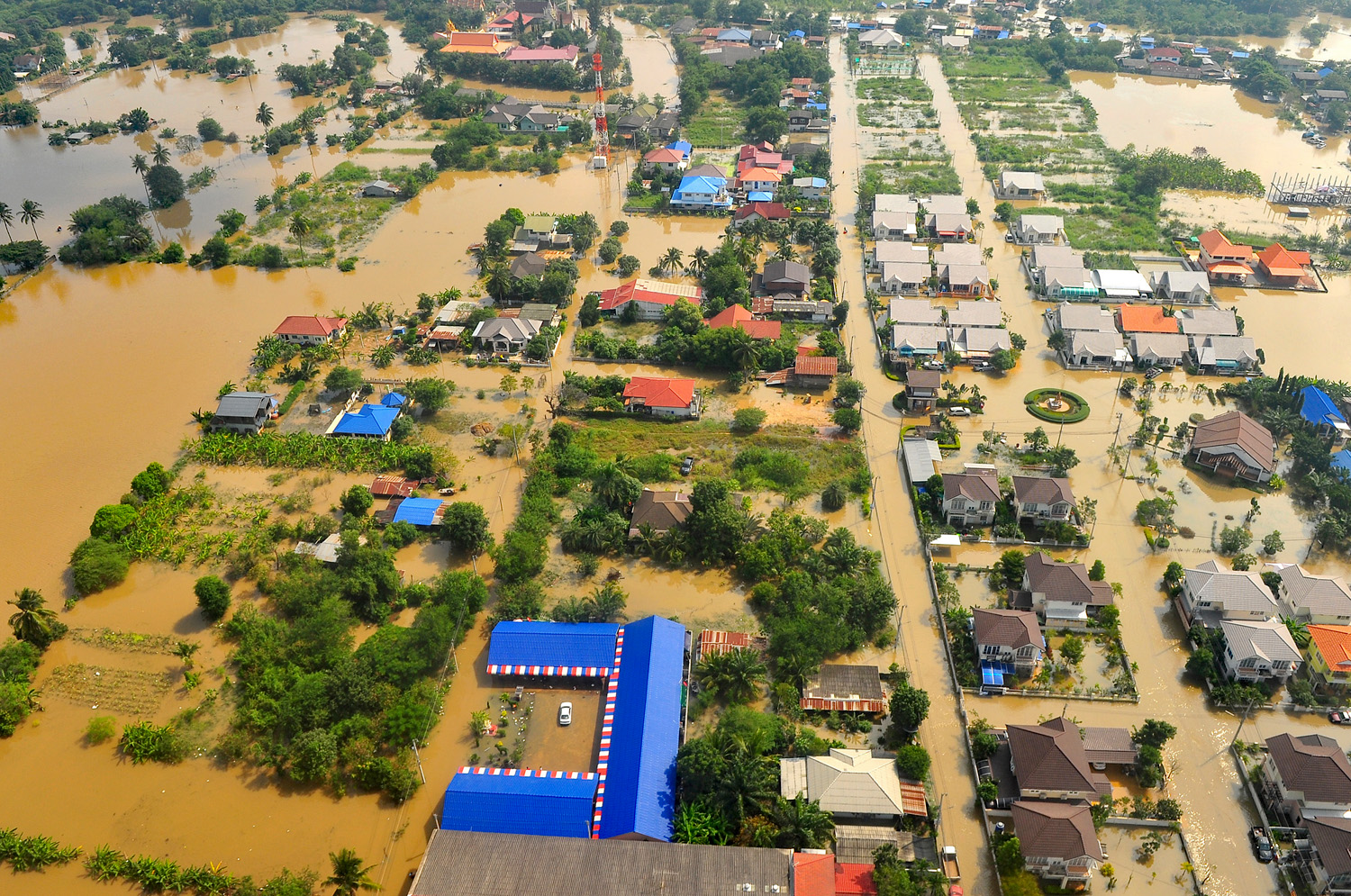 Displacement due to climate-related disasters amplifies social inequalities and challenges urban planning and infrastructure.7 Vulnerable communities, often located in low-lying areas or informal settlements, bear the brunt of climate impacts, facing the loss of homes, livelihoods and community cohesion. Inadequate housing and infrastructure increase the risks associated with extreme weather events, perpetuating cycles of poverty and vulnerability.
Furthermore, climate change exacerbates existing socioeconomic disparities, disproportionately affecting marginalised and vulnerable populations. Indigenous communities, women, children and people living in poverty are often the hardest hit, lacking access to resources, information, and adaptive capacity.8
Policy responses
Addressing the socioeconomic impacts of climate change requires co-ordinated action across sectors and scales. Policy interventions, such as investment in climate-resilient infrastructure and the promotion of sustainable agriculture practices, are essential for building resilience and reducing vulnerability. Community-led initiatives that prioritise local knowledge and empower marginalised groups are also critical for fostering adaptive capacity and promoting social equity.
To address these challenges, projects like CROSSEU, the new €5 million Horizon Europe project (that I have the pleasure to be part of), play a crucial role in enhancing our understanding of these impacts and developing actionable strategies for resilience and adaptation. One of the key contributions of CROSSEU lies in its development of a Decision Support System (DSS) that integrates tools, measures, and policy options to address these risks in a cross-sectoral and cross-regional perspective. This DSS will support (and hopefully improve) decision-making processes at various levels, from local to EU-wide, and facilitate the adoption of evidence-based policies and measures to enhance resilience and mitigate the impacts of climate change.
Would you like to know more about CROSSEU? Follow our journey and be informed of our publications and events in our new webpage: https://crosseu.eu/9
Articles/References
- Global food security under climate change
Proceedings of the National Academy of Sciences, Josef Schmidhuber and Francesco N Tubiello (11/12/2007)
- Reducing risks to food security from climate change
Global Food Security, Bruce M Campbell et al. (2016: 11, pp 34–43)
- The value-add of tailored seasonal forecast information for industry decision making
Climate, Clare Mary Goodess et al (16/10/2022)
- Assessing climate change impacts, sea level rise and storm surge risk in port cities: a case study on Copenhagen
Climatic change, Stéphane Hallegatte, Nicola Ranger, Olivier Mestre, Patrice Dumas, Jan Corfee-Morlot, Celine Herweijer and Robert Muir Wood (7/12/2010)
- Health risks of climate change: An assessment of uncertainties and its implications for adaptation policies
Environmental Health, J Arjan Wardekker, Arie de Jong, Leendert van Bree, Wim C Turkenburg and Jeroen P van der Sluijs (19/9/2012)
- Climate Change and Temperature-related Mortality: Implications for Health-related Climate Policy
Biomedical and Environmental Sciences, Tong Shi Lu, Jorn Olsen and Patrick L Kinney (2021: 34(5) pp 379–86 )
- Climate Change, Inequality, and Human Migration
IZA Discussion Paper No. 12623, Michał Burzyński, Christoph Deuster, Frédéric Docquier and Jaime de Melo (23/9/2019)
- The trap of climate change-induced “natural” disasters and inequality
Global Environmental Change, Federica Cappelli, Valeria Costantini and Davide Consoli (30/7/2021)
- Cross-sectoral Framework for Socio-Economic Resilience to Climate Change and Extreme Events in Europe
UEA Research Project, Nicholas Vasilakos, Katie Jenkins and Rachel Warren
Questions
- How do the socioeconomic impacts of climate change differ between rural and urban communities? What factors contribute to these disparities, and how can policies address them effectively?
- In what ways do vulnerable populations, such as indigenous communities and those living in poverty, bear the brunt of climate change impacts? How can we ensure that climate adaptation strategies prioritise their needs and promote social equity?
- The blog mentions the importance of community-led initiatives in building resilience to climate change. What examples of successful community-based adaptation projects can you identify, and what lessons can be learned from their implementation?
- How can governments and organisations collaborate to address the socioeconomic impacts of climate change while also promoting economic growth and development? What role do cross-sectoral partnerships play in building resilience and fostering sustainable practices?
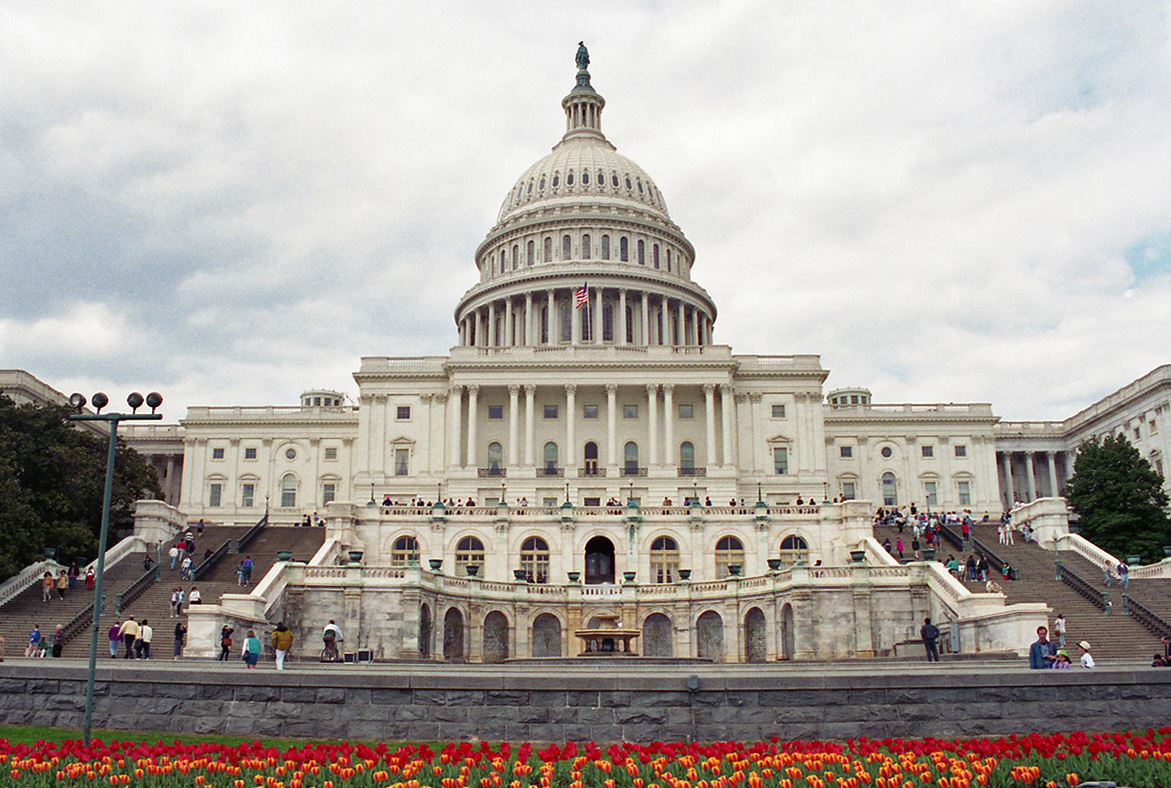 Back in November, when Joe Biden had just been elected, we considered some of his proposed policies to tackle climate change (see A new era for climate change policy?). On 20th January, the day of his inauguration, he signed 17 executive orders overturning a range of policies of the Trump presidency. Further executive orders followed. Some of these related directly to climate change.
The first was to cancel the Keystone XL oil pipeline project. If it had gone ahead, it would have transported 830 000 barrels of oil per day from the Alberta tar sands in Canada to refineries on the Gulf Coast of Texas. It would have involved building a new pipeline from Alberta to Nebraska, where it would have linked to an existing pipeline to Texas. Extracting oil from tar sands is a particularly dirty process, involves cutting down large areas of forest (a carbon sink) and total emissions are around 20% greater per barrel than from conventional crude.
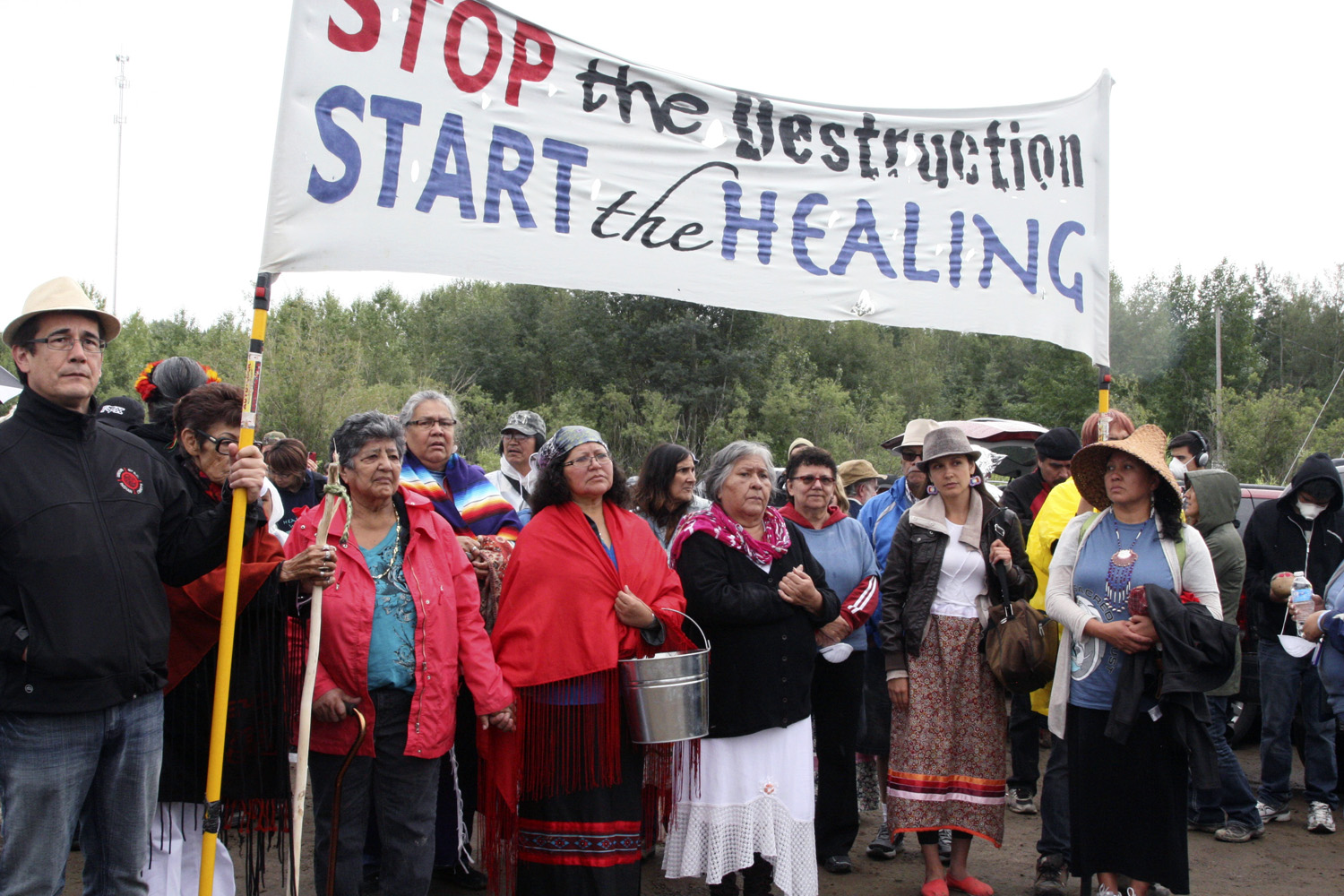 The pipeline would have cut across First Nations land and any spills would have been highly toxic to the local environment. In terms of profitability, returns on tar sands oil extraction and transportation are very low. This is likely to remain the case as oil prices are likely to remain low, with greater global energy efficiency and the switch to renewables.
Critics of Biden’s decision argue that the pipeline project would have created some 5000 to 6000 temporary jobs in the USA during the two-year construction phase. Also they claim that it would have contributed to greater energy security for the USA.
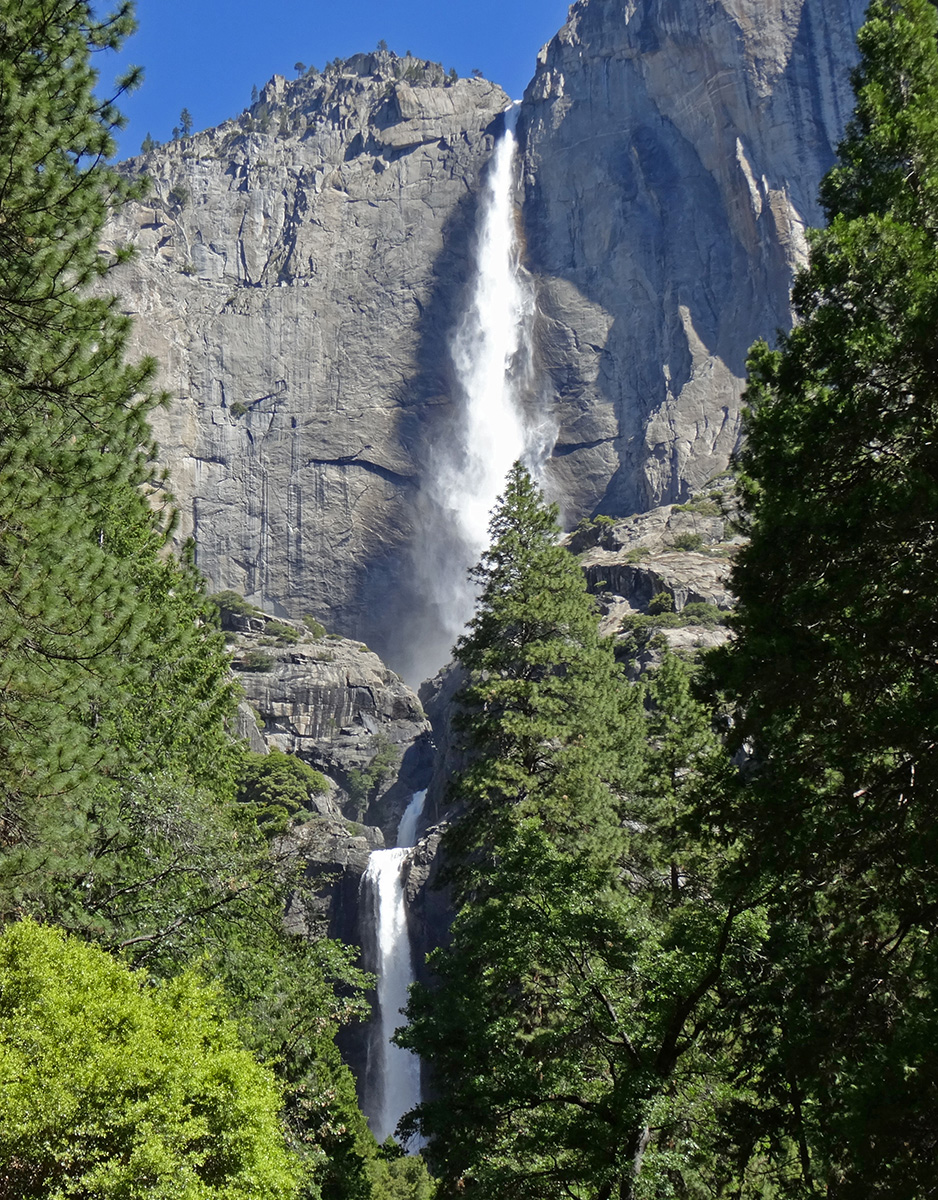 The second executive order was to rejoin the Paris Climate Agreement, a process that will take 30 days. Rejoining will involve commitments to cut greenhouse gas emissions and the adoption of various measures to bring this about. During the election campaign, Biden pledged to achieve economy-wide net-zero emissions no later than 2050. As we saw in the previous blog, under Biden the USA will play a leading role in the November 2021 UN COP26 climate change conference in Glasgow.
At present, the Paris agreement is for countries to aim to reach a peak of greenhouse gas emissions as soon as possible to achieve a climate neutral world by mid-century. Many countries have have made commitments about when they aim to achieve carbon neutrality, although concrete action is much more limited. It is hoped that the COP26 conference will lead to stronger commitments and actions and that the USA under Biden will play a leading part in driving this forward.
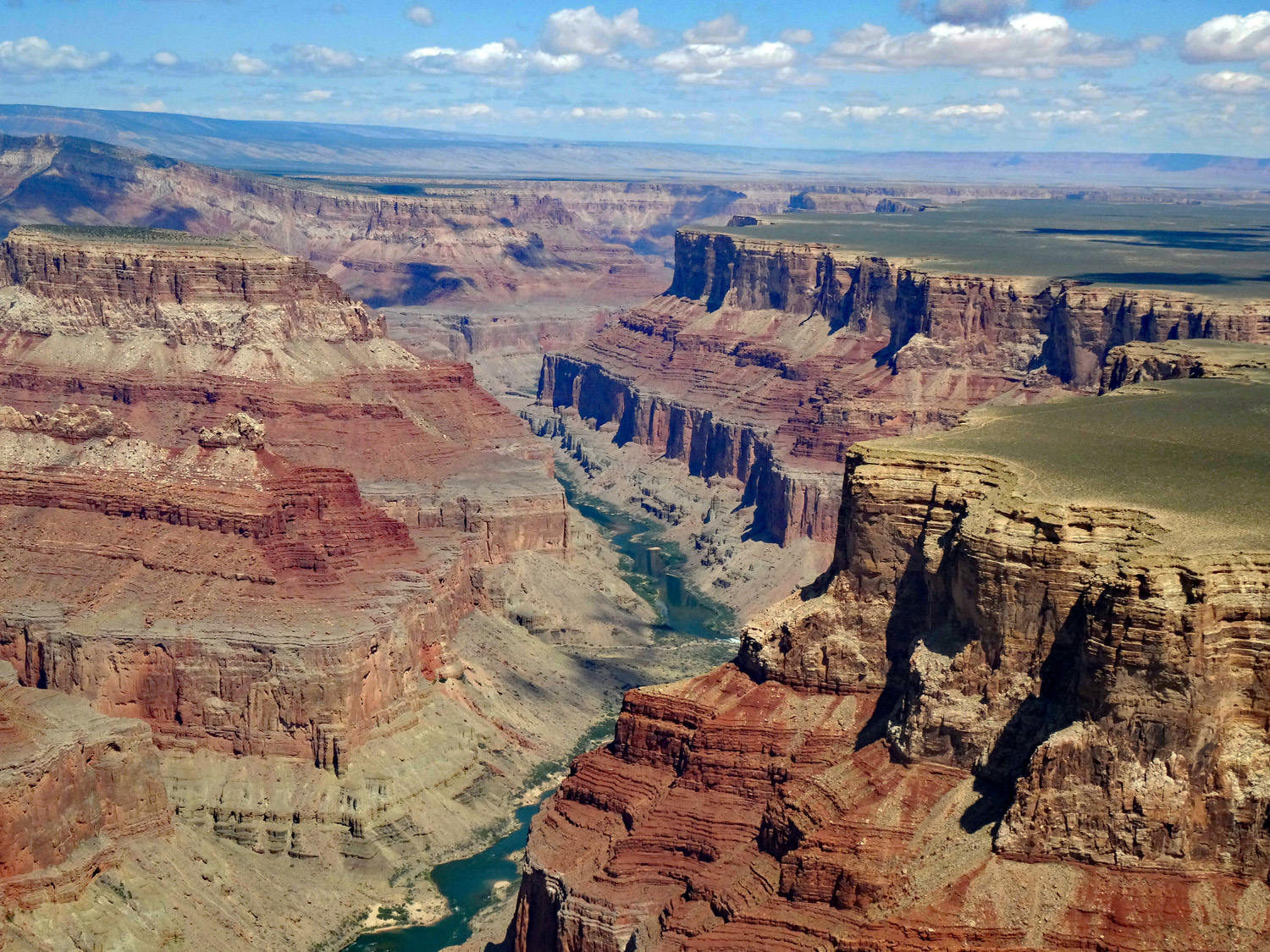 In addition, to cancelling the Keystone XL pipeline and rejoining the Paris Agreement, the executive orders reversed more than 100 other decisions with negative environmental effects taken by the Trump administration – many overturning environmental measures introduced by previous administrations, especially the Obama administration.
These orders included reversing the easing of vehicle emissions standards; stopping reductions in the area of two major national monuments (parks) in Utah; enforcing a temporary moratorium on oil and natural gas leases in Alaska’s Arctic National Wildlife Refuge; and re-establishing a working group on the social costs of greenhouse gasses.
Then there will be new measures, such as adopting strict fuel economy standards and investment in clean public transport. But it remains to be seen how far and fast the Biden administration can move to green the US economy. With the desire for bipartisanship and seeking an end to the divisive policies of Trump, there may be limits to what the new President can achieve in terms of new legislation, especially with a Senate divided 50:50 and only the casting vote of the chair (Kamala Harris as Vice-President) being in Democrat hands.
The articles below consider the various green policies and how likely they are to succeed in their objectives.
Articles
- Climate change: Biden’s first act sets tone for ambitious approach
BBC News, Matt McGrath (20/1/21)
- Biden nixes Keystone XL permit, halts Arctic refuge leasing
The Hill, Rachel Frazin (20/1/21)
- Biden’s return to Paris pact just a first step for U.S. climate action
Reuters, Megan Rowling (20/1/21)
- Court Decision Lets Biden Set New Emissions Rules To Meet Paris Agreement Climate Goals
Forbes, Allan Marks (20/1/21)
- Biden to ‘hit ground running’ as he rejoins Paris climate accords
The Guardian, Oliver Milman (19/1/21)
- What could a Biden-Harris administration mean for the planet?
Euronews, Marthe de Ferrer (20/1/21)
- Ask a Scientist: What Should the Biden Administration and Congress Do to Address the Climate Crisis?
ecoWatch, Elliott Negin (18/1/21)
- Biden marks Day One with burst of orders reversing Trump policies on climate and health
Science Business, Éanna Kelly (21/1/21)
- What Is the Paris Climate Agreement That Joe Biden Will Rejoin, Why Did Donald Trump Leave?
Newsweek, Kashmira Gander (18/1/21)
Questions
- Find out what other environmental policies are being pursued by President Biden and assess their likely effectiveness in achieving their environmental objectives.
- Would policies to reduce carbon emissions necessarily be desirable? How would you assess their desirability?
- When is it best to use the ‘precautionary principle’ when devising environmental policies?
- To what extent is game theory relevant in understanding the difficulties and opportunities of developing internationally agreed policies on carbon reduction?
- If the objective is to tackle global warming, is it better to seek international agreement on limiting the extent of global warming or international agreement on carbon reduction? Explain.
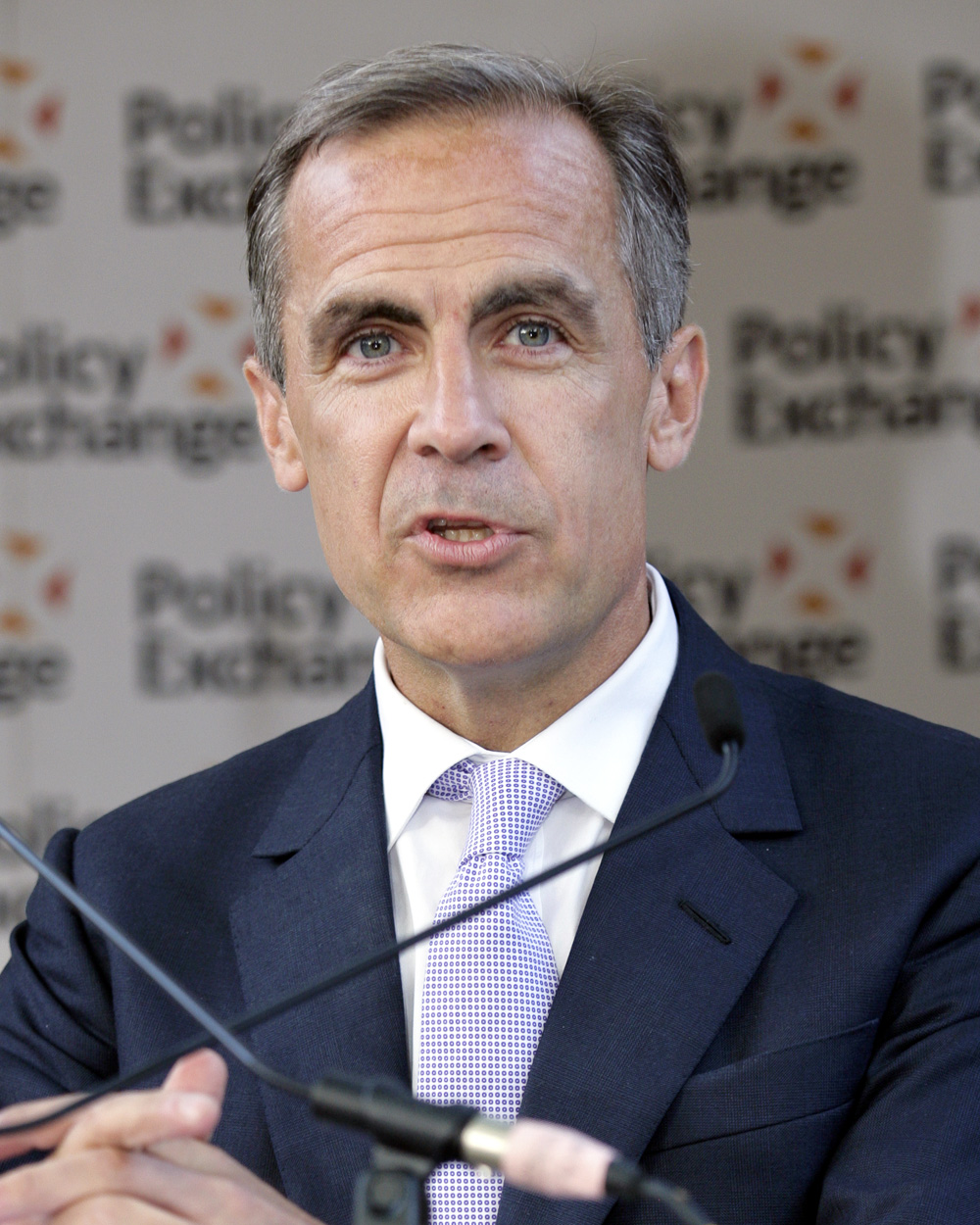 Each year the BBC hosts the Reith Lectures – a series of talks given by an eminent person in their field. This year’s lecturer is Mark Carney, former Governor of the Bank of England. His series of four weekly lectures began on 2 December 2020. Their topic is ‘How we get what we value’. As the BBC site states, the lectures:
chart how we have come to esteem financial value over human value and how we have gone from market economies to market societies. He argues that this has contributed to a trio of crises: of credit, Covid and climate. And the former Bank of England governor will outline how we can turn this around.
 In lectures 2, 3 and 4, he looks at three crises and how they have shaped and are shaping what we value. The crises are the financial crisis of 2007–9, the coronavirus pandemic and the climate crisis. They have challenged how we value money, health and the environment respectively and, more broadly, have prompted people to question what is valuable for individuals and society, both today and into the future.
The questions posed by Carney are how can we establish what is valuable to individuals and society, how well are such values met by economies and how can mechanisms be improved to ensure that we make the best use of resources in meeting those values.
Value and the market
In the first lecture he probes the concept of value. He explores how economists and philosophers have tried to value the goods, services and human interactions that we desire.
First there is ‘objective value’ propounded by classical economists, such as Adam smith, David Ricardo and Karl Marx. Here the value of goods and services depends on the amount of resources used to make them and fundamentally on the amount of labour. In other words, value is a supply-side concept.
This he contrasts with ‘subjective value’. Here the value of goods and services depends on how well they satisfy wants – how much utility they give the consumer. For these neoclassical economists, value is in the eye of the beholder; it is a demand-side concept.
The two are reconciled in the market, with market prices reflecting the balance of demand and supply. Market prices provided a solution to the famous diamonds/water paradox (see Box 4.2 in Economics (10th edition) or Case Study 4.3 in Essentials of Economics (8th edition) – the paradox of ‘why water, which is essential for life, is virtually free, but diamonds, which have limited utility beyond their beauty, are so expensive.’ The answer is to do with scarcity and marginal utility. Because diamonds are rare, the marginal utility is high, even though the total utility is low. And because water is abundant, even though its total utility is high, for most people its marginal utility is low. In other words, the value at the margin depends on the balance of demand and supply. Diamonds are much scarcer than water.
But is the market balance the right balance? Are the values implied by the market the same as those of society? ‘Why do financial markets rate Amazon as one of the world’s most valuable companies, but the value of the vast region of the Amazon appears on no ledger until it’s stripped of its foliage and converted into farmland?’ – another paradox highlighted by Carney.
It has long been recognised that markets fail in a number of ways. They are not perfect, with large firms able to make supernormal profits by charging more and producing less, and consumers often being ill-informed and behaving impulsively or being swayed by clever marketing. And many valuable things that we experience, such as human interaction and the beauty of nature, are not bought and sold and thus do not appear in measures of GDP – one of the main ways of valuing a country.
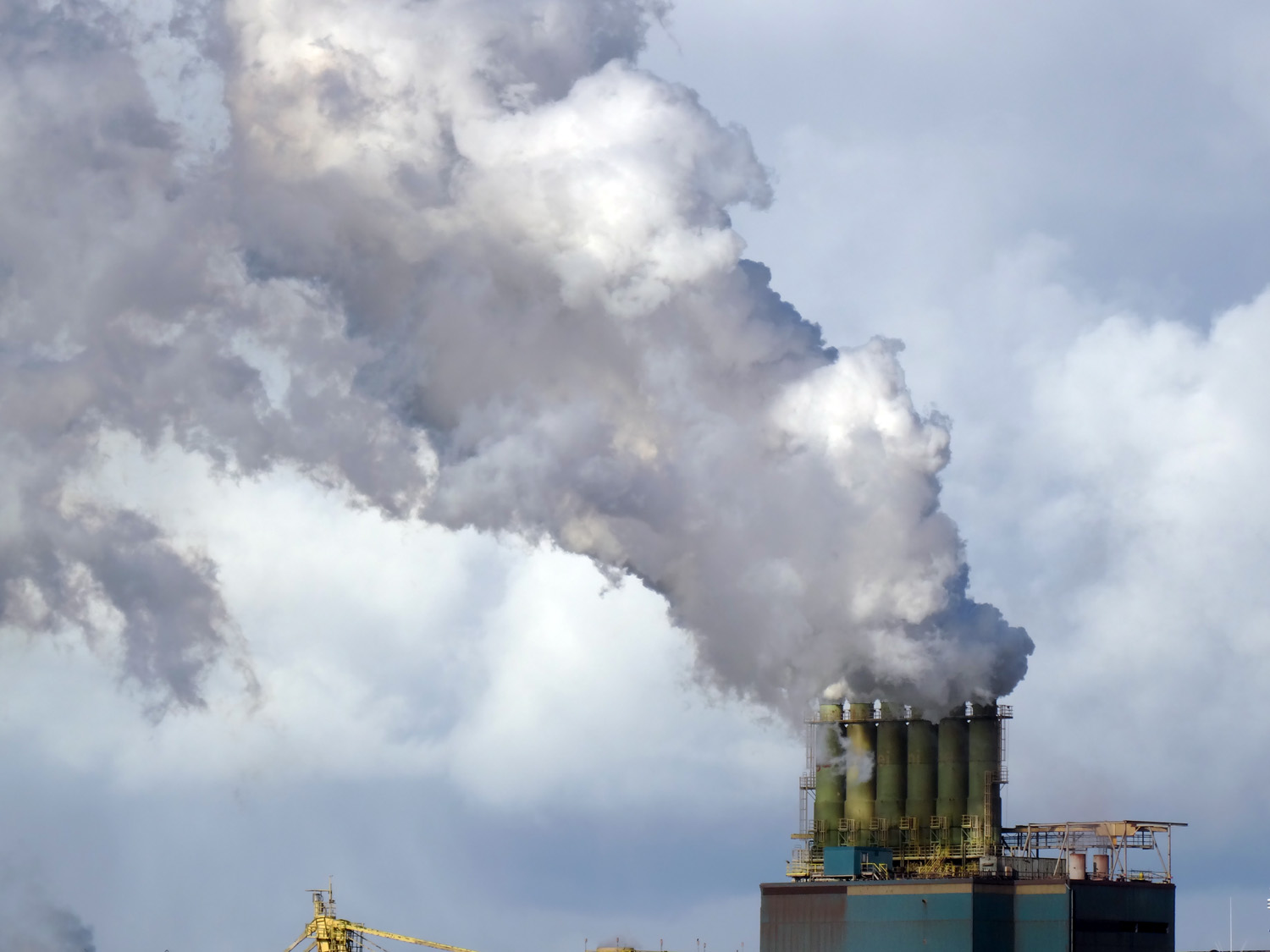 What is more, many of things that are produced in the market have side-effects which are not reflected in prices. These externalities, whether good or bad, can be substantial: for example, the global warming caused by CO2 emissions from industry, transport and electricity production from fossil fuels.
And markets reflect people’s biases towards the present and hence lead to too little investment for the future, whether in healthcare, the environment or physical and social infrastructure. Markets reflect the scant regard many give to the damage we might be doing to the lives of future generations.
What is particularly corrosive, according to Carney, is the
drift from moral to market sentiments. …Increasingly, the value of something, some act or someone is equated with its monetary value, a monetary value that is determined by the market. The logic of buying and selling no longer applies only to material goods, but increasingly it governs the whole of life from the allocation of healthcare, education, public safety and environmental protection. …Market value is taken to represent intrinsic value, and if a good or activity is not in the market, it is not valued.
The drift from moral to market sentiments accelerated in the Thatcher/Regan era, when governments were portrayed as inefficient allocators, which stifled competition, innovation and the movement of capital. Deregulation and privatisation were the order of the day. This, according to Carney, ‘unleashed a new dynamism’ and ‘with the fall of communism at the end of the 1980s, the spread of the market grew unchecked.’
But this drift failed to recognise market failures. It has taken three crises, the financial crisis, Covid and the climate crisis to bring these failures to the top of the public agenda. They are examined in the other three lectures.
The Reith Lectures
Questions
- Distinguish between objective and subjective value.
- If your income rises, will you necessarily be happier? Explain.
- How is the concept of diminishing marginal utility of income relevant to explaining why ‘A Christmas bonus of £1000 means less to Mark Zuckerberg then £500 does to someone on a minimum wage.’
- Does the use of social cost–benefit analysis enable us to use adjusted prices as a measure of value?
- Listen to lectures 2, 3 and 4 and provide a 500-word summary of each.
- Assess the arguments Mark Carney uses in one of these three lectures.
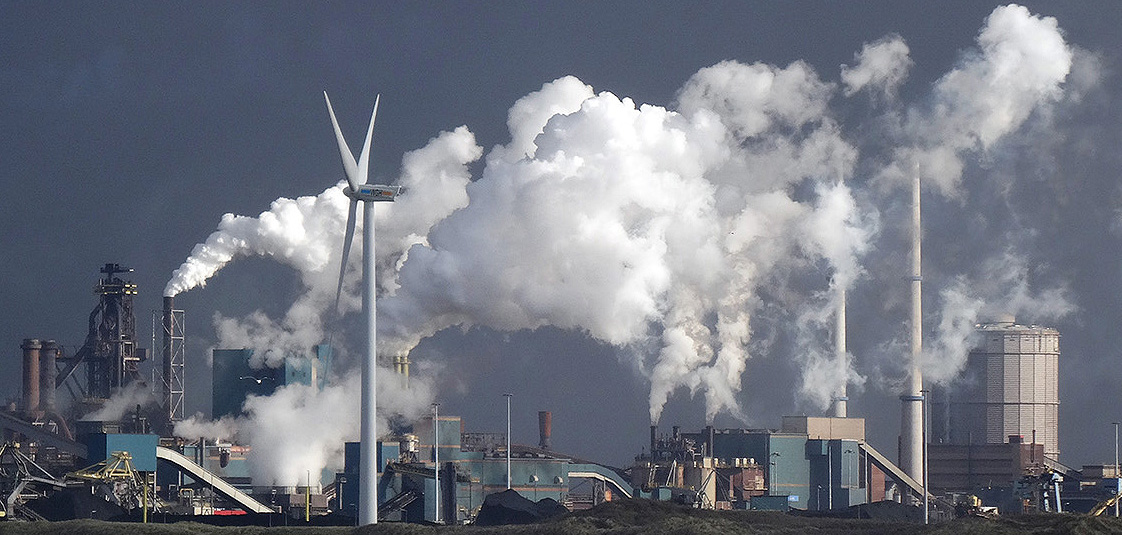
With the election of Joe Biden, the USA will have a president committed to tackling climate change. This is in stark contrast to Donald Trump, who has been publicly sceptical about the link between human action and climate change and has actively supported the coal, oil and gas industries and has rolled back environmental protection legislation and regulation.
 What is more, in June 2017, he announced that the USA would withdraw from the UN Paris Accord, the international agreement to cut greenhouse gas emissions so as to limit global warming to ‘well below’ 2°C above pre-industrial levels with efforts to limit it to 1.5°C. The USA’s withdrawal was finalised on 4 November 2020, a day after the US election. Joe Biden, however, pledged to rejoin the accord.
A growing number of countries are pledging to achieve carbon neutrality by mid-century or earlier. The EU is planning to achieve a 55% cut in greenhouse gas emissions by 2030 so as to reach neutrality by 2050. This will involve various taxes, subsidies and public investment. Similar pledges to achieve net zero emissions by 2050 have been made by Japan and South Korea and by 2060 by China. In the UK, legislation was passed requiring the government to reduce the UK’s net emissions 100% relative to 1990 levels by 2050 and thereby achieve net zero emissions.
Constraints on action
Short-termism. One of the problems with setting targets a long time in the future is that they take away the urgency to act now. There are huge time lags between introducing policies to curb carbon emissions and their impact on the climate. The costs of such policies for business and consumers, however, are felt immediately in terms of higher taxes and/or higher prices. Thus politicians may be quick to make long-term pledges but reluctant to take firm measures today. Instead they may prefer to appease various pressure groups, such as motoring organisations, and cut fuel taxes, or, at least, not raise them. Politically, then, it may be easier to focus policy on the short term and just make pledges without action for the future.
Externalities. Various activities that cause carbon emissions, whether directly, such as heavy industry, dairy farming, aviation and shipping, or indirectly, such as oil and coal production, thereby impose environmental costs on society, both at home and abroad. These costs are negative externalities and, by their nature, are not borne by those who produce them. There are often powerful lobbies objecting to any attempt to internalise these externalities through taxes, subsidising green alternatives or regulation. Take the case of the USA. Fossil fuel producers, energy-intensive industries and farmers all claim that green policies will damage their businesses, leading to a loss of profits and jobs. These groups were courted by Donald Trump.
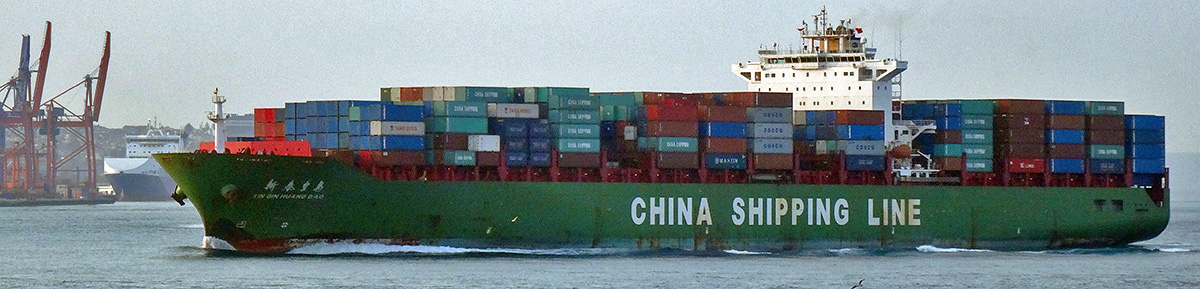
International competition. Countries may well be reluctant to impose green taxes or tough environmental regulation on producers, when competitors abroad do not face such constraints. Indeed, some countries are actively promoting dirty industries as part of their policies to stimulate economic recovery from the Covid-induced recession. Such countries include China, Russia and Turkey. This again was a major argument used in the Trump campaign that US industries should not be hobbled by environmental constraints but should be free to compete.
Misinformation. Politicians, knowing that taking tough environmental measures will be unpopular with large numbers of people, may well downplay the dangers of inaction. Some, such as Trump in America and Bolsonaro in Brazil deliberately appeal to climate change deniers or say that technology will sort things out. This makes it hard for other politicians to promote green policies, knowing that they will face scepticism about the science and the efficacy of their proposed policies.
Biden’s climate change policy
 Although it will be difficult to persuade some Americans of the need for tougher policies to tackle climate change, Joe Biden has already made a number of pledges. He has stated that under his administration, the USA will rejoin the Paris Climate Agreement and will play a leading role in the November 2021 UN COP26 climate change conference summit in Glasgow. He has also pledged a Clean Energy Revolution to put the USA on an ‘irreversible path to achieve economy-wide net-zero emissions no later than 2050’.
But readopting the pledges under the Paris Agreement and advocating a clean energy revolution are not enough on their own. Specific measures will need to be taken. So, what can be done that is practical and likely to meet with the approval of the majority of Americans or, at least, of Biden’s supporters?
For a start, he can reintroduce many of the regulations that were overturned by the Trump administration, such as preventing oil and gas companies from flaring methane on public lands. He could introduce funding for the development of green technology. He could require public buildings to use green energy.
According to the Clean Energy Revolution, the US government will develop ‘rigorous new fuel economy standards aimed at ensuring 100% of new sales for light- and medium-duty vehicles will be zero emissions and annual improvements for heavy duty vehicles’.
 One of the biggest commitments is to tackle external costs directly by enacting ‘legislation requiring polluters to bear the full cost of their climate pollution’. This may be met with considerable resistance from US corporations. It is thus politically important for Biden to stress the short-term benefits of his policies, not just the long-term ones.
Given the damage done to the economy by the spread of the pandemic, perhaps the main thing that Biden can do to persuade people of the benefits to them of his policies is to focus on green investment and green jobs. Building a green energy infrastructure of wind, solar and hydro and investing in zero-emissions vehicles and charging infrastructure will provide jobs and lead to multiplier effects throughout the economy.
Articles
- Trump Administration Removes Scientist in Charge of Assessing Climate Change
The New York Times, Christopher Flavelle, Lisa Friedman and Coral Davenport (9/11/20)
- As U.S. leaves Paris accord, climate policy hangs on election outcome
The Washington Post, Brady Dennis, Juliet Eilperin and Dino Grandoni (5/11/20)
- Where next for US action on Climate Change?
British Foreign Policy Group, Evie Aspinall (11/11/20)
- Media reaction: What Joe Biden’s US election victory means for climate change
Carbon Brief, Josh Gabbatiss (10/11/20)
- Joe Biden: How the president-elect plans to tackle climate change
BBC News, Matt McGrath (10/11/20)
- Biden victory ushers in ‘race to the top’ on climate change
Lexology, Baker McKenzie, David P Hackett and Ilona Millar (13/11/20)
- Climate heroes: the countries pioneering a green future
The Guardian, Jonathan Watts (11/11/20)
- ‘Hypocrites and greenwash’: Greta Thunberg blasts leaders over climate crisis
The Guardian, Damian Carrington (9/11/20)
- Five post-Trump obstacles to a global green recovery
The Guardian, Jonathan Watts (11/11/20)
- Biden’s climate change plans can quickly raise the bar, but can they be transformative?
The Conversation, Edward R Carr (10/11/20)
- Jana Shea/Shutterstock Climate change: Joe Biden could ride a wave of international momentum to break deadlock in US
The Conversation, Richard Beardsworth and Olaf Corry (10/11/20)
- Climate change after COVID-19: Harder to defeat politically, easier to tackle economically
VoxEU, Franziska Funke and David Klenert (17/8/20)
Questions
- Identify three specific climate change policies of Joe Biden and assess whether each one is likely to succeed.
- Draw a diagram to illustrate why a free market will lead to over production of a good which produces negative externalities.
- To what extent can education internalise the positive externalities of green consumption and production?
- What was agreed at the Paris climate change conference in December 2015 and what mechanisms were put in place to incentivise countries to meet the targets?
- Will the coronavirus pandemic have had any lasting effects on emissions? Explain.
- How may carbon trading lead to a reduction in carbon emissions? What determines the size of such reductions?
 A ‘Super’ El Nino Is Coming For Southeast Asia. What Happens Next?