The World Meteorological Organization predicts that a ‘super El Niño’ is building. This has been nicknamed ‘Godzilla’. If forecasts are correct, this will be the most extreme El Niño in 1000 years.
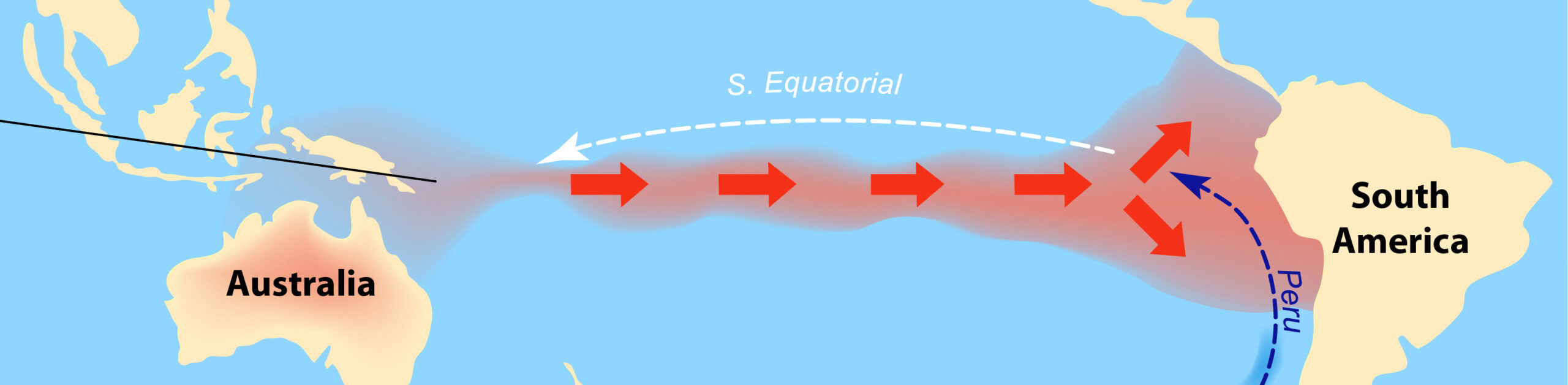
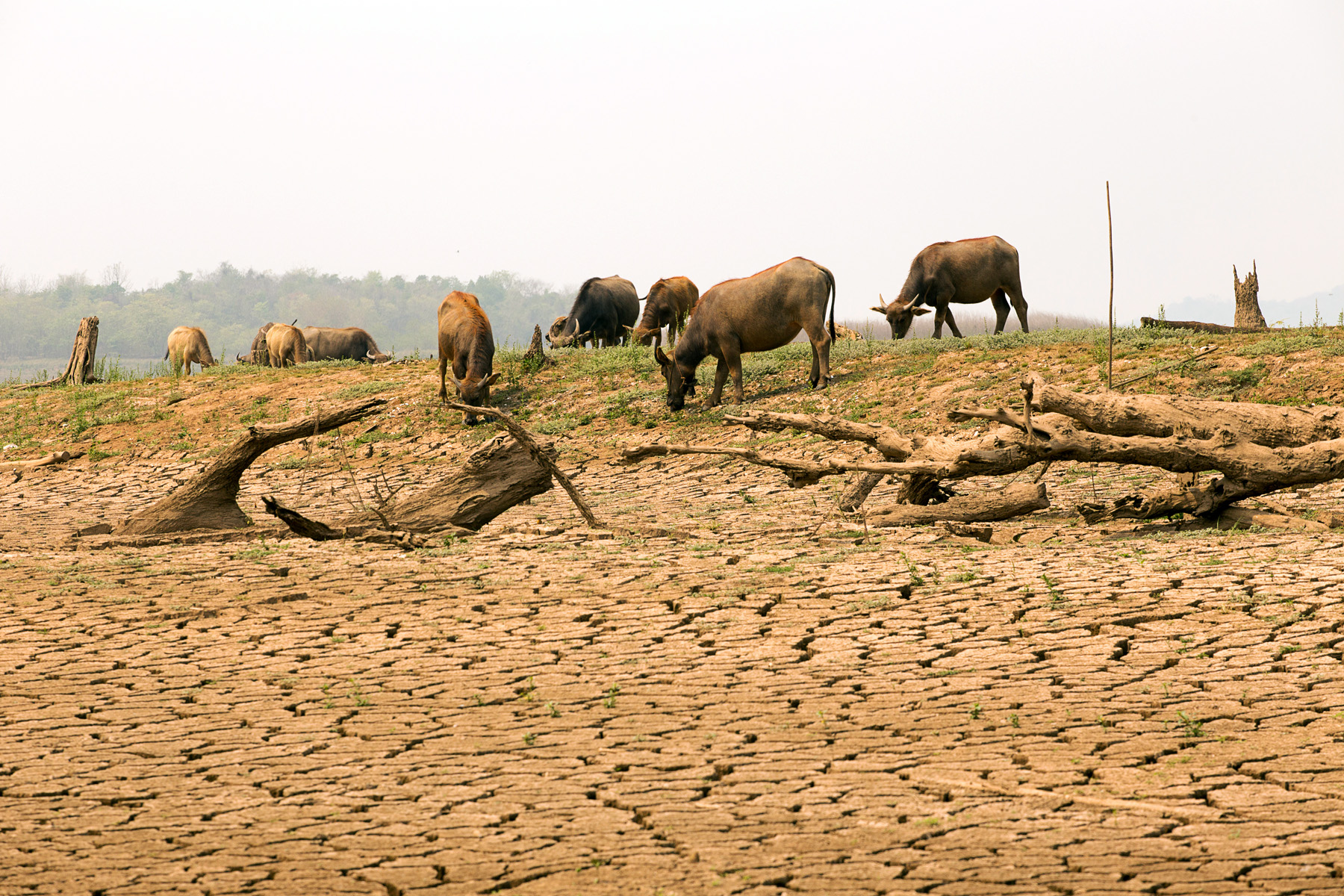
El Niño is a natural phenomenon. It occurs when the surface temperatures in the central and eastern tropical Pacific Ocean warm and cause the trade winds that typically blow from east to west across the Pacific Ocean to weaken or even reverse direction. As well as increasing global temperatures and causing intense heatwaves, it can result in droughts in some parts of the world, such as eastern Australia, south-east Asia and southern Africa, and intense rain and flooding in parts of South America, eastern Africa and south-western North America.
Typically, in an El-Niño event, the surface temperature of the central-eastern equatorial Pacific Ocean rises by 1°C to 1.5°C above the average. In the current El Niño, it is forecast to rise by up to 4°C by the end of 2026 and into 2027. It is already between 2.2°C and 2.6°C above the average. The effects could be catastrophic and hence the term ‘Godzilla’.
Although El Niño is a natural phenomenon, its severity is a direct result of climate change. This in turn is a direct result of economic decisions, and the effects will have severe economic consequences.
The economic causes
Climate change is an external cost of private economic decisions. When people or organisations burn fossil fuels, the climate costs of the CO2 emissions are not borne by the emitter. They are an external cost. This is illustrated in the diagram below, which shows the costs and benefits of electricity production from fossil fuels. (Click here for a PowerPoint.)
In this example, to make things simple, we assume that the external climate costs begin with the first unit of electricity generated and increase at a constant rate. The marginal social cost (MSC) of electricity generation equals the marginal private costs (MPC) to the generating company plus the marginal external cost in production MECP.
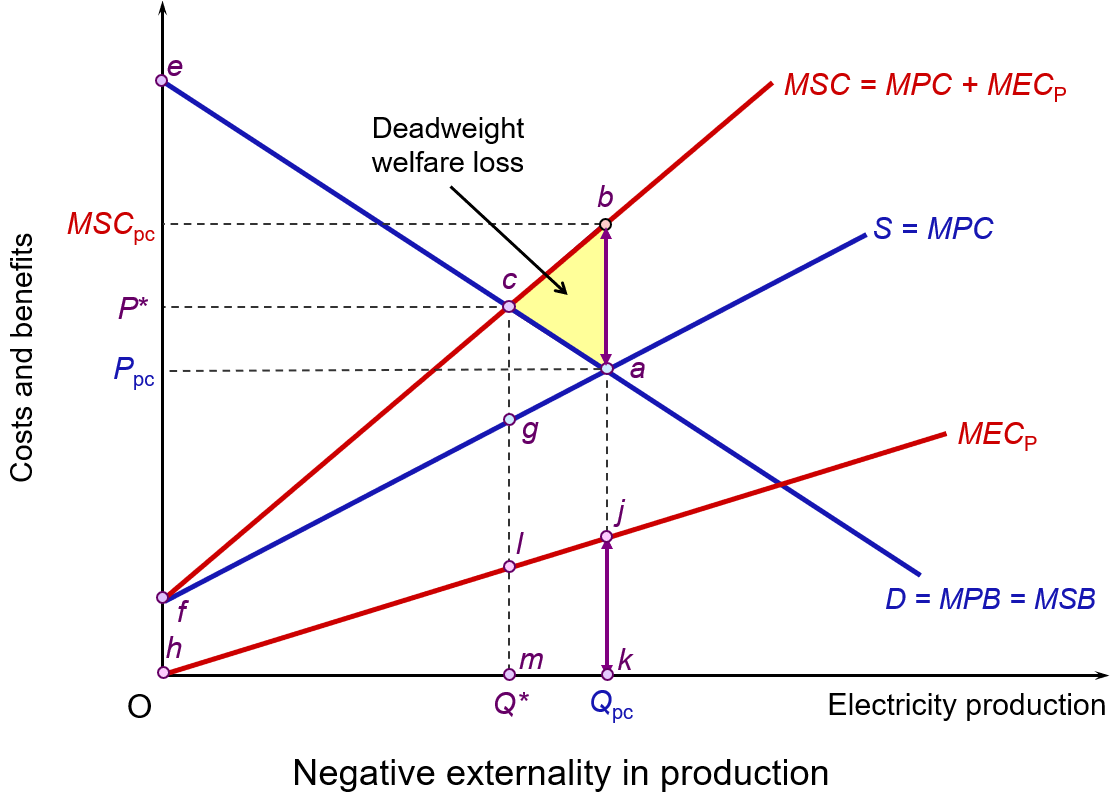 As you can see, the MSC curve is above the MPC curve. The vertical distance between them is equal to the MECP. It is also assumed that there are no externalities in consumption, which means that the marginal social benefit (MSB) curve is the same as the marginal private benefit (MPB) curve.
Competitive market forces, with producers and consumers responding only to private costs and benefits, will result in a market equilibrium at point a: i.e. where demand equals supply. The market equilibrium price is Ppc, while the market equilibrium quantity is Qpc. At Ppc, with no externalities on the consumption side, MPB is equal to MSB. The market price reflects both the private and social benefits from the last unit consumed. However, the presence of external costs in production means that MSC > MPC.
The socially optimal output would be Q*, where P = MSB = MSC, achieved at the socially optimal price of P*. This is illustrated at point c and clearly shows how external costs of production in a perfectly competitive market result in overproduction: i.e. Qpc > Q*. From society’s point of view, too much electricity is being produced from fossil fuels.
Total social surplus equals consumer surplus plus producer surplus minus the external costs. At the market equilibrium (Qpc) this is areas eaPpc+ Ppcaf – fba (or hjk, as it is the same size). At the socially optimal level of output (Q*) total social surplus is areas ecP* + P*cgf – fcg (or hlm).
Although consumer-plus-producer surplus is higher at the market equilibrium (Qpc) than at the socially optimum output (Q*) by the area cag, the external costs are higher still by the area cbag (or ljkm). Therefore, total social surplus at the market equilibrium is smaller than at the socially optimal point by area abc. This is a deadweight welfare loss and represents the excess of social costs over social benefits at all outputs above Q*. Put another way, moving from Qpc to Q* would represent a gain in social surplus of the area abc, as the fall in external costs outweighs the fall in consumer-plus-producer surplus.
One of the reasons why external environmental costs cause problems in a free-market economy is that no one has legal ownership of the atmosphere. Therefore, nobody has the ability either to prevent or to charge for their use as a ‘dumping ground’ for CO2. Such a ‘market’ is missing. Control must, therefore, be left to the government, international organisations, local authorities or regulators.
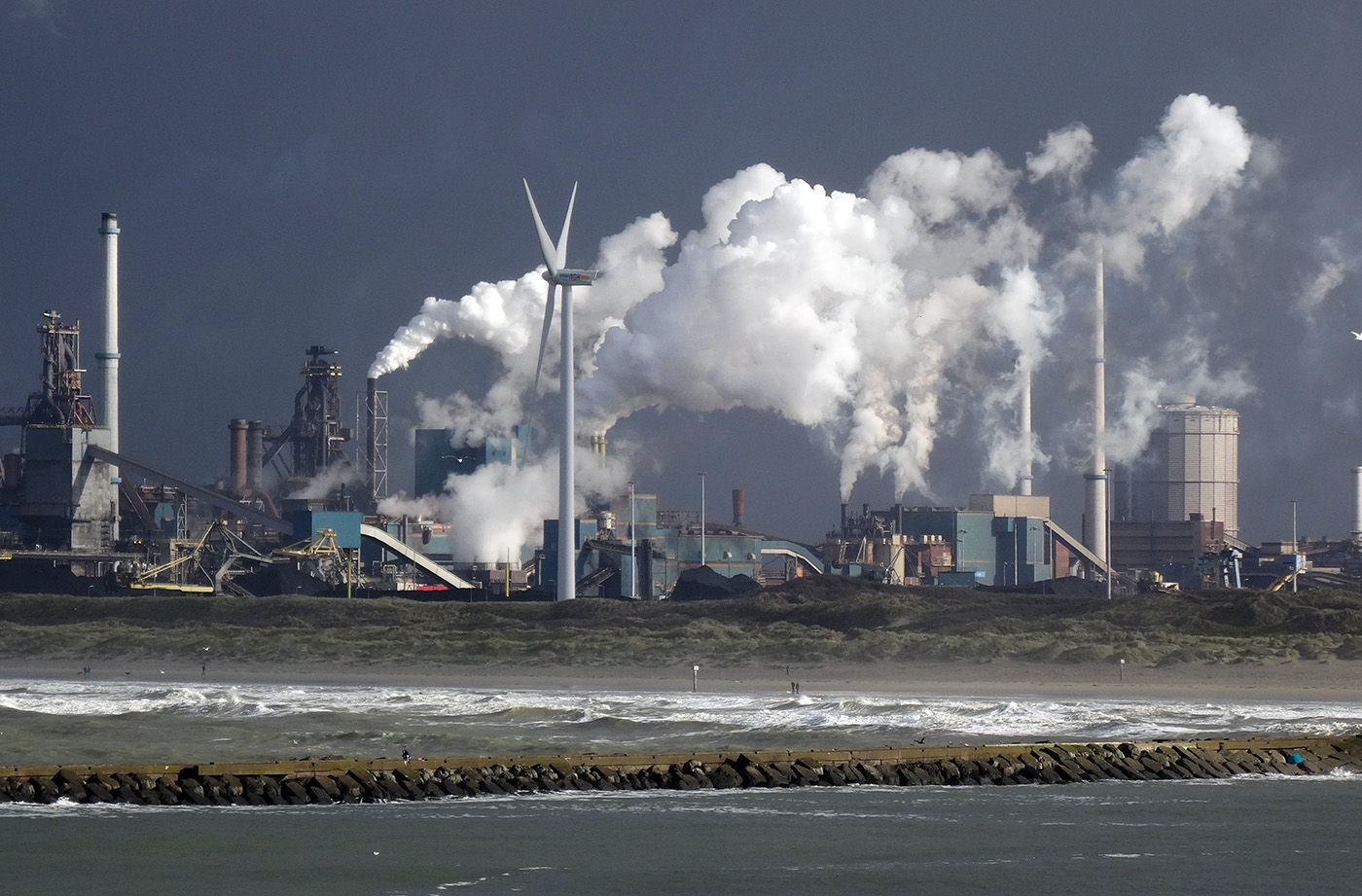 But such control is often too little. For example, when President Trump came to office in January 2025, he announced that the USA would withdraw from the UN’s Paris Agreement on climate change and that his policy towards oil production would be to ‘drill, baby, drill’. Indeed, governments globally spend hundreds of billions of dollars a year in subsidising oil, gas and coal production and its use, partly from pressure from the fossil fuel industry and partly to reduce the cost of living for consumers. This embeds fossil fuel dependence.
Game theory can help to explain the slow process of carbon reduction. For an individual country, such as the USA, it might argue that its optimum solution would be for other countries to cut their emissions, while maintaining its own levels. This approach would yield most of the benefits to the USA and none of the costs. However, when all countries argue like this, no progress is made. It’s a prisoners’ dilemma. Only if countries believe that the other countries will (a) ratify an agreement to cut emissions and (b) stick to the approved terms, is the agreement likely to succeed. This requires trust on all sides as well as the ability to monitor the outcomes.
Another major problem area concerns equity. Most countries will feel that they are being asked to do too much and that others are being asked to do too little. High-income countries will want to adopt a grandfathering approach. The starting point with this approach would be current levels of pollution. Every country would then be required to make the same percentage cut. Low-income countries, on the other hand, will want the bulk of the cuts, if not all of them, to be made by the rich countries. After all, the rich countries produce much higher levels of pollutants per capita than do the poor countries, and curbing growth in low-income countries would have a far more serious impact on levels of absolute poverty.
But will a supersized El Niño persuade countries to make deeper cuts in carbon emissions? In recent months commitments to achieving net zero emissions have waned. But the following economic consequences may encourage some countries to make deeper emissions cuts.
Economic consequences of a Godzilla El Niño
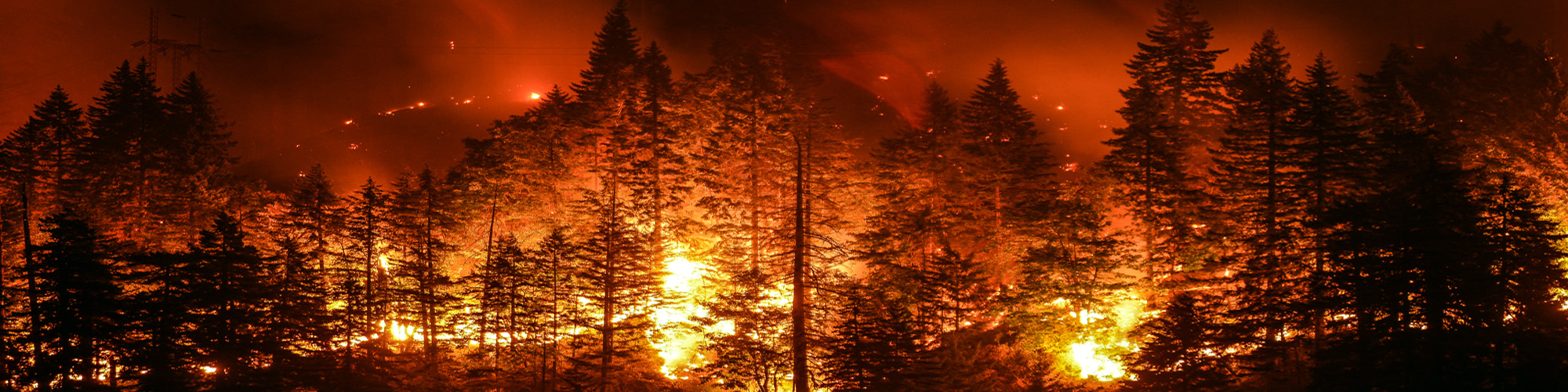
Extreme droughts, heat, wildfires and harvest failures in some areas and extreme rainfall and flooding in others will have severe economic consequences, often for the poorest people. There will be reductions in crop yields and loss of livelihood. Food prices will rise globally. This will add to the inflationary pressures from higher oil prices caused by the Iran war.
Droughts and wildfires in south-east Asia and Australia could have disastrous effects on harvests of palm oil, coffee, cocoa, rice, maize, wheat and various tropical fruits. Droughts and heat reduce output from hydropower and possibly wind energy, and industrial production may slow as a result of extreme heat in workplaces.
In Europe, warmer winters and unusually wet springs promote rapid plant growth. When this is followed by summer heatwaves, the undergrowth dries out and provides fuel for the wildfires. A super El Niño will amplify this. France and Spain have experienced massive wildfires these past few months. In the UK, the 2026 summer has been the hottest on record. The costs in Europe of the heat and wildfires in terms of lost crops and animals have been immense.
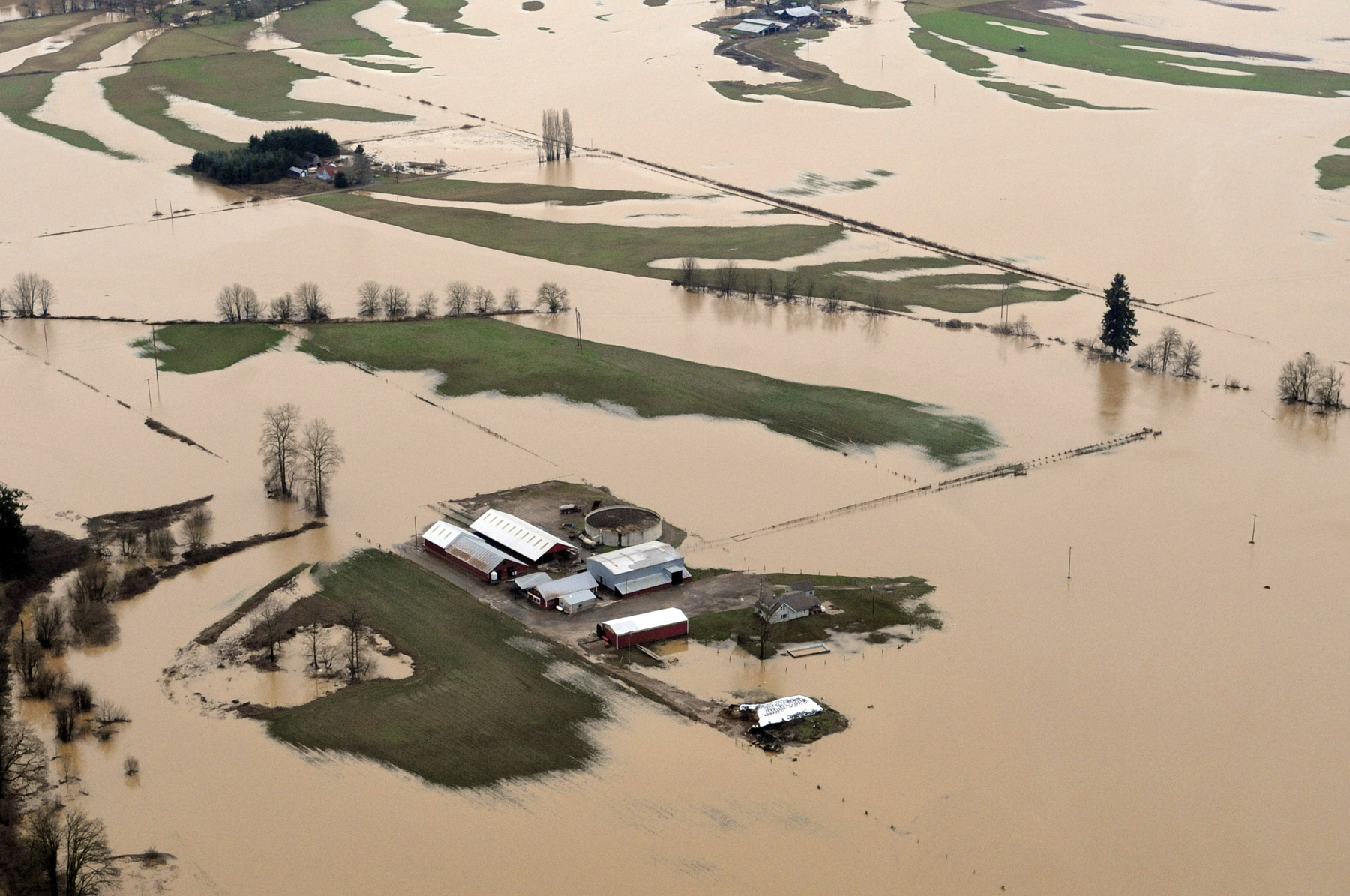 Floods and storms damage roads, power grids, railways and buildings. This forces governments to spend money on repairs instead of long-term investments. People are displaced and many are likely to lose their lives.
Fortunately, El Niños fade after a few months to be replaced by the cooler La Niña. The problem is that, with global warming, the next El Niño in a few years could be even more extreme with even more serious economic consequences.
The hope is that governments wake up to the pressing need to reduce carbon emissions.
Videos and podcast
Information
Articles
- Building climate-resilient agriculture in Europe: an economic perspective
European Environment Agency (17/3/26)
- What Super El Niño Means For Business Supply Chains And The Economy
Forbes, Chloe Demrovsky (25/8/26)
- A summer of extremes: Weathering a hotter world
CBS News, Jonathan Vigliotti (16/8/26)
- Area in Europe affected by wildfires could triple due to climate change
The National (UAE), Tariq Tahir (20/8/26)
- El Niño could drag down the global economy by almost $1 trillion or at least $7 trillion—and the choice is ours
Peterson Institute for International Economics, Cullen S Hendrix (26/7/26)
- UN warns of ‘supersized’ El Niño as countries prepare for impact
BBC News, Esme Stallard, Mark Poynting, Becky Dale, Yvette Tan, Tiffanie Turnbull and Nikita Yadav (3/9/26)
- Toxic haze from wildfires spreads across South East Asia as ‘super’ El Niño intensifies
BBC News (2/9/26)
- A Super El Niño is coming: 5 hard‑won lessons the world can learn from Africa
The Conversation, Tafadzwanashe Mabhaudhi and Mendy Ndlovu (5/7/26)
- ‘Supersizing before our eyes’: UN warns of record El Niño approaching
The Guardian, Damian Carrington (3/9/26)
- ‘Super’ El Niño could cause global food price shock lasting into 2028, analysts say
The Guardian, Richard Partington (12/7/26)
- Without action wildfires in Europe will increase 39% even in best-case climate scenario, study finds
The Guardian, Ajit Niranjan (20/8/26)
- From classrooms to climate action: ICSE 2026 charts new path for sustainability
Economic Times (Times of India) (2/9/26)
Questions
- What is the current state of progress towards meeting the goals of the UN Paris Climate Agreement?
- Are there any externalities in consumption that affect global warming?
- How might technological progress make it privately profitable to reduce carbon emissions?
- How might global supply chains and shipping be affected by a super El Niño?
- What role can education play in tackling climate change and its effects?
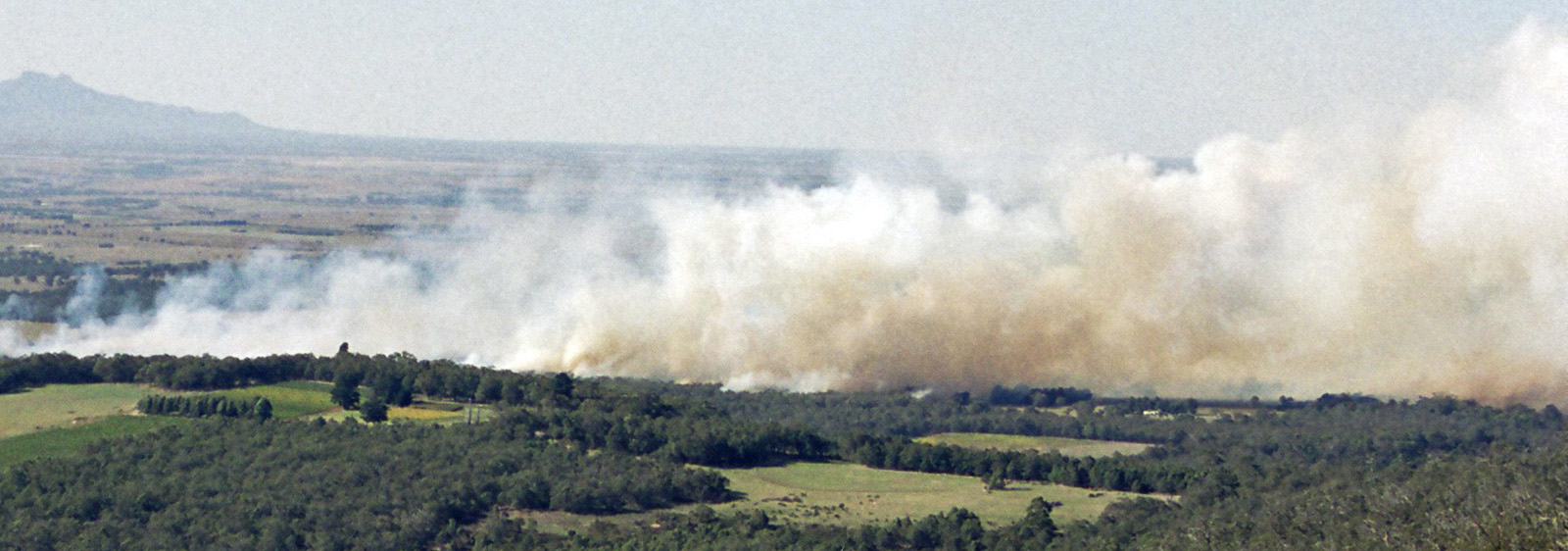
Climate change is not just an environmental challenge: its socioeconomic impacts are profound and far-reaching, touching every aspect of society. From agriculture to health, from urban infrastructure to coastal communities, the effects of climate change are evident and escalating.
The far-reaching effects
In agriculture, rising temperatures, more intense and frequent heatwaves and changing precipitation patterns pose significant threats to food security.1, 2 Crop yields decline as extreme weather events become more frequent and unpredictable, leading to increased food prices and economic instability. Smallholder farmers, who often lack the resources to adapt, are particularly vulnerable, exacerbating rural poverty and food insecurity.3
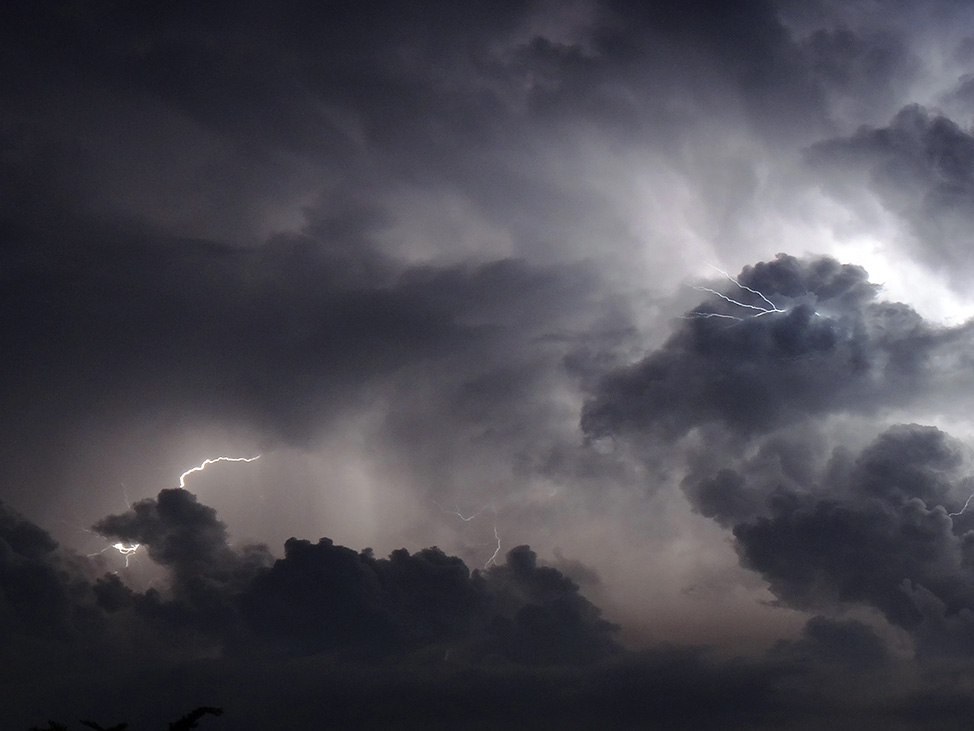 Coastal communities face the dual threats of sea-level rise and more intense storms.4 Erosion and inundation damage homes, infrastructure and livelihoods, displacing populations and disrupting local economies. The loss of coastal ecosystems further compounds these challenges, reducing natural defences against storm surges and exacerbating the impacts of climate-related disasters.
Health systems strain under the burden of climate-change-induced heatwaves, air pollution and the spread of vector-borne diseases.5, 6 Heat-related illnesses increase as temperatures rise, particularly affecting vulnerable populations such as the elderly and outdoor workers. Air pollution exacerbates respiratory conditions, leading to higher healthcare costs and decreased productivity. Vector-borne diseases, such as malaria and dengue fever, expand into new regions, placing additional strain on already overburdened health systems.
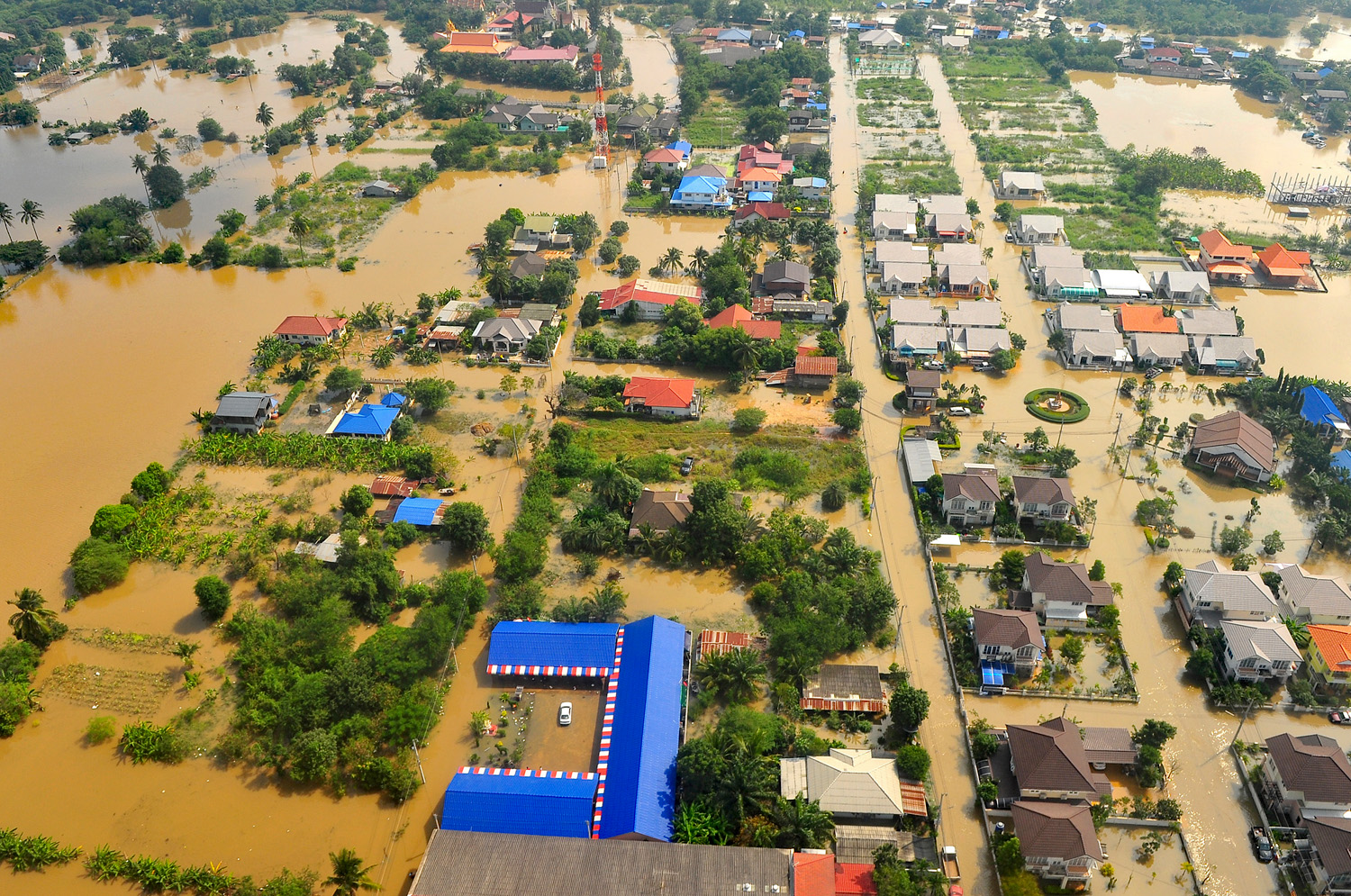 Displacement due to climate-related disasters amplifies social inequalities and challenges urban planning and infrastructure.7 Vulnerable communities, often located in low-lying areas or informal settlements, bear the brunt of climate impacts, facing the loss of homes, livelihoods and community cohesion. Inadequate housing and infrastructure increase the risks associated with extreme weather events, perpetuating cycles of poverty and vulnerability.
Furthermore, climate change exacerbates existing socioeconomic disparities, disproportionately affecting marginalised and vulnerable populations. Indigenous communities, women, children and people living in poverty are often the hardest hit, lacking access to resources, information, and adaptive capacity.8
Policy responses
Addressing the socioeconomic impacts of climate change requires co-ordinated action across sectors and scales. Policy interventions, such as investment in climate-resilient infrastructure and the promotion of sustainable agriculture practices, are essential for building resilience and reducing vulnerability. Community-led initiatives that prioritise local knowledge and empower marginalised groups are also critical for fostering adaptive capacity and promoting social equity.
To address these challenges, projects like CROSSEU, the new €5 million Horizon Europe project (that I have the pleasure to be part of), play a crucial role in enhancing our understanding of these impacts and developing actionable strategies for resilience and adaptation. One of the key contributions of CROSSEU lies in its development of a Decision Support System (DSS) that integrates tools, measures, and policy options to address these risks in a cross-sectoral and cross-regional perspective. This DSS will support (and hopefully improve) decision-making processes at various levels, from local to EU-wide, and facilitate the adoption of evidence-based policies and measures to enhance resilience and mitigate the impacts of climate change.
Would you like to know more about CROSSEU? Follow our journey and be informed of our publications and events in our new webpage: https://crosseu.eu/9
Articles/References
- Global food security under climate change
Proceedings of the National Academy of Sciences, Josef Schmidhuber and Francesco N Tubiello (11/12/2007)
- Reducing risks to food security from climate change
Global Food Security, Bruce M Campbell et al. (2016: 11, pp 34–43)
- The value-add of tailored seasonal forecast information for industry decision making
Climate, Clare Mary Goodess et al (16/10/2022)
- Assessing climate change impacts, sea level rise and storm surge risk in port cities: a case study on Copenhagen
Climatic change, Stéphane Hallegatte, Nicola Ranger, Olivier Mestre, Patrice Dumas, Jan Corfee-Morlot, Celine Herweijer and Robert Muir Wood (7/12/2010)
- Health risks of climate change: An assessment of uncertainties and its implications for adaptation policies
Environmental Health, J Arjan Wardekker, Arie de Jong, Leendert van Bree, Wim C Turkenburg and Jeroen P van der Sluijs (19/9/2012)
- Climate Change and Temperature-related Mortality: Implications for Health-related Climate Policy
Biomedical and Environmental Sciences, Tong Shi Lu, Jorn Olsen and Patrick L Kinney (2021: 34(5) pp 379–86 )
- Climate Change, Inequality, and Human Migration
IZA Discussion Paper No. 12623, Michał Burzyński, Christoph Deuster, Frédéric Docquier and Jaime de Melo (23/9/2019)
- The trap of climate change-induced “natural” disasters and inequality
Global Environmental Change, Federica Cappelli, Valeria Costantini and Davide Consoli (30/7/2021)
- Cross-sectoral Framework for Socio-Economic Resilience to Climate Change and Extreme Events in Europe
UEA Research Project, Nicholas Vasilakos, Katie Jenkins and Rachel Warren
Questions
- How do the socioeconomic impacts of climate change differ between rural and urban communities? What factors contribute to these disparities, and how can policies address them effectively?
- In what ways do vulnerable populations, such as indigenous communities and those living in poverty, bear the brunt of climate change impacts? How can we ensure that climate adaptation strategies prioritise their needs and promote social equity?
- The blog mentions the importance of community-led initiatives in building resilience to climate change. What examples of successful community-based adaptation projects can you identify, and what lessons can be learned from their implementation?
- How can governments and organisations collaborate to address the socioeconomic impacts of climate change while also promoting economic growth and development? What role do cross-sectoral partnerships play in building resilience and fostering sustainable practices?
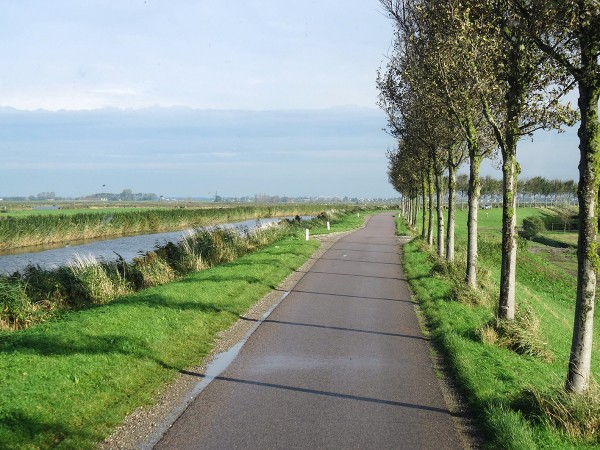 Much of the east coast of England is subject to tidal flooding. One such area is the coastline around the Wash, the huge bay between Norfolk and Lincolnshire. Most of the vulnerable shorelines are protected by sea defences, usually in the form of concrete walls or earth embankments, traditionally paid for by the government. But part of the Norfolk shoreline is protected by shingle banks, which require annual maintenance.
Full government funding for maintaining these banks ended in 2013. According to new government rules, only projects that provide at least £8 of benefits for each £1 spent would qualify for such funding to continue. The area under question on the Norfolk cost of the Wash does not qualify.
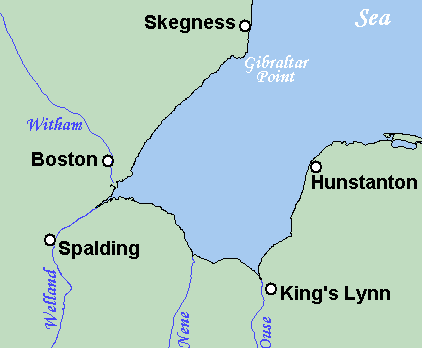
Between 2013 and 2015 the work on the shingle banks is being paid for by the local council charging levies. After that, the plan is for a partnership-funding approach, where the government will make a (small) contribution as long as the bulk of the funding comes from the local community. This will involve setting up a ‘community interest company’, which will seek voluntary contributions from local residents, landowners and businesses.
Sea defences are a public good, in that it is difficult to exclude people benefiting who choose not to pay. In other words, there is a ‘free rider’ problem. However, in the case of the Wash shoreline in question, one borough councillor, Brian Long, argues that it might be possible to maintain the flood defences to protect those who do contribute while ignoring those who do not.
Not surprisingly, many residents and businesses argue that the government ought to fund the defences and, if it does have to be financed locally, then everyone should be required to pay their fair share.
Radio podcast
 Holding back the sea BBC Radio 4, David Shukman (19/11/14)
Articles
What is the price of holding back the sea? BBC News, David Shukman (19/11/14)
Firms will have to pay towards cost of sea defences between Heacham and Wolferton in West Norfolk EDP24, Chris Bishop (1/8/14)
Businesses between Snettisham and Hunstanton will have to pay for flood defences. EDP24, Chris Bishop (19/11/14)
Wash and west Norfolk sea defence repairs now under way BBC News (13/12/13)
Consultation document
Managing our coastline Borough Council of King’s Lynn and West Norfolk, Environment Agency
Questions
- What are the two main features of a public good? Are sea defences a pure public good?
- Is there a moral hazard if people choose to live in a coastal area that would be subject to flooding without sea defences?
- Who is the ‘public’ in the case of sea defences? Is it the whole country, or the local authority or just all those being protected by the defences?
- What are the problems with relying on voluntary contributions to fund, or partly fund, sea defences? How could the free-rider problem be minimised in such a funding model?
- Discuss the possible interpretations of ‘equity’ when funding sea defences.
- If ‘flood defences could be built or maintained to protect those who do contribute while ignoring those who do not’, does this mean that such defences are not a public good?
- Find out how sea defences are funded in The Netherlands. Should such a funding model be adopted in the UK?
 Britain has faced some its worst ever weather, with thousands of homes flooded once again, though the total number of flooded households has fallen compared to previous floods. However, for many households, it is just more of the same – if you’ve been flooded once, you’re likely to be flooded again and hence insurance against flooding is essential. But, if you’re an insurance company, do you really want to provide cover to a house that you can almost guarantee will flood?
The government has pledged thousands to help households and businesses recover from the damage left by the floods and David Cameron’s latest step has been to urge insurance companies to deal with claims for flood damage as fast as possible. He has not, however, said anything regarding ‘premium holidays’ for flood victims.
The problem is that the premium you are charged depends on many factors and one key aspect is the likelihood of making a claim. The more likely the claim, the higher the premium. If a household has previous experience of flooding, the insurance company will know that there is a greater likelihood of flooding occurring again and thus the premium will be increased to reflect this greater risk. There have been concerns that some particularly vulnerable home-owners will be unable to find or afford home insurance.
The key thing with insurance is that in order for it to be provided privately, certain conditions must hold. The probability of the event occurring must be less than 1 – insurance companies will not insure against certainty. The probability of the event must be known on aggregate to allow insurance companies to calculate premiums. Probabilities must be independent – if one person makes a claim, it should not increase the likelihood of others making claims.
Finally, there should be no adverse selection or moral hazard, both of which derive from asymmetric information. The former occurs where the person taking out the insurance can hide information from the company (i.e. that they are a bad risk) and the latter occurs when the person taking out insurance changes their behaviour once they are insured. Only if these conditions hold or there are easy solutions will the private market provide insurance.
On the demand-side, consumers must be willing to pay for insurance, which provides them with protection against certain contingencies: in this case against the cost of flood damage. Given the choice, rational consumers will only take out an insurance policy if they believe that the value they get from the certainty of knowing they are covered exceeds the cost of paying the insurance premium. However, if the private market fails to offer insurance, because of failures on the supply-side, there will be major gaps in coverage.
Furthermore, even if insurance policies are offered to those at most risk of flooding, the premiums charged by the insurance companies must be high enough to cover the cost of flood damage. For some homeowners, these premiums may be unaffordable, again leading to gaps in coverage.
Perhaps here there is a growing role for the government and we have seen proposals for a government-backed flood insurance scheme for high-risk properties due to start in 2015. However, a loop hole may mean that wealthy homeowners pay a levy for it, but are not able to benefit from the cheaper premiums, as they are deemed to be able to afford higher premiums. This could see many homes in the Somerset Levels being left out of this scheme, despite households being underwater for months. There is also a further role for government here and that is more investment in flood defences. If that occurs though, where will the money come from? The following articles consider flooding and the problem of insurance.
Articles
Insurers urged to process flood claims quickly BBC News (17/2/14)
Flood area defences put on hold by government funding cuts The Guardian, Damian Carrington and Rajeev Syal (17/2/14)
Flooding: 200,000 houses at risk of being uninsurable The Telegraph (31/1/12)
Govt flood insurance plan ‘will not work’ Sky News (14/2/14)
Have we learned our lessons on flooding? BBC News, Roger Harrabin (14/2/14)
ABI refuses to renew statement of principles for flood insurance Insurance Age, Emmanuel Kenning (31/1/12)
Wealthy will have to pay more for flood insurance but won’t be covered because their houses are too expensive Mail Online, James Chapman (7/2/14)
Buyers need ‘flood ratings’ on all houses, Aviva Chief warns The Telegraph, James Quinn (15/2/14)
Wealthy homeowners won’t be helped by flood insurance scheme The Telegraph(11/2/14)
Costly insurance ‘will create flood-risk ghettos and £4.3tn fall in house values’ The Guardian, Patrick Wintour (12/2/14)
Leashold homes face flood insurance risk Financial Times, Alistair Gray (10/2/14)
Questions
- Consider the market for insurance against flood damage. Are risks less than one? Explain your answer.
- Explain whether or not the risk of flooding is independent.
- Are the problems of moral hazard and adverse selection relevant in the case of home insurance against flood damage?
- To what extent is the proposed government-backed flood insurance an equitable scheme? Should the government be stepping in to provide insurance itself?
- Should there be greater regulation when houses are sold to provide better information about the risk of flooding?
- Why if the concept of opportunity cost relevant here?
- How might household values be affected by recent floods, in light of the issues with insurance?
Next year a government agreement with insurance companies is set to end. This agreement requires insurance companies to provide cover for homes at a high risk of flooding.
However, in June 2013, this agreement will no longer be in place and this has led to mounting concerns that it will leave thousands of home-owners with the inability either to find or afford home insurance.
The key thing with insurance is that in order for it to be provided privately, certain conditions must hold. The probability of the event occurring must be less than 1 – insurance companies will not insure against certainty. The probability of the event must be known on aggregate to allow insurance companies to calculate premiums. Probabilities must be independent – if one person makes a claim, it should not increase the likelihood of others making claims.
Finally, there should be no adverse selection or moral hazard, both of which derive from asymmetric information. The former occurs where the person taking out the insurance can hide information from the company (i.e. that they are a bad risk) and the latter occurs when the person taking out insurance changes their behaviour once they are insured. Only if these conditions hold or there are easy solutions will the private market provide insurance.
On the demand-side, consumers must be willing to pay for insurance, which provides them with protection against certain contingencies: in this case against the cost of flood damage. Given the choice, rational consumers will only take out an insurance policy if they believe that the value they get from the certainty of knowing they are covered exceeds the cost of paying the insurance premium. However, if the private market fails to offer insurance, because of failures on the supply-side, there will be major gaps in coverage.
Furthermore, even if insurance policies are offered to those at most risk of flooding, the premiums charged by the insurance companies must be high enough to cover the cost of flood damage. For some homeowners, these premiums may be unaffordable, again leading to gaps in coverage.
In light of the agreement coming to an end next year, there is pressure on the government firstly to ensure that insurance cover is available to everyone at affordable prices and secondly to continue to build up flood defences in the most affected areas. Not an easy task given the budget cuts. The following articles provide some of the coverage of the problems of insuring against flood damage.
Articles
200,000 homes ‘at flooding risk’ BBC News (3/1/12)
MPs slam government flood defences Post Online, Chris Wheal (31/1/12)
Flooding: 200,000 houses at risk of being uninsurable The Telegraph (31/1/12)
Flood defences hit by government cuts ‘mismatch’, says MP Guardian, Damian Carrington (31/1/12)
Fears over cash for flood defences The Press Association (31/1/12)
ABI refuses to renew statement of principles for flood insurance Insurance Age, Emmanuel Kenning (31/1/12)
Questions
- Consider the market for insurance against flood damage. Are risks less than one? Explain your answer
- Explain whether or not the risk of flooding is independent.
- Are the problems of moral hazard and adverse selection relevant in the case of home insurance against flood damage?
- If ABI doesn’t put in place another agreement to provide insurance to homeowners at most risk of flooding, what could be the adverse economic consequences?
- Is there an argument for the government stepping in to provide insurance itself?
- Explain why insurance premiums are so much higher for those at most risk of flooding. Is it equitable?
 A ‘Super’ El Nino Is Coming For Southeast Asia. What Happens Next?