From the start of the American and Israeli war with Iran on 28 February 2026 to 30 September – a period of just seven months – the retail price of petrol in the UK has risen by approximately 43p, from around 132p to 175p per litre – a rise of 33%. In contrast, the price of diesel has risen by approximately 59p, from around 142p to 201p per litre – a rise of 42%.
In several other countries the percentage difference is greater still, particularly in countries where fuel taxes are lower and thus the wholesale cost of the fuel is a larger percentage of the pump price. In the USA, for example, petrol (gasoline) prices have risen by around 38%, whereas diesel prices have risen by around 73%.
But why have diesel prices risen by more than petrol prices? The answer has to do with supply and demand.
Supply
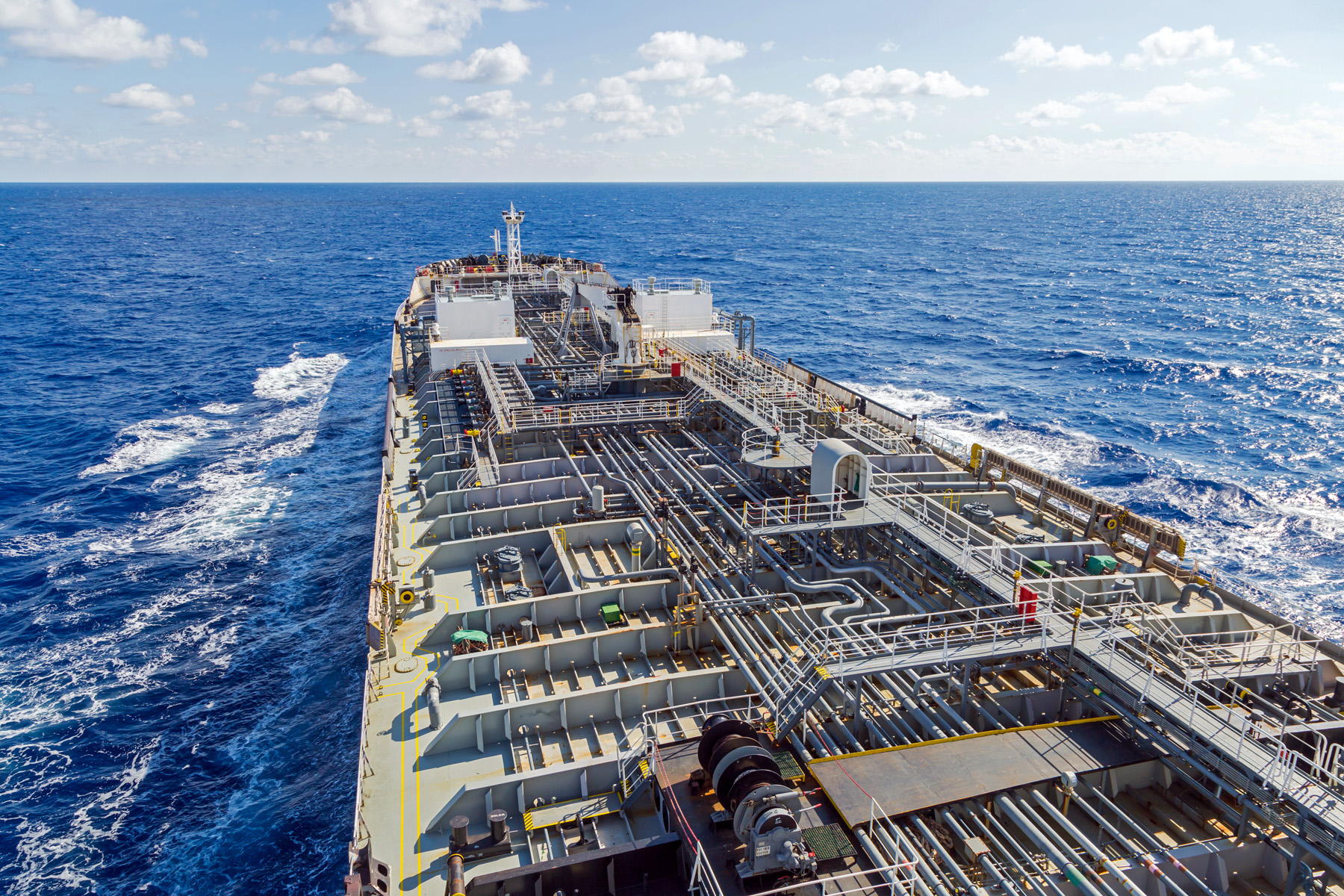 Greater effect of the Iran war on diesel supplies. The closing of the Strait of Hormuz has drastically cut the supply of oil from the Gulf states. This is being compounded by the Houthi attacks on Saudi shipping in the Red Sea. This has forced Saudi oil that is transported by pipeline to the Red Sea and destined for countries east of Saudi Arabia to be transported north via the Suez canal rather than south through the Bab al-Mandab Strait. This has been made worse by attacks launched from Iraq on the Saudi oil pipeline.
Middle Eastern crude oil’s composition is the most efficient for refining high-quality diesel. The restriction on exports, both of crude oil and of diesel from Gulf refineries, has thus affected diesel supplies more than petrol supplies.
Effect of Ukraine war. Ukraine has been launching drone attacks on Russian refineries, mainly producing diesel. The resulting shortage of diesel within Russia has led it to impose a ban on diesel exports, extended at least to the end of 2026, to limit the effects on supplies for the military and for domestic users. Russia has historically been the world’s second-largest diesel exporter and the ban has reduced the world’s supply of seaborne diesel by around 12%.
Low diesel stocks. Stocks of diesel have been run down and this has meant that there is little flexibility to draw them down further.
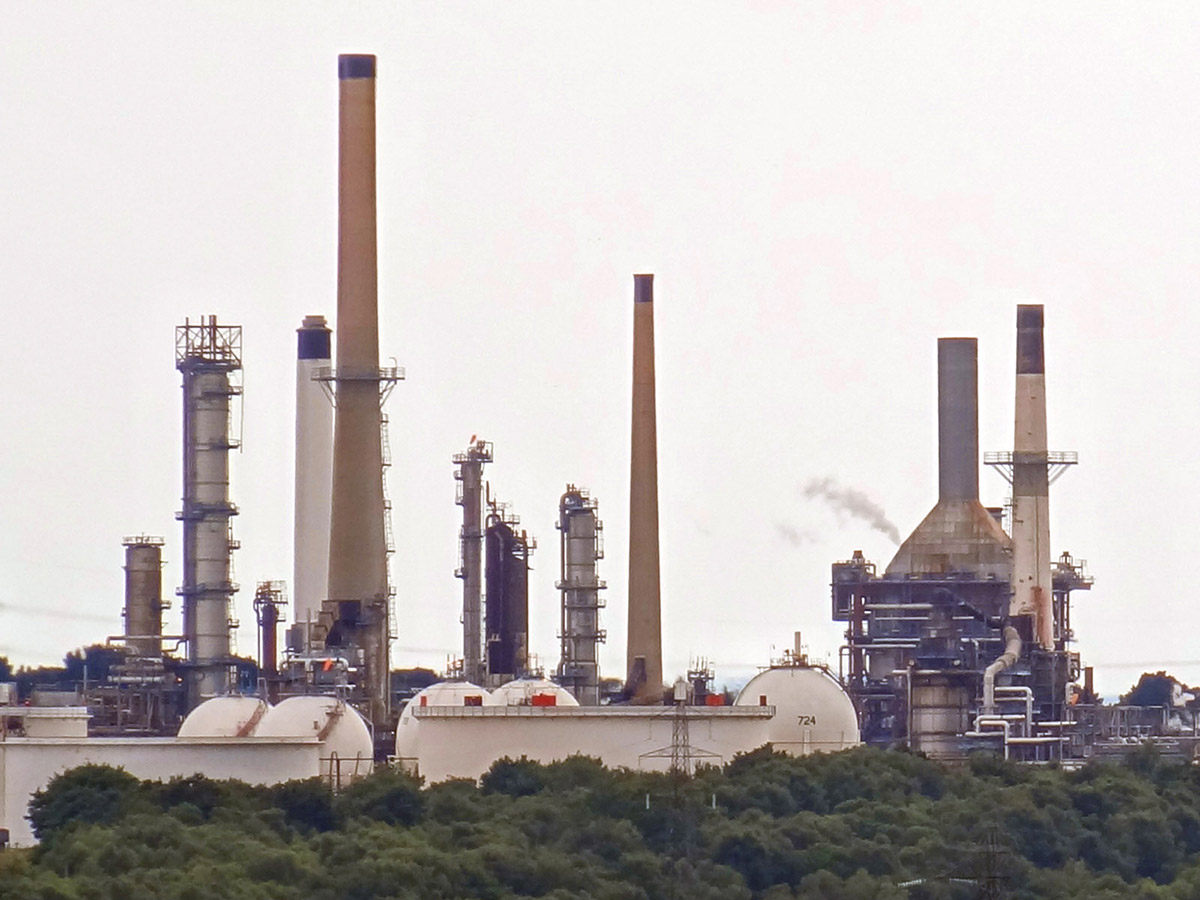 Refinery constraints. Refineries cannot instantly alter their output to produce more diesel. Furthermore, diesel has become more expensive to produce in recent years due to the transition to ultra-low sulphur diesel to meet stricter environmental standards. This makes the supply of diesel relatively price inelastic, exaggerating the effect on price.
UK refineries produce more petrol than the domestic market requires, making the UK a net exporter of petrol. This higher self-sufficiency partially shields domestic petrol prices from global shocks. However, the UK does not refine enough diesel to meet domestic demand. It relies heavily on foreign imports to cover the shortfall. Thus diesel prices in the UK are more subject to global price increases.
Demand
Seasonal demand spikes. The demand for diesel tends to rise in late summer due to extra agricultural demand for autumn crop harvests.
 Low price elasticity of demand. Unlike petrol, which is primarily consumed by individuals who can choose to drive less when prices rise, diesel is essential to industrial economies. It powers lorries, ships, buses, trains, agricultural machinery, mining equipment and many industrial machines. Because businesses must keep moving goods, farming crops and running machines, global demand for diesel is little affected by rising prices. This low price elasticity of demand results in a bigger price rise for every reduction in supply than is the case for petrol.
What is more, the transition to EVs has been greater for cars than for lorries, although many buses and vans are now electric. The electrification of the railways, however, is too long-term a project to affect short-term diesel prices and electric lorries are still in their infancy. But with rapid development of electric alternatives underway in the haulage and industrial machinery sectors, they may become less reliant on diesel in the relatively near future.
Articles
- Petrol and diesel prices hit highest since 2022
BBC News (14/9/26)
- Diesel prices hit new record in September 2026: What that means for inflation, shipping costs and your portfolio
J.P.Morgan, Sergei Klebnikov (15/9/26)
- Iran war pushes diesel – the economy’s lifeblood – to record high prices, with no relief on the horizon
The Conversation, Morgan Bazilian and Jamie Webster (18/9/26)
- Diesel costs more than $6 a gallon for the first time. Here’s how that affects you
CNN, Chris Isidore and Matt Egan (12/9/26)
- Why is diesel more expensive than petrol in Australia?
NRMA, Sam Charlwood (9/4/26)
- Diesel Prices Surge as Global Supplies Tighten
Farm Bureau Intel, Faith Parum (17/9/26)
- Why has diesel increased so much more than unleaded?
PetrolPrices (11/3/26)
- Disparity between diesel and petrol prices reaches record-breaking levels
FleetNews, Gareth Roberts (30/3/26)
- Diesel and petrol hit four-year high fuelling inflation concerns
FleetNews, Gareth Roberts (15/9/26)
- EU says Trump plan to ban US diesel exports would ‘negatively impact both sides’
The Guardian, Jillian Ambrose (25/9/26)
Videos
Questions
- Draw a demand and supply diagram for diesel and petrol to illustrate the effects discussed in this blog.
- Is the demand for diesel likely to be more elastic over the longer term? Explain.
- Compare the effects on diesel prices in the UK with one other country of your choice. How similar are the factors affecting the relative price increases in diesel and petrol in the two countries?
- Would cutting taxes on diesel solve the problem of higher prices for diesel users?
- How has the cost of heating oil and aircraft fuel changed compared to that of petrol and diesel? Explain.
- What would be the effects on diesel prices in the UK and the USA if Donald Trump carried out his potential plan to ban US exports of diesel?
Global oil prices (Brent crude) reached $128 per barrel on 9 March, a level not seen for 10 years and surpassed only in the run up to the financial crisis in 2008. Oil prices are determined by global demand and supply, and the current surge in prices is no exception.
A rise in demand and/or a fall in supply will lead to a rise in the price. Given that both demand and supply are relatively price inelastic, such shifts can cause large rises in oil prices. Similarly, a fall in demand or rise in supply can lead to a large fall in oil prices.
These changes are then amplified by speculation. Traders try to get ahead of price changes. If people anticipate that oil prices will rise, they will buy now, or make a contract to buy more in the future at prices quoted today by buying on the oil futures market. This then pushes up both spot (current) prices and futures prices. If demand or supply conditions change, speculation will amplify the reaction to such a change.
What has happened since 2019?
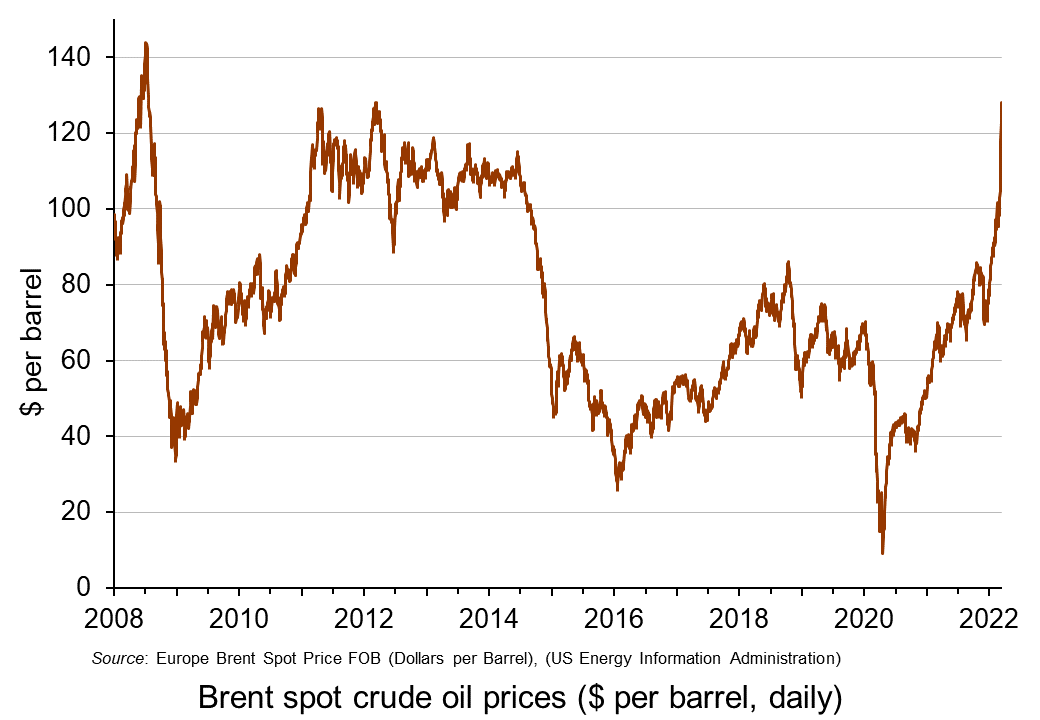 In 2019, oil was typically trading at around $60 to $70 per barrel. It then fell dramatically in early 2020 as the onset of COVID-19 led to a collapse in demand, for both transport and industry. The price fell below $20 in late April (see charts: click here for a PowerPoint).
Oil prices then rose rapidly as demand recovered somewhat but supply chains, especially shipping, were suffering disruptions. By mid-2021, oil was once more trading at around $60 to $70 per barrel. But then demand grew more strongly as economic recovery from COVID accelerated. But supply could not grow so quickly. By January 2022, Brent crude had risen above $80 per barrel.
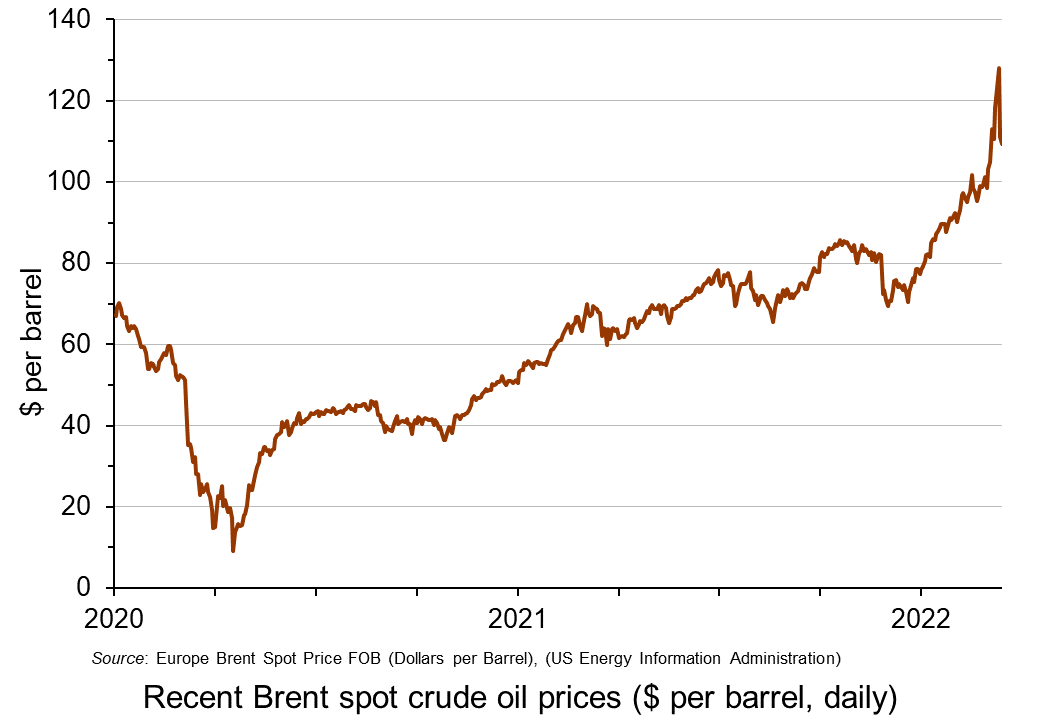 Then worries began to grow about Russian intentions over Ukraine as Russia embarked on large-scale military exercises close to the border with Ukraine. People increasingly disbelieved Russia’s declarations that it had no intention to invade. Russia is the world’s second biggest producer of oil and people feared that deliberate disruptions to supply by Russia or other countries banning imports of Russian oil would cause supply shortages. Speculation thus drove up the oil price. By 23 February, the day before the Russian invasion of Ukraine, Brent crude had risen to $95.
With the Russian invasion, moves were made by the EU the USA and other countries to ban or limit the purchase of Russian oil. This increased the demand for non-Russian oil.
 On 8 March, the USA announced that it was banning the import of Russian oil with immediate effect. The same day, the UK announced that it would phase out the import of Russian oil and oil products by the end of 2022.
The EU is much more dependent on Russian oil imports, which account for around 27% of EU oil consumption and 2/3 of extra-EU oil imports. Nevertheless, it announced that it would accelerate the move away from Russian oil and gas and towards green alternatives. By 8 March, Brent crude had risen to $128 per barrel.
The question was then whether other sources of supply would help to fill the gap. Initially it seemed that OPEC+ (excluding Russia) would not increase production beyond the quotas previously agreed by the cartel to meet recovery in world demand. But then, on 9 March, the UAE Ambassador to Washington announced that the county favoured production increases and would encourage other OPEC members to follow suit. With the announcement, the oil price fell by 11% to £111. But the next day, it rose again somewhat as the UAE seemed to backtrack, but then fell back slightly as OPEC said there was no shortage of oil.
This is obviously an unfolding story with the suffering of the Ukrainian people at its heart. But the concepts of supply and demand and their price elasticity and the role of speculation are central to understanding what will happen to oil prices in the coming months with all the consequences for poverty and economic hardship.
Articles
Data
Questions
- Use a demand and supply diagram to illustrate what has happened to oil prices over the past two years. How has the size of the effects been dependent on the price elasticity of demand for oil and the price elasticity of supply of oil?
- Use a demand and supply diagram to show what has been happening to the price of natural gas over the past two years. Are the determinants similar to those in the oil market? How do they differ (if at all)?
- What policy options are open to governments to deal with soaring energy prices?
- What are the distributional consequences of the rise in energy prices? (see the blog: Rise in the cost of living.)
- Under what circumstances are oil prices over the next six months likely (a) fall; (b) continue rising?
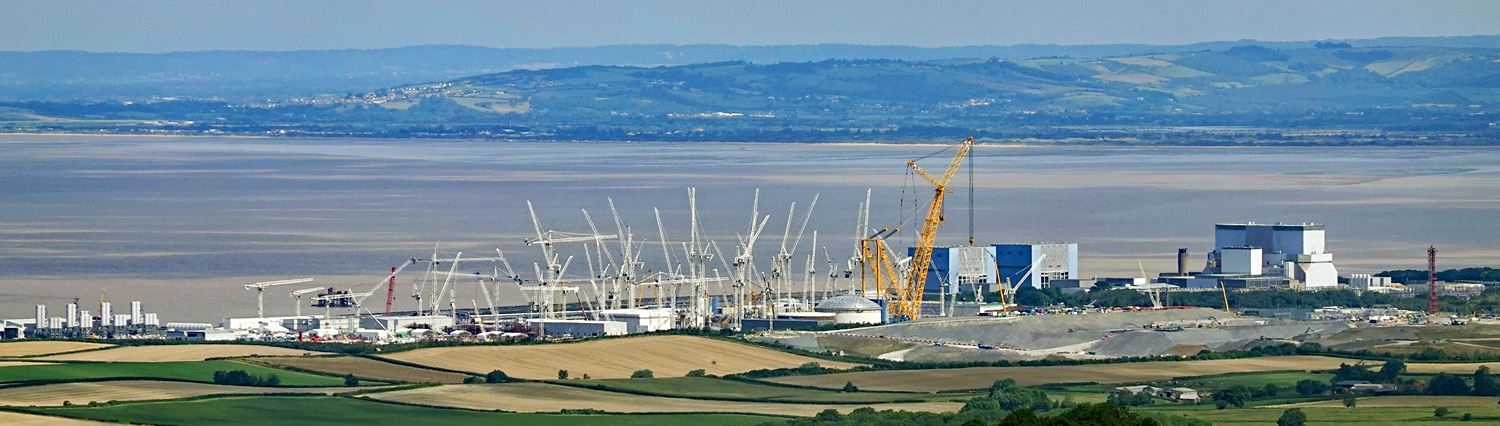
The transition towards clean energy in combination with a shortfall in supply has seen the price of raw uranium, also known as ‘yellowcake’, rise almost 60 per cent in recent weeks. It is now trading at over $50 a pound – a nine-year high. The market has been described as being at a ‘tipping point’. Given the recent boom in the market, the current conditions could tip the balance towards an era of rising uranium prices.
What is uranium?
Uranium is a heavy metal which has been used as a source of concentrated energy for over 60 years. Uranium ore can be mined from underground, milled, and then sold. It is then used in a nuclear reactor for electricity generation. About 10% of the world’s electricity is generated from uranium in nuclear reactors. There are some 445 nuclear reactors operating in 32 countries. It is the most energy-dense and efficient fuel source we have, with just ten uranium pellets able to power the average household for an entire year.
In March 2011, Japan’s most powerful earthquake on record triggered a tsunami, which then caused a meltdown at a nuclear power plant in Fukushima. It forced residents from their homes as radiation leaked from the plant. Since the Fukushima accident, uranium prices had been on a downtrend trend – enough to force several miners to suspend or scale back operations.
However, there has been a 42 per cent increase in the price of the metal in the first nine months of 2021 alone.
Demand for uranium
Since launching in July, a new investment trust, run by Canadian asset manager Sprott, has snapped up about 6m pounds of physical uranium, worth about $240m. This aggressive buying has helped push prices of uranium to more than $40 per pound, up from $30 at the start of the year. In the first part of September alone, prices surged by around 40%, outperforming all other major commodities. In just a few weeks, millions of pounds of supply were scooped up by the Sprott Physical Uranium Trust. This puts pressure on utilities that need to secure supplies of the commodity for electricity generation.
This increased demand is occurring at precisely the same time as countries and companies around the world are committing to net-zero carbon targets. As a result, nuclear power companies are now facing competition for supplies of uranium from financial investors, who are betting on sharply higher prices and demand for the radioactive material used to fuel reactors. This boost in demand is said to be due to uranium being used as a low-carbon energy source, despite the radioactive waste problem that comes with it. Investors are betting that nuclear power will be a key part of the move away from fossil fuels.
Production from world uranium mines has in recent years supplied 90% of the requirements of power utilities for uranium, with the current global mine supply expected to be about 125m pounds for 2021. In addition, there are secondary sources such as commercial and military stockpiles. However, according to the World Nuclear Association, demand for uranium is expected to climb from about 162m pounds this year to 206m pounds in 2030, and to 292m pounds by 2040. This is largely driven by increased power generation in China. China is planning a big increase in its nuclear power capacity over the next decade as the country seeks to cut its emissions.
Supply of uranium
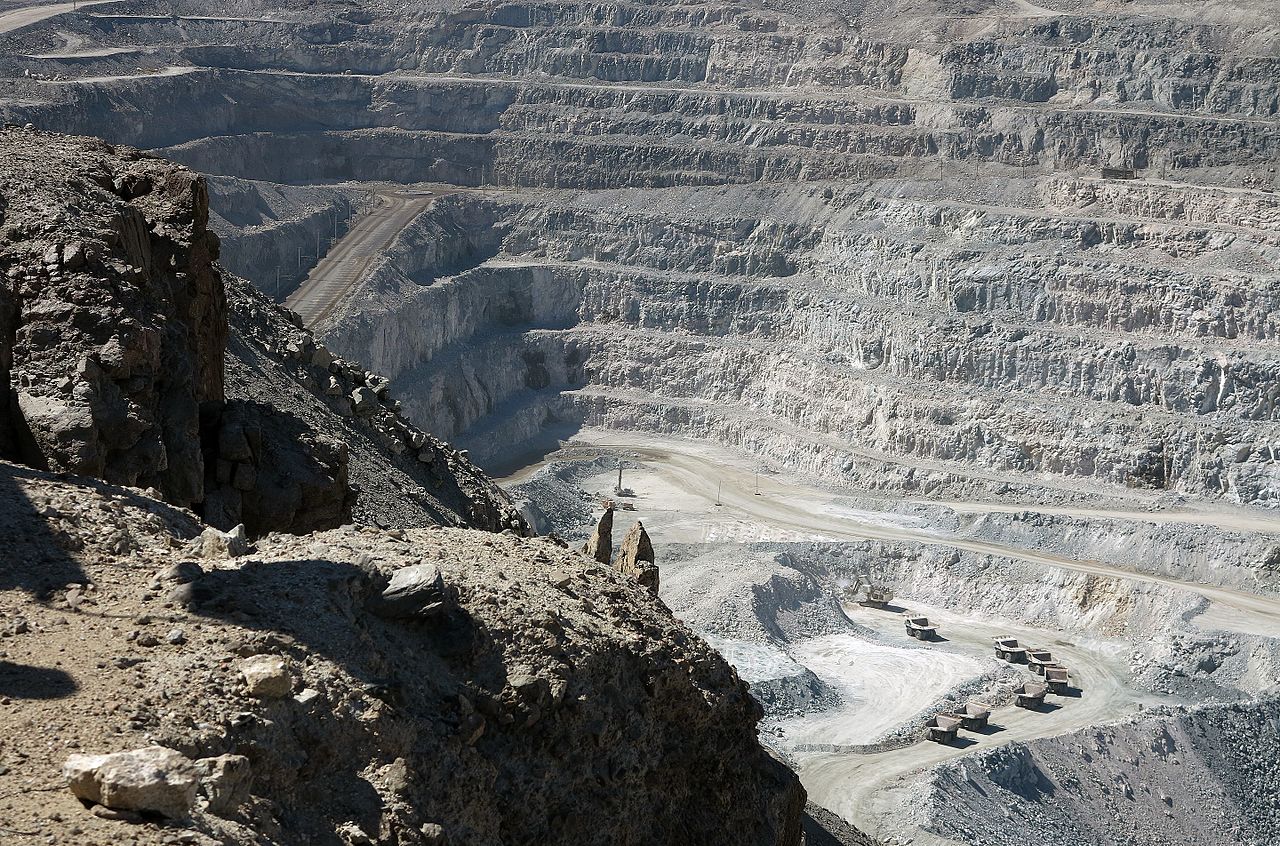 Although uranium is relatively abundant in the Earth’s crust, not all uranium deposits are economically recoverable. While some countries have uranium resources that can be mined profitably when prices are low, others do not. Kazakhstan is the largest producer of uranium and in 2019 produced more uranium than the second, third, and fourth-largest producers combined.
The big issue is that supply to the market is falling significantly. For deliveries that would start in 2022, Kazakh producer, Kazatomprom, is now discussing the possibility of supplying the metal directly to Sprott. However, it also warned of the risk that its mines would not reach their output target for 2021, and it said earlier this year that it would keep its production at reduced levels through 2023. In addition to this, the recent surge in buying is also reducing the inventories that accumulated after the Fukushima accident.
The supply of uranium is set to fall 15 per cent by 2025 and by 50 per cent by 2030. This is mainly due to a lack of investment in new mines. The lack of new uranium mines will mean the price has to move higher. Namibian mines, accounting for 8 per cent of world supply, are approaching the end of their lives. Cameco of Canada, another important source, has shut one large pit because of uneconomic prices. According to BMO Capital, a mine supply deficit since 2019 will continue.
Supply has also been affected by the pandemic. The boom in demand has coincided with historically low prices and pandemic-driven mine disruptions, prompting uranium producers to buy from the spot market to fulfil long-term contracts with consumers. Some of the largest mining operations in Canada and Kazakhstan had to suspend production temporarily due to a shortage of workers.
Adding to the security of supply concerns is the role of commercial and state-owned entities in the uranium market. Uranium is a highly trade-dependent commodity with international trade policies highlighting the disconnect between where uranium is produced and where it is consumed. About 80% of primary production comes from countries that consume little-to-no uranium, and nearly 90% of uranium consumption occurs in countries that have little-to-no primary production. As a result, government-driven trade policies can be particularly disruptive for the uranium market. It is argued that the risk to uranium supply may create a renewed focus on ensuring availability of long-term supply to fuel nuclear reactors.
The role of financial players
Financial players have been accelerating the recent recovery in the price of uranium, with large-scale speculative buying and withholding of supply. But it can be argued that this would not have occurred if there were not a fundamental and substantial shortage.
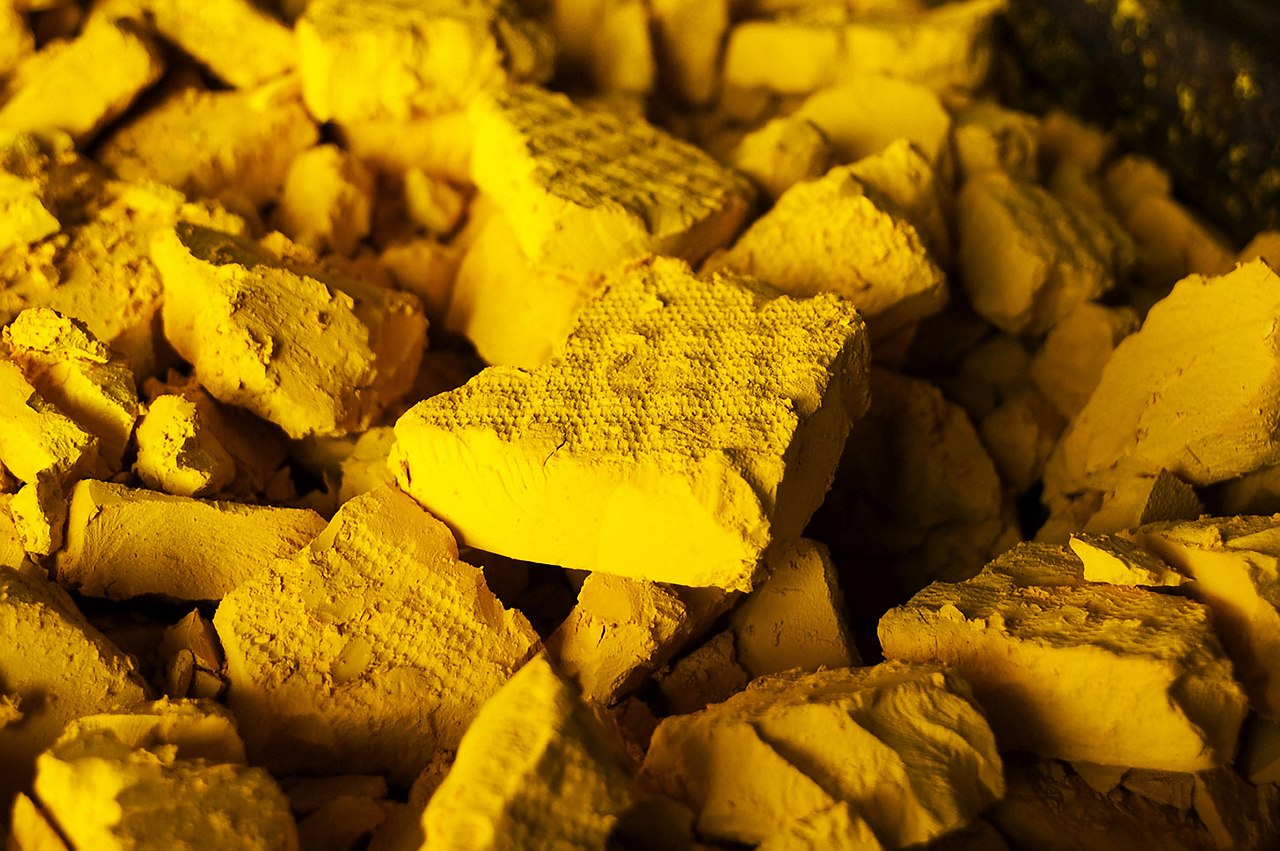 If investors keep buying uranium, analysts expect utility companies will come under pressure to replace long-term supply agreements before they expire. At the moment, long-term contracts cover 98 per cent of the uranium needed by US utility companies. But that figure drops to 84 per cent next year, and 55 per cent by 2025, according to uranium investment company, Yellow Cake.
As annual supply declines, demand for uranium from producers and financial players increases, and with trade policy potentially restricting access to some markets, it is believed the pounds available in the spot market will not be adequate to satisfy the growing backlog of long-term demand. As a result, companies expect there will be increased competition to secure uranium under long-term contracts on terms that will ensure the availability of reliable primary supply to meet growing demand.
What will the future look like?
Many countries are turning their attention to nuclear power in order to become net-zero economies. Even in Japan, nuclear generation has slowly been returning. It is argued that nuclear power is needed to some degree for the country to achieve its pollution-curbing goals. However, not all nations are re-embracing nuclear. Germany, for example, is set to shut its last reactor next year.
The concern is whether the recent gains in investor demand is enough to underpin the market. It can be argued that even before the recent price rally started, demand for uranium from the investment sector was already growing. However, observers of the market have suggested that just as quickly as uranium skyrocketed, prices may now be hitting the brakes. Producer stocks that got swept up in the frenzy seem to have peaked. In addition, the world’s top uranium miner Kazatomprom has warned that the recent price action was being fuelled by financial investors rather than the utilities that use the radioactive metal as fuel in their reactors. On the other hand, it is argued that this pickup in the spot market will be the catalyst to push more utilities to get involved in term contracting.
Despite the impact of the pandemic on global energy demand, it is now growing again. Gas and other energy shortages are being seen and the price of gas has been rising rapidly. This rise in energy prices plus a focus on carbon-free generation is likely to continue driving demand for nuclear power and hence for uranium. In addition, producers have warned of supply shortages in the long term as investors scoop up physical inventory and new mines are not starting quickly enough. Thus nuclear’s growing role in the clean energy transition, in addition to a supply shortfall, could turn the tide for the uranium industry.
Articles
Data
Questions
- Using the uranium market as an example, describe the relationship between an increase in demand and the market price.
- Explain whether the supply of uranium would be price elastic or inelastic in (a) the short run; (b) the long run.
- What is the role of speculation in determining the recent movements in the price of uranium and likely future price movements?
- Given your answers to the above questions, draw supply and demand diagrams to illustrate (a) the recent increase in the market price of uranium; (b) the likely price of uranium in five years from now.
 In its latest Commodity Special Feature (pages 43 to 53 of the October 2020 World Economic Outlook), the IMF examines the future of oil and other commodity prices. With the collapse in oil demand during the early stages of the coronavirus pandemic, oil prices plummeted. Brent crude fell from around $60 per barrel in late January to below $20 in April.
However, oil prices then rose somewhat and have typically been between $40 and $45 per barrel since June 2020 – still more than 35% lower than at the beginning of the year (see chart below: click here for a PowerPoint). This rise was caused by a slight recovery in demand but largely by supply reductions. These were the result partly of limits agreed by OPEC+ (OPEC, Russia and some other non-OPEC oil producing countries) and partly of reduced drilling in the USA and the closure of many shale oil wells which the lower prices had made unprofitable.
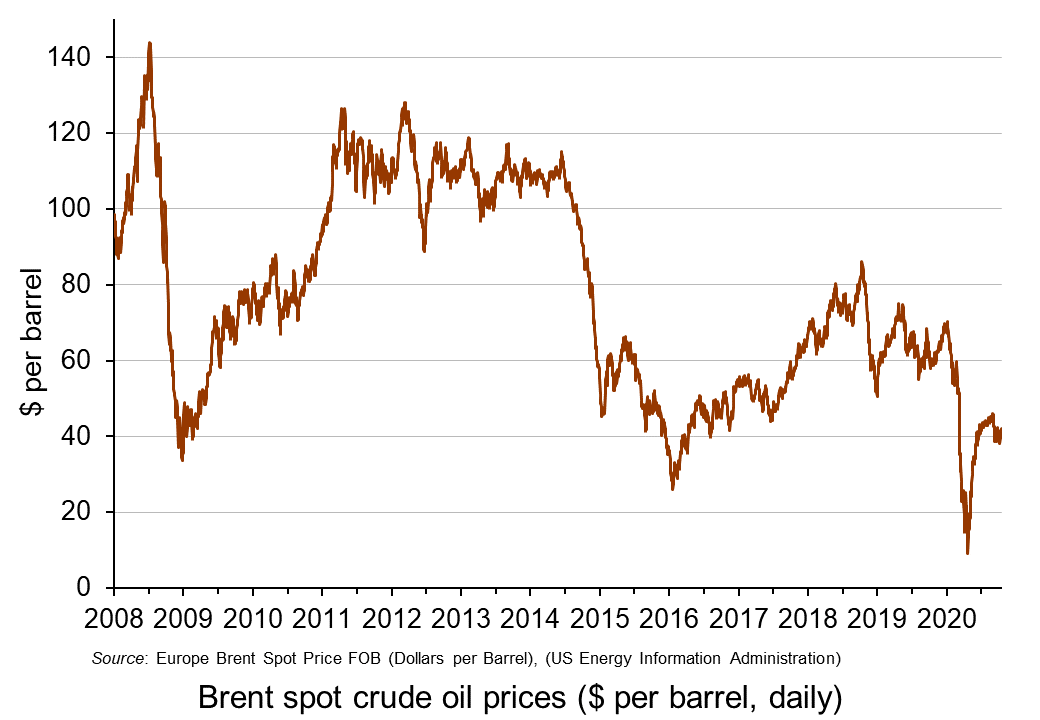 The IMF considers the future for oil prices and concludes that prices will remain subdued. It forecasts that petroleum spot prices will average $47 per barrel in 2021, up only slightly from the $42 average it predicts for 2020.
On the supply side it predicts that ‘stronger oil production growth in several non-OPEC+ countries, a faster normalization of Libya’s oil production, and a breakdown of the OPEC+ agreement’ will push up supply and push down prices. Even if the OPEC+ agreement holds, the members are set to ease their production cut by nearly 25% at the start of 2021. This rise in supply will be offset to some extent by possibly ‘excessive cuts in oil and gas upstream investments and further bankruptcies in the energy sector’.
On the demand side, the speed of the recovery from the pandemic will be a major determinant. If the second wave is long-lasting and deep, with a vaccine available to all still some way off, oil demand could remain subdued for many months. This will be compounded by the accelerating shift to renewable energy and electric vehicles and by government policies to reduce CO2 emissions.
Report
Articles
Oil price data
Questions
- Describe a scenario in which oil prices rebound significantly over the coming months. Illustrate your answer with a supply and demand diagram.
- Describe a scenario in which oil prices fall over the coming months. Again, illustrate your answer with a supply and demand diagram.
- How are the price elasticities of demand and supply relevant to the size of any oil price change?
- Project forward 10 years and predict whether oil prices will be higher or lower than now. What are the major determinants of supply and demand in your prediction?
- What are oil futures? What determines oil future prices?
- How does speculation affect oil prices?
 We are coming into the big spending season, with Black Friday, Cyber Monday, the run-up to Christmas and then the winter sales. So will we all be rational maximisers and weigh up the utility we expect to receive from items against the price we pay (plus any other cost, such as time spent searching/shopping)? Or will we use a set of heuristics which make life easier and that we have found to be useful in helping us choose – heuristics such as buying things we’ve liked before, or going for things on special offer?
The answer is that we do probably use a set of heuristics, at least for many items. And don’t the retailers and the marketing firms they employ know this!

They will use all sorts of tricks of the trade to persuade us to part with our money. These tricks are designed to nudge us (or push us), without us feeling manipulated or conned – at least until we’ve bought their product.
And the tricks are getting more sophisticated. They include special offers which are not as good as they seem, time-limited offers which stimulate us to buy quickly without carefully thinking about what we’re doing, cunning positioning of products in shops to encourage us to buy things we had not planned to buy, adverts which play to our idealised perceptions or the ‘good life’ or what we would like to achieve, and packaging or display which make the product seem better than it is.

Also we are increasingly faced with targeted advertising where our smart devices capture information about our spending habits and tastes through our previous online spending or our search behaviour. This is then fed to advertisers to tailor adverts specifically to us on our mobiles, tablets, laptops and even, soon, on our smart TVs.
We may have a general desire to maximise utility from our spending, but market failures, such as consumers having imperfect information about products and a present bias (see also) in decision making, make us easy targets for the advertising and marketing industry. They understand the heuristics we use and try to take maximum advantage of them.
Happy shopping!
Articles
How shops use tricks to get you spending The Conversation, Cathrine Jansson-Boyd (16/11/17)
ColourPop looks to Qubit for next-gen personalization guidance Retail Dive, Dan O’Shea (13/6/17)
Channel 4 to offer 100% ad targeting across All 4 platform, seeking partners for linear equivalent The Drum, Jessica Goodfellow (14/11/17)
How Google aims to bring TV advertising into the 21st century The Drum, Ronan Shields (19/10/17)
How to Use Heuristics to Your Marketing Advantage MarketingProfs, Cam Secore (12/11/15)
Questions
- Does the use of heuristics contradict the assumption that consumers behave rationally?
- Give some examples of heuristics that you yourself use.
- Other than those identified above and in the first article, what ‘tricks’ might companies play on you to persuade you to buy their products?
- Is advertising personally targeted to individual consumers desirable for them?
- Give some examples of present bias in people’s behaviour.
- What factors should a retailer take into account when deciding whether to make pre-Christmas discounts?
- Explain what is meant by ‘affect heuristic’ and how the advertising industry uses the concept in setting the background to or scenario of an advertisement.
- Have you ever been persuaded into buying something you didn’t want? Why were you persuaded?
 How is Iran war affecting petrol and diesel prices in UK?