From the start of the American and Israeli war with Iran on 28 February 2026 to 30 September – a period of just seven months – the retail price of petrol in the UK has risen by approximately 43p, from around 132p to 175p per litre – a rise of 33%. In contrast, the price of diesel has risen by approximately 59p, from around 142p to 201p per litre – a rise of 42%.
In several other countries the percentage difference is greater still, particularly in countries where fuel taxes are lower and thus the wholesale cost of the fuel is a larger percentage of the pump price. In the USA, for example, petrol (gasoline) prices have risen by around 38%, whereas diesel prices have risen by around 73%.
But why have diesel prices risen by more than petrol prices? The answer has to do with supply and demand.
Supply
 Greater effect of the Iran war on diesel supplies. The closing of the Strait of Hormuz has drastically cut the supply of oil from the Gulf states. This is being compounded by the Houthi attacks on Saudi shipping in the Red Sea. This has forced Saudi oil that is transported by pipeline to the Red Sea and destined for countries east of Saudi Arabia to be transported north via the Suez canal rather than south through the Bab al-Mandab Strait. This has been made worse by attacks launched from Iraq on the Saudi oil pipeline.
Middle Eastern crude oil’s composition is the most efficient for refining high-quality diesel. The restriction on exports, both of crude oil and of diesel from Gulf refineries, has thus affected diesel supplies more than petrol supplies.
Effect of Ukraine war. Ukraine has been launching drone attacks on Russian refineries, mainly producing diesel. The resulting shortage of diesel within Russia has led it to impose a ban on diesel exports, extended at least to the end of 2026, to limit the effects on supplies for the military and for domestic users. Russia has historically been the world’s second-largest diesel exporter and the ban has reduced the world’s supply of seaborne diesel by around 12%.
Low diesel stocks. Stocks of diesel have been run down and this has meant that there is little flexibility to draw them down further.
 Refinery constraints. Refineries cannot instantly alter their output to produce more diesel. Furthermore, diesel has become more expensive to produce in recent years due to the transition to ultra-low sulphur diesel to meet stricter environmental standards. This makes the supply of diesel relatively price inelastic, exaggerating the effect on price.
UK refineries produce more petrol than the domestic market requires, making the UK a net exporter of petrol. This higher self-sufficiency partially shields domestic petrol prices from global shocks. However, the UK does not refine enough diesel to meet domestic demand. It relies heavily on foreign imports to cover the shortfall. Thus diesel prices in the UK are more subject to global price increases.
Demand
Seasonal demand spikes. The demand for diesel tends to rise in late summer due to extra agricultural demand for autumn crop harvests.
 Low price elasticity of demand. Unlike petrol, which is primarily consumed by individuals who can choose to drive less when prices rise, diesel is essential to industrial economies. It powers lorries, ships, buses, trains, agricultural machinery, mining equipment and many industrial machines. Because businesses must keep moving goods, farming crops and running machines, global demand for diesel is little affected by rising prices. This low price elasticity of demand results in a bigger price rise for every reduction in supply than is the case for petrol.
What is more, the transition to EVs has been greater for cars than for lorries, although many buses and vans are now electric. The electrification of the railways, however, is too long-term a project to affect short-term diesel prices and electric lorries are still in their infancy. But with rapid development of electric alternatives underway in the haulage and industrial machinery sectors, they may become less reliant on diesel in the relatively near future.
Articles
- Petrol and diesel prices hit highest since 2022
BBC News (14/9/26)
- Diesel prices hit new record in September 2026: What that means for inflation, shipping costs and your portfolio
J.P.Morgan, Sergei Klebnikov (15/9/26)
- Iran war pushes diesel – the economy’s lifeblood – to record high prices, with no relief on the horizon
The Conversation, Morgan Bazilian and Jamie Webster (18/9/26)
- Diesel costs more than $6 a gallon for the first time. Here’s how that affects you
CNN, Chris Isidore and Matt Egan (12/9/26)
- Why is diesel more expensive than petrol in Australia?
NRMA, Sam Charlwood (9/4/26)
- Diesel Prices Surge as Global Supplies Tighten
Farm Bureau Intel, Faith Parum (17/9/26)
- Why has diesel increased so much more than unleaded?
PetrolPrices (11/3/26)
- Disparity between diesel and petrol prices reaches record-breaking levels
FleetNews, Gareth Roberts (30/3/26)
- Diesel and petrol hit four-year high fuelling inflation concerns
FleetNews, Gareth Roberts (15/9/26)
- EU says Trump plan to ban US diesel exports would ‘negatively impact both sides’
The Guardian, Jillian Ambrose (25/9/26)
Videos
Questions
- Draw a demand and supply diagram for diesel and petrol to illustrate the effects discussed in this blog.
- Is the demand for diesel likely to be more elastic over the longer term? Explain.
- Compare the effects on diesel prices in the UK with one other country of your choice. How similar are the factors affecting the relative price increases in diesel and petrol in the two countries?
- Would cutting taxes on diesel solve the problem of higher prices for diesel users?
- How has the cost of heating oil and aircraft fuel changed compared to that of petrol and diesel? Explain.
- What would be the effects on diesel prices in the UK and the USA if Donald Trump carried out his potential plan to ban US exports of diesel?
 Precious metals, such as gold, silver and platinum, are seen as safe havens by investors in uncertain times. With the on-off nature of Donald Trump’s tariffs, with ongoing wars, such as the war in Ukraine, and with threats of US action in Iran, with inflation slow to fall and pressure by the Trump administration on the Federal Reserve to make precipitant cuts in interest rates, investors have flocked to precious metals.
Precious metals peaked in late January 2026. Compared with just four months earlier, gold was up by 48%, platinum by 76% and silver by a massive 162%. Silver and platinum were also boosted by their industrial uses. Silver has excellent conductive properties and is used for electronics, AI, solar energy (photovoltaic cells), chemical catalysts and medical equipment. Over 50% of its consumption is for industrial purposes. Platinum is used as a catalyst in catalytic converters to reduce exhaust emissions, in medical devices, chemical processing, oil refining, electronics and glass manufacturing.
The rise was fuelled by speculation, which gathered momentum in December and January. But then the prices of all three metals fell dramatically on Friday 30 January and a bit more on 2 February. Despite a moderate bounce back on 3 February, the prices then fell again and by the end of 5 February, gold had fallen by 15%, platinum by 30% and silver by a massive 42% from the peak.
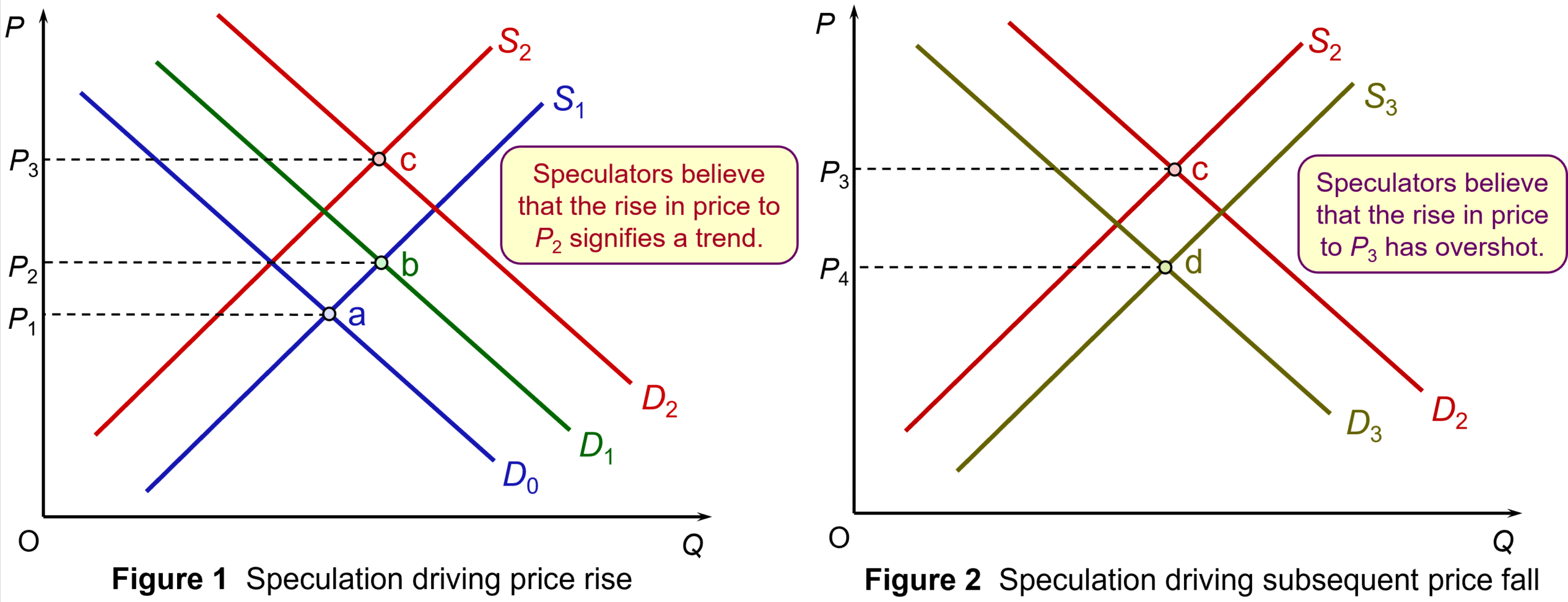
Figure 1 illustrates the effect of speculation on the rise in price of a precious metal, such as silver. Assume that demand rises from D0 to D1 for the reasons given above. Equilibrium moves from point a to point b and the price rises from P1 to P2. Seeing the price rising, holders of the metal wait until the price rises further before selling. Supply shifts from S1 to S2. Potential purchasers of the metal, anticipating a further rise in price, buy now before the price does rise. Demand shifts from D1 to D2. As a result, equilibrium moves from point b to point c and price rises to P3.
Figure 2 illustrates the effect of speculation on the subsequent fall in prices triggered by a belief that price will fall. Speculative selling shifts the supply curve from S2 to S3. Potential demanders hold back and the demand curve shifts from D2 to D3. Equilibrium moves to point d and price falls from P3 to P4. (Click here for a PowerPoint of the two figures.)
But why did prices fall so dramatically? The first reason was that analysts were beginning to argue that the exuberance of investors had led the price of all three metals to overshoot the fundamental balance of supply and demand. Once a tipping point arrived, people sold quickly to lock in the gains they had made over previous weeks. This profit taking caused prices to plummet as speculation of further falls drove prices lower.
 So what was the tipping point? This was the appointment by Donald Trump of Kevin Warsh as the new Chair of the Federal Reserve to take over from Jerome Powell when his tenure comes to an end in May this year.
It was expected that Trump would appoint someone much more willing to cut interest rates and this worried investors, who feared that inflation would rise again. This uncertainty drove demand for precious metals, which are seen as a safe haven. But Kevin Walsh is viewed as hawkish on monetary policy and less likely to slash interest rates than other possible choices for Chair. This triggered the fall in precious metal prices.
But the main factors that drove the demand for the metals still exist. There is still uncertainty, still an increased demand from central banks for gold, still a growing demand for silver and platinum for industrial uses. The next day, 3 February, it seemed that the prices of all three metals had over-corrected. Investors started buying again at the lower prices and consequently prices rose again – once more fuelled by speculation. Gold rose by 6.1%, platinum by 7.9% and silver by 11.6%.
Articles
Data
Questions
- What has happened to the price of silver since this blog was written? Use a demand and supply diagram to illustrate this.
- Identify the factors that affect the demand for and supply of (a) silver; (b) gold.
- What determines the elasticity of supply of silver (a) in total; (b) to the market?
- Choose another commodity other than the three metals considered in this blog. Find out what has happened to their prices over the past 12 months and explain why these price movements have occurred.
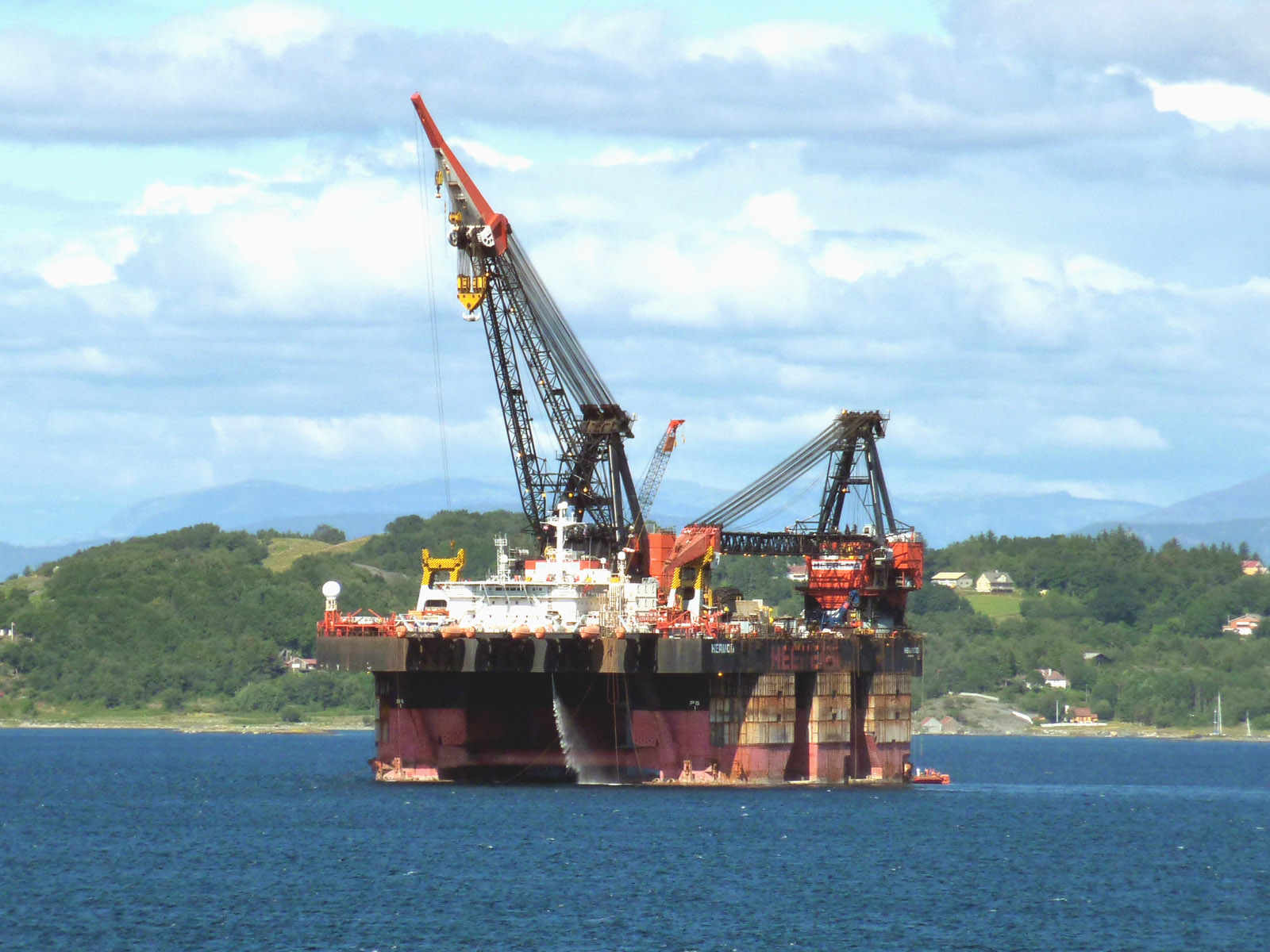 The market for crude oil is usually a volatile one. Indeed, in the last few months, the market has seen prices rise and fall due to various supply and demand influences. Crude oil is coined the ‘King of Commodities’ due to the impact it has on consumers, producers and both the micro and macro economy. The price of crude oil affects everything from the cost of producing plastics, transportation, and food at the supermarket.
This makes the market for crude oil an economic powerhouse which is closely watched by businesses, traders, and governments. To gain a full understanding of the movements in this market, it is important to identify how demand and supply affect the price of crude oil.
What influences the demand and supply of crude oil?
The law of demand and supply states that if demand increases, prices will rise, and if supply increases, prices will fall. This is exactly what happens in the market for crude oil. The consumer side of the market consists of various companies and hundreds of millions of people. The producer side of the market is made up of oil-producing countries. Collectively, both consumers and producers influence the market price.
However, the demand and supply of crude oil, and therefore the price, is also affected by global economic conditions and geopolitical tensions. What happens in the world impacts the price of oil, especially since a large proportion of the world’s biggest oil producers are in politically unstable areas.
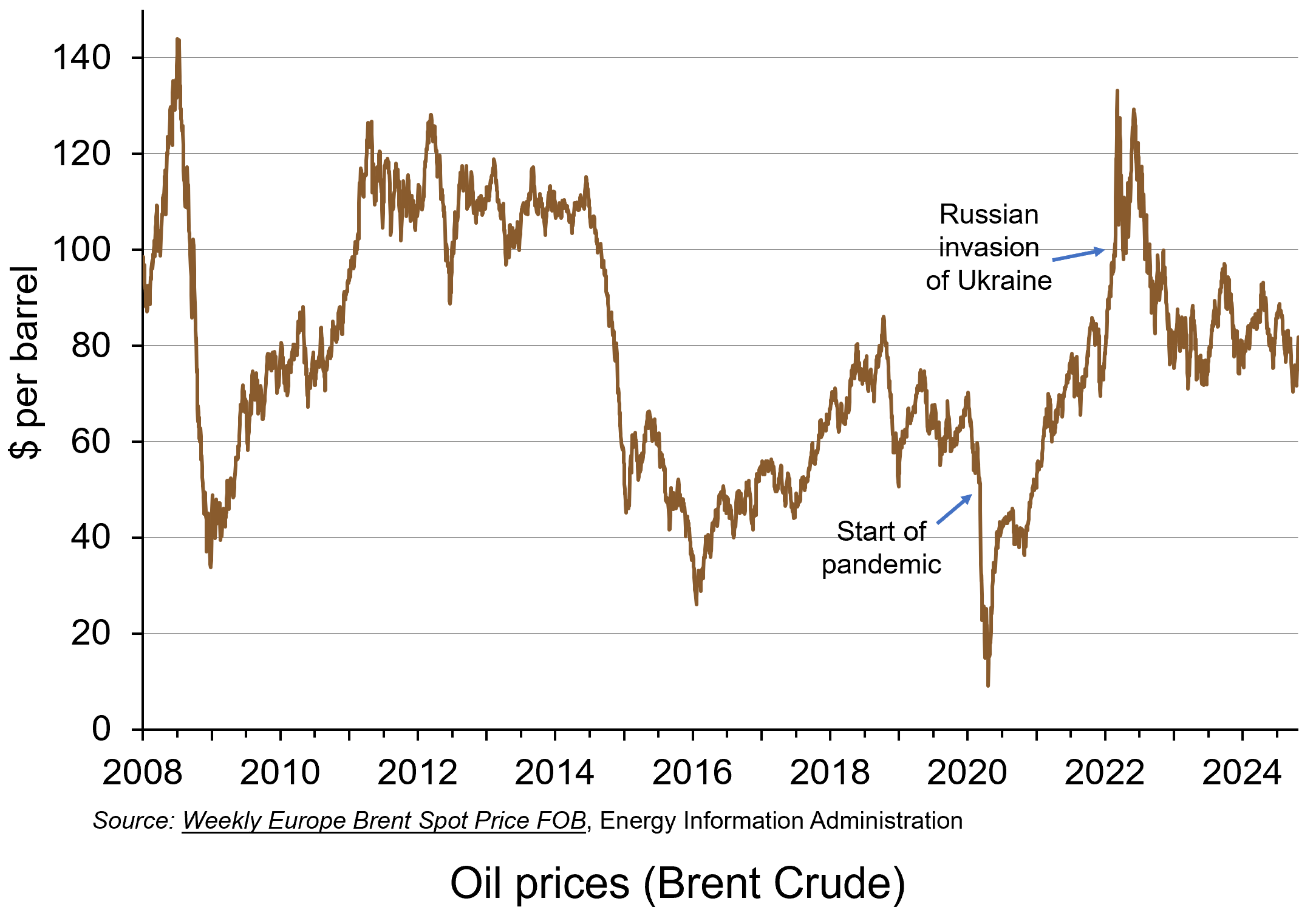 Over the past five years, global events have had a major impact on the price of oil. The economic conditions created by the impact of the COVID pandemic saw prices plummet from around $55 per barrel just before the pandemic in February 2020 to around $15 per barrel in April 2020. By mid-2021 they had recovered to around $75 per barrel. Then, in the aftermath of Russia’s invasion of Ukraine in February 2022, the price surged to reach $133 in June 2022. More recently, geopolitical tensions in the Middle East and concerns about China’s economic outlook have intensified concerns about the future direction of the market. (Click here for a PowerPoint of the chart.)
Geopolitical tensions
In the first week of October 2024, the price of crude oil rose by almost 10% to around $78 per barrel as the conflict in the Middle East intensified. It unfortunately comes at a time when many countries are starting to recover from the rise in oil prices caused by the pandemic and the war in Ukraine. Any increase in prices will affect the price that consumers pay to fill up their vehicles with fuel, just when prices of diesel and petrol had reached their lowest level for three years.
 The Governor of the Bank of England, Andrew Bailey, has said that the Bank is monitoring developments in the Middle East ‘extremely closely’, as the conflict has the potential to have serious impacts in the UK. The Bank of England will therefore be watching for any movement in oil prices that could fuel inflation.
The main concerns stem from further escalation in the conflict between Israel and the Iran-backed armed group, Hezbollah, in Lebanon. If Israel decides to attack Iran’s oil sector, this is likely to cause a sharp rise in the price of oil. Iran is the world’s seventh largest oil exporter and exports over half of its production to China. If the oilfields of a medium-sized supplier, like Iran, were attacked, this could threaten general inflation in the UK, which could in turn influence any decision by the Bank of England to lower interest rates next month.
Supply deficits
This week (2nd week of October 2024) saw the price of crude oil surge above $81 per barrel to hit its highest level since August. This rise means that prices increased by 12% in a week. However, this surge in price also means that prices rose by almost 21% between the start September and the start of October alone. Yet it was only in early September when crude oil hit a year-to-date low, highlighting the volatility in the market.
As the Middle-East war enters a new and more energy-related phase, the loss of Iranian oil would leave the market in a supply deficit. The law of supply implies that such a deficit would lead to an increase in prices. This also comes at a time when the US Strategic Petroleum Reserve has also been depleted, causing further concerns about global oil supply.
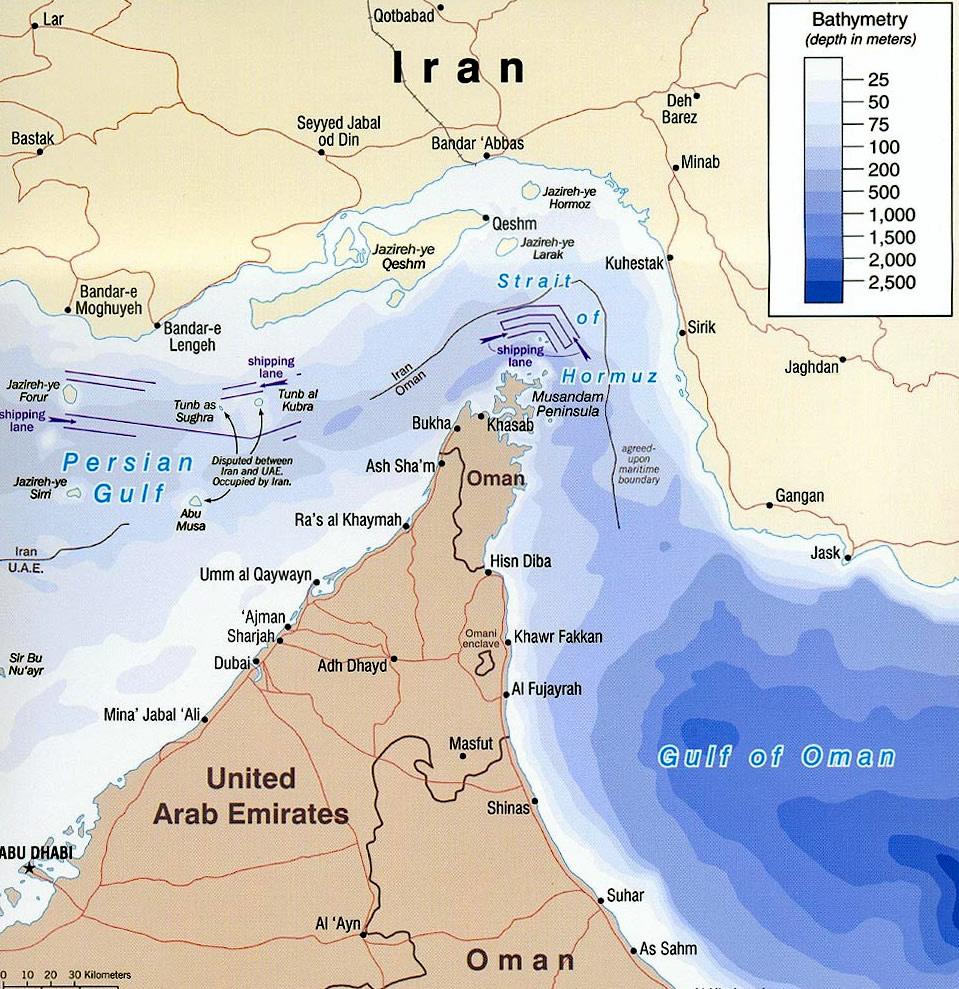 However, the biggest and most significant impact would be a disruption to flows through the Strait of Hormuz. This is a relatively narrow channel at the east end of the Persian Gulf through which a huge amount of oil tanker traffic passes – about a third of total seaborne-traded oil. It is therefore known as the world’s most important oil transit chokepoint. The risk that escalation could block the Strait of Hormuz could technically see a halt in about a fifth of the world’s oil supply. This would include exports from big Gulf producers, including Saudi Arabia, UAE, Kuwait and Iraq. In a worst-case scenario of a full closure of the Strait, a barrel of oil could very quickly rise to well above $100.
Disruption to shipments would also lead to higher gas prices and therefore lead to a rise in household gas and electricity bills. As with oil, gas prices filter down supply chains, affecting the cost of virtually all goods, resulting in a further rise in the cost of living. With energy bills in the UK having already risen by 10% for this winter, an escalation to the conflict could see prices rise further still.
China’s economic outlook

Despite the concern for the future supply of oil, there is also a need to consider how the demand for oil could impact price changes in the market. The price of oil declined on 14 October 2024 in light of concerns over China’s struggling economy. As China is the world’s largest importer of crude oil, there are emerging fears about the potential limits on fuel demand. This fall in price reversed increases made the previous week as investors become concerned about worsening deflationary pressures in China.
Any reduced demand from China could indicate an oversupply of crude oil and therefore potential price declines. Official data from China reveal a sharp year-on-year drop in the producer price index of 2.8% – the fastest decline in six months. These disappointing results have stirred uncertainty about the Chinese government’s economic stimulus plans. Prices could fall further if there are continuing doubts about the government’s ability to implement effective fiscal measures to promote consumer spending and, in turn, economic growth.
As a result of the 2% price fall in oil prices on 14 October, OPEC (the Organization of the Petroleum Exporting Countries) has lowered its 2024 and 2025 global oil demand growth. This negative news outweighed market concerns over the possibility that an Israeli response to Iran’s missile attack could disrupt oil production.
What is the future for oil prices?
 It is expected that the market for oil will remain a volatile one. Indeed, the current uncertainties around the globe only highlight this. It is never a simple task to predict what will happen in a market that is influenced by so many global factors, and the current global landscape only adds to the complexity.
There’s a wide spectrum of predictions about what could come next in the market for crude oil. Given the changes in the first two weeks of October alone, supply and demand factors from separate parts of the globe have made the future of oil prices particularly uncertain. Callum Macpherson, head of commodities at Investec, stated in early October that ‘there is really no way of telling where we will be this time next week’ (see the first BBC News article linked below).
Despite the predominately negative outlook, this is all based on potential scenarios. Caroline Bain, chief commodities economist at Capital Economics suggests that if the ‘worst-case scenario’ of further escalation in the Middle East conflict does not materialise, oil prices are likely to ‘ease back quite quickly’. Even if Iran’s supplies were disrupted, China could turn to Russia for its oil. Bain says that there is ‘more than enough capacity’ globally to cover the gap if Iranian production is lost. However, this does then raise the question of where the loyalty of Saudi Arabia, the world’s second largest oil producer, lies and whether it will increase or restrict further production.
What is certain is that the market for crude oil will continue to be a market that is closely observed. It doesn’t take much change in global activity for prices to move. Therefore, in the current political and macroeconomic environment, the coming weeks and months will be critical in determining oil prices and, in turn, their economic effects.
Articles
- How worried should I be about rising oil prices?
BBC News, Michael Race (4/10/24)
- Interest rates could fall more quickly, hints Bank
BBC News, Dearbail Jordan (3/10/24)
- Oil Prices Eye $100 A Barrel As War Risk Premium Returns
FX Empire, Phil Carr (8/10/24)
- Crude oil futures reverse previous gains following disappointing economic data from China
London Loves Business, Hamza Zraimek (14/10/24)
- Oil falls 2% as OPEC cuts oil demand growth view, China concerns
Reuters, Arathy Somasekhar (14/10/24)
- Could war in the Gulf push oil to $100 a barrel?
The Economist (7/10/24)
- The Commodities Feed: Oil remains volatile
ING Think, Ewa Manthey and Warren Patterson (8/10/24)
- Who and what is driving oil price volatility
FT Alphaville, George Steer (9/10/24)
- Brent crude surges above $80 as conflict and storm spark supply fears
Financial Times, Rafe Uddin and Jamie Smyth (7/10/24)
Questions
- Use a demand and supply diagram to illustrate what has happened to oil prices in the main two scenarios:
(a) Conflict in the Middle East;
(b) Concerns about China’s economic performance.
- How are the price elasticities of demand and supply relevant to the size of any oil price change?
- What policy options do the governments have to deal with the potential of increasing energy prices?
- What are oil futures? What determines oil future prices?
- How does speculation affect oil prices?
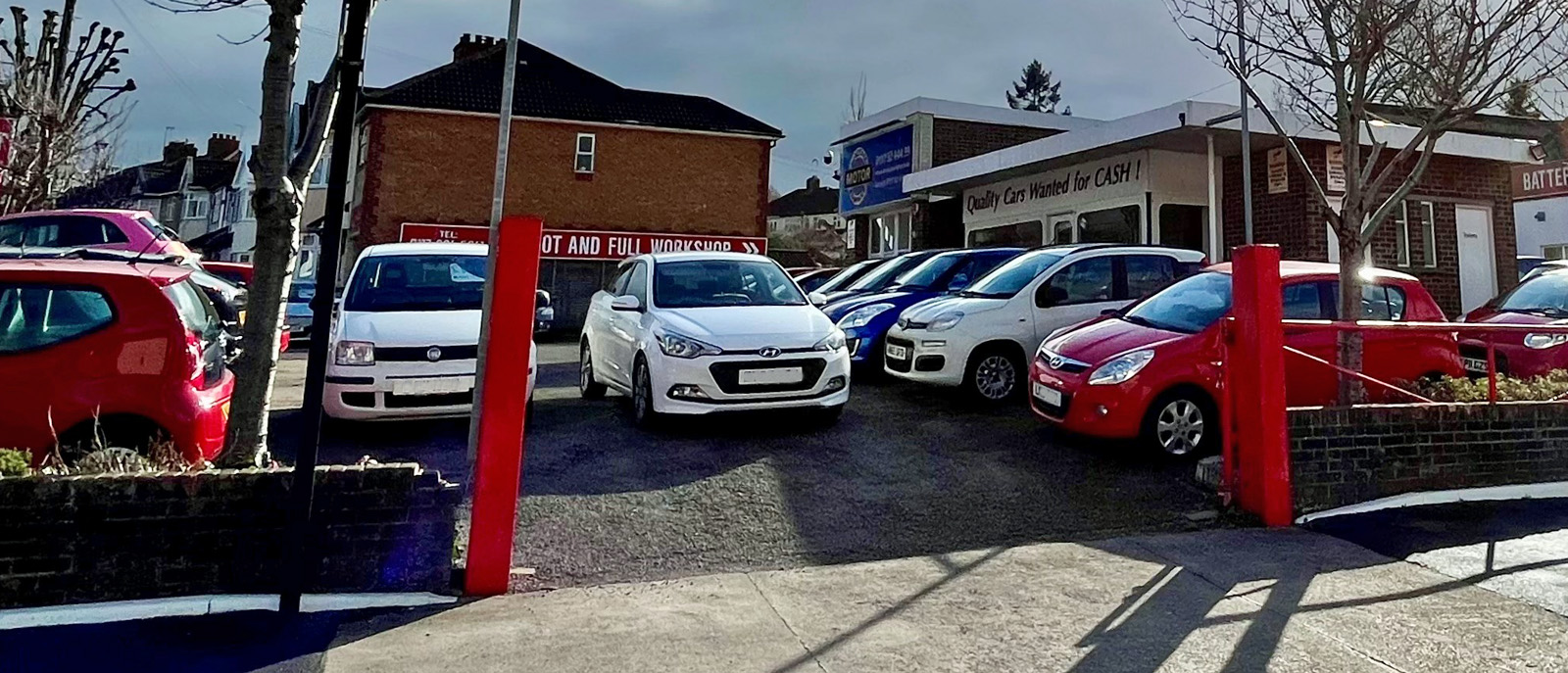 Prices of used fully electric cars (EVs) are falling in the UK, even though prices of used internal combustion engine (ICE) cars are rising. According to Auto Trader (see the first two articles below), in February 2023 the average price of used petrol cars rose by 3.3% compared with January and the price of used diesel cars rose by 1.4%. But the price of used EVs fell by 9.1%. This follows a fall of 2.1% in January.
But why are used EV prices falling? After all, the last few years has seen a drive to replace ICEs with EVs and hybrids, with many consumers preferring electric cars to petrol and diesel ones. What is more, vehicle excise duty is currently zero for EVs (and will be until 2025) and the sale of new ICEs will be banned from the end of the decade. The answer lies in demand and supply.
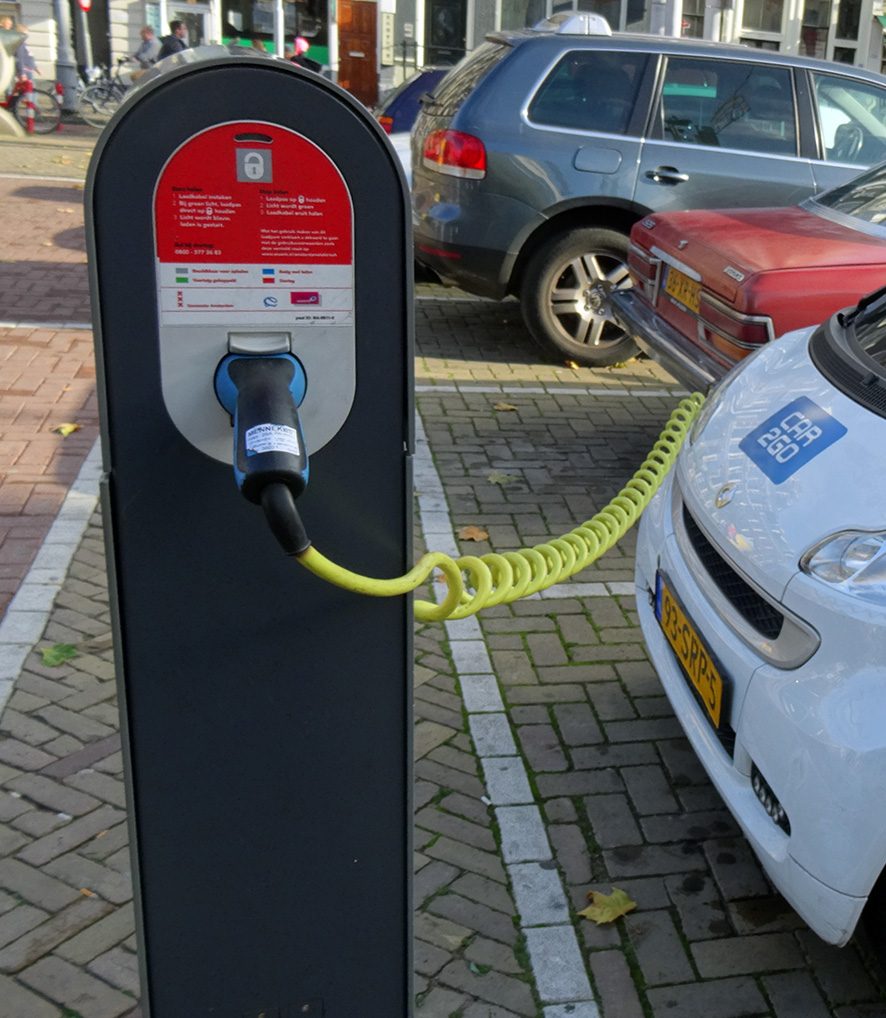 On the demand side, many existing and potential EV owners worry about the charging infrastructure. The number of EVs has grown more rapidly than the number of charging points. In 2020 there was one charging point per 16 cars; by 2022 this had worsened to one per 30 cars. Also the distribution of charging points is patchy and there is a lack of rapid and ultra-rapid chargers. Increasingly, people have to queue for access to a charger and this can substantially delay a journey and could mean missed appointments. There were many pictures in the media around Christmas of long queues for chargers at service stations and supermarkets. Poor charging infrastructure can be more of a problem for second-hand EVs, which tend to have a smaller range.
Also on the demand side is the price of fuel. After the Russian invasion of Ukraine and the rise in oil prices, the price of petrol and diesel soared. This increased the cost of running ICE vehicles and boosted the demand for EVs. But the war also drove up the price of natural gas and this price largely determines the wholesale price of electricity. With government subsidies for electricity, this constrained the rise in electricity prices. This made running an EV for a time comparatively cheaper.  More recently, the price of oil has fallen and with it the price of petrol and diesel. But electricity prices are set to rise in April as government subsidies cease. The cost advantage of running an electric car is likely to disappear, or at least substantially decline.
Another substitute for second-hand EVs is new EVs. As the range of new EVs increases, then anyone thinking about buying an EV may be more tempted to buy a new one rather than a used one. Such demand has also been driven by Tesla’s decision to cut the UK prices of many of it models by between 10% and 13%.
The fall in demand for used EVs is compounded, at least in the short term, by speculation. People thinking of trading in their ICE or hybrid car for a fully electric one are likely to wait if they see prices falling. Why buy now if, by waiting, you could get the same model cheaper?
On the supply side, EV owners, faced with the infrastructure problems outlined above, are likely to sell their EV and buy an ICE or hybrid one instead. This increases the supply of used EVs. This is again compounded by speculation as people thinking of selling their EV do so as quickly as possible before price falls further.
In many other countries, there is much more rapid investment in charging infrastructure and/or subsidies for purchasing not only new but used EVs. This has prevented or limited the fall in price of used EVs.
Articles
- Auto Trader diagnoses used car sector’s ‘robust health’ after February value rise
AM-online, Tom Sharpe (20/2/23)
- Auto Trader: Used car prices UP AGAIN in February but EV prices continue to tumble
Car Dealer, James Baggott (20/2/23)
- Used electric car prices caught in vicious downward cycle as experts warn of trouble ahead
Car Dealer, James Baggott (13/2/23)
- Used EV market needs more support in Spring Budget, says Vehicle Remarketing Association
Car Dealer, Jack Williams (15/2/23)
- Middle classes cannot afford electric cars, warns Vauxhall owner
The Telegraph, Howard Mustoe (23/2/23)
- British drivers are hurtling towards the electric car cliff edge
The Telegraph on msn, Ben Marlow (23/2/23)
- Cars Drivers should be ‘cautious’ when buying a used EV before 2030 car ban – ‘still an issue!’
Express, Felix Reeves (12/2/23)
- Motorpoint revenues accelerate but dealership group issues profit warning as used electric car prices crash
This is Money, Camilla Canocchi (27/1/23)
- Tesla cuts prices by up to a fifth to boost demand
BBC News, Lucy Hooker (13/1/23)
Questions
- Draw a supply and demand diagram to illustrate what has been happening in the market for used EVs.
- How has the price elasticity of (a) demand and (b) supply affected the amount by which used EV prices have fallen?
- Identify substitutes and complements for used electric vehicles. How relevant is the cross-price elasticity of demand for these complements and substitutes in determining price changes of used EVs?
- Draw a diagram to illustrate the effect of speculation on used EV prices.
- What is likely to happen to used EV prices in the months ahead? Explain.
- How are externalities in car usage relevant to government action to influence the market for EVs? What should determine the size of this intervention?
- Devise a short survey for people thinking of buying an EV to determine the factors that are likely to affect their decision to buy one and, if so, whether to buy a new or used one.
 Imagine a situation where you are thinking of buying a good and so you go to an e-commerce marketplace such as Amazon, eBay, Etsy or Onbuy. How confident are you about the quality of the different brands/makes that are listed for sale on these digital platforms? How do you choose which product to buy? Is the decision strongly influenced by customer reviews and rating?
When a customer is choosing what to buy it raises an interesting question: to what extent can the true quality of the different goods/services be observed at the time of purchase? Although perfect observability is highly unlikely, the level of consumer information about a product’s true quality will vary between different types of transaction.
For example, when consumers can physically inspect and test/try a product in a shop, it can help them to make more accurate judgements about its quality and condition. This poses a problem for online sellers of high-quality versions of a good. Without the ability to inspect the item physically, consumers may be unsure about its characteristics. They may worry that the online description provided by the seller deliberately misrepresents the true quality of the item.
Consumers may have other concerns about the general reliability of online sellers. For example, in comparison to buying the product from a physical store, consumers may worry that:
- They will have to wait longer to receive the good. In many cases, when consumers purchase a product from a high-street store, they can walk away with the item and start using it straight away. When purchasing on line, they may end up waiting weeks or even longer before the product is finally delivered.
- It will be more difficult to return the product and get a refund.
- They are more likely to come across fraudulent sellers who have set-up a fake website.
This greater level of uncertainty about the true characteristics of the product and the general reliability of the seller will have a negative impact on consumers’ willingness to pay for all goods. This impact is likely to be particularly strong for high-quality versions of a product. If consumers’ willingness to pay falls below the reservation price of many sellers of high-quality goods, then the market could suffer from adverse selection and market failure.
Are there any within-market arrangements that could help deal with this issue? One possibility is for sellers to signal the quality of their products by posting consumer ratings and reviews. If consumers see that a product has many positive ratings, then this will increase their confidence in the quality of the product and so increase their willingness to pay. This could then reduce both levels of asymmetric information and the chances of adverse selection occurring in the market,
There is survey evidence that many people do read consumer reviews when choosing products on line and are heavily influenced by the ratings.
The problem of fake reviews
 However, when consumers look at these reviews can they be sure that they reflect consumers’ honest opinions and/or actual experience of using the good or service? Firms may have an incentive to manipulate and post fake reviews. For example, they could:
- Deliberately fail to display negative reviews on their website while claiming that all reviews are published.
- Use internet bots to post thousands of automated reviews.
- Take positive reviews from competitors’ websites and post them on their own website.
- Pay some customers and/or employees to write and post 5-star reviews on their own website.
- Pay some customers and/or employees to write and post 1-star reviews on their competitors’ websites.
- Set up a website that they claim is independent and use it to provide positive endorsements of their own products.
If the benefits of this type of behaviour outweigh the costs, then we would expect to see fake reviews posted on websites. If their use becomes widespread, then the value of posting genuine reviews will fall. The market may then settle into what economists call a ‘pooling equilibrium’.
What evidence do we have on the posting of fake reviews? Given their nature, it is difficult to collect reliable data and there are large variations in the reported figures. One recent study found evidence of fake reviews being purchased and posted for approximately 1500 products on Amazon.
Can consumers screen reviews and identify those that are more likely to be fake? The following are some tell-tale signs.
- Products that receive a large number of very positive reviews over a short period (i.e. a few days). There are then long periods before the product receives another large number of positive reviews.
- A high percentage of 5-star reviews. Two, three and four start reviews are more likely to be genuine.
- Reviews that specifically mention a rival firm’s products.
- Reviewers who have given very high ratings to large number of different products over a short period of time.
- Reviews that include photos/videos.
Competition authorities around the world have been investigating the issue and the Competition and Markets Authority has announced plans to introduce new laws that make the purchasing and posting of fake reviews illegal.
Articles
Questions
- Outline different types of asymmetric information and explain the difference between adverse selection and moral hazard.
- Using a diagram, explain the impact of uncertainty over the quality of a good on consumers’ willingness to pay.
- Will consumers always face greater uncertainty over quality when purchasing goods on line rather than visiting the high street? Discuss your answer making reference to some specific examples.
- Using diagrams, explain how a market for high-quality versions of a good might collapse if there is asymmetric information. Using price elasticity of supply, explain the circumstances when the market is more likely to collapse.
- Discuss some of the benefits and costs for a firm of purchasing and posting fake reviews.
 How is Iran war affecting petrol and diesel prices in UK?