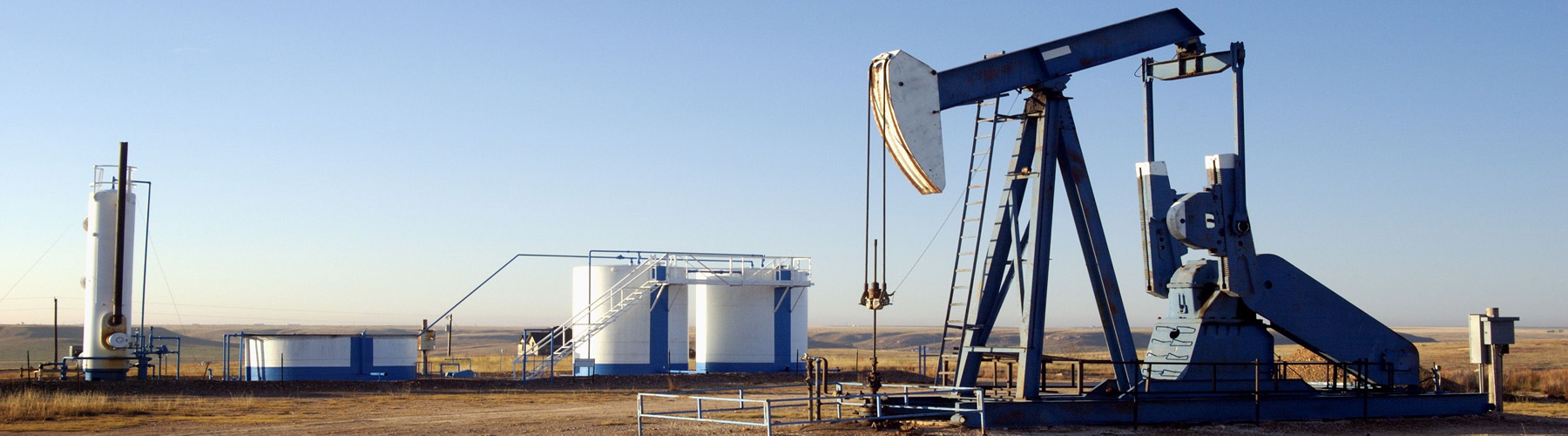
From the start of the American and Israeli war with Iran on 28 February 2026 to mid-September – a period of a little over six months – the retail price of petrol in the UK has risen by approximately 40p, from around 132p to 172p per litre – a rise of 30%. In contrast, the price of diesel has risen by approximately 53p, from around 142p to 195p per litre – a rise of 37%.
In several other countries the percentage difference is greater still, particularly in countries where fuel taxes are lower and thus the wholesale cost of the fuel is a larger percentage of the pump price. In the USA, for example, petrol (gasoline) prices have risen by around 49%, whereas diesel prices have risen by around 71%.
But why have diesel prices risen by more than petrol prices? The answer has to do with demand and supply
Supply
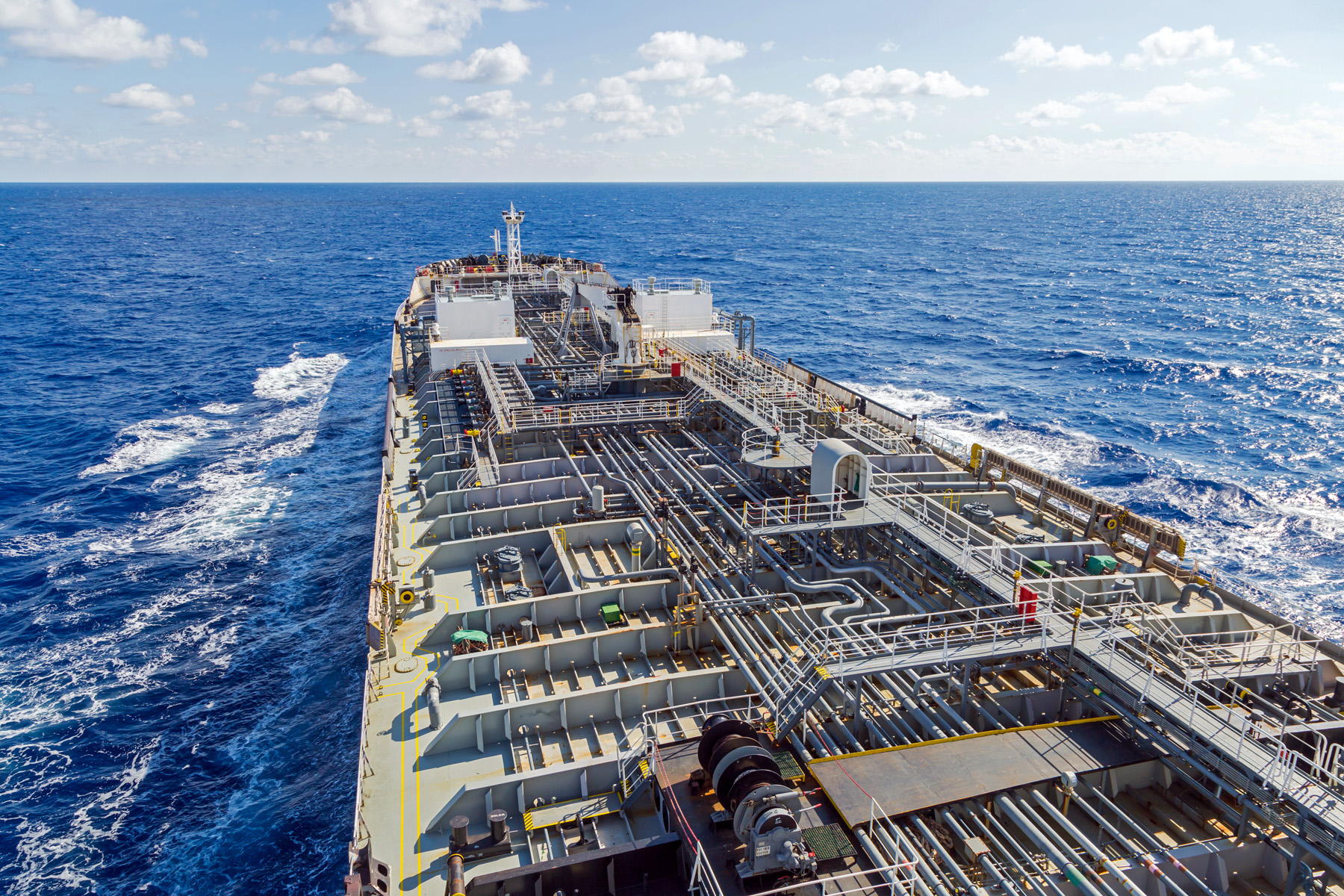 Greater effect of the Iran war on diesel supplies. The closing of the Strait of Hormuz has drastically cut the supply of oil from the Gulf states. This is being compounded by the Houthi attacks on Saudi shipping in the Red Sea. This has forced Saudi oil that is transported by pipeline to the Red Sea and destined for countries east of Saudi Arabia to be transported north via the Suez canal rather than south through the Bab al-Mandab Strait. This has been made worse by attacks launched from Iraq on the Saudi oil pipeline.
Middle Eastern crude oil’s composition is the most efficient for refining high-quality diesel. The restriction on exports, both of crude oil and of diesel from Gulf refineries, has thus affected diesel supplies more than petrol supplies.
Effect of Ukrainian war. Ukraine has been launching drone attacks on Russian refineries, mainly producing diesel. The resulting shortage of diesel within Russia has led it to impose a ban on diesel exports, extended at least to the end of 2026, to limit the effects on supplies for the military and for domestic users. Russia has historically been the world’s second-largest diesel exporter, and so this too has had a large effect on world supplies of diesel.
Low diesel stocks. Stocks of diesel have been run down and this has meant that there is little flexibility to draw them down further.
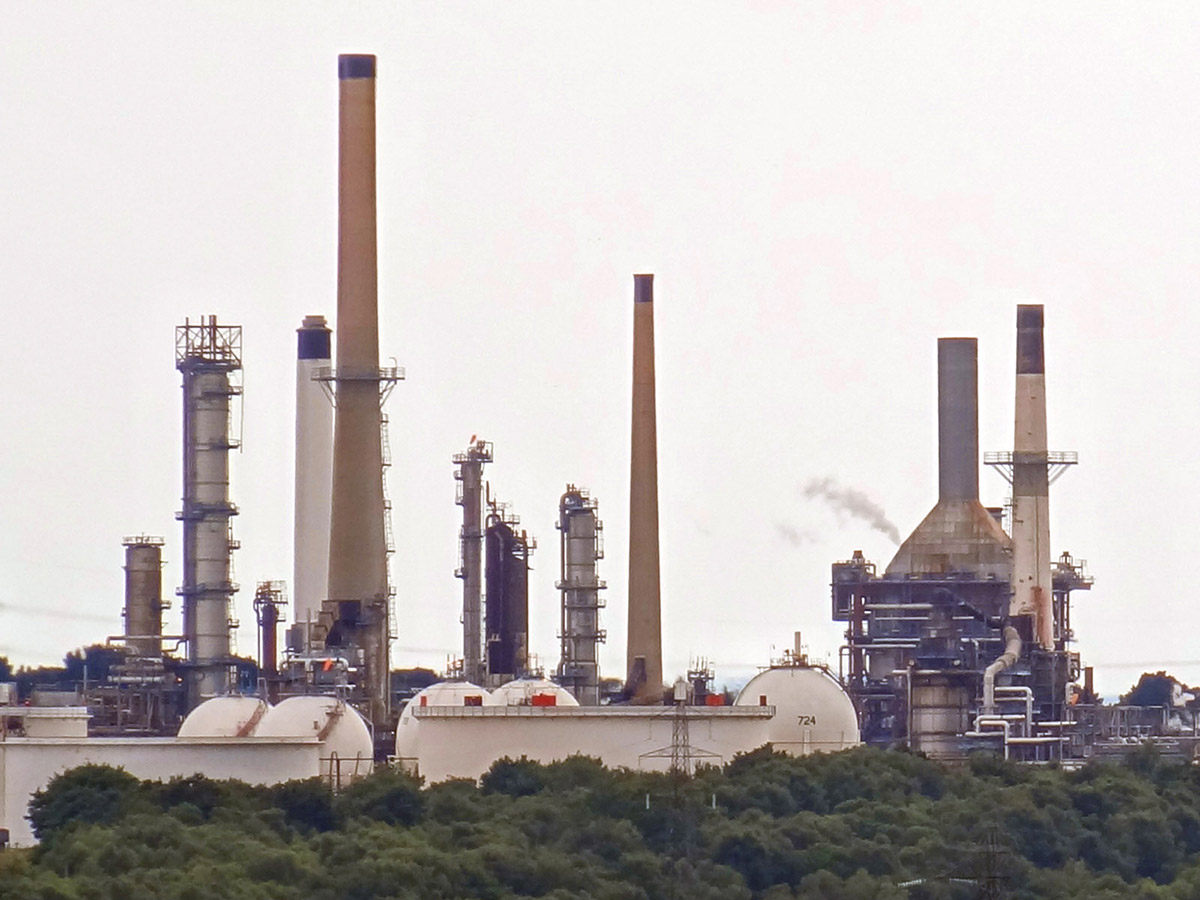 Refinery constraints. Refineries cannot instantly alter their output to produce more diesel. Furthermore, diesel has become more expensive to produce in recent years due to the transition to ultra-low sulphur diesel to meet stricter environmental standards. This makes the supply of diesel relatively price inelastic, exaggerating the effect on price.
UK refineries produce more petrol than the domestic market requires, making the UK a net exporter of petrol. This higher self-sufficiency partially shields domestic petrol prices from global shocks. However, the UK does not refine enough diesel to meet domestic demand. It relies heavily on foreign imports to cover the shortfall. Thus diesel prices in the UK are more subject to global price increases.
Demand
Seasonal demand spikes. The demand for diesel tends to rise in late summer due to extra agricultural demand for autumn crop harvests.
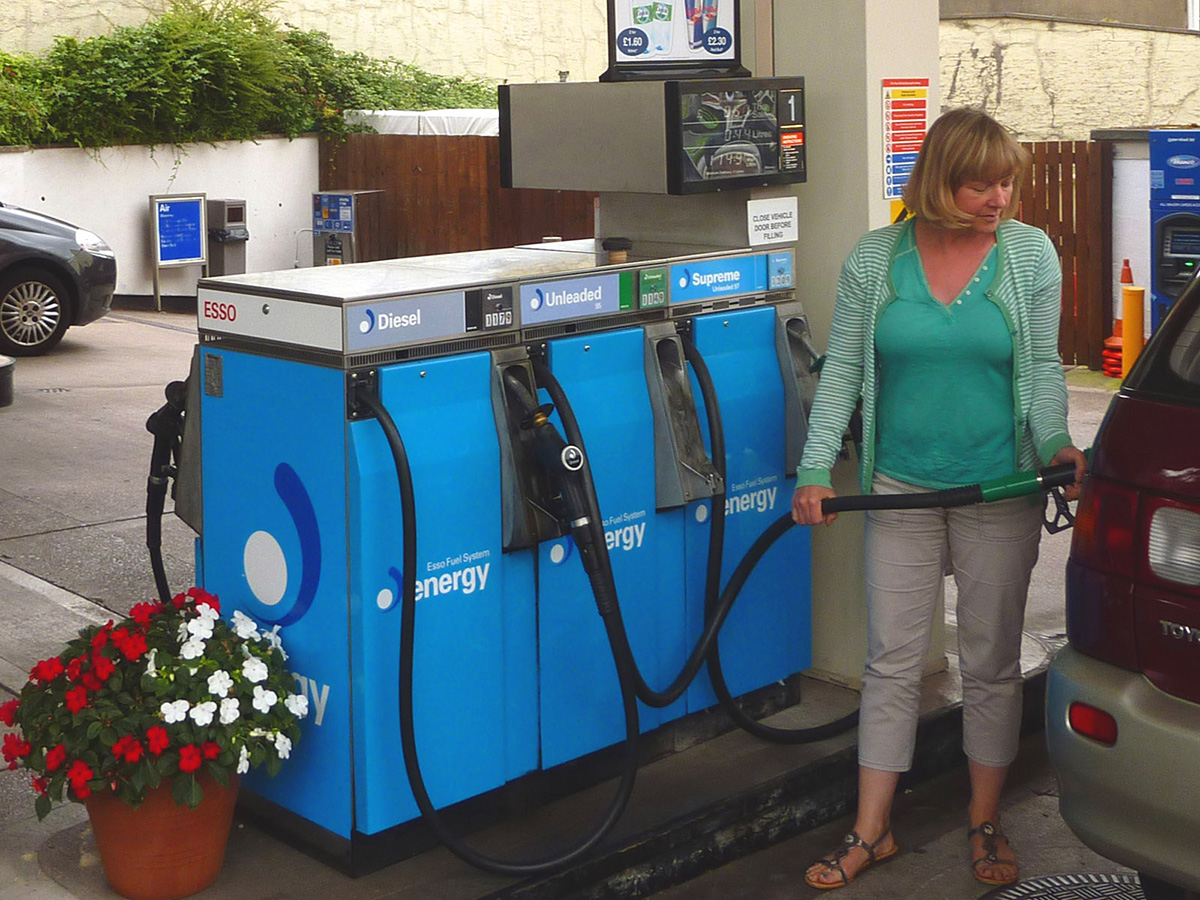 Low price elasticity of demand. Unlike petrol, which is primarily consumed by individuals who can choose to drive less when prices rise, diesel is essential to industrial economies. It powers lorries, ships, buses, trains, agricultural machinery, mining equipment and many industrial machines. Because businesses must keep moving goods, farming crops and running machines, global demand for diesel is little affected by rising prices. This low price elasticity of demand results in a bigger price rise for every reduction in supply than is the case for petrol.
What is more, the transition to EVs has been greater for cars than for lorries, although many buses and vans are now electric. The electrification of the railways, however, is too long-term a project to affect short-term diesel prices and electric lorries are still in their infancy. But with rapid development of electric alternatives underway in the haulage and industrial machinery sectors, they may become less reliant on diesel in the relatively near future.
Articles
- Petrol and diesel prices hit highest since 2022
- Diesel prices hit new record in September 2026: What that means for inflation, shipping costs and your portfolio
- Iran war pushes diesel – the economy’s lifeblood – to record high prices, with no relief on the horizon
- Diesel costs more than $6 a gallon for the first time. Here’s how that affects you
- Why is diesel more expensive than petrol in Australia?
- Diesel Prices Surge as Global Supplies Tighten
- Why has diesel increased so much more than unleaded?
- Disparity between diesel and petrol prices reaches record-breaking levels
- Diesel and petrol hit four-year high fuelling inflation concerns
BBC News (14/9/26)
J.P.Morgan, Sergei Klebnikov (15/9/26)
The Conversation, Morgan Bazilian and Jamie Webster (18/9/26)
CNN, Chris Isidore and Matt Egan (12/9/26)
NRMA, Sam Charlwood (9/4/26)
Farm Bureau Intel, Faith Parum (17/9/26)
PetrolPrices (11/3/26)
FleetNews, Gareth Roberts (30/3/26)
FleetNews, Gareth Roberts (15/9/26)
Video
 How is Iran war affecting petrol and diesel prices in UK?
Sky News, Ed Conway (5/26)
Questions
- Draw a demand and supply diagram for diesel and petrol to illustrate the effects discussed in this blog.
- Is the demand for diesel likely to be more elastic over the longer term? Explain.
- Compare the effects on diesel prices in the UK with one other country of your choice. How similar are the factors affecting the relative price increases in diesel and petrol in the two countries?
- Would cutting taxes on diesel solve the problem of higher prices for diesel users?
- How has the cost of heating oil and aircraft fuel changed compared to that of petrol and diesel? Explain.