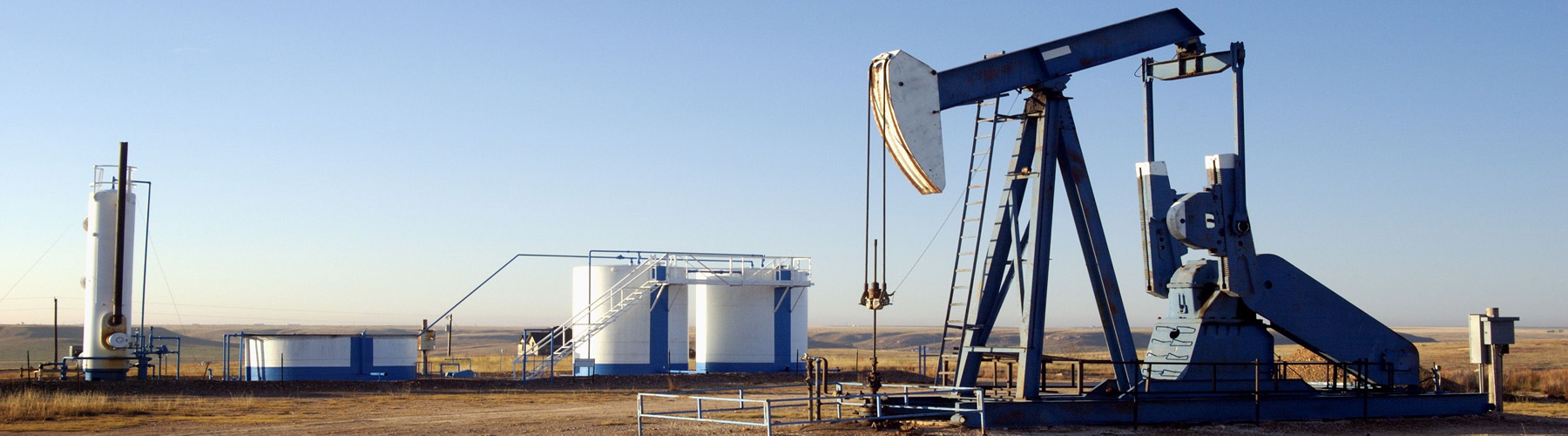
From the start of the American and Israeli war with Iran on 28 February 2026 to 30 September – a period of just seven months – the retail price of petrol in the UK has risen by approximately 43p, from around 132p to 175p per litre – a rise of 33%. In contrast, the price of diesel has risen by approximately 59p, from around 142p to 201p per litre – a rise of 42%.
In several other countries the percentage difference is greater still, particularly in countries where fuel taxes are lower and thus the wholesale cost of the fuel is a larger percentage of the pump price. In the USA, for example, petrol (gasoline) prices have risen by around 38%, whereas diesel prices have risen by around 73%.
But why have diesel prices risen by more than petrol prices? The answer has to do with supply and demand.
Supply
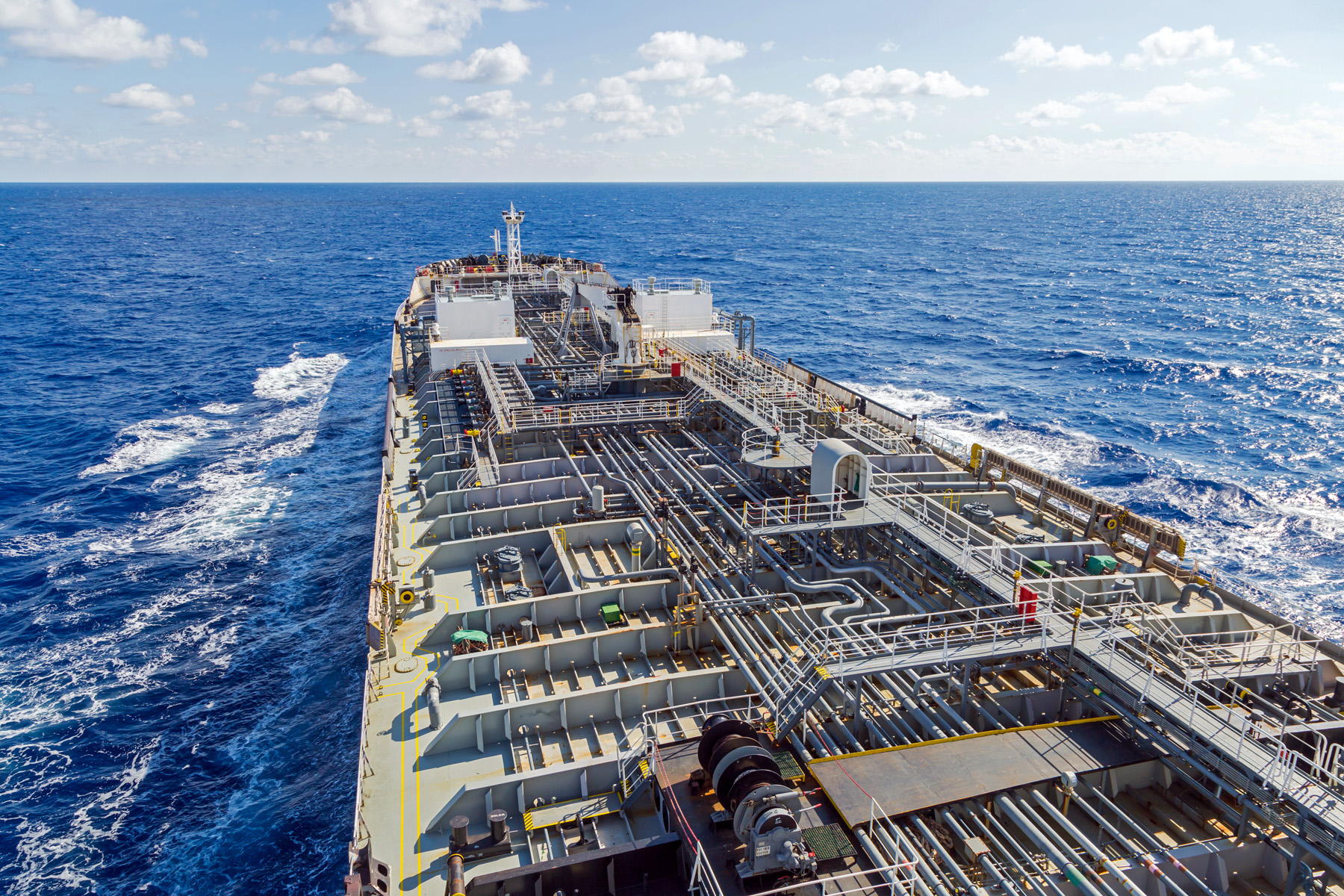 Greater effect of the Iran war on diesel supplies. The closing of the Strait of Hormuz has drastically cut the supply of oil from the Gulf states. This is being compounded by the Houthi attacks on Saudi shipping in the Red Sea. This has forced Saudi oil that is transported by pipeline to the Red Sea and destined for countries east of Saudi Arabia to be transported north via the Suez canal rather than south through the Bab al-Mandab Strait. This has been made worse by attacks launched from Iraq on the Saudi oil pipeline.
Middle Eastern crude oil’s composition is the most efficient for refining high-quality diesel. The restriction on exports, both of crude oil and of diesel from Gulf refineries, has thus affected diesel supplies more than petrol supplies.
Effect of Ukraine war. Ukraine has been launching drone attacks on Russian refineries, mainly producing diesel. The resulting shortage of diesel within Russia has led it to impose a ban on diesel exports, extended at least to the end of 2026, to limit the effects on supplies for the military and for domestic users. Russia has historically been the world’s second-largest diesel exporter and the ban has reduced the world’s supply of seaborne diesel by around 12%.
Low diesel stocks. Stocks of diesel have been run down and this has meant that there is little flexibility to draw them down further.
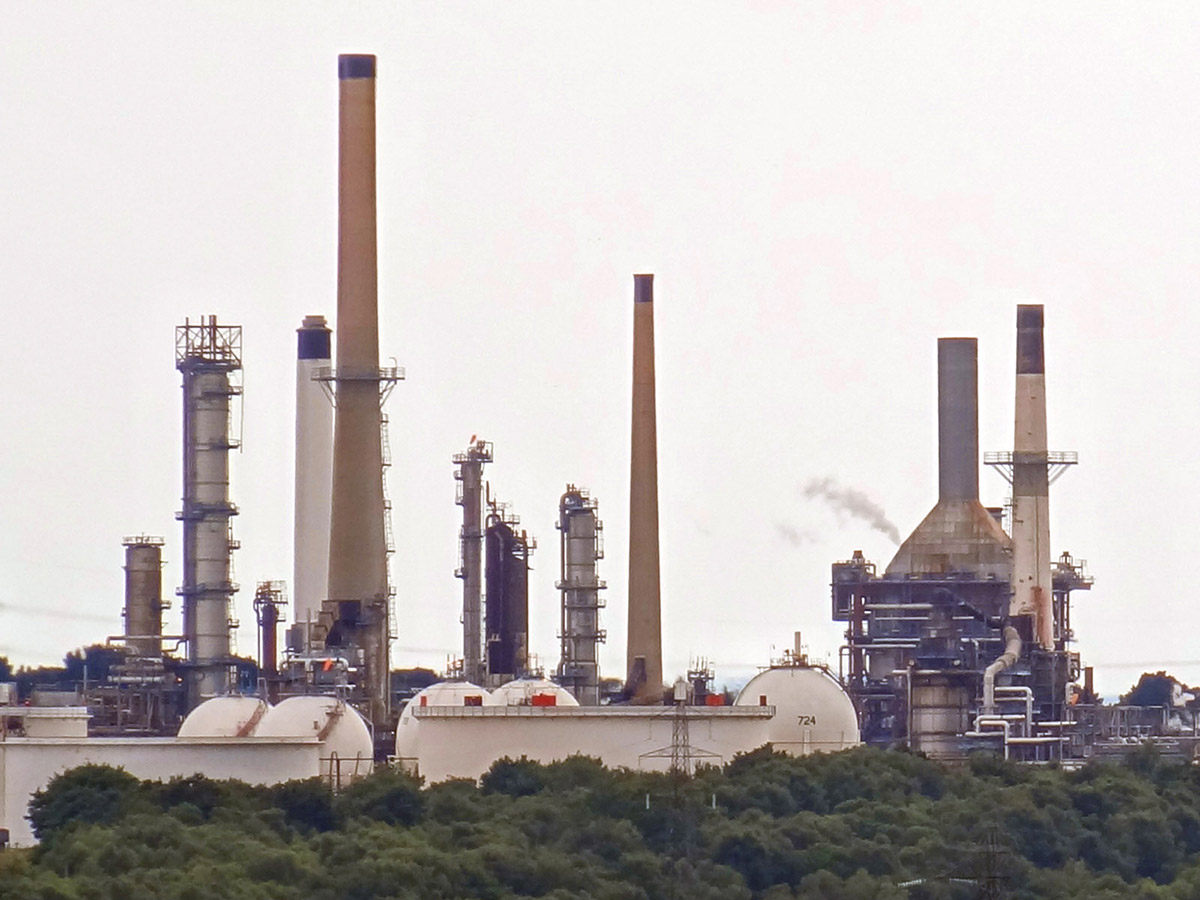 Refinery constraints. Refineries cannot instantly alter their output to produce more diesel. Furthermore, diesel has become more expensive to produce in recent years due to the transition to ultra-low sulphur diesel to meet stricter environmental standards. This makes the supply of diesel relatively price inelastic, exaggerating the effect on price.
UK refineries produce more petrol than the domestic market requires, making the UK a net exporter of petrol. This higher self-sufficiency partially shields domestic petrol prices from global shocks. However, the UK does not refine enough diesel to meet domestic demand. It relies heavily on foreign imports to cover the shortfall. Thus diesel prices in the UK are more subject to global price increases.
Demand
Seasonal demand spikes. The demand for diesel tends to rise in late summer due to extra agricultural demand for autumn crop harvests.
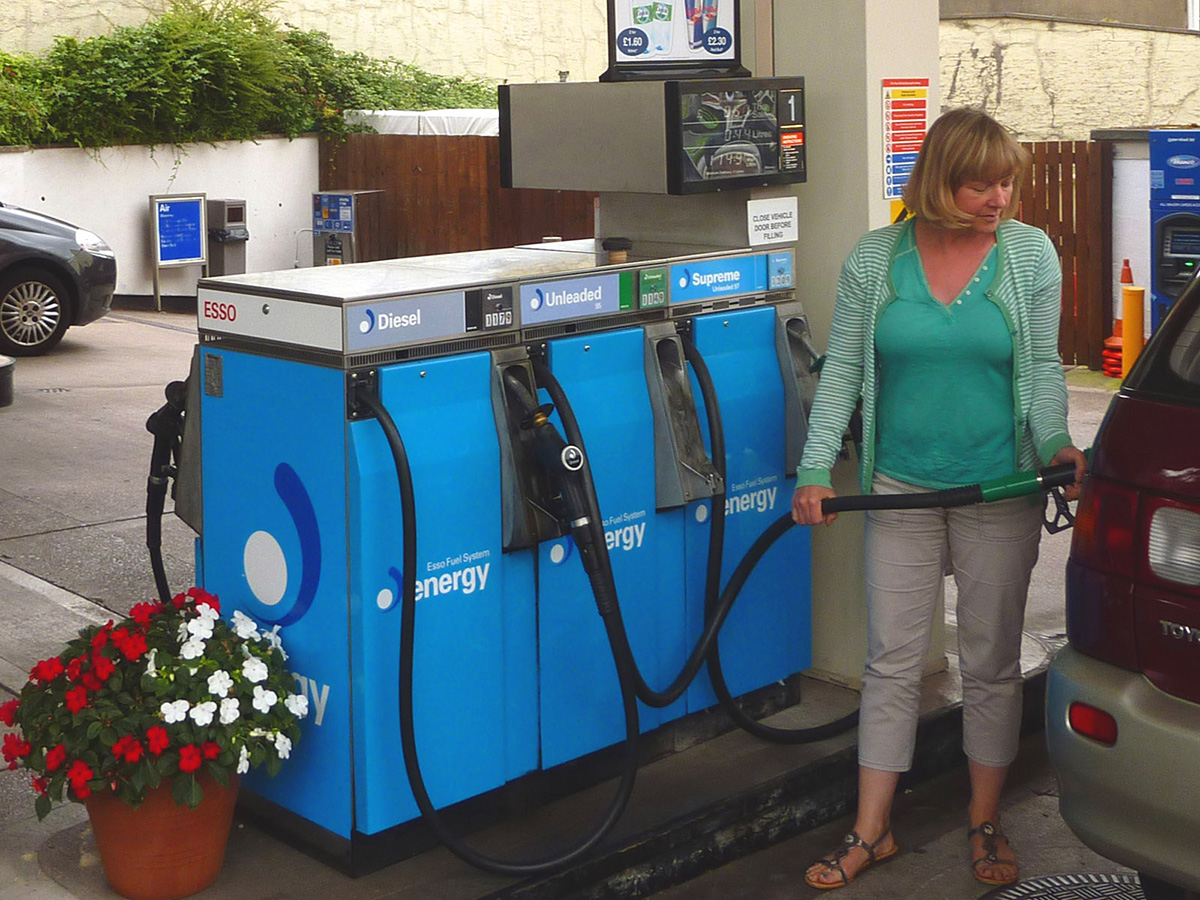 Low price elasticity of demand. Unlike petrol, which is primarily consumed by individuals who can choose to drive less when prices rise, diesel is essential to industrial economies. It powers lorries, ships, buses, trains, agricultural machinery, mining equipment and many industrial machines. Because businesses must keep moving goods, farming crops and running machines, global demand for diesel is little affected by rising prices. This low price elasticity of demand results in a bigger price rise for every reduction in supply than is the case for petrol.
What is more, the transition to EVs has been greater for cars than for lorries, although many buses and vans are now electric. The electrification of the railways, however, is too long-term a project to affect short-term diesel prices and electric lorries are still in their infancy. But with rapid development of electric alternatives underway in the haulage and industrial machinery sectors, they may become less reliant on diesel in the relatively near future.
Articles
- Petrol and diesel prices hit highest since 2022
BBC News (14/9/26)
- Diesel prices hit new record in September 2026: What that means for inflation, shipping costs and your portfolio
J.P.Morgan, Sergei Klebnikov (15/9/26)
- Iran war pushes diesel – the economy’s lifeblood – to record high prices, with no relief on the horizon
The Conversation, Morgan Bazilian and Jamie Webster (18/9/26)
- Diesel costs more than $6 a gallon for the first time. Here’s how that affects you
CNN, Chris Isidore and Matt Egan (12/9/26)
- Why is diesel more expensive than petrol in Australia?
NRMA, Sam Charlwood (9/4/26)
- Diesel Prices Surge as Global Supplies Tighten
Farm Bureau Intel, Faith Parum (17/9/26)
- Why has diesel increased so much more than unleaded?
PetrolPrices (11/3/26)
- Disparity between diesel and petrol prices reaches record-breaking levels
FleetNews, Gareth Roberts (30/3/26)
- Diesel and petrol hit four-year high fuelling inflation concerns
FleetNews, Gareth Roberts (15/9/26)
- EU says Trump plan to ban US diesel exports would ‘negatively impact both sides’
The Guardian, Jillian Ambrose (25/9/26)
Videos
Questions
- Draw a demand and supply diagram for diesel and petrol to illustrate the effects discussed in this blog.
- Is the demand for diesel likely to be more elastic over the longer term? Explain.
- Compare the effects on diesel prices in the UK with one other country of your choice. How similar are the factors affecting the relative price increases in diesel and petrol in the two countries?
- Would cutting taxes on diesel solve the problem of higher prices for diesel users?
- How has the cost of heating oil and aircraft fuel changed compared to that of petrol and diesel? Explain.
- What would be the effects on diesel prices in the UK and the USA if Donald Trump carried out his potential plan to ban US exports of diesel?
 Economics, but not as we know it. As the introduction to this programme on BBC radio 4 suggests, there has been criticism and concern about the way in which we think about economics. About, how it’s taught; the lessons we learn and whether we need to have a re-think. Tomas Sedlacek is a Czech economist and has a different way of thinking about this subject.
Humanomics is certainly a new way of thinking about economics and considering how it links and can be applied to a wide range of areas: the Bible; movies such as Fight Club and the Matrix. This 30 minute discussion between Evan Davies and Tomas Sedlacek provides some interesting insights and thoughts on some of the current challenges facing this subject and some novel insights into how we could change our thinking.
 Tomas Sedlacek: The Economics of Good and Evil BBC Radio 4 (25/01/16)
Questions
- How do we define and measure value? Is this always possible? Can you think of some things where we cannot assign prices or numbers to values?
- How could economics be relevant Adam and Eve?
- Think about the marriage market. How would you apply the model of demand and supply to this most unusual of markets?
- What insights does Tomas Sedlacek provide about the ancient business cycle and this might affect our thinking about debt and assets?
- Do you think that refugees are of benefit to a country? If you don’t think they are of benefit, does this mean that countries should not accept them?
- If we did find out that corruption or crime and terrorism were of benefit to the GDP of a country, would you encourage it? Or would you place the morality issue above the actual figure of contribution?
 Most of us will have milk in our fridges – it’s a basic product consumed by the majority of people on a daily basis and hence a common feature of most shopping trolleys. As we saw in the post Got milk?, the low price of milk has been causing problems for farmers. This has caused one Morrisons store to take a different approach.
In the increasingly globalised world, British dairy farmers are no longer competing against each other. The global market place means that they are now facing growing competition from abroad and in this global world, supply exceeds demand. Even in the EU, the member states in 2015 are exceeding the milk production levels from 2014. In many markets, we wouldn’t be so concerned about production (or supply) rising, as demand can keep pace. However, in the market for milk, it’s not a product that you consume (that much) more of as your income rises. So, as the world gets richer, demand for milk is not increasing at the same pace as supply – demand in China has collapsed. This means that prices are being forced down. Adding to this global market place, we saw the European Union remove its quotas on milk production, thus boosting supply and Russian bans on imports.
The farmers themselves are in a tricky situation. They are often the small players in the supply chain, with prices being forced down by customers, supermarkets and milk processors. AHDB Dairy, the trade body, says that the average price of milk has decreased to just 23.66p per litre. According to leading industry experts this is well below the costs of production, suggested to be closer to 30p per litre. If these figures are even close to being accurate, then clearly dairy farmers’ costs of production per litre are no longer covered by the price they receive. Every litre of milk produced represents a loss.
The price that supermarkets pay to farmers for milk does vary, with some such as Marks and Spencer and Tesco ensuring that they pay farmers a price above cost. However, Morrisons in Bradford has adopted a new strategy and brand. 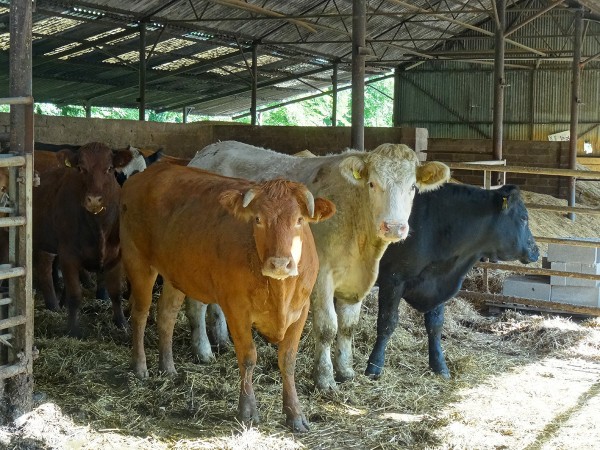 Their new milk brand ‘Morrisons Milk for Farmers’ has been launched at a 23p price rise for every four pint bottle. The catch: they will become the first UK retailer where the 23p price hike goes directly to farmers. This represents 10 pence per litre of milk going directly back to the farmers that produce it. This is a bold strategy, but data and surveys do suggest a willingness to pay more from customers, if it means that dairy farmers get a fairer deal. The protests we have seen across the country have certainly helped to generate interest and created awareness of the difficulties that many farmers are facing. Rob Harrison from the NFU said:
“We are pleased that Morrisons has acknowledged the desperate situation that many dairy farmers still find themselves in and recognise that retailers have a big role to play in, helping customers to support the UK dairy sector…
…Research from Mintel revealed over half of people who drink cows milk, would be prepared to pay more than £1 for a four-pint bottle of milk, as long as it is dairy farmers that benefit. This new initiative will enable them to do just that. The 10p a litre extra will go directly back into the dairy sector will make a difference on farm.”
The interesting thing will be to observe the impact on sales following this 23p price rise. We would normally expect customers to look for the cheaper substitutes, but evidence does suggest that British consumers are willing to pay the price premium if it means helping British farmers. A similar strategy adopted for British Cheddar Cheese proved fruitful and over the coming weeks, we will see if the average consumer is willing to pay directly the dairy farmers. The following articles consider this topic.
Morrisons milk for farmers brand goes nationwide at £1.12 for four pints The Grocer, Carina Perkins (12/10/15)
Morrisons to create new milk brand for farmers BBC News (11/10/15)
Milk price row: farming union leaders meet Morrisons bosses The Guardian, Graham Ruddick (11/10/15)
Morrisons to sell new ‘Milk for farmers’ brand to support British dairy producers Independent, Loulla-Mae Eleftheriou-Smith (11/8/15)
Government to give one-off milk payment for dairy farmers as Morrisons launches premium milk brand City A.M., Catherine Neilan (12/10/15)
New Morrisons milk brand pays farmers more The Yorkshire Post (12/10/15)
Questions
- Using demand and supply analysis, explain which factors have caused the price of milk to fall.
- When incomes rise, the demand for milk does not really change. What does this suggest about the income elasticity of demand for milk and the type of product that it is?
- If prices rise and sales also rise, does this suggest that British milk has an upward sloping demand curve?
- If we do see little effect on the demand for milk following Morrisons 23p price rise, what conclusion can we come to about the price elasticity of demand?
- Why do supermarkets and milk processors have the power to force down prices paid to dairy farmers?
- What type of market structure do you think dairy farmers compete in?
- If dairy farmers are unable to sell a litre of milk for a higher price than it costs to produce, is it a sensible strategy for them to remain in the market?
 German Engineering has dominated for decades and is seen as the pinnacle of quality and the key to manufacturing long-lasting products. But are long-lasting products a good strategy for a company? If products break quickly, customers need to replace them and this encourages more spending. But does this encourage customers to switch to other suppliers? Instead, do high quality products that don’t require replacement but demand a higher price offset this lack of repeat custom?
Markus Miele is the Chief Executive of Miele, the German domestic appliance manufacturer and he takes a personal interest in his products and customers. Typical appliances from Miele can cost up to twice as much as similar appliances from other companies and yet this company is going from strength to strength. Rather than selling products that need frequent replacements, Miele is proud of its strategy to retain customers by selling products at a very high price, knowing that they will last for years. Customers appear equally willing to pay this high price for big consumer durables and their long-lasting nature is clearly encouraging its customers to buy other products too. This strategy has been so successful that other big companies are now targeting these customers. Anthony Williams, from GfK said:
“Evidence suggests manufacturers are putting in money to ensure good build quality…There are so many standards that now have to be adhered to, particularly for hi-tech products, by the nature of the product they have to make sure the [manufacturing] environment is very carefully monitored.”
The following article from BBC News considers the market for domestic appliances and the role of durability.
Can you charge double and still keep your customers coming back? BBC News, Lucy Hooker (2/10/15)
Questions
- How important is the concept of price elasticity of demand in determining a company’s strategy?
- If other firms are targeting a similar strategy to that of Miele, what might this mean for prices?
- How does the brand ‘made in Germany’ affect the demand for a product? Is there imperfect information here?
- With increase competition, companies such as Miele may be pressured into moving into cheaper production markets. How would this affect the company?
- Will the recent scandal at VW have a negative impact on companies such as Miele who rely on the ‘brand Germany’?
 In the UK, we take it for granted that if you need to see a doctor, you go and give little, if any thought, to the cost. It may be petrol costs, time off work or the cost of a prescription, but beyond that, receiving treatment is free at the point of use. Funded through a progressive tax system, the NHS is seen as being one of the more equitable health care systems.
When a mother gives birth, the main thing she will have to worry about is the labour – and not whether to have certain painkillers or stay an extra night, because of the cost.
The International Federation of Health Plans (IFHP) looked at data on the cost of giving birth, based on insurance company payments. For someone living in the UK, the figures make for quite astonishing reading. In the USA, a normal delivery will cost $10,000, while a caesarean totals $15,000, meaning that giving birth in the USA is the most expensive place in the world. The article linked below takes the case of Mari Roberts, whose total delivery bill came to over $100,000. The insurance did cover it, but that’s not always the case. Medical bills in the United States are one of the leading reasons for bankruptcy and with these types of figures, perhaps it’s hardly surprising.
Other countries also see high costs for delivery, where expectant mothers really do need to give consideration to the length of their stay in hospital and perhaps even whether they are willing to forgo a pain-relieving drug and save some money. There is often said to be an efficiency–equity trade-off in the area of healthcare, with countries offering a free at the point of use service delivering an equitable system, but with a lack of responsiveness to the demands of the patients. In the UK, you don’t pay to see a doctor but, with a ‘free’ service, demand is understandably very high, thus creating a shortage and waiting lists. In countries, such as the USA, a higher price for treatment does limit demand, creating more inequity but a responsive system.
There are certainly lessons that can be learned from all health care systems and living in a developed country, we should certainly consider ourselves lucky. There are many countries where access to even the most basic health care is a luxury that most cannot afford. So, where does have the best health care system? I’ll leave that to you.
Video and article
How much do women around the world pay to give birth? BBC News, Mariko Oi (13/2/15)
Report
Research for Universal Health Coverage, World Health Report 2013 World Health Organisation August 2013
Health Systems Financing: The Path to Universal Coverage, World Health Report 2010 World Health Organisation August 2010
Questions
- Using a demand and supply diagram, explain why there may be a trade-off between efficiency and equity.
- If there is over-consumption of a service such as health care, does this suggest that the market fails?
- What are the main market failures that exist in health care?
- Is the concept of opportunity cost relevant to mothers in labour? Think about the country in question.
- How would you go about ranking health care systems if you worked for an organisation such as the OECD or WHO?
- Pick a country whose health care system you are familiar with. What changes have occurred to the way in which health care is organised and financed in this country? How has it affected the key objectives that formed part of your answer to question 5?
 How is Iran war affecting petrol and diesel prices in UK?