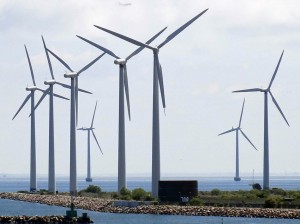
 The environment has been a growing part of government policy for many years. With the Kyoto Protocol and Europe’s carbon trading system, effort has been made to reduce carbon emissions. Part of UK policy to meet its emission’s target requires substantial investment in infrastructure to provide efficient energy.
Details of the government’s Energy Bill sets out plans that will potentially increase average household energy bills by about £100 per annum, although estimates of this vary from about £90 to £170. This money will be used to finance much needed investment in infrastructure that will allow the UK to meet its carbon emissions target. With this extra cost on bills, energy companies will increase bring in something like £7.6bn. The benefit of this higher cost is that investment today will lead to lower energy bills tomorrow. Essentially, we’re looking at a short-term cost for a long-term gain.
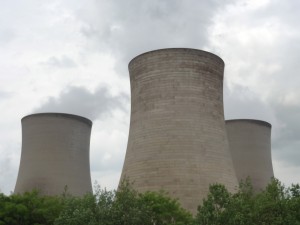 The Energy Bill also delayed setting a carbon emission target until 2016. Crucially, this will come after the next election. Environmentalists have naturally criticised this omission. John Sauven of Greenpeace said:
’By failing to agree to any carbon target for the power sector until after the next election, David Cameron has allowed a militant tendency within his own ranks to derail the Energy Bill … It’s a blatant assault on the greening of the UK economy that leaves consumers vulnerable to rising gas prices, and sends billions of pounds of clean-tech investment to our economic rivals.’
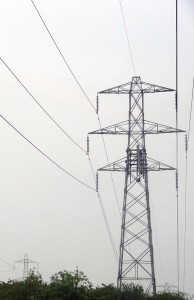
One further problem that this lack of a target creates is uncertainty. The energy sector requires significant investment and in order to be encouraged to invest, firms need assurances. Without knowing the target and hence facing a degree of uncertainty, firms may be less likely to invest in building new power plants. And this investment is crucial. The Government has committed to replacing most coal-fired power stations across Britain with low carbon technology at a cost of hundreds of billions of pounds. However, the Chancellor has said “he would not allow saving the planet to come at the cost of ‘putting our country out of business.’”
When this Energy Bill is published, it is claimed that £110bn of spending on different aspects of the National Grid will occur. The suggestion is that this will generate a further 250,000 jobs by 2030 and will be a big step in the right direction towards creating an economy that is more reliant on clean energy.
The following articles consider the wide range of issues surrounding the Energy Bill.
’It’s reasonable to hike energy bills to build wind farms’ says Tim Yeo The Telegraph, Rowena Mason (23/11/12)
Energy Bill to increase prices to fund cleaner fuel BBC News (23/11/12)
Energy deal means bills will rise to pay for green power The Guardian, Juliette Jowit and Fiona Harvey (23/11/12)
Energy Bill Q&A BBC News (23/11/12)
Energy bills to rise by £170 a year to fund wind farms Independent, Andrew Woodcock and Emily Beament (23/11/12)
Energy deal – but no target to cut Britain’s carbon emissions Independent, Nigel Morris (22/11/12)
Davey defends contentious energy agreement Financial Times, Jim Pickard, Pilita Clark and Hannah Kuchler (23/11/12)
Energy bill lacks emissions target Channel 4 News (23/11/12)
Questions
- Why does the environment require so much government intervention? Think about the different ways in which the environment as a market fails.
- If household bills rise, is there likely to be an income and substitution effect between consumption of ‘energy’ and other goods? Which direction will each effect move in and which do you think would be the largest?
- Why is uncertainty such a deterrent for investment? Why does a lack of a carbon emissions target represent uncertainty?
- The higher cost of bills today may enable future bills to fall. Why is this? For a household, explain why discount factors could be important here.
- Why do some argue that the extra cost to households set out by the government are likely to under-estimate the actual increase households will face?
- Is the Chancellor right to say that he will not put our country out of business to save the planet?
 Two of the biggest publishing companies, Pearson of the UK and Bertelsmann of Germany are to form a joint venture by merging their Penguin and Random House imprints. Bertelsmann will have a majority stake in the venture of 53% and Pearson will have 47%.
The Penguin imprint, with a turnover of just over £1bn, has an 11% share of the English language book publishing market. Random House has a 15% share, with turnover of around £1.5bn. The new ‘Penguin Random House’, as it will be called, will have nearly 26% of the market, which should give it considerable market power to combat various threats in the book publishing market.
One threat is from online retailers, such as Amazon, Apple and Google, which use their countervailing power to drive down the prices they pay to publishers. Another threat is from the rise of electronic versions of books. Although e-books save on printing costs, competition is driving down prices, including the prices of paper books, which may make publishers more reluctant to publish new titles in paper form.
There has been a mixed reception from authors: some are worried that an effective reduction in the number of major publishers from six to five will make it harder to get books published and may squeeze royalty rates; others feel that an increased market power of publishers to take on the online retailers will help to protect the interests of authors
The following videos and articles look at the nature of this joint venture and its implications for costs, revenues and publishing more generally.
Videos and webcasts
 Penguin and Random House merge to take on digital giants Channel 4 News, Matthew Cain (29/10/12)
Penguin and Random House confident merger will be approved BBC News, Will Gompertz (29/10/12)
Penguin Books and Random House to merge BBC News, Matt Cowan (29/10/12)
Articles
Random House and Penguin merge to take on Amazon, Apple Reuters, Kate Holton (29/10/12)
Pearson’s Penguin joins Random House Independent, Amy Thomson and Joseph de Weck (29/10/12)
Penguin and Random House sign merger deal Financial Times, Gerrit Wiesmann and Robert Budden (29/10/12)
March of the Penguin The Economist, Schumpeter blog (29/10/12)
Penguin chief: News Corp can’t derail Random House deal The Guardian, Mark Sweney (29/10/12)
Penguin and Random House confident merger will be approved BBC News, Anthony Reuben (29/10/12)
And so I bid Penguin a sad farewell Independent, Andrew Franklin (29/10/12)
Questions
- How does a joint venture differ from a merger?
- What types of economies of scale are likely to result from the joint venture?
- How are authors likely to be affected?
- Will the joint venture benefit the book reading public?
- The relationship between publishers and online retailers can be described as one of ‘bilateral oligopoly’. Explain what this means and why it is impossible to determine an ‘equilibrium’ wholesale price of books in such a market.
- What criteria would the competition authorities use to assess whether or not the joint venture should be permitted to proceed?
- What is likely to be the long-term outlook for Penguin Random House?
- Assess the benefits and costs of a News Corporation takeover of the Penguin division? This was an alternative offer to Pearson had it not gone with Bertelsmann. (News Corp. has the Harper Collins imprint.)
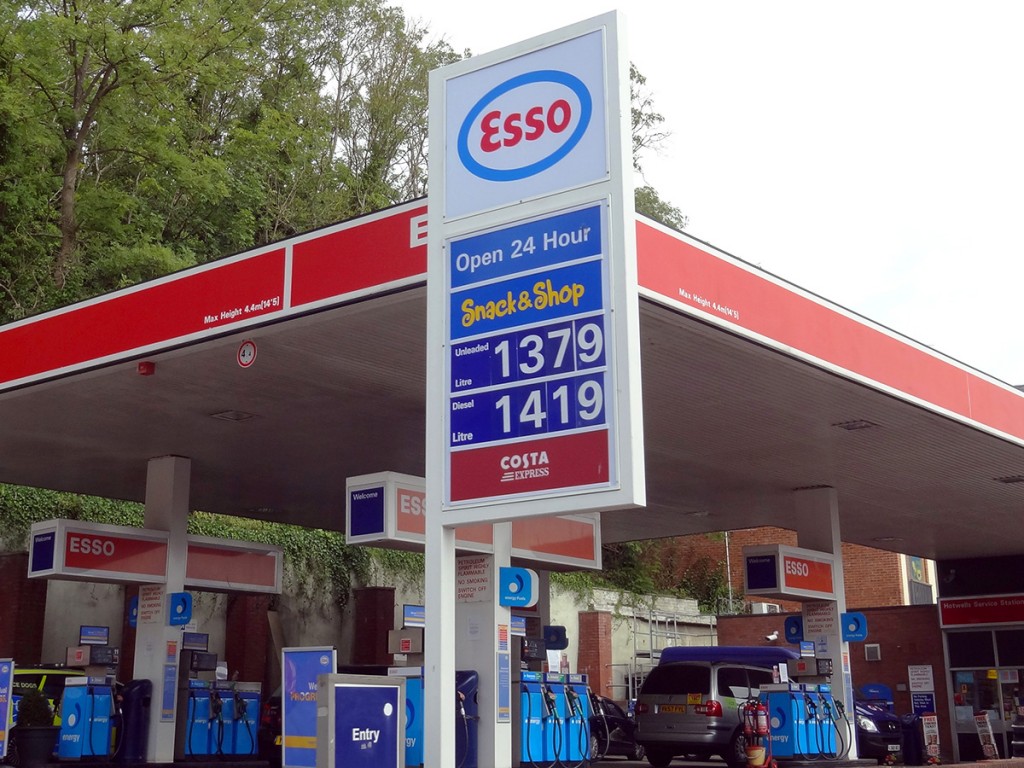 As resources become scarce, the price mechanism works to push up the price (see, for example, Box 9.11 in Economics 8th ed). If you look at the price of petrol over the past few decades, there has been a general upward trend – part of this is due to growth in demand, but part is due to oil being a scarce resource. Many millions have been spent on trying to find alternative fuels and perhaps things are now looking up!
Air Fuel Synthesis, a small British company, has allegedly managed to make ‘petrol from air’. Following this, the company has unsurprisingly received finance and investment offers from across the world. However, the entrepreneur Professor Marmont has said that he does not want any company from the oil industry to get a stake in this firm. This doesn’t mean that investment is not needed or on the cards, as in order to increase production of petrol from thin air financing is needed. Professors Marmont said:
We’ve had calls offering us money from all over the world. We’ve never had that before. We’ve made the first petrol with our demonstration plant but the next stage is to build a bigger plant capable of producing 1 tonne of petrol a day, which means we need between £5m and £6m
Whilst the process appears to be a reality, Air Fuel Synthesis is a long way from being able to produce en masse. However, it does offer an exciting prospect for the future of petrol and renewable energy resources in the UK. At the moment oil companies appear to be uninterested, but if this breakthrough receives the financing it needs and progress continues to be made, it will be interesting to see how the big oil companies respond. The following articles consider this break-through.
Company that made ‘petrol from air’ breakthrough would refuse investment from big oil Independent, Steve Connor (19/10/12)
British engineers create petrol from air and water Reuters, Alice Baghdijan (19/10/12)
Petrol from air: will it make a difference? BBC News, Jason Palmer (19/10/12)
British engineers produce amazing ‘petrol from air’ technology The Telegraph , Andrew Hough (18/10/12)
Questions
- Explain the way in which the price mechanism works as resources become scarce. Use a diagram to help your explanation.
- As raw materials become scarce, prices of the goods that use them to work or require them to be produced will be affected. Explain this interdependence between markets.
- Why is investment from an oil company such a concern for Professor Marmont?
- Why is there unlikely to be any impact in the short run from this new breakthrough?
- If such a technology could be put into practice, what effect might this have on the price of petrol?
- How might oil companies react to the growth in this technology?
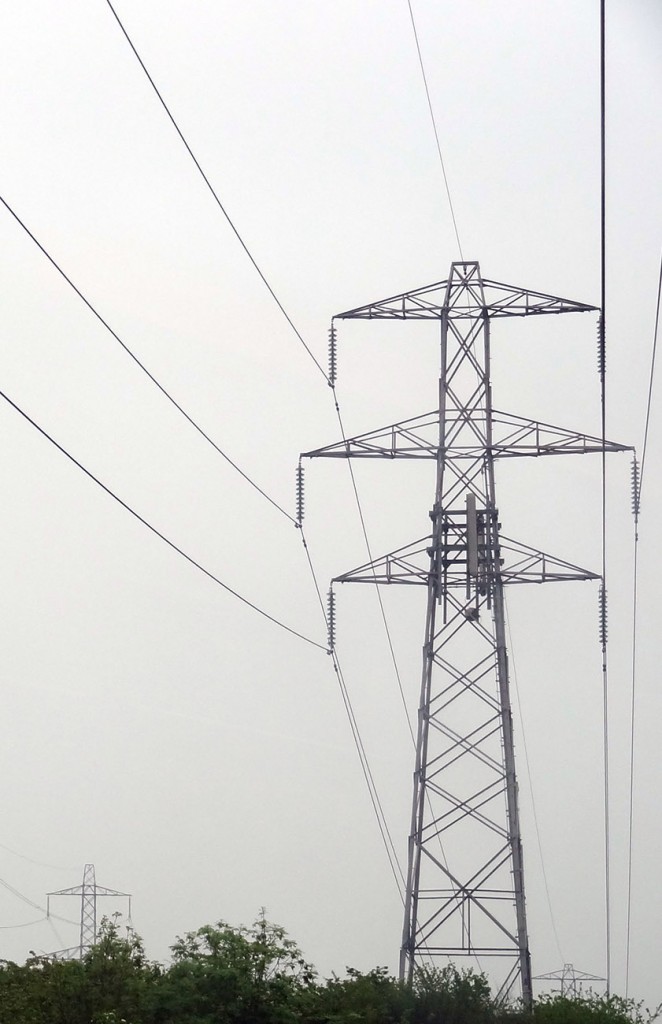 The energy sector has a history of criticism with regards to prices and practices. In the past, Ofgem have tried to make the sector more competitive, by ensuring that price comparisons are easier. At the beginning of this year, many of the big six providers announced price cuts, but within the next few weeks, we will see the reverse occurring, as energy prices begin to rise.
British Gas has announced price rises of 6% from 16th November that will affect over 8 million customers by adding approximately £80 per year to the annual dual fuel bill. Npower will also put its prices up 10 days later (8.8% for gas and 9.1% for electricity), creating higher bills for 3 million people.
In January of this year, when we saw energy prices fall, it was not solely due to Ofgem’s findings. We had a relatively mild winter, which reduced the demand for energy and this fed into lower prices. As the winter now approaches once more, demand for energy will begin to increase, feeding into prices that are now higher.
Furthermore, the energy companies have said that a range of external factors are also adding to their costs and putting increasing pressure on them to increase their charges. Npower’s Chief Commercial Officer said:
“There is never a good time to increase energy bills, particularly when so many people are working hard to make ends meet…But the costs of new statutory schemes, increases in distribution charges and the price of gas for the coming winter are all being driven up by external factors, for example government policy”
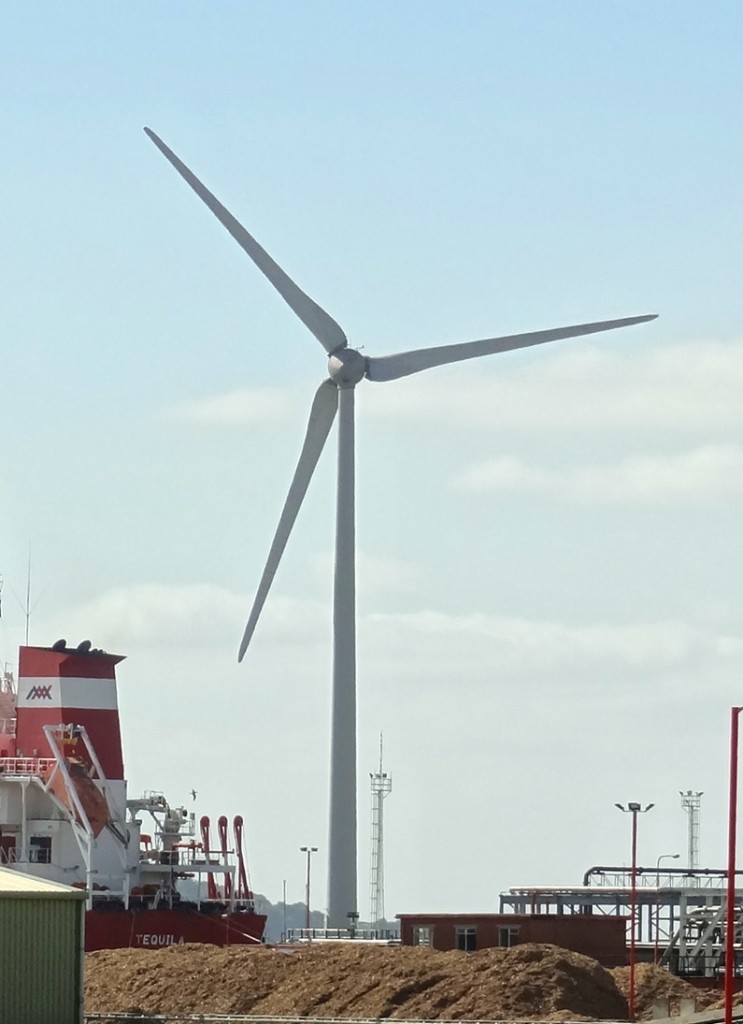 Significant investment is needed in the energy sector. Energy companies are required to set aside money for maintaining and improving the national grid and investing in renewable energy, such as wind and solar power. In order for the energy companies to fund these investments, more money must be raised and the logical method is to put up prices. However, critics are simply blaming ‘these very big lazy companies’ who are passing ‘above-inflation price rises’ onto already squeezed households.
Part of this is undoubtedly to do with the market structure of this sector. A typical oligopoly creates a market which, under certain circumstances, can be highly competitive, but because of barriers to entry that prevent new firms from entering the market may charge higher prices and be inefficient. Indeed, Ofgem has plans to reduce the power of the main energy providers by forcing them to auction off some of the electricity they generate. The aim of this is to free up the market and make it more competitive.
While only three providers have announced price rises, it is inevitable that the other three will follow. The relative increases will create incentives for consumers to switch providers, but crucial to this is an ability to understand the different tariffs on offer and lack of clarity on this has been a big criticism previously levelled at the energy sector. Indeed, half of UK customers have never switched energy providers. Perhaps this is the time to think about it, firstly as a means of saving money and secondly as a means of putting the energy companies in competition with each other. The following articles consider this market.
Energy price rises: how to switch, save and safeguard your supply The Guardian, Mark King (12/10/12)
Npower and British Gas raise energy prices (including video) BBC News (12/10/12)
Energy price rises? We’re like turkeys voting for Christmas The Telegraph, Rosie Murray-West (12/10/12)
British Gas and Npower to raise prices fuelling fears of a ‘long, cold winter’ for more households Independent
, Graeme Evans (12/10/12)Wholesale prices rise as energy costs jump Wall Street Journal, Sarah Portlock and Jeffrey Sparshott (12/10/12)
British Gas raises gas and electricity prices by 6pc The Telegraph (12/10/12)
Osborne warns energy firms over price hikes Reuters (12/10/12)
Energy price hikes to take effect from next week Independent, Simon Read(13/10/12)
Questions
- What are the main reasons influencing the recent price rises? In each case, explain whether it is a demand- or supply-side factor.
- Using your answer from question 1, illustrate the effect of it on a demand and supply diagram.
- Which features of an oligopolistic market are relevant to the energy sector. How can we use them to explain these higher prices.
- How has government policy affected the energy sector and energy prices?
- Why are customers reluctant to change energy providers? Does this further the energy company’s ability to raise prices?
- Are there any government policies that could be implemented to reduce the power of the energy companies?
 There has been considerable discussion recently about whether the government should introduce a property tax on high value properties. The government, finding it difficult to reduce the public-sector deficit and yet determined to do so, is looking for additional measures to reduce government expenditure or raise tax revenue.
But would it favour a mansion tax as a means of raising additional revenue?
The imposition of such a tax is favoured by both Liberal Democrats and the Labour Party. It is strongly opposed, however, by Conservatives. But just what would such a tax look like and what are the arguments for and against it?
One alternative would be to impose a one-off tax on property valued over a certain amount, such as £2 million. Alternatively it could be levied only for as long as the government is seeking to make substantial inroads into the deficit.
Another would be to add one or more bands to council tax. At present, council tax in England is levied in 8 bands according to the value of a person’s property. The highest band is for property valued over £320,000 in 1991 prices, with the amount of tax due for each band varying from local authority to local authority. (Average UK house prices in 2012 are 135% higher than in 1991.) In Scotland the bands are lower with the top band being for property valued over £212,000 in 1991 prices. In Wales, there is an additional band for property valued over £424,000, but properties are valued in 2003 prices, not 1991 prices.
With low top bands for council tax, people in mansions end up paying the same as people in much more modest property. It would be relatively easy to add additional bands, with the top band applying only to property worth, say, over £1 million or more.
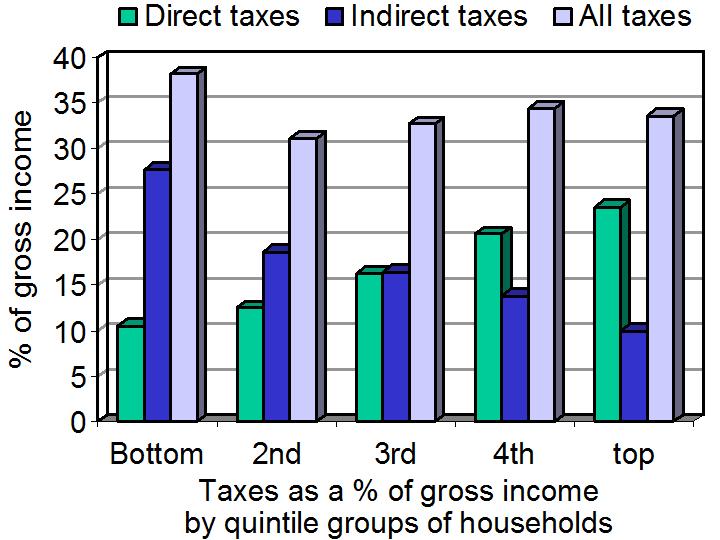 The arguments in favour of a mansion tax are that it is progressive, relatively easy to collect, hard to evade and with minimal disincentive effects. The arguments against are that it would make the tax system ‘too progressive’, would not necessarily be related to an individual’s ability to pay and could have substantial disincentive effects.
The progressiveness of the UK tax system is illustrated in the chart, which looks at the proportion of income paid in direct, indirect and all taxes by quintile groups of households – that is, households grouped into five equal sized groups ranked from lowest to highest gross income. (Click here for a PowerPoint of the chart.)
The following articles look at the debate as it has raged over the past few weeks. Try to unpick the genuine arguments from the political rhetoric!
Articles
Clegg Says U.K. Could Apply Mansion Tax ‘in Five Seconds’ Bloomberg, Robert Hutton (25/9/12)
Two thirds back mansion tax on £1m homes Metro, Tariq Tahir (8/10/12)
Mansion tax would ‘tackle inequality’ This is Tamworth (27/9/12)
Council tax: the easy way to make mansion-dwellers pay Guardian, Simon Jenkins (25/9/12)
Rich must pay fair share in tax BBC Andrew Marr Show, Nick Clegg (23/9/12)
We will get mansion tax on £2 million homes through next budget, promise Lib Dems The Telegraph, Rowena Mason (25/9/12)
Trying to tax the wealthy not worth the price The Scotsman, George Kerevan (31/8/12)
Tax on wealth is true to Tory principles Financial Times, Janan Ganesh (24/9/12)
How would Clegg’s emergency wealth tax work? Guardian, Hilary Osborne (29/8/12)
Labour considers mansion tax on wealthy Financial Times, George Parke (5/9/12)
Conservative conference: Cameron rules out ‘mansion tax’ BBC News (7/10/12)
Don’t make wealth tax a habit Financial Times, Howard Davies (29/8/12)
George Osborne blocks mansion tax, but insists wealthy will pay more The Telegraph, Robert Winnett (8/10/12)
Why George Osborne had to kill the mansion tax The Spectator, Matthew Sinclair (7/10/12)
David Cameron rules out mansion tax and plans further welfare cuts Guardian, Hélène Mulholland (7/10/12)
Viewpoint: Would a wealth tax work? BBC News, Mike Walker (29/8/12)
For all the claims made about wealth taxes, it’s not correct to say the rich are paying their fair share Independent, Jonathan Portes (2/10/12)
Data
House price data links Economics Network
The Effects of Taxes and Benefits on Household Income, 2010/2011 ONS (26/6/12) (see especially Tables 2 and 3 and Table 26 for historical data)
Questions
- Explain the distinction between direct and indirect taxes, and between progressive and regressive taxes. For what reasons do the poor pay a higher proportion of their income in indirect taxes than the rich?
- What forms can a tax on wealth take?
- How progressive are taxes in the UK (see the ONS site in the Data section above)?
- Assess the arguments in favour of a mansion tax.
- Assess the arguments against a mansion tax.
- What type of wealth tax would be hardest to evade?
- What are the likely income and substitution effects of a wealth tax?
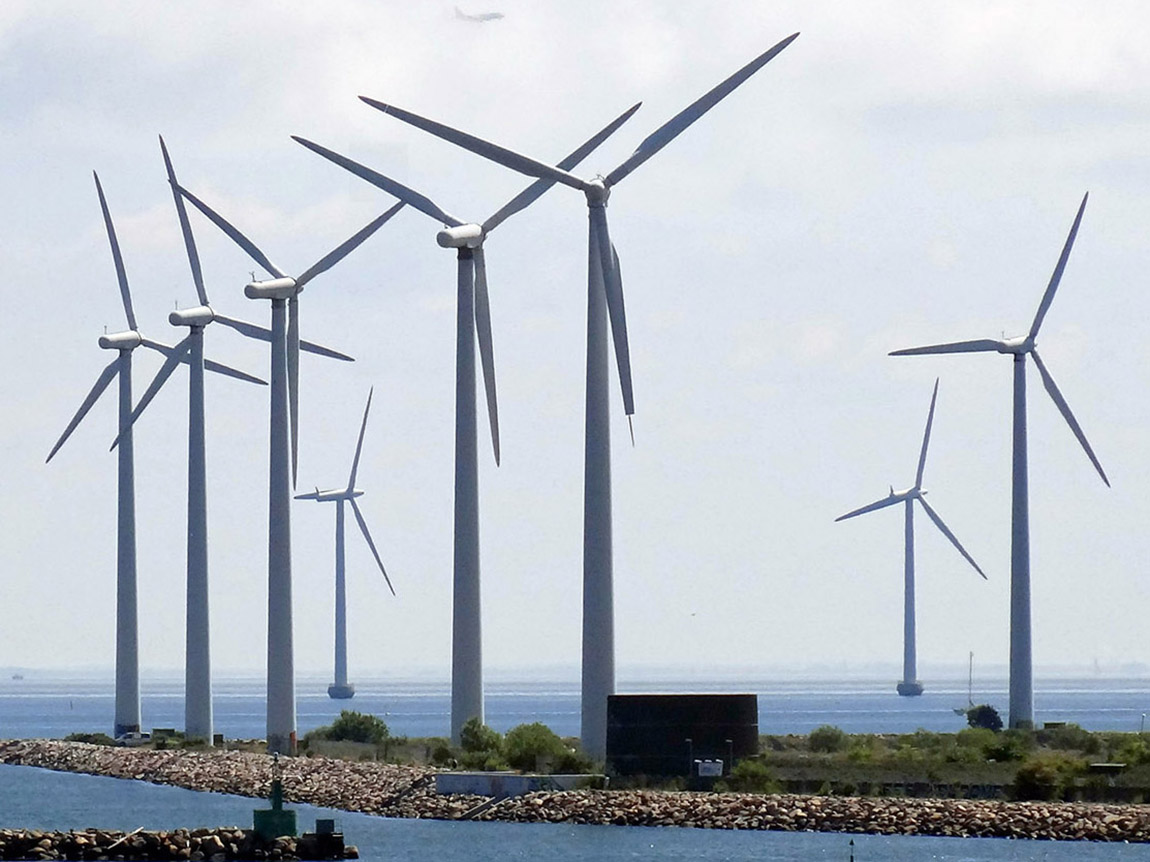 The environment has been a growing part of government policy for many years. With the Kyoto Protocol and Europe’s carbon trading system, effort has been made to reduce carbon emissions. Part of UK policy to meet its emission’s target requires substantial investment in infrastructure to provide efficient energy.
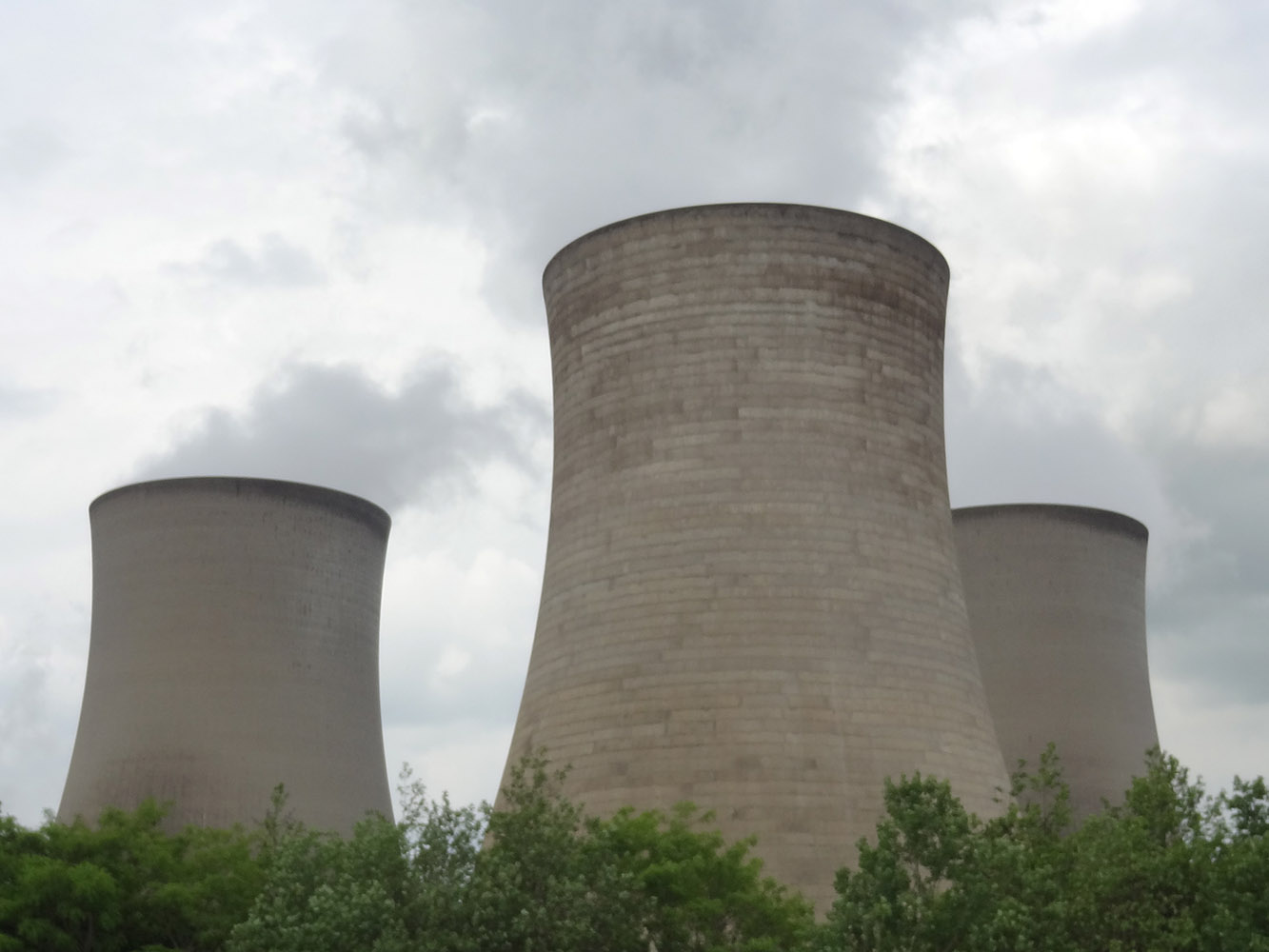 The Energy Bill also delayed setting a carbon emission target until 2016. Crucially, this will come after the next election. Environmentalists have naturally criticised this omission. John Sauven of Greenpeace said: