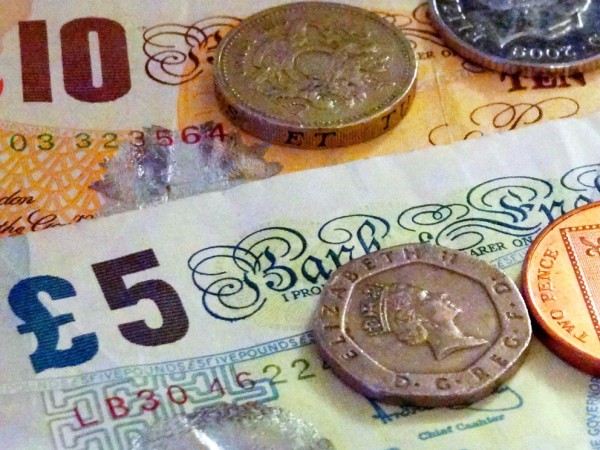
 Many people are attracted to work in the private sector, with expectations of greater opportunities for promotion, more variation in work and higher salaries. However, according to the Office for National Statistics, it may be that the oft-talked-of pay differential is actually in the opposite direction. Data from the ONS suggests that public sector workers are paid 14.5% more on average than those working in the private sector.
As is the case with the price of a good, the price of labour (that is, the wage rate) is determined by the forces of demand and supply. Many factors influence the wages that individuals are paid and traditional theory leads us to expect higher wages in sectors where there are many firms competing for labour. With the government acting as a monopsony employer, it has the power to force down wages below what we would expect to see in a perfectly competitive labour market. However, the ONS data suggests the opposite. What factors can explain this wage differential?
Jobs in the public sector, on average, require a higher degree of skills. There tend to be entry qualifications, such as possessing a university degree. While this is the case for many private-sector jobs as well, on average it is a greater requirement in the public sector. The skills required therefore help to push up the wages that public-sector workers can demand. Another explanation could be the size of public-sector employers, which allows them to offer higher wages. When the skills, location, job specifications etc. were taken into account, the 14.5% average hourly earnings differential declined to between just 2.2% and 3.1%, still in favour of public-sector workers. It then reversed to give private-sector workers the pay edge, once the size of the employer was taken out.
Further analysis of the data also showed that, while it may pay to be in the public sector when you’re starting out on your career, it pays to be in the private sector as you move up the career ladder. Workers in the bottom 5% of earners will do better in the public sector, while those in the top 5% of earners benefit from private-sector employment. The ONS said:
Looking at the top 5%, in the public sector earnings are greater than £31.49 per hour, while in the private sector, the top 5% earn more than £33.63 per hour… The top 1% of earners in the private sector, at more than £60.21 per hour, earns considerably more than the top 1% of earners in the public sector, at more than £49.65 per hour.
The data from the ONS thus suggest a reversal in the trend of average public-sector pay being higher than private sector pay, once all the relevant factors are taken into account.
This will naturally add to debates about living standards, which are likely to take on a stronger political slant as the next election approaches. It is obviously partly down to the public-sector pay freeze that we saw in 2010 and also to a reversal, at least in part, of the previous trend from 2008, where public-sector pay 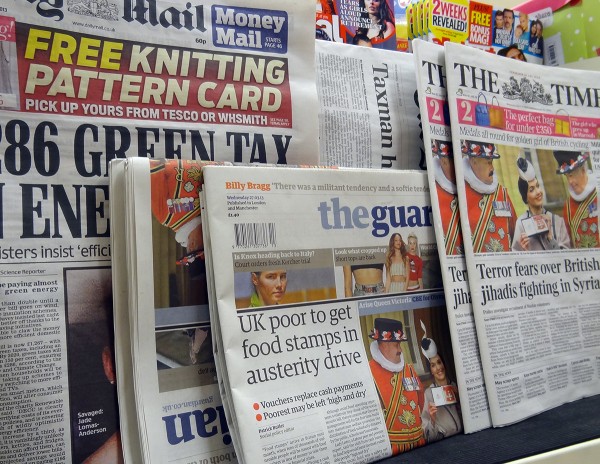 had been growing faster than private-sector pay. However, depending on the paper you read or the person you listen to, they will offer very different views as to who gets paid more. All you need to do in this case is look at the titles of the newspaper articles written by the Independent and The Telegraph! Whatever the explanation, these new data provide a wealth of information about relative prospects for pay for everyone.
Data
Public and Private Sector Earnings Office for National Statistics (March 2014)
Annual Survey of Hours and Earnings, 2013 Provisional Results Office for National Statistics (December 2013)
Articles
Austerity bites as private sector pay rises above the public sector for the first time since 2010 Independent, Ben Chu (10/3/14)
Public sector workers still better paid despite the cuts The Telegraph, John Bingham (10/3/14)
Public sector hourly pay outstrips private sector pay BBC News (10/3/14)
Public sector workers are biggest losers in UK’s post-recession earnings squeeze The Guardian, Larry Elliott (11/3/14)
New figures go against right-wing claims that public sector workers are grossly overpaid Independent, Ben Chu (10/3/14)
Public sector pay sees biggest shrink on 2010, figures suggest LocalGov, Thomas Bridge (11/3/14)
Public sector staff £2.12 an hour better off The Scotsman, David Maddox (11/3/14)
Questions
- Illustrate the way in which wages are determined in a perfectly competitive labour market.
- Why does monopsony power tend to push wages down?
- Why does working for a large company suggest that you will earn a higher wage on average?
- Using the concept of marginal revenue product of labour, explain the way in which higher skills help to push up wages.
- How significant are public-sector pay freezes in explaining the differential between public- and private-sector pay?
- Why is there a difference between the bottom and top 5% of earners? How does this impact on whether it is more profitable to work in the public or private sector?
 Business performance is always affected by the economy and we can always look at the economic theory to explain why profits rise and fall. Some companies prosper during recession, whereas others decline and the key is to understand the economics behind the data. This blog takes a look at the performance of a variety of companies and asks you to think about the economic theory behind it.
The world of betting has grown significantly and the profits of companies in this market, while certainly linked to economic performance, is also dependent on sport results. Paddy Power has announced pre-tax profits of €141m for 2013, an increase from €139.2m, despite sporting results causing profit performance to fall. On the part of football clubs, Liverpool FC saw a loss emerge for the 2012-2013 financial year, whereas Newcastle’s profits rose by 900% to £9.9m. What factors can explain the vastly different performance (off and on the pitch) of these two clubs?
In the USA, Radio Shack has been forced to close 1100 stores. This is, in part, as a response to a change in the way we are shopping. More and more consumers are purchasing goods online and Radio Shack is therefore experiencing growing competition from online retailers. Sales fell by 10% last year and even during the fourth quarter sales continued to decline.
Companies based in the largest economy in Europe have also experienced declines in performance, showing that a strong performing country doesn’t imply the same for companies operating in it. RWE, Germany’s biggest energy provider, has not made a loss since 1949. However, in 2013, this company posted its first annual loss in over 60 years: a loss of £2.28bn. With energy being in constant demand and criticism being levelled at UK energy providers for the high profits they’re making, the economics behind these data is important.
In better news for a company, Thorntons has boasted a significant increase in pre-tax profits, with much of this due to strong trading in the months leading up to Christmas and a sensible business strategy, involving selling more in supermarkets. Thorntons has cut its number of stores, but its profitable position has been saved by a good business strategy and this is going to lead to significant investment by the company.
Another strong performance was recorded by Berkshire Hathaway, an investment firm run by Warren Buffett. The company made a profit of £11.6bn in 2013, a significant increase on its 2012 performance. It is the insurance, rail and energy parts of the business that have contributed to the big increase in profits.
These are just some recent examples of data on business performance and your job is to think about the economic theory that can be used to explain the varying performance of different companies.
Liverpool announce annual loss of £50m in new club accounts Guardian, David Conn (4/3/14)
Thorntons makes biggest manufacturing investment for 25 years Telegraph, Natalie Thomas (3/3/14)
Thorntons cashes in on the snowman Independent, Simon Neville (3/3/14)
Warren Buffett’s Berkshire Hathaway sees record profit BBC News (2/3/14)
Newcastle says ‘player trading’ helped increase profits to £9.9m BBC Sport (25/2/14)
RWE posts first annual net loss for over 60 years BBC News (4/3/14)
UK among RWE woes as it posts first annual loss since 1949 The Telegraph, Denise Roland (4/3/14)
Germany’s RWE slides into €2.8bn net loss for 2013 Financial Times, Jeevan Vasagar (4/3/14)
John Menzies profits hit by drop in magazine sales BBC News (4/3/14)
Fresnillo profits drop as gold prices and production falls The Telegraph, Olivia Goldhill (4/3/14)
Glencore 2013 profit rises 20% as copper production gains Bloomberg, Jesse Riseborough (4/3/14)
Questions
- In each of the cases above, explain the economic theory that can be used to explain the performance of the respective company.
- To what extent is a change in the market structure of an industry a contributing factor to the change in company performance?
- To what extent do you think a company’s performance is dependent on the performance of the economy in which it operates?
- Are the profits of a company a good measure of success? What else could be used?
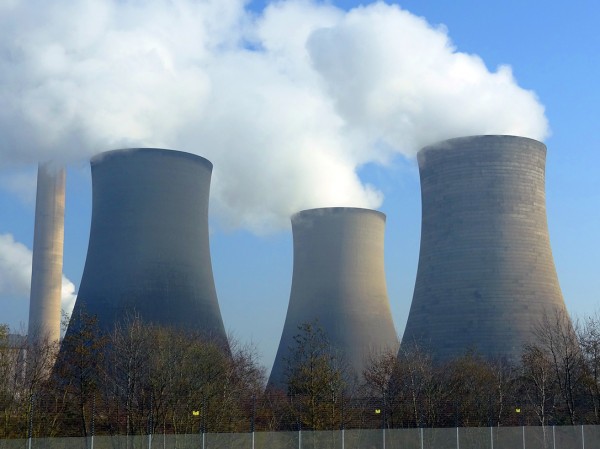 The energy market is complex and is a prime example of an oligopoly: a few dominant firms in the market and interdependence between the suppliers. Over 95% of the market is supplied by the so-called ‘big six’ and collectively they generate 80% of the country’s electricity. There are two further large generators (Drax Power Limited and GDF Suez Energy UK), meaning the electricity generation is also an oligopoly.
This sector has seen media attention for some years, with criticisms about the high profits made by suppliers, the high prices they charge and the lack of competition. Numerous investigations have taken place by Ofgem, the energy market regulator, and the latest development builds on a simple concept that has been a known problem for decades: barriers to entry. It is very difficult for new firms to enter this market, in particular because of the vertically integrated nature of the big six. Not only are they the suppliers of the energy, but they are also the energy generators. It is therefore very difficult for new suppliers to enter the market and access the energy that is generated.
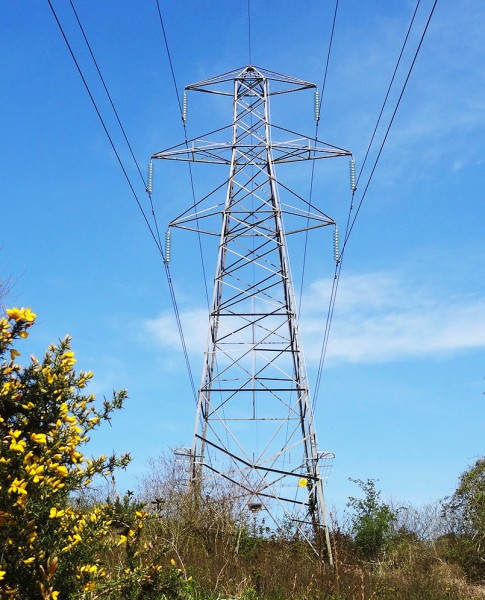 Ofgem’s new plans will aim to reduce the barriers to entry in the market and thus make it easier for new firms to enter and act as effective competitors. The big six energy generators are vertically integrated companies and thus effectively sell their energy to themselves, whereas other suppliers have to purchase their energy before they can sell it. The regulator’s plans aim to improve transparency by ensuring that wholesale power prices are published two years in advance, thus making it easier for smaller companies to buy energy and then re-sell it. Andrew Wright, the Chief Executive of Ofgem, said:
These reforms give independent suppliers, generators and new entrants to the market, both the visibility of prices, and [the] opportunities to trade, [that] they need to compete with the largest energy suppliers…Almost two million customers are with independent suppliers, and we expect these reforms to help these suppliers and any new entrants to grow.
Although such reforms will reduce the barriers to entry in the market and thus should aim to increase competition and hence benefit consumers, many argue that the reforms don’t go far enough and will have only minor effects on the competitiveness in the market. There are still calls for further reforms in the market and a more in-depth investigation to ensure that consumers are really getting the best deal. The following articles consider this ongoing saga and this highly complex market.
Ofgem ramps up scrutiny of Big six accounts Telegraph, Denise Roland (27/2/14)
 Energy firms told to trade fairly with smaller rivals BBC News (26/2/14)
Energy regulator Ofgem force trading rules on ‘big six’ suppliers Financial Times, Andy Sharman (26/2/14)
Ed Davey calls on Ofgem to investigate energy firms’ gas profits The Guardian, Sean Farrell and Jennifer Rankin (10/2/14)
UK forces big power companies to reveal wholesale prices Reuters (26/2/14)
Watchdog unveils new rules on Big six energy prices Independent, Tom Bawden (26/2/14)
Energy Bills: New rules to boost competition Sky News, (26/2/14)
Questions
- What are the characteristics of an oligopoly?
- Explain the reason why the vertically integrated nature of the big six energy companies creates a barrier to the entry of new firms.
- What are the barriers to entry in (a) the electricity supply market and (b) the electricity generating market?
- What action has Ofgem suggested to increase competition in the market? How effective are the proposals likely to be/
- Why is there a concern about liquidity in the market?
- If barriers to entry are reduced, how will this affect competition in the market? How will consumers be affected?
- Why are there suggestions that Ofgem’s proposals don’t go far enough?
 Britain has faced some its worst ever weather, with thousands of homes flooded once again, though the total number of flooded households has fallen compared to previous floods. However, for many households, it is just more of the same – if you’ve been flooded once, you’re likely to be flooded again and hence insurance against flooding is essential. But, if you’re an insurance company, do you really want to provide cover to a house that you can almost guarantee will flood?
The government has pledged thousands to help households and businesses recover from the damage left by the floods and David Cameron’s latest step has been to urge insurance companies to deal with claims for flood damage as fast as possible. He has not, however, said anything regarding ‘premium holidays’ for flood victims.
The problem is that the premium you are charged depends on many factors and one key aspect is the likelihood of making a claim. The more likely the claim, the higher the premium. If a household has previous experience of flooding, the insurance company will know that there is a greater likelihood of flooding occurring again and thus the premium will be increased to reflect this greater risk. There have been concerns that some particularly vulnerable home-owners will be unable to find or afford home insurance.
The key thing with insurance is that in order for it to be provided privately, certain conditions must hold. The probability of the event occurring must be less than 1 – insurance companies will not insure against certainty. The probability of the event must be known on aggregate to allow insurance companies to calculate premiums. Probabilities must be independent – if one person makes a claim, it should not increase the likelihood of others making claims.
Finally, there should be no adverse selection or moral hazard, both of which derive from asymmetric information. The former occurs where the person taking out the insurance can hide information from the company (i.e. that they are a bad risk) and the latter occurs when the person taking out insurance changes their behaviour once they are insured. Only if these conditions hold or there are easy solutions will the private market provide insurance.
On the demand-side, consumers must be willing to pay for insurance, which provides them with protection against certain contingencies: in this case against the cost of flood damage. Given the choice, rational consumers will only take out an insurance policy if they believe that the value they get from the certainty of knowing they are covered exceeds the cost of paying the insurance premium. However, if the private market fails to offer insurance, because of failures on the supply-side, there will be major gaps in coverage.
Furthermore, even if insurance policies are offered to those at most risk of flooding, the premiums charged by the insurance companies must be high enough to cover the cost of flood damage. For some homeowners, these premiums may be unaffordable, again leading to gaps in coverage.
Perhaps here there is a growing role for the government and we have seen proposals for a government-backed flood insurance scheme for high-risk properties due to start in 2015. However, a loop hole may mean that wealthy homeowners pay a levy for it, but are not able to benefit from the cheaper premiums, as they are deemed to be able to afford higher premiums. This could see many homes in the Somerset Levels being left out of this scheme, despite households being underwater for months. There is also a further role for government here and that is more investment in flood defences. If that occurs though, where will the money come from? The following articles consider flooding and the problem of insurance.
Articles
Insurers urged to process flood claims quickly BBC News (17/2/14)
Flood area defences put on hold by government funding cuts The Guardian, Damian Carrington and Rajeev Syal (17/2/14)
Flooding: 200,000 houses at risk of being uninsurable The Telegraph (31/1/12)
Govt flood insurance plan ‘will not work’ Sky News (14/2/14)
Have we learned our lessons on flooding? BBC News, Roger Harrabin (14/2/14)
ABI refuses to renew statement of principles for flood insurance Insurance Age, Emmanuel Kenning (31/1/12)
Wealthy will have to pay more for flood insurance but won’t be covered because their houses are too expensive Mail Online, James Chapman (7/2/14)
Buyers need ‘flood ratings’ on all houses, Aviva Chief warns The Telegraph, James Quinn (15/2/14)
Wealthy homeowners won’t be helped by flood insurance scheme The Telegraph(11/2/14)
Costly insurance ‘will create flood-risk ghettos and £4.3tn fall in house values’ The Guardian, Patrick Wintour (12/2/14)
Leashold homes face flood insurance risk Financial Times, Alistair Gray (10/2/14)
Questions
- Consider the market for insurance against flood damage. Are risks less than one? Explain your answer.
- Explain whether or not the risk of flooding is independent.
- Are the problems of moral hazard and adverse selection relevant in the case of home insurance against flood damage?
- To what extent is the proposed government-backed flood insurance an equitable scheme? Should the government be stepping in to provide insurance itself?
- Should there be greater regulation when houses are sold to provide better information about the risk of flooding?
- Why if the concept of opportunity cost relevant here?
- How might household values be affected by recent floods, in light of the issues with insurance?
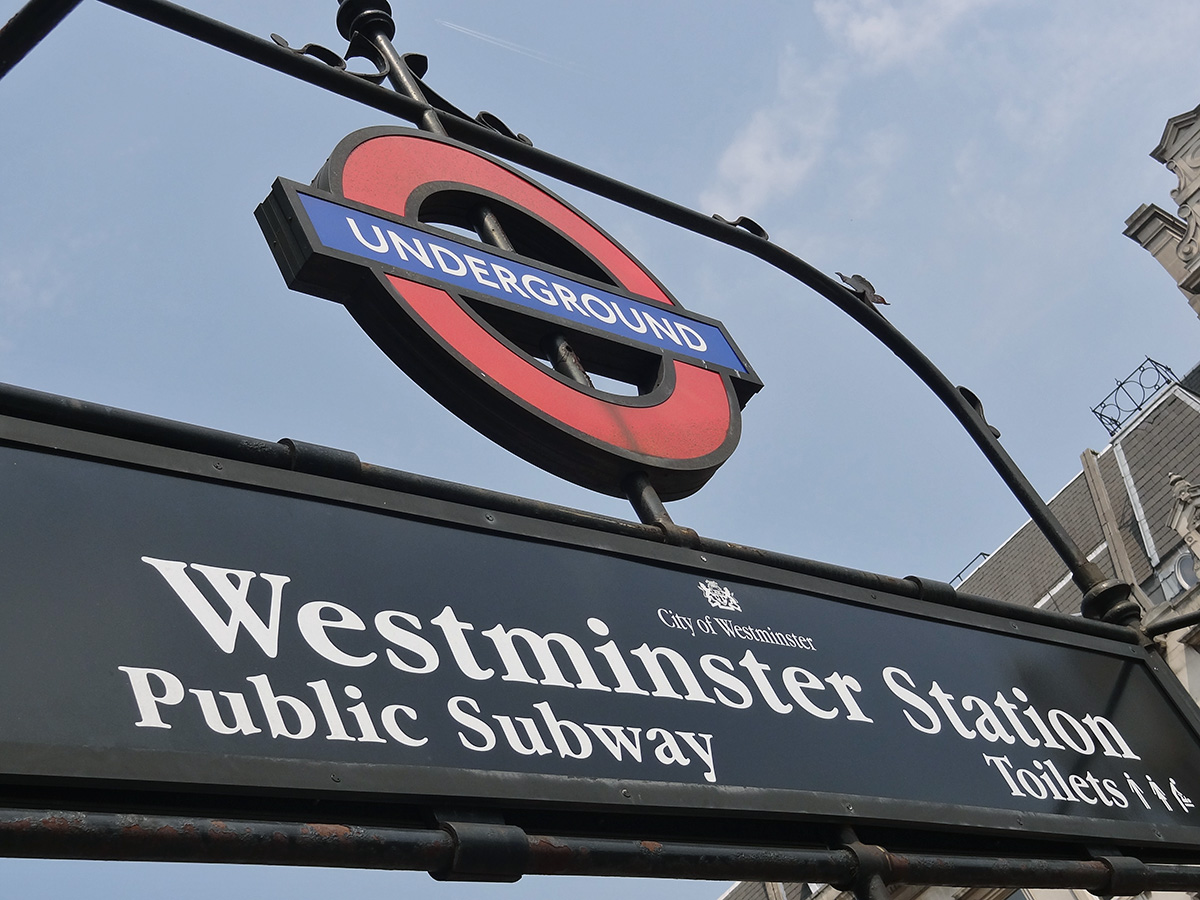
 Getting around London is pretty easy to do. Transport, though often criticized, is very effective in and around London – at least when the Underground is running uninterrupted. However, since 9pm on Tuesday 4th February until the morning of 7th February, the underground will be operating well below full capacity, as strike action affects many workers.
Transport for London has plans to cut many jobs, in particular through the closure of ticket office at all stations. Modernisation to the network is said to be essential, not just to improve the existing system, but also as it is predicted to save £50 million per year. Data suggests that only 3% of transactions involve people using ticket offices and thus the argument is that having offices manned is a waste of money and these workers would be better allocated to manning stations. David Cameron said:
I unreservedly condemn this strike. There is absolutely no justification for a strike. We need a modernised tube line working for the millions of Londoners who use it every day.
Workers on London Underground are naturally concerned about the impact this will have, in particular on their jobs, despite assurances that there will be no compulsory redundancies.
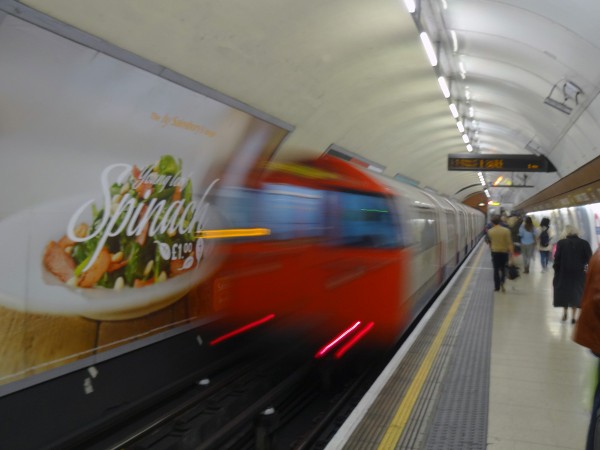 The impact of these strikes on workers in London is clearly evident by any pictures you look at. Buses were over-crowded, despite more than 100 extra being provided, pavements were packed with pedestrians and the roads were full of cyclists. At least the strike action has led to a little more exercise for many people! The disruption to business in London is likely to be relatively large and the loss in revenue due to the action will also be high, estimated by Business leaders to be tens of millions of pounds. It is perhaps for this reason that there is discussion as to whether the underground should be declared an ‘essential service’ as a means of minimising future disruptions.
Discussions have been ongoing between both sides to try to prevent this action and talks are likely to continue in the future. Boris Johnson has declared the strikes as ‘completely pointless’ and both sides have argued that the other has been unwilling to negotiate and discuss the ticket office closures. Boris Johnson said:
A deal is there to be done. I am more than happy to talk to Bob Crow if he calls off the pointless and unnecessary strike.
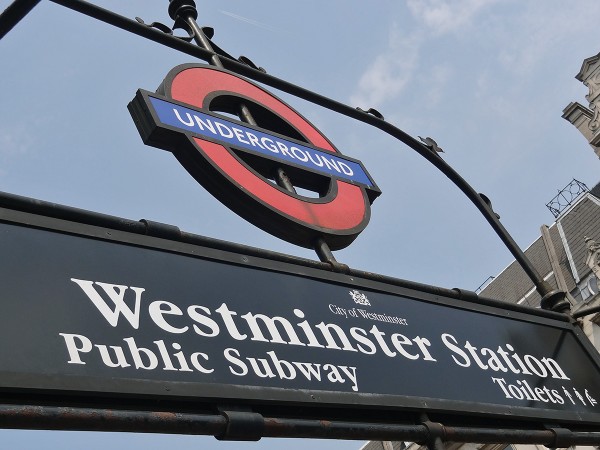 The impact on London and the economy will only be fully known after the strike action is over, but there are plans for further strikes next week. The greater the disruption the bigger the calls for further strikes on key services, such as the tube, to be prevented. In particular, this may mean new powers to curtail the rights of unions in these types of areas, which will require a minimum service to be provided. The following articles consider the strike action on the London Underground.
Articles
Questions
- If there is strike action in a labour market, what can we conclude about the market in question in terms of how competitive it is?
- If only 3% of transactions take place via ticket offices, is it an efficient use of resources to maintain the presence of ticket offices at every station?
- Is industrial action ‘completely pointless’?
- What other solutions are there besides strike action to problems of industrial dispute?
- What is the role of ACAS in negotiations?
- What is the economic impact of the strike on the London Underground? Think about the impact on businesses, revenues, sales and both micro and macro consequences.
- Should the tube be seen as an essential service such that strike action by its workers would be restricted?
 Many people are attracted to work in the private sector, with expectations of greater opportunities for promotion, more variation in work and higher salaries. However, according to the Office for National Statistics, it may be that the oft-talked-of pay differential is actually in the opposite direction. Data from the ONS suggests that public sector workers are paid 14.5% more on average than those working in the private sector.
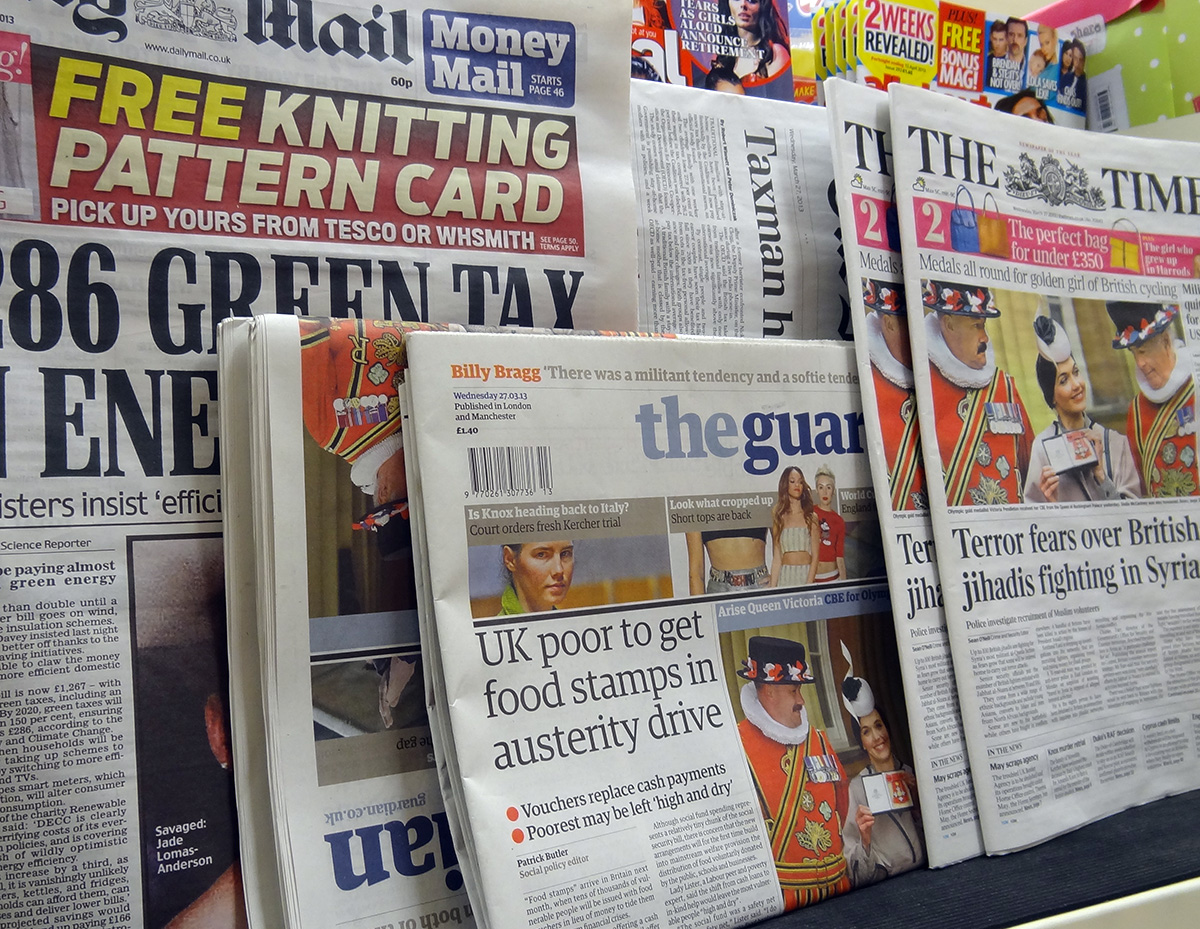 had been growing faster than private-sector pay. However, depending on the paper you read or the person you listen to, they will offer very different views as to who gets paid more. All you need to do in this case is look at the titles of the newspaper articles written by the Independent and The Telegraph! Whatever the explanation, these new data provide a wealth of information about relative prospects for pay for everyone.