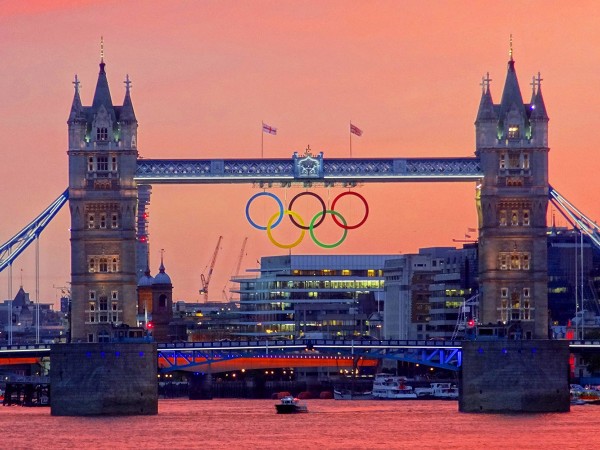
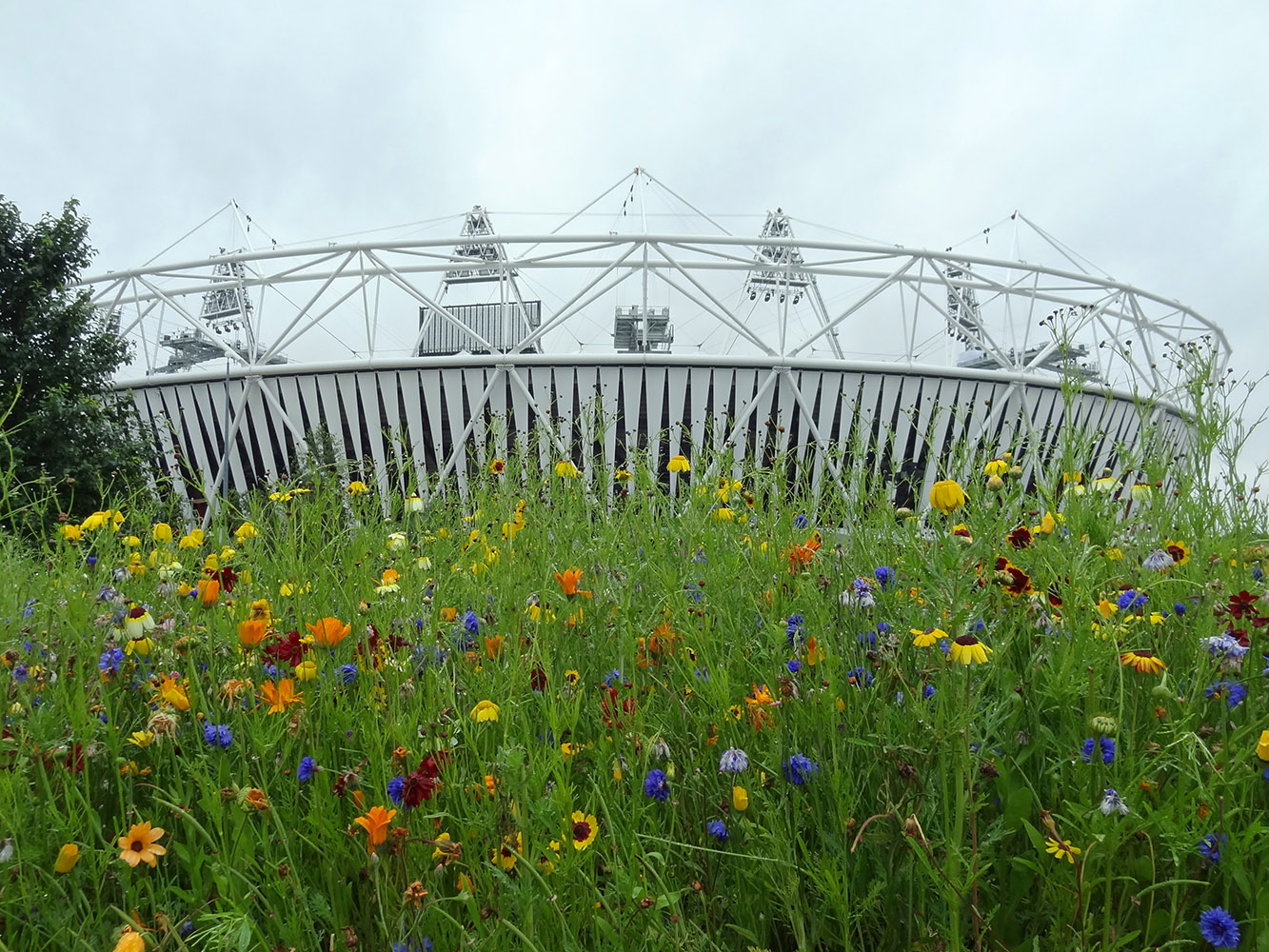
 Did the benefits of the London Olympics outweigh the costs? The government’s UK Trade and Industry (part of the Department of Business, Innovation & Skills) has just published a report, London 2012, Delivering the economic legacy, which itemises the economic benefits of the games one year on. It claims that benefits to date are some £9.9 billion.
This compares with costs, estimated to be somewhere between £8.9 billion and £9.3 billion, although this figure does not include certain other costs, such as maintenance of the stadium. Nevertheless, according to the figures, even after just a year, it would seem that the Games had ‘made a profit’ – just.
The £9.9 billion of benefits consist of £5.9 billion of additional sales, £2.5 billion of additional inward investment and £1.5 billion of Olympic-related high value opportunities won overseas. 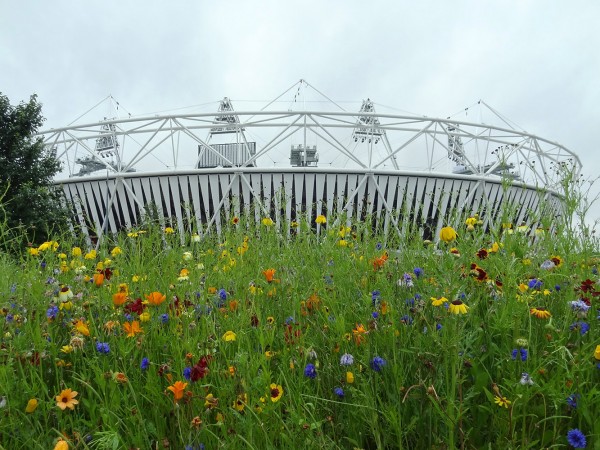 Most of these can be seen as monetary external benefits: in other words, monetary benefits arising from spin-offs from the Games. The ‘internal’ monetary benefits would be largely the revenues from the ticket sales.
In a separate report for the Department of Culture, Media & Sport, Report 5: Post-Games Evaluation, it has been estimated that the total net benefits (net gross value added (GVA)) from 2004 to 2020 will be between £28 billion and £41 billion.
But benefits are not confined just to internal and external monetary benefits: there are also other externalities that are non-monetary. The Culture, Media & Sport report identified a number of these non-monetary externalities. The Summary Report itemises them. They include:
• The health and social benefits of more people participating in sport
• Inspiring a generation of children and young people
• A catalyst for improved elite sporting performance in the UK
• Setting new standards for sustainability
• Improved attitudes to disability and new opportunities for disabled people to participate in society
• Greater social cohesion as communities across the UK engaged with the Games
• Increased enthusiasm for volunteering
• Accelerated physical transformation of East London
• Beneficial socio-economic change in East London
• Important lessons learned for the co-ordination and delivery of other large-scale public and public/private projects
But with any cost–benefit analysis there are important caveats in interpreting the figures. First there may be monetary and non-monetary external costs. For example, will all the effects on social attitudes be positive? Might greater competitiveness in sport generate less tolerance towards non sporty people? Might people expect disabled people to do more than they are able (see)? Second, the costs generally precede the benefits. This then raises the question of what is the appropriate discount rate to reduce future benefits to a present value.
 Perhaps the most serious question is that of the quantification of benefits. It is important that only benefits that can be attributed to the Games are counted and not benefits that would have occurred anyway, even if connected to the Games. For example, it is claimed in the UK Trade & Industry report that much of the Olympic park and stadium for the Winter Olympics in Russia was “designed and built by British businesses”. But was this the direct result of the London Olympics, or would this have happened anyway?
Another example is that any inward investment by any company that attended the London Olympics is counted in the £2.5 billion of additional inward investment (part of the £9.9 billion). As the London Evening Standard article below states:
In London, it credited the Games with helping seal the deal for the £1.2 billion investment in the Royal Albert Docks by Chinese developer ABP, the £1 billion investment in Croydon by Australian shopping centre developer Westfield with UK firm Hammerson and the £700 million investment in Battersea Nine Elms by Dalian Wander Group.
It is highly likely that some or all of these would have gone ahead anyway.
Then there are the £5.9 billion of additional sales. These are by companies which engaged with the Olympics. But again, many of these sales could have taken place anyway, or may have displaced other sales.
Many cost–benefit analyses (or simply ‘benefit analyses’) concern projects where there are strong vested interests in demonstrating that a project should or should not go ahead or, in this case, have gone ahead. The more powerful the vested interests, the less likely it is that the analysis can be seen as objective.
Webcasts and Podcasts
 Have Olympics and Paralympics really boosted trade? Channel 4 News, Jackie Long (19/7/13)
Economy boosted by Olympics Sky Sports News, Amy Lewis (19/7/13)
Olympic investment boost to last decade – Cable BBC News (19/7/13)
Did the UK gain from the Olympics? BBC Today Programme (19/7/13)
Articles
Government announces almost £10bn economic boost from London 2012 Specification Online (19/7/13)
Olympic Legacy Boosted Economy By £10bn, Government Insists The Huffington Post (19/7/13)
Olympics are delivering economic gold but volunteering legacy is at risk The Telegraph, Tim Ross (19/7/13)
Vince Cable: Case for HS2 still being made The Telegraph, Christopher Hope and Tim Ross (19/7/13)
Olympic legacy ‘gave London a £4bn windfall’ London Evening Standard, Nicholas Cecil and Matthew Beard (19/7/13)
London 2012 Olympics ‘have boosted UK economy by £9.9bn’ BBC News (19/7/13)
The great Olympic stimulus BBC News, Stephanie Flanders (19/7/13)
London Olympics still costing the taxpayer one year on Sky Sports (19/7/13)
Mayor missed long-term London Olympic jobs targets, says report BBC News, Tim Donovan (19/7/13)
Olympics legacy: Have the London 2012 Games helped Team GB develop a winning habit? Independent, Robin Scott-Elliot (19/7/13)
London 2012 added up to more than pounds and pence The Guardian, Zoe Williams (19/7/13)
Government Reports
London 2012 – Delivering the economic legacy UK Trade & Investment (19/7/13)
London 2012: Delivering the economic legacy UK Trade & Investment (19/7/13)
Report 5: Post-Games Evaluation: Summary Report Department for Culture, Media & Sport (July 2013)
Report 5: Post-Games Evaluation: Economy Evidence Base Department for Culture, Media & Sport (July 2013)
Questions
- Distinguish between gross and net benefits; monetary and non-monetary externalities; direct costs (or benefits) and external costs (or benefits).
- How should the discount rate be chosen for a cost–benefit analysis?
- Give some examples of monetary and non-monetary external costs of the Games.
- What are the arguments for and against including non-monetary externalities in a cost–benefit analysis?
- Why might the £9.9 billion figure for the monetary benefits of the Games up to the present time be questioned?
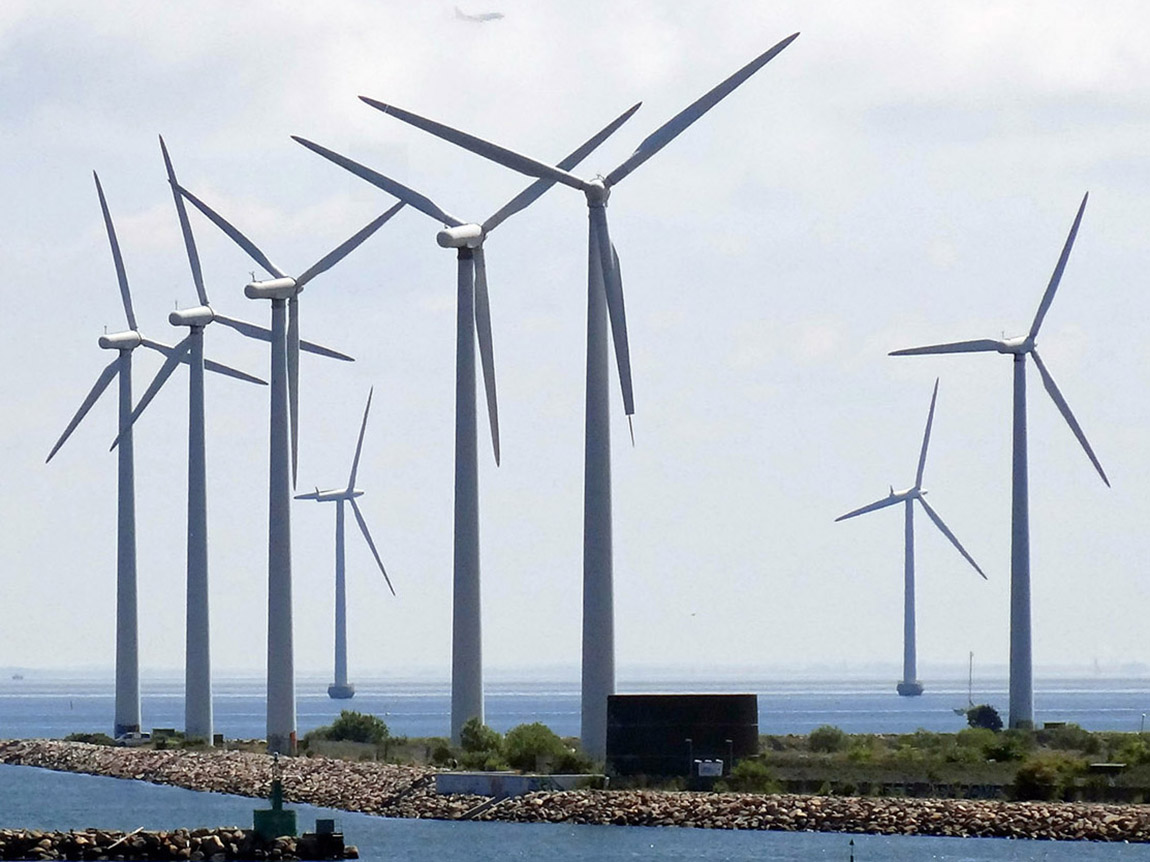
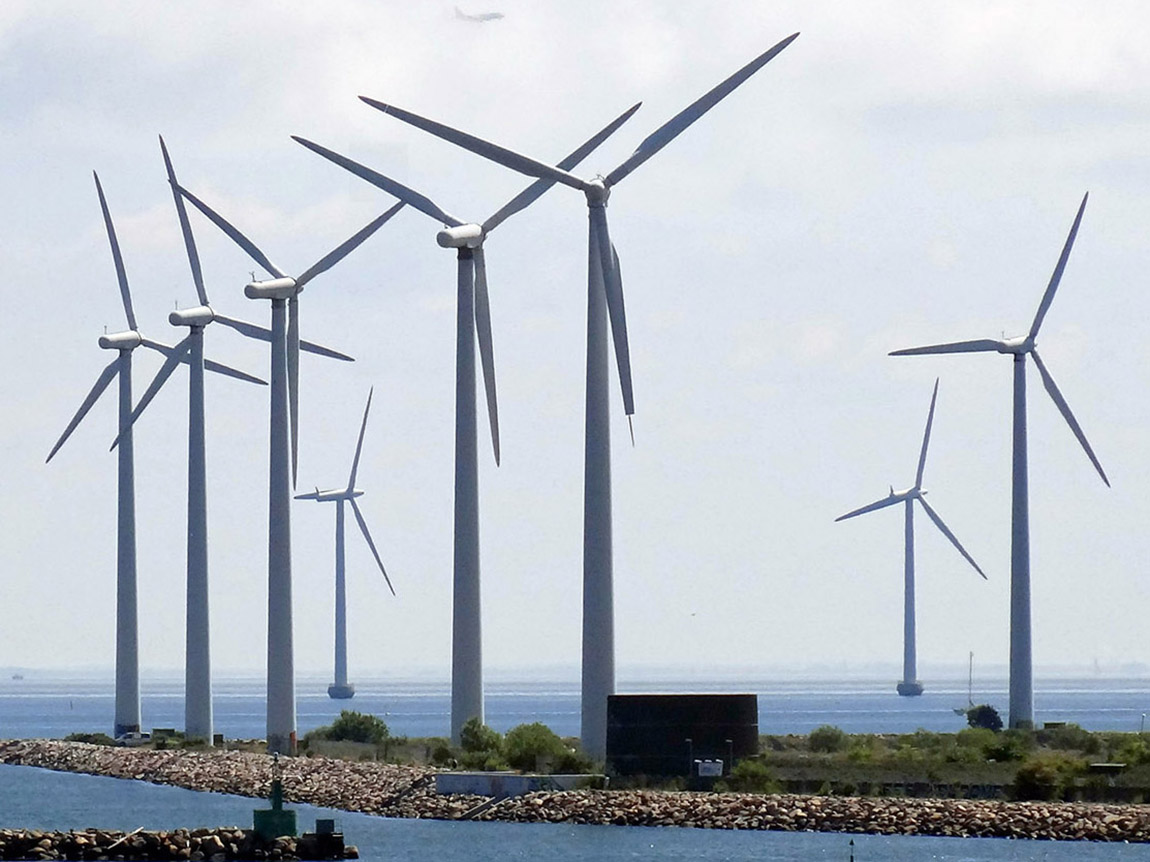 The Clean Energy Bill has been on the agenda for some time and not just in the UK. With climate change an ever growing global concern, investment in other cleaner energy sources has been essential. However, when it comes to investment in wind farms, developers have faced significant opposition. The balancing act for the government appears to be generating sufficient investment in wind farms, while minimising the negative externalities.
The phrase often thrown around with regards to wind farms, seems to be ‘not in my backyard’. That is, people recognise the need for them, but don’t want them to be built in the local areas. The reason is to do with the negative externalities. Not only are the wind farms several metres high and wide, creating a blight on the landscape, but they also create a noise, both of which impose a third party effect on the local communities. These factors, amongst others, have led to numerous protests whenever a new wind farm is suggested. The problem has been that with such challenging targets for energy, wind farms are essential and thus government regulation has been able to over-ride the protests of local communities.
However, planning guidance in the UK will now be changed to give local opposition the ability to override national energy targets. In some sense, more weight is being given to the negative externalities associated with a new wind farm. This doesn’t mean that the government is unwilling to let investment in wind farms stop. Instead, incentives are being used to try to encourage local communities to accept new wind farms. While acknowledging the existence of negative externalities, the government is perhaps trying to put a value on them. The benefits offered to local communities by developers will increase by a factor of five, thus aiming to compensate those affected accordingly. Unsurprisingly, there have been mixed opinions, summed up by Maria McCaffery, the Chief Executive of trade association RenewableUK:
Maria McCaffery, chief executive of trade association RenewableUK, said the proposals would signal the end of many planned developments and that was “disappointing”.
Developing wind farms requires a significant amount of investment to be made upfront. Adding to this cost, by following the government’s advice that we should pay substantially more into community funds for future projects, will unfortunately make some planned wind energy developments uneconomic in England.
That said, we recognise the need to ensure good practice across the industry and will continue to work with government and local authorities to benefit communities right across the country which are hosting our clean energy future.
The improved benefits package by the energy industry is expected to be in place towards the end of the year. The idea is that with greater use of wind farms, energy bills can be subsidised, thereby reducing the cost of living. Investment in wind farms (on-shore and off-shore) is essential. Current energy sources are non-renewable and as such new energy sources must be developed. However, many are focused on the short term cost and not the long term benefit that such investment will bring. The public appears to be in favour of investment in new energy sources, especially with the prospect of subsidised energy bills – but this positive outlook soon turns into protest when the developers pick ‘your back yard’ as the next site. The following articles consider this issue.
Residents to get more say over wind farms The Guardian, Fiona Harvey and Peter Walker (6/6/13)
Local communities offered more say over wind farms BBC News (6/6/13)
Locals to get veto power over wind farms The Telegraph, Robert Winnett (6/6/13)
Wind farms are a ‘complete scam’, claims the Environment Secretary who says turbines are causing ‘huge unhappiness’ Mail Online, Matt Chorley (7/6/13)
New planning guidance will make it harder to build wind farms Financial Times, Jim Pickard, Pilita Clark and Elizabeth Rigby (6/6/13)
Will more power to nimbys be the death of wind farms? Channel 4 News (6/6/13)
Locals given more ground to block wind farms Independent, Tom Bawden (6/6/13)
Questions
- What are the negative externalities associated with wind farms?
- Conduct a cost-benefit analysis as to whether a wind farm should be constructed in your local area. Which factors have you given greatest weight to?
- In question 2 above, were you concerned about the Pareto criterion or the Hicks-Kaldor criterion?
- If local communities can be compensated sufficiently, should wind farms go ahead?
- If the added cost to the development of wind farms means that some will no longer go ahead, is this efficient?
- Why is there a need to invest in new energy sources?
- To what extent is climate change a global problem requiring international (and not national) solution?
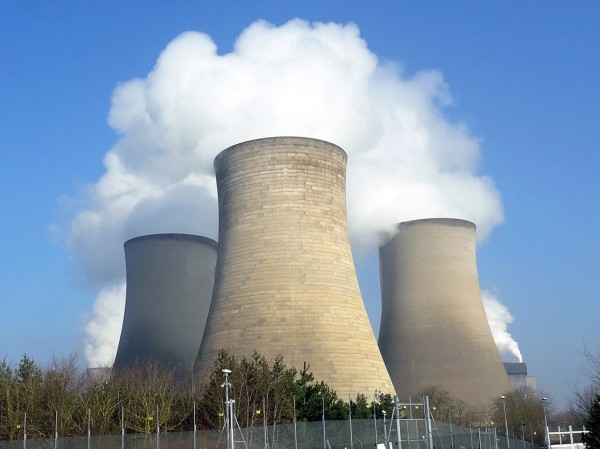 The UK economy faces a growing problem of energy supplies as energy demand continues to rise and as old power stations come to the end of their lives. In fact some 10% of the UK’s electricity generation capacity will be shut down this month.
Energy prices have risen substantially over the past few years and are set to rise further. Partly this is the result of rising global gas prices.
In 2012, the response to soaring gas prices was to cut gas’s share of generation from 39.9% per cent to 27.5%. Coal’s share of generation increased from 29.5% to 39.3%, its highest share since 1996 (see The Department of Energy and Climate Change’s Energy trends section 5: electricity). But with old coal-fired power stations closing down and with the need to produce a greater proportion of energy from renewables, this trend cannot continue.
 But new renewable sources, such as wind and solar, take a time to construct. New nuclear takes much longer (see the News Item, Going nuclear). And electricity from these low-carbon sources, after taking construction costs into account, is much more expensive to produce than electricity from coal-fired power stations.
So how will the change in balance between demand and supply affect prices and the security of supply in the coming years. Will we all have to get used to paying much more for electricity? Do we increasingly run the risk of the lights going out? The following video explores these issues.
Webcast
UK may face power shortages as 10% of energy supply is shut down BBC News, Joe Lynam (4/4/13)
Data
Electricity Statistics Department of Energy & Climate Change
Quarterly energy prices Department of Energy & Climate Change
Questions
- What factors have led to a rise in electricity prices over the past few years? Distinguish between demand-side and supply-side factors and illustrate your arguments with a diagram.
- Are there likely to be power cuts in the coming years as a result of demand exceeding supply?
- What determines the price elasticity of demand for electricity?
- What measures can governments adopt to influence the demand for electricity? Will these affect the position and/or slope of the demand curve?
- Why have electricity prices fallen in the USA? Could the UK experience falling electricity prices for similar reasons in a few years’ time?
- In what ways could the government take into account the externalities from power generation and consumption in its policies towards the energy sector?
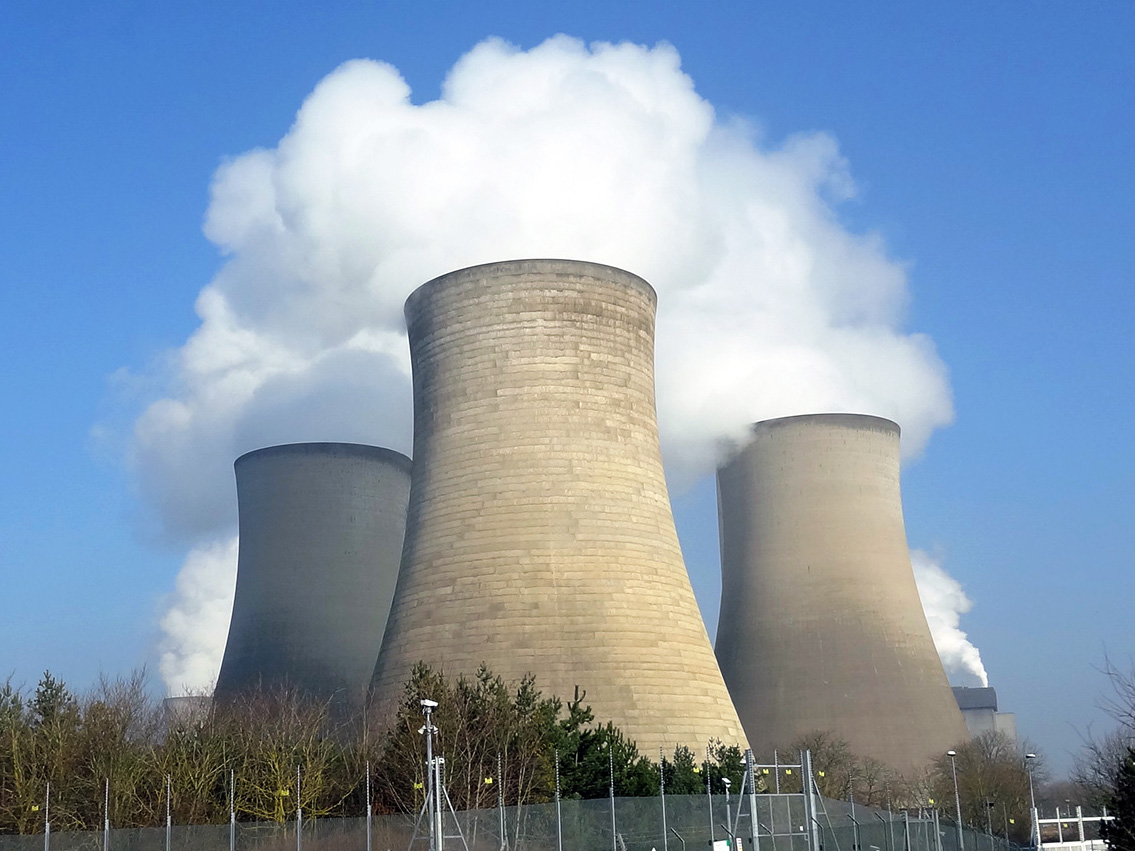
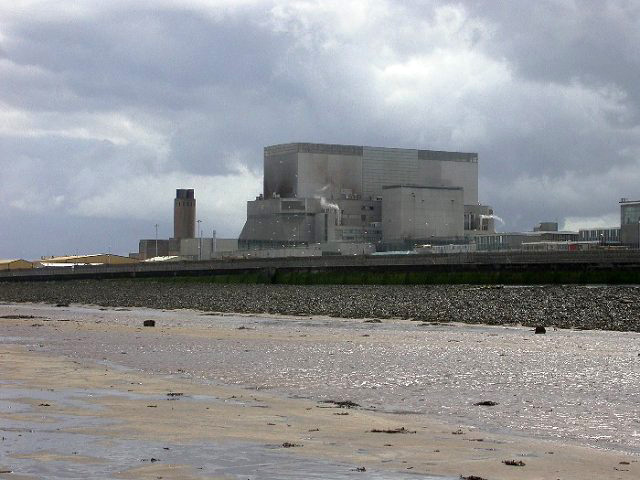 The UK government has just given the go-ahead for the building of two new nuclear reactors at Hinkley Point in Somerset. The contract to build and run the power station will go to EDF, the French energy company.
The power station is estimated to cost some £14 billion to build. It would produce around 7% of the UK’s electricity. Currently the 16 nuclear reactors in the UK produce around 19%. But all except for Sizewell B in Suffolk are due to close by 2023, although the lives of some could be extended. There is thus a considerable energy gap to fill in the coming years.
Several new nuclear power stations were being considered to help fill this gap, but with rising capital costs, especially following the Fukushima disaster in Japan, potential investors pulled out of other negotiations. Hinkley Point is the only proposal left. It’s not surprising that the government wants it to go ahead.
All that remains to agree is the price that EDF can charge for the electricity generated from the power station. This price, known as the ‘strike price’, is a government-guaranteed price over the long term. EDF is seeking a 40-year deal. Some low carbon power stations, such as nuclear and offshore wind and wave power stations, have high capital costs. The idea of the strike price is to reduce the risks of the investment and make it easier for energy companies to estimate the likely return on capital.
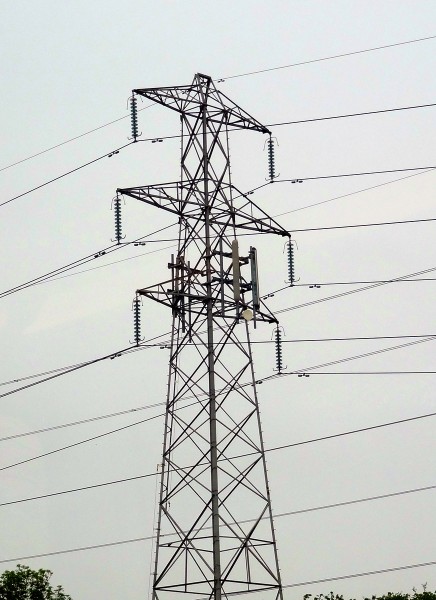 But the strike price, which will probably be agreed at around £95 per megawatt hour (MWh), is roughly double the current wholesale price of electricity. EDF want a price of around £100 per MWh, which is estimated to give a return on capital of around 10%. The government was hoping to agree on a price nearer to £80 per MWh. Either way, this will require a huge future subsidy on the electricity generated from the plant.
There are several questions being asked about the deal. Is the strike price worth paying? Are all the costs and benefits properly accounted for, including environmental costs and benefits and safety issues? Being an extremely long-term project, are uncertainties over costs, performance of the plant, future market prices for electricity and the costs of alternative forms of power generation sufficiently accounted for? Will the strike price contravene EU competition law? Is the timescale for construction realistic and what would be the consequences of delays? The articles consider these questions and raise a number of issues in planning very long-term capital projects.
Articles
Hinkley Point: Britain’s second nuclear age given green light as planning permission is approved for first of new generation atomic power stations Independent, Michael McCarthy (19/3/13)
Will they or won’t they? New nuclear hangs in the balance ITV News, Laura Kuenssberg (19/3/13)
Hinkley Point C: deal or no deal for UK nuclear? The Telegraph, Alistair Osborne (19/3/13)
New nuclear power plant at Hinkley Point C is approved BBC News (20/3/13)
Britain’s Plans for New Nuclear Plant Approach a Decisive Point, 4 Years Late New York Times, Stanley Reed and Stephen Castle (15/3/13)
Nuclear power plans threatened by European commission investigation The Guardian (14/3/13)
New Hinkley Point nuclear power plant approved by UK government Wired, Ian Steadman (19/3/13)
Renewable energy providers to help bear cost of new UK nuclear reactors The Guardian, Damian Carrington (27/3/13)
Europe backs Hinkley nuclear plant BBC News (8/10/14)
Information/Reports/Journal Articles
Environmental permitting of Hinkley Point C Environment Agency
NNB Generation Company Limited, Radioactive Substances Regulations, Environmental Permit Application for Hinkley Point C: Chapter 7, Demonstration of Environmental Optimisation EDF
Greenhouse Gas Emission of European Pressurized Reactor (EPR) Nuclear Power Plant Technology: A Life Cycle Approach Journal of Sustainable Energy & Environment 2, J. Kunakemakorn, P. Wongsuchoto, P. Pavasant, N. Laosiripojana (2011)
Questions
- Compare the relative benefits of a construction subsidy and a subsidised high strike price from the perspectives of (a) the government (b) EDF.
- What positive and negative externalities are involved in nuclear power generation?
- What difficulties are there in valuing these externalities?
- What is meant by catastrophic risk? Why is this difficult to take account of in any cost–benefit analysis?
- What is meant by a project’s return on capital? Explain how discounted cash flow techniques are used to estimate this return.
- What should be taken into account in deciding the rate of discount to use?
- How should the extra jobs during construction of the plant and then in the running of the plant be valued when making the decisions about whether to go ahead?
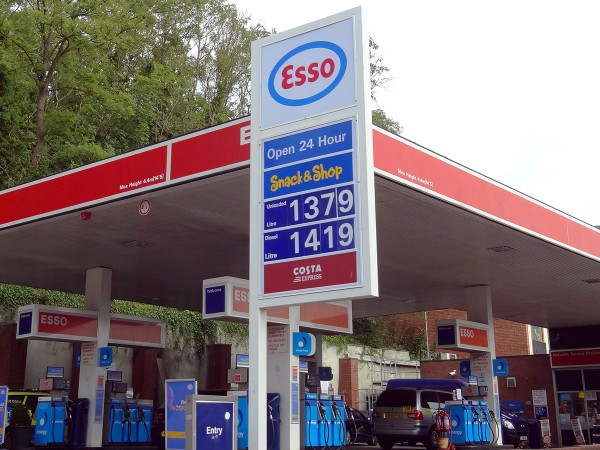 From early January to late February 2013, the average pump price of petrol in the UK rose by over 6p per litre – a rise of 4.7% in just seven weeks. There have also been substantial rises in the price of diesel.
The higher prices reflect a rise in the dollar wholesale price of oil and a depreciation in the pound. From 2 January to 21 February the pound fell from $1.63 to $1.53 – a depreciation of 6.1% (see). Crude oil prices (in dollars) rose by just under 7% over this period. With oil imports priced in dollars, a weaker pound pushes up the price of oil in the UK. The price has then been pushed up even higher by speculation, fuelled by the belief that prices have further to rise.
 The higher price of road fuel, plus the general squeeze on living standards from the recession, with prices rising faster than wages, has caused a reduction in the consumption of road fuel. Petrol sales have fallen to their lowest level for 23 years. Sales in January 2013 were 99m litres down on the previous month’s sales of 1564m litres (a fall of 6.3%).
Not surprisingly motorists’ groups have called for a reduction in fuel taxes to ease the burden on motorists. They also argue that this will help to drive recovery in the economy by leaving people with more money in their pockets.

Equally not surprisingly, those concerned about the environment have welcomed the reduction in traffic, as have some motorists who like the quieter roads, allowing journey times to be cut, with resulting reductions in fuel consumption per mile.
The following videos and articles discuss the causes of the most recent fuel price rises and also examine the responsiveness of demand to these higher prices and to the reductions in real incomes.
Webcasts
Rising petrol prices are ‘forcing drivers off the road’ BBC News, Richard Westcott (22/2/13)
Fuel prices ‘forcing drivers off road’ – AA BBC News (22/2/13)
Fuel Prices Head For Highest Level Ever Sky News (22/2/13)
Commodities Next Week: Fuel Prices Hit Fresh 2013 Highs CNBC (22/2/13)
Ministers to blame for high fuel prices, says competition watchdog The Telegraph, Peter Dominiczak (30/1/13)
Articles
Petrol price surge adds 6.24p to a litre in a month The Guardian (22/2/13)
Petrol prices set for record highs as speculators and weak pound drive up pump costs again This is Money (22/2/13)
How are motorists saving fuel? NNC Magazine, Tom Geoghegan (9/3/11)
AA Report
Fuel Price Report (February 2013)
Data
Weekly road fuel prices Department of Energy and Climate Change
Energy consumption in the UK Department of Energy and Climate Change
Oil and oil products: section 3, Energy Trends Department of Energy and Climate Change
Europe Brent Spot Price FOB (Dollars per Barrel) US Energy Information Administration
Crude Oil (petroleum), Price index Monthly Price – Index Number Index Mundi
Questions
- Is it possible to calculate the price elasticity of demand for petrol from the data given? Try making the calculation.
- How important is the ceteris paribus (other things being equal) assumption when calculating the price elasticity of demand for petrol?
- Why is the long-run price elasticity of demand for road fuel likely to different from the short-run price elasticity?
- If wholesale oil prices go up by x%, will prices at the pumps go up by approximately x% or by more or less then x%? Similarly, if the pound depreciates by y% would you expect prices at the pumps go up by approximately y% or by more or less then y%? Explain.
- How has speculation affected fuel prices? Is this effect likely to persist? Explain.
- Under what circumstances would a reduction in road fuel taxes help to drive the recovery? Are such circumstances likely?
- Which groups in society suffer most from higher fuel prices? Is this reflected in their price elasticity of demand and if so why?
- Is a rise in fuel prices above inflation likely to increase or decrease inequality in living standards? Explain.
- Should externalities from fuel consumption and production be taken into account when setting the duty on petrol and diesel and, if so, what would be the implication for prices?
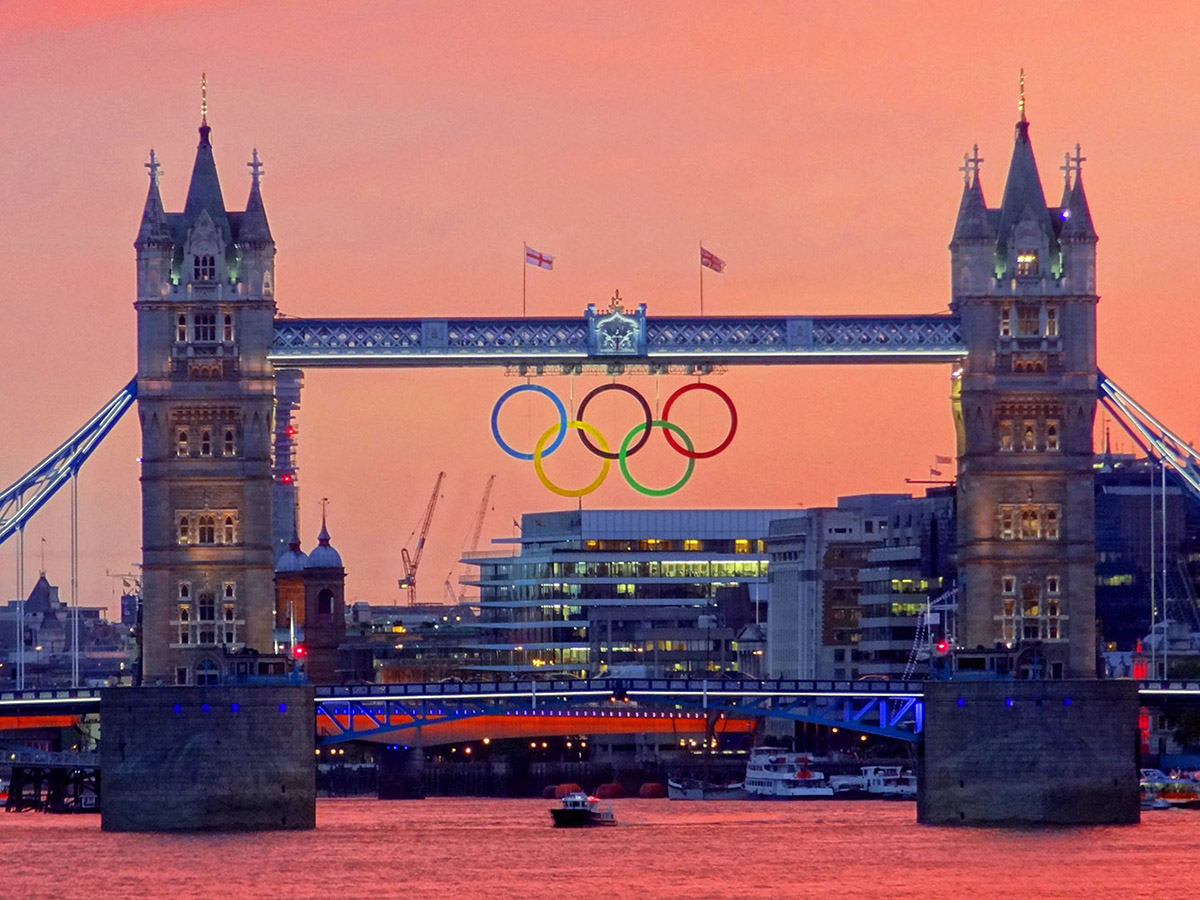 Did the benefits of the London Olympics outweigh the costs? The government’s UK Trade and Industry (part of the Department of Business, Innovation & Skills) has just published a report, London 2012, Delivering the economic legacy, which itemises the economic benefits of the games one year on. It claims that benefits to date are some £9.9 billion.
 Most of these can be seen as monetary external benefits: in other words, monetary benefits arising from spin-offs from the Games. The ‘internal’ monetary benefits would be largely the revenues from the ticket sales.
 Perhaps the most serious question is that of the quantification of benefits. It is important that only benefits that can be attributed to the Games are counted and not benefits that would have occurred anyway, even if connected to the Games. For example, it is claimed in the UK Trade & Industry report that much of the Olympic park and stadium for the Winter Olympics in Russia was “designed and built by British businesses”. But was this the direct result of the London Olympics, or would this have happened anyway?