It’s a relatively common dish to see on a menu at a restaurant: mackerel. This particular fish has been promoted as a healthy and sustainable dish, but now its sustainability is coming into question and the Marine Conservation Society has taken it off its ‘fish to eat’ list. My brother Hugh is a marine biologist and often comments on which fish we should be avoiding due to sustainability issues (especially given how much I like fish!) So, how is this an economics issue?
There a couple of key things to pick out here. Firstly, with the conservationists’ warning of this issue of unsustainability, they have been asking consumers to reduce the amount of mackerel they buy. This will naturally have an impact on fisherman. If consumers do listen to the conservationists and hence reduce their demand for mackerel, we could see a fall in the price of this fish and a reduction in the fishermen’s turnover. It could be that we see a switch in consumption to other more sustainable fish, especially if we see some form of intervention.
Another area concerning economics is the idea of over-fishing. For years, there have been disputes over who has the rights to these fish stocks. In the past, the Faroe Isles and Iceland have increased their quotas significantly, as mackerel appear to have migrated to their shores, contributing to this question of sustainability. Iceland and the Faroe Isles have ‘unilaterally agreed their quotas … as they are not governed by the common fisheries policy’.
The question is: when fisherman catch one additional mackerel, what are they considering? Do they think about the private benefit to them (or their company) or do they consider the external cost imposed on others? Whenever one fish is taken from the sea, there is one less fish available for other fishermen.
This leads to over-consumption of fish and contributes towards the well-documented depletion of fish stocks and ‘The Tragedy of the Commons’, if account is not taken of the external cost imposed on other fishermen.
The total catch is now far in excess of what has been scientifically recommended and previously agreed upon by all participating countries. Negotiations to introduce new catch allowances have so far failed to reach agreement.
There are hopes that an international policy on quotas can be agreed to ensure mackerel levels return to or remain at a sustainable level. However, at present no progress has been made. Until some form of an agreement is reached, fishermen around Iceland and the Faroe Isles will continue to battle against the conservationists. The following articles consider this fishy topic.
Why are quotas set by the EU for fishing? Who do they apply to?
Why is there an externality from fishing?
What is the Tragedy of the Commons? Using a diagram with average and marginal revenue product and average and marginal cost illustrate the market equilibrium and the social optimum. Why are they different?
Following on from question 3, what does this suggest about the role of governments?
If the conservationists’ request regarding buying less mackerel is successful, what impact might this have on fishermen and fisheries?
If consumers do switch to buying other fish, what would happen to the equilibrium in the mackerel market and in the market for other fish? Think about this question in terms of general equilibrium analysis.
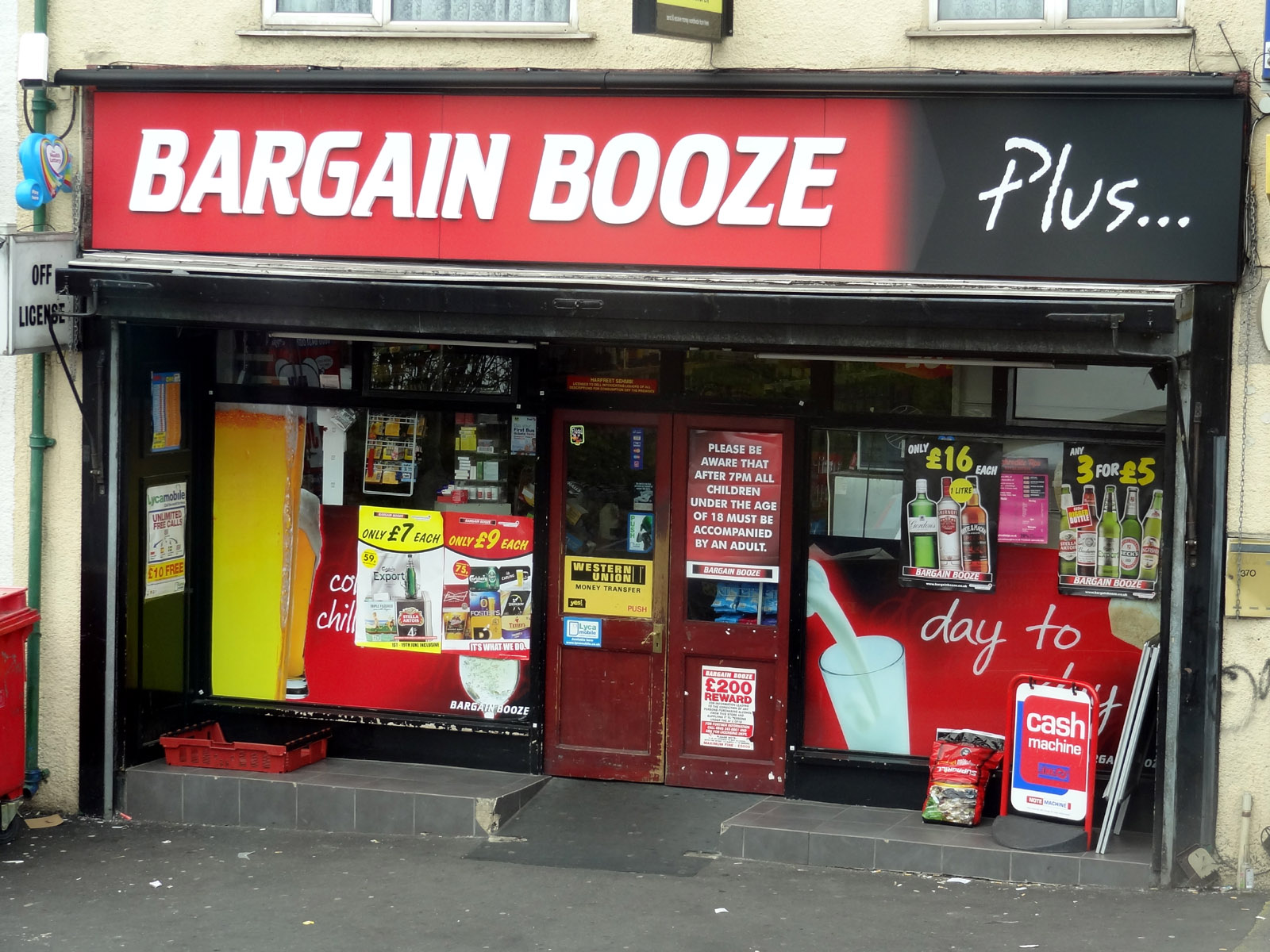
Ministers are considering introducing a minimum price of 45p per unit of alcohol on all drinks sold in England and Wales. The Scottish government has already passed legislation for a minimum price of 50p per unit in Scotland. This, however, is being challenged in the Scottish courts and is being examined by the European Commission.
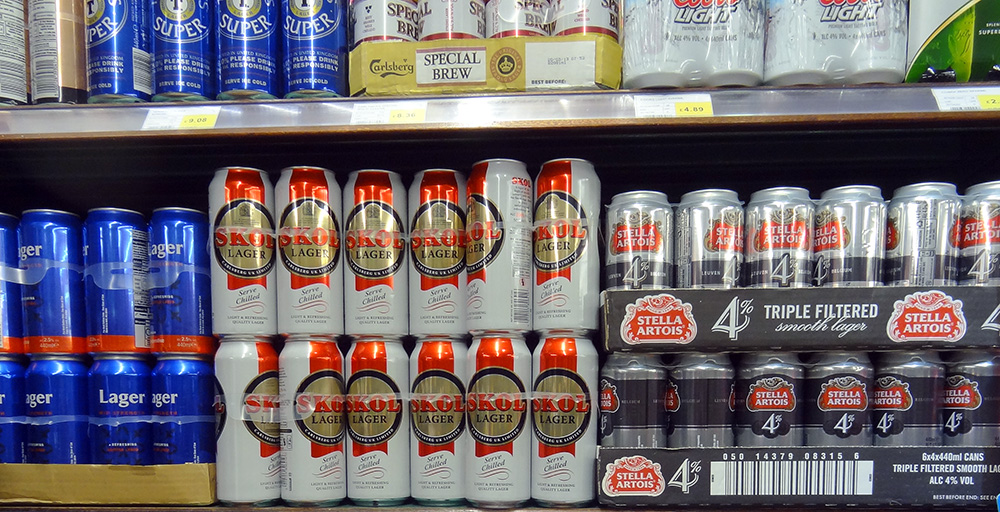
As we saw in a previous blog, Alcohol minimum price, the aim is to prevent the sale of really cheap drinks in supermarkets and other outlets. Sometimes supermarkets sell alcoholic drinks at less than average cost as a ‘loss leader’ in order to encourage people to shop there. Two-litre bottles of strong cider can be sold for as little as £2. Sometimes they offer multibuys which are heavily discounted. The idea of minimum pricing is to stop these practices without affecting ‘normal’ prices.
The effect of a 45p minimum price per unit would give the following typical minimum prices (depending on strength):
Strength
Size
Minimum price
Wine
12.5%
750ml
£4.22
Beer/lager (normal)
4.5%
pint (568ml)
£1.15
Beer/lager (strong)
7.5%
pint (568ml)
£1.92
Beer/lager (normal)
4.5%
2 litres
£4.05
Beer/lager (strong)
7.5%
2 litres
£6.75
Cider (normal)
5%
pint (568ml)
£1.28
Cider (strong)
8%
pint (568ml)
£2.04
Cider (normal)
5%
2 litres
£4.50
Cider (strong)
8%
2 litres
£7.20
Whisky
40%
700ml
£12.60
Vodka
37.5%
700ml
£11.81
The hope is that by preventing the sale of really cheap drinks in supermarkets, people will no longer be encouraged to ‘pre-load’ so that when they go out for the evening they are already drunk.
But how successful will such a policy be in cutting down drunkenness and the associated anti-social behaviour in many towns and cities, especially on Friday and Saturday nights? The following articles discuss the issue and look at some of the evidence on price elasticity of demand.
Draw a diagram to illustrate the effect of a minimum price per unit of alcohol on (a) cheap cider; (b) good quality wine.
How is the price elasticity of demand for alcoholic drinks relevant to determining the success of minimum pricing?
Compare the effects of imposing a minimum unit price of alcohol with raising the duty on alcoholic drinks? What are the revenue implications of the two policies for the government?
What externalities are involved in the consumption of alcohol? How could a socially efficient price for alcohol be determined?
Is imposing a minimum price for alcohol fair? How will it effect the distribution of income?
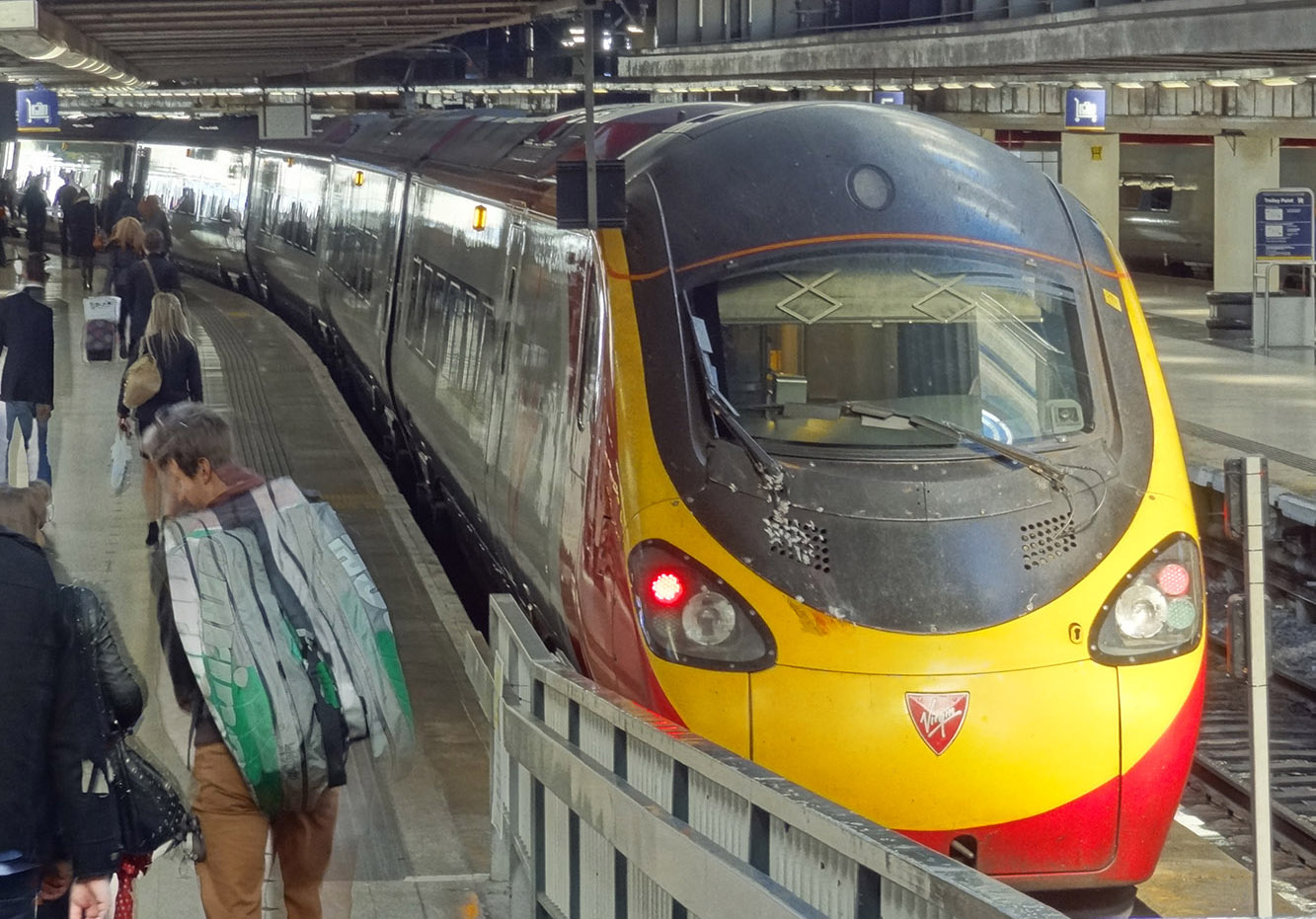
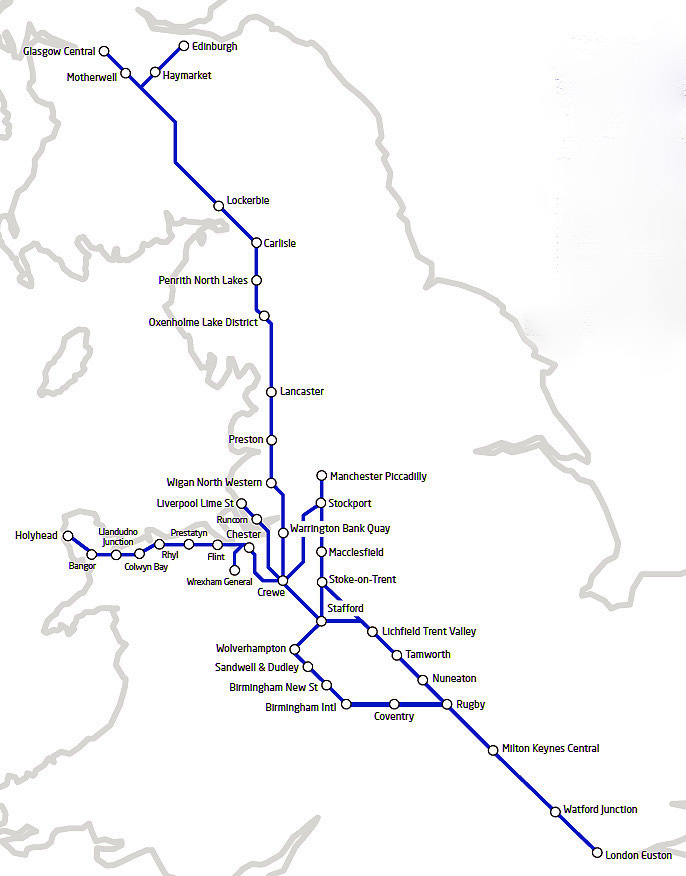
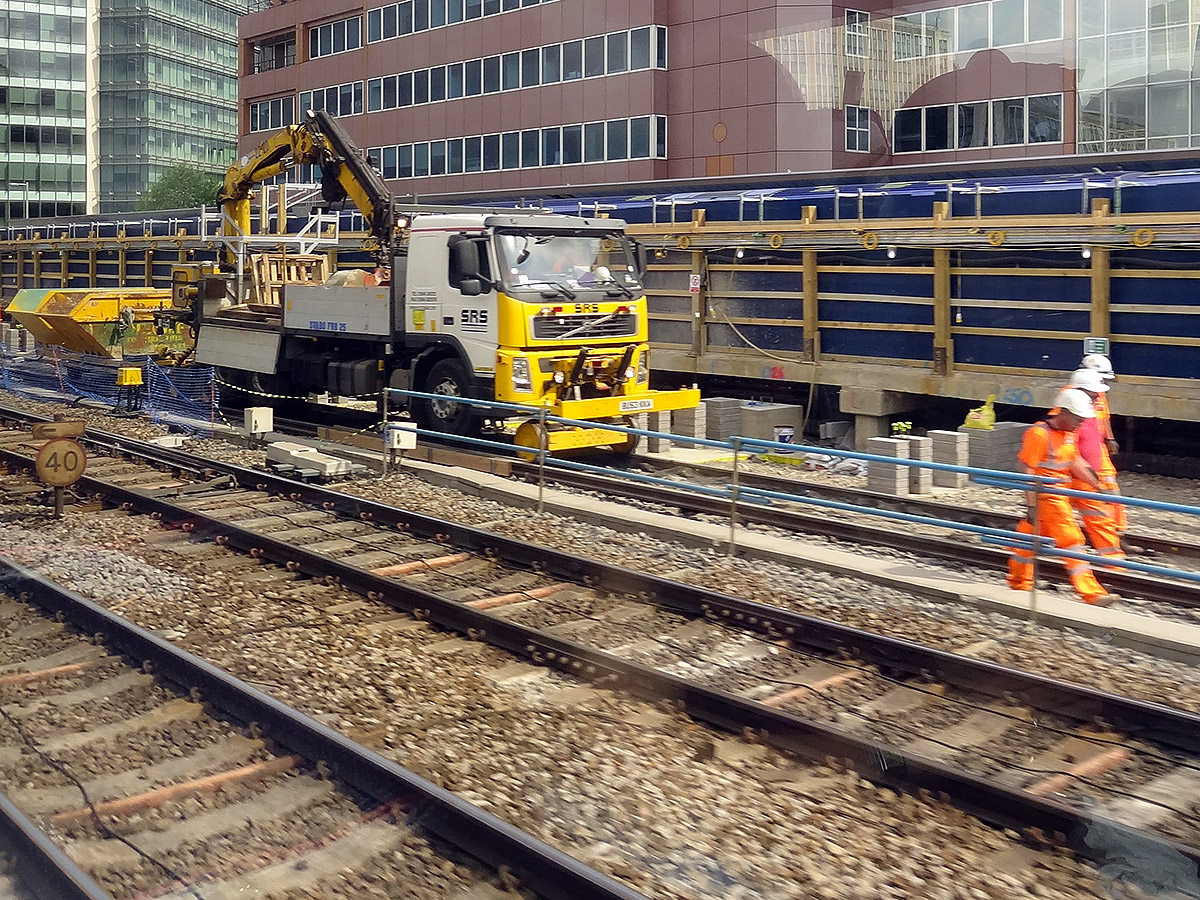
Virgin’s franchise to run the West Coast Main Line from London to Birmingham, Manchester, Liverpool, Glasgow and Edinburgh was due to expire in December. The Department of Transport thus invited tenders to run a new 13-year franchise, worth around £5 billion, and on 15 August announced that the franchise had been awarded to FirstGroup. It had bid substantially more than Virgin.
Virgin immediately challenged the decision, arguing that FirstGroup’s figures were flawed. According to the second BBC article below:
It argued that FirstGroup’s revenue projections were wildly optimistic – that passenger growth of 6% a year was unlikely given that Virgin had seen growth of 5% a year from a much lower base. This level of passenger growth would have seen FirstGroup’s revenue from the franchise grow by more than 10% a year, which was simply unrealistic, Virgin argued.
And it is not alone. “Everybody in the industry thought that this bid was not sustainable and that the risks had not been taken into account by the Department for Transport,” says rail industry expert Christian Wolmar.
If revenue targets are not met, the franchisee doesn’t have the money to pay the government the promised fee for the contract, which in FirstGroup’s case was back-loaded towards the end of the 13-year term.
After making its decision, the Transport Secretary at the time, Justine Greening, said that the process of assessing the bid was robust and fair and conducted with due diligence. Sir Richard Branson of Virgin strongly and publicly disagreed and Virgin decided to take the Department of Transport to court. The court case was scheduled to begin on 4 October.
However, in preparing its case to put to the court, the Department of Transport uncovered significant errors in the evaluation of the bids. These errors involved the overestimation of passenger numbers, the undervaluation of risk and a failure to take inflation into account. The errors stemmed from inputting the data incorrectly.
The errors were so serious that the new Transport Secretary, Patrick McLoughlin, on the day before the court case was due to begin, announced that he was scrapping the contract to FirstGroup and would invite new bids. All four of the original bidders would have their costs refunded, amounting to some £40 million.
The minister also announced that he was setting up two reviews. One would seek to establish just what went wrong in the assessment of the West Coat Main Line bids and what lessons could be learned. This is due to report at the end of October. The other review would examine the wider rail franchise programme and how bids are appraised. In the meantime, three other franchise competitions had been ‘paused’ pending the results of this second review, due to report in December.
The articles look at the problems of assessing bids and properly taking into account risks associated with both revenue and cost projections. Not surprisingly, they also look at the politics of this amazing and unprecedented U-turn
What were reasons for awarding the contract to FirstGroup back in August?
How is discounting used to assess the value of projected future revenue and costs? How does the choice of the rate of discount impact on these calculations?
In what way should risk be taken into account?
Why was the FirstGroup bid particularly sensitive to the calculation of risk?
If both costs and revenues go up with inflation, how is inflation relevant to the calculation of the profitability of a bid?
What are the arguments for and against making franchises longer?
Is it only at the bidding stage that there is any competition for train operators? Explain.
Should full social costs and benefits be taken into account when assessing bids for a rail franchise? Explain.
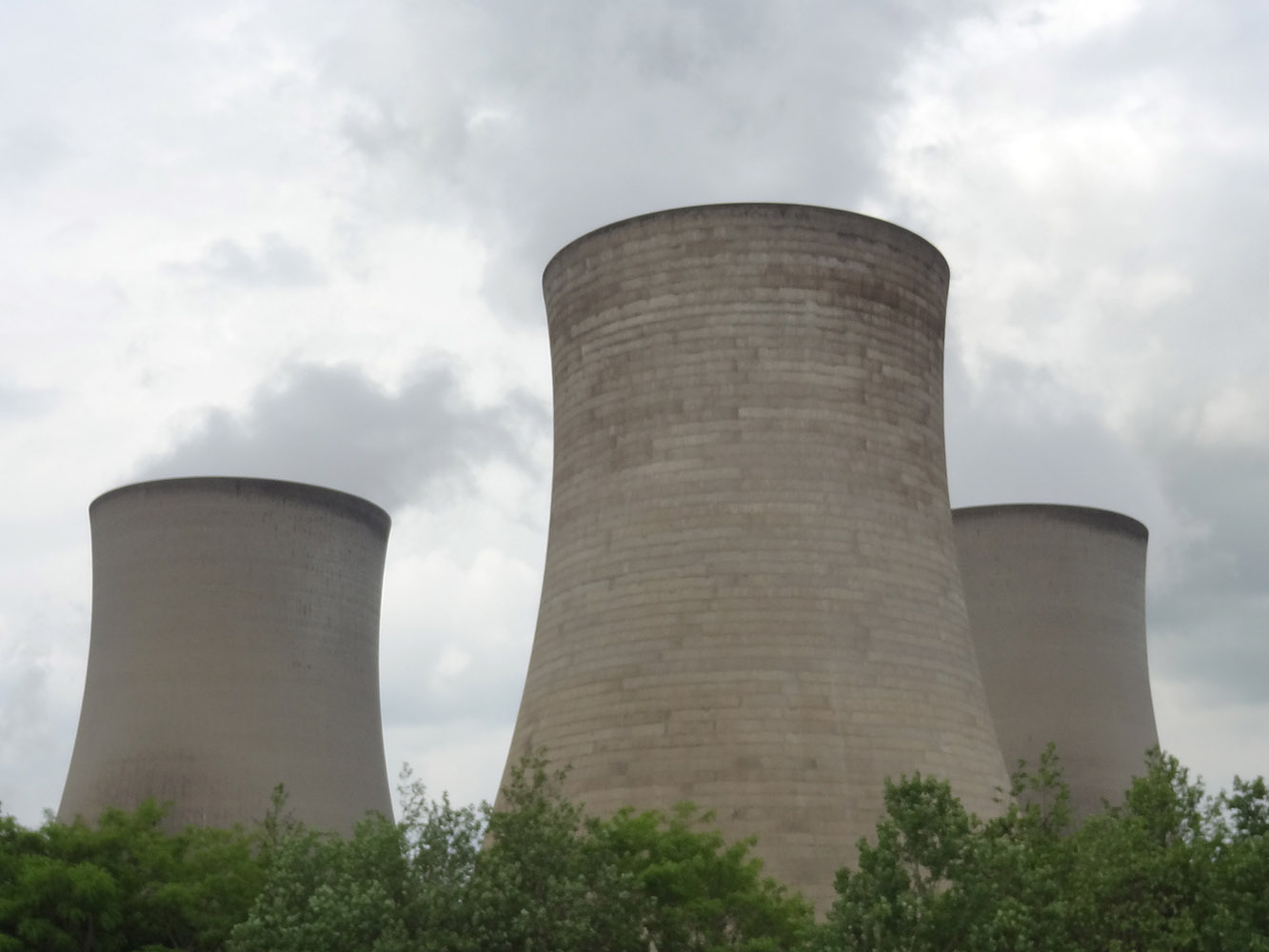
EU environmental legislation is beginning to cause problems in the UK. As it prohibits coal-fired power plants from generating power, they will be forced to close. This means that the UK will be forced to rely more on imported energy, which could lead to price rises, as energy shortages emerge.
Ofgem, the energy regulator has said that the risk of a gas shortage is likely to be at its highest in about 3 years time, as the amount of spare capacity is expected to fall from its current 14% to just 4%. Energy shortages have been a concern for some time, but the report from Ofgem indicates that the predicted time frame for these energy shortages will now be sooner than expected. Ofgem has said that the probability of a black-out has increased from 1 in 3,300 years now to 1 in 12 years by 2015.
The government, however, has said that its Energy Bill soon to be published will set out plans that will secure power supply for the UK. Part of this will be through investment, leading to new methods of generating energy. The Chief Executive of Ofgem, Alistair Buchanan said:
‘The unprecedented challenges in facing Britain’s energy industry … to attract the investment to deliver secure, sustainable and affordable energy supplies for consumers, still remain.’
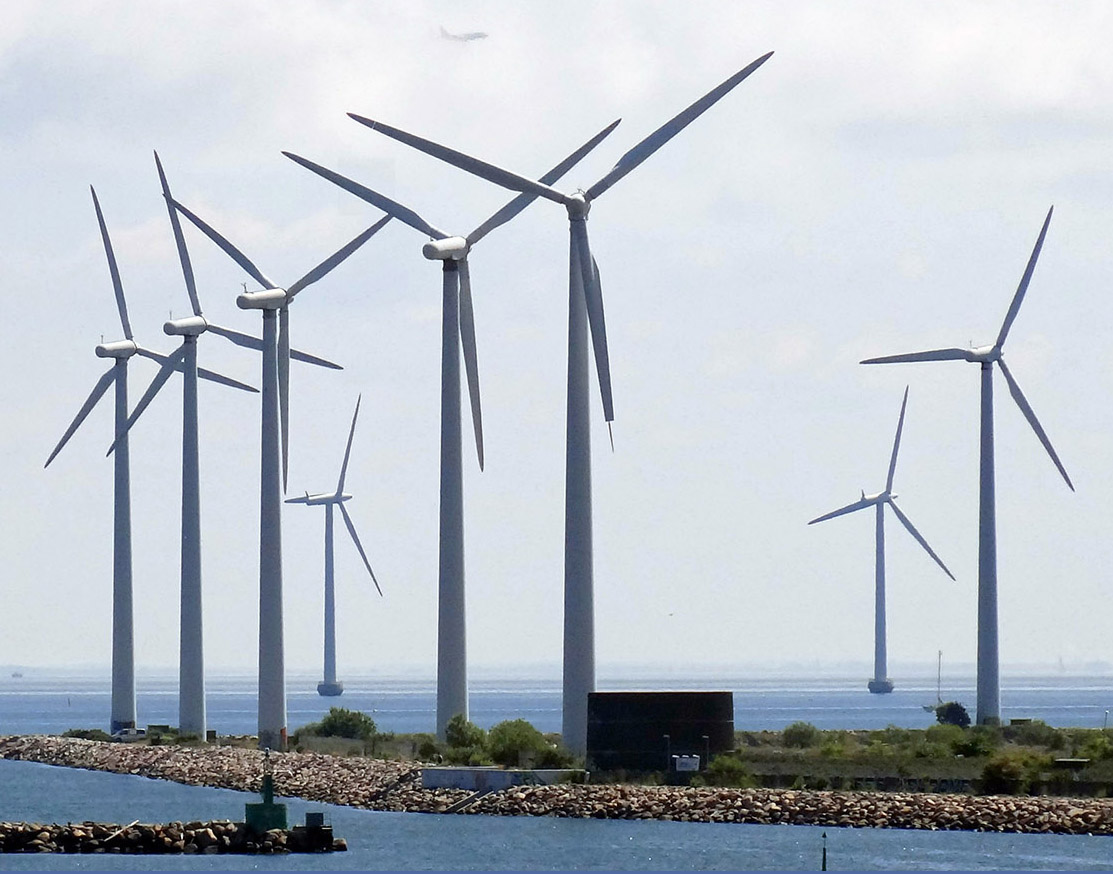
One particular area that will see growth is wind-farms: a controversial method of power supply, due to the eye-sore they present (to some eyes, at least) and the noise pollution they generate. But with spare capacity predicted to fall to 4%, they will be a much needed investment.
Perhaps of more concern for the everyday household will be the impact on energy prices. As we know, when anything is scarce, the price begins to rise. As energy shortages become more of a concern, the market mechanism will begin to push up prices. With other bills already at record highs and incomes remaining low, the average household is likely to feel the squeeze. The following articles and the Ofgem report considers this issue.
Rail companies will be permitted to raise average regulated rail fares next year by 6.2%. Not surprisingly, this has been met with dismay and anger by rail travellers, especially long-distance commuters, who could see their annual season tickets going up by several hundred pounds.
Some fares, such as advance tickets, are unregulated. Others, such as anytime, off-peak and season tickets, are regulated by the government. The formula for working out permitted price rises for regulated fares is RPI plus 3%, where RPI is the July annual inflation rate based on the retail price index.
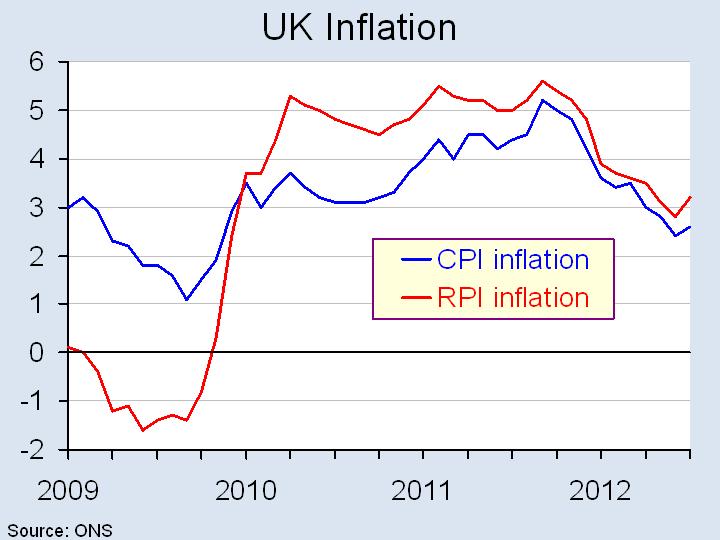
The RPI figure was announced by the ONS on 14 August and was a surprisingly high 3.2% – up from 2.8% in June: see Table 21 in the ONS’s CPI And RPI Reference Tables, July 2012. (Click here for a PowerPoint of the chart on the left.) Hence average fares can rise by 3.2% + 3% = 6.2%.
Rail travellers are angry on three counts:
First, the RPI measure of inflation is generally around 0.5% higher than the CPI measure (which is used for working out public-sector pay increases and the uprating of pensions and benefits). The July figure for CPI inflation was 2.6%.
Second, the extra 3% added on top of RPI means that that rail fares are going up more rapidly than other prices, and incomes too. The reason given for this is to shift the burden of funding the railways from the taxpayer to the traveller.
Third, the formula applies to average fares. Rail companies can raise particular regulated fares by up to 5 percentage points more than the formula provided they raise other fares by less than the formula. Thus some fares are set to rise by 11.2% – including some of the most expensive season tickets.
The government justified the increases by arguing that the higher fares will allow more investment by the rail companies, which could result in lower costs in the future. Nevertheless, two thirds of the revenue from the above-inflation increases will go to the government and only one third to the rail companies.
What are the arguments for and against the general principle of using an RPI+X formula for regulating rail fares?
What are the arguments for and against allowing train operating companies to raise regulated rail fares by an average of RPI plus 3%, with 2 of the 3 percent above RPI inflation going to the government?
In what ways are travellers likely to respond to the higher prices?
Why are some travellers likely to have a much lower price elasticity of demand for rail travel than others? What determines this price elasticity of demand?
What externalities exist in rail transport? How should this impact on the government’s rail pricing strategy?
How is infrastructure development funded for (a) rail, (b) roads and (c) airports? Does this lead to an efficient allocation of transport investment?
How does rail pricing in the UK compare with that in other European countries? Should other European countries follow the UK’s policy of above inflation fare increases to fund rail investment?
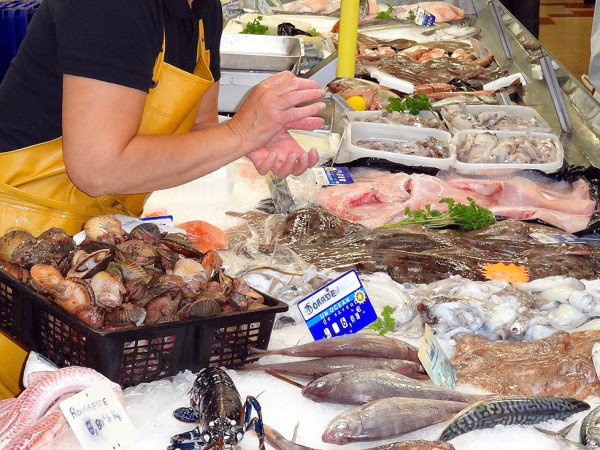 It’s a relatively common dish to see on a menu at a restaurant: mackerel. This particular fish has been promoted as a healthy and sustainable dish, but now its sustainability is coming into question and the Marine Conservation Society has taken it off its ‘fish to eat’ list. My brother Hugh is a marine biologist and often comments on which fish we should be avoiding due to sustainability issues (especially given how much I like fish!) So, how is this an economics issue?
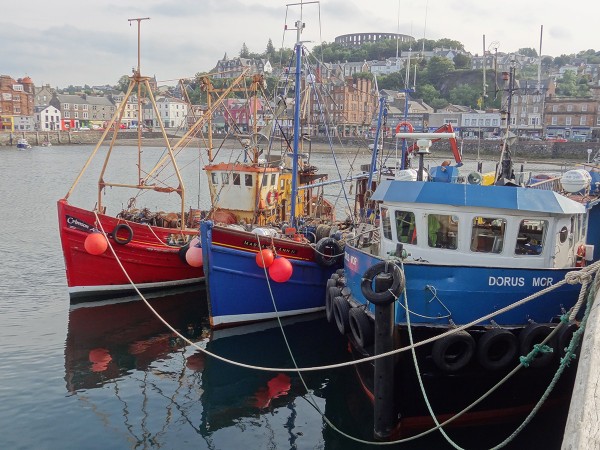 Another area concerning economics is the idea of over-fishing. For years, there have been disputes over who has the rights to these fish stocks. In the past, the Faroe Isles and Iceland have increased their quotas significantly, as mackerel appear to have migrated to their shores, contributing to this question of sustainability. Iceland and the Faroe Isles have ‘unilaterally agreed their quotas … as they are not governed by the common fisheries policy’.
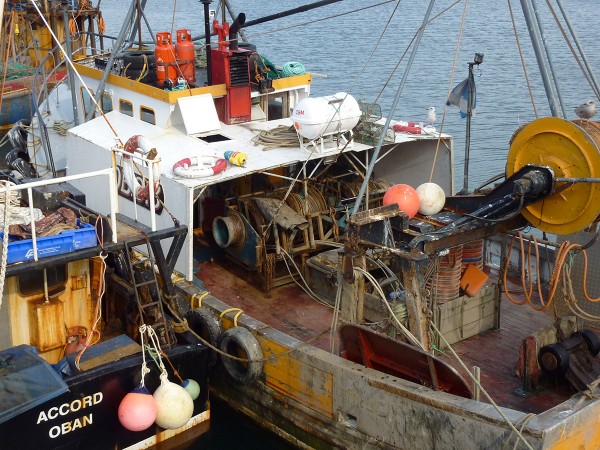 This leads to over-consumption of fish and contributes towards the well-documented depletion of fish stocks and ‘The Tragedy of the Commons’, if account is not taken of the external cost imposed on other fishermen.