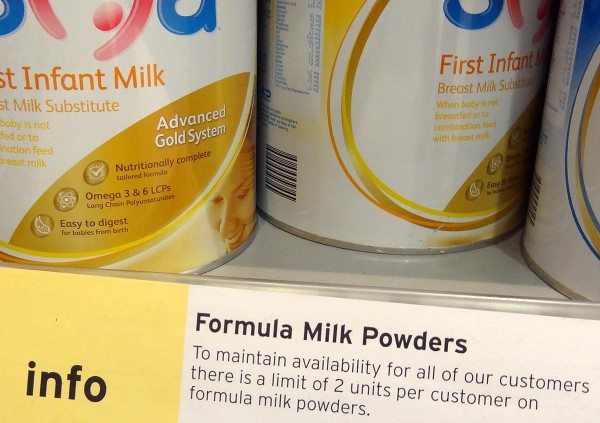
 In the UK, we take it for granted that if you need to see a doctor, you go and give little, if any thought, to the cost. It may be petrol costs, time off work or the cost of a prescription, but beyond that, receiving treatment is free at the point of use. Funded through a progressive tax system, the NHS is seen as being one of the more equitable health care systems.
When a mother gives birth, the main thing she will have to worry about is the labour – and not whether to have certain painkillers or stay an extra night, because of the cost.
The International Federation of Health Plans (IFHP) looked at data on the cost of giving birth, based on insurance company payments. For someone living in the UK, the figures make for quite astonishing reading. In the USA, a normal delivery will cost $10,000, while a caesarean totals $15,000, meaning that giving birth in the USA is the most expensive place in the world. The article linked below takes the case of Mari Roberts, whose total delivery bill came to over $100,000. The insurance did cover it, but that’s not always the case. Medical bills in the United States are one of the leading reasons for bankruptcy and with these types of figures, perhaps it’s hardly surprising.
Other countries also see high costs for delivery, where expectant mothers really do need to give consideration to the length of their stay in hospital and perhaps even whether they are willing to forgo a pain-relieving drug and save some money. There is often said to be an efficiency–equity trade-off in the area of healthcare, with countries offering a free at the point of use service delivering an equitable system, but with a lack of responsiveness to the demands of the patients. In the UK, you don’t pay to see a doctor but, with a ‘free’ service, demand is understandably very high, thus creating a shortage and waiting lists. In countries, such as the USA, a higher price for treatment does limit demand, creating more inequity but a responsive system.
There are certainly lessons that can be learned from all health care systems and living in a developed country, we should certainly consider ourselves lucky. There are many countries where access to even the most basic health care is a luxury that most cannot afford. So, where does have the best health care system? I’ll leave that to you.
Video and article
 How much do women around the world pay to give birth? BBC News, Mariko Oi (13/2/15)
Report
Research for Universal Health Coverage, World Health Report 2013 World Health Organisation August 2013
Health Systems Financing: The Path to Universal Coverage, World Health Report 2010 World Health Organisation August 2010
Questions
- Using a demand and supply diagram, explain why there may be a trade-off between efficiency and equity.
- If there is over-consumption of a service such as health care, does this suggest that the market fails?
- What are the main market failures that exist in health care?
- Is the concept of opportunity cost relevant to mothers in labour? Think about the country in question.
- How would you go about ranking health care systems if you worked for an organisation such as the OECD or WHO?
- Pick a country whose health care system you are familiar with. What changes have occurred to the way in which health care is organised and financed in this country? How has it affected the key objectives that formed part of your answer to question 5?
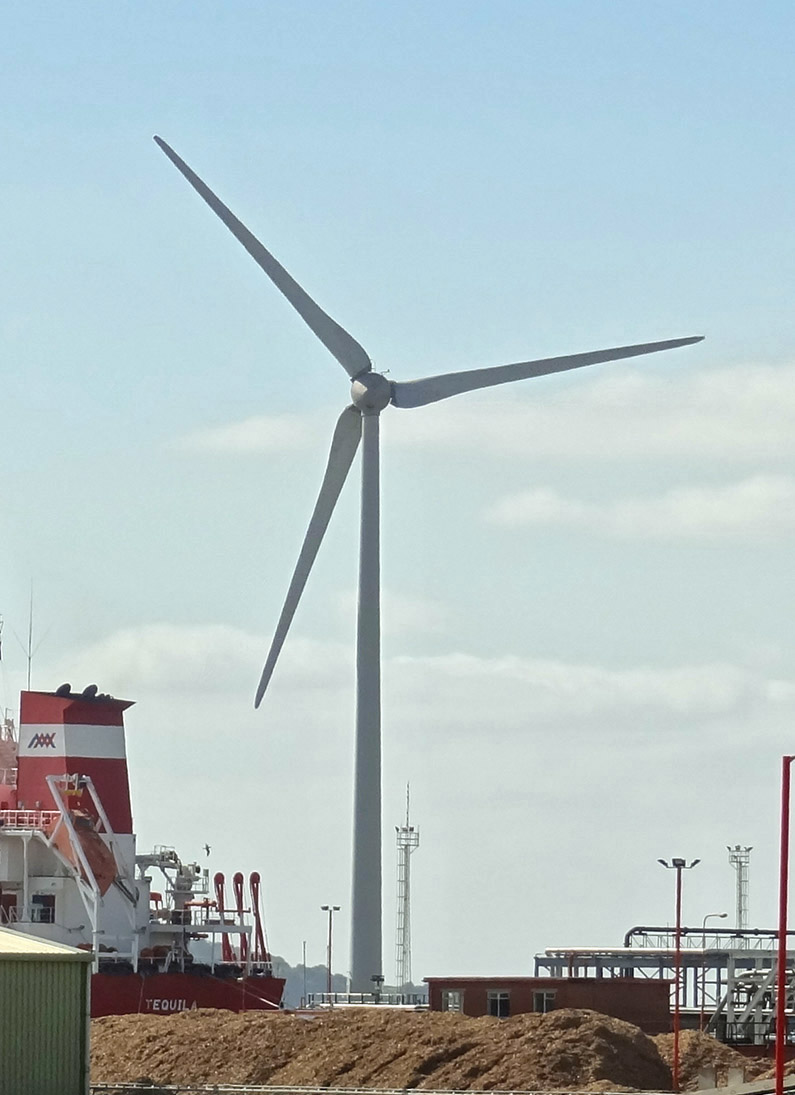
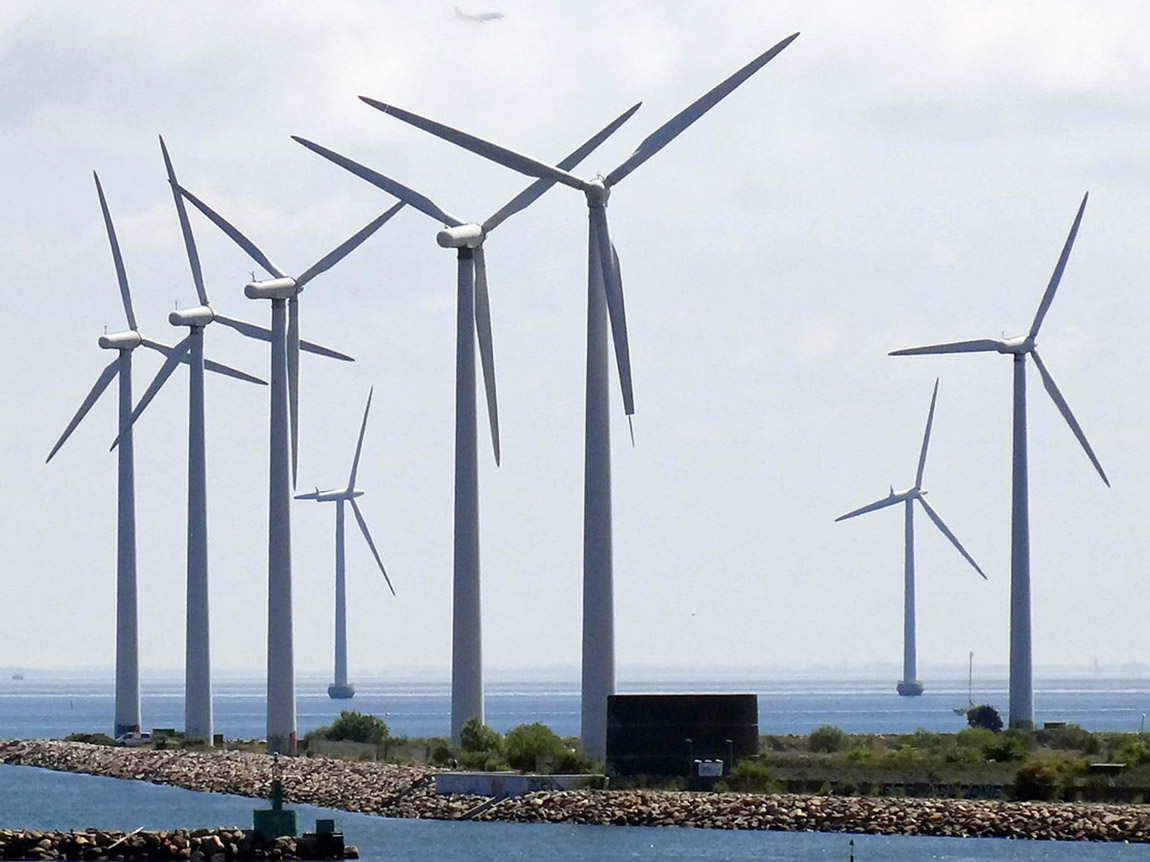
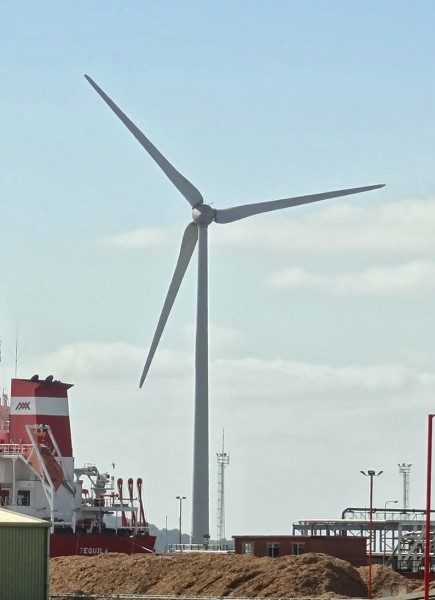 When an industry produces positive externalities, there is an argument for granting subsidies. To achieve the socially efficient output in an otherwise competitive market, the marginal subsidy should be equal to the marginal externality. This is the main argument for subsidising wind power. It helps in the switch to renewable energy away from fossil fuels. There is also the secondary argument that subsidies help encourage the development of technologies that would be too uncertain to fund at market rates.
If subsidies are to be granted, it is important that they are carefully designed. Not only does their rate need to reflect the size of the positive externalities, but also they should not entail any perverse incentive effects. But this is the claim about subsidies given to wind turbines: that they create an undesirable side effect.
Small-scale operators are encouraged to build small turbines by offering them a higher subsidy per kilowatt generated (through higher ‘feed-in’ tariffs). But according to a report by the Institute for Public Policy Research (IPPR), this is encouraging builders and operators of large turbines to ‘derate’ them. This involves operating them below capacity in order to get the higher tariff. As the IPPR overview states:
The scheme is designed to support small-scale providers, but the practice of under-reporting or ‘derating’ turbines’ generating capacity to earn a higher subsidy is costing the taxpayer dearly and undermining the competitiveness of Britain’s clean energy sector.
The loophole sees developers installing ‘derated’ turbines – that is, turbines which are ‘capped’ so that they generate less energy. Turbines are derated in this way so that developers and investors are able to qualify for the more generous subsidy offered to lower-capacity turbines, generating 100–500kW. 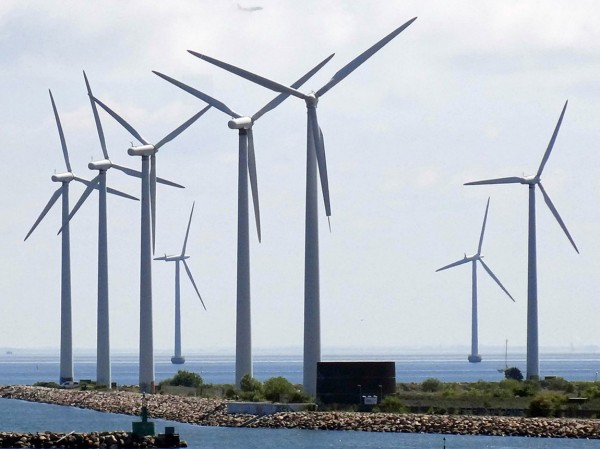 By installing derated turbines, developers are making larger profits off a feature of the scheme that was designed to support small-scale projects. Currently, the rating of a turbine is declared by the manufacturer and installer, resulting in a lack of external scrutiny of the system.
The subsidies are funded by consumers through higher electricity prices. As much as £400 million could be paid in excess subsidies. The lack of scrutiny means that operators could be receiving as much as £100 000 per year per turbine in excess subsidies.
However, as the articles below make clear, the facts are disputed by the wind industry body, RenewableUK. Nevertheless, the report is likely to stimulate debate and hopefully a closing of the loophole.
Video
Turbine power: the cost of wind power to taxpayers Channel 4 News, Tom Clarke (10/2/15)
Articles
Wind subsidy loophole boosts spread of bigger turbines Financial Times, Pilita Clark (10/2/15)
Call to Close Wind Power ‘Loophole’ Herald Scotland, Emily Beament (10/2/15)
Wind farm developers hit back at ‘excessive subsidy’ claims Business Green, Will Nichols (10/2/15)
The £400million feed-in frenzy: Green energy firms accused of making wind turbines LESS efficient so they appear weak enough to win small business fund Mail Online, Ben Spencer (10/2/15)
Wind power subsidy ‘loophole’ identified by new report Engineering Technology Magazine, Jonathan Wilson (11/2/15)
Report
Feed-in Frenzy Institute for Public Policy Research, Joss Garman and Charles Ogilvie (February 2015)
Questions
- Draw a diagram to demonstrate the optimum marginal rate of a subsidy and the effect of the subsidy on output.
- Who should pay for subsidies: consumers, the government (i.e. taxpayers generally), electricity companies through taxes on profits made from electricity generation using fossil fuels, some other source? Explain your thinking.
- What is the argument for giving a higher subsidy to operators of small wind turbines?
- If wind power is to be subsidised, is it better to subsidise each unit of output of electricity, or the construction of wind turbines or both? Explain.
- What could Ofgem do (or the government require Ofgem to do) to improve the regulation of the wind turbine industry?
 In December the European Commission (EC) fined 5 envelope makers from Sweden, France, Germany and Spain a total of almost €20m for participating in a cartel. Between 2003 and 2008 these firms had coordinated responses to tenders, fixed prices and exchanged information. This increased the prices paid by their buyers who were stationary distributors and large companies.
Commenting on this case the European Competition Commissioner Margrethe Vestager stated:
On this case we have closed the envelope, sealed it and returned it to the sender with a clear message: don’t cheat your customers, don’t cartelise.
The EC initiated an investigation and undertook dawn-raids on the companies involved following a tip-off from a whistleblower. The Commissioner also had this message for other firms considering taking part in a cartel:
I do hope that you realise that just a simple tip-off from a whistle-blower, from within the company or from a customer is all it takes for your cartel to come up on our enforcement radar.
A previous post on this site highlighted the fact that the game of golf has played a prominent role in a number of previous cartels and that in these code names for their activities were sometimes adopted. The envelope cartel seems to have gone one step further by combining the two and referring to their cartel meetings as ‘golf’ or ‘minigolf’ appointments.
All firms involved in the cartel settled their case with the EC, resulting in reduced fines. The EC encourages such resolution of cases because it frees up resources and allows them to pursue a larger number of cases. In addition, the fines imposed on two of the companies were reduced due to their inability to pay.
Finally, it is also interesting to note that, following the collapse of the cartel, one of the companies involved went into liquidation and subsequently merged with one of its former cartel co-conspirators. This coincides with broader evidence of merger activity following the breakdown of cartels. One explanation for this is that merger activity is a response to competition breaking out in the post cartel environment.
Antitrust: Commission fines five envelope producers over €19.4 million in cartel settlement European Commission – Press release (11/12/14)
EU regulators bust envelope cartel in time for holiday cards The Guardian (11/12/14)
European Commission fines envelope cartel €19.5m PrintWeek, Simon Nias (06/01/15)
Kipper Williams on the envelope cartel The Guardian, Kipper Williams (12/12/14)
Questions
- What are the key features of the market for envelopes?
- Do the features of this market make it particularly prone to collusive behaviour?
- What are the trade-offs involved in reducing the fines for firms that are willing to settle?
- Is it right that cartel fines are reduced if firms are unable to pay?
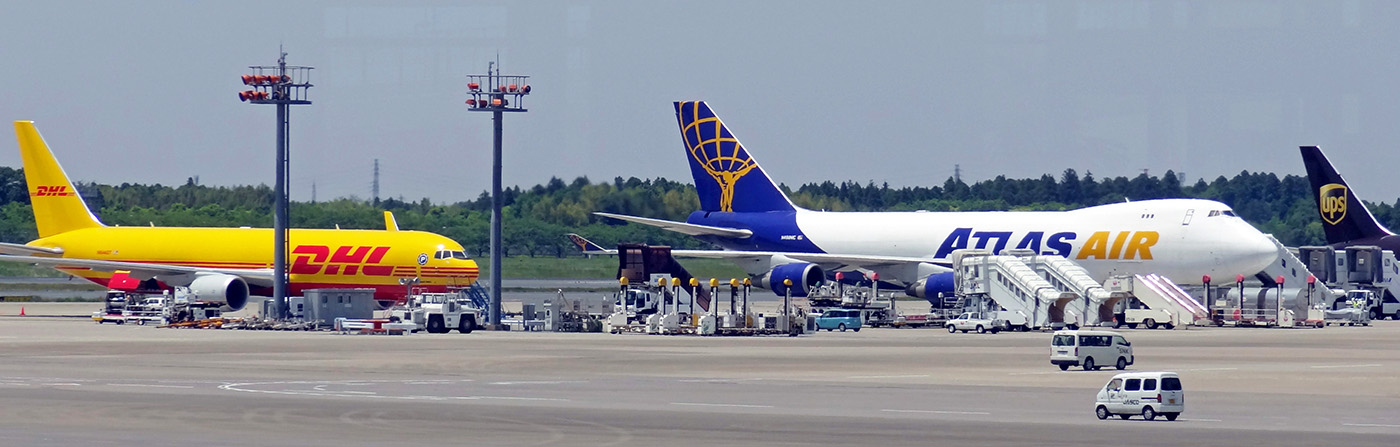
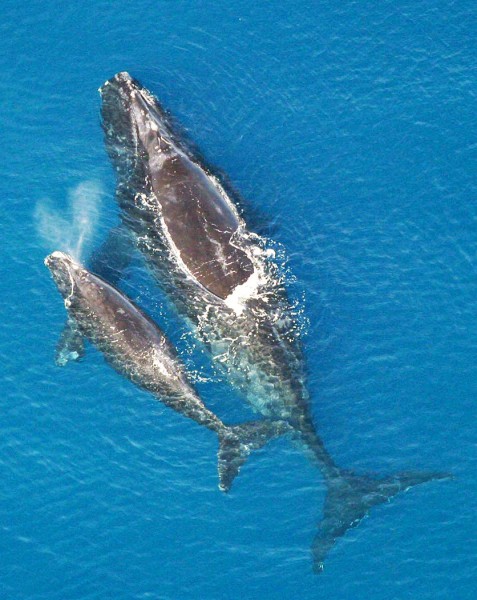 Since the Global Financial Crisis, and especially since 2010, there has been a significant decline in the volume of commercial freight carried by aircraft. Whilst regional and national economies have been hit by fiscal problems, credit snarl-ups and twitchy consumer demand, increases in the price of crude oil (until recently) have compounded air freight cost increases, leading to substitution towards the main alternatives.
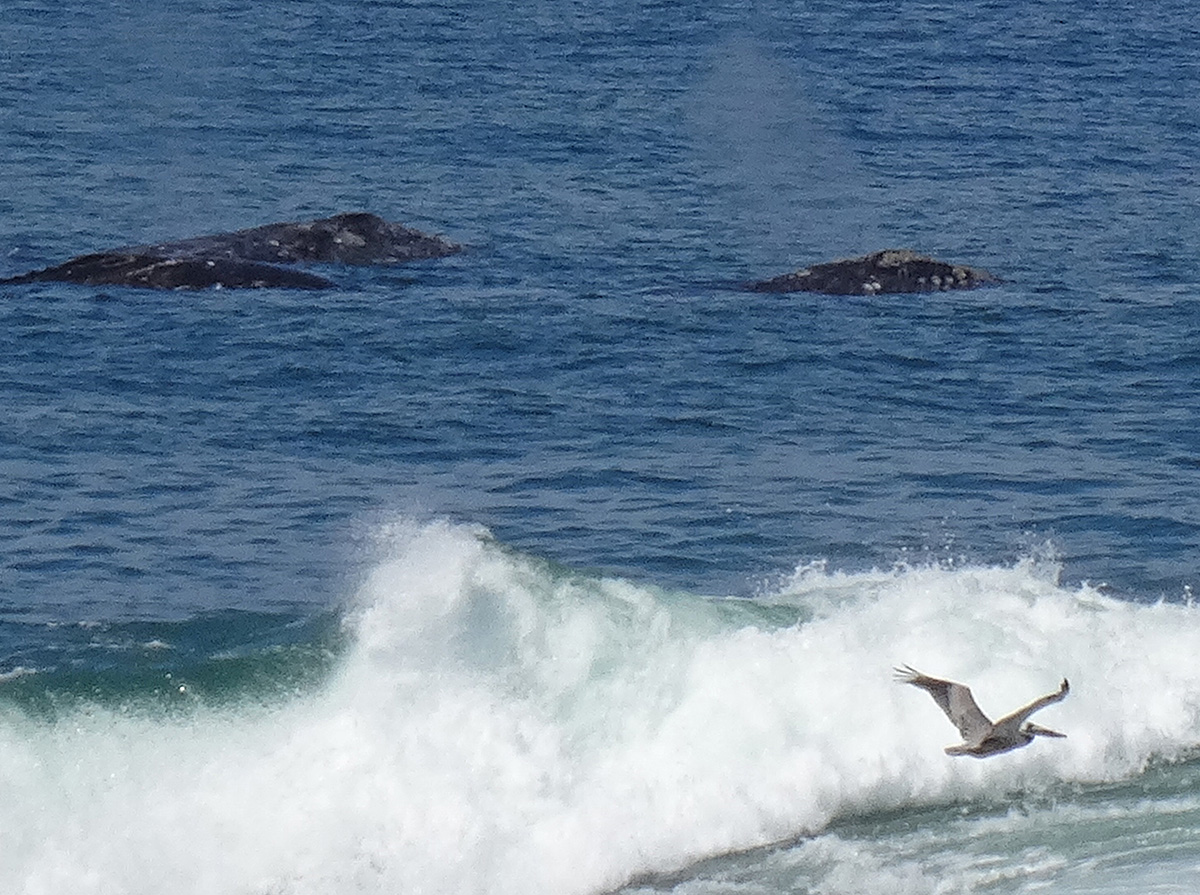
Whilst some multinational businesses have shifted production back ‘on-shore’, there has been unprecedented growth in sea freight. In the latter case there are, of course, both ‘winners’ and ‘losers’. As the world’s seas and oceans become more and more congested, one of the distinct losers is a large species which shares the water with commercial maritime transport: the whale.
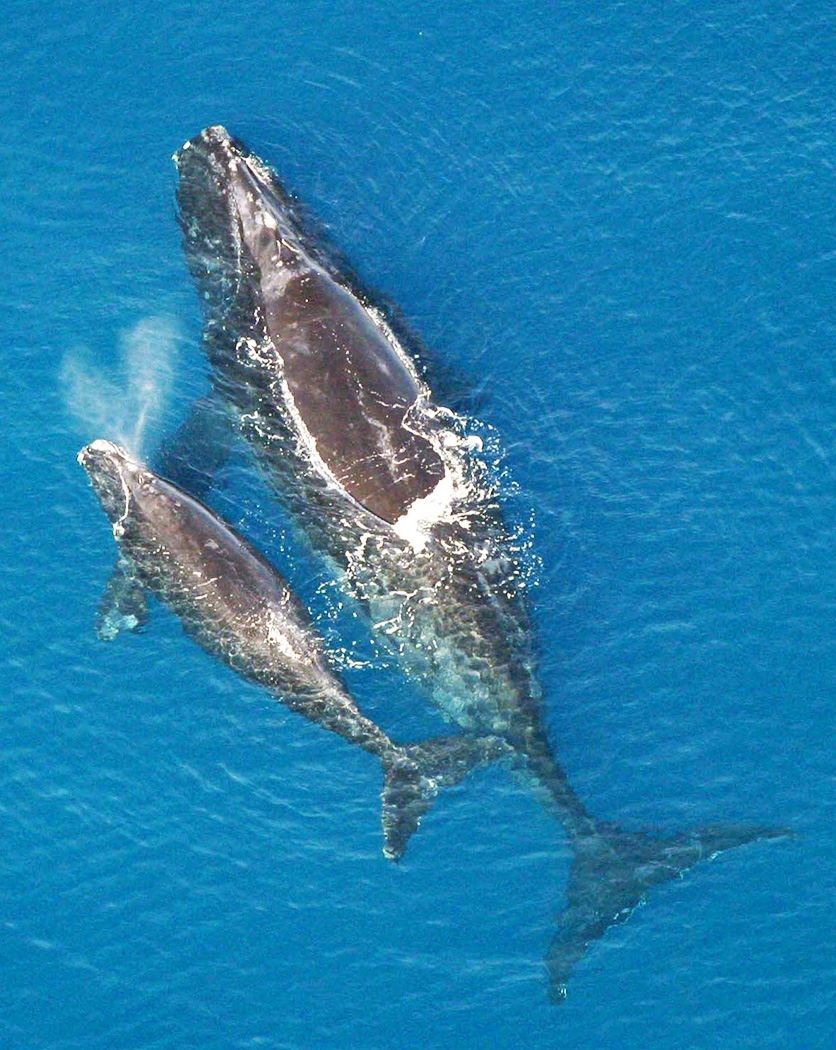
A recent ‘Sharing the Planet’ documentary on BBC Radio 4, highlighted the plight of whales in the world’s open waters. Since the imposition of controls upon the whaling industry, whale numbers had stabilised and even increased. However, the past five years has seen the most significant threat coming from the eerily clinical-sounding ‘ship strike’: that is, unintended incidents of ships hitting and either injuring or killing whales. In particular, the Blue Whale and the Right Whale have been most affected – the Right Whale was almost driven to extinction by ship strikes in the North Atlantic region.
International action is driving a regulatory approach which aims to intervene, for example, to impose speed restrictions in known waters where whales congregate. But this isn’t a universal solution. Even where it is applied, enforcement is tricky and there is industry resistance as already slow shipping freight delivery times are further extended, thus challenging producers under pressure to respond rapidly to changing consumer demand in the world of ecommerce.
But where is the link to the movie Frozen? Well, this year’s top-selling range of toys are tie-ins to Disney’s wintery animated blockbuster. Excess demand for some of the tie-in merchandising has led to 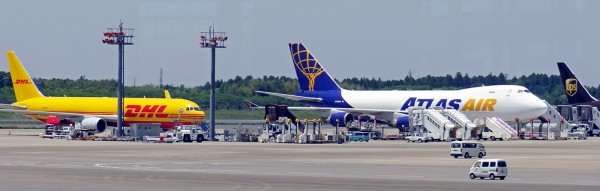 short supply in toy stores and carefully planned production and shipping plans junked. Panicked creation of extra capacity in off-shore production has had to be complemented by the contracting of air freighting options – the lead times are too long to get last-minute products to distributors and retailers in time. Whilst someone has to bear the increased financial cost, the whale might therefore become – at least temporarily – a beneficiary.
But the message is clear: globalised production and distribution involve a complex web of trade-offs. 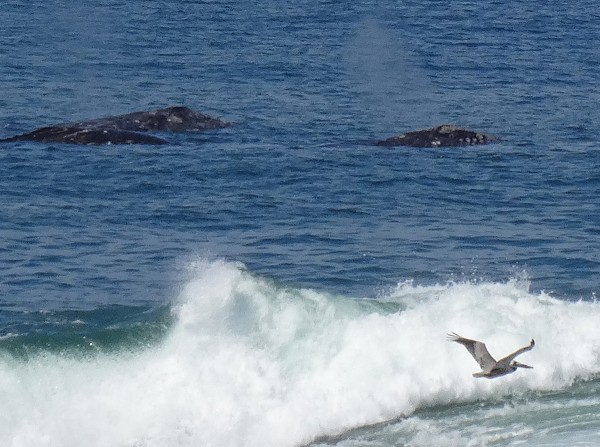 Where negative externalities hit those without a global voice, this adds weight to the continued efforts towards sustainability and the full costing of production and exchange. Whales are a ‘flagship species’ in diverse ecological systems. The planet cannot afford to lose them. And so, whilst your gift purchases this festive season may have been made possible by products having been air-freighted rather than being sent by yet another ship, don't rest on your laurels. Consider this variant on a traditional injunction: whales are for life, and not just for Christmas.
Guest post by Simon Blake, University of Warwick
Books and articles
Nature in the Balance: The Economics of Biodiversity Oxford Dieter Helm and Cameron Hepburn (eds) (2014)
Frozen dolls sell out Express Sarah Ann Harris (9/12/14)
Biodiversity Finance and Economics Tread Softly November 2014
Information
EU Business and Biodiversity Platform EC Environment DG
Whales & Dolphins (cetaceans) World Wildlife Fund
Questions
- Why might UK-based businesses be concerned with the plight of whales in the world’s seas and oceans?
- In what ways might shipping firms – and the manufacturers who contract their services – be regarded as ‘good’ businesses?
- Using the concept of externalities, how would you account for the impacts of global commerce upon whales?
- How could you conduct a scientific evaluation of the trade-offs involved?
- Can damage to one species by the actions of business ever be offset by ‘making good’ through corporate action elsewhere?
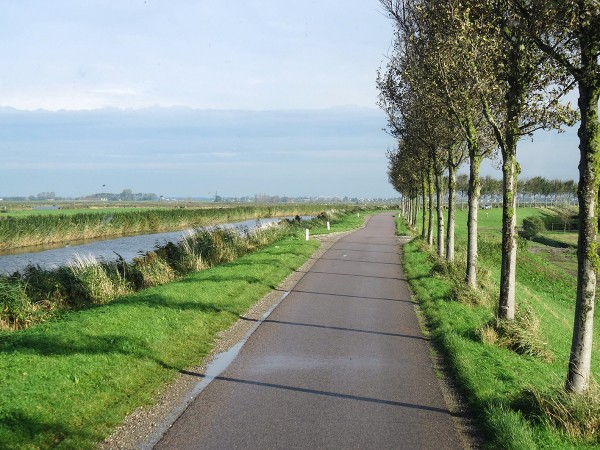 Much of the east coast of England is subject to tidal flooding. One such area is the coastline around the Wash, the huge bay between Norfolk and Lincolnshire. Most of the vulnerable shorelines are protected by sea defences, usually in the form of concrete walls or earth embankments, traditionally paid for by the government. But part of the Norfolk shoreline is protected by shingle banks, which require annual maintenance.
Full government funding for maintaining these banks ended in 2013. According to new government rules, only projects that provide at least £8 of benefits for each £1 spent would qualify for such funding to continue. The area under question on the Norfolk cost of the Wash does not qualify.
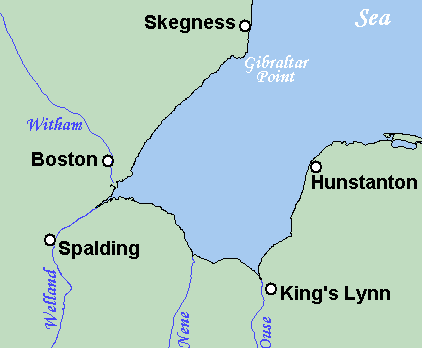
Between 2013 and 2015 the work on the shingle banks is being paid for by the local council charging levies. After that, the plan is for a partnership-funding approach, where the government will make a (small) contribution as long as the bulk of the funding comes from the local community. This will involve setting up a ‘community interest company’, which will seek voluntary contributions from local residents, landowners and businesses.
Sea defences are a public good, in that it is difficult to exclude people benefiting who choose not to pay. In other words, there is a ‘free rider’ problem. However, in the case of the Wash shoreline in question, one borough councillor, Brian Long, argues that it might be possible to maintain the flood defences to protect those who do contribute while ignoring those who do not.
Not surprisingly, many residents and businesses argue that the government ought to fund the defences and, if it does have to be financed locally, then everyone should be required to pay their fair share.
Radio podcast
Holding back the sea BBC Radio 4, David Shukman (19/11/14)
Articles
What is the price of holding back the sea? BBC News, David Shukman (19/11/14)
Firms will have to pay towards cost of sea defences between Heacham and Wolferton in West Norfolk EDP24, Chris Bishop (1/8/14)
Businesses between Snettisham and Hunstanton will have to pay for flood defences. EDP24, Chris Bishop (19/11/14)
Wash and west Norfolk sea defence repairs now under way BBC News (13/12/13)
Consultation document
Managing our coastline Borough Council of King’s Lynn and West Norfolk, Environment Agency
Questions
- What are the two main features of a public good? Are sea defences a pure public good?
- Is there a moral hazard if people choose to live in a coastal area that would be subject to flooding without sea defences?
- Who is the ‘public’ in the case of sea defences? Is it the whole country, or the local authority or just all those being protected by the defences?
- What are the problems with relying on voluntary contributions to fund, or partly fund, sea defences? How could the free-rider problem be minimised in such a funding model?
- Discuss the possible interpretations of ‘equity’ when funding sea defences.
- If ‘flood defences could be built or maintained to protect those who do contribute while ignoring those who do not’, does this mean that such defences are not a public good?
- Find out how sea defences are funded in The Netherlands. Should such a funding model be adopted in the UK?
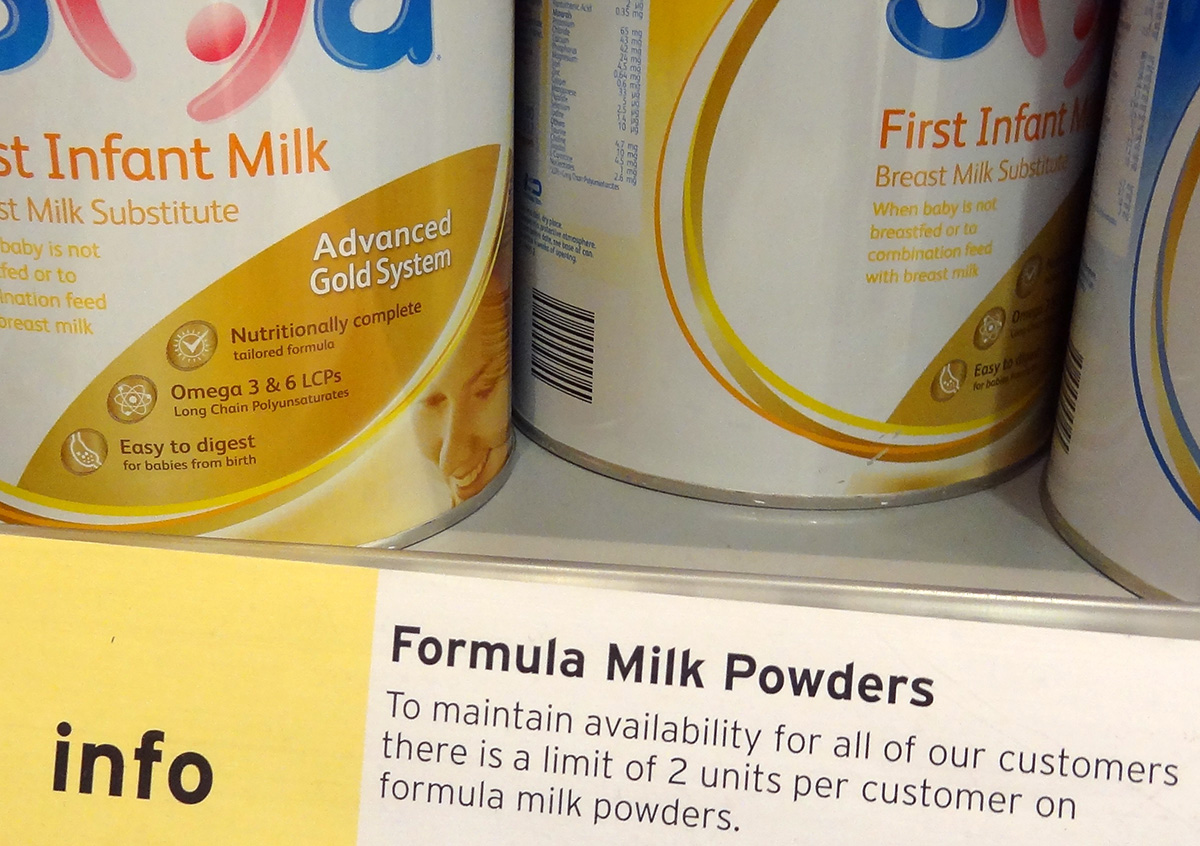 In the UK, we take it for granted that if you need to see a doctor, you go and give little, if any thought, to the cost. It may be petrol costs, time off work or the cost of a prescription, but beyond that, receiving treatment is free at the point of use. Funded through a progressive tax system, the NHS is seen as being one of the more equitable health care systems.