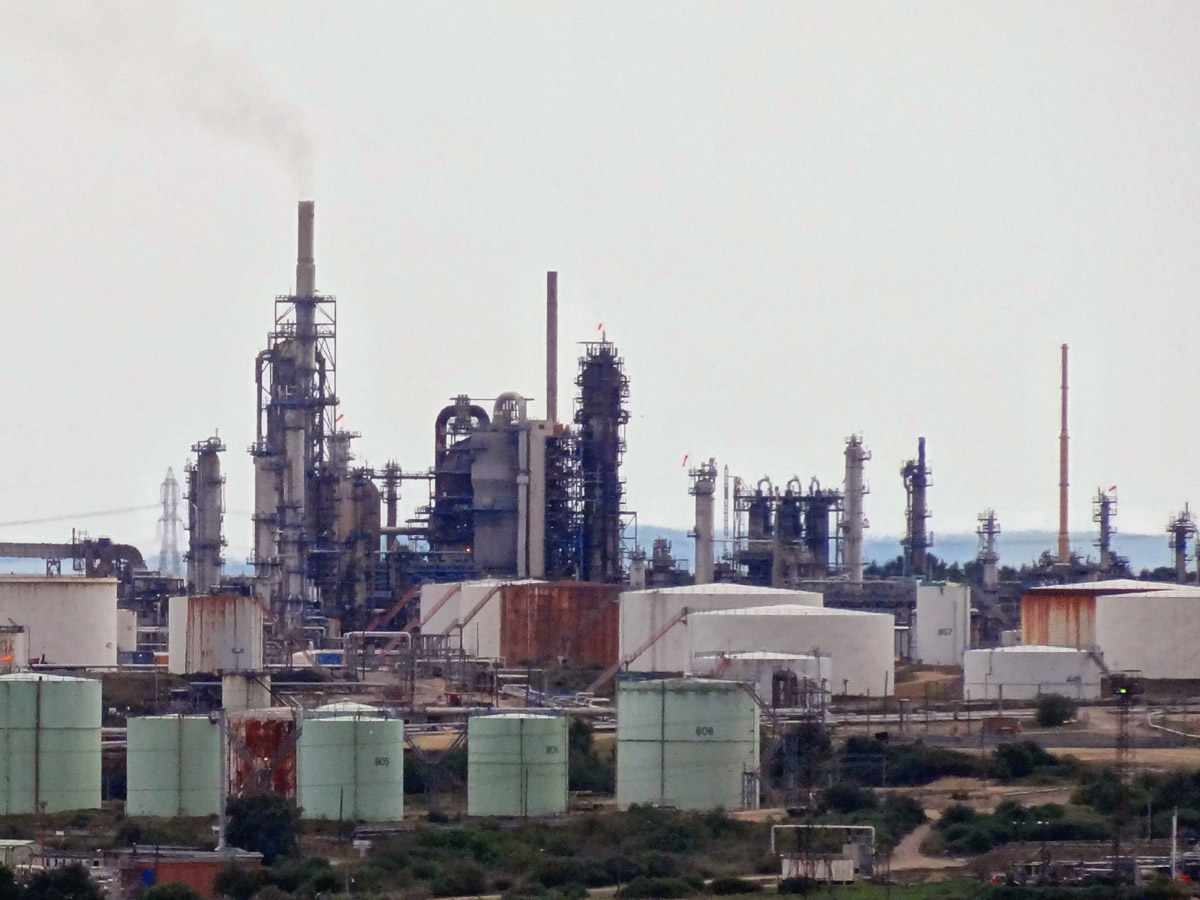
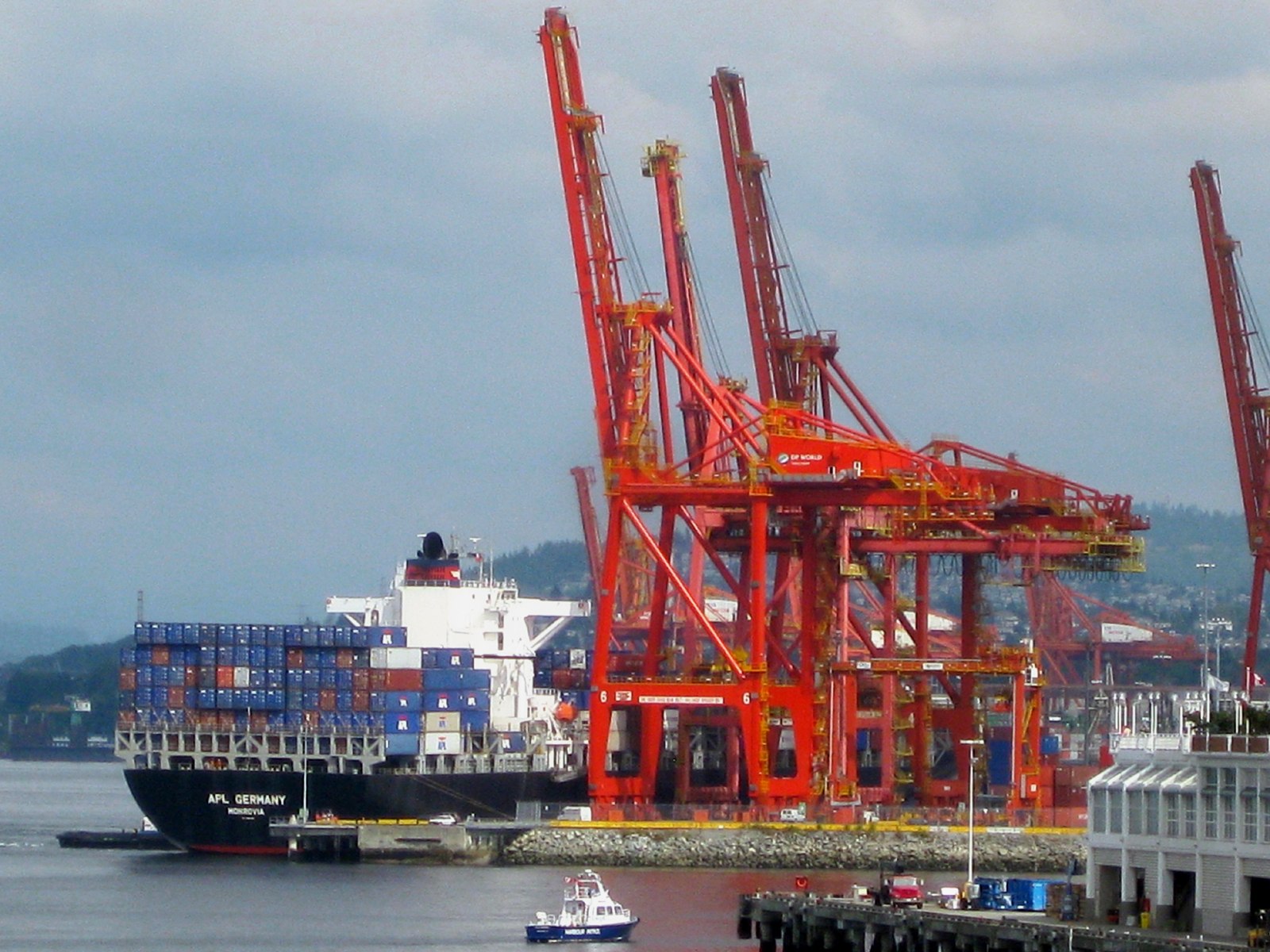
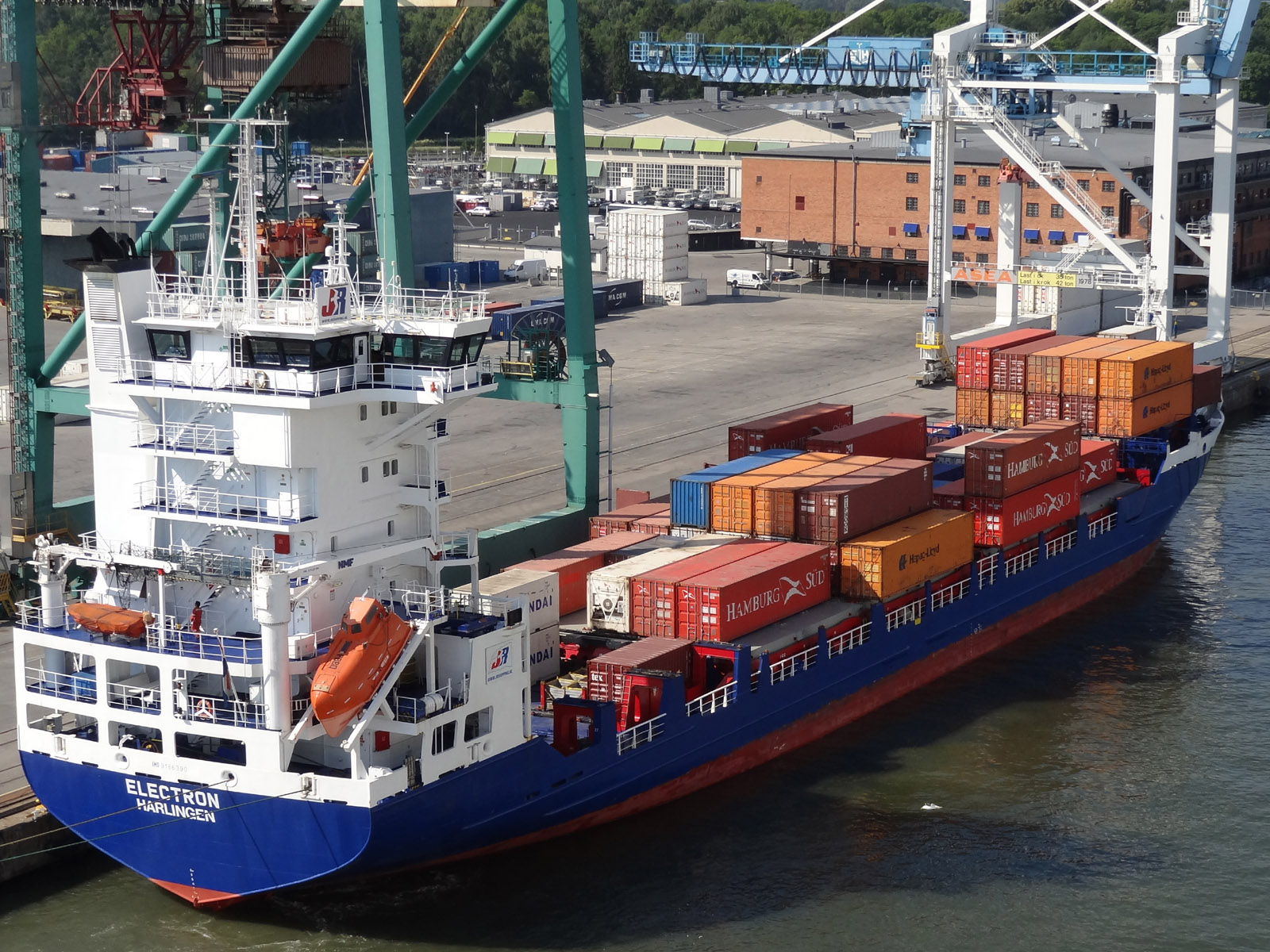
 With globalisation, more and more businesses have found it beneficial to ‘go global’. There are many reasons why a firm might choose to expand its production or market to other countries and one particular advantage is cutting costs in the manufacturing of products.
Countries such as China and India have become leaders in production. Look at many of the items you own – I’m sure you’ll see a ‘Made in China’ or ‘Made in India’ amongst them. These fast emerging countries were highly sought after as places to produce due to much cheaper production costs. This advantage led to Western companies outsourcing much of their manufacturing base to China, as a means of retaining a competitive advantage.
However, the cost advantages that China boasted are now less significant and we may be about to see the emergence of a new manufacturing hub. Other countries that are further behind the BRICS in the development process now have cost advantages over places like China and so we may see another transfer of manufacturing to other parts of the world.
 When splitting up a supply chain to gain cost advantages a key consideration is the extent to which you lose control. Communication and co-ordination issues can emerge when design takes place in one country; production in another and then the products are sold around the world. When cost differences are huge, these problems can be overlooked, as what they might cost you in terms of lost time etc. is easily made up by savings through cheaper labour.
However, when the cost advantages of production in China shrink, companies are still left with the problems of communication and co-ordination. These now represent more significant costs that could be reduced were production to revert to the country of design or if production were to be moved to an even cheaper country.
The following article from BBC News considers the issues surrounding the supply chain and how businesses may benefit from more collaboration.
Better collaboration lets businesses take back the supply chain BBC News, Alastair Sorbie (15/6/12)
Questions
- What are the arguments for becoming a multinational?
- Why do host countries, such as the BRICS accept inward investment? What do they gain from it?
- Explain how the product life cycle can affect the profitability of a MNC and how the company might respond.
- What are the disadvantages to a MNC from ‘going global’?
- What are the problems faced by developing countries acting as host nations?
- How has technology affected both big and small businesses?
 No market is perfect and when the market mechanism fails to deliver an efficient allocation of resources, we say the market fails and hence there is justification for some government intervention. From a monopolist dominating an industry to a manufacturing firm pumping out pollution, there are countless examples of market failure.
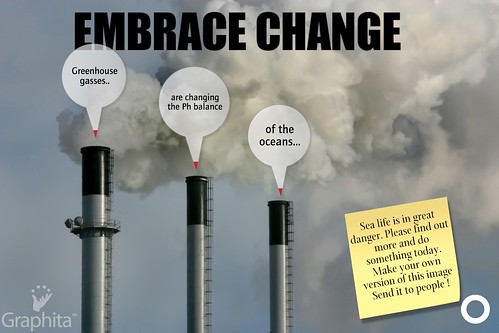
The Guardian is creating a guide to climate change, covering areas from politics to economics. The problem of climate change has been well documented and this blog considers a particular issue – the case for climate change or the environment as a market failure. In many cases just one market failure can be identified, for example an externality or a missing market. However, one of the key problems with climate change is that there are several market failures: externalities in the form of pollution from greenhouse gases; poor information; minimal incentives; the problem of the environment as a common resource and the immobility of factors of production, to name a few. Each contributes towards a misallocation of resources and prevents the welfare of society from being maximised.
 When a market fails, intervention is justified and economists argue for a variety of policies to tackle the above failures. In a first-best world, there is only one market failure to tackle, but in the case of the environment, policy must be designed carefully to take into account the fact that there are numerous failings of the free market. Second-best solutions are needed. Furthermore, as the problem of climate change will be felt by everyone, whether in a developed or a developing country, international attention is needed. The two articles below are part of the Guardian’s ultimate climate change guide and consider a huge range of economic issues relating to the problem of environmental market failure.
Why do economists describe climate change as a ‘market failure’? Guardian, Grantham Research Institute and Dunca Clark (21/5/12)
What is the economic cost of climate change? Guardian (16/2/11)
Questions
- What is meant by market failure?
- What are the market failures associated with the environment and climate change? In each case, explain how the issue causes an inefficient allocation of resources and thus causes the market to fail? You may find diagrams useful!
- What is meant by the first-best and second-best world?
- What does a second-best solution aim to do?
- Using diagrams to help your explanation, show how a tax on pollution will have an effect in a first best world, where the only market failure is a negative externality and in a second best world, where the firm in question is also a monopolist.
- What solutions are there to the problem of climate change? How effective are they likely to be?
- Does the need to tackle climate change require international co-operation? Can you use game theory to help your explanation?!
 After weak Christmas trading, Tesco issued a profit warning – its first in 20 years. Following this, their shares fell in value by some £5bn, but this was met with an announcement of the creation of 20,000 jobs in the coming years, as part of a project to train staff, improve existing stores and open new ones. Yet, Tesco has reported another quarter of falling sales.
Trading times have been challenging and the fact that the UK’s biggest supermarket is struggling is only further evidence to support this. In the 13 weeks to the 26th May 2012, Tesco reported a decline in like-for-like sales of 1.5%. Although much of the £1bn investment in Tesco is yet to be spent, the fact that sales have fallen for a full year must be of concern, not only to its Chief Executive, but also to analysts considering the economic future for the UK.
Consumer confidence remains low and together with tight budgets, shoppers are continuing to be very cautious of any unnecessary spending. Part of Tesco’s recent drive to drum up sales has been better customer service and a continuing promotion war with the other supermarkets. This particular sector is highly competitive and money-off coupons and other such promotions plays a huge part in the competitive process. Whilst low prices are obviously crucial, this is one sector where non-price competition can be just as important.
Although Tesco sales in the UK have been nothing to shout about – the Chief Executive said their sales performance was ‘steady’ – its total global sales did increase by 2.2%. The Chief Executive, Mr Clarke said:
‘Internationally, like-for-like sales growth proved resilient, despite slowing economic growth in China…Against the backdrop of continued uncertainty in the eurozone, it is pleasing to see that our businesses have largely sustained their performance.’
A boost for UK sales did come with the Jubilee weekend and with the Olympics just round the corner, Tesco will be hoping for a stronger end to the year than their beginning. The following articles consider Tesco’s sales and the relative performance of the rest of the sector.
Tesco’s quarterly sales hit by ‘challenging’ trading BBC News (11/6/12)
Tesco UK arm notches up one year of falling sales Guardian, Zoe Wood (11/6/12)
Tesco upbeat despite new sales dip Independent, Peter Cripps (11/6/12)
Tesco sales seen lower in first quarter Reuters, James Davey(11/6/12)
The Week Ahead: Tesco set to admit it is losing ground to rivals Independent, Toby Green (11/6/12)
Tesco’s performance in the UK forecast to slip again Telegraph, Harry Wallop (10/6/12)
Tesco: What the analysts say Retail Week, Alex Lawson (11/6/12)
Supermarkets issue trading updates The Press Association (9/6/12)
The Week Ahead: Supermarkets prepare to give City food for thought Scotsman, Martin Flanagan (11/6/12)
Asda’s sales growth accelerates Reuters, James Davey (17/5/12)
Asda sales increase helped by Tesco Telegraph, Harry Wallop (18/5/12)
Tesco v. Sainsbury’s in trading update battle Manchester Evening News (11/6/12)
Sainsbury’s out-trades Tesco on UK food sales Independent, James Thompson (10/6/12)
Questions
- Using some examples, explain what is meant by non-price competition.
- Why has Tesco been losing ground to its competitors?
- Given the products that Tesco sells (largely necessities), why have sales been falling, despite household’s tight budgets?
- Into which market structure would you place the supermarket sector? Explain your answer by considering each of the assumptions behind the market structure you choose.
- Why have Tesco’s rivals been gaining ground on Tesco?
- How might this latest sales data affect Tesco’s share prices?
- Based on what the analysts are saying about the food sector, can we deduce anything about the future of the UK economy in the coming months?
 With tight incomes, the first things that families tend to cut back on are the more luxury items. Extensions to houses are delayed, interior refurbishments are put off and the old car that was going to be traded in becomes something you can live with for another few years.
Car sales have been adversely affected during the recession, but data for May 2012 show a positive turn. Manufacturers have said that car sales are up by 7.9% compared with May last year. According to the Society of Motor Manufacturers and Traders (SMTT), much of the increased demand has come from private sales, where the increase has been over 14%.
This data may not be the answer to the economic troubles, but it is perhaps an indication that confidence is beginning to return. However, should things go from bad to worse in the eurozone, it isn’t hard to see data for the coming months showing the opposite trend. One other key piece of information to take from this data is the growth in the sales of lower-emissions vehicles. Sales of these were up 31.8% in May 2012 compared to the same time last year. Jonathan Visscher from SMMT said:
‘The green sector is growing fast…Every car manufacturer is going to have a hybrid model on its lists by the end of this year, even Ferrari.’
The continuing upward trend in car sales is by no means guaranteed to continue, especially with things like the expected rise in fuel duty later this year and the ongoing crisis in the eurozone, with Spanish banks potentially looking for help via a bail-out in the not too distant future. The following articles consider the acceleration in car sales.
UK sees biggest annual rise in car sales for nearly 2 years Reuters (8/6/12)
New car sales accelerate ahead Press Association (8/6/12)
UK new car sales accelerated in May, say manufacturers BBC News (8/6/12)
New car sales accelerate ahead Independent, Peter Woodman (8/6/12)
Car registrations accelerate in May Financial Times, John Reed (8/6/12)
Questions
- How would you define a luxury good? What is the relationship with income?
- How could an increase in car sales benefit the economy? How could the multiplier effect have an impact?
- Which factors have contributed towards the growth in low-emissions cars?
- Sales of low-emissions cars have significantly increased. However, why is this increase
- What are some of the key things that can help to bring a recession to an end? Into which general category would you place this increase in car sales?
- Fuel duty is expected to rise later this year. How might this affect the number of new car registrations? What does your answer tell you about the cross elasticity of demand?
 International economists have long advocated the advantages of free trade. By boosting competition, increasing choice and market size, trade has long been seen as an engine of growth and efficiency.
For many years, tariffs and other restrictive trade practices have been removed on trade between both developed and developing countries and many rounds of negotiations have taken place, with mixed results.
The World Trade Organisation (WTO) plays a key role in trade negotiations and has the main aim of liberalising trade. The organisation requires its members to operate according to a variety of rules, including the prohibition of quotas and the inability of countries to raise existing tariffs without negotiating with their trading partners.
If any country breaks a trade agreement, the WTO can impose sanctions. A current case that has been referred to the WTO for ‘consultation’ concerns Argentina. Argentina has imposed various import restrictions on trade, such as import licensing and a requirement for countries to balance its exports and imports.
A number of WTO members recently expressed their concerns about these restrictive trade practices. The EU trade commissioner Karel de Gucht said:
Argentina’s import restrictions violate international trade rules and must be removed. These measures are causing very real damage to EU companies – hurting jobs and our economy as a whole. … Argentina’s trade policy has become rooted in unfair trade practices.
 Argentina has said that it was expecting the move from the EU, but claims that its protectionist measures are there to support and re-industrialise the country. This case is unlikely to be resolved any time soon and while the ‘restrictive trade practices’ remain in place, EU companies trying to export to Argentina will find barriers, such as a requirement for all imports to receive pre-approval.
The effects of these restrictions have already been felt, with EU exports to Argentina down by 4% in April this year, compared with the same month last year. The following articles consider this issue.
EU takes Argentina trade fight to WTO France 24, (25/5/12)
EU files WTO suit over Argentina’s import restrictions Reuters, Sebastien Moffett and Tom Miles , (26/5/12)
EU escalates dispute with Argentina Financial Times, Peter Spiegel and Joshua Chaffin, (25/5/12)
EU refers Argentina’s import restrictions to the WTO BBC News (25/5/12)
EU steps up challenge to Argentina’s policies Wall Street Journal, Matthew Dalton (25/5/12)
Questions
- What are the rules governing the members of the WTO?
- What are the advantages of free trade?
- To what extent should emerging economies be allowed to impose protectionist measures to help support their economies?
- What action could the EU take in response to the ‘restrictive trade practices’ imposed by Argentina?
- What is import licensing?
- How will the import restrictions affect EU companies and the growth of the EU as a whole?
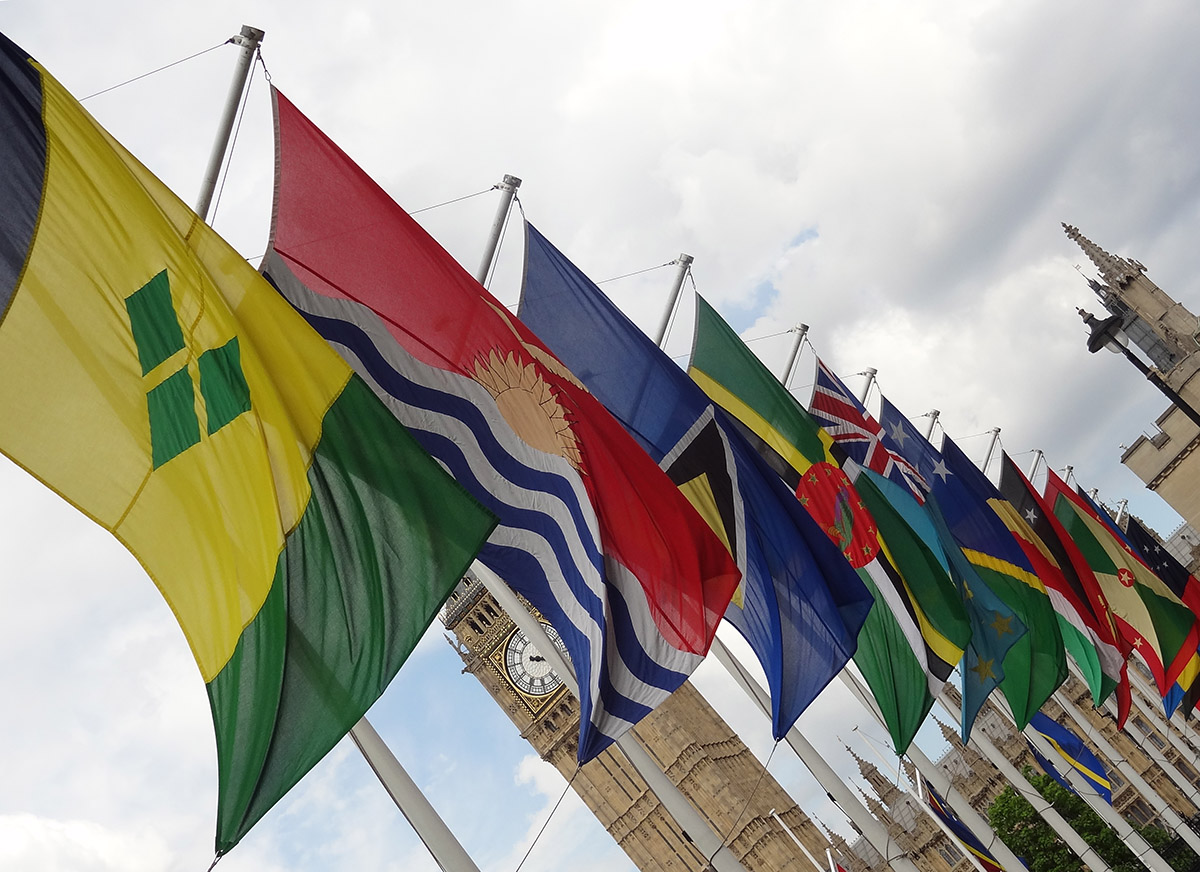 With globalisation, more and more businesses have found it beneficial to ‘go global’. There are many reasons why a firm might choose to expand its production or market to other countries and one particular advantage is cutting costs in the manufacturing of products.
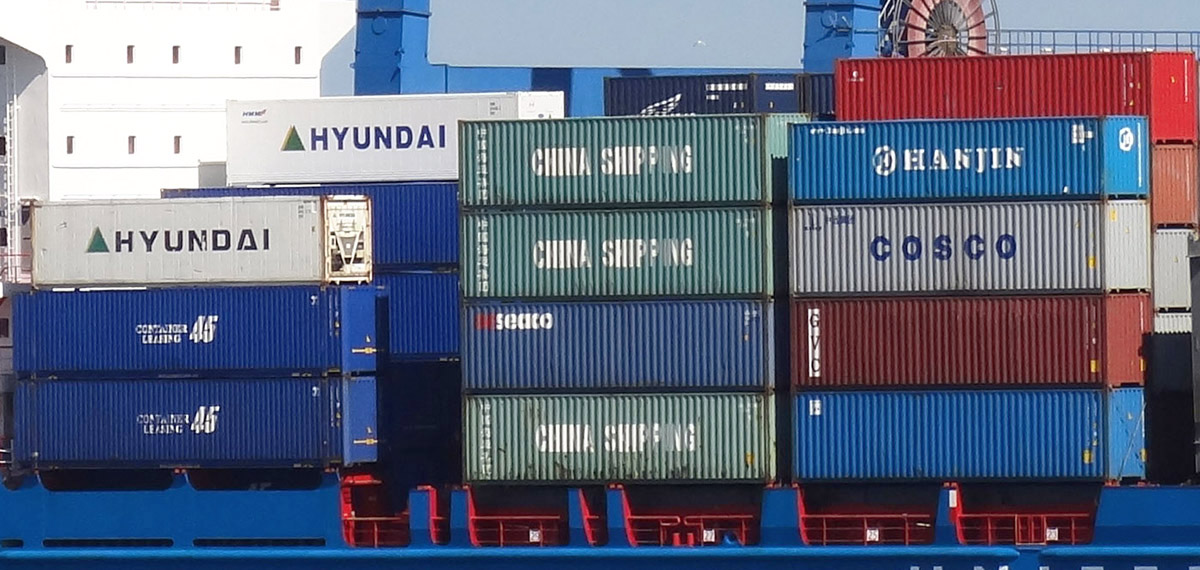 When splitting up a supply chain to gain cost advantages a key consideration is the extent to which you lose control. Communication and co-ordination issues can emerge when design takes place in one country; production in another and then the products are sold around the world. When cost differences are huge, these problems can be overlooked, as what they might cost you in terms of lost time etc. is easily made up by savings through cheaper labour.