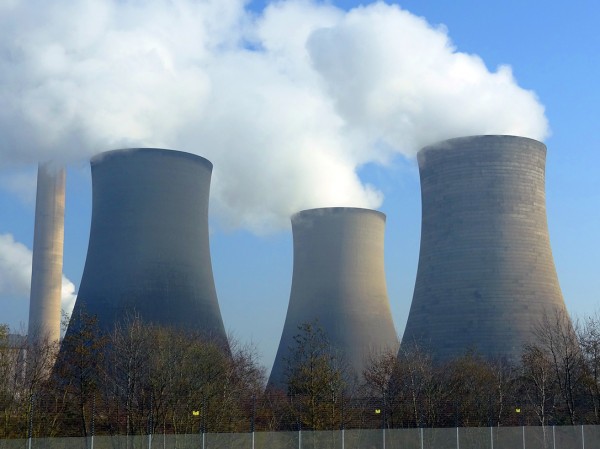
 One example of an oligopoly was recently discussed on this blog –supermarkets. Here, is another classic example: the energy sector. It is dominated by six big firms, which hold the majority of the market in an industry with high barriers to entry; there is inter-dependence between the firms; and there are accusations of price fixing and collusion – all typical features of an oligopoly that may operate against consumers’ interests.
There have been numerous investigations into the actions of these energy providers, owing to their high prices, a lack of competition and significant profits. Developments in the industry have focused on reducing the barriers to entry created by the vertical integration of the incumbent firms in order to make it easier for new firms to enter, thus boosting competition.
However, the latest step is the biggest one, with the energy regulator, Ofgem, referring this industry to the Competition and Markets Authority (CMA). The investigation is likely to last 18 months and will ‘leave no stone unturned in establishing the truth behind energy prices’.
One of the key things that will be investigated is the accusation of profiteering and thus whether the big six should be broken up. This would inevitably lead to reductions in entry barriers and more opportunities for new firms to enter the market, thereby creating a much needed increase in competition. The Chief Executive of Ofgem, Dermot Nolan said:
Now is the right time to refer the energy market to the CMA for the benefit of consumers…There is near-unanimous support for a referral and the CMA investigation offers an important opportunity to clear the air. This will help rebuild consumer trust and confidence in the energy market as well as provide the certainty investors have called for.
Further comments were made about the energy sector and the future direction in terms of market reforms. This was another reason given for the referral to the CMA. Dermot Nolan added:
A CMA investigation should ensure there are no barriers to stop effective competition bearing down on prices and delivering the benefits of these changes to consumers.
The impact of this latest news will undoubtedly be felt by the big six, with share prices already taking a small hit, as investors start to look ahead to the potential outcome, despite any decision not being expected for a good 18 months. The following articles consider this latest energy market development.
Ofgem puts big six energy suppliers under CMA spotlight The Guardian, Terry Macalister (26/6/14)
Ofgem refers ‘big six’ energy groups for competition probe Financial Times, Claer Barrett (26/6/14)
U.K. energy regulator Ofgem asks for utilities probe Wall Street Journal, Selina Williams (26/6/14)
Energy probe could lead to ‘major structural change’ BBC News (26/6/14)
Probe into energy firms’ £100 per home profits The Telegraph, Emily Gosden (26/6/14)
UK competition watchdog kicks off energy suppliers probe Reuters (26/6/14)
Energy sharks may £101 profit per family: Major inquiry launched into power Mail Online, Sean Poulter (26/6/14)
Big six energy firms face full competition probe Independent, Simon Read (26/6/14)
Questions
- How well does the energy sector fit the structure of an oligopoly?
- What are the barriers to entry in the energy market? How can this referral to the CMA help to reduce them?
- Which factors determine the price of energy?
- The big six have been accused of profiteering. What is meant by this and why is it against the public interest?
- Why has it taken so long for such a referral to take place?
- In the BBC News article, the suggestion is that this investigation could lead to a ‘major structural change’. What is meant by this and why is it a possibility?
 Oligopoly is the most complex market structure, characterised by a few large firms which dominate the industry. Typically there are high barriers to entry and prices can be very sticky. However, perhaps the most important characteristic is interdependence. With this feature of the market, oligopolies, despite being dominated by a few big firms, can be the most competitive market structure.
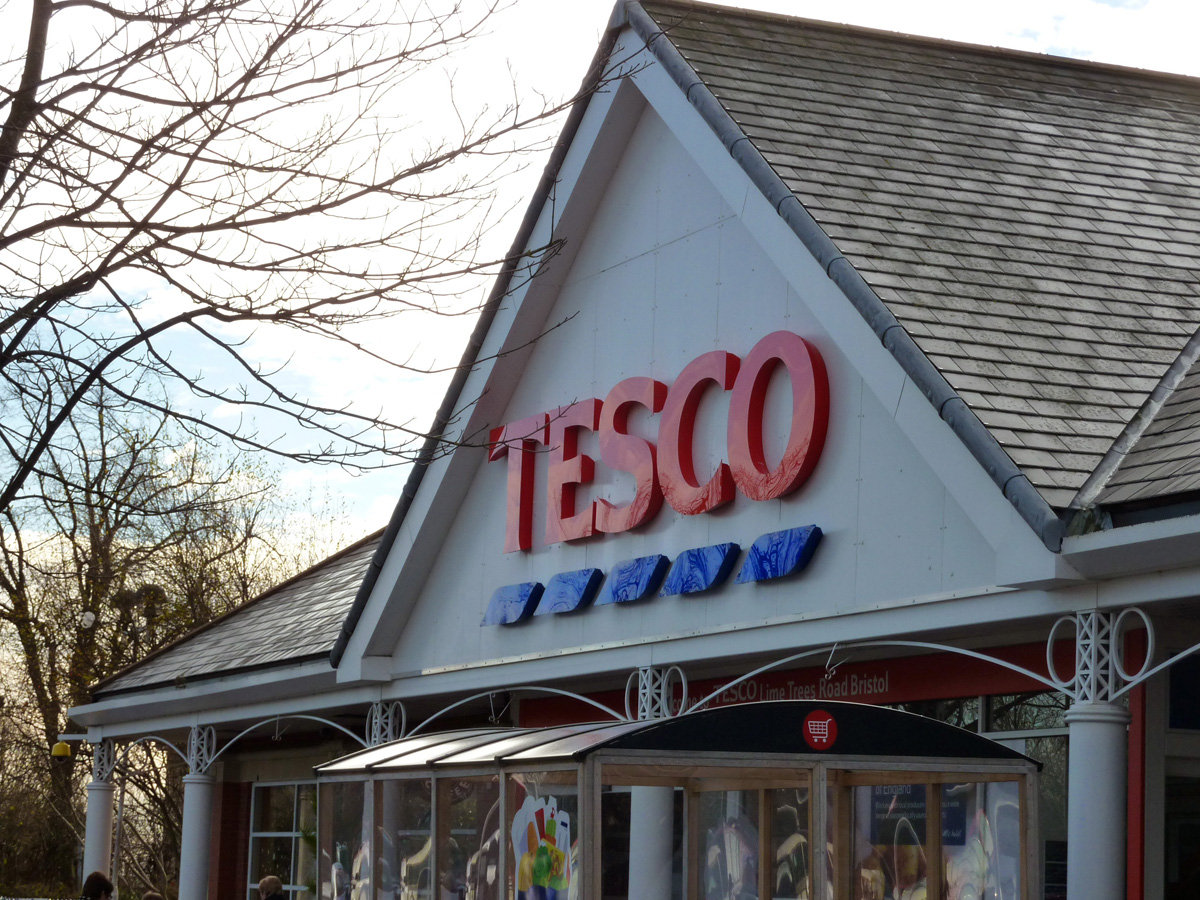
There are many examples of oligopolies and one of the best is the supermarket industry. Dominated by the likes of Tesco, Morrisons and Asda, competition in terms of branding, product development and quality is constant, but so is price competition.  During the recession, you could hardly watch a TV programme that included advert breaks without seeing one of the big four advertising their low prices.
However, in the past few years, the supermarket industry has seen competition grow even further and the big four are now facing competition from low-cost retailers, including Aldi and Lidl. This has led to falling sales and profits for the likes of Tesco and Morrisons.
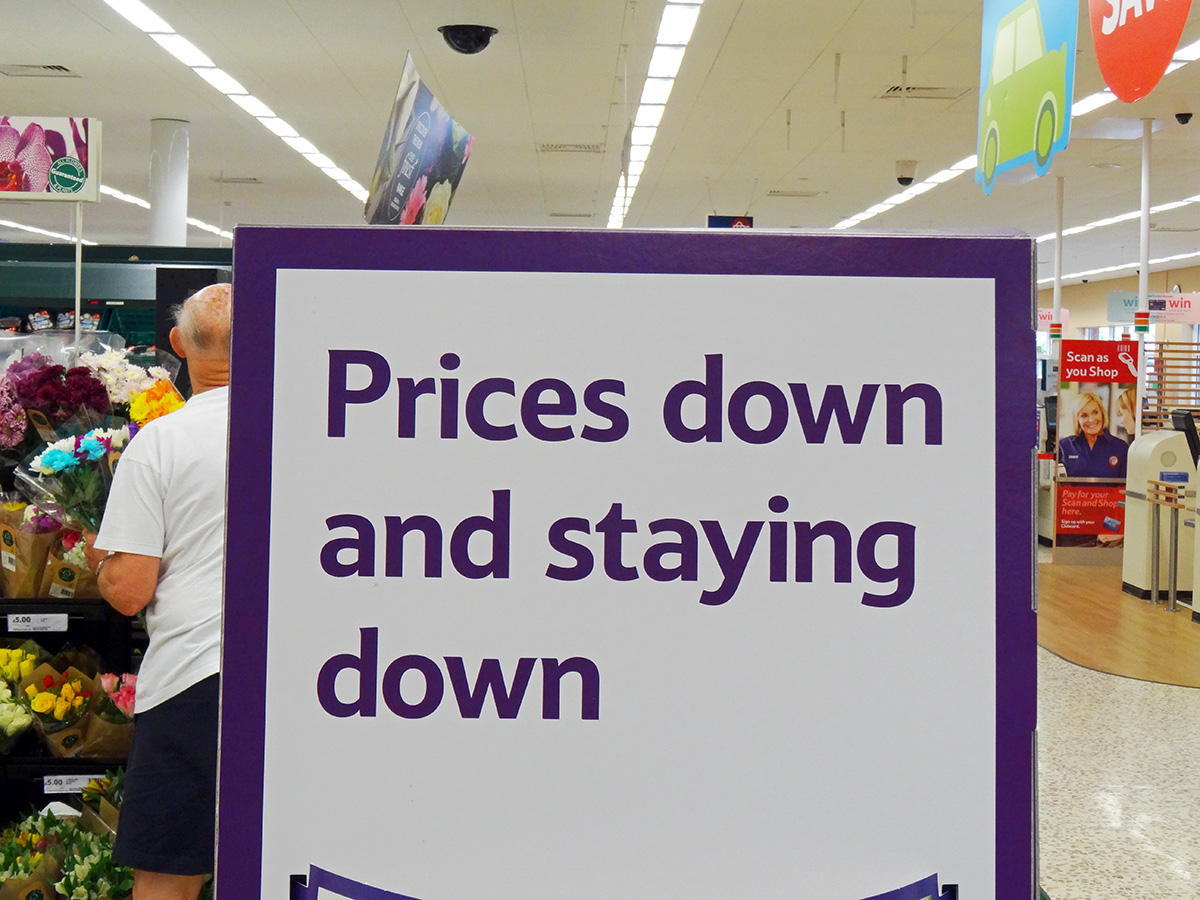
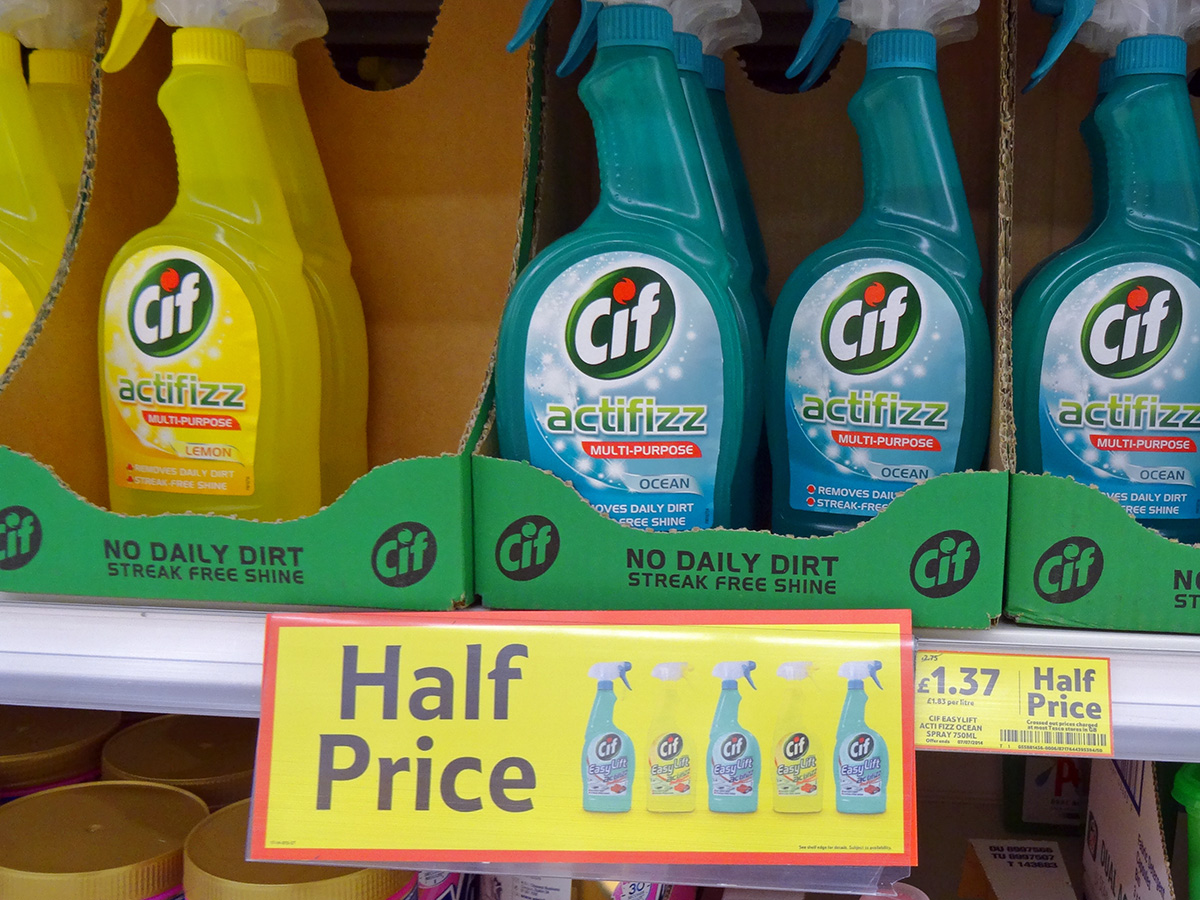
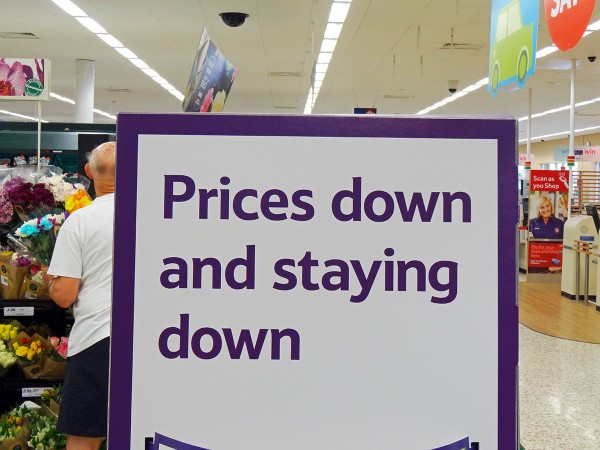 Tesco, Morrisons, Sainsbury’s and Asda have all felt the emergence of discount retailers and have seen their customer numbers fall. All have reacted with rounds of price cuts and new deals, and this price war looks set to continue. Morrisons have just announced a 14% average price cut on 135 products to match earlier changes in pricing strategies by the other main competitors. As I’m writing this during the Algeria v. South Korea match, I have just seen an advert from Sainsbury’s, promoting their milk chocolate digestive biscuits, priced at £1. The advert explicitly states that they are ‘less than Morrisons’, where the price is £1.50. This was soon followed by another from Sainsbury’s saying that
 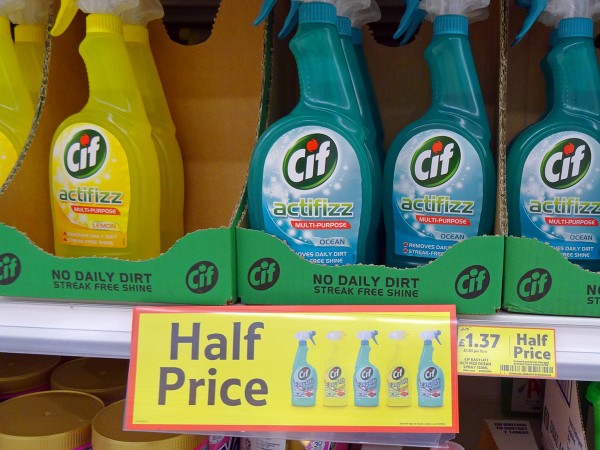 the Cif bathroom spray is £1.50, which is ‘less than Tesco’, priced at £2.75. I need say no more.
So, what is it about this industry which means it is so susceptible to price wars? Are all oligopolies like this? The following articles consider the supermarket industry and the price wars that have emerged. Think about this sector in terms of oligopoly power and consider the questions that follow.
Morrisons announces another round of price cuts/a> BBC News (22/6/14)
Tesco suffers worst sales for decades The Guardian, Sarah Butler and Sean Farrell (4/6/14)
Britain’s Morrisons to cut prices on 135 products Reuters (22/6/14)
Morrisons slashes more prices by up to 41pct The Telegraph, Scott Campbell (22/6/14)
Sainsbury’s and Netto in discount store tie-up BBC News (20/6/14)
Slow to respond, Tesco now pays the price Wall Street Journal, Peter Evans and Ese Erheriene (19/6/14)
One million fewer customer visits a week at Tesco The Guardian, Sean Farrell (3/6/14)
Asda only one of big four to grow share as Lidl achieves highest ever growth Retail Week, Nicola Harrison (3/6/14)
Will Asda shoot itself in the foot with in-store cost cutting? The Grocer, Alec Mattinson (28/5/14)
Tesco sales slide at record speed as discounters pile on the pressure Independent, Simon Neville (3/6/14)
Quester: Back J Sainsbury to prove doubters wrong The Telegraph, Graham Ruddick (11/6/14)
Questions
- What are the key characteristics of an oligopoly?
- How do the above characteristics explain the conduct of firms in an oligopoly? How relevant is this to the supermarket industry?
- In many oligopolies, prices are sticky. Why is it that in the supermarket industry price wars break out?
- Is the kinked demand curve a relevant model to use when talking about the supermarket industry?
- What other industries fit into the category of an oligopoly? Is the kinked demand curve model relevant in these industries?
- Would there be an incentive for the big 4 supermarkets to collude and fix price? Explain your answer.
- Interdependence is the key characteristic in an oligopoly. Can this explain the behaviour of the supermarkets?
- Given that oligopolies are characterised by high barriers to entry, how is that Aldi and Lidl have been able to compete with them?
 The supermarket industry is a classic example of an oligopoly. A market dominated by a few large companies, which is highly competitive and requires the companies to think about the reactions of the other competitors whenever a decision is made. Throughout the credit crunch, price cutting was the order of the day, as the big four tried to maintain market share and not lose customers to the low cost Aldi and Lidl. Morrisons, however, has found itself in exactly that position and is now looking to restructure to return to profitability.
Morrisons is well known for its fresh food, but it seems that with incomes still being squeezed, even this is insufficient to keep its customers from looking for cheaper alternatives. Morrisons’ market share has been in decline and its profits or the last financial year have been non-existent. It’s been losing ground to its big competitor, Tesco and part of this is due to the fact that Morrisons was late to enter the ‘Tesco metro’ market. It remained dependent on its large supermarkets, whereas Tesco saw the opportunity to expand onto the highstreets, with smaller stores. It was also late arriving to the online shopping business and while it has now developed more sophisticated IT systems, it did lose significant ground to Tesco and its other key competitors.

Another problem is that Morrisons has found itself unable to compete with the low cost supermarkets. The prices on offer at Morrisons are certainly not low enough to compete with prices at Aldi and Lidl and Morrisons has seen many of its customers switch to these cheaper alternatives. But Morrisons is fighting back and has announced plans to cut prices on a huge range of products across its stores. The fresh food aspect of the business will still remain and the hope is that the fresh food combined with cheaper price tags will allow Morrisons to re-gain lost ground to Tesco and take back some of its lost customers from the low-cost alternatives. However, it’s not just Morrisons that has been losing customers to the budget retailers. Tesco, Sainsbury’s and Asda have all lost market share to Aldi and Lidl, but it is Morrisons that has fared the worst.
The latest news on Morrisons’ profits and overall performance, together with its promise of restructuring and price cuts worth £1 billion has caused uncertainty for shareholders and this has reduced the value of shares. However, Morrisons’ Directors have tried to restore confidence by purchasing shares themselves. With expectations of price wars breaking out, the other supermarkets have also seen significant declines in their share values, with a total of £2 billion being wiped off the value of their shares collectively. The consequences of Morrisons’ performance will certainly continue: customers are likely to benefit from lower prices in all of the big four supermarkets, but investors may lose out – at least in the short run. The impact on jobs is uncertain and will certainly depend on how investors and customers react in the coming weeks. The following articles consider this sector.
UK grocer Morrison warns on profit, threatens price war Reuters, James Davey (13/3/14)
Morrisons and the threat to mainstream supermarkets BBC News, Robert Peston (13/3/14)
Morrisons expected to sell property in response to profit drop The Guardian (9/3/14)
Morrisons restructuring sparks fears of new price war BBC News (13/3/14)
Morrisons’ dividend up while profit falls? It’s hard to believe The Guardian, Nils Pratley (13/3/14)
Morrisons boss talks tough as group slides into red The Scotsman, Scott Reid (13/3/14)
Morrisons plots price cuts after annual loss Sky News (13/3/14)
Morrisons’ declaration of £1bn price war with budget stores hammers Sainsbury and Tesco shares This is Money, Rupert Steiner (14/3/14)
Ocado on track for first profit in wake of Morrisons deal Independent, Simon Neville (14/4/14)
Questions
- What are the key characteristics of an oligopoly?
- To what extent do you think the supermarket sector is a good example of an oligopoly?
- Why is the characteristic of interdependence a key cause of the potential price war between the supermarkets?
- Why has Morrisons been affected so badly with the emergence of the budget retailers?
- By using the income an substitution effect, explain how the big four supermarkets have been affected by retailers, such as Aldi and Lidl.
- Using a demand and supply diagram, explain how the share prices of companies like Morrisons are determined. Which factors affect (a) the demand for and (b) the supply of shares?
- What do you think will happen to the number of jobs in Morrisons given the performance of the company and its future plans?
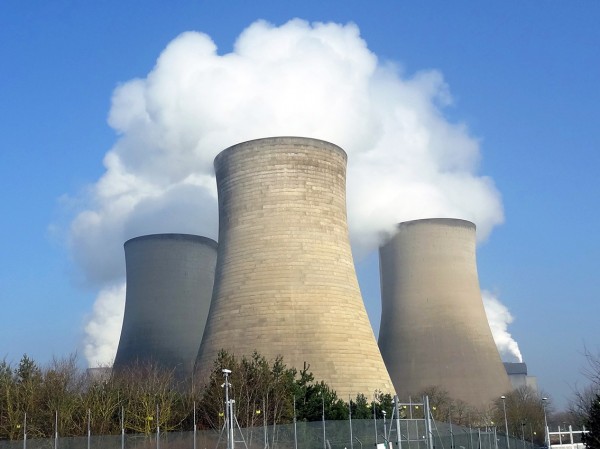 The UK energy industry (electricity and gas) is an oligopoly. There are six large suppliers: the ‘Big Six’. These are British Gas (Centrica, UK), EDF Energy (EDF, France), E.ON UK (E.ON, Germany), npower (RWE, Germany), Scottish Power (Iberdrola, Spain) and SSE (SSE Group, UK). The Big Six supply around 73% of the total UK market and around 90% of the domestic market.
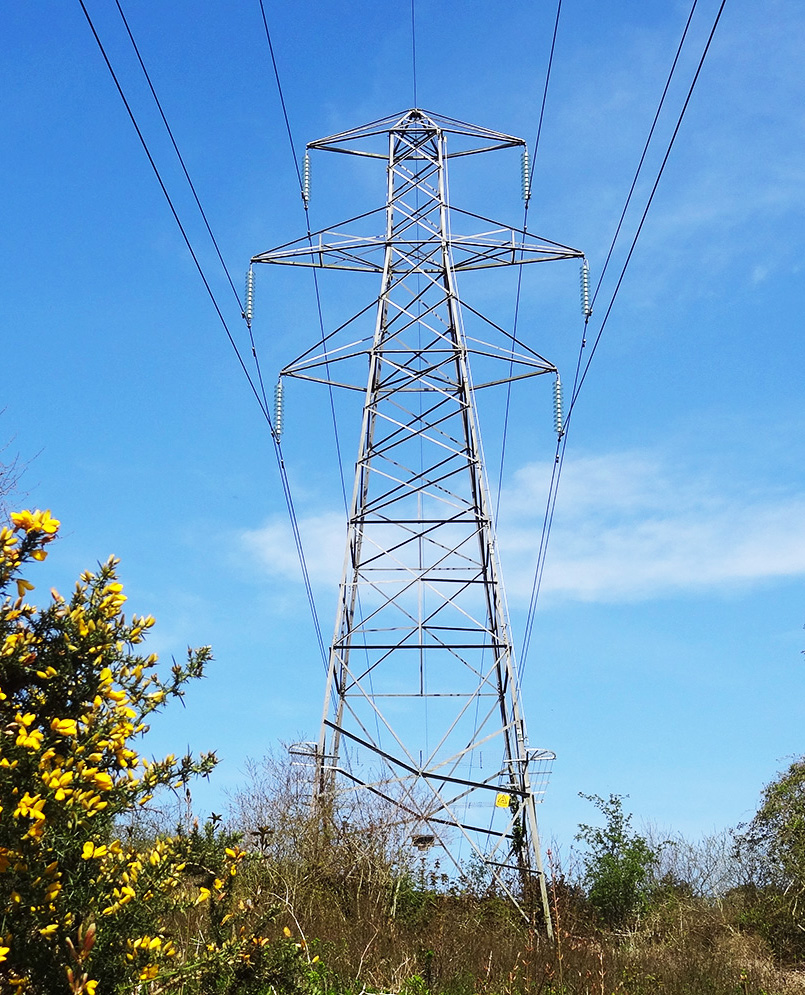
Energy suppliers buy wholesale gas and electricity and sell it to customers. The industry has a considerable degree of vertical integration, with the energy suppliers also being involved in both generation and local distribution (long-distance distribution through the familiar pylons is by National Grid). There is also considerable horizontal integration, with energy suppliers supplying both electricity and gas and offering ‘dual-fuel’ deals, whereby customers get a discount by buying both fuels from the same supplier.
Smaller suppliers have complained about substantial barriers to entry in the industry. In particular, they normally have to buy wholesale from one of the Big Six. Lack of transparency concerning their costs and internal transfer prices by the Big Six has led to suspicions that they are charging more to independent suppliers than to themselves.
 Under new regulations announced by Ofgem, the industry regulator, the Big Six will have to post the prices at which they will trade wholesale power two years in advance and must trade fairly with independent suppliers or face financial penalties. In addition, ‘a range of measures will make the annual statements of the large companies more robust, useful and accessible.’ According to the Ofgem Press Release:
From 31 March new rules come into force meaning the six largest suppliers and the largest independent generators will have to trade fairly with independent suppliers in the wholesale market, or face financial penalties. The six largest suppliers will also have to publish the price at which they will trade wholesale power up to two years in advance. These prices must be published daily in two one-hour windows, giving independent suppliers and generators the opportunity and products they need to trade and compete effectively.
But will these measures be enough to break down the barriers to entry in the industry and make the market genuinely competitive? The following articles look at the issue.
Articles
Boost for small energy firms as Big Six are ordered to trade fairly on wholesale markets or face multi-million pound fines This is Money, Rachel Rickard Straus (26/2/14)
 Energy firms told to trade fairly with smaller rivals BBC News, Rachel Fletcher (26/2/14)
Ofgem ramps up scrutiny of Big Six accounts The Telegraph, Denise Roland (26/2/14)
‘Big six’ told to trade fairly – will it make a difference? Channel 4 News, Emma Maxwell (26/2/14)
Energy regulator Ofgem forces trading rules on ‘big six’ suppliers Financial Times, Andy Sharman (26/2/14)
Information
Ofgem tears down barriers to competition to bear down as hard as possible on energy prices Ofgem Press Release (26/2/14)
The energy market explained Energy UK
Gas Ofgem
Electricity Ofgem
Energy in the United Kingdom Wikipedia
Big Six Energy Suppliers (UK) Wikipedia
Questions
- Describe the structure of the UK energy industry.
- What are the barriers to the entry of new energy suppliers and generators in the UK?
- To what extent is vertical integration in the electricity generation and supply industry in the interests of consumers?
- To what extent is horizontal integration in the electricity and gas markets in the interests of consumers?
- How will requiring the six largest energy suppliers to post their wholesale prices for the next 24 months increase competition in the energy market?
- Is greater transparency about the revenues, costs and profits of energy suppliers likely to make the market more competitive?
- Identify and discuss other measures which Ofgem could introduce to make the energy market more competitive.
The energy market is complex and is a prime example of an oligopoly: a few dominant firms in the market and interdependence between the suppliers. Over 95% of the market is supplied by the so-called ‘big six’ and collectively they generate 80% of the country’s electricity. There are two further large generators (Drax Power Limited and GDF Suez Energy UK), meaning the electricity generation is also an oligopoly.
This sector has seen media attention for some years, with criticisms about the high profits made by suppliers, the high prices they charge and the lack of competition. Numerous investigations have taken place by Ofgem, the energy market regulator, and the latest development builds on a simple concept that has been a known problem for decades: barriers to entry. It is very difficult for new firms to enter this market, in particular because of the vertically integrated nature of the big six. Not only are they the suppliers of the energy, but they are also the energy generators. It is therefore very difficult for new suppliers to enter the market and access the energy that is generated.
 Ofgem’s new plans will aim to reduce the barriers to entry in the market and thus make it easier for new firms to enter and act as effective competitors. The big six energy generators are vertically integrated companies and thus effectively sell their energy to themselves, whereas other suppliers have to purchase their energy before they can sell it. The regulator’s plans aim to improve transparency by ensuring that wholesale power prices are published two years in advance, thus making it easier for smaller companies to buy energy and then re-sell it. Andrew Wright, the Chief Executive of Ofgem, said:
These reforms give independent suppliers, generators and new entrants to the market, both the visibility of prices, and [the] opportunities to trade, [that] they need to compete with the largest energy suppliers…Almost two million customers are with independent suppliers, and we expect these reforms to help these suppliers and any new entrants to grow.
Although such reforms will reduce the barriers to entry in the market and thus should aim to increase competition and hence benefit consumers, many argue that the reforms don’t go far enough and will have only minor effects on the competitiveness in the market. There are still calls for further reforms in the market and a more in-depth investigation to ensure that consumers are really getting the best deal. The following articles consider this ongoing saga and this highly complex market.
Ofgem ramps up scrutiny of Big six accounts Telegraph, Denise Roland (27/2/14)
Energy firms told to trade fairly with smaller rivals BBC News (26/2/14)
Energy regulator Ofgem force trading rules on ‘big six’ suppliers Financial Times, Andy Sharman (26/2/14)
Ed Davey calls on Ofgem to investigate energy firms’ gas profits The Guardian, Sean Farrell and Jennifer Rankin (10/2/14)
UK forces big power companies to reveal wholesale prices Reuters (26/2/14)
Watchdog unveils new rules on Big six energy prices Independent, Tom Bawden (26/2/14)
Energy Bills: New rules to boost competition Sky News, (26/2/14)
Questions
- What are the characteristics of an oligopoly?
- Explain the reason why the vertically integrated nature of the big six energy companies creates a barrier to the entry of new firms.
- What are the barriers to entry in (a) the electricity supply market and (b) the electricity generating market?
- What action has Ofgem suggested to increase competition in the market? How effective are the proposals likely to be/
- Why is there a concern about liquidity in the market?
- If barriers to entry are reduced, how will this affect competition in the market? How will consumers be affected?
- Why are there suggestions that Ofgem’s proposals don’t go far enough?
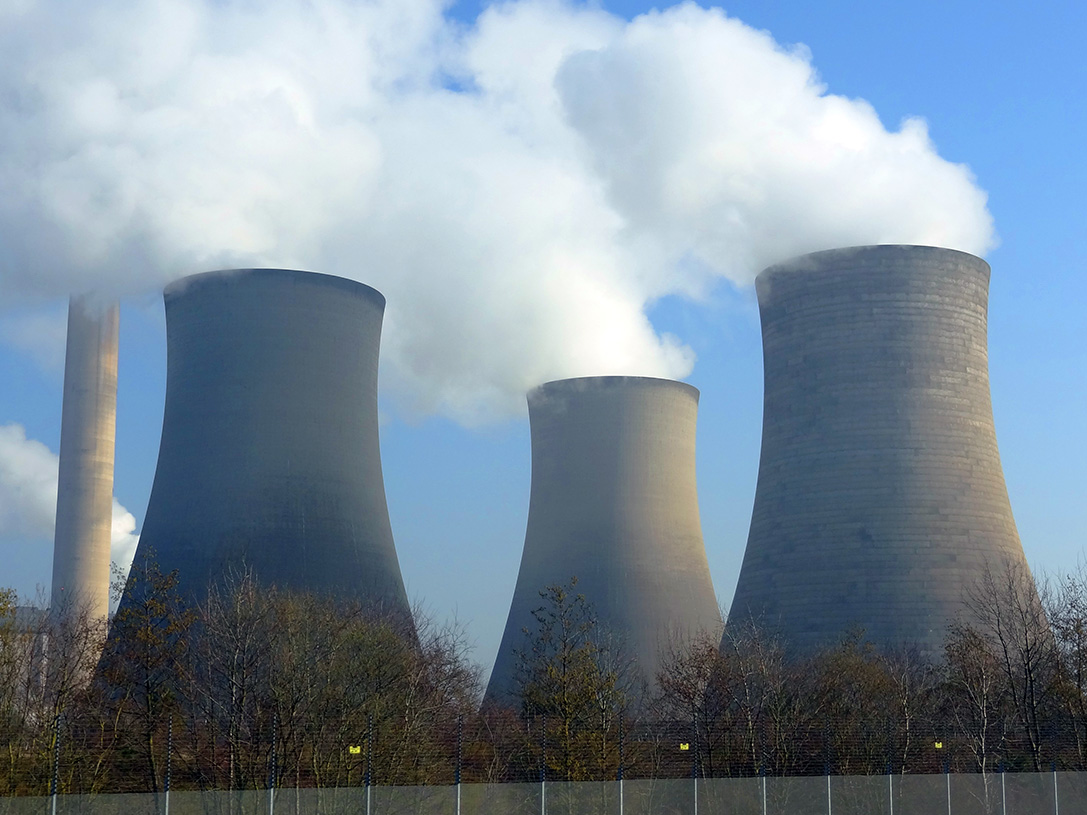 One example of an oligopoly was recently discussed on this blog –supermarkets. Here, is another classic example: the energy sector. It is dominated by six big firms, which hold the majority of the market in an industry with high barriers to entry; there is inter-dependence between the firms; and there are accusations of price fixing and collusion – all typical features of an oligopoly that may operate against consumers’ interests.