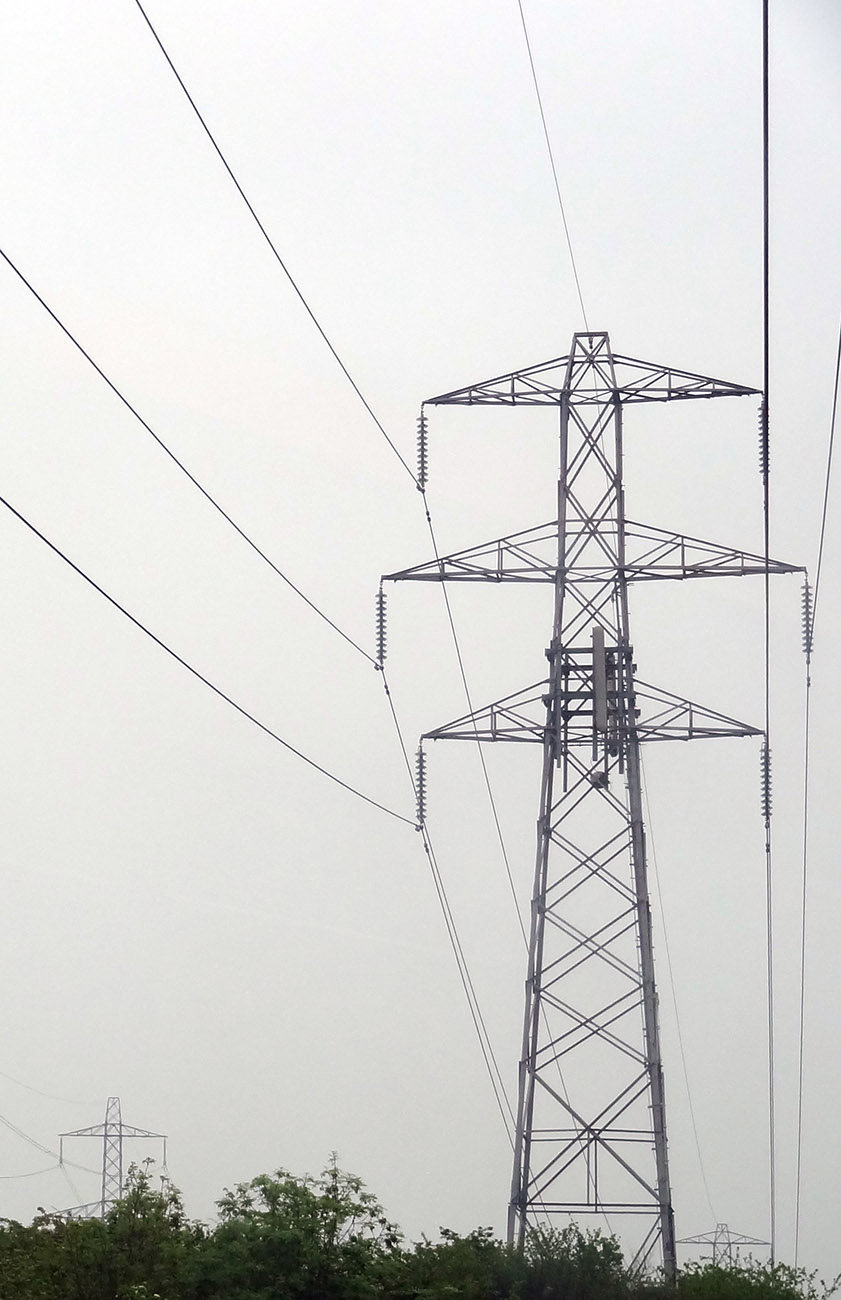
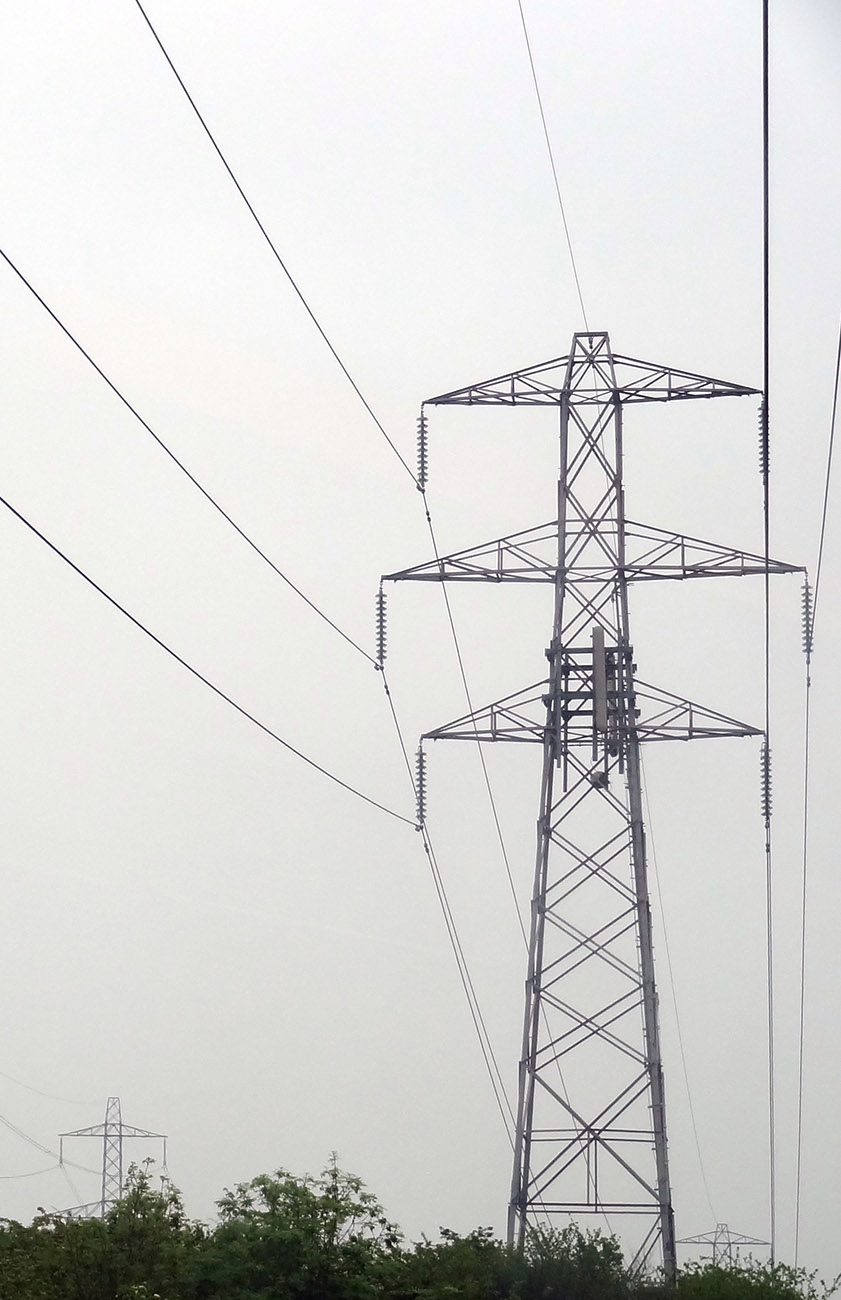
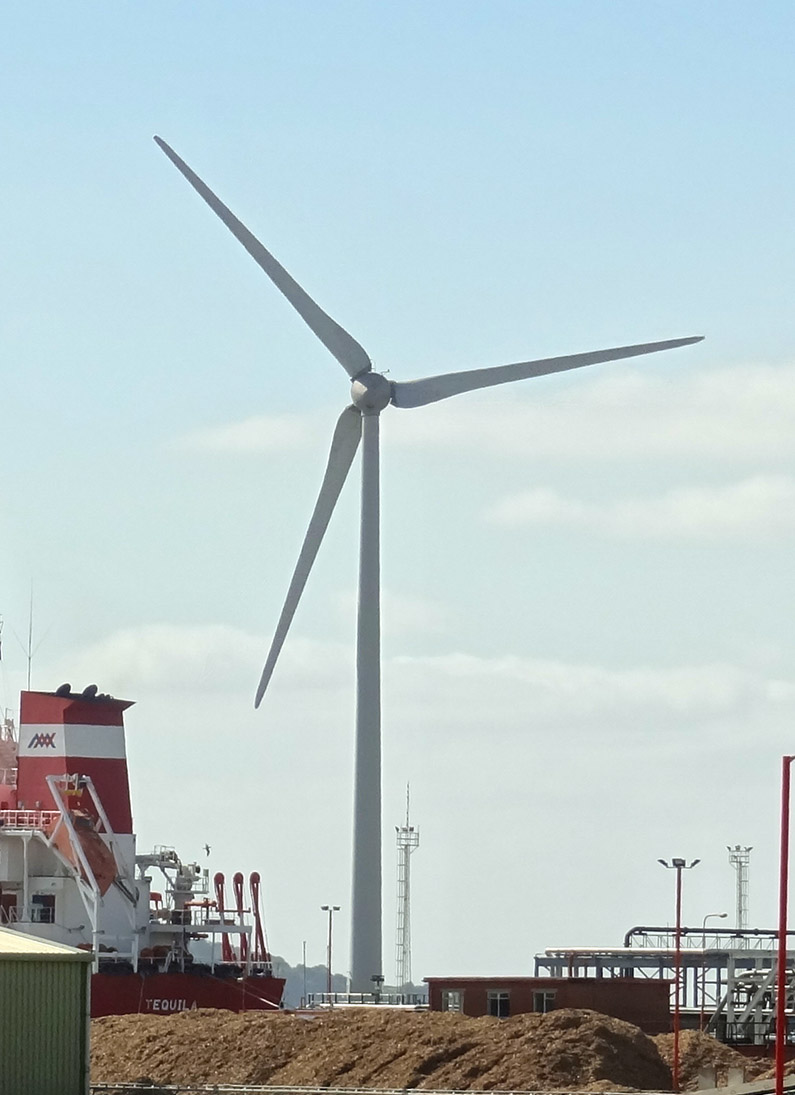
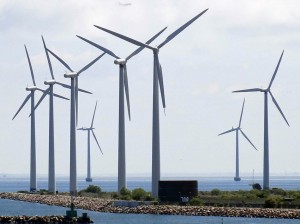
 The environment has been a growing part of government policy for many years. With the Kyoto Protocol and Europe’s carbon trading system, effort has been made to reduce carbon emissions. Part of UK policy to meet its emission’s target requires substantial investment in infrastructure to provide efficient energy.
Details of the government’s Energy Bill sets out plans that will potentially increase average household energy bills by about £100 per annum, although estimates of this vary from about £90 to £170. This money will be used to finance much needed investment in infrastructure that will allow the UK to meet its carbon emissions target. With this extra cost on bills, energy companies will increase bring in something like £7.6bn. The benefit of this higher cost is that investment today will lead to lower energy bills tomorrow. Essentially, we’re looking at a short-term cost for a long-term gain.
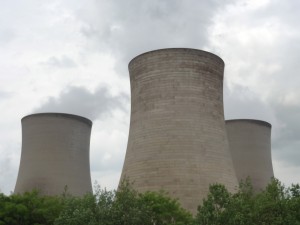 The Energy Bill also delayed setting a carbon emission target until 2016. Crucially, this will come after the next election. Environmentalists have naturally criticised this omission. John Sauven of Greenpeace said:
’By failing to agree to any carbon target for the power sector until after the next election, David Cameron has allowed a militant tendency within his own ranks to derail the Energy Bill … It’s a blatant assault on the greening of the UK economy that leaves consumers vulnerable to rising gas prices, and sends billions of pounds of clean-tech investment to our economic rivals.’
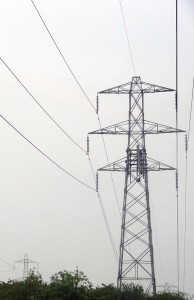
One further problem that this lack of a target creates is uncertainty. The energy sector requires significant investment and in order to be encouraged to invest, firms need assurances. Without knowing the target and hence facing a degree of uncertainty, firms may be less likely to invest in building new power plants. And this investment is crucial. The Government has committed to replacing most coal-fired power stations across Britain with low carbon technology at a cost of hundreds of billions of pounds. However, the Chancellor has said “he would not allow saving the planet to come at the cost of ‘putting our country out of business.’”
When this Energy Bill is published, it is claimed that £110bn of spending on different aspects of the National Grid will occur. The suggestion is that this will generate a further 250,000 jobs by 2030 and will be a big step in the right direction towards creating an economy that is more reliant on clean energy.
The following articles consider the wide range of issues surrounding the Energy Bill.
’It’s reasonable to hike energy bills to build wind farms’ says Tim Yeo The Telegraph, Rowena Mason (23/11/12)
Energy Bill to increase prices to fund cleaner fuel BBC News (23/11/12)
Energy deal means bills will rise to pay for green power The Guardian, Juliette Jowit and Fiona Harvey (23/11/12)
Energy Bill Q&A BBC News (23/11/12)
Energy bills to rise by £170 a year to fund wind farms Independent, Andrew Woodcock and Emily Beament (23/11/12)
Energy deal – but no target to cut Britain’s carbon emissions Independent, Nigel Morris (22/11/12)
Davey defends contentious energy agreement Financial Times, Jim Pickard, Pilita Clark and Hannah Kuchler (23/11/12)
Energy bill lacks emissions target Channel 4 News (23/11/12)
Questions
- Why does the environment require so much government intervention? Think about the different ways in which the environment as a market fails.
- If household bills rise, is there likely to be an income and substitution effect between consumption of ‘energy’ and other goods? Which direction will each effect move in and which do you think would be the largest?
- Why is uncertainty such a deterrent for investment? Why does a lack of a carbon emissions target represent uncertainty?
- The higher cost of bills today may enable future bills to fall. Why is this? For a household, explain why discount factors could be important here.
- Why do some argue that the extra cost to households set out by the government are likely to under-estimate the actual increase households will face?
- Is the Chancellor right to say that he will not put our country out of business to save the planet?
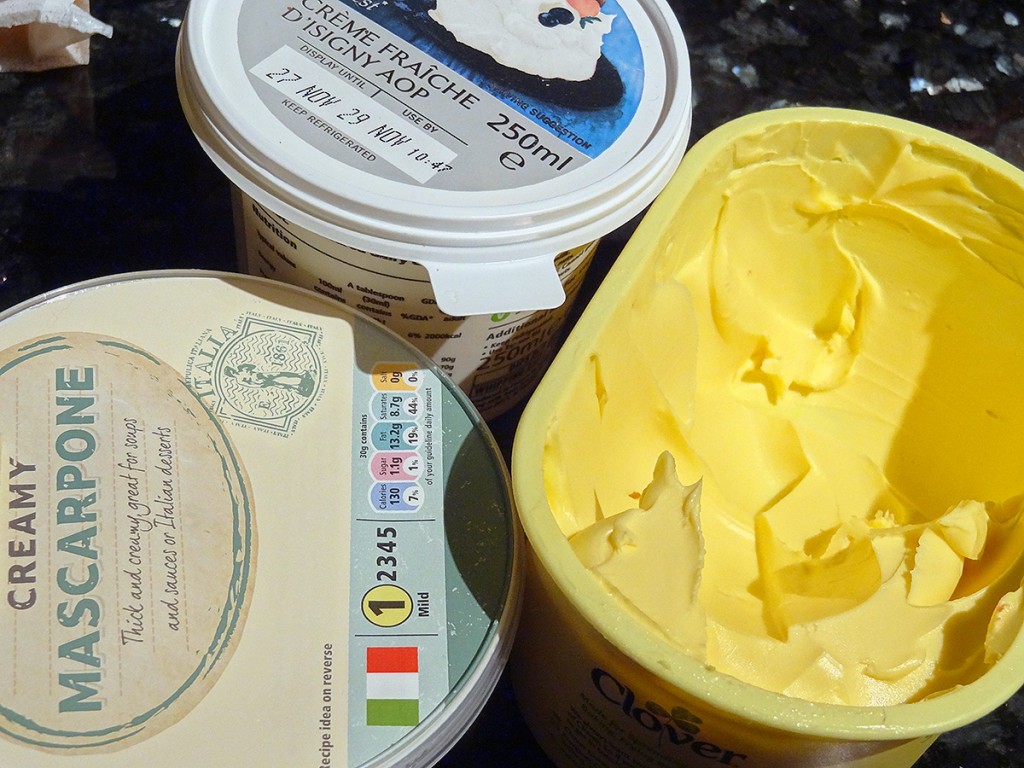 The problem of obesity and healthy eating is a growing problem in many countries and governments have long been looking into designing policy to tackle this issue.
Some have gone for healthy eating campaigns and policies to encourage pregnant women to eat better, but one government took it a step further and introduced a Fat Tax. In October 2011, the Danish government introduced a tax on foods that are high in saturated fat in a bid to reduce consumption of these goods. However, this policy is now to be abolished.
The Fat Tax introduced by the government imposed a surcharge on foods that contained more than 2.3% saturated fat. Numerous products were affected, including meats, dairy and as expected – processed foods. The policy was criticised by scientists who said that saturated fat was the wrong target and perhaps they were proved right, but the government’s u-turn, which will now see the tax being abolished. The tax had gradually increased food prices throughout the country and authorities said that it had even put Danish jobs at risk.
With food prices much higher in Denmark with the tax, consumers switched from buying domestically produced goods to crossing the border into Germany and purchasing their cheaper food. This undoubtedly had an adverse effect on the Danish economy, as it represented a cut in consumer expenditure. Perhaps it also helps to explain Germany’s strong economy – it was feeding 2 nations! The Danish tax ministry said:
‘The fat tax and the extension of the chocolate tax — the so-called sugar tax — has been criticised for increasing prices for consumers, increasing companies’ administrative costs and putting Danish jobs at risk … At the same time it is believed that the fat tax has, to a lesser extent, contributed to Danes travelling across the border to make purchases … Against this background, the government and the (far-left) Red Green Party have agreed to abolish the fat tax and cancel the planned sugar tax’
Once the tax is abolished, other policies will need implementing to tackle the problem of obesity and encourage healthy eating, as it continues to be a big problem in this and many other countries. The following articles consider this problem.
Denmark to scrap world’s first fat tax Associated Press (10/11/12)
Denmark to abolish tax on high-fat foods BBC News (10/11/12)
Fat tax repealed The Copenhagen Post (10/11/12)
Businesses call fat tax a failure on all fronts The Copenhagen Post, Ray Weaver (10/11/12)
Questions
- Illustrate the effect of a tax being imposed on a diagram. What happens to equilibrium price and quantity?
- According to Danish authorities, consumers didn’t change their consumption habits with the tax. What does this suggest about the PED of these products?
- How does the amount of tax revenue generated vary with the price elasticity of demand and supply?
- What other policies could be implemented to encourage healthy eating?
- Why did this fat tax lead to higher food prices?
- Explain the way in which such a tax could adversely affect the Danish economy. Does this justify its removal?
 The energy sector has a history of criticism with regards to prices and practices. In the past, Ofgem have tried to make the sector more competitive, by ensuring that price comparisons are easier. At the beginning of this year, many of the big six providers announced price cuts, but within the next few weeks, we will see the reverse occurring, as energy prices begin to rise.
British Gas has announced price rises of 6% from 16th November that will affect over 8 million customers by adding approximately £80 per year to the annual dual fuel bill. Npower will also put its prices up 10 days later (8.8% for gas and 9.1% for electricity), creating higher bills for 3 million people.
In January of this year, when we saw energy prices fall, it was not solely due to Ofgem’s findings. We had a relatively mild winter, which reduced the demand for energy and this fed into lower prices. As the winter now approaches once more, demand for energy will begin to increase, feeding into prices that are now higher.
Furthermore, the energy companies have said that a range of external factors are also adding to their costs and putting increasing pressure on them to increase their charges. Npower’s Chief Commercial Officer said:
“There is never a good time to increase energy bills, particularly when so many people are working hard to make ends meet…But the costs of new statutory schemes, increases in distribution charges and the price of gas for the coming winter are all being driven up by external factors, for example government policy”
 Significant investment is needed in the energy sector. Energy companies are required to set aside money for maintaining and improving the national grid and investing in renewable energy, such as wind and solar power. In order for the energy companies to fund these investments, more money must be raised and the logical method is to put up prices. However, critics are simply blaming ‘these very big lazy companies’ who are passing ‘above-inflation price rises’ onto already squeezed households.
Part of this is undoubtedly to do with the market structure of this sector. A typical oligopoly creates a market which, under certain circumstances, can be highly competitive, but because of barriers to entry that prevent new firms from entering the market may charge higher prices and be inefficient. Indeed, Ofgem has plans to reduce the power of the main energy providers by forcing them to auction off some of the electricity they generate. The aim of this is to free up the market and make it more competitive.
While only three providers have announced price rises, it is inevitable that the other three will follow. The relative increases will create incentives for consumers to switch providers, but crucial to this is an ability to understand the different tariffs on offer and lack of clarity on this has been a big criticism previously levelled at the energy sector. Indeed, half of UK customers have never switched energy providers. Perhaps this is the time to think about it, firstly as a means of saving money and secondly as a means of putting the energy companies in competition with each other. The following articles consider this market.
Energy price rises: how to switch, save and safeguard your supply The Guardian, Mark King (12/10/12)
 Npower and British Gas raise energy prices (including video) BBC News (12/10/12)
Energy price rises? We’re like turkeys voting for Christmas The Telegraph, Rosie Murray-West (12/10/12)
British Gas and Npower to raise prices fuelling fears of a ‘long, cold winter’ for more households Independent
, Graeme Evans (12/10/12)Wholesale prices rise as energy costs jump Wall Street Journal, Sarah Portlock and Jeffrey Sparshott (12/10/12)
British Gas raises gas and electricity prices by 6pc The Telegraph (12/10/12)
Osborne warns energy firms over price hikes Reuters (12/10/12)
Energy price hikes to take effect from next week Independent, Simon Read(13/10/12)
Questions
- What are the main reasons influencing the recent price rises? In each case, explain whether it is a demand- or supply-side factor.
- Using your answer from question 1, illustrate the effect of it on a demand and supply diagram.
- Which features of an oligopolistic market are relevant to the energy sector. How can we use them to explain these higher prices.
- How has government policy affected the energy sector and energy prices?
- Why are customers reluctant to change energy providers? Does this further the energy company’s ability to raise prices?
- Are there any government policies that could be implemented to reduce the power of the energy companies?
 A modern day hindrance is spam email clogging up your inbox with, for example, offers for cheap drugs or notifications that you will inherit enough money to retire to the Bahamas. A recent paper by Justin Rao and David Reiley in the Journal of Economic Perspectives investigates the economics of spam mail (which, as I discovered, from the article gets it’s name from a Monty Python sketch). Remarkably, they quote figures suggesting that 88% of worldwide email traffic is spam. Their paper then provides a number of interesting insights into the business of spam mail.
First, given that most recipients simply delete it, why is spam mail sent out? For the benefits of sending it to exceed the costs, it must be that somebody is reading and responding to it and the costs must also be reasonably low. Rao and Reiley are able to quantify these costs and benefits. They estimate that if 8.3 million spam emails are sent, only 1.8% (approximately 150,000) will reach the intended recipients’ inboxes, with the remainder being blocked or filtered out. Of these 150,000, just 0.25% (375) are clicked on. Furthermore, these 375 clicks generate just a single sale of the advertised product which is typically sold for around $50. Assuming that free entry of spammers leads to them earning zero economic profit, this means that it costs the spammers around $50 to send the 8.3 million emails.
Second, spam mail clearly imposes a considerable negative externality on society. This includes wasted time for consumers and the costs of the extra server hardware capacity required. Rao and Reiley are also able to quantify the size of the negative externality created. First, they estimate that:
“American firms and consumers experience costs of almost $20 billion annually due to spam.”
This can then be compared to the benefits senders of spam get:
“….. we estimate that spammers and spam-advertised merchants collect gross worldwide revenues on the order of $200 million per year. Thus, the ‘externality ratio’ of external costs to internal benefits for spam is around 100:1.”
They then compare this to estimates for other negative externalities such as car pollution and conclude that the size of the negative externality from spam is significantly greater.
Finally, they also point out that it is predominantly the larger email service providers i.e. Yahoo! Mail, Microsoft Hotmail, and Google Gmail who have both the incentives and resources to fund interventions to eradicate spam. For example, in 2009 Microsoft and Pfizer (the manufacturer of Viagra which faces competition from counterfeit versions often advertised by spam) financially supported the successful operation to shut down the largest spam distributor. Clearly, such operations have large positive spillovers for email users. However, as they also discuss, anti-spam technology also increases the fixed costs of competing as an email provider and they suggest that this has contributed to the increased concentration in the market.
The unpalatable business of spam The undercover economist, Tim Harford (19/07/12)
Huge spam botnet Grum is taken out by security researchers BBC News (19/07/12)
Spammers make a combined $200 million a year while costing society $20 billion BGR, Dan Graziano (28/08/12)
Questions
- Explain why free entry results in zero economic profit.
- Explain how an increase in fixed costs can lead to an increase in concentration.
- Why does Microsoft have large incentives to eradicate spam mail?
- In what ways does the externality created by spam mail differ from other forms of advertising?
- How might government policies alter the costs and benefits of sending spam mail?
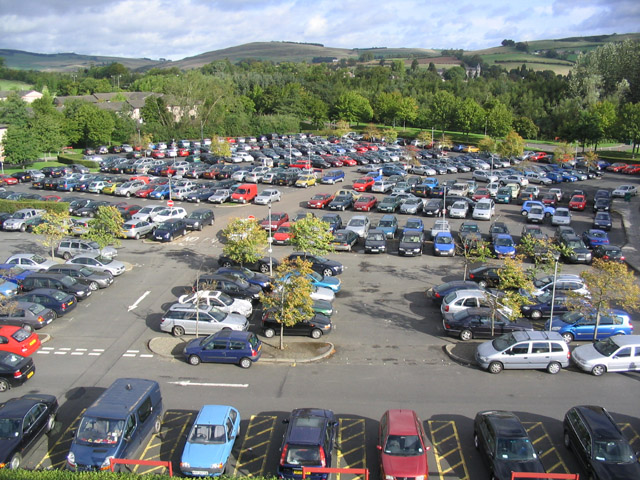 Everyone who drives in the UK is required to take out car insurance. Whilst fully comprehensive is voluntary, it is compulsory to have at least third party insurance, which covers damage to other vehicles. Insurance premiums are calculated based on a number of different variables, such that two people driving the same car may face wildly different costs.
Although there are many insurance companies to choose from, this industry has been referred to the Competition Commission by the OFT as it was ‘worried the structure of the market was making costs and premiums unnecessarily high.’
According to Moneysupermarket, the average cost of car insurance reached a high of £554 in April 2011, but have fallen by £76 since. With tight incomes across the UK for many families, high car insurance premiums is another strain and thus this investigation will come at an apt time, even though the findings of the CC may not be reported for 2 years. The Association of British Insurers (ABI) said that the investigation would:
‘bring much-needed reforms to the market that will, in turn, result in lower car insurance premiums for consumers’.
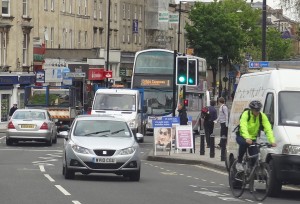 The problem seems to be that when an individual is involved in an accident and sends their car off for repairs, their insurance company doesn’t have much control over the bills they end up paying, which can be inflated by £155 each time. This therefore leads into higher costs for the insurance company, which are then passed on the driver in the form of an increased premium. Other concerns were that courtesy cars were being offered, at an estimated cost of £560 per vehicle (according to the OFT) and that drivers were using these cars for longer than necessary, once again causing costs to rise.
Altogether, it has been suggested that the actions of the insurance company of ‘not-at-fault’ drivers, car hire companies, repairers and brokers push up the prices for ‘at-fault’ drivers’ insurance companies. Given that any insurance company is just as likely to be the ‘at-fault’ insurance company, they all face rising costs.
 Back in May, the OFT had already decided that the car insurance market required a more detailed investigation, because of the ‘dysfunctionality’ of the market. Following a public consultation, the industry will now face an investigation by the CC. One additional area that may be of interest to the CC came to light last year, where it was found that insurance companies were claiming against themselves in a bid to drive up premiums. Although the investigation will take some time, it is still a timely review for many drivers, who have seen the cost of motoring reach record highs. The following articles consider the market for car insurance.
Articles
Car insurance market referred to Competition Commission BBC News (28/9/12)
No quick fix for motor insurance abuses, says watchdog Independent, Simon Read (29/9/12)
Car insurance industry faces probe The Press Association (28/9/12)
Competition Commission referral will take time to lower motor insurance premiums The Telegraph, Rosie Murray-West (28/9/12)
UK car insurance probe over-shadows Direct Line IPO Reuters, Matt Scuffham and Myles Neligan (28/9/12)
Car insurance scrutinized over high premiums Sky News (28/9/12)
Rip-off motor insurance firms face competition watchdogs probe over £225million racket Mail Online, Ray Massey (28/9/12)
Questions
- Why are car insurance firms willing to take on other people’s risks?
- What conditions must exist in a market for private companies to provide acr insurance (or insurance of any kind)?
- Why is third-party insurance compulsory, whereas people can opt for fully comprehensive insurance?
- What powers does (a) the OFT and (b) the Competition Commission have? Is it likely that this report will have any impact on car insurance premiums?
- What allegations have been made that help to explain why insurance premiums I this industry have increased?
- Is there an argument for allowing the industry itself to provide its own regulation?
- In which market structure would you place the car insurance industry?
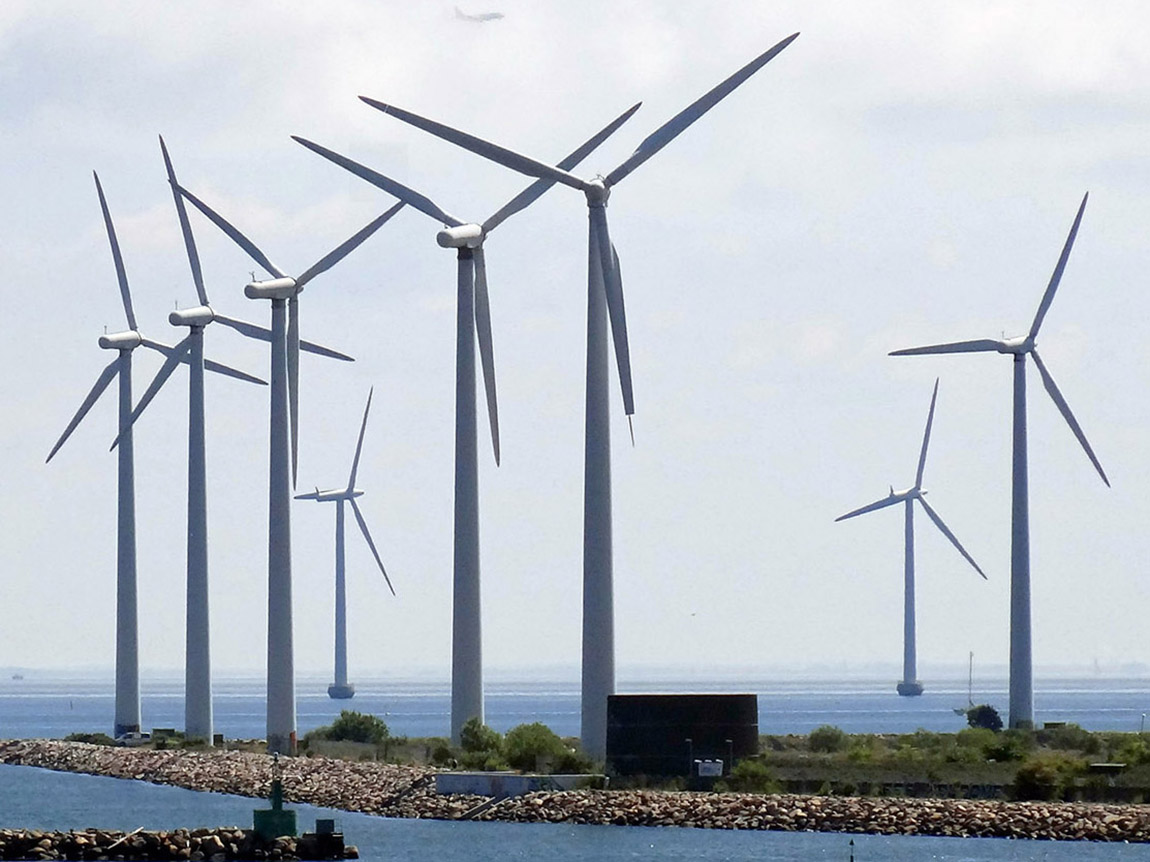 The environment has been a growing part of government policy for many years. With the Kyoto Protocol and Europe’s carbon trading system, effort has been made to reduce carbon emissions. Part of UK policy to meet its emission’s target requires substantial investment in infrastructure to provide efficient energy.
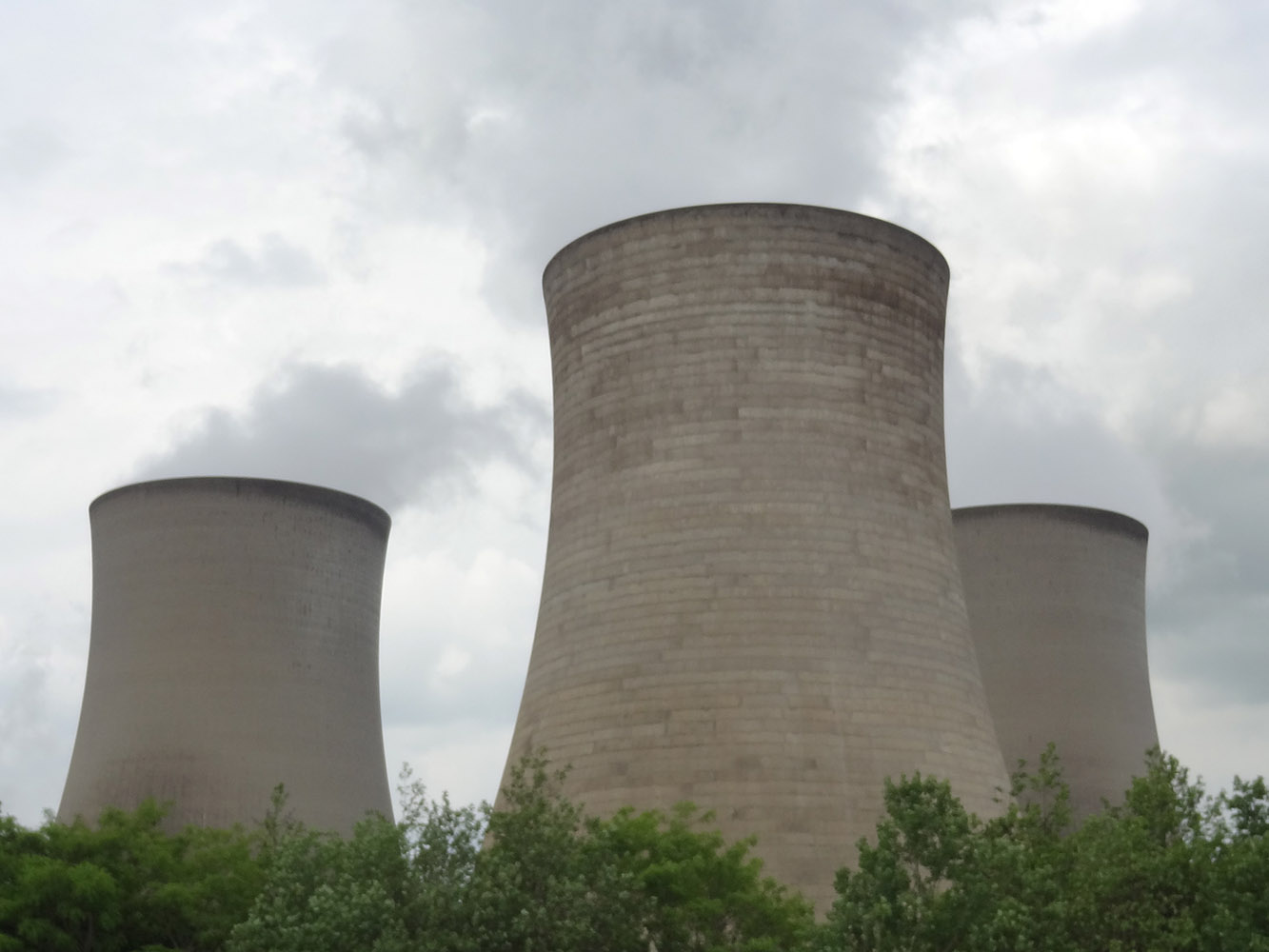 The Energy Bill also delayed setting a carbon emission target until 2016. Crucially, this will come after the next election. Environmentalists have naturally criticised this omission. John Sauven of Greenpeace said: