 With globalisation, more and more businesses have found it beneficial to ‘go global’. There are many reasons why a firm might choose to expand its production or market to other countries and one particular advantage is cutting costs in the manufacturing of products.
Countries such as China and India have become leaders in production. Look at many of the items you own – I’m sure you’ll see a ‘Made in China’ or ‘Made in India’ amongst them. These fast emerging countries were highly sought after as places to produce due to much cheaper production costs. This advantage led to Western companies outsourcing much of their manufacturing base to China, as a means of retaining a competitive advantage.
However, the cost advantages that China boasted are now less significant and we may be about to see the emergence of a new manufacturing hub. Other countries that are further behind the BRICS in the development process now have cost advantages over places like China and so we may see another transfer of manufacturing to other parts of the world.
 When splitting up a supply chain to gain cost advantages a key consideration is the extent to which you lose control. Communication and co-ordination issues can emerge when design takes place in one country; production in another and then the products are sold around the world. When cost differences are huge, these problems can be overlooked, as what they might cost you in terms of lost time etc. is easily made up by savings through cheaper labour.
However, when the cost advantages of production in China shrink, companies are still left with the problems of communication and co-ordination. These now represent more significant costs that could be reduced were production to revert to the country of design or if production were to be moved to an even cheaper country.
The following article from BBC News considers the issues surrounding the supply chain and how businesses may benefit from more collaboration.
Better collaboration lets businesses take back the supply chain BBC News, Alastair Sorbie (15/6/12)
Questions
- What are the arguments for becoming a multinational?
- Why do host countries, such as the BRICS accept inward investment? What do they gain from it?
- Explain how the product life cycle can affect the profitability of a MNC and how the company might respond.
- What are the disadvantages to a MNC from ‘going global’?
- What are the problems faced by developing countries acting as host nations?
- How has technology affected both big and small businesses?
 Binge drinking is a problem that has seen much attention, especially with regards to minimum price controls. However, in this blog, we consider attention in this sector concerning taxation on beer.
Alcohol is widely considered to be a de-merit good with negative externalities imposing external costs on society. This is one of the reasons why taxes are imposed on alcoholic beverages. By increasing production costs to the firms providing these drinks, prices rise and hence the policy aims to discourage consumption.
During the recession, many businesses have seen demand fall and one sector hit particularly hard because of this and very high tax rates has been the local pub community. Duty on beer has increased since 2008 by some 42%. As such, many rural and suburban communities have seen their local watering holes close down and this has led to a campaign by CAMRA to force a debate in Parliament, as a means of protecting ‘one of Britain’s oldest and best loved institutions’. Data suggests that 12 pubs per week are closing down, thus the future of the industry is now under threat. This may also have further damaging effects on local communities, as it may adversely affect the social aspect of communities. Camra’s Chief Executive, Mike Benner said:
‘Whether situated in a small village, city high street, or on the edge of a housing estate, pubs are so central to our society that whole communities can grow around a particular pub.’
According to a study, pubs in Lancashire and the West Midlands have been hardest hit by the pub closures. If pubs don’t pass the tax increase on to consumers in the form of higher prices, then they must bear the burden. If they do pass the tax rises on to consumers then the larger chain firms can increase their market share by selling at a lower price. They are also facing growing pressure from the supermarket industry, which are able to sell cheap alcohol, also contributing to going to the pub becoming an ‘unaffordable activity’. The following articles consider this industry.
Pub closures spark beer tax plea The Press Association (30/4/12)
A dozen pubs close each week Telegraph, James Hall (30/4/12)
Calls for beer tax rethink as 12 pubs shut every week BBC Radio 1, News Beat, Steve Holden (30/4/12)
Pubs in the West Midlands hit hardest by pub closures ITV News (30/4/12)
Questions
- Illustrate the effect of a tax being imposed on a product such as beer.
- In this market, would the tax be more likely to be borne by the producers or consumers? Explain your answer and illustrate on the previous diagram why this is the case.
- Why are supermarkets able to compete local pubs out of the alcohol market? Do you think a minimum price will have any effect?
- What is a de-merit good? Illustrate the concept of a negative externality on a diagram.
- Explain how a de-merit good causes the market to fail. To what extent does the tax on beer solve the market failure?
- Why are there likely to be adverse effects on local communities? Could this have an adverse effect on economic activity in the area?
 One problem for motorists at the moment is the cost of petrol, where prices have reached over 1.37p on average, as we considered in the blog It’s fuelling anger. However, another problem could soon materialise and that is no petrol. Back in 2000, there was massive disruption to the public with a fuel blockade and a similar thing could occur, following the ‘yes’ vote by fuel tank drivers in favour of strike action.
Over the past few years, strikes have occurred across a variety of industries and if this one did happen with no contingency plan in place, disruption would be significant to both private individuals and companies. Drivers from Unite (the trade union) supply over 90% of fuel to UK garages and so any strike could lead to the closure of up to 7,900 stations.
However, the government has begun to consider the worst case scenario, if talks do not work with plans to begin training army drivers. There are concerns that without these plans in place, disruption across the country may occur with supermarkets, garages and airports all facing fuel shortages. Those who have a job that relies on travel, or even those who simply use their cars or buses to get to work will also feel the effects. Other problems within the emergency services could also emerge, but the government has assured the public that their fuel would be prioritised. The following articles consider this issue.
Fuel strike drivers vote yes in row over conditions BBC News (26/3/12)
Plan for fuel strike, says Downing Street Financial Times, George Parker (27/3/12)
Talks urged to avert fuel tanker strike Independent, Andrew Woodcock and David Mercer (27/3/12)
Ed Miliband: Fuel strike must be avoided at all costs Telegraph, James Hall (27/3/12)
All striking tanker drivers want is responsible minimum standards Guardian, Len McCluskey (27/3/12)
Questions
- If a trade union bargains for higher wages, what is the likely effect on employment and unemployment?
- How might strike action by tankers affect businesses?
- Are there likely to be any adverse long term effects if strike action does occur over Easter?
- How could strike action affect a firm’s costs of production? Think in particular about those who rely on travel as part of the business.
- What other options are there to trade unions, besides striking? Assess the effectiveness of each of the options.
- If a shortage of petrol emerged, what would you expect to happen to its market price?
 Advertising is a costly venture, but for firms in a highly competitive market it can be essential for success. During the recession, many firms had to make a variety of cut backs and reduced advertising for many was one of the key areas to go.
However, one of the leading advertising companies – WPP – has posted significant profits this year, which are up by some 18.5%, reaching £1.008bn. According to Sir Martin Sorrell, a key factor in this success is that many firms, whilst not looking to increase their market share, have felt the need to continue advertising, simply to maintain their existing market share. This has become especially important in growing markets, as competition has become more and more intense.
This new is not only good for the company in question, but also for the UK economy, as the firm has said that it will be moving its headquarters back from Ireland to the UK. This is assuming that legislation is passed concerning the taxation of profits earned abroad. If this relocation does go ahead, it could mean the creation of many more jobs in the UK and a boost to tax revenues, both of which are crucial for the UK economy. As Sir Martin Sorrell said:
‘I am delighted to say that the last remaining issues I think have been removed subject to legislation being introduced in Parliament. We will be coming back subject to shareholder approval’.
WPP believes growth throughout 2012 will be high, due to events such as the Olympics and the US Presidential elections, together with its strength in emerging economies. At the moment, this all looks like good new for the UK and oh how it’s needed!
WPP profit up ahead of 2012 Olympics boost Reuters (1/3/12)
WPP’s Martin Sorrell says he is likely to move HQ back to London Guardian, Mark Sweney (1/3/12)
Olympics, Election to boost WPP Wall Street Journal, Kathy Gordon (1/3/12)
WPP breaks £1bn profit barrier Guardian, Mark Sweney (1/3/12)
WPP boosts dividend after strong year Financial Times, Tim Bradshaw and Mark Wembridge (1/3/12)
WPP profits reach record in 2011 BBC News (1/3/12)
Questions
- What is market share and how can it be calculated?.
- What is the purpose of advertising. Using a supply and demand diagram, illustrate the effect the advertising should have. Think about the position and the shape of the curves.
- Why is advertising an area that did see cut backs throughout the recession?
- Do you think that advertising is more important for firms in growing markets? Explain your answer.
- Why did WPP relocate to Ireland and what may bring it back to the UK?
- How have WPP’s dividend payments been affected by this latest profit information?
- During a recession, competition tends to become more intense. Why is this and what role does advertising play?
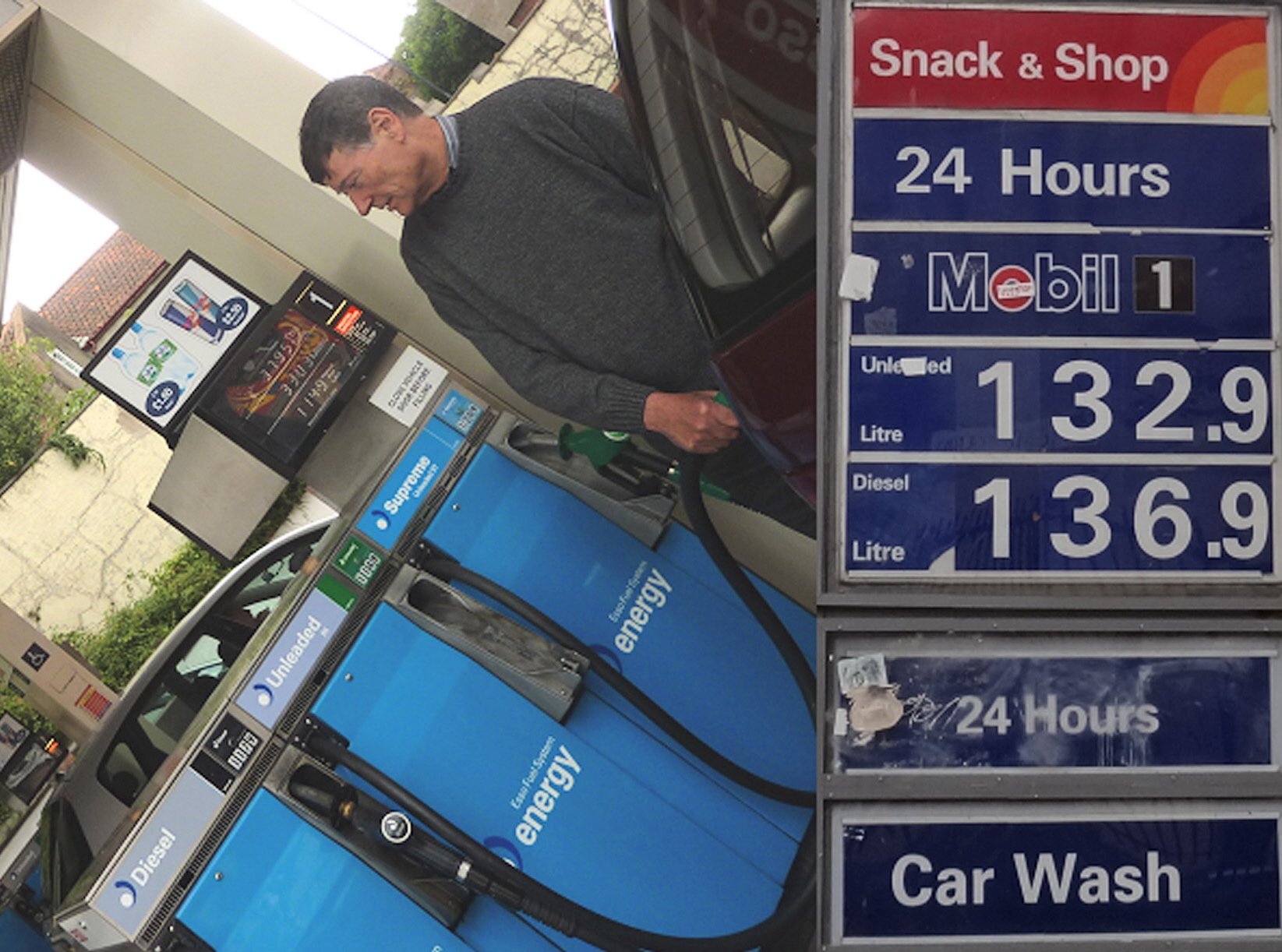
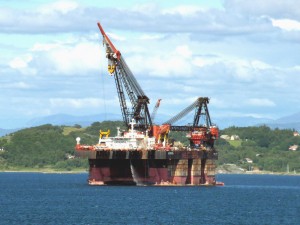 Petrol prices have been a bone of contention for some time. With household incomes remaining low and the cost of living rising, the fact that average petrol prices have reached their highest level of more than 1.37p per litre on average will undoubtedly put growing pressure on the approaching budget.
There have already been calls for the Chancellor to reduce fuel duty and with this latest data, the pressure will only mount. The problem is, if fuel duty does fall, so will tax revenues and as one of the Coalition’s key objectives has been to cut the budget deficit, this could pose further problems. Even the calls to cut VAT on fuel will also put a dent in the budget deficit.
Although everyone is undoubtedly feeling the effects of these higher prices, the key thing with petrol is its elasticity of demand. Whether the price of petrol was 0.90p or 1.37p per litre, I continue to buy the same amount. Therefore, for me, the price elasticity of demand for petrol is highly inelastic – at least between those prices. After all, if the price increase above say £3 per litre, I might think twice about driving to work!
So what has been driving this increase in prices? Petrol prices are hugely dependent on the cost of oil and on the demand for any product that uses fuel. With growing demand from countries like India and China, as they continue to develop and grow very quickly; the continuing concerns with Iran’s nuclear programme and the political problems in the Middle East, oil prices have been forced up. The future trend in prices will depend on many factors, not least whether or not there is any change in fuel duty in the 2012 budget and whether something like a regulator is introduced to monitor increases in fuel prices. This is definitely an area to pay close attention to in the coming months.
Petrol prices reach record high Independent, Peter Woodman (3/3/12)
Petrol prices hit record high with further rises expected Guardian, Hilary Osborne (2/3/12)
Appeak to regulate petrol prices This is South Wales (3/3/12)
Plea to slash duty as fuel costs soar to record high Scotsman, Alastair Dalton (3/3/12)
Petrol prices hit record high The Telegraph, David Millward (2/3/12)
Diesel prices predicted to reach 150p as petrol hits new record Guardian, Terry Macalister and Hilary Osborne (2/3/12)
Questions
- Which are the factors on the demand side that have pushed up the price of oil and hence petrol and diesel?
- What are the supply-side factors that are causing the rising price of fuel?
- Use a demand and supply diagram to illustrate the effects you have explained in the first two questions.
- In the blog, I mention that my price elasticity of demand is relatively inelastic between 2 given prices. What does this suggest about the shape of my demand curve for petrol? How does this shape affect prices following any change in demand or supply?
- Why is petrol a relatively price inelastic product?
- There have been calls for the government to cut VAT or reduce fuel duty. What are the arguments for and against these policies?
- How effective do you think a petrol price regulator would be?
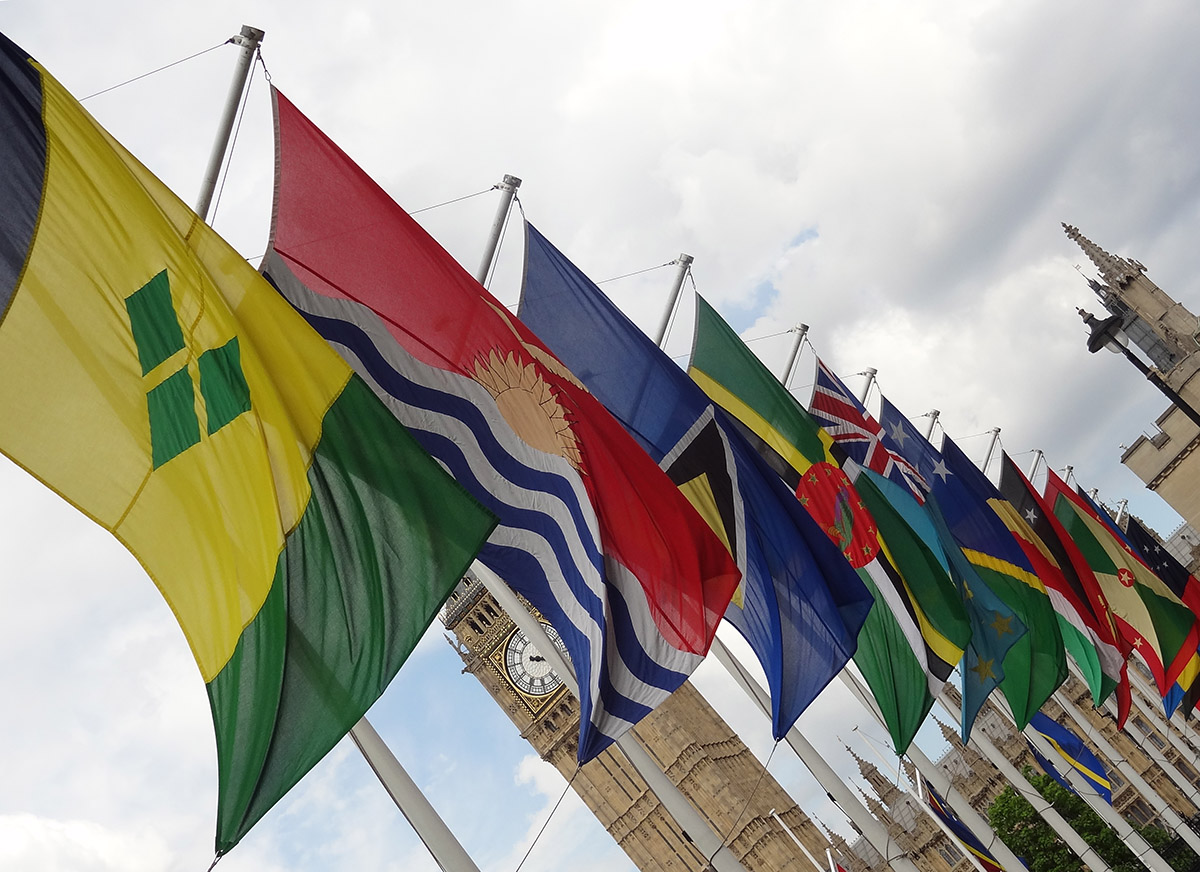 With globalisation, more and more businesses have found it beneficial to ‘go global’. There are many reasons why a firm might choose to expand its production or market to other countries and one particular advantage is cutting costs in the manufacturing of products.
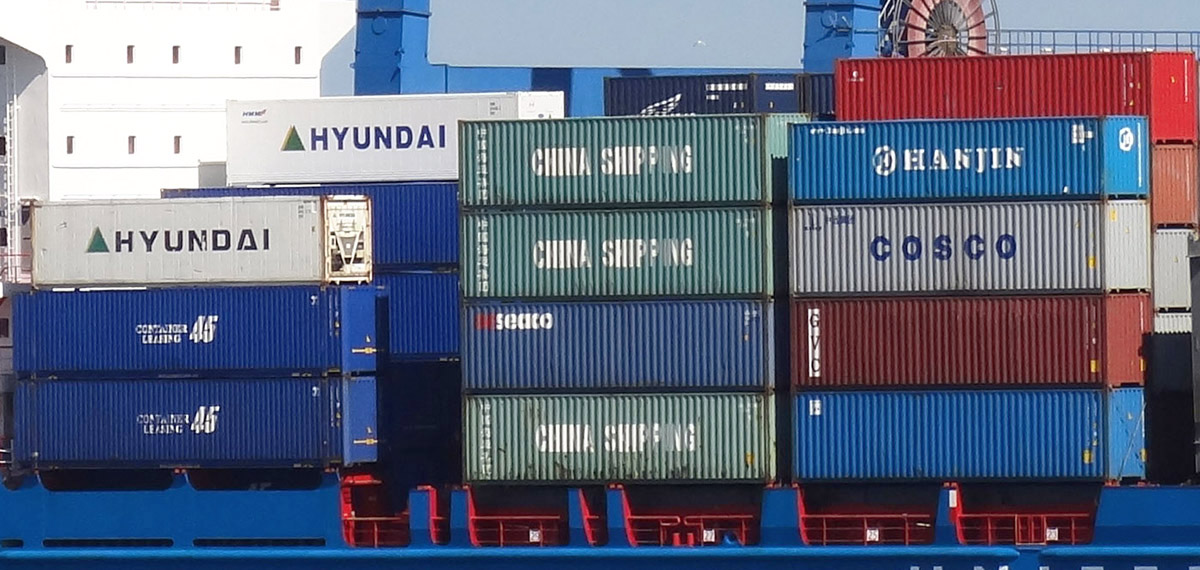 When splitting up a supply chain to gain cost advantages a key consideration is the extent to which you lose control. Communication and co-ordination issues can emerge when design takes place in one country; production in another and then the products are sold around the world. When cost differences are huge, these problems can be overlooked, as what they might cost you in terms of lost time etc. is easily made up by savings through cheaper labour.