 Petrol prices have been a bone of contention for some time. With household incomes remaining low and the cost of living rising, the fact that average petrol prices have reached their highest level of more than 1.37p per litre on average will undoubtedly put growing pressure on the approaching budget.
There have already been calls for the Chancellor to reduce fuel duty and with this latest data, the pressure will only mount. The problem is, if fuel duty does fall, so will tax revenues and as one of the Coalition’s key objectives has been to cut the budget deficit, this could pose further problems. Even the calls to cut VAT on fuel will also put a dent in the budget deficit.
Although everyone is undoubtedly feeling the effects of these higher prices, the key thing with petrol is its elasticity of demand. Whether the price of petrol was 0.90p or 1.37p per litre, I continue to buy the same amount. Therefore, for me, the price elasticity of demand for petrol is highly inelastic – at least between those prices. After all, if the price increase above say £3 per litre, I might think twice about driving to work!
So what has been driving this increase in prices? Petrol prices are hugely dependent on the cost of oil and on the demand for any product that uses fuel. With growing demand from countries like India and China, as they continue to develop and grow very quickly; the continuing concerns with Iran’s nuclear programme and the political problems in the Middle East, oil prices have been forced up. The future trend in prices will depend on many factors, not least whether or not there is any change in fuel duty in the 2012 budget and whether something like a regulator is introduced to monitor increases in fuel prices. This is definitely an area to pay close attention to in the coming months.
Petrol prices reach record high Independent, Peter Woodman (3/3/12)
Petrol prices hit record high with further rises expected Guardian, Hilary Osborne (2/3/12)
Appeak to regulate petrol prices This is South Wales (3/3/12)
Plea to slash duty as fuel costs soar to record high Scotsman, Alastair Dalton (3/3/12)
Petrol prices hit record high The Telegraph, David Millward (2/3/12)
Diesel prices predicted to reach 150p as petrol hits new record Guardian, Terry Macalister and Hilary Osborne (2/3/12)
Questions
- Which are the factors on the demand side that have pushed up the price of oil and hence petrol and diesel?
- What are the supply-side factors that are causing the rising price of fuel?
- Use a demand and supply diagram to illustrate the effects you have explained in the first two questions.
- In the blog, I mention that my price elasticity of demand is relatively inelastic between 2 given prices. What does this suggest about the shape of my demand curve for petrol? How does this shape affect prices following any change in demand or supply?
- Why is petrol a relatively price inelastic product?
- There have been calls for the government to cut VAT or reduce fuel duty. What are the arguments for and against these policies?
- How effective do you think a petrol price regulator would be?
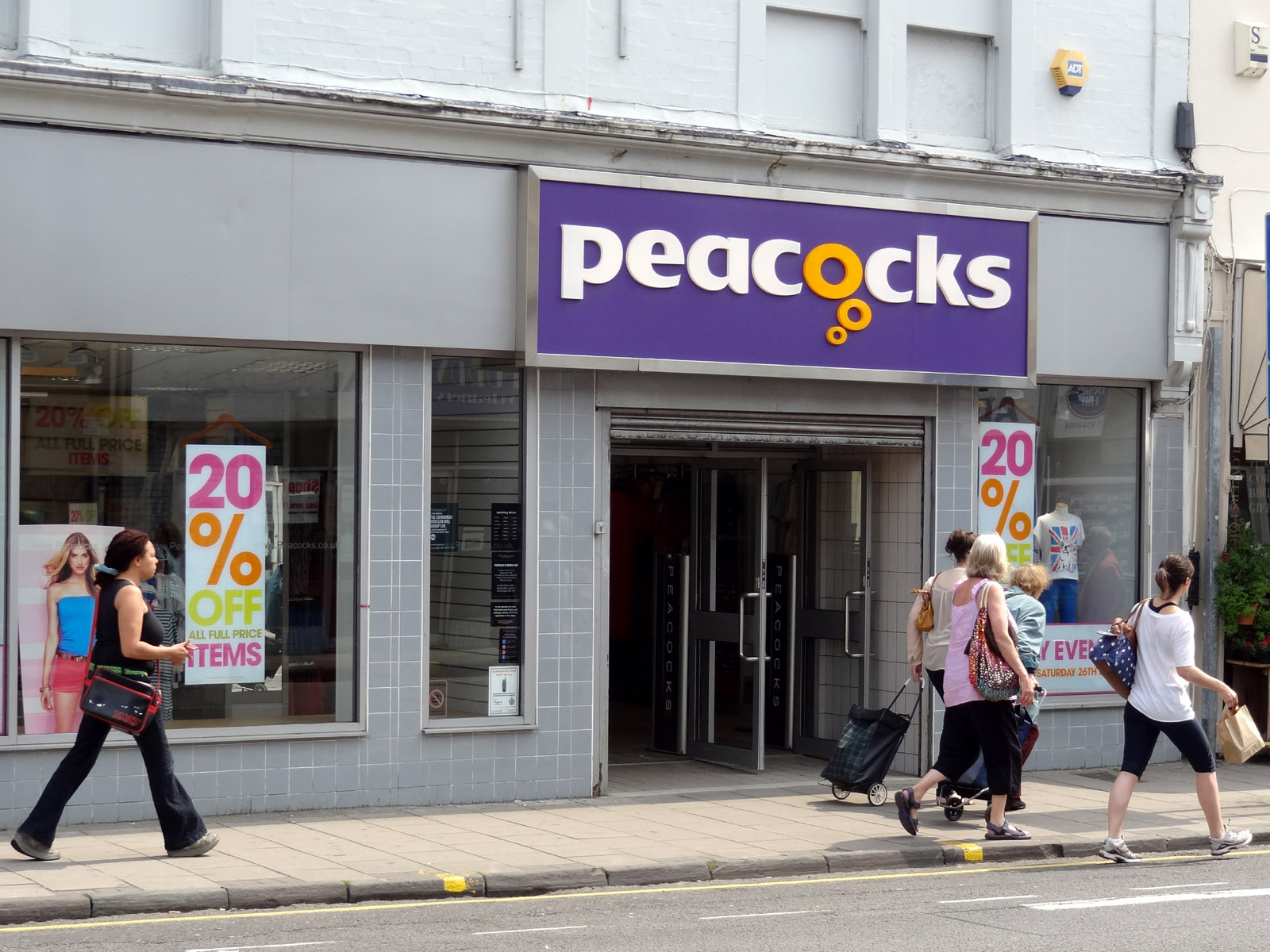
 It’s not the first retailer to go into administration and it won’t be the last, but the well-known high street retailer Peacocks will continue to trade for the foreseeable future thanks to Edinburgh Woolen Mill.
The administrators were called in at the beginning of 2012, as Peacocks total debt reach £750 million and it was unable to restructure £240 million of this debt. Edinburgh Woollen Mill has bought the company out of administration, protecting 6000 jobs in the UK. However, at the same time more than 3000 workers will be made redundant, as 224 stores cease trading.
Throughout the recession, retailers across the UK have been struggling, as household incomes have remained low, causing consumer spending to fall. One of the administrators from KMPG, commented that:
‘This (the low consumer demand), combined with a surplus of stores and unsustainable capital structure, led to the business becoming financially unviable.’
 The coming months will be crucial in determining whether more jobs are lost and if there are any further store closures. Much hinges on the ability of Edinburgh Woollen Mill to stabilize the financial performance of Peacocks and stimulate renewed customer demand. The following articles consider this take-over.
Peacocks closes 19 Ulster stores with 263 job losses Belfast Telegraph (23/2/12)
Peacocks Takeover: Edinburgh Woollen Mill buy retailer but 3,100 jobs lost BBC News (including video) (22/2/12)
Peacocks piqued by PIKs Guardian, Nils Pratley (22/2/12)
Edinburgh Woollen Mill buys Peacocks Independent, James Thompson (23/2/12)
Peacocks sold to Edinburgh Woollen Mill – KPMG The Wall Street Journal, Jessica Hodgson (23/2/12)
Questions
- Why has consumer demand in the retails sector fallen during the recession?
- What type of take-over would you classify this as?
- Who are Peacocks’ main competitors? In which market structure would you place the retail sector? Explain your answer.
- The Guardian article refers to the Management-buy-out of Peacocks in 2005. What is a management-buy-out? What were the problems associated with it?
- What are the problems that have been identified as causing Peacocks to go into administration?
- To what extent do you think the Management-buy-out of 2005 is the main reason why Peacocks has fallen into administration?
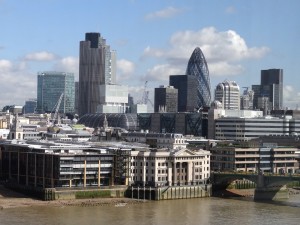 A negative outlook for the UK economy – at least that’s what Moody’s believes. The credit rating agency has put the UK economy’s sovereign credit rating, together with 2 other European nations (France and Austria) on the ‘negative outlook’ list.
The UK currently has a triple A rating and we have been able to maintain this despite the credit crunch and subsequent recession. However, with weak economic data and the continuing crisis in the eurozone, Moody’s took the decision to give the UK a ‘negative outlook’, which means the UK, as well as France and Austria have about a 30% chance of losing their triple A rating in the next 18 months.
Both Labour and the Coalition government have claimed this decision supports their view of the economy. Labour says this decision shows that the economy needs a stimulus and the Coalition should change its stance on cutting the budget deficit. However, the Coalition says that it shows the importance the Credit ratings agencies attach to budget deficits. Indeed, Moody’s statement showed no signs that it feels the UK should ease up on its austerity measures. The statement suggested the reverse – that a downgrade would only occur if the outlook worsened or if the government eased up on its cuts. The Coalition’s focus on cutting the deficit could even be something that has prevented the UK being put on the ‘negative watch’ list, as opposed to the ‘negative outlook’ list. The former is definitely worse than the latter, as it implies a 50% chance of a downgrade, rather than the current 30%.
The triple A rating doesn’t guarantee market confidence, but it does help keep the cost of borrowing for the government low. Indeed, the UK government’s cost of borrowing is at an historic low. A key problem therefore for the government is that there is a certain trade-off that it faces. Moody’s says that 2 things would make the UK lose its rating – a worsening economic outlook or if the government eases on its austerity plans. However, many would argue that it is the austerity plans that are creating the bad economic outlook. If the cuts stop, the economy may respond positively, but the deficit would worsen, potentially leading to a downgrade. On the other hand, if the austerity plans continue and the economy fails to improve, a downgrade could also occur. The next few days will be crucial in determining how the markets react to this news. The following articles consider this issue.
The meaning of ‘negative’ for Mr Osborne and the UK BBC News, Stephanomics, Stephanie Flanders (14/2/12)
Relaxed markets remain one step ahead of Moody’s move The Telegraph, Philip Aldrick (14/2/12)
George Osborne tries to be positive on negative outlook for economy Guardian, Patrick Wintour (14/2/12)
Moody’s wants it may cut AAA-rating for UK and France Reuters, Rodrigo Campos and Walter Brandimarte (14/2/12)
Moody’s rating decision backs the Coalition’s path of fiscal consolidation The Telegraph, Damian Reece (14/2/12)
Moody’s rating agency places UK on negative outlook BBC News (14/2/12)
Britain defends austerity measures New York Times, Julia Werdigier 14/2/12)
Questions
- What does a triple A rating mean for the UK economy?
- Which factors will be considered when a ratings agency decides to change a country’s credit rating? What similarities exist between the UK, France and Austria?
- Which political view point do you think Moody’s decision backs? Do you agree with the Telegraph article that ‘Moody’s rating decision backs the Coalition’s path of fiscal consolidation’?
- If a country does see its credit rating downgraded, what might this mean for government borrowing costs? Explain why this might cause further problems for a country?
- How do you think markets will react to this news? Explain your answer.
- What action should the government take: continue to cut the deficit or focus on the economic outlook?
- Why has the eurozone crisis affected the UK’s credit rating?
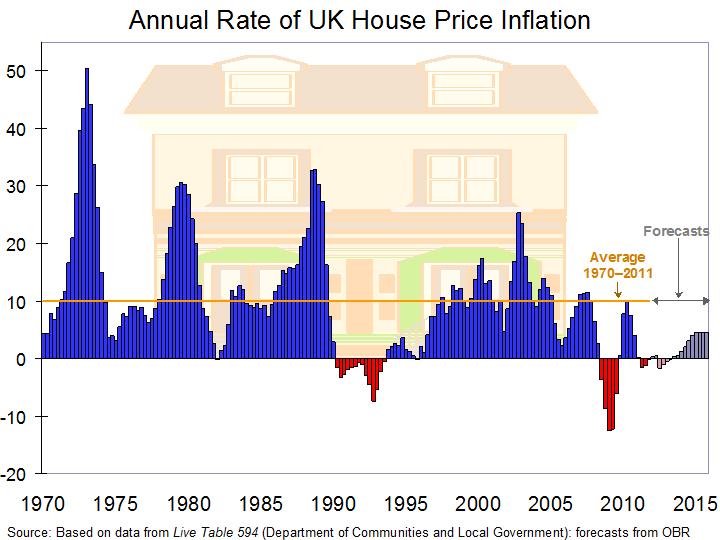 The housing market has long been seen as a crucial element in stimulating the British economy. For this reason various incentives had been introduced to encourage people to buy properties. (Click here for a PowerPoint of the chart.)
One such strategy was the stamp duty holiday. Stamp Duty Land Tax is paid by the purchaser of a property against a purchase price and the cost of it will rise through each price band. The stamp duty holiday meant that first-time buyers were free from the 1% stamp duty on homes that cost under £250,000. However, this holiday is due to end from March 2012, as according to the government, the holiday has been ineffective. Indeed, in the Autumn statement documents, the government said:
‘The government is publishing analysis showing that the stamp duty land tax relief for first-time buyers has been ineffective in increasing the number of first time buyers entering the market.’
The government has said that instead it will focus on other strategies that provide better value for money. Such schemes include a mortgage guarantee scheme and the FirstBuy scheme launched last year, both of which aim to help those struggling to finance the purchase of their first properties.
According to the Land Registry, property prices have fallen by over 1% over the past year, so fewer properties will face the stamp duty land tax, but this data does little to instill confidence in the housing market being the stimulus that the economy needs. By stimulating the housing market, construction jobs should be created and this in turn should create a much needed multiplier effect helping to boost other sectors within the economy. The following articles consider this latest development.
Stamp duty rush boosts January valuations Mortgage Strategy, Tessa Norman (11/2/12)
New deals for buyers as stamp duty holiday ends BBC News, Susannah Streeter (11/2/12)
Autumn Statement: Stamp duty concession to end BBC News (29/11/11)
First-time buyers boost mortgage market activity FT Adviser, Michael Trudeau (9/2/12)
When shared ownership turns sour Guardian, Rupert Jones (10/2/12)
Questions
- Why does the housing market play such a crucial role in the economy?
- What is the multiplier effect? How will new jobs in the construction industry help other sectors in the economy?
- Why has the stamp duty holiday been ‘ineffective’ in stimulating the housing market?
- How have the other schemes introduced by the government created incentives in the housing market?
- Why have January valuations improved? Use a demand and supply diagram to illustrate your explanation.
 Germany is the world’s fourth largest economy and Europe’s largest. Part of its strength has come from its exports, which last year increased by 11.4% to $1.3 trillion – the first time it had ever exceed the $1 trillion mark. Germany, however, is by no means the country with the largest export sector – that mantle was taken from them by China, whose exports rose 20.3% last year to reach $1.9 trillion.
At the same time as exports have been rising from Germany, imports have also increased, showing a recovery in domestic demand as well. Despite this, Germany’s foreign trade surplus increased slightly to €158.1 billion (from €154.9 billion).
However, in the last month of 2011, its export growth did slow – the fastest drop in nearly 3 years – and that is expected to signal the trend for 2012. As the eurozone debt crisis continues to cause problems, German exports have been forecast to grow by only 2% this year, with economic growth expected to be as low as 0.7%. This is a marked change from last year, where the Germany economy grew by some 3%. Help for the eurozone is unlikely to come form Europe’s second largest economy, France, where growth in the first 3 months of 2012 is expected to be zero and figures have shown a widening trade deficit, with issues of competitiveness at the forefront. The following articles look at Germany’s prowess in the export market and the likely developments over the coming year.
German exports drop is steepest in nearly 3 years Reuters (8/2/12)
German exports set record of a trillion euros in 2011 BBC News (8/2/12)
German exports broke euro1 trillion mark in 2011 The Associated Press (8/2/12)
Surprise drop in German industrial output Telegraph, Angela Monaghan (7/2/12)
French trade deficit hits high, competitiveness at issue Reuters (7/2/12)
French trade deficit casts shadow on campaign Financial Times, Hugh Carnegy (7/2/12)
German exports fall at fastest rate in three years, sparks fears over Europe’s bulwark economy Telegraph, Louise Armitstead (8/2/12)
Questions
- What is meant by a trade surplus?
- Briefly examine some of the factors that may have contributed to Germany’s rising exports throughout 2011.
- How has the eurozone debt crisis impacted the Germany economy and in particular the export sector?
- The articles that look at France refer to a growing trade deficit, with competitiveness being a key issue. What is meant by competitiveness and why is the French economy suffering from a lack of it?
- Does France’s membership of a single currency reduce its ability to tackle its competitiveness issues?
- Why is German growth expected to remain sluggish throughout 2012? Given that Germany is a member of the eurozone, what government policies are open to the government to boost economic growth?
- China has overtaken Germany as the largest exporter, with growth of 20.3% in 2011. What factors have allowed Chinese exports to grow so quickly?
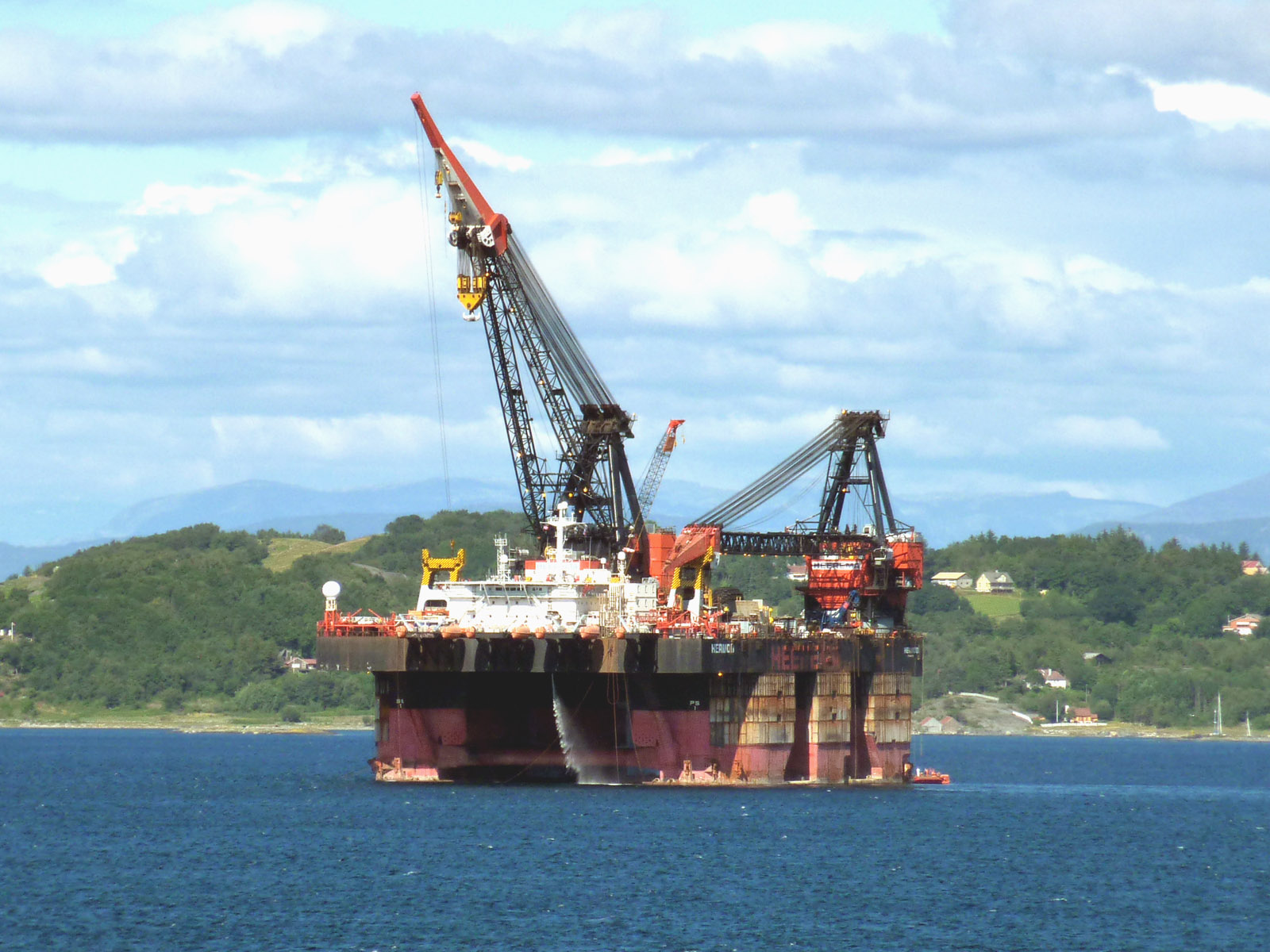 Petrol prices have been a bone of contention for some time. With household incomes remaining low and the cost of living rising, the fact that average petrol prices have reached their highest level of more than 1.37p per litre on average will undoubtedly put growing pressure on the approaching budget.