 First the IMF in its World Economic Outlook, then the European Commission in its Economic Forecasts (see also) and now the OECD in its Economic Outlook (see also) – all three organisations in the latest issues of their 6-monthly publications are predicting slower global economic growth than they did 6 months previously. This applies both to the current year and to 2016. The OECD’s forecast for global growth this year is now 2.9%, down from the 3.7% it was forecasting a year ago. Its latest growth forecast for 2016 is 3.3%, down from the 3.9% it was forecasting a year ago.
Various reasons are given for the gloomier outlook. These include: a dramatic slowdown in global trade growth; slowing economic growth in China and fears over structural weaknesses in China; falling commodity prices (linked to slowing demand but also as a result of increased supply); austerity policies as governments attempt to deal with the hangover of debt from the financial crisis of 2007/8; low investment leading to low rates of productivity growth despite technological progress; and general fears about low growth leading to low spending as people become more cautious about their future incomes.
 The slowdown in trade growth (forecast to be just 2% in 2015) is perhaps the most worrying for future global growth. As Angel Gurría, OECD Secretary-General, states in his remarks at the launch of the latest OECD Economic Outlook:
‘Global trade, which was already growing slowly over the past few years, appears to have stagnated and even declined since late 2014, with the weakness centering increasingly on emerging markets, particularly China. This is deeply concerning as robust trade and global growth go hand in hand. In 2015 global trade is expected to grow by a disappointing 2%. Over the past five decades there have been only five other years in which trade growth has been 2% or less, all of which coincided with a marked downturn of global growth.’
So what policies should governments pursue to stimulate economic growth? According to Angel Gurría:
‘Short-term demand needs to be supported and structural reforms to be pursued with greater ambition than is currently the case. Three specific actions are key:
|
|
| • |
First, we need to resist and turn back rising protectionism. Trade strengthens competition and investment and revs up the “diffusion machine” – the spread of new technologies throughout the economy – which will ultimately lift productivity. |
| • |
Second, we need to step up structural reform efforts, which have weakened in recent years. And here, I mean the whole range of structural reforms – education, innovation, competition, labour and product market regulation, R&D, taxes, etc. |
| • |
Third, there is scope to adjust public spending towards investment. If done collectively by all countries, if the sector and projects chosen have high multipliers, and if combined with serious structural reforms, stronger public investment can give a boost to growth and employment and not increase the relative debt burden.’ |
 On this third point, the OECD Economic Outlook argues that ‘the rationale for such investments is that they could help to push economies onto a higher growth path than might otherwise be the case, at a time when private investment growth remains modest.’
‘Collective action to increase public investment can be expected to boost the initial domestic multiplier effects from the stimulus, since private investment and exports in each economy will benefit from stronger demand in other economies. …the multiplier effects from an investment-led stimulus are likely to be a little larger than from other forms of fiscal stimulus, since the former also has small, but positive, supply-side effects.
In other words, the OECD is calling for a relaxation of austerity policies, with public investment being used to provide a stimulus to growth. The higher growth will then lead to increased potential output, as well as actual output, and an increase in tax revenues.
These policy recommendations are very much in line with those of the IMF.
Videos and Webcasts
 OECD warns of global trade slowdown, trims growth outlook again Reuters (9/11/15)
OECD returns to revisionism with growth downgrade Euronews, Robert Hackwill (9/11/15)
OECD: Weak China Import Growth Leads Trade Slowdown Bloomberg, Catherine L Mann, OECD Chief Economist (9/11/15)
OECD Economic Outlook: Moving forward in difficult times OECD PowerPoint presentation, Catherine L Mann, OECD Chief Economist (9/11/15)
Press Conference OECD, Angel Gurría and Álvaro Pereira (9/11/15)
Articles
OECD cuts world growth forecast Financial Times, Ferdinando Giugliano (9/11/15)
OECD rings alarm bell over threat of global growth recession thanks to China slowdown Independent, Ben Chu (10/11/15)
OECD cuts global growth forecasts amid ‘deep concern’ over slowdown BBC News (9/11/15)
OECD fears slowdown in global trade amid China woes The Guardian, Katie Allen (9/11/15)
The global economy is slowing down. But is it recession – or protectionism? The Observer, Heather Stewart and Fergus Ryan (14/11/15)
Global growth is struggling, but it is not all bad news The Telegraph, Andrew Sentance (13/11/15)
OECD Publications
Economic Outlook Annex Tables OCED (9/11/15)
Press Release: Emerging market slowdown and drop in trade clouding global outlook OCED (9/11/15)
Data handout for press OECD (9/11/15)
OECD Economic Outlook, Chapter 3: Lifting Investment for Higher Sustainable Growth OCED (9/11/15)
OECD Economic Outlook: Full Report OECD (9/11/15)
Questions
- Is a slowdown in international trade a cause of slower economic growth or simply an indicator of slower economic growth? Examine the causal connections between trade and growth.
- How worried should we be about disappointing growth in the global economy?
- What determines the size of the multiplier effects of an increase in public investment?
- Why are the multiplier effects of an increase in public-sector investment likely to be larger in the USA and Japan than in the UK, the eurozone and Canada?
- How can monetary policy be supportive of fiscal policy to stimulate economic growth?
- Under what circumstances would public-sector investment (a) stimulate and (b) crowd out private-sector investment?
- How would a Keynesian economist respond to the recommendations of the OECD?
- How would a neoclassical/neoliberal economist respond to the recommendations?
- Are the OECD’s recommendations in line with the Japanese government’s ‘three arrows‘?
- What structural reforms are recommended by the OECD? Are these ‘market orientated’ or ‘interventionist’ reforms, or both? Explain.
 The 2015 Rugby World Cup is now well under-way, with record crowds, surprising results and some heartbreak. But what about the economic impact of the Rugby World Cup? Big sporting events bring in spectators (estimated to be 466,000), athletes and crucially they all spend money. But what happens when the host country doesn’t make it through? Unfortunately for all England fans out there, this is a very relevant question.
Go to the area surrounding a stadium on the day of a rugby world cup match and you will barely find a pub with any room to move. Spending on drinks and food in local pubs and restaurants on match days is extremely high and many hotels are at breaking point with reservations. Predictions were that there would be an increase in direct expenditure by international visitors of £869 million. A report by Ernst and Young looked at the Economic Impact of the Rugby World Cup 2015 and it provides detailed analysis of how such sporting events can generate benefits to the host nation. The highlights are:
- £2.2 billion of output into the economy
- £982 million of value added to national GDP
- £85 million in infrastructure
- 41,000 jobs across the country
- £1 billion of added value
But, what happens when you take out the host team? Suddenly we see less interest in the daily matches and the feel good spirit takes a dive. Of course, the other home teams are still around and English fans are being encouraged to support them, but commentators suggested that this early exit will have a significant economic impact. Alex Edmans from the London Business School suggests that when a host nation exits a rugby sporting event at an early stage, the pessimism can wipe 0.15% of the stock market the following day. This translates to around £3 billion for the UK. He noted:
A defeat makes investors more negative about life in general. If England were to lose, they wouldn’t just be negative about the England rugby team but also about economic outcomes in general.
Advertising revenues may also be hit, with a significant impact on ITV, who are showing all matches. With England out, the value of advertising slots has fallen and the advertising impact on some of the key England sponsors, such as O2, may be significant. However, English ticket holders may use this as an opportunity to make money, selling on their tickets to fans of surviving teams! The following articles and report from Ernst and Young consider this latest major sporting event that has come to the UK.
Articles
The Economic Impact of Rugby World Cup 2015 Ernst and Young 2014
An England Rugby World Cup exit could have knock-on effect for our stock market The Guardian, Sean Farrell (1/10/15)
Brands cheer on Rugby World Cup in face of England’s exit Financial Times, Malcolm Moore (4/10/15)
Rugby World Cup 2015: Early England exit could cost country £3bn International Business Times, Alfred Joyner (6/10/15)
Rugby World Cup brands play down commercial losses of England’s ‘lacklustre’ exit The Drum, Seb Joseph (5/10/15)
Questions
- What is an Economic Impact Analysis?
- How would you estimate the size of the multiplier effect of a sporting event, such as the Rugby World Cup?
- Following England’s exit, what happened to the stock market?
- How will media companies be affected by the Rugby World Cup and by England’s exit?
- Why do emotions affect the stock market?
- Do you think England’s exit will lead to greater spending in other parts of the country, such as Scotland and Wales, as England fans defect?
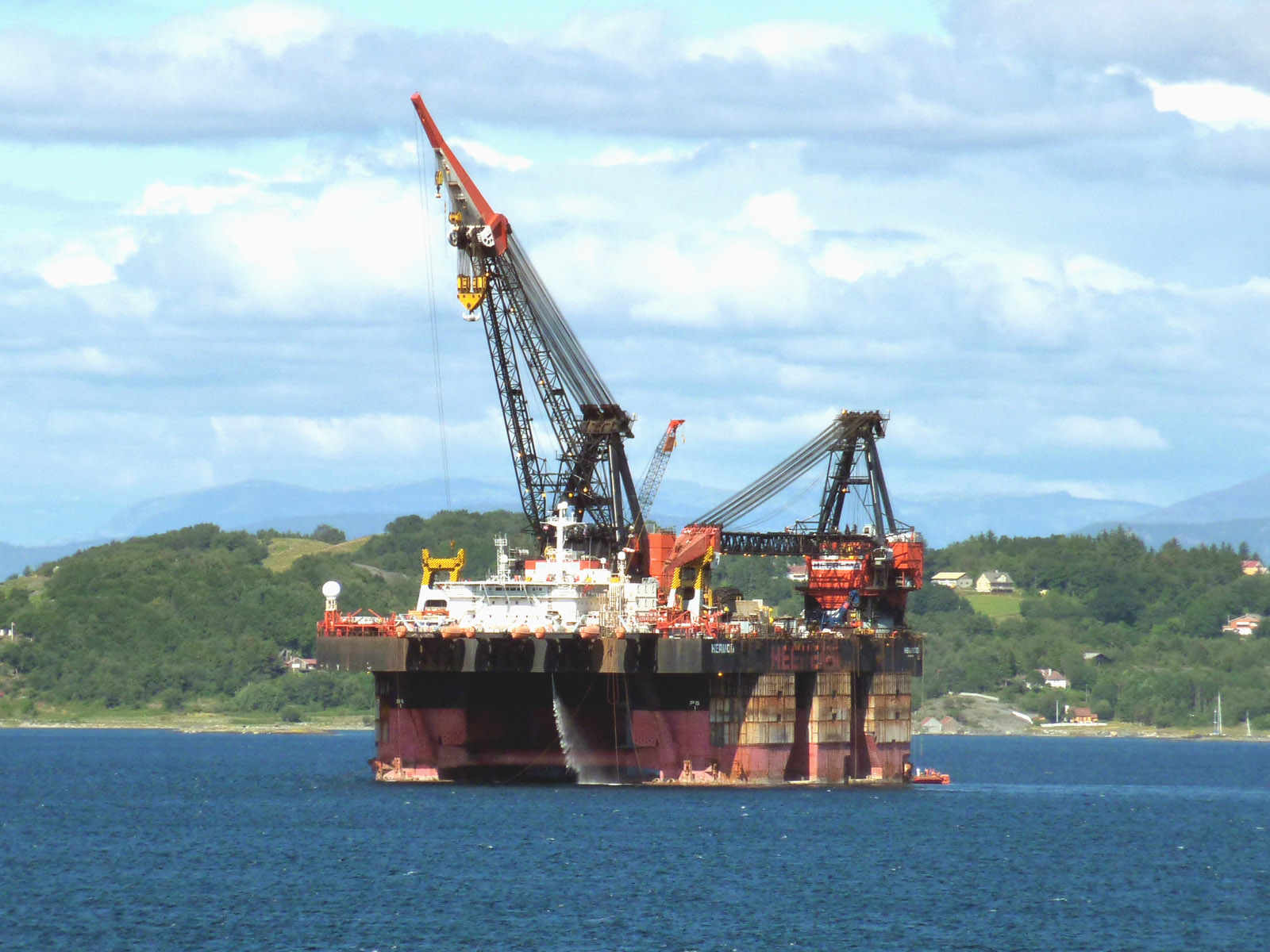
 As we saw in Part 1 of this blog, oil prices have fallen by some 46% in the past five months. In that blog we looked at the implications for fuel prices. Here we look at the broader implications for the global economy? Is it good or bad news – or both?
First we’ll look at the oil-importing countries. To some extent the lower oil price is a reflection of weak global demand as many countries still struggle to recover from recession. If the lower price boosts demand, this may then cause the oil price to rise again. At first sight, this might seem merely to return the world economy to the position before the oil price started falling: a leftward shift in the demand for oil curve, followed by a rightward shift back to where it was. However, the boost to demand in the short term may act as a ‘pump primer’. 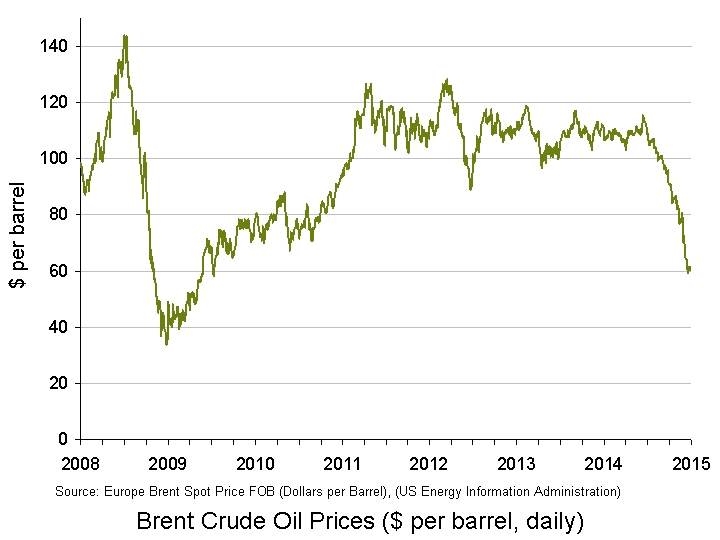 The higher aggregate demand may result in a multiplier effect and cause a sustained increase in output, especially if it stimulates a rise in investment through rising confidence and the accelerator, and thereby increases capacity and hence potential GDP.
But the fall in the oil price is only partly the result of weak demand. It is mainly the result of increased supply as new sources of oil come on stream, and especially shale oil from the USA. Given that OPEC has stated that it will not cut its production, even if the crude price falls to $40 per barrel, the effect has been a shift in the oil supply curve to the right that will remain for some time.
So even if the leftward shift in demand is soon reversed so that there is then some rise in oil prices again, it is unlikely that prices will rise back to where they were. Perhaps, as the diagram illustrates, the price will rise to around $70 per barrel. It could be higher if world demand grows very rapidly, or if some sources of supply go off stream because at such prices they are unprofitable.
The effect on oil exporting countries has been negative. The most extreme case is Russia, where for each $10 fall in the price of oil, its growth rate falls by around 1.4 percentage points (see). Although the overall effect on global growth is still likely to be positive, the lower oil price could lead to a significant cut in investment in new oil wells. North sea producers are predicting a substantial cut in investment. Even shale oil producers in the USA, where the marginal cost of extracting oil from existing sources is only around $10 to £20 per barrel, need a price of around $70 or more to make investment in new sources profitable. What is more, typical shale wells have a life of only two or three years and so lack of investment would relatively quickly lead to shale oil production drying up.
The implication of this is that although there has been a rightward shift in the short-run supply curve, if price remains low the curve could shift back again, meaning that the long-run supply curve is much more elastic. This could push prices back up towards $100 if global demand continues to expand.
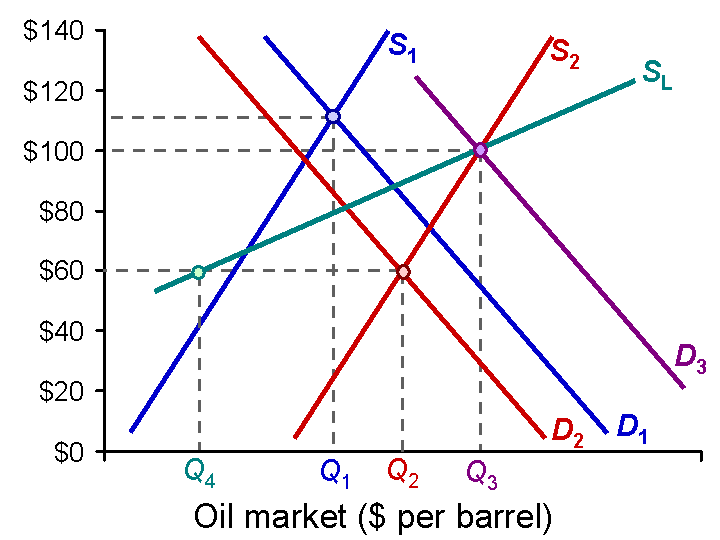 This can be illustrated in the diagram. The starting point is mid-2014. Global demand and supply are D1 and S1; price is $112 per barrel and output is Q1. Demand now shifts to the left and supply to the right to D2 and S2 respectively. Price falls to $60 per barrel and, given the bigger shift in supply than demand, output rises to Q2. At $60 per barrel, however, output of Q2 cannot be sustained. Thus at $60, long-run supply (shown by SL) is only Q4.
But assuming the global economy grows over the coming months, demand shifts to the right: say, to D3. Assume that it pushes price up to $100 per barrel. This gives a short-run output of Q3, but at that price it is likely that supply will be sustainable in the long run as it makes investment sufficiently profitable. Thus curve D3 intersects with both S2 and SL at this price and quantity.
The articles below look at the gainers and losers and at the longer-term effects.
Articles
Where will the oil price settle? BBC News, Robert Peston (22/12/14)
Falling oil prices: Who are the winners and losers? BBC News, Tim Bowler (16/12/14)
Why the oil price is falling The Economist (8/12/14)
The new economics of oil: Sheikhs v shale The Economist (6/12/14)
Shale oil: In a bind The Economist (6/12/14)
Falling Oil Price slows US Fracking Oil-price.net, Steve Austin (8/12/14)
Oil Price Drop Highlights Need for Diversity in Gulf Economies IMF Survey (23/12/14)
Lower oil prices boosting global economy: IMF Argus Media (23/12/14)
Collapse in oil prices: producers howl, consumers cheer, economists fret The Guardian (16/12/14)
North Sea oilfields ‘near collapse’ after price nosedive The Telegraph, Andrew Critchlow (18/12/14)
How oil price fall will affect crude exporters – and the rest of us The Observer, Phillip Inman (21/12/14)
Cheaper oil could damage renewable energies, says Richard Branson The Guardian,
Richard Branson: ‘Governments are going to have to think hard how to adapt to low oil prices.’ John Vidal (16/12/14)
Data
Brent crude prices U.S. Energy Information Administration (select daily, weekly, monthly or annual data and then download to Excel)
Brent Oil Historical Data Investing.com (select daily, weekly, or monthly data and time period)
Questions
- What would determine the size of the global multiplier effect from the cut in oil prices?
- Where is the oil price likely to settle in (a) six months’ time; (b) two years’ time? What factors are you taking into account in deciding your answer?
- Why, if the average cost of producing oil from a given well is $70, might it still be worth pumping oil and selling it at a price of $30?
- How does speculation affect oil prices?
- Why has OPEC decided not to cut oil production even though this is likely to drive the price lower?
- With Brent crude at around $60 per barrel, what should North Sea oil producers do?
- If falling oil prices lead some oil-importing countries into deflation, what will be the likely macroeconomic impacts?
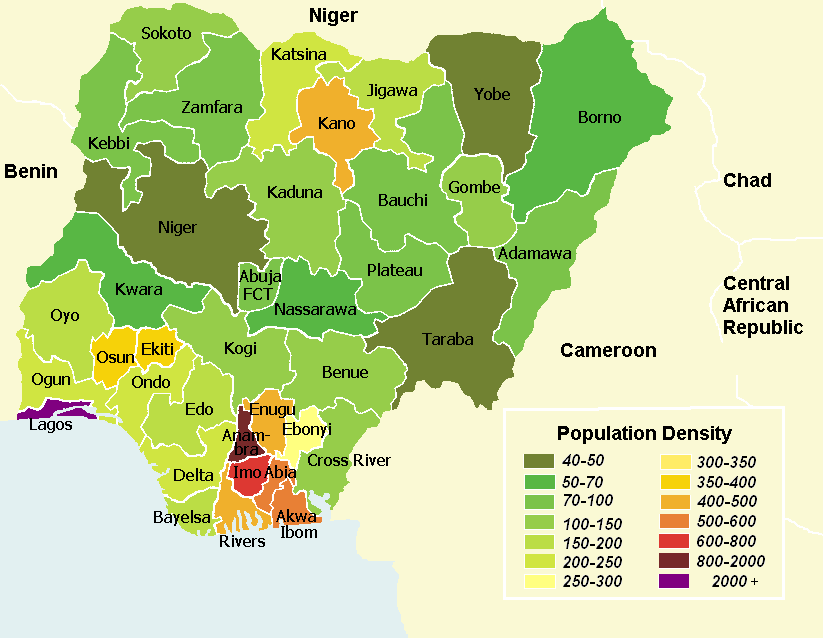
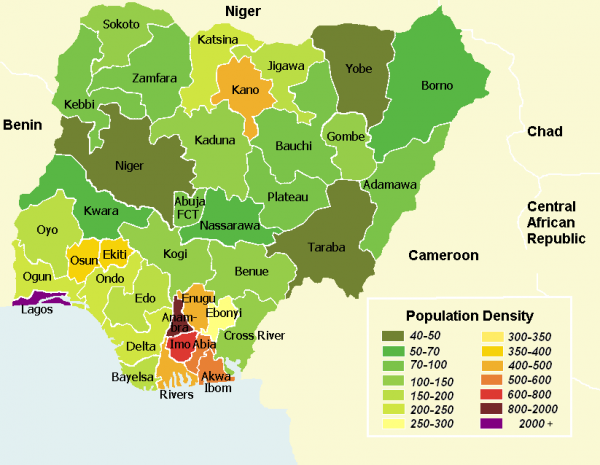 I found this interesting article on the BBC News website about three students in Nigeria who have created an online job search company. Only five years later, this company now is valued in the millions and employs over 100 people.
The article below contains some interesting insights into the Nigerian job market and the key to success for this company. In particular, they note the effect of the multiplier through job creation and how this has been used to benefit the wider economy. This is particularly pertinent given the severe unemployment problem that has affected this African economy. It has helped 35,000 people to find jobs in the past two years.
How three students created Nigeria’s online jobs giant BBC News, Jason Boswell (2/9/14)
Questions
- What are the main causes of the unemployment problem in Nigeria?
- The company itself employs hundreds of people, but indirect employment effects have also occurred. How has this happened?
- How important are entrepreneurs in African countries as a means of helping their development?
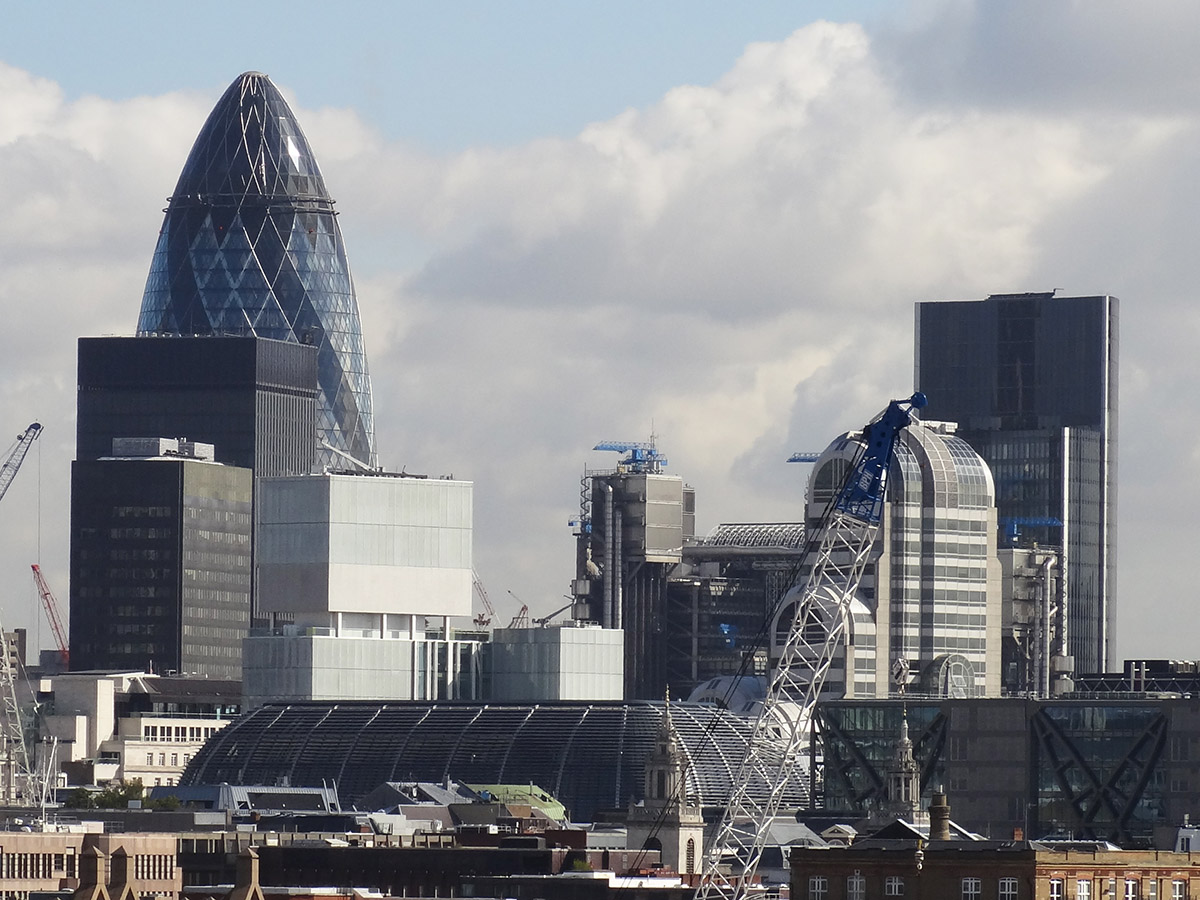
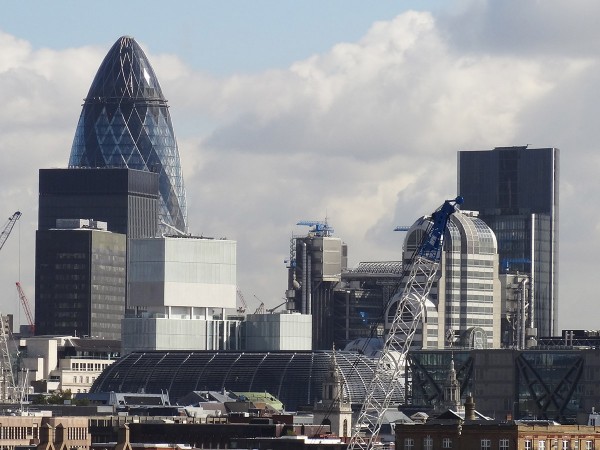 While much of the UK is struggling to recover from recession, the London economy is growing strongly. This is reflected in strong investment, a growth in jobs and rapidly rising house prices.
There are considerable external economies of scale for businesses locating in London. There is a pool of trained labour and complementary companies providing inputs and services are located in close proximity. Firms create positive externalities to the benefit of other firms in the same industry or allied industries.
London is a magnet for entrepreneurs and highly qualified people. Innovative ideas and business opportunities flow from both business dealings and social interactions. As Boris Johnson says in the podcast, “It’s like a cyclotron on bright people… People who meet each other and spark off each other, and that’s when you get the explosion of innovation.”
Then there is a regional multiplier effect. As the London economy grows, so people move to London, thereby increasing consumption and stimulating further production and further employment. Firms may choose to relocate to London to take advantage of its buoyant economy. There is also an accelerator effect as a booming London encourages increased investment in the capital, further stimulating economic growth.
But the movement of labour and capital to London can dampen recovery in other parts of the economy and create a growing divide between London and other parts of the UK, such as the north of England.
The podcast examines ‘agglomeration‘ in London and how company success breeds success of other companies. It also looks at some of the downsides.
Podcast
Boris Johnson: London is cyclotron on bright people BBC Today Programme, Evan Davis (3/3/14)
Articles
London will always win over the rest of the UK The Telegraph, Alwyn Turner (2/3/14)
Evan Davis’s Mind The Gap – the view from Manchester The Guardian, Helen Pidd (4/3/14)
London incubating a new economy London Evening Standard, Phil Cooper (Founder of Kippsy.com) (10/2/14)
Reports and data
London Analysis, Small and Large Firms in London, 2001 to 2012 ONS (8/8/13)
Regional Labour Market Statistics, February 2014 ONS (19/2/14)
London Indicators from Labour Market Statistics (11 Excel worksheets) ONS (19/2/14)
Annual Business Survey, 2011 Regional Results ONS (25/7/13)
Economies of agglomeration Wikipedia
Questions
- Distinguish between internal and external economies of scale.
- Why is London such an attractive location for companies?
- Are there any external diseconomies of scale from locating in London?
- In what ways does the expansion of London (a) help and (b) hinder growth in the rest of the UK?
- Examine the labour statistics (in the links above) for London and the rest of the UK and describe and explain the differences.
 First the IMF in its World Economic Outlook, then the European Commission in its Economic Forecasts (see also) and now the OECD in its Economic Outlook (see also) – all three organisations in the latest issues of their 6-monthly publications are predicting slower global economic growth than they did 6 months previously. This applies both to the current year and to 2016. The OECD’s forecast for global growth this year is now 2.9%, down from the 3.7% it was forecasting a year ago. Its latest growth forecast for 2016 is 3.3%, down from the 3.9% it was forecasting a year ago.
 On this third point, the OECD Economic Outlook argues that ‘the rationale for such investments is that they could help to push economies onto a higher growth path than might otherwise be the case, at a time when private investment growth remains modest.’