 In the UK, petrol prices have fallen significantly over the past couple of years and currently stand in some places at below £1 per litre. For UK residents, this price is seen as being cheap, but if we compare it to prices in Venezuela, we get quite a different picture. Prices are increasing here for the first time in 20 years from $0.01 per litre to $0.60 per litre – around 40 pence, while lower grade petrol increases to $0.10 per litre.
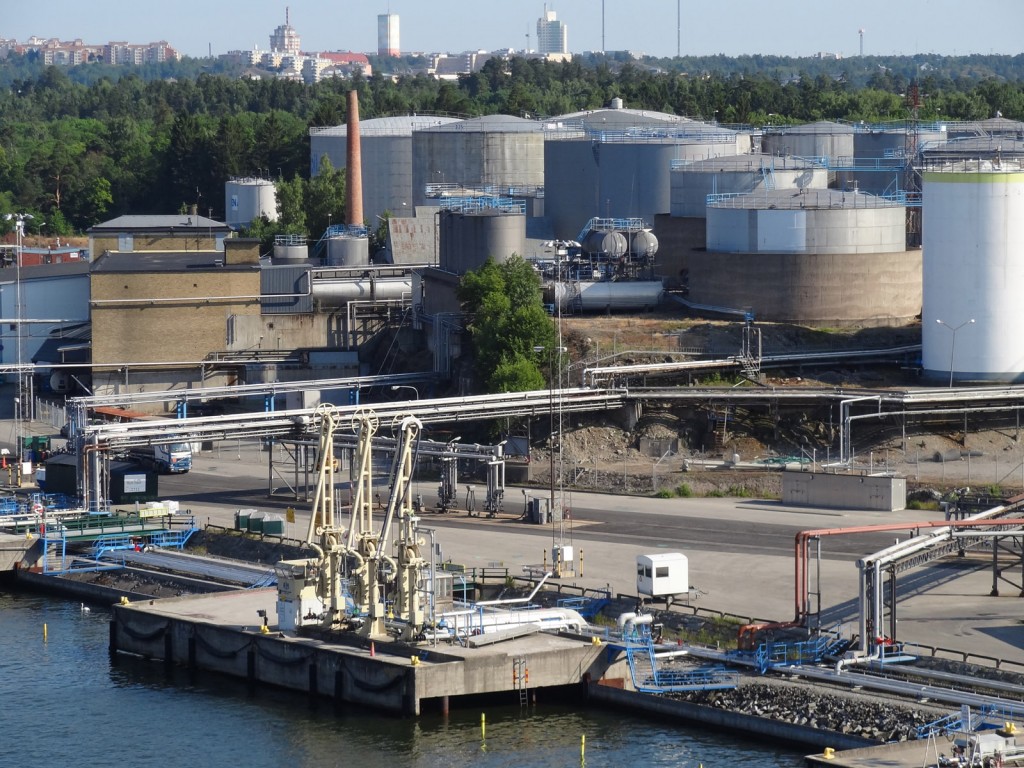
Venezuela has oil fields in abundance, but has not used this natural resource to its full potential to bolster the struggling economy. The price of petrol has been heavily subsidised for decades and the removal of this subsidy is expected to save around $800 million per year.
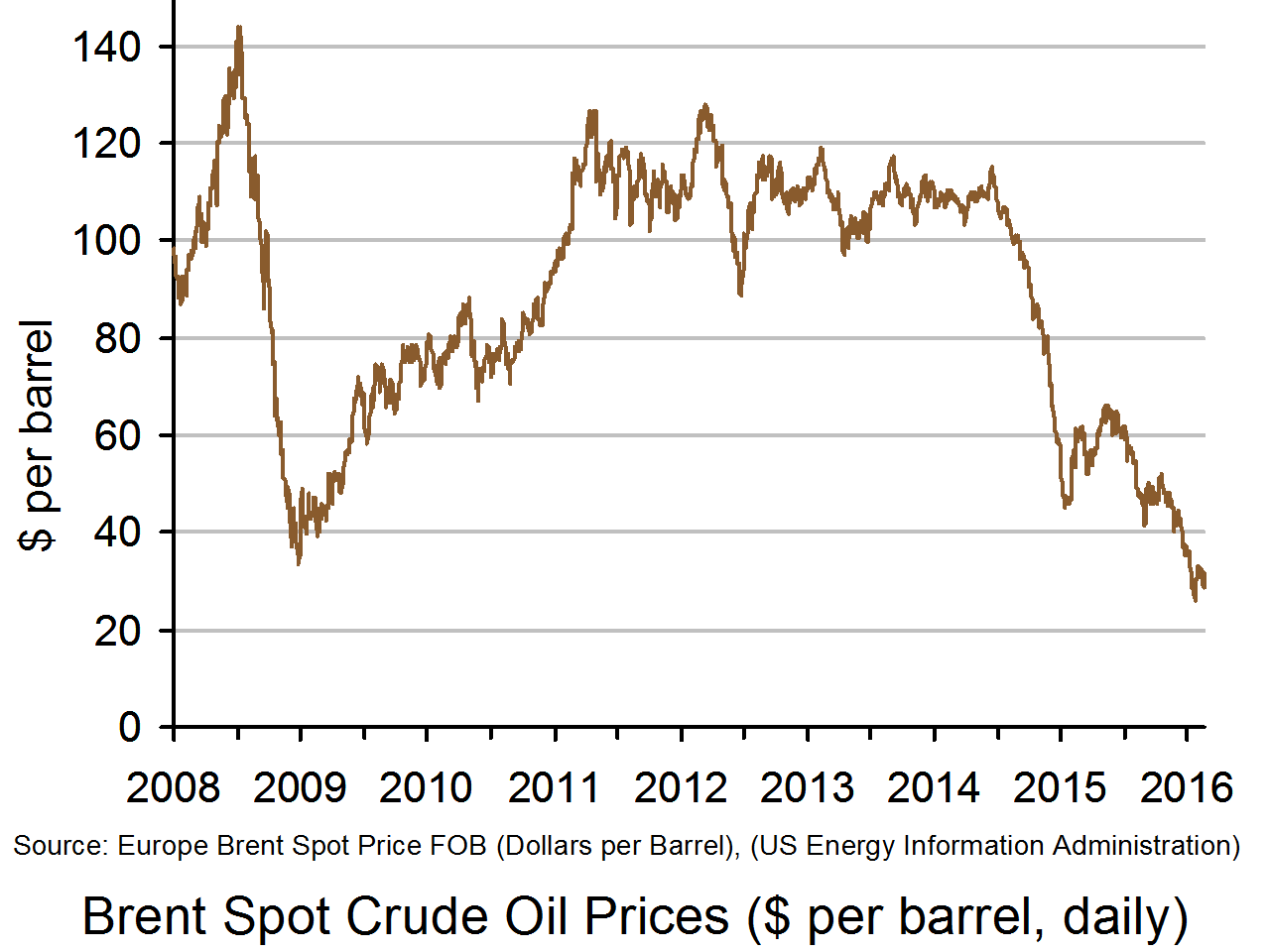 This will be important for the economy, given its poor economic growth, high inflation and shortages of some basic products. Venezuela relies on oil as the main component of its export revenues and so it has been hit very badly, by such low oil prices. The money from this reduced subsidy will be used to help social programmes across the country, which over time should help the economy.
In addition to this reduced subsidy on petrol prices, Venezuela’s President has also taken steps to devalue the exchange rate. This will help to boost the economy’s competitiveness and so is another policy being implemented to help the economy. However, some analysts have said that these changes don’t go far enough, calling them ‘small steps’, ‘nowhere near what is required’ and ‘late and insufficient’. The following articles consider the Venezuelan crisis and policies.
Venezuela raises petrol price for first time in 20 years BBC News (18/02/16)
Venezuela president raises fuel price by 6,000% and devalues bolivar to tackle crisis The Guardian, Sibylla Brodzinsky (18/02/16)
Venezuela’s Maduro devalues currency and raises gasoline prices Financial Times, Andres Schipani (18/02/16)
Venezuela hikes gasoline price for first time in 20 years The Economic Times (18/02/16)
Venezuela hikes fuel prices by 6000%, devalues currency to tackle economic crisis International Business Times, Avaneesh Pandey (18/02/16)
Market dislikes Venezuela reforms but debt rallies again Reuters (18/02/16)
Questions
- Why are oil prices so important for the Venezuelan economy?
- How will they affect the country’s export revenues and hence aggregate demand?
- Inflation in Venezuela has been very high recently. What is the cause of such high inflation? Illustrate this using an aggregate demand/aggregate supply diagram.
- How will a devaluation of the currency help Venezuela? How does this differ from a depreciation?
- Petrol prices have been subsidised in Venezuela for 20 years. Show how this government subsidy has affected petrol prices. Now that this subsidy is being reduced, how will this affect prices – show this on your diagram.
- Why are many analysts suggesting that these policies are insufficient to help the Venezuelan economy?
 The earnings gap between men and women is well-documented and depending on how we measure it, we get different figures. One of the most common measures is mean earnings per hour. The latest estimates suggest that women are paid around 20% less than men, though other data does give lower figures. Though actions have been taken to reduce the inequality between men and women, it still persists in many areas and this has led to plans for new league tables from Nicky Morgan.
The inequality gap has certainly come down. Back in 1970, the wage differential was around 37 per cent, so progress has been made, although the wage gap in the UK has stabilised somewhat. The gender wage gap is at least in part explained by occupations, as women have tended to be prevalent in some of the more poorly paid occupations. However, significant earnings differentials still exist within occupations. We see fewer women in the more senior positions; women tend to take career breaks and hence this can cause more investment into training and promoting men. Furthermore, we often simply see some form of prejudice or discrimination whereby women are just paid less than men, despite the Equal Pay Act.
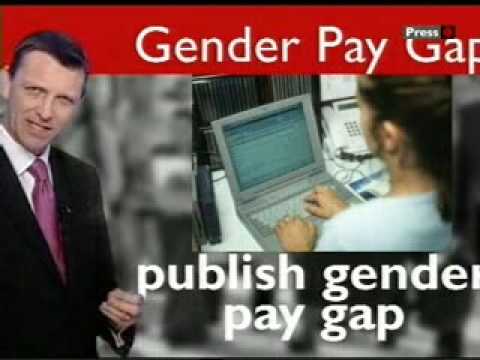
As a means of combatting this inequality, Nicky Morgan, the Women and Equalities Minister, has announced plans that will require private companies and voluntary organisations employing more than 250 workers to reveal their pay gap. They will have to produce this information online and this will a means to bring down the inequality that exists between men and women in the same occupations. The first League Table of this pay gap will be published in April 2018 so companies will have to begin compiling the information from April 2017. This has received criticism from some, as it is not starting soon enough, but it is seen as a step in the right direction.
Carolyn Fairbairn, CBI Director-General warned that these League Tables shouldn’t be used to name and shame firms, as many factors might explain wage differentials. She noted:
“Where reporting can be useful is as a prompt for companies to ask the right questions about how they can eradicate the gender pay gap … The government should consult closely with business to ensure that this new legislation helps close the gender pay gap, rather than ending up as a box-ticking exercise.”
Clearly there are some close links between the gender pay gap and concerns about poverty and minimum wages and although the League Tables perhaps should not be used to name and shame, one might think it is inevitable that this is how they will be viewed. The following articles consider Nicky Morgan’s inequality plans.
Reports
Gender Pay Gap European Commission
Annual Survey of Hours and Earnings, 2015 Provisional Results Office for National Statistics (November 2015)
Pay gap reporting Equal Pay Portal2016
Articles
Gender pay gap reporting for big firms to start in 2018 Guardian, Rowena Mason (12/02/16)
Gender pay gap to be revealed by employers to tackle inequality Financial Times, Sarah O’Connor (12/02/16)
Firms forced to reveal gender pay gap BBC News (12/02/16)
Gender pay gap League Tables to ‘name and shame’ companies Telegraph, Steven Swinford (12/02/16)
UK companies must reveal gender pay gap under new plans Independent, Oliver Wright (12/02/16)
Companies told to publish gender pay gap Sky News (12/102/16)
Gender pay gap: Business groups mixed on Nicky Morgan’s new name-and-shame plans International Business Times, Bauke Schram (12/02/16)
Now every firm with more than 250 staff must put gender pay gap data online in move to encourage companies to reward staff equally Mail Online, Jack Doyle and Rosie Taylor (12/02/16)
Questions
- Use a labour market diagram to explain how gender pay gaps can emerge based on different marginal products.
- How can gender pay gaps emerge because of women taking career breaks and being less geographically mobile?
- Use information on the ONS website to compare pay differentials across occupations. Are the biggest and smallest differentials where you would expect?
- There are numerous reasons why men have traditionally been paid more than women. Which reasons could be said to be irrational and which are rational?
- If employers were forced to give genuinely equal pay for equal work, how would this affect the employment of women and men? What would determine the magnitude of these effects?
- Do you think this naming and shaming will be effective in reducing the gender pay gap amongst the largest companies? Can you suggest any other policy options?
- If the Equal Pay Act is in place, why can companies still pay women less?
 There has been a link between Sainsbury’s and Argos, with Sainsbury’s offering Argos concessions in some stores. But now, we’re looking at a much more significant link, with Sainsbury’s offering £1.3 billion for control of Home Retail Group’s Argos.
Many have questioned the sense of this offer, wondering what Sainsbury’s will gain from purchasing Argos, but Sainsbury’s has indicated it will boost sales, give itself access to a more advanced delivery network and Argos customers. Argos has worked hard to update its image, moving towards a more technology based catalogue and promising same day delivery in a bid to compete with companies, such as Amazon.
 Online delivery is a costly business, with suggestions that retailers make losses on each delivery and hence pay customers to shop online. This move by Sainsbury’s may therefore be an investment in expanding its online delivery services and using the infrastructure that Argos already has. This will therefore help Sainsbury’s to invest in this sought after customer service, without having to invest millions into providing the infrastructure in the first place. This move may give Sainsbury’s a first mover advantage in the grocery sector, which may force other competitors to follow suit.
We could write for hours on the ins and outs of this potential deal and undoubtedly commentators will argue both for and against it. The following articles consider the good and bad sides and the future of grocery retailers in the UK.
Why does Sainsbury’s want to buy Argos? BBC News, Katie Hope (01/02/16)
Sainsbury’s agrees terms to buy Home Retail Group in £1.3bn deal The Guardian, Sean Farrell and Sarah Butler (02/02/16)
Sainsbury’s bets on Argos takeover for digital age Reuters, James Davey and Kate Holton (02/02/16)
Sainsbury’s returns with £1.3bn offer for Argos The Telegraph, Jon Yeomans and Ashley Armstrong (02/02/16)
Sainsbury’s could shut up to 200 Argos stores Sky News (12/01/16)
Sainsbury’s strikes deal to buy Home Retail Group Financial Times, Mark Vandevelde, Arash Massoudi and Josh Noble (02/02/16)
Questions
- What are the benefits to Sainsbury’s of taking over Argos?
- Why have many critics been surprised by this take-over?
- What is meant by a first mover advantage?
- Do you think that grocery retailers should diversify further or focus on their core business?
- Commentators suggest that delivery costs more to retailers than the price charged to consumers. Can you illustrate this using cost and revenue curves?
- Online delivery infrastructure is a big fixed cost for a firm. How will this change the shape of a firm’s cost curves and what impact will this have on profits following changes in market output?
- Do you think this take over will cause any concerns by competition authorities?
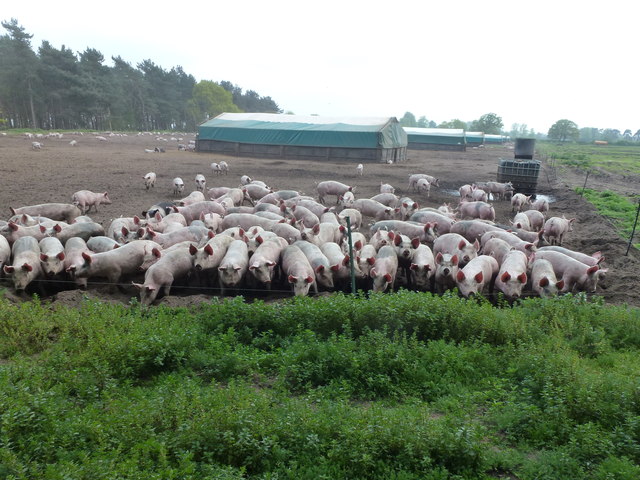 Pork – a favourite food of many Brits, whether it’s as a key ingredient of a roast dinner or a full English Breakfast! But, British pig farmers may be in for a tricky ride and we might be seeing foreign pork on our plates in the months to come. This is because of the falling price of pork, which may be driving local farmers out of the market.
As we know, market prices are determined by the interaction of demand and supply and as market conditions change, this will affect the price at which pork sells at. This in turn will have an impact on the incomes of farmers and hence on farmers’ ability to survive in the market. According to forecasts from Defra, specialist pig farms are expected to see a fall in income by 46%, from £49,400 to £26,500 in 2016. A key driver of this, is the decline in the price of pork, which have fallen by an average of £10 per pig. This loss in income has led to pig farmers facing the largest declines of any type of farm, even beating the declines of dairy farmers, which have been well-documented.
If we think about the forces of demand and supply and how these have led to such declines in prices, we can turn to a few key things. Following the troubles in Russia and the Ukraine and Western sanctions being imposed on Russia, a retaliation of sorts was Russia banning European food imports. This therefore reduced demand for British pork. Adding to this decline in demand, there were further factors pushing down demand, following suggestions about the adverse impact that bacon and ham have on health. If pig farmers in the UK continue with the number of pigs they have and bearing in mind they would have invested in their pig farms before such bans and warnings were issued, then we see supply being maintained, demand falling and prices being pushed downwards.
Zoe Davies, Chief Executive of the National Pig Association said:
“This year is going to be horrendous for the British pig industry … Trading has been tough for at least 18 months now and we are starting to see people leave. We’re already seeing people calling in saying they’ve decided to give up. All we can hope is that more people leave European pig farms before ours do.”
We can also look to other factors that have been driving pig farmers out of business, including a strong pound, the glut of supply in Europe and productivity in the UK. Lily Hiscock, a commentator in this market said:
“It is estimated that the average pig producer is now in a loss-making position after 18 months of positive margins … The key factors behind the fall in markets are the exchange rate, UK productivity and retail demand … Indeed, pigmeat seems to be losing out to cheaper poultry meat in consumers’ shopping baskets … The recent fall in prices may stimulate additional demand, and a strengthening economy could help, but at present these are hopes rather than expectations.”
The future of British pig farms is hanging in the balance. If the economy grows, then demand may rise, offsetting the fall in demand being driven by other factors. We will also see how the exit of pig farmers affects prices, as each pig farmer drops out of the market, supply is being cut and prices rise. Though this is not good news for the farmers who go out of business, it may be an example of survival of the fittest. The following articles consider the market for pork.
Podcast
 UK pork market, Poppers, Scrap Metal BBC Radio 4, You and Yours (28/01/16)
Articles
Drop in global pork prices to bottom out – at 10-year lows agrimoney.com (29/01/16)
UK pork crisis looms as pig farmers expect income to half in 2016 Independent, Zlata Rodionova (5/02/16)
British pig farmers et for horrendous year as pork prices fall Western Morning News (17/01/16)
Questions
- What are they demand-side and supply-side factors which have pushed down the price of pork?
- Illustrate these effects using a demand and supply diagram.
- Into which market structure, would you place the pork industry?
- Using a diagram showing costs and revenues, explain why pig farmers in the UK are being forced out of the market.
- How has the strength of the pound affected pork prices in the UK?
 Economics, but not as we know it. As the introduction to this programme on BBC radio 4 suggests, there has been criticism and concern about the way in which we think about economics. About, how it’s taught; the lessons we learn and whether we need to have a re-think. Tomas Sedlacek is a Czech economist and has a different way of thinking about this subject.
Humanomics is certainly a new way of thinking about economics and considering how it links and can be applied to a wide range of areas: the Bible; movies such as Fight Club and the Matrix. This 30 minute discussion between Evan Davies and Tomas Sedlacek provides some interesting insights and thoughts on some of the current challenges facing this subject and some novel insights into how we could change our thinking.
Tomas Sedlacek: The Economics of Good and Evil BBC Radio 4 (25/01/16)
Questions
- How do we define and measure value? Is this always possible? Can you think of some things where we cannot assign prices or numbers to values?
- How could economics be relevant Adam and Eve?
- Think about the marriage market. How would you apply the model of demand and supply to this most unusual of markets?
- What insights does Tomas Sedlacek provide about the ancient business cycle and this might affect our thinking about debt and assets?
- Do you think that refugees are of benefit to a country? If you don’t think they are of benefit, does this mean that countries should not accept them?
- If we did find out that corruption or crime and terrorism were of benefit to the GDP of a country, would you encourage it? Or would you place the morality issue above the actual figure of contribution?
 In the UK, petrol prices have fallen significantly over the past couple of years and currently stand in some places at below £1 per litre. For UK residents, this price is seen as being cheap, but if we compare it to prices in Venezuela, we get quite a different picture. Prices are increasing here for the first time in 20 years from $0.01 per litre to $0.60 per litre – around 40 pence, while lower grade petrol increases to $0.10 per litre.