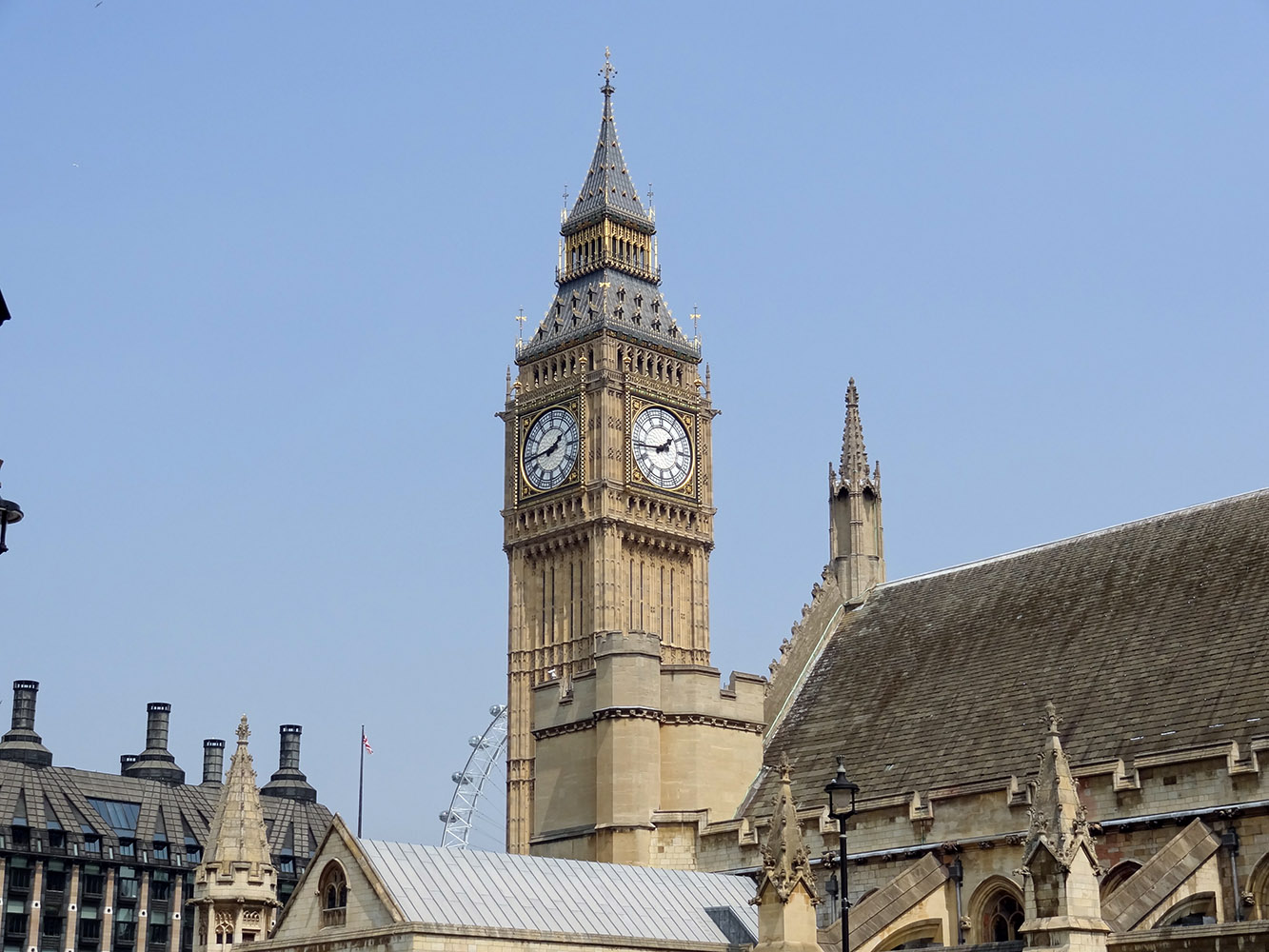
 EU environmental legislation is beginning to cause problems in the UK. As it prohibits coal-fired power plants from generating power, they will be forced to close. This means that the UK will be forced to rely more on imported energy, which could lead to price rises, as energy shortages emerge.
Ofgem, the energy regulator has said that the risk of a gas shortage is likely to be at its highest in about 3 years time, as the amount of spare capacity is expected to fall from its current 14% to just 4%. Energy shortages have been a concern for some time, but the report from Ofgem indicates that the predicted time frame for these energy shortages will now be sooner than expected. Ofgem has said that the probability of a black-out has increased from 1 in 3,300 years now to 1 in 12 years by 2015.
The government, however, has said that its Energy Bill soon to be published will set out plans that will secure power supply for the UK. Part of this will be through investment, leading to new methods of generating energy. The Chief Executive of Ofgem, Alistair Buchanan said:
‘The unprecedented challenges in facing Britain’s energy industry … to attract the investment to deliver secure, sustainable and affordable energy supplies for consumers, still remain.’
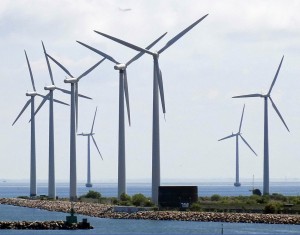 One particular area that will see growth is wind-farms: a controversial method of power supply, due to the eye-sore they present (to some eyes, at least) and the noise pollution they generate. But with spare capacity predicted to fall to 4%, they will be a much needed investment.
Perhaps of more concern for the everyday household will be the impact on energy prices. As we know, when anything is scarce, the price begins to rise. As energy shortages become more of a concern, the market mechanism will begin to push up prices. With other bills already at record highs and incomes remaining low, the average household is likely to feel the squeeze. The following articles and the Ofgem report considers this issue.
Report
Electricity Capacity Assessment Ofgem Report to Government, Ofgem (5/12/12)
Articles
Power shortage risks by 2015, Ofgem warns BBC News (5/10/12)
Britain faces risk of blackout The Telegraph (5/10/12)
Ofgem estimates tightening margins for electricity generation Reuters (5/10/12)
Electricity shortages are ‘risk’ by 2015 Sky News (5/10/12)
Future energy bills could give customers a nasty shock ITV News, Chris Choi (5/10/12)
Questions
- What is the role of Ofgem in the UK?
- Explain the way in which prices adjust as resources become more or less scarce. Use a demand and supply diagram to illustrate your answer.
- To what extent do you think the UK should be forced to close down its coal-fired plants, as a part of EU environmental legislation?
- Are there any market failures associated with the use of wind farms? Where possible, use a diagram to illustrate your answer.
- Explain why an energy shortage will lead to an increase in imports and how this in turn will affect energy prices.
- What are the government’s plans to secure energy provision in the UK? Do you think they are likely to be effective?
 Everyone who drives in the UK is required to take out car insurance. Whilst fully comprehensive is voluntary, it is compulsory to have at least third party insurance, which covers damage to other vehicles. Insurance premiums are calculated based on a number of different variables, such that two people driving the same car may face wildly different costs.
Although there are many insurance companies to choose from, this industry has been referred to the Competition Commission by the OFT as it was ‘worried the structure of the market was making costs and premiums unnecessarily high.’
According to Moneysupermarket, the average cost of car insurance reached a high of £554 in April 2011, but have fallen by £76 since. With tight incomes across the UK for many families, high car insurance premiums is another strain and thus this investigation will come at an apt time, even though the findings of the CC may not be reported for 2 years. The Association of British Insurers (ABI) said that the investigation would:
‘bring much-needed reforms to the market that will, in turn, result in lower car insurance premiums for consumers’.
 The problem seems to be that when an individual is involved in an accident and sends their car off for repairs, their insurance company doesn’t have much control over the bills they end up paying, which can be inflated by £155 each time. This therefore leads into higher costs for the insurance company, which are then passed on the driver in the form of an increased premium. Other concerns were that courtesy cars were being offered, at an estimated cost of £560 per vehicle (according to the OFT) and that drivers were using these cars for longer than necessary, once again causing costs to rise.
Altogether, it has been suggested that the actions of the insurance company of ‘not-at-fault’ drivers, car hire companies, repairers and brokers push up the prices for ‘at-fault’ drivers’ insurance companies. Given that any insurance company is just as likely to be the ‘at-fault’ insurance company, they all face rising costs.
 Back in May, the OFT had already decided that the car insurance market required a more detailed investigation, because of the ‘dysfunctionality’ of the market. Following a public consultation, the industry will now face an investigation by the CC. One additional area that may be of interest to the CC came to light last year, where it was found that insurance companies were claiming against themselves in a bid to drive up premiums. Although the investigation will take some time, it is still a timely review for many drivers, who have seen the cost of motoring reach record highs. The following articles consider the market for car insurance.
Articles
Car insurance market referred to Competition Commission BBC News (28/9/12)
No quick fix for motor insurance abuses, says watchdog Independent, Simon Read (29/9/12)
Car insurance industry faces probe The Press Association (28/9/12)
Competition Commission referral will take time to lower motor insurance premiums The Telegraph, Rosie Murray-West (28/9/12)
UK car insurance probe over-shadows Direct Line IPO Reuters, Matt Scuffham and Myles Neligan (28/9/12)
 Car insurance scrutinized over high premiums Sky News (28/9/12)
Rip-off motor insurance firms face competition watchdogs probe over £225million racket Mail Online, Ray Massey (28/9/12)
Questions
- Why are car insurance firms willing to take on other people’s risks?
- What conditions must exist in a market for private companies to provide acr insurance (or insurance of any kind)?
- Why is third-party insurance compulsory, whereas people can opt for fully comprehensive insurance?
- What powers does (a) the OFT and (b) the Competition Commission have? Is it likely that this report will have any impact on car insurance premiums?
- What allegations have been made that help to explain why insurance premiums I this industry have increased?
- Is there an argument for allowing the industry itself to provide its own regulation?
- In which market structure would you place the car insurance industry?
 The UK has always been an attractive place for investment, as foreign companies look to cities such as London for stable investment opportunities. This provides not only jobs and output, but also tax revenue for the government. However, one drawback is the lost tax revenue through tax avoidance schemes and big businesses say that if the UK is to remain competitive it needs to look at cutting taxes and bureaucracy.
In recent months, we have seen cases of individuals being prosecuted for tax evasion and more recently in the USA, Microsoft and Hewlett-Packard have been criticized by the Senate for allegedly moving an estimated £13bn to offshore accounts. (Microsoft and HP deny any wrong-doing). It is cases like this that provide an argument for governments to cut business rates and avoid losing business and jobs to other tax havens. Lord Fink, who is a Director of Firms located in a variety of tax havens said:
’I don’t see why the UK should not compete for jobs that at present are going to the Cayman Islands’
 Tax havens are obviously attractive to firms, as they provide a means of retaining more of a firm’s earnings and hence their profits. By offering a much lower rate of tax than countries such as the UK, they help to ease the tax burden on wealthy individuals and investors in hedge funds, along with many others.
The question is, do these lower tax rates discourage investment into the UK and thus would a relaxation of Revenue Customs’ rules mean an increase in inward investment and the other positive things that this would bring? Or would a decrease in tax rates for wealthy investors send the wrong message?
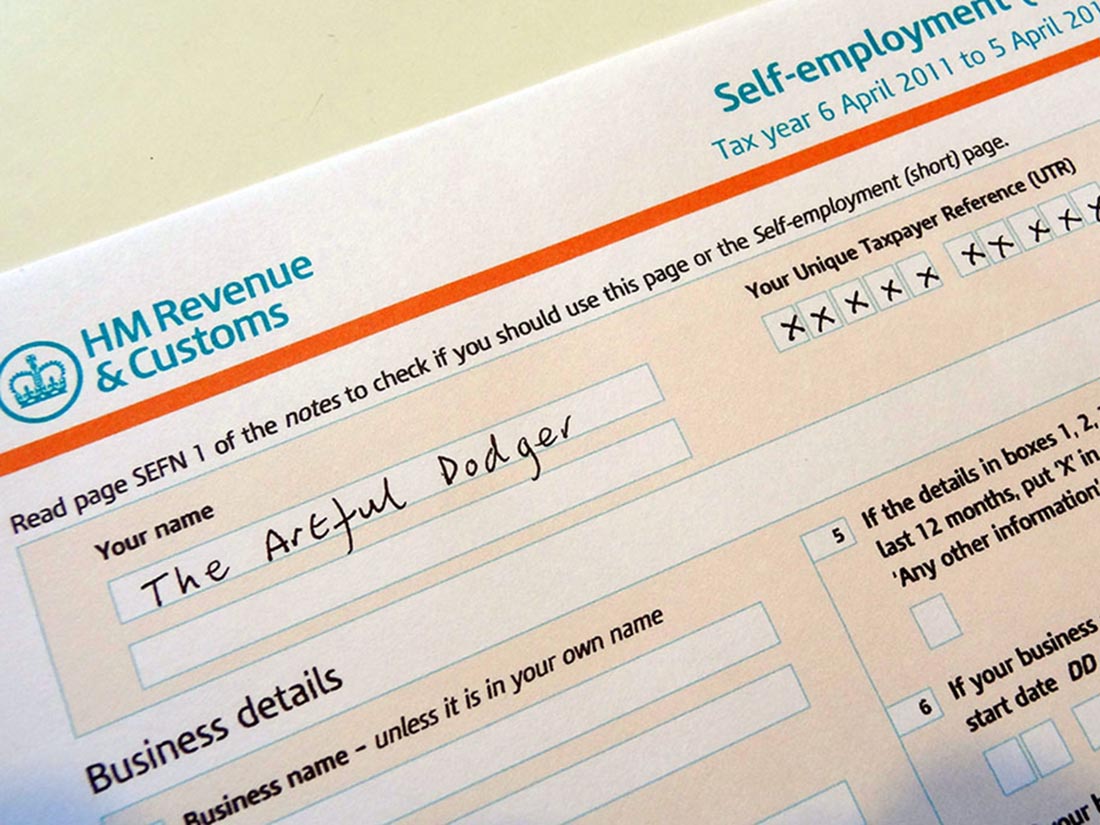 In a time of austerity, tax cuts for the rich are never going to be a popular policy – at least not amongst the ‘non-rich’ – in truth, the majority of the population. Furthermore, many simply see tax havens as morally wrong – or as George Osborne put it ‘morally repugnant’. The use of them provides the better off with a means of paying less to the taxman, whilst the worse off continue to pay their share.
The controversy surrounding tax havens is perhaps even more of an issue given the size of the public-sector deficit. With tax havens being used by those who should be paying the most, tax revenues are lower than would be the case without tax evasion and avoidance. Is this adding to the burden of basic rate tax payers?
This doesn’t help the gap between government expenditure and revenue, which has contributed to the largest amount of UK public-sector borrowing in August 2012 since records began. Net borrowing reached £14.4bn, as things like corporation tax receipts fell and benefit payments rose. Money that should go in to the government’s coffers is undoubtedly making its way into tax havens, but does that also mean that jobs are making their way out of the country? If tax rates in the UK were cut, cities such as London may become even more attractive places to invest, which could potentially create a much needed boost for the economy. But, at what cost? The following articles consider the controversy of tax havens.
Microsoft and HP rapped by US Senate over tax havens BBC News (20/9/12)
Morally repugnant tax avoiders can rest easy under David Cameron Guardian, Tanya Gold (21/9/12)
Britain could prevent the use of tax havens by ending ‘archaic’ business rules Telegraph, Rowena Mason (21/9/12)
UK public-sector borrowing hits record high of £14.4bn BBC News (21/9/12)
The top Tory who wants to make Britain a tax haven for millionaires Guardian, Martin Williams and Rajeev Syal (20/9/12)
Make UK a tax haven to attract investment from millionaires, urges Tory treasurer Mail Online, Daniel Martin (21/9/12)
Microsoft saved billions using Irish tax havens Irish Times, Genevieve Carbery (21/9/12)
Microsoft, HP skirted taxes via offshore units: U.S. Senate Panel Reuters, Kim Dixon (21/9/12)
Danny Alexander says tax avoidance ‘adds 2p in every £1 to basic tax rate’ Independent, Oliver Wright (24/6/12)
Questions
- What are the key features of tax havens?
- Briefly explain the arguments in favour of tax havens and those against. Think about them from all points of view.
- Explain the way in which a cut in UK tax rates could create jobs and how the multiplier effect may provide a boost for the UK economy.
- If tax rates were cut, how might this affect an individual’s decision to work? What about an individual’s decision to invest? Use indifference analysis to help explain your answer.
- How does tax avoidance and evasion affect public sector borrowing? Is there any way a cut in tax rates on foreign investment could improve the government’s finances?
- Do you think there is any truth in the argument that the UK is losing out to other countries because of its higher tax rates? Is a reduction in tax rates necessary to help us compete?
 In the blog A surprising rise we analysed the recent trends in the housing market. In August house prices increased the fastest since January 2010 and this left the average UK house price at just under £165,000.
Whilst this has still meant getting on the property ladder is only a dream for many, for those wishing to buy in London, they will, on average, need to find £368,000. London wages are significantly higher than in the rest of the country, so it is hardly surprising that average house prices are too.
However, an average London wage won’t get you close to the following property! With a reported asking price of £300m, it would be the highest priced house ever sold in London. Undoubtedly, you get a fair amount for your money, including 45 bedrooms and 60,000 square feet, but is this worth £300m? A property expert believes that it will be sold privately, not publicly, as it is such a rare property and that naturally, there will only be a few potential buyers!!
So, who are the likely buyers? You won’t be able to walk into a local estate agent and ask for a viewing. Only certain people with the funds to spare are being offered it. Many foreigners have been purchasing property in London, looking for a safe investment, with the trouble in Europe. This has led to London property prices rising very rapidly. But surely £300m is a little over the top! Assuming the asking price is paid, in order for a potential buyer to get any consumer surplus, he or she would have to value the property at significantly more than £300m – especially as stamp duty of approximately £21m would have to be paid.
The following few articles look at this record property price. (By the way, the house in the picture at the top of this blog is not the house that’s for sale: it’s a girls’ school in Tetbury. I don’t know how much it’s worth!)
London’s most expensive house yet, at £300m? BBC News, Ian Pollock (13/9/12)
London mansion on sale for record £300m Telegraph, Matthew Sparkes (13/9/12)
Money’s not too tight for buyer of £300m London mansion Guardian, Esther Addley and Yasmin Morgan-Griffiths (13/9/12)
Questions
- Why are property prices in London so much higher than in other parts of the UK?
- Why is this property being sold privately not publicly, when selling publicly typically gains a higher price?
- How would an individual place a value on this property?
- What is consumer surplus and how would an individual calculate it?
- Could this record price for the property have a positive or adverse effect on property prices in other parts of London?
- Why is mortgage rationing unlikely to be a concern for this property!
 Trade union action has been a feature of the British labour market over the past few years, as discussed in this first and second blog. With the government’s austerity measures still in place and ongoing issues over pension provision, there are many explosive issues that will undoubtedly be discussed at this year’s TUC Conference in Brighton.
We have already heard from numerous unions that strike action over the coming year is ‘inevitable’. With rising prices, static or even falling wages, reduced pension provision and increased contributions, the cost of living has become increasingly unaffordable for many members of the trade unions. Dave Prentis, the General Secretary of Unison said:
‘I think people have been pushed into a corner. They are moving into poverty … The threat is that if we can’t move forward in negotiations to find a way through it then we will move to industrial action. There is no doubt whatsoever that we can create disputes throughout next year.’
Although few would argue against the notion that the government’s finances are in a dire state and spending cuts together with tax rises are needed, the controversy seems to lie in exactly when these cuts should take place and how severe they should be. For many, cutting government spending and raising taxes whilst the economy is still in recession is asking for trouble. For others, it’s the right thing to do and everyone should play a part in helping to return government finances to a semblance of balance. The Labour government has traditionally supported trade unions, but even their leadership backed the government’s plan for pay restraint for public sector workers. This, together with the continuing debates over public sector pensions has clearly angered many public sector workers, thus creating this ‘inevitable’ industrial action over the coming year.
Unison and GMB have said that they will be working together in order to try to better pay and conditions for its members, by co-ordinating public-sector strikes around Spring next year. Co-ordinated strikes across a variety of sectors could create havoc for the economy. Not just disruption for the everyday person, but losses for businesses and the economy. A general strike has not taken place since 1926, but it is thought that TUC delegates will be voting on whether or not one should be planned. So, when faced with these inevitable strikes, should the government back down and cut back on austerity or stand up to them and suffer the disruption of a strike, whilst continuing on with bringing its budget back on track? The following articles look at the TUC Congress and the proposed strike action.
Public sector unions plan Spring strikes Guardian, Dan Milmo (9/9/12)
Trade union warns of further strikes Financial Times, Brian Groom (7/9/12)
Trade union officials gather for TUC Congress in Brighton BBC News, John Moylan (9/9/12)
Unite union leader warns of wave of public sector strikes Guardian, Dan Milmo (7/9/12)
Unison and GMB unions planning co-ordinated strikes over pay BBC News, Justin Parkinson (9/9/12)
TUC Conference 2012: a mixture of new and old Channel 4 News (9/9/12)
Government must stand up to these TUC bully tactics Express, Leo McKinstry (9/9/12)
Questions
- What is the purpose of a trade union?
- What is the difference between individual and collective bargaining? Why is collective bargaining likely to be more successful in achieving certain aims?
- If there is co-ordinated strike action, what are the likely costs for (a) the workers on strike (b) the non-striking workers (c) businesses and (d) the economy?
- What are the main issues being debated between unions and the government?
- Explain the economic reasoning behind Dave Prentis’ statement that people are being moved into poverty.
- Do you agree with strike action? Do you think it has any effect?
- When do you think is the right time to implement austerity measures? Has the government got it right? As always, make sure you explain your answer!!
 EU environmental legislation is beginning to cause problems in the UK. As it prohibits coal-fired power plants from generating power, they will be forced to close. This means that the UK will be forced to rely more on imported energy, which could lead to price rises, as energy shortages emerge.
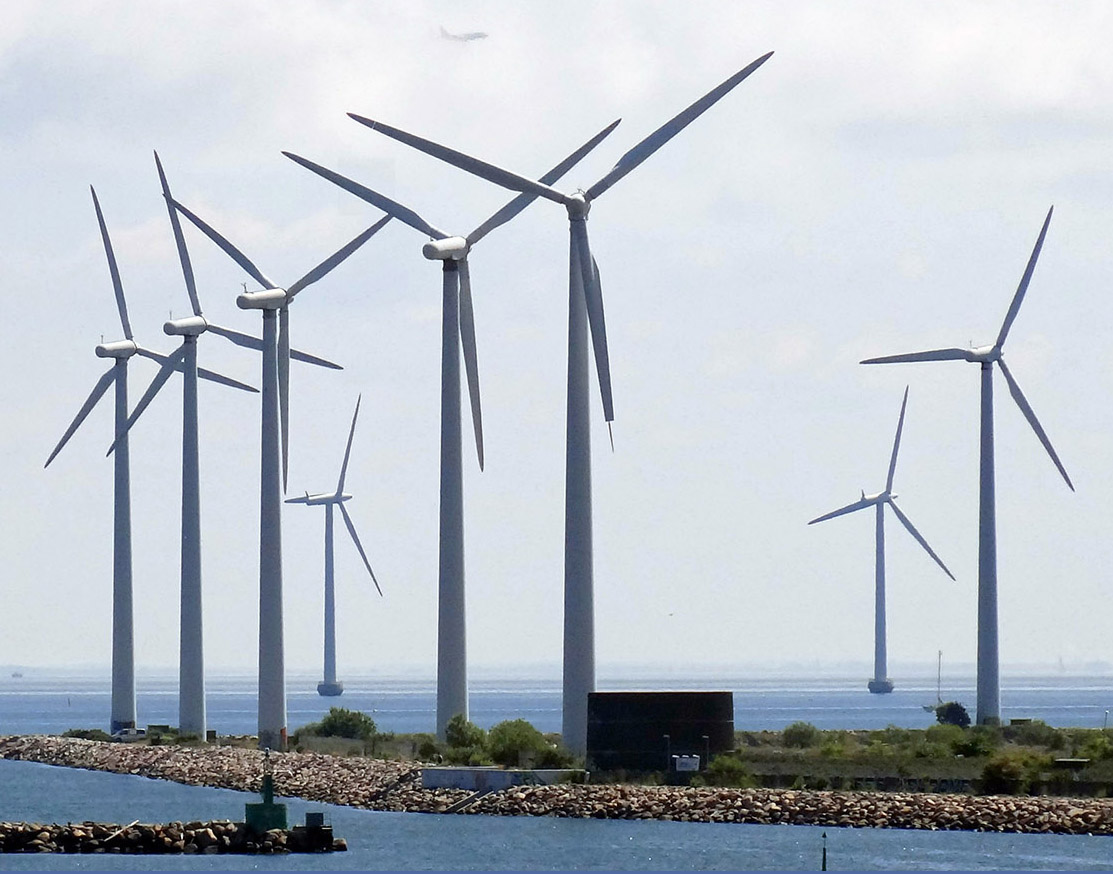 One particular area that will see growth is wind-farms: a controversial method of power supply, due to the eye-sore they present (to some eyes, at least) and the noise pollution they generate. But with spare capacity predicted to fall to 4%, they will be a much needed investment.