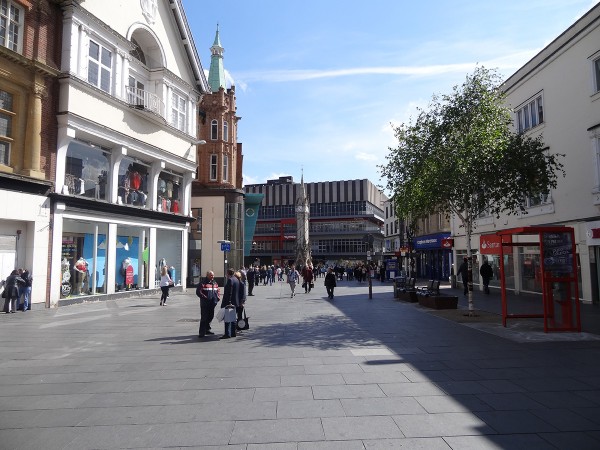
 New Look was founded in 1969 and is an iconic budget retailer found on most British high streets. In its history, it has been a family business; it has been listed on the London stock exchange; returned to a private company and then had the potential to be re-listed. Now, it is moving into South African ownership for £780 million.
90% of New Look will now be owned by Christo Wiese who controls Brait and who has been linked with other take-overs of British retailers in recent years. The remaining 10% will remain in the hands of the founding family. The company has been struggling for some time and in 2010 did have plans to relist the company on the London Stock Exchange. However, volatile market conditions meant that this never occurred and the two private equity firms, Apax and Permira, appeared very eager to sell. New Look’s Chairman, Paul Mason, said:
“This is an ideal outcome for New Look. The Brait team demonstrated to us that they have the long-term vision to help Anders and the team grow this brand.”
It is not yet clear what this move will mean for the retailer, New Look, but with an estimated £1 billion debt, it is expected that changes will have to be made. 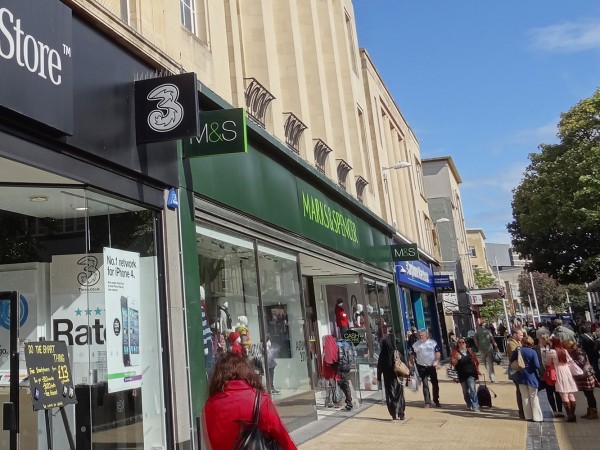 It is certainly an attractive investment opportunity and New Look does have a history of high rates of growth, despite its current debt. Furthermore, the debt levels are likely to have helped Mr. Wiese obtain a deal for New Look. Fashion retailing is a highly competitive market, but demand always appears to be growing. It is still relatively ‘new’ news, so we will have to wait to see what this means for the number of stores we see on the high streets and the number of jobs lost or created. The following articles consider this new New Look.
South African tycoon buys New Look fashion retailer BBC News (15/5/15)
South African tycoon enters UK retail fray with New Look purchase Financial Times, Andrea Felsted, Clare Barrett and Joseph Cotterill (15/5/15)
New Look snapped up by South African tycoon The Guardian, Sean Farrell (15/5/15)
New Look sold to South African billionaire for £780m The Telegraph, Elizabeth Anderson and Andrew Trotman (15/5/15)
Questions
- Why might a company become listed on the London stock exchange?
- How would volatile economic circumstances affect a company’s decision to become listed on the stock market?
- What do you think this purchase will mean for the number of New Look stores on British high streets? Do you think there will be job losses or jobs created by this purchase?
- How do you think the level of New Look’s debt affected Christo Wiese’s decision to purchase New Look?
- Which factors are likely to affect a firm’s decision to take-over or purchase another firm?
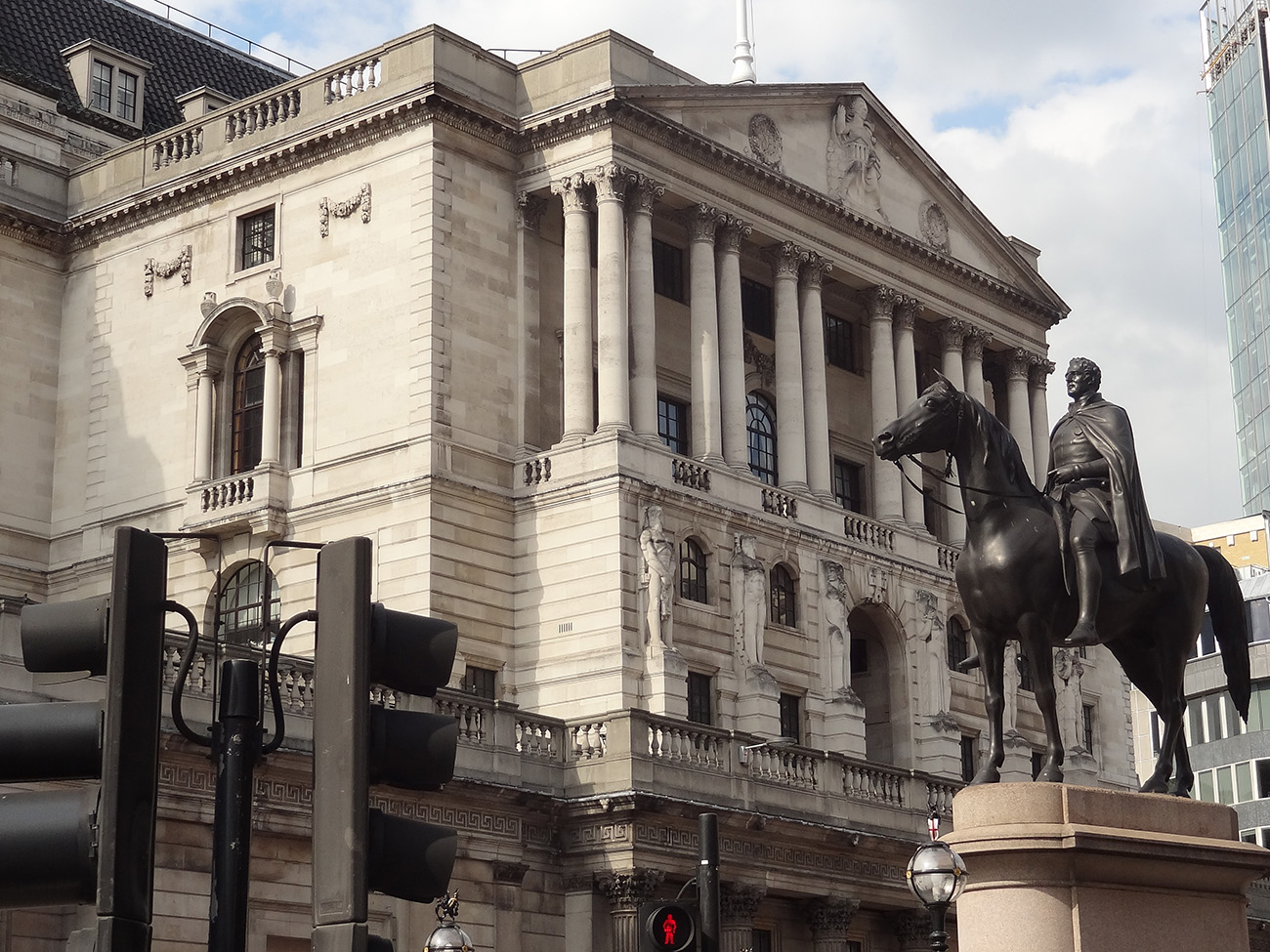
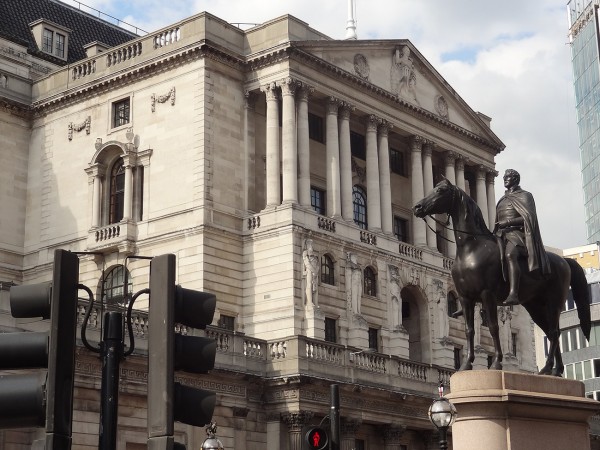 Interest rates are the main tool of monetary policy and crucially affect investment. There has been much discussion since the end of the financial crisis concerning when UK interest rates would eventually rise. Uncertainty over just when, and by how much, interest rates will rise affects business confidence and hence investment. Businesses therefore listen carefully to what the Bank of England says about future movements in Bank Rate. But Mark Carney has now spoken about another cause of uncertainty and its impct on investment. This is the uncertainty over the outcome of the referendum on whether the UK should leave the EU.
By 2017, the Prime Minister has promised a referendum on staying in the EU, but Mark Carney has urged for this to be held ‘as soon as possible’. Whether or not the UK remains in the EU will have a big effect on businesses and with the uncertainty surrounding the UK’s future, this may soon turn to a lack of investment.  As yet, businesses have not responded to this uncertainty, but the longer the delay for the referendum, the more inclined firms will be to postpone investment. As Mark Carney said:
“We talk to a lot of bosses and there has been an awareness of some of this political uncertainty – whether because of the election or because of the referendum … What they’ve been telling us, and we see it in the statistics, is they have not yet acted on that uncertainty – or to put it another way, they are continuing to invest, they are continuing to hire.”
Leaving the EU will have big effects on consumers and businesses, given that the EU is the UK’s largest market, trading partner and investor. With a referendum sooner rather than later, uncertainty will be more limited and any reaction by businesses will take place over a shorter time period. There are many other factors that affect business investment, some of which are related to the UK’s relationship with the EU and the following articles consider these issues.
EU referendum should be held ‘as soon as necessary’, says Mark Carney BBC News (14/5/15)
Business want an early EU referendum, Mark Carney indicates The Telegraph, Ben Riley-Smith (14/5/15)
EU poll should take place ‘as soon as necessary’, says Bank of England Chief The Guardian, Angela Monaghan (14/5/15)
Threat of business leaving the EU is fuelling business ‘uncertainty’, says Bank of England governor Mark Carney Mail Online, Matt Chorley (14/5/15)
Bank of England’s Mark Carney urges speedy EU referendum Financial Times, George Parker (14/5/15)
Questions
- Why is the EU important to the UK’s economic performance?
- If the UK were to leave the EU, what impact would this have on UK consumers?
- What would be the impact on UK firms if the UK were to leave the EU?
- Consider an AD/AS diagram and use this to explain the potential impact on the macroeconomic variables if the UK were to leave the EU.
- Why is uncertainty over the UK’s referendum likely to have an adverse effect on investment?
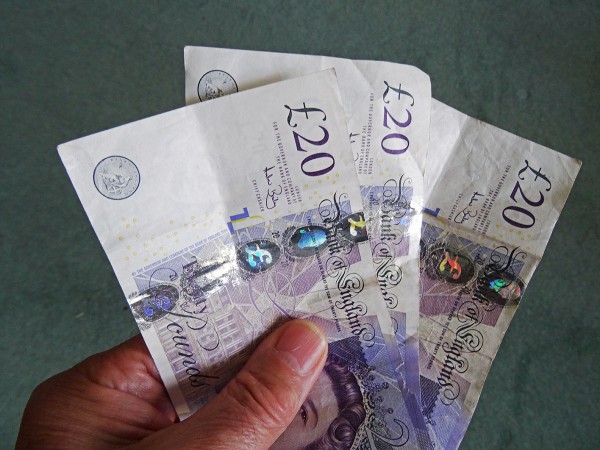 Insolvencies in England and Wales have fallen to their lowest level since 2005, official records show. The Insolvency Service indicates that bankruptcy, individual voluntary arrangements and debt relief orders have fallen, with the largest and worst form of bankruptcy falling by 22.5 per cent compared to the same period in 2014. There has also been a fall in corporate insolvencies back to pre-crisis levels.
The British economy is recovering and despite an increase in consumer borrowing of £1.2 billion from February to March, which is the biggest since the onset of the credit crunch, the number of people in financial difficulty and living beyond their means has fallen. However, there are also suggestions that the number could begin to creep up in the future and we are still seeing a divide between the north and south of England in terms of the number of insolvencies.
There are many factors that could explain such a decline in insolvencies. Perhaps it is the growth in wages, in part due the recovery of the economy, which has enabled more people to forgo borrowing or enabled them to repay any loan more comfortably. Lower inflation has helped to reduce the cost of living, thereby increasing the available income to repay any loans. Interest rates have also remained low, thus cutting the cost of borrowing and the repayments due.
But, another factor may simply be that lending is now more closely regulated. Prior to the financial crisis, huge amounts of money were being lent out, often to those who had no chance of making the repayments. More stringent affordability checks by lenders may have a large part to play in reducing the number of insolvencies. President of R3, the insolvency practitioner body, Phillip Sykes said:
“It may be too early to draw conclusions but demand could be falling as a result of low interest rates, low inflation and tighter regulation. This trend is worth watching.”
Mark Sands, from Baker Tilly added to this, noting that fewer people were now in financial difficulty.
“As well as this, we are seeing lower levels of personal debt and fewer people borrowing outside of their means due to more stringent affordability checks by creditors.”
Whatever the main reason behind the data, it is certainly a positive indicator, perhaps of economic recovery, or that at least some have learned the lessons of the financial crisis. The following articles consider this topic.
Personal insolvencies fall to 10-year low Financial Times, James Pickford (1/5/15)
Personal insolvencies at lowest level since 2005 BBC News (29/4/15)
Personal insolvencies drop to lowest level in a decade The Guardian, Press Association (29/4/15)
Corporate insolvencies at lowest level since 2007 The Telegraph, Elizabeth Anderson (30/4/15)
Interview: R3 President Phillip Sykes Accountancy Age, Richard Crump (1/5/15)
North-South gap widens in personal insolvencies Independent, Ben Chu (27/4/15)
Insolvency rates show ‘stark’ north-south divide Financial Times, James Pickford (27/4/15)
Questions
- What is meant by insolvency?
- There are many factors that might explain why the number of insolvencies has fallen. Explain the economic theory behind a lower inflation rate and why this might have contributed to fewer insolvencies.
- How might lower interest rates affect both the number of personal and corporate insolvencies?
- Why has there been a growth in the north-south divide in terms of the number of insolvencies?
- Do you think this data does suggest that lessons have been learned from the Credit Crunch?
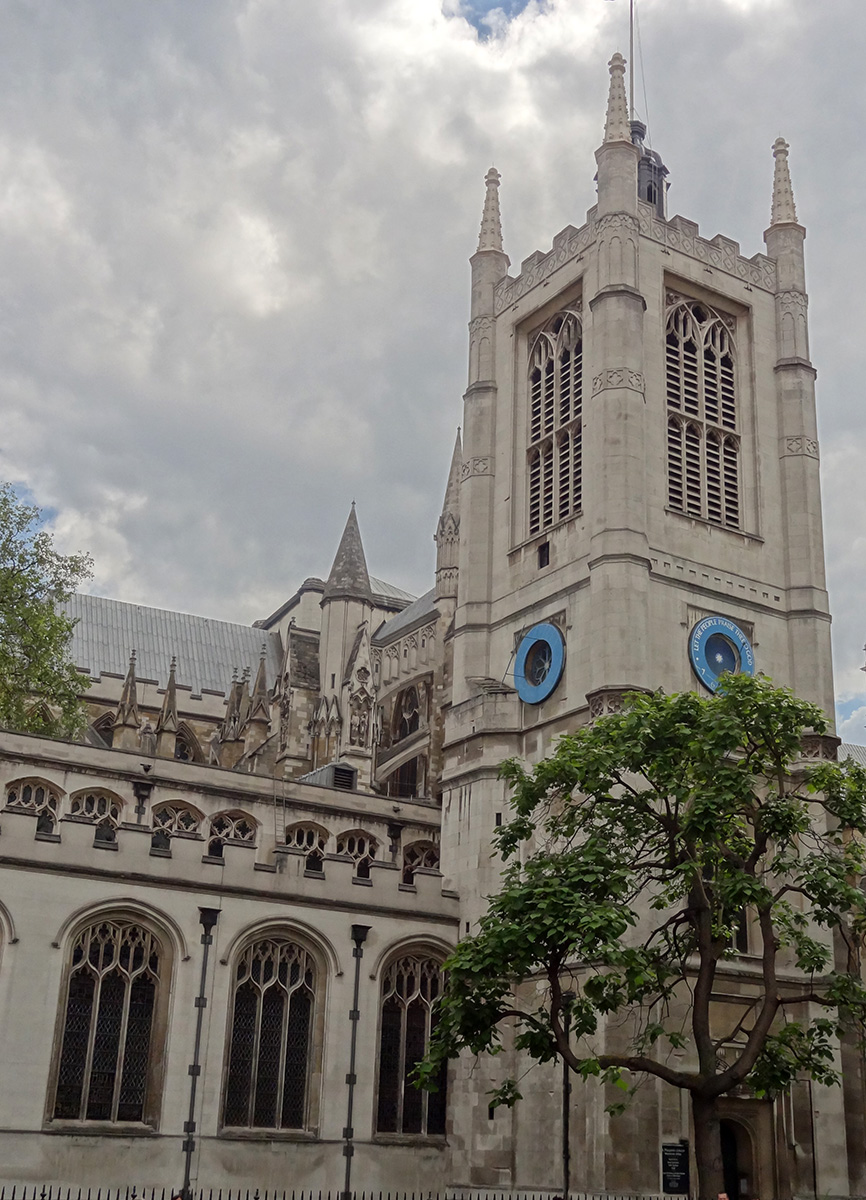
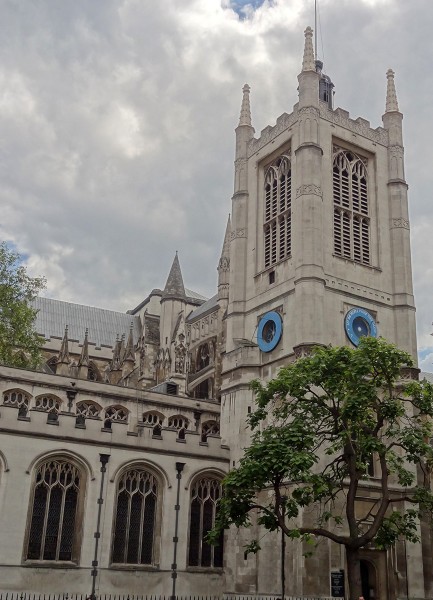 Climate change is a global issue and reports indicate that more and more people are concerned about buying environmentally friendly products. We have seen tighter emissions targets and companies across the word investing in new technologies to reduce their emissions. But what can the Church of England do?
The Church of England has numerous investments, which help generate its revenue. Some of these investments are in fossil fuel companies, which are extracting resources and polluting the environment. The Church’s new environmental policy will see it selling any of its investments in companies where more than 10% of its revenue is generated from extracting thermal coal or the production of oil from tar sands. Estimates suggest that this is a total of £12 million. The Deputy Chair of the Church’s Ethical Investment Advisory Group (EIAG) said:
“The Church has a moral responsibility to speak and act on both environmental stewardship and justice for the world’s poor who are most vulnerable to climate change … This responsibility encompasses not only the Church’s own work to reduce our own carbon footprint, but also how the Church’s money is invested and how we engage with companies on this vital issue.”
However, some have seen this as ‘trivial act’, suggesting it will have limited effect on the environment and have criticised some for suggesting that the biggest moral issue facing the world is climate change. But, with more companies recognising their ‘moral responsibility’, perhaps this decision by the Church of England is unsurprising. The following articles consider this topic.
Church of England divests from coal, tar sands as adopts new climate change policy Reuters (30/4/15)
Church of England wields its influence in fight against climate change The Guardian, Damian Carrington (1/5/15)
Church of England Bishop provokes anger by saying the biggest moral issue affecting the world is … CLIMATE CHANGE Mail Online, Steve Doughty (2/5/15)
Church of England to sell fossil fuel investments BBC News (1/5/15)
Church of England blacklists coal and tar sands investments Financial Times, Pilita Clark (30/4/15)
Church of England ends investments in heavily polluting fossil fuels The Guardian, Adam Vaughan (30/4/15)
Church of England pulls out of fossil fuels, but where does it invest its cash? Independent, Hazel Shefield (1/5/15)
Questions
- Why is climate change a global issue?
- How might the Church of England’s decision affect environmental policy in fossil fuel companies?
- What other action has the Church of England taken to tackle climate change?
- The Church and the articles suggest that the poor are the most vulnerable to climate change. Why is this?
- Do you think the Church of England will lose money by divesting itself of some of these investments?
- If the Church of England now has more money to invest, which factors might influence its decision as to where it should invest?
- Where does the Church of England get its money from? What does it spend it on?
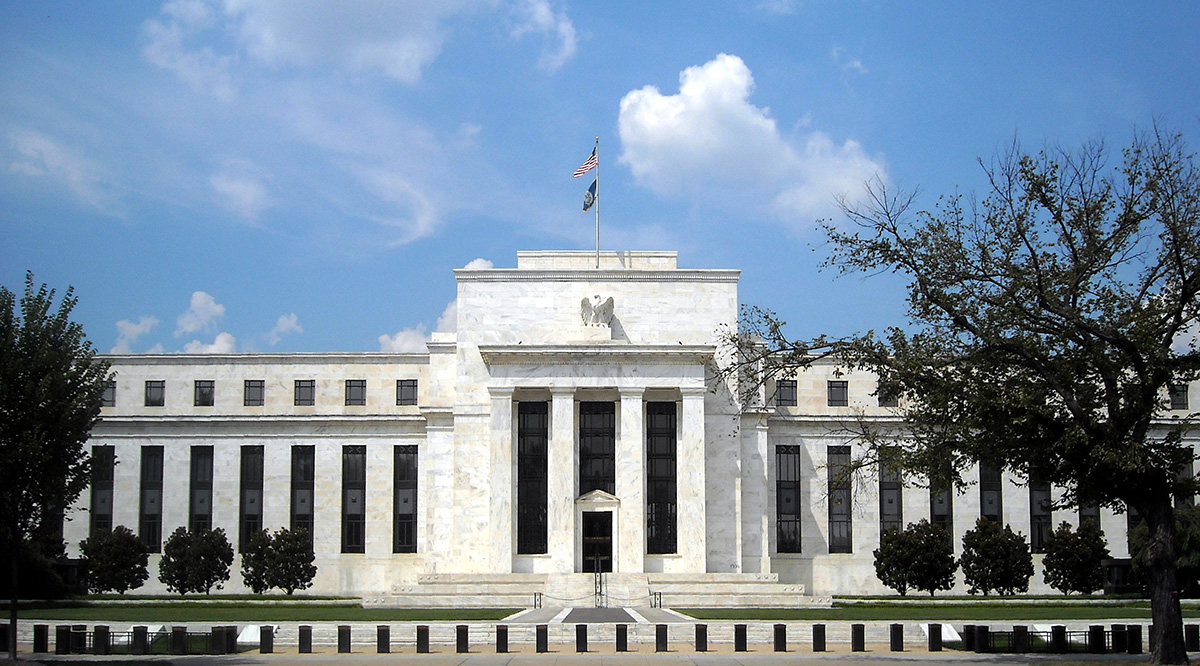
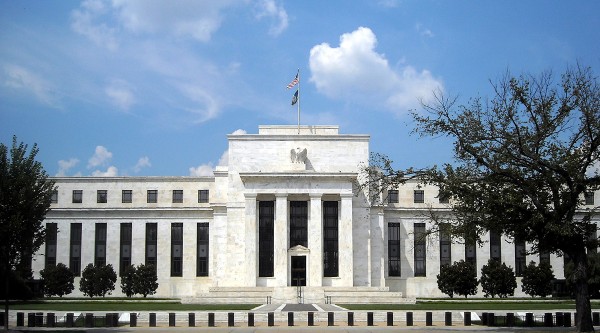 The US economy has been performing relatively well, but as with the UK economy, growth in the first quarter of 2015 has slowed. In the US, it has slowed to 0.2%, which is below expectations and said to be due to ‘transitory factors’. In response, the Federal Reserve has kept interest rates at a record low, within the band 0.0% to 0.25%.
The USA appears relatively unconcerned about the slower growth it is experiencing and expects growth to recover in the next quarter. The Fed said:
“Growth in household spending declined; households’ real incomes rose strongly, partly reflecting earlier declines in energy prices, and consumer sentiment remains high. Business fixed investment softened, the recovery in the housing sector remained slow, and exports declined.”
Nothing has been said as to when interest rates may rise and with this unexpected slowing of the economy, further delays are likely. An investment Manager from Aberdeen Asset Management said:
“The removal of the Fed’s time dependent forward guidance could be significant. It means that any meeting from now on could be the one when they announce that magic first rate rise.”
Low rates will provide optimal conditions for stimulating growth. A key instrument of monetary policy, interest rates affect many of the components of aggregate demand. 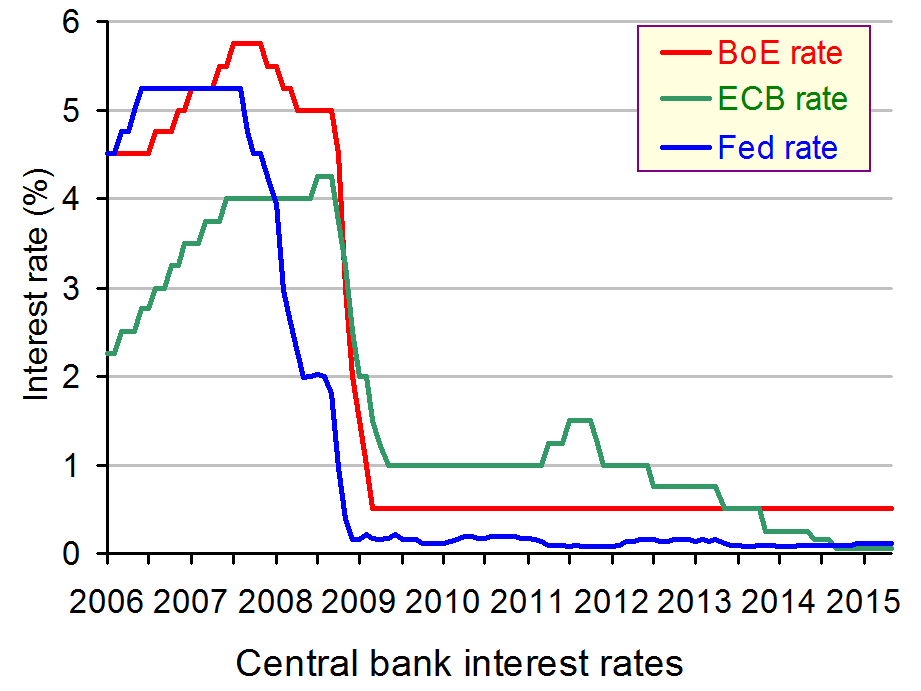 Lower interest rates reduce the cost of borrowing, reduce the return on savings and hence encourage consumption. They can also reduce mortgage repayments and have a role in reducing the exchange rate. All of these factors are crucial for any economic stimulus.
Analysts are not expecting rates to rise in the June meeting and so attention has now turned to September as the likely time when interest rates will increase and finally reward savers. Any earlier increase in rates could spell trouble for economic growth and similar arguments can be made in the UK and across the eurozone. The following articles consider the US economy.
Federal Reserve keeps interest rates at record low BBC News, Kim Gittleson (29/4/15)
Shock stalling of US economy hits chances of early Fed rate rise The Guardian, Larry Elliott (29/4/15)
US Fed leave interest rates unchanged after poor GDP figures Independent, Andrew Dewson (30/4/15)
Fed could give clues on first interest rate hike USA Today, Paul Davidson (28/4/15)
Fed’s downgrade of economic outlook signals longer rate hike wait Reuters, Michael Flaherty and Howard Schneider (29/4/15)
Five things that stopped the Fed raising rates The Telegraph, Peter Spence (29/4/15)
Questions
- By outlining the key components of aggregate demand, explain the mechanisms by which interest rates will affect each component.
- How can inflation rates be affected by interest rates?
- Why could it be helpful for the Fed not to provide any forward guidance?
- What are the key factors behind the slowdown of growth in the USA? Do you agree that they are transitory factors?
- Who would be helped and harmed by a rate rise?
- Consider the main macroeconomic objectives and in each case, with respect to the current situation in the USA, explain whether economic theory would suggest that interest rates should (a) fall , (b) remain as they are, or (c) rise.
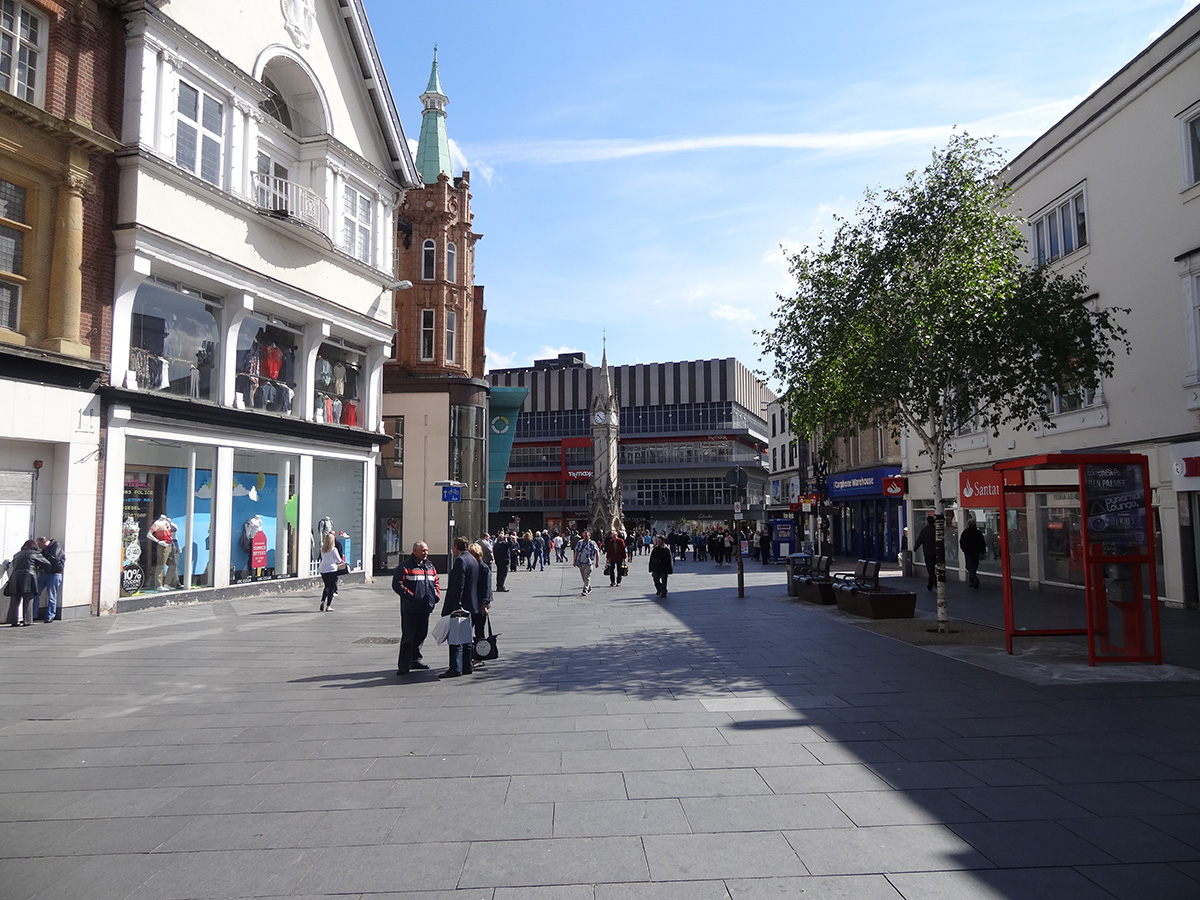 New Look was founded in 1969 and is an iconic budget retailer found on most British high streets. In its history, it has been a family business; it has been listed on the London stock exchange; returned to a private company and then had the potential to be re-listed. Now, it is moving into South African ownership for £780 million.
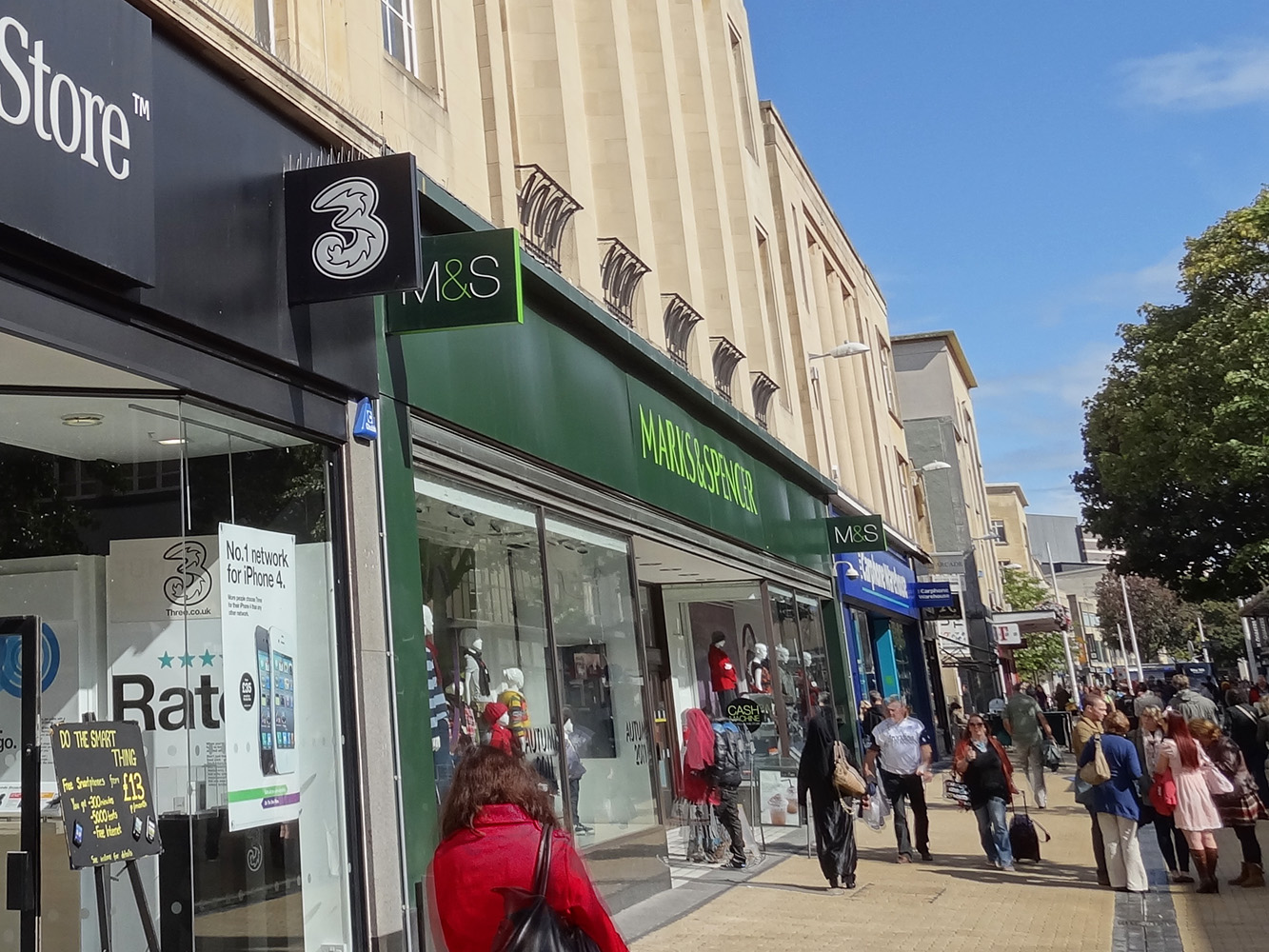 It is certainly an attractive investment opportunity and New Look does have a history of high rates of growth, despite its current debt. Furthermore, the debt levels are likely to have helped Mr. Wiese obtain a deal for New Look. Fashion retailing is a highly competitive market, but demand always appears to be growing. It is still relatively ‘new’ news, so we will have to wait to see what this means for the number of stores we see on the high streets and the number of jobs lost or created. The following articles consider this new New Look.