
Aggregate demand has been booming as the world bounces back from the pandemic. At the same time, aggregate supply is severely constrained. These supply constraints are making potential national income smaller – at least temporarily. The result is that many countries are heading for recession.
At the same time, supply constraints are causing prices to rise, especially energy and food prices. This cost-push inflation is made worse by the rises in aggregate demand.
The result is ‘stagflation’ – a recession, or stagnation, accompanied by high inflation. In the UK, the latest Bank of England Monetary Policy Report forecast that by the end of 2022, CPI inflation would be 13.1% and that in 2023, real GDP would fall by 1.5%.
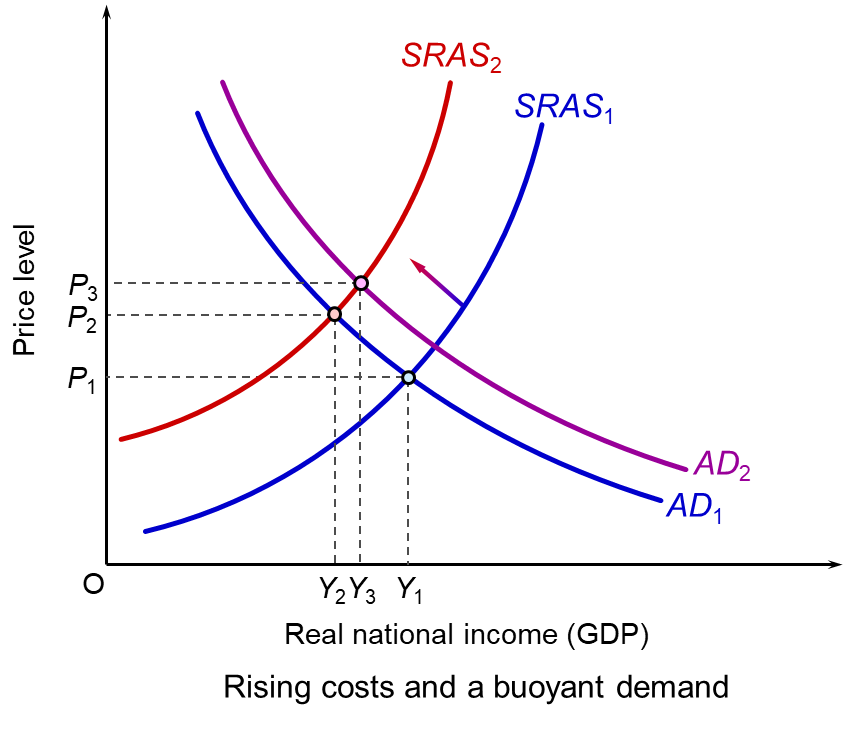 This effect of an adverse supply shock accompanied by relatively buoyant aggregate demand (at least initially) can be illustrated with an aggregate demand and supply diagram. The supply shock is illustrated by an upward shift to the left of the short-run aggregate supply curve (SRAS). (If the shock is a direct rise in prices, then it can be seen as a vertical upward shift. If it is a fall in the total amount supplied, then it can be seen as a horizontal leftward shift.) In the diagram, aggregate supply shifts from SRAS1 to SRAS2. The price level rises from P1 to P2. If costs go on rising or supply goes on falling then the curve will go on shifting upwards to the left.
If the government responds by increasing benefits or reducing taxes, then, other things being
equal, aggregate demand will rise. In the diagram, the AD curve will shift to the right, e.g. from AD1 to AD2. Real GDP only falls to Y3 not Y2. However, the price level rises further: from P2 to P3.
Why has aggregate supply fallen?
There are several factors that have contributed to the fall in aggregate supply/rise in costs.
- Stretched supply chains, which had been adversely affected by Covid. Congestion at container ports has led to delays, with warehouses and shops being short of stock.
- Labour shortages, with many people not returning to the labour force after being laid off or furloughed, or only returning part time, leaving firms needing more people. The problem has been particularly acute in the UK, with many EU citizens having returned to the EU after Brexit and the UK having to rely increasingly on staff from outside the EU.
 The war in Ukraine. This has had a major impact on the supply of natural gas and oil. The war has also led to a fall in grain and other food supplies from Ukraine, as ports have been blockaded and there have been disruptions to planting and harvesting.
- Climate change is causing more severe weather events, such as droughts in Europe and western USA. The droughts of 2022 will compound the problem of food shortages and food price inflation.
- In the UK, Brexit costs, such as increased administrative burdens and difficulties in both exporting and importing, have dampened production and hence adversely impacted on aggregate supply.
- Increased industrial action. As the cost of living soars, unions are demanding pay increases to match the rise in the cost of living. Pay rises further increase firms’ costs – and the bigger the pay rises, the bigger the rise in costs.
The problem with a fall in aggregate supply is that it reduces real GDP. People as a whole are poorer. To use a common analogy, the national ‘pie’ has shrunk. Giving everyone a bigger knife and fork (i.e. a rise in nominal aggregate demand) will not make people better off. It just compounds the problem of rising prices, as the diagram shows.
In the short term, with GDP shrinking, there is a major issue of distribution. If the poor are to be given help so that they are not made even poorer, then other people will have been made worse off. In other words, their nominal incomes must rise more slowly than prices.
Monetary policy
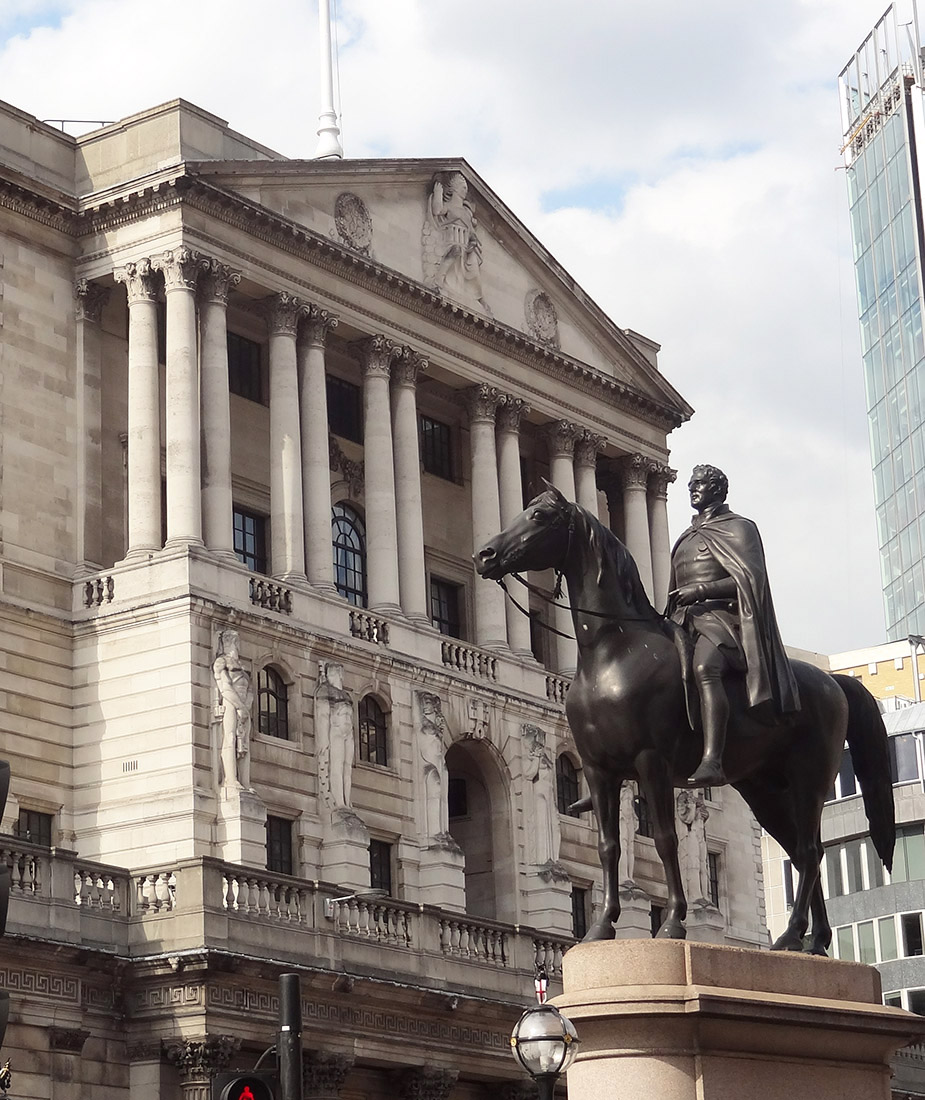 Central banks generally have a mandate of keeping inflation close to 2% over the medium term. Their levers are changes in interest rates, underpinned by changes in the money supply – in extreme times by quantitative easing (creating money by buying assets with newly created money) or quantitative tightening (withdrawing money from the economy by selling assets). Central banks, faced by soaring inflation, have been raising interest rates. The Fed has recently raised the Federal Funds rate by 0.75 percentage points (75 basis points) and the Bank of England and the European Central Bank by 0.5 percentage points (50 basis points).
Raising interest rates reduces inflation by dampening aggregate demand. In the diagram, the AD curve shifts to the left (or shifts to the right less quickly). This will dampen inflation, as falling real demand will force firms to cut prices. But it will also force them to cut output and employment, thereby worsening the recession.
Central banks recognise this dilemma, but also recognise that if inflation is not brought rapidly under control, it could spiral upwards, with wages and prices chasing each other in a wage–price spiral, which only gets worse as inflationary expectations rise. The short-term pain of falling real income is a price worth paying for getting inflation under control.
Fiscal policy
In the short term, there is little that fiscal policy can do to raise real GDP. The focus, as it was during the pandemic, must therefore be in providing relief to those most in need.
In the UK, the energy price cap set by Ofgem will see likely energy bills for the typical household quadruple in just a year, from a little over £1000 per annum at January 2021 prices to over £4200 in predicted January 2023 prices. These higher prices partly reflect rising wholesale energy costs and partly the need for energy companies, in a process known as ‘backwardation’, to recoup hedging costs they have incurred so as not to be forced out of business.
 Relief for consumers can be in various forms. For example, the government could pay subsidies to energy suppliers to cap prices at a lower level, perhaps just for the poorest households. Or it could pay grants to help people with their bills. Again, these could be targeted to the poorest families, or paid on a sliding scale according to income. Or VAT on gas and electricity could be scrapped.
Generally the more people are entitled to help, the more expensive it is for the government and hence the less generous the help per family is likely to be.
Then there is the question of whether such measures should be accompanied by a rise in broadly-based tax, such as income tax, or whether the government should borrow more, which would be likely to push up interest rates and increase the cost of servicing government debt.
One topic of debate in the Conservative leadership contest is whether taxes should be cut to help people struggling with the cost of living. Whilst such a policy, if carefully targeted to investment, might increase aggregate supply over the longer term, in the short term it will increase aggregate demand and will add to inflationary pressures.
Targeting tax cuts to the poor is difficult. Cutting income tax rates has the opposite effect. The rich pay more income tax than the poor and will benefit most from a cut in rates. An alternative is to raise personal allowances. This will provide a bigger percentage help to income taxpayers on lower incomes, but provides no help at all for the poorest people who currently pay no income tax.
Conclusion
The supply shocks are making countries poorer. The focus in the short term, therefore, needs to be on income distribution and how to help those suffering the most.
To end on a note of optimism: the energy shocks are causing governments to invest in alternative sources, such as wind, solar and nuclear. When these come on line, it is expected that energy prices will fall.
As far as overall inflation is concerned, although the Bank of England is forecasting CPI inflation of 13.1% by Q4 2022, it is also forecasting that this will have fallen to 5.5% by Q4 2023 and to just 0.8% by Q3 2024. Fingers crossed.
Articles
- UK inflation will soar to ‘astronomical’ levels over next year, thinktank warns
The Guardian, Phillip Inman (3/8/22)
- Stagflation ‘nightmare’ as recession warning issued to millions of UK households
Derby Telegraph, August Graham and Chris Attridge (3/8/22)
- Gordon Brown: ‘Set emergency budget or risk a winter of dire poverty’
The Observer, Michael Savage (6/8/22)
- Energy bills forecast to hit over £4,200 a year
BBC News, Karen Hoggan (10/8/22)
- Bank of England warns the UK will fall into recession this year
BBC News, Dearbail Jordan & Michael Race (5/8/22)
- Bank of England raises rates sharply and warns of 13% inflation by end of year
Financial Times, Delphine Strauss and George Parker (4/8/22)
- What is stagflation and what can be done about it?
MoneyWeek, Adam French (4/8/22)
- From Great Moderation to Great Stagflation
Project Syndicate, Nouriel Roubini (9/8/22)
- Is The U.S. Economy Heading For Stagflation?
Forbes, Anna-Louise Jackson (26/7/22)
Reports etc.
- A Risky Present: Summer Economic Outlook
National Institute of Economic and Social Research (3/8/22)
- Monetary Policy Report – August 2022
Bank of England (4/8/22)
- Price cap forecasts for January rise to over £4,200 as wholesale prices surge again and Ofgem revises cap methodology
Cornwall Insight, Craig Lowrey (9/8/22)
 July 26-27, 2022 FOMC Meeting, Chair Powell’s Press Conference
Federal Open Market Committee (27/7/22)
Questions
- What are the most efficient policies for helping those in energy poverty?
- Why is inflation forecast to fall later in 2023?
- What determines the shape of the short-run aggregate supply curve?
- What government policies would support (a) labour productivity; (b) investment?
- How might the market solve the problem of supply shortages?
The Guardian, Phillip Inman (3/8/22)
Derby Telegraph, August Graham and Chris Attridge (3/8/22)
The Observer, Michael Savage (6/8/22)
BBC News, Karen Hoggan (10/8/22)
BBC News, Dearbail Jordan & Michael Race (5/8/22)
Financial Times, Delphine Strauss and George Parker (4/8/22)
MoneyWeek, Adam French (4/8/22)
Project Syndicate, Nouriel Roubini (9/8/22)
Forbes, Anna-Louise Jackson (26/7/22)
National Institute of Economic and Social Research (3/8/22)
Bank of England (4/8/22)
Cornwall Insight, Craig Lowrey (9/8/22)
July 26-27, 2022 FOMC Meeting, Chair Powell’s Press ConferenceFederal Open Market Committee (27/7/22)
- What are the most efficient policies for helping those in energy poverty?
- Why is inflation forecast to fall later in 2023?
- What determines the shape of the short-run aggregate supply curve?
- What government policies would support (a) labour productivity; (b) investment?
- How might the market solve the problem of supply shortages?
 Inflation across the world has been rising. This has been caused by a rise in aggregate demand as the global economy has ‘bounced back’ from the pandemic, while supply-chain disruptions and tight labour markets constrain the ability of aggregate supply to respond to the rise in demand.
 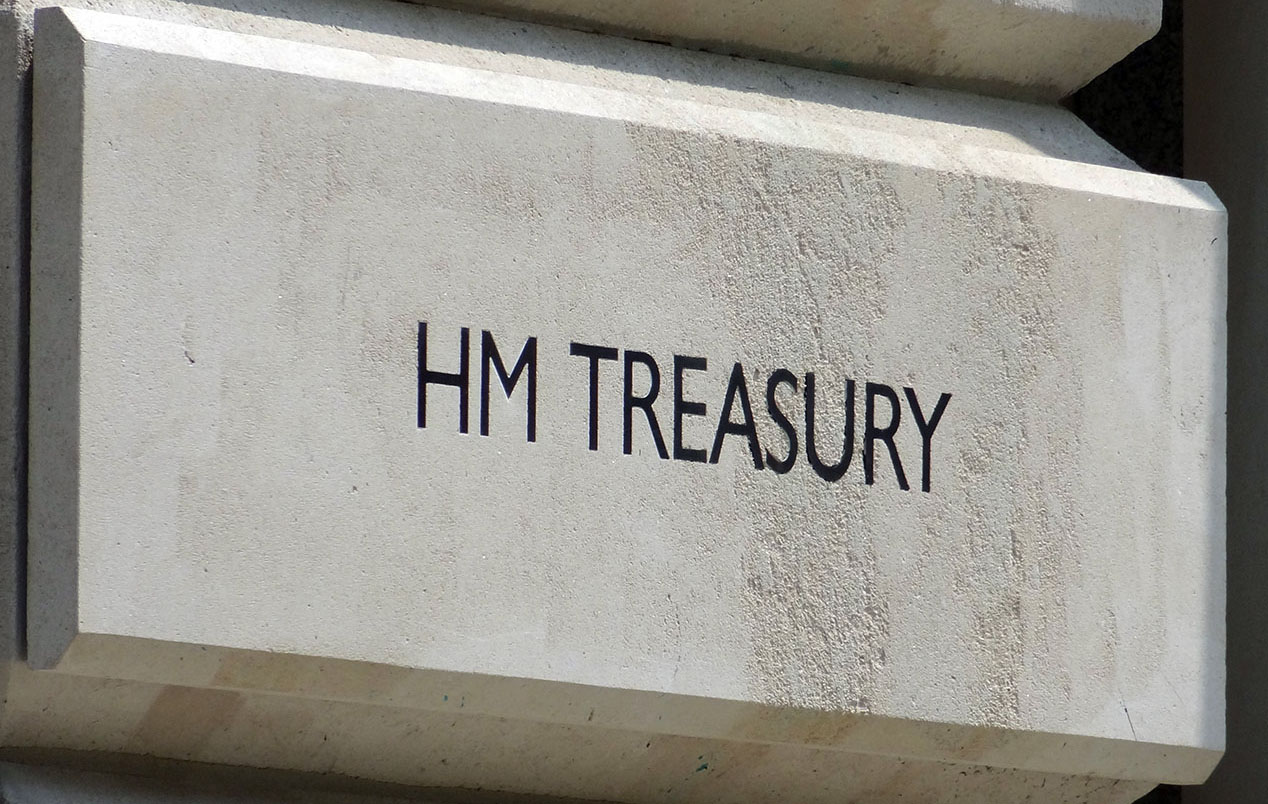 In the UK, annual CPI inflation
 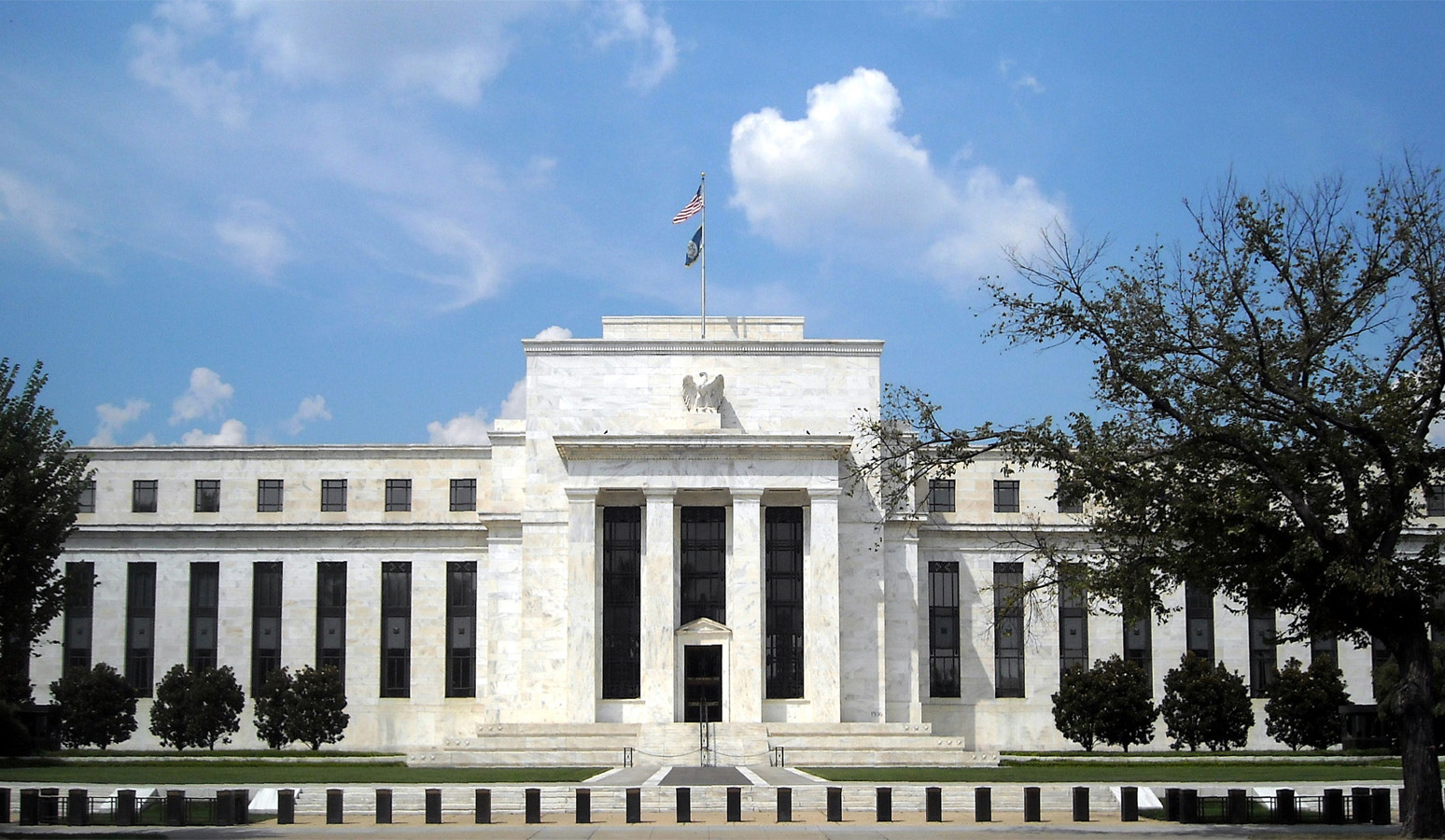 The Fed has signalled that it will end its bond buying (QE) programme in March 2022 and may well raise interest rates at the same time. Quantitative tightening may then follow. But although GDP growth is still strong in the USA, Fed policy and stretched household budgets could well see spending slow and growth fall. Stagflation is less likely in the USA than in the UK and many other countries, but there is still the danger of over-reaction by the Fed given the predicted fall in inflation.
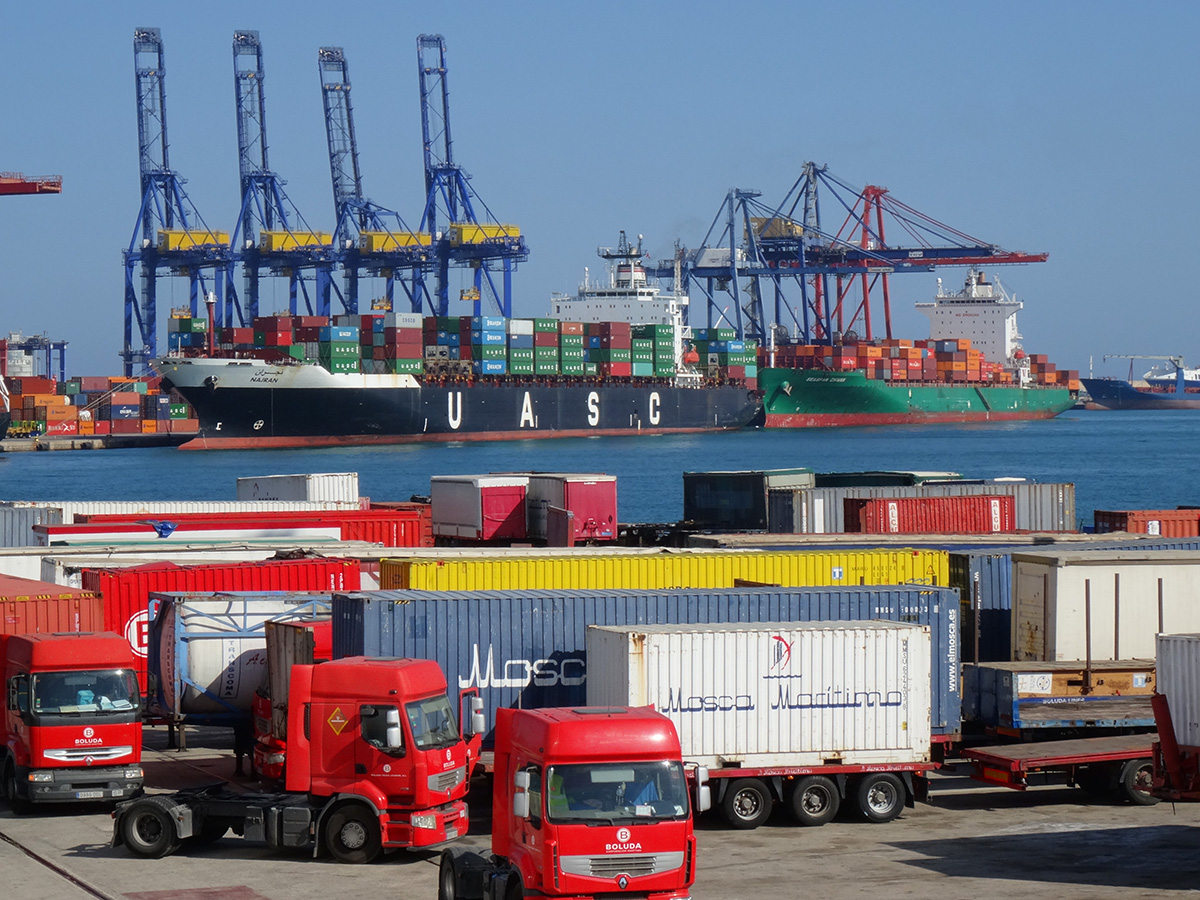 Shipping and supply chains generally have experienced major problems in 2021. The global pandemic disrupted the flow of trade, and the bounce-back in the summer of 2021 saw supply chains stretched as staff shortages and physical capacity limits hit the transport of freight. Ships were held up at ports waiting for unloading and onward transportation. The just-in-time methods of delivery and stock holding were put under considerable strain.
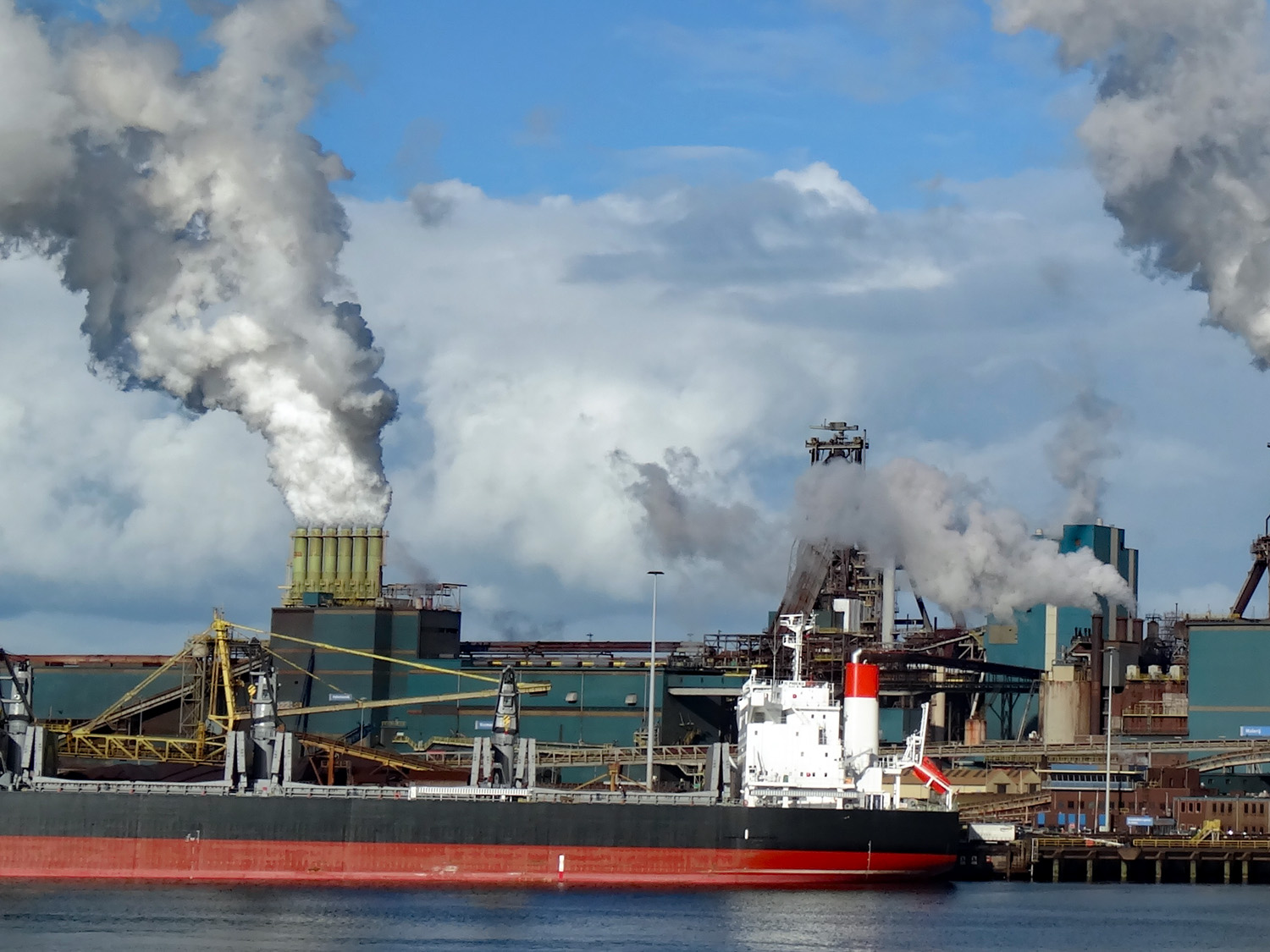 Another major event in 2021 was the Glasgow COP26 climate conference and the growing willingness of countries to commit to decarbonising their economies. But whereas electricity can be generated from renewable sources, and factories and land transport, such as cars, vans and trains, can run on electricity, it is not so easy to decarbonise shipping, especially for long journeys. They cannot plug in to the grid or draw down from overhead cables. They have to carry their own fuel sources with them.