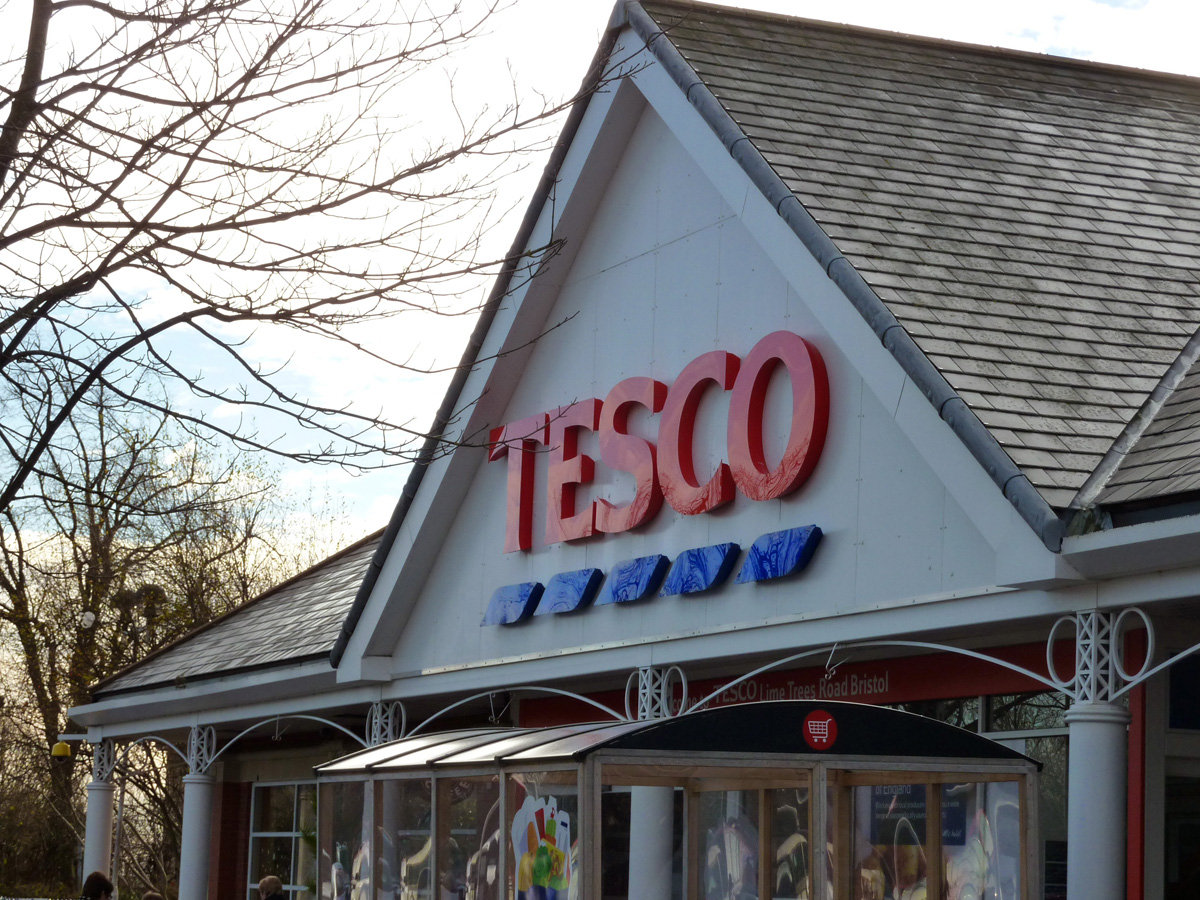
 In an earlier post, Elizabeth looked at oligopolistic competition between supermarkets. Although supermarkets have been accused of tacit price collusion on many occasions in the past, price competition has been growing. And recent developments show that it is likely to get a lot fiercer as the ‘big four’ try to take on the ‘deep discounters’, Aldi and Lidl.
Part of the reason for the growth in price competition has been a change in shopping behaviour. Rather than doing one big shop per week in Tesco, Sainsbury’s, Asda or Morrisons, many consumers are doing smaller shops as they seek to get more for their money. A pattern is emerging for many consumers who are getting their essentials in Aldi or Lidl, their ‘special’ items in more upmarket shops, such as Waitrose, Marks & Spencer or small high street shops (such as bakers and ethnic food shops) and getting much fewer products from the big four. Other consumers, on limited incomes, who have seen their real incomes fall as prices have risen faster than wages, are doing virtually all their shopping in the deep discounters. As the Guardian article below states:
A steely focus on price and simplicity, against a backdrop of falling living standards that has sharpened customers’ eye for a bargain, has seen the discounter grab market share from competitors and transform what we expect from our weekly shop.
The result is that the big four are seeing their market share falling, as the chart shows. 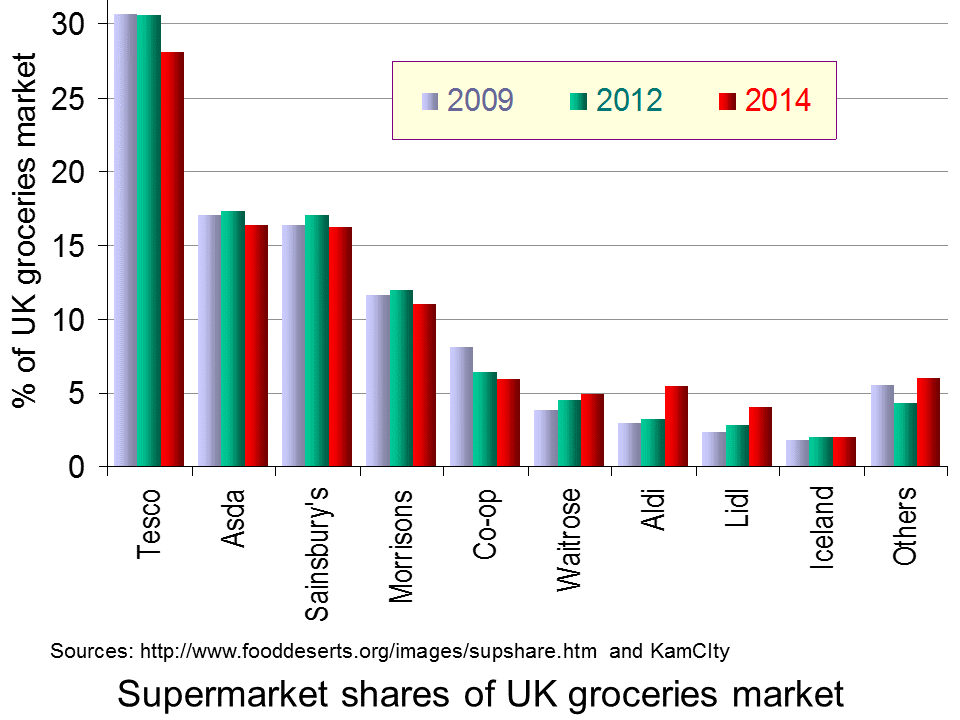 (Click here for a PowerPoint of the chart.) In the past year, Tesco’s market share has fallen from 29.9% to 28.1%, Asda’s from 17.8% to 16.3%, Sainsbury’s from 16.9% to 16.2% and Morrisons’ from 11.7% to 11.0%. By contrast, Aldi’s has risen from 3.9% to 5.4% and Lidl’s from 3.1% to 4.0%, while Waitrose’s has also risen, from 4.7% to 4.9%. And it’s not just market share that has been falling for the big four. Profits have also fallen, as have share prices. Sales revenues in the four weeks to 13 September are down 1.6% on the same period a year ago; sales volumes are down 1.9%.
But can the big four take on the discounters at their own game? Morrison’s has just announced a form of price match scheme called ‘Match & More’. If a shopper finds that a comparable grocery shop is cheaper in not only Tesco, Sainsbury’s or Asda, but also in Aldi or Lidl, then ‘Match & More users will automatically get the difference back in points on their card. Shoppers also will be able to collect extra points on hundreds of featured products and fuel’. When the difference has risen to a total £5 (5000 points), the shopper will get a £5 voucher at the till. The idea is to encourage customers to stay loyal to Morrisons.
 But what if Tesco, Asda and Sainsbury’s do the same? What will be the impact on their prices and profits. Will there be a race to the bottom in prices, or will they be able to keep prices higher than the deep discounters, hoping that many customers will not cash in their vouchers?
But if effectively the big four felt forced to cut their prices to match Aldi and Lidl, could they afford to do so? This depends on their comparative average costs. At first sight, it might be thought that the big four could succeed in profitably matching the discounters, thereby clawing back market share. After all, they are much bigger and it might be thought that they would benefit from greater economies of scale and hence lower costs.
But it is not as simple as this. The discounters have lower costs than the big four. Their shops are typically in areas where rents or land prices are lower; their shops are smaller; they carry many fewer lines and thus gain economies of scale on each line; they have a much higher proportion of own-brand products; products are displayed in the boxes they come in, thus saving on the staff costs of unpacking them and placing them on shelves; they buy what is cheapest and thus do not always display the same brands.
So is Morrison’s a wise strategy? Will other supermarkets be forced to follow? Is there a prisoners’ dilemma here and, if so, is there any form of collusion in which the big four can engage which is not illegal? Can the big four differentiate themselves from the discounters and the up-market supermarkets in ways that will attract back customers?
It is worrying times for the big four.
Articles
- Heavy Discounters Up Pressure On The UK’s Big Four Supermarkets
Alliance News, Rowena Harris-Doughty (3/6/14)
- Tesco loses more market share as supermarket sector slows to record low
CITY A.M., Catherine Neilan (23/9/14)
- Record low for grocery market growth as inflation disappears
Kantar World Panel, Fraser McKevitt (23/9/14)
- How Aldi’s price plan shook up Tesco, Morrison’s, Asda and Sainsbury’s
The Guardian, Sarah Butler (29/9/14)
- Sainsbury’s shares drop 7% on falling sales report
BBC News (1/10/14)
- Sainsbury results: the reaction
Food Manufacture, Mike Stones (3/10/14)
- Morrisons Becomes First Of Big Four Grocers To Price Match Aldi, Lidl
Alliance News, Rowena Harris-Doughty (2/10/14)
- UK: Morrisons Takes On Discounters With Price Match Card
KamCity (3/10/14)
- Morrisons to match the prices of Aldi and Lidl
The Telegraph, Graham Ruddick (2/10/14)
- Three reasons why Morrisons price-matching Aldi and Lidl is not a ‘gamechanger’
The Telegraph, Graham Ruddick (2/10/14)
Questions
- Would it be possible for the big four to price match the deep discounters?
- What is meant by the prisoners’ dilemma? In what ways are the big four in a prisoners’ dilemma situation?
- Assume that you had to advise Tesco on it strategy? What advise would you give it and why?
- Assume that two firms, M and A, are playing the following ‘game’: firm M pledges to match firm A’s prices; and firm A pledges to sell at 2% below M’s price. What will be the outcome of this game?
- Is Morrisons wise to adopt its ‘Match & More’ strategy?
- Why is it difficult for Morrisons to make a like-for-like comparison with Aldi and Lidl in its ‘Match & More’ strategy?
- Why may Aldi and Lidl benefit from Morrisons’ strategy?
 Oligopoly is the most complex market structure, characterised by a few large firms which dominate the industry. Typically there are high barriers to entry and prices can be very sticky. However, perhaps the most important characteristic is interdependence. With this feature of the market, oligopolies, despite being dominated by a few big firms, can be the most competitive market structure.
There are many examples of oligopolies and one of the best is the supermarket industry. Dominated by the likes of Tesco, Morrisons and Asda, competition in terms of branding, product development and quality is constant, but so is price competition.  During the recession, you could hardly watch a TV programme that included advert breaks without seeing one of the big four advertising their low prices.
However, in the past few years, the supermarket industry has seen competition grow even further and the big four are now facing competition from low-cost retailers, including Aldi and Lidl. This has led to falling sales and profits for the likes of Tesco and Morrisons.
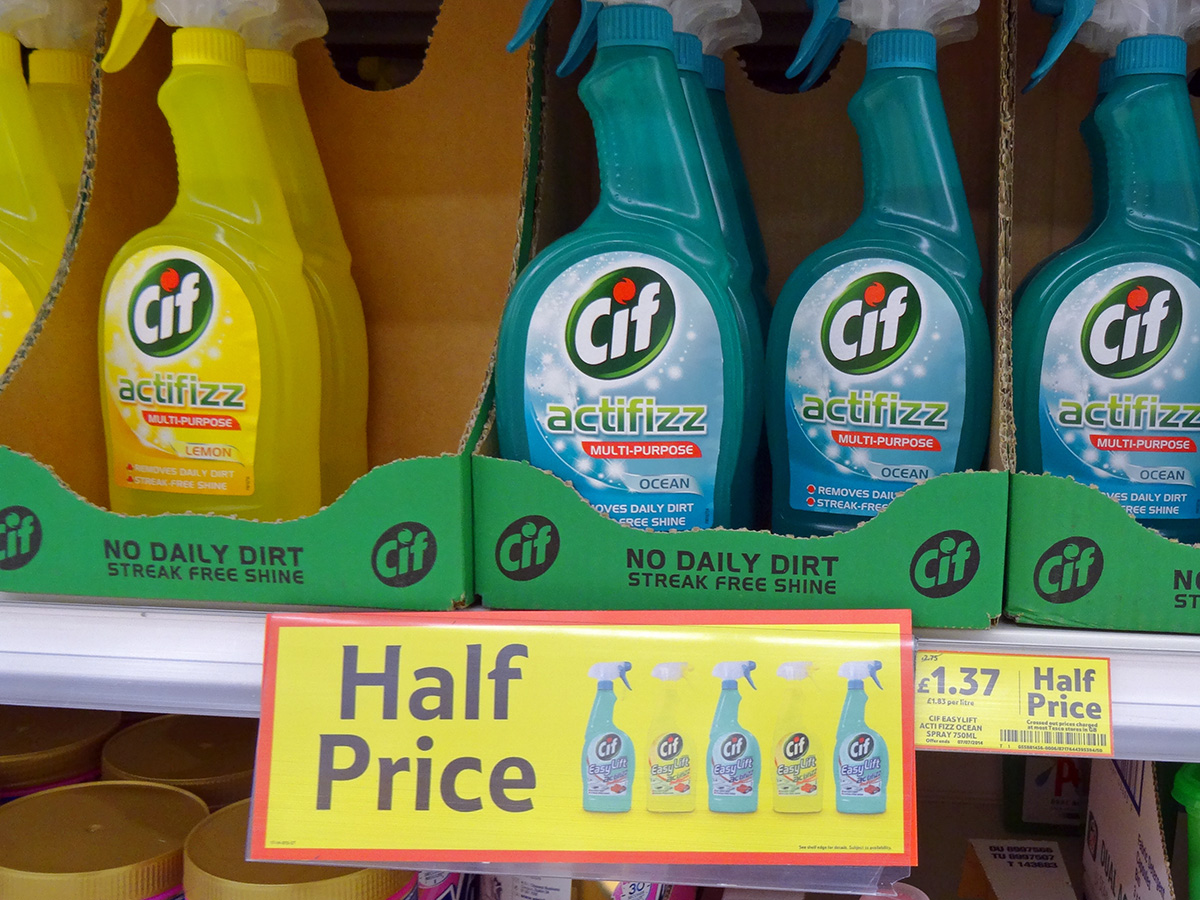
Tesco, Morrisons, Sainsbury’s and Asda have all felt the emergence of discount retailers and have seen their customer numbers fall. All have reacted with rounds of price cuts and new deals, and this price war looks set to continue. Morrisons have just announced a 14% average price cut on 135 products to match earlier changes in pricing strategies by the other main competitors. As I’m writing this during the Algeria v. South Korea match, I have just seen an advert from Sainsbury’s, promoting their milk chocolate digestive biscuits, priced at £1. The advert explicitly states that they are ‘less than Morrisons’, where the price is £1.50. This was soon followed by another from Sainsbury’s saying that 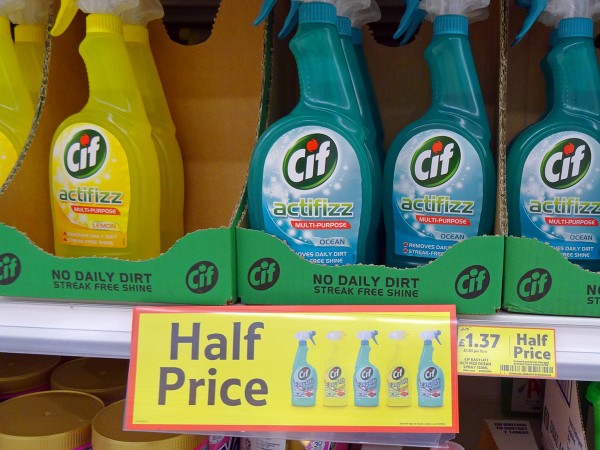 the Cif bathroom spray is £1.50, which is ‘less than Tesco’, priced at £2.75. I need say no more.
So, what is it about this industry which means it is so susceptible to price wars? Are all oligopolies like this? The following articles consider the supermarket industry and the price wars that have emerged. Think about this sector in terms of oligopoly power and consider the questions that follow.
Morrisons announces another round of price cuts/a> BBC News (22/6/14)
Tesco suffers worst sales for decades The Guardian, Sarah Butler and Sean Farrell (4/6/14)
Britain’s Morrisons to cut prices on 135 products Reuters (22/6/14)
Morrisons slashes more prices by up to 41pct The Telegraph, Scott Campbell (22/6/14)
Sainsbury’s and Netto in discount store tie-up BBC News (20/6/14)
Slow to respond, Tesco now pays the price Wall Street Journal, Peter Evans and Ese Erheriene (19/6/14)
One million fewer customer visits a week at Tesco The Guardian, Sean Farrell (3/6/14)
Asda only one of big four to grow share as Lidl achieves highest ever growth Retail Week, Nicola Harrison (3/6/14)
Will Asda shoot itself in the foot with in-store cost cutting? The Grocer, Alec Mattinson (28/5/14)
Tesco sales slide at record speed as discounters pile on the pressure Independent, Simon Neville (3/6/14)
Quester: Back J Sainsbury to prove doubters wrong The Telegraph, Graham Ruddick (11/6/14)
Questions
- What are the key characteristics of an oligopoly?
- How do the above characteristics explain the conduct of firms in an oligopoly? How relevant is this to the supermarket industry?
- In many oligopolies, prices are sticky. Why is it that in the supermarket industry price wars break out?
- Is the kinked demand curve a relevant model to use when talking about the supermarket industry?
- What other industries fit into the category of an oligopoly? Is the kinked demand curve model relevant in these industries?
- Would there be an incentive for the big 4 supermarkets to collude and fix price? Explain your answer.
- Interdependence is the key characteristic in an oligopoly. Can this explain the behaviour of the supermarkets?
- Given that oligopolies are characterised by high barriers to entry, how is that Aldi and Lidl have been able to compete with them?
 The supermarket industry is a classic example of an oligopoly. A market dominated by a few large companies, which is highly competitive and requires the companies to think about the reactions of the other competitors whenever a decision is made. Throughout the credit crunch, price cutting was the order of the day, as the big four tried to maintain market share and not lose customers to the low cost Aldi and Lidl. Morrisons, however, has found itself in exactly that position and is now looking to restructure to return to profitability.
Morrisons is well known for its fresh food, but it seems that with incomes still being squeezed, even this is insufficient to keep its customers from looking for cheaper alternatives. Morrisons’ market share has been in decline and its profits or the last financial year have been non-existent. It’s been losing ground to its big competitor, Tesco and part of this is due to the fact that Morrisons was late to enter the ‘Tesco metro’ market. It remained dependent on its large supermarkets, whereas Tesco saw the opportunity to expand onto the highstreets, with smaller stores. It was also late arriving to the online shopping business and while it has now developed more sophisticated IT systems, it did lose significant ground to Tesco and its other key competitors.
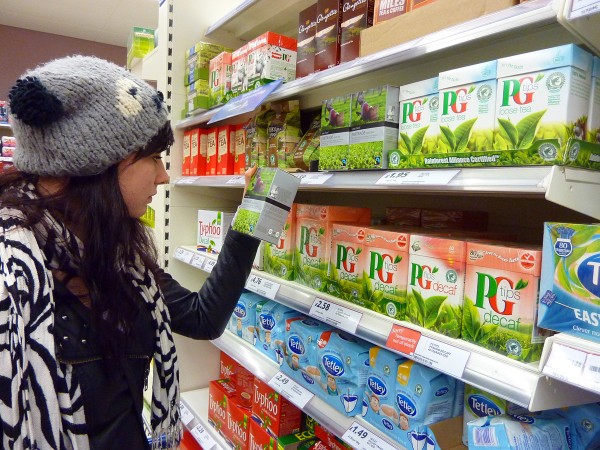
Another problem is that Morrisons has found itself unable to compete with the low cost supermarkets. The prices on offer at Morrisons are certainly not low enough to compete with prices at Aldi and Lidl and Morrisons has seen many of its customers switch to these cheaper alternatives. But Morrisons is fighting back and has announced plans to cut prices on a huge range of products across its stores. The fresh food aspect of the business will still remain and the hope is that the fresh food combined with cheaper price tags will allow Morrisons to re-gain lost ground to Tesco and take back some of its lost customers from the low-cost alternatives. However, it’s not just Morrisons that has been losing customers to the budget retailers. Tesco, Sainsbury’s and Asda have all lost market share to Aldi and Lidl, but it is Morrisons that has fared the worst.
The latest news on Morrisons’ profits and overall performance, together with its promise of restructuring and price cuts worth £1 billion has caused uncertainty for shareholders and this has reduced the value of shares. However, Morrisons’ Directors have tried to restore confidence by purchasing shares themselves. With expectations of price wars breaking out, the other supermarkets have also seen significant declines in their share values, with a total of £2 billion being wiped off the value of their shares collectively. The consequences of Morrisons’ performance will certainly continue: customers are likely to benefit from lower prices in all of the big four supermarkets, but investors may lose out – at least in the short run. The impact on jobs is uncertain and will certainly depend on how investors and customers react in the coming weeks. The following articles consider this sector.
UK grocer Morrison warns on profit, threatens price war Reuters, James Davey (13/3/14)
Morrisons and the threat to mainstream supermarkets BBC News, Robert Peston (13/3/14)
Morrisons expected to sell property in response to profit drop The Guardian (9/3/14)
Morrisons restructuring sparks fears of new price war BBC News (13/3/14)
Morrisons’ dividend up while profit falls? It’s hard to believe The Guardian, Nils Pratley (13/3/14)
Morrisons boss talks tough as group slides into red The Scotsman, Scott Reid (13/3/14)
Morrisons plots price cuts after annual loss Sky News (13/3/14)
Morrisons’ declaration of £1bn price war with budget stores hammers Sainsbury and Tesco shares This is Money, Rupert Steiner (14/3/14)
Ocado on track for first profit in wake of Morrisons deal Independent, Simon Neville (14/4/14)
Questions
- What are the key characteristics of an oligopoly?
- To what extent do you think the supermarket sector is a good example of an oligopoly?
- Why is the characteristic of interdependence a key cause of the potential price war between the supermarkets?
- Why has Morrisons been affected so badly with the emergence of the budget retailers?
- By using the income an substitution effect, explain how the big four supermarkets have been affected by retailers, such as Aldi and Lidl.
- Using a demand and supply diagram, explain how the share prices of companies like Morrisons are determined. Which factors affect (a) the demand for and (b) the supply of shares?
- What do you think will happen to the number of jobs in Morrisons given the performance of the company and its future plans?
UK Supermarkets: a prime example of an oligopoly. This industry is highly competitive and over the past decade, but particularly since the onset of the credit crunch, price wars have been a constant feature of this market. You could barely watch a full programme on commercial TV without seeing one of the big supermarkets advertising that their prices were lower than everyone else’s! So, despite oligopoly being towards the ‘least competitive’ end of the market structure spectrum, this is an example of just how competitive the market can actually be.
With household incomes being squeezed, in particular by another oligopolistic industry (energy) and with the ‘middle market’ being pinched by higher-end retailers and budget retailers, the supermarket sector is facing uncertain times. Asda’s sales growth has continued to slow and in response, the giant supermarket chain will be launching a £1 billion price-cutting campaign. Tesco is the market leader, but Sainsbury’s and Asda have been battling over the second spot. One of Asda’s selling points is its low prices. Perhaps not as low as Aldi and Lidl, but this new pricing strategy will aim to bring its prices further below Tesco, Sainsbury’s and Morrisons and close the gap with the two big discount supermarkets. As Andy Clarke, Asda’s Chief Executive, said:
We regard ourselves as the UK’s leading value retailer and it is against this backdrop that I have today set out our strategic priorities which will improve, extend and expand the business over the next five years.
So, what will be the impact of lower prices? It appears as though Asda is marketing itself towards the budget end of the pricing spectrum, perhaps aiming to become fiercer competitors with Aldi and Lidl and let Tesco and Sainsbury’s do battle with the higher-end retailers, such as Waitrose and Marks and Spencer. Lower prices should cause a substitution effects towards Asda’s products, as many of them will have relatively price elastic demand. If the other supermarkets don’t respond, this should lead to sales growth. However, the key to an oligopoly is interdependence: the actions of one firm will affect all other firms in the market. The implications then, are that Tesco may react to this pricing strategy by engaging in its own price cuts, especially as the Christmas period approaches. The characteristic of interdependence was evident in the aftermath of Asda’s announcement when shares in Tesco and Morrisons both fell, showing how the markets were responding.
Of course, there are many other factors that affect a consumer’s decision as to whether to shop at Asda, Tesco or any other big supermarket. In the area where I live, we have a Tesco and a Morrisons (a few years ago, we had neither!). I don’t shop at Asda, as the nearest branch is over 30 miles away – even if prices were significantly lower, it would be more expensive to get there and back and a lot less convenient. For others, it may be loyalty and not just of the ‘I’ve shopped there all my life’ kind! For some, clubcard vouchers from Tesco may be preferred to Asda’s offerings and thus tiny price differences between the supermarkets may have little effect on a consumer’s decision as to where to shop. Many products at supermarkets are relatively cheap and thus as the proportion of our income that we spend on these goods is pretty low, any change in price doesn’t cause much of an effect on our demand.
It’s not just a pricing strategy where money is being invested by Asda. More investment will be going into their online services and more stores will be created, kin particular in London and the South East where their presence is low, but demand appears to be high. Improving ‘product quality, style and design’ will also be on the agenda, all with the aim of boosting sales growth and securing its position as the second largest retailer in the sector, perhaps with a long term aim of one day overtaking Tesco. The following articles consider the supermarket battleground.
Supermarket battle heats up as Asda announces £1bn price-cutting plan The Telegraph, Graham Ruddick (14/11/13)
 Sainsbury’s profits make it second biggest supermarket BBC News (13/11/13)
Asda to launch £1bn price-cut plan AOL, Press Association (15/11/13)
Asda takes fight to rivals with £1bn investment plan The Guardian, Angela Monaghan (14/11/13)
UK’s Asda promises £1 billion investment in price cuts Reuters (14/11/13)
Asda makes bid to woo shoppers with vow of five-year £1billion price war after it was overtaken in market share by Sainsbury’s Mail Online, Sean Poulter (15/11/13)
Sainsbury’s overtakes Asda on demand for its premium lines Independent, Simon Neville (14/11/13)
Asda to put £1bn into lowering prices over five years The Grocer, Thomas Hobbs (14/11/13)
Wal-Mart posts $3.7bn quarterly income BBC News (14/11/13)
Questions
- What are the key characteristics of an oligopoly?
- What is meant by a price war? Who benefits?
- How important is the concept of price elasticity of demand when deciding whether or not to cut the price of a range of products?
- Why is the proportion of income spent on a good a key determinant of the elasticity of demand of a product?
- How can market share be calculated?
- Many suggest that the ‘middle market’ of the supermarket sector is slowly disappearing. Why is this?
- How effective will Asda’s price cutting strategy be? Which factors will determine its effectiveness?
 When you hear about China, it’s often regarding their huge population, their strong growth or their dominance in exports. But, when it comes to baby milk, China is certainly an importer – and a big one at that. For many new parents, getting the ‘real thing’ when it comes to baby formula is absolutely essential.
Chinese baby formula is feared by many new parents, due to the potential for it to contain hormones and dangerous chemicals. This has led them to go to great lengths to ensure they have sufficient supplies of imported baby formula, often only trusting it if it has been hand carried from overseas. However, such is the demand for this safe version of baby milk that the global response has been to place restrictions on it. Essentially, we are seeing a system of rationing emerging.
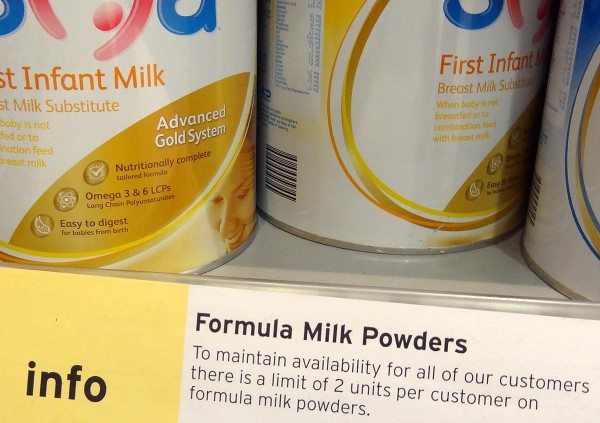
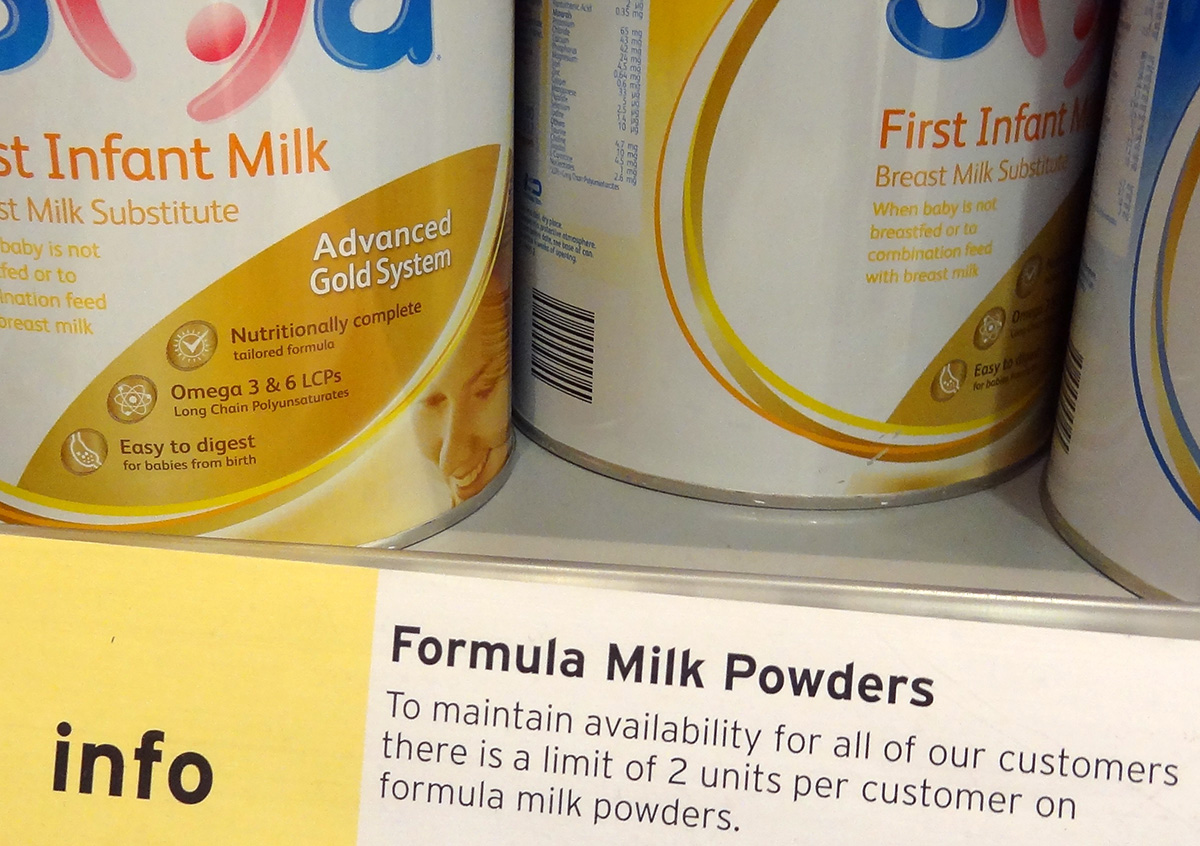
Hong Kong was the first government to limit the amount bought to two cans of formula per day, with the potential for a fine of over $64,000 and up to two years in prison for those who do not abide by the rules. The UK has now also responded with restrictions on the quantity that can be purchased and other countries may follow suit if the excess demand continues.
According to Sainsburys:
As a short-term measure, retailers including Sainsbury’s are limiting the amount of baby milk powder that people can buy. In this way we aim to ensure a constant supply for our customers and we therefore hope they won’t be inconvenienced.
The Chinese government has reacted to this and is aiming to restore confidence in the food industry, but as yet there has been little positive effect and until there are 100% guarantees of food safety the surge in demand for baby formula from abroad is likely to continue.
This policy of rationing is clearly not only going to affect Chinese parents looking to import baby formula, but is already having an impact on domestic residents. Parents living in the UK are feeling the rationing effects and are also being restricted in terms of how many cans of formula they can buy per day. For many families this isn’t a problem, but for those with multiple children and for whom a trip to the supermarket is not a simple task, the restrictions on baby milk purchases is likely to become a problem. The following articles consider this topic.
Baby milk rationing: Chinese fears spark global restrictions BBC News, Celia Hatton (10/4/13)
Stop rationing information about baby formula milk The Telegraph, Rosie Murray-West (9/4/13)
Baby milk rationed in UK over China export fear BBC News (8/4/13)
Baby Formula rationed in UK over China demand Sky News (9/4/13)
Supermarkets limit sales of baby milk to stop bulk buying to feed China market Independent, Emma Bamford (8/4/13)
Cahinese thirst for formula spurs rationing Financial Times, Amie Tsang and Louise Lucas (7/4/13)
Entrepreneurs milk Chinese thirst for formula Financial Times, Amie Tsang and Louise Lucas (7/4/13)
Baby milk powder rationing introduced by supermarkets The Guardian, Rebecca Smithers (8/4/13)
Questions
- Using a diagram of demand and supply, illustrate how a shortage for a product can emerge. How does the price mechanism usually work to eliminate a shortage?
- What actions can be taken to deal with a shortage?
- How will more stringent regulations by the Chinese government help to restore confidence in Chinese baby milk formula?
- What impact will the imports of baby milk formula into China have on China’s exchange rate and its balance of payments?
- How could this situation be taken advantage of by entrepreneurs? Could it be used as a viable business opportunity?
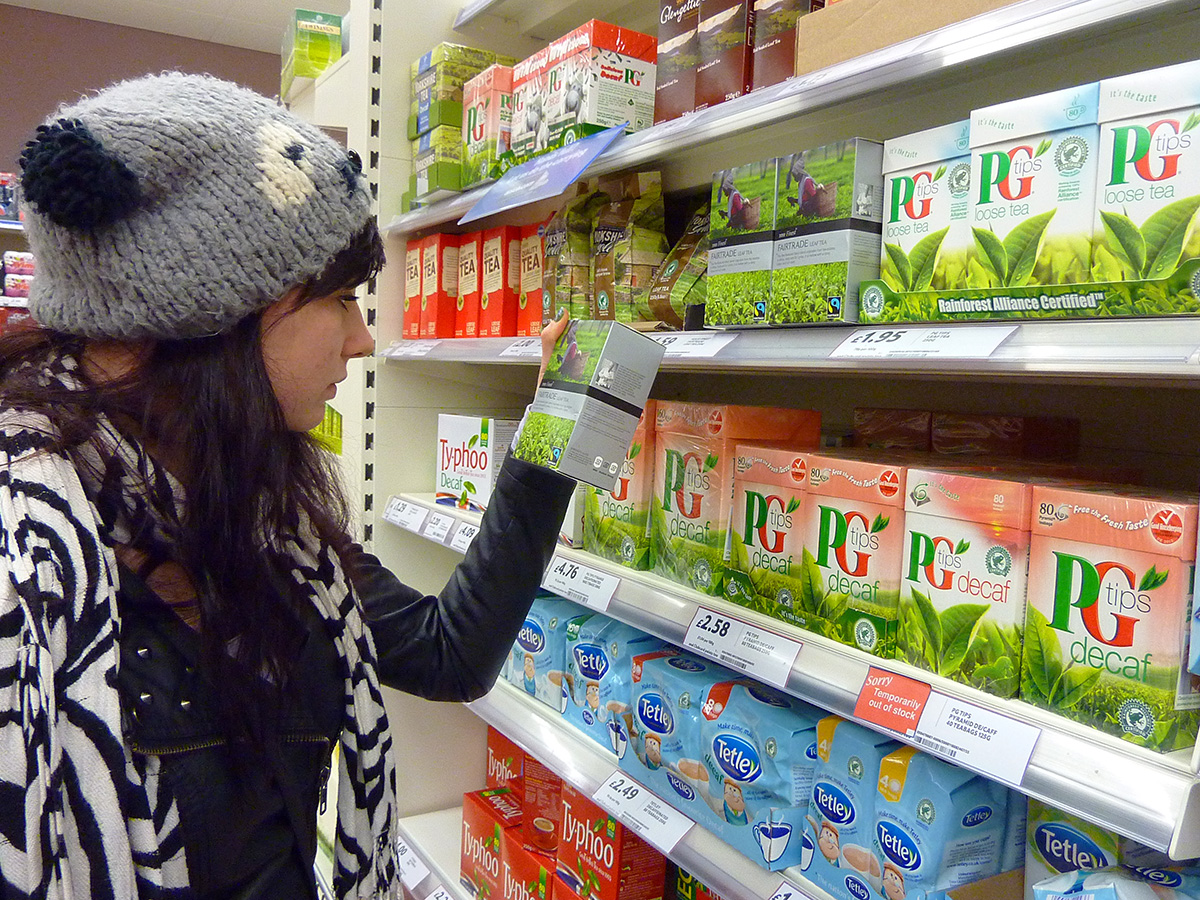 In an earlier post, Elizabeth looked at oligopolistic competition between supermarkets. Although supermarkets have been accused of tacit price collusion on many occasions in the past, price competition has been growing. And recent developments show that it is likely to get a lot fiercer as the ‘big four’ try to take on the ‘deep discounters’, Aldi and Lidl.
 But what if Tesco, Asda and Sainsbury’s do the same? What will be the impact on their prices and profits. Will there be a race to the bottom in prices, or will they be able to keep prices higher than the deep discounters, hoping that many customers will not cash in their vouchers?