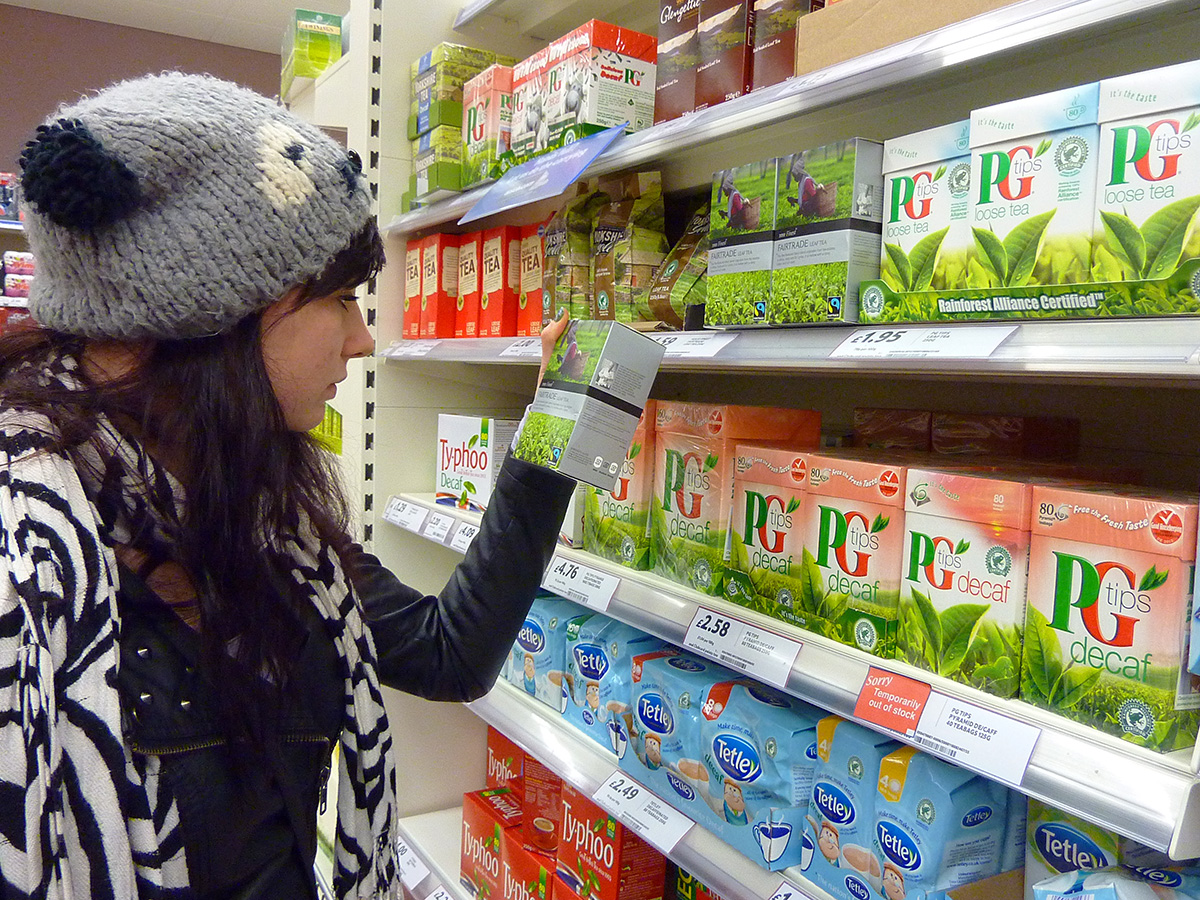
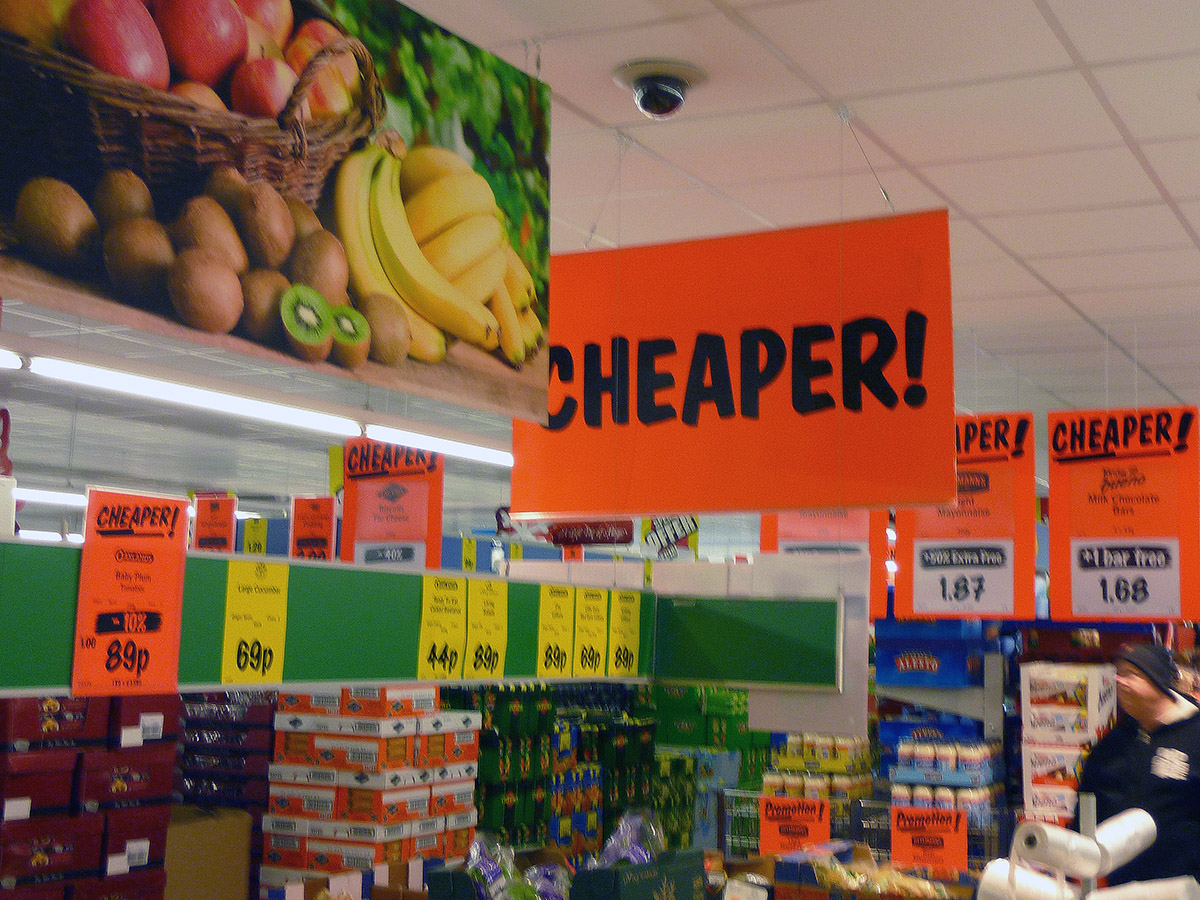
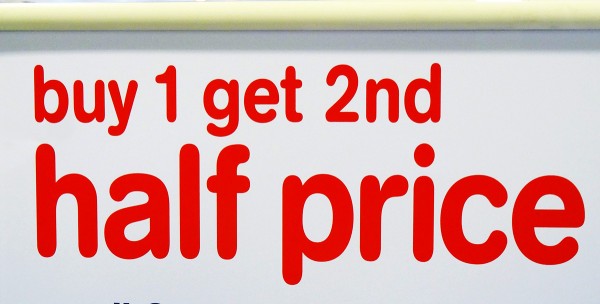
 In a blog post on 1 May this year, What’s really on offer?, we looked at the ‘super-complaint‘ by Which? to the Competition and Markets Authority (CMA) about supermarket special offers. The complaint referred to bogus price reductions, ‘cheaper’ multi-buys which weren’t cheaper, smaller pack sizes and confusing special offers. Under the rules of super-complaints, the CMA had 90 days from the receipt of the complaint on 21 April 2015 to publish a response. It has now done so.
Here is an extract from its press release:
In its investigation the CMA found examples of pricing and promotional practices that have the potential to confuse or mislead consumers and which could be in breach of consumer law. Where there is evidence of breaches of consumer law this could lead to enforcement action.
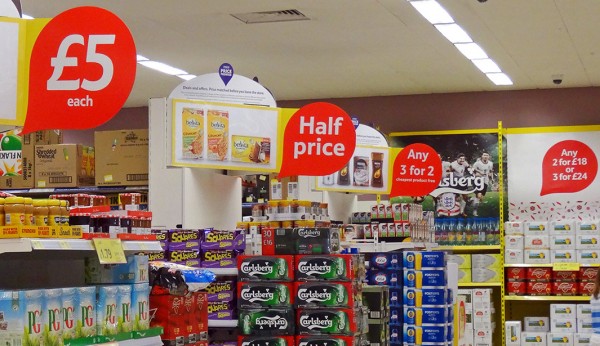 However, it has concluded that these problems are not occurring in large numbers across the whole sector and that generally retailers are taking compliance seriously to avoid such problems occurring. The CMA also found that more could be done to reduce the complexity in unit pricing to make it a more useful comparison tool for consumers. …Nisha Arora, CMA Senior Director, Consumer, said:
‘We have found that, whilst supermarkets want to comply with the law and shoppers enjoy a wide range of choices, with an estimated 40% of grocery spending being on items on promotion, there are still areas of poor practice that could confuse or mislead shoppers. So we are recommending further action to improve compliance and ensure that shoppers have clear, accurate information.
Although the CMA believes that misleading pricing is not as widespread as consumer groups have claimed, 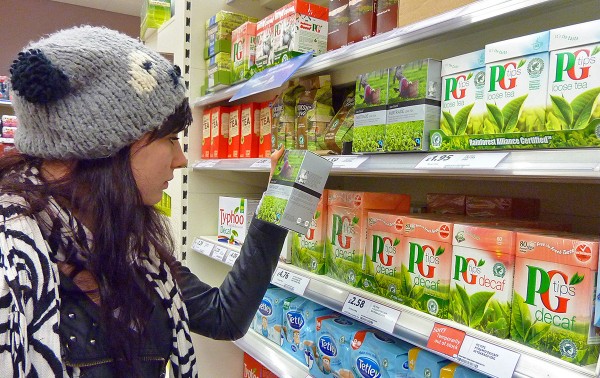 in some cases the supermarkets could be fined. The CMA also says that it will work with the supermarkets to eliminate misleading information in promotions.
In addition it recommends that the Department for Business, Innovation and Skills (BIS) publishes guidelines for supermarkets on displaying unit prices in a consistent way. It also recommends that legislation should be simplified on how items should be unit-priced.
The following articles look at the implications of the CMS’ findings.
Articles
Some UK supermarket promotions are misleading, watchdog says Financial Times, Andrea Felsted (16/7/15)
Shoppers beware: Grocers ‘confusing’ consumers with special offers, unit pricing, says government investigation International Business Times, Graham Lanktree (16/7/15)
Supermarket pricing: CMA finds ‘misleading tactics BBC News, Brian Milligan (16/7/15)
 How special are special offers? BBC News, Kamal Ahmed (16/7/15)
CMA publications
Response to super-complaint: link to elements of report CMA (16/7/15)
Questions
- Give some examples of the types of promotion used by supermarkets?
- In what ways might such promotions be misleading?
- How is competition from Aldi and Lidl affecting pricing and promotions in the ‘big four’ supermarkets (Tesco, Sainsbury’s, Asda and Morrisons)?
- What cost and other advantages do Aldi and Lidl have over the big four? How might the big four reduce costs?
- Are misleading promotions systemic across the industry?
- How can behavioural economics help to explain consumers’ response to promotions in supermarkets?
- What is meant by ‘heuristics’? How might supermarkets exploit consumers’ use of heuristics in their promotions?
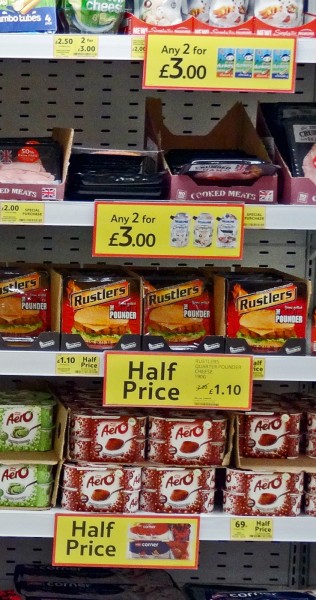 For years, the UK consumer organisation, Which?, has exposed misleading supermarket pricing practices. These include bogus price reductions, ‘cheaper’ multi-buys, smaller pack sizes and confusing special offers. Claiming that these practices are still continuing, Which? has made a super-complaint (available to designated consumer bodies) to the competition regulator, the Competition and Markets Authority (CMA).
Commenting on this action, Which? executive director, Richard Lloyd said:
“Despite Which? repeatedly exposing misleading and confusing pricing tactics, and calling for voluntary change by the retailers, these dodgy offers remain on numerous supermarket shelves. Shoppers think they’re getting a bargain but in reality it’s impossible for any consumer to know if they’re genuinely getting a fair deal.
We’re saying enough is enough and using one of the most powerful legal weapons in our armoury to act on behalf of consumers by launching a super-complaint to the regulator. We want an end to misleading pricing tactics and for all retailers to use fair pricing that people can trust.”
The CMA will consider the issues raised under the super-complaint to establish whether any of them are significantly harming the interests of consumers. It will publish a response within 90 days from the receipt of the complaint on 21 April 2015. The possible outcomes include:
|
|
| • |
recommending the quality and accessibility of information for consumers is improved |
| • |
encouraging businesses in the market to self-regulate |
| • |
making recommendations to government to change the legislation or public policy |
| • |
taking competition or consumer enforcement action |
| • |
instigating a market investigation or market study |
| • |
a clean bill of health |
Some 40% of groceries are sold on promotion. Supermarkets are well aware that consumers love to get a bargain and use promotions to persuade consumers to buy things they might not otherwise have done.
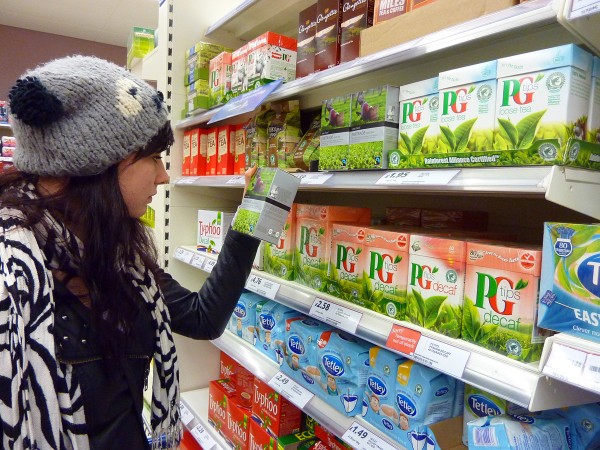 What is more, consumer rationality is bounded by the information and time available. People are often in a hurry when shopping; prices change frequently; people are often buying numerous low-value items; and they don’t know what competitors are charging. People may thus accept an offer as genuine and not spend time investigating whether it is so. Supermarkets know this and use all sorts of tactics to try to persuade people that they are indeed getting a bargain.
Videos
Supermarkets Face Super-Complaint On Pricing Sky News (21/4/15)
UK supermarkets face possible probe over pricing practices Reuters, Neil Maidment (21/4/15)
Which? launches ‘super-complaint’ against supermarkets BBC News, Stephanie McGovern (21/4/15)
Articles
UK supermarkets dupe shoppers out of hundreds of millions, says Which? The Guardian, Rebecca Smithers (21/4/15)
Supermarkets face inquiry into ‘rip-offs’ The Telegraph, Dan Hyde (21/4/15)
15 supermarket rip-offs that led to an inquiry The Telegraph, Dan Hyde (21/4/15)
What does Which?’s supermarket pricing complaint mean for you? The Guardian (21/4/15)
Supermarkets hit back over Which? report on pricing Financial Times (21/4/15)
Press release
Which? ‘super-complains’ about misleading supermarket pricing practices Which? (21/4/15)
CMA case page
Groceries pricing super-complaint Competition and Markets Authority (21/4/15)
Questions
- Give examples of supermarket offers that are misleading.
- Why are supermarkets able to ‘get away with’ misleading offers?
- How can behavioural economics help to explain consumer behaviour in supermarkets?
- Identify some other super-complaints have been made to the CMA or its predecessor, the Office of Fair Trading. What were the outcomes from the resulting investigations.
- What is meant by ‘heuristics’? How might supermarkets exploit consumers’ use of heuristics in their promotions?
 Many of the major industries in Australia are oligopolies/oligopsonies. Examples include banking, telecoms, supermarkets, insurance and iron ore. The dominant firms in these markets have been accused of exploiting their market power, both in charging high prices to consumers and driving down the prices paid to suppliers. The result, it is claimed, is that they have been making excessive profits.
But things may be changing. With the rise of online trading, barriers to entry in these markets have been falling. Many of the new entrants are established firms in other countries and hence already have economies of scale.
The first article below examines the challenge to established oligopolists in Australia.
Articles and blogs
The death of the oligopoly: Australia’s incumbents face new rivals Financial Review (Australia), Michael Smith (21/4/15)
Australian Oligopolies The Grapevine, Adam Dimech (27/12/14)
Paper
Breaking up Australia’s oligopolies Ashurst Australia (14/8/13)
Questions
- Find out which are the major firms in Australia in the five industries identified above. What is their market share and how has this been changing?
- What barriers to entry exist in each of these industries in Australia? To what extent have they been declining?
- What can new entrants do to overcome the barriers to entry?
- What technological developments allow other companies to challenge Foxtel’s pay television monopoly?
- To what extent are developments in the supermarket industry in Australia similar to those in the UK?
- To what extent does Australia benefit from increased globalisation?
 The retail food industry is an oligopoly – a market dominated by a few big firms, with interdependence between them. This means that each firm considers the reaction of all its competitors when making any decision. Pricing is one of those key decisions and this is one of the reasons why price wars tend to break out in this industry.
For consumers, price wars are usually seen as a good thing, as it means prices in the supermarkets get forced downwards, thus reducing the cost of living. Low prices in this case are one of the key benefits of competition. However, there are costs of such fierce competition for suppliers.  As final prices to customers are pushed down, small competitors are likely to feel the squeeze and may be forced out of the market. The other losers are suppliers. The big supermarkets are likely to pay lower prices to their suppliers, thus adversely affecting their livelihood. Research suggests that throughout 2014, 146 food producers entered insolvency, which is significantly higher than last year.
Accountancy firm, Moore Stephens, has blamed the supermarket price war for this rise in insolvencies in the food production sector. Duncan Swift from this firm said:
“The supermarkets are going through the bloodiest price war in nearly two decades and are using food producers as the cannon fodder…Supermarkets have engaged in questionable buying practices for years, but it’s getting worse and clearly wreaking havoc on the UK food production sector.”
The British Retail Consortium has said that placing the blame in this way was too simplistic. A commentator suggested that many suppliers have long-standing relationships with the supermarkets they deal with, suggesting that relations were good and sustainable. Furthermore, it was suggested that the demise of these producers may be due to many other factors and the data on insolvencies did not show that those firms affected were suppliers to the supermarkets. There is a Groceries Code Adjudicator in place to ensure that the supermarkets do not abuse their power when it comes to dealing with their suppliers, but the power of this person is limited, leaving suggestions remaining that suppliers are vulnerable. The following articles consider both the good and bad of price wars.
Articles
Questions
- What are the characteristics of an oligopoly? Why do price wars tend to break out in oligopolies, such as the supermarket industry?
- Apart from the supply-chain pressure from supermarkets, what other factors could have caused so many small food producers to become insolvent?
- How does the supermarket supply chain work and why have the price wars led to suppliers being squeezed?
- Use a diagram to illustrate the impact of the price war on (a) the supermarkets and (b) the suppliers.
- How important is the Groceries Code Adjudicator and should she be doing more to protect suppliers?
- If supermarkets are cutting prices, is this an indicator of unfair competition or good competition?
 A big expenditure for many households is petrol. The price of petrol is affected by various factors, but the key determinant is what happens in the oil market. When oil prices rise, this pushes up the price of petrol at the pumps. But, when they fall, do petrol prices also fall? That is the question the government is asking.
The price of oil is a key cost of production for companies providing petrol and so when oil prices rise, it shifts the supply curve up to the left and hence prices begin to increase. We also see supply issues developing with political turmoil, fears of war and disruption and they have a similar effect. As such, it is unsurprising that petrol prices rise with concern of supply and rising costs. But, what happens when the opposite occurs? Oil prices have fallen significantly: by a quarter. Yet, prices at the pump have fallen by around 6%. This has caused anger amongst customers and the government is now urging petrol retailers to pass their cost savings from a lower price of oil onto customers. Danny Alexander, Chief Secretary to the Treasury said:
“I believe it’s called the rocket-and-feather effect. The public have a suspicion that when the price of oil rises, pump prices go up like a rocket. But when the price of oil falls, pump prices drift down like a feather … This has been investigated before and no conclusive evidence was found. But even if there were a suspicion it could be true this time it would be an outrage.”
However, critics suggest that tax policy is partly to blame as 63% of the cost of petrol is in the form taxation through fuel duty and VAT. Therefore even if oil prices do fall, the bulk of the price we pay at the pumps is made up of tax revenue for the government. Professor Stephen Glaister, director of the RAC Foundation said:
“It’s a simple story. Before tax we have just about the cheapest petrol and diesel in Europe. After tax we have just about the most expensive … It’s right to keep the pressure on fuel retailers but if drivers want to know what’s behind the high pump prices of recent years all they have to do is follow the trail back to the Treasury … if ministers are serious about reducing fuel prices further then they should cut duty further.”
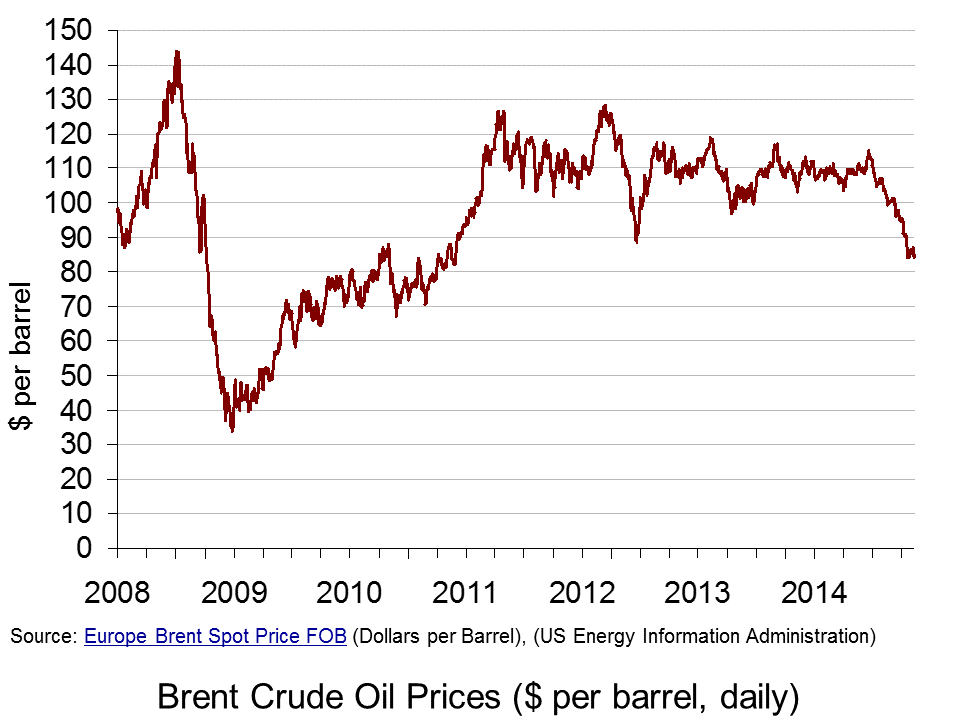 (Click here for a PowerPoint of the chart.)
However, even taking out the fuel duty and VAT, Arthur Renshaw, an analyst at Experian has said that the actual price of petrol has fallen by 21% since last year. Still, a much bigger decrease than we have seen at the pumps. One further reason for this may be the fact that dollars is the currency in which oil is traded. The pound has been relatively weak, falling by almost 7% over the past few months and hence even though the price of oil has fallen, the effect on UK consumers has been less pronounced.
The big supermarkets have responded to government calls to cut petrol prices, but how much of this cut was influenced by the government and how much was influenced by the actions of the other supermarkets is another story. A typical oligopoly, where interdependence is key, price wars are a constant feature, so even if one supermarket cut petrol prices, this would force others to respond in kind. If such price wars continue, further price cuts may emerge. Furthermore, with oil production still at such high levels, this market may continue to put downward pressure on petrol prices. Certainly good news for consumers – we now just have to wait to see how long it lasts, with key oil producing countries, such as Russia taking a big hit. The following articles consider this story.
Articles
Supermarkets cut fuel prices again The Telegraph, Nick Collins (6/11/14)
Petrol retailers urged to cut prices in line with falling oil costs The Guardian, Terry Macalister (6/11/14)
Supermarkets cut petrol prices after chancellor’s criticism Financial Times, Michael Kavanagh (6/11/14)
Governent ‘watching petrol firms’ Mail Online (6/11/14)
Our horrendous tax rates are the real reason why petrol is still so expensive The Telegraph, Allister Heath (6/11/14)
Osborne ‘expects’ fuel price drop after fall in oil price BBC News (6/11/14)
Danny Alexander tells fuel suppliers to pass on oil price cuts to drivers The Telegraph, Peter Dominiczak (5/11/14)
Further UK fuel cuts expected as pound strengthens The Scotsman, Alastair Dalton (6/11/14)
Data
Spot oil prices Energy Information Administration
Weekly European Brent Spot Price Energy Information Administration (Note: you can also select daily, monthly or annual.)
Annual Statistical Bulletin OPEC
Questions
- Using a supply and demand diagram, illustrate the impact that a fall in the price of oil should have on the price of petrol.
- What is the impact of a tax on petrol?
- Why is petrol a market that is so heavily taxed? You should think about the incidence of taxation in your answer.
- Why does the strength of the pound have an impact on petrol prices in the UK and how much of the oil price is passed onto customers at the pumps?
- Does the structure of the supermarket industry help customers when it comes to the price of petrol? Explain your answer.
- Militant action in some key oil producing countries has caused fears of oil disruption. Why is that oil prices don’t reflect these very big concerns?
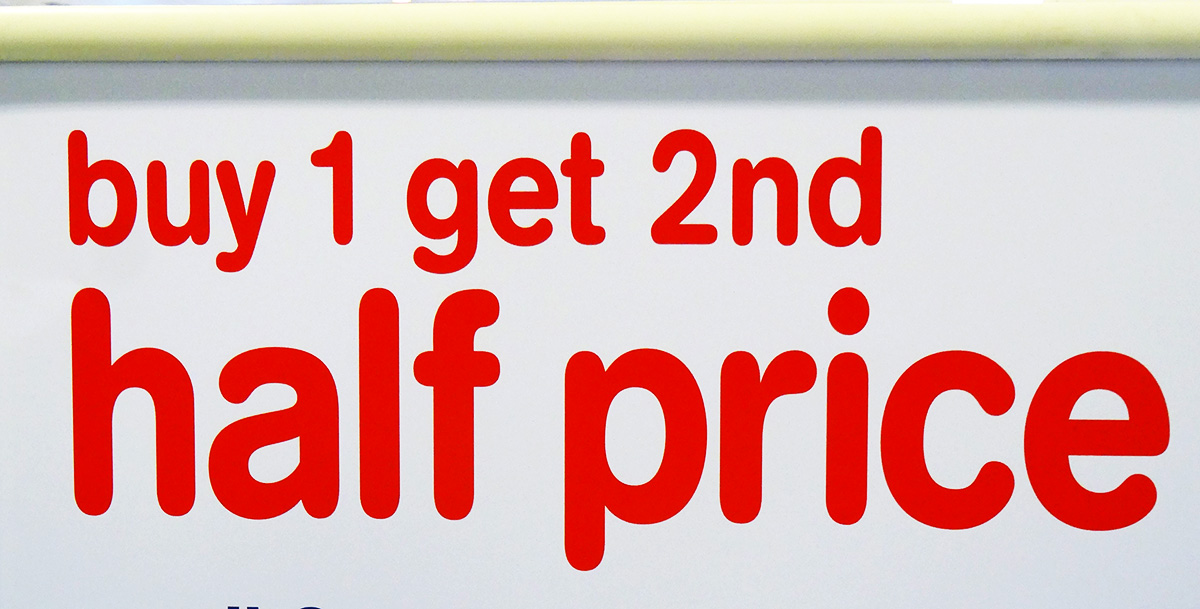 In a blog post on 1 May this year, What’s really on offer?, we looked at the ‘super-complaint‘ by Which? to the Competition and Markets Authority (CMA) about supermarket special offers. The complaint referred to bogus price reductions, ‘cheaper’ multi-buys which weren’t cheaper, smaller pack sizes and confusing special offers. Under the rules of super-complaints, the CMA had 90 days from the receipt of the complaint on 21 April 2015 to publish a response. It has now done so.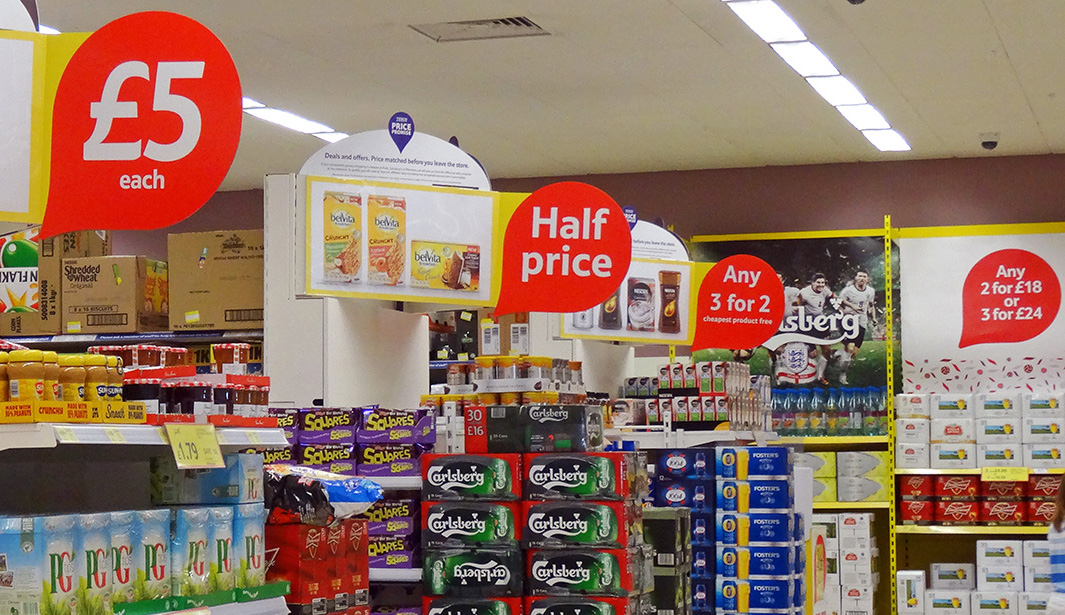
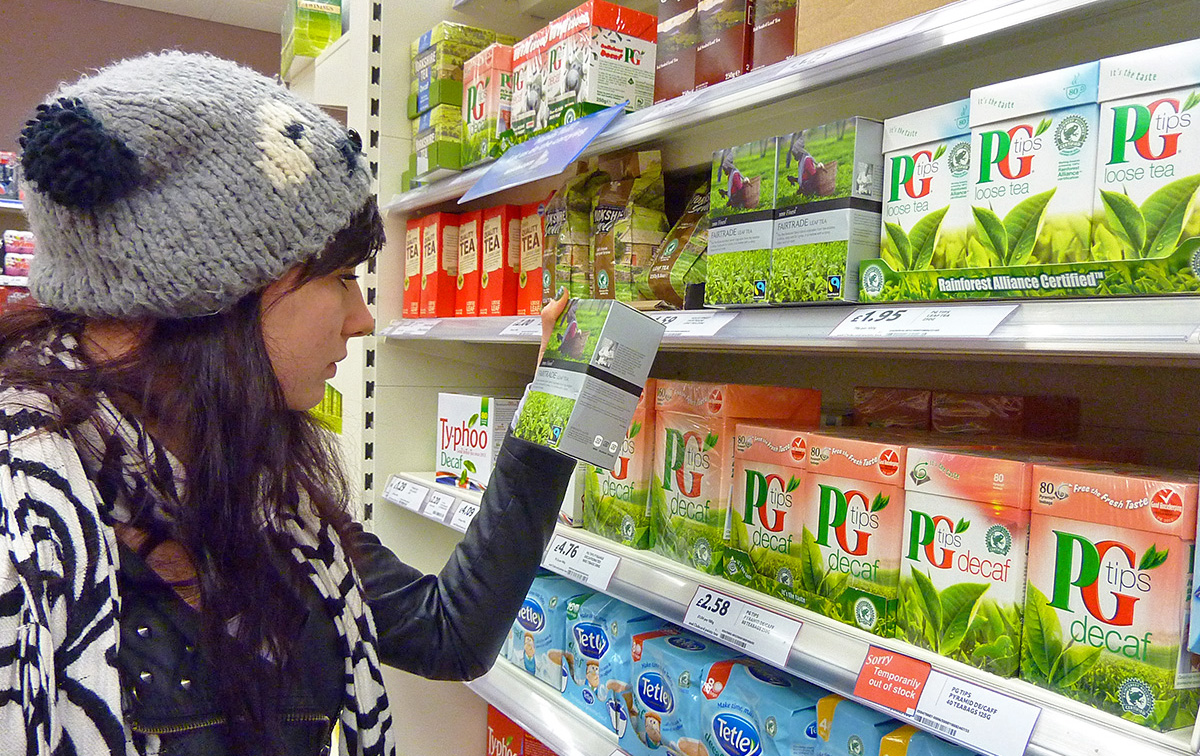 in some cases the supermarkets could be fined. The CMA also says that it will work with the supermarkets to eliminate misleading information in promotions.