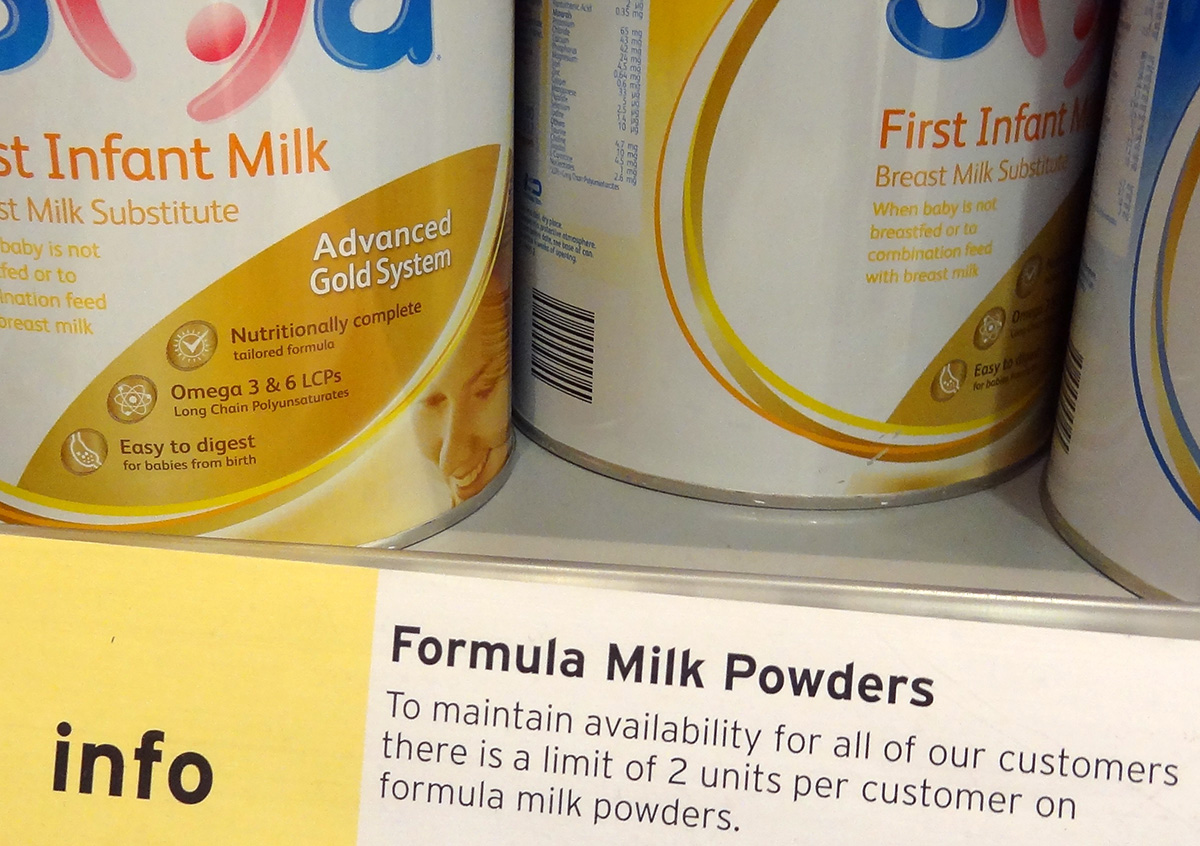
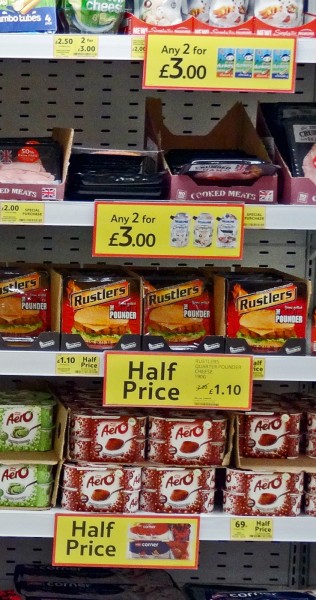
 For years, the UK consumer organisation, Which?, has exposed misleading supermarket pricing practices. These include bogus price reductions, ‘cheaper’ multi-buys, smaller pack sizes and confusing special offers. Claiming that these practices are still continuing, Which? has made a super-complaint (available to designated consumer bodies) to the competition regulator, the Competition and Markets Authority (CMA).
Commenting on this action, Which? executive director, Richard Lloyd said:
“Despite Which? repeatedly exposing misleading and confusing pricing tactics, and calling for voluntary change by the retailers, these dodgy offers remain on numerous supermarket shelves. Shoppers think they’re getting a bargain but in reality it’s impossible for any consumer to know if they’re genuinely getting a fair deal.
We’re saying enough is enough and using one of the most powerful legal weapons in our armoury to act on behalf of consumers by launching a super-complaint to the regulator. We want an end to misleading pricing tactics and for all retailers to use fair pricing that people can trust.”
The CMA will consider the issues raised under the super-complaint to establish whether any of them are significantly harming the interests of consumers. It will publish a response within 90 days from the receipt of the complaint on 21 April 2015. The possible outcomes include:
|
|
| • |
recommending the quality and accessibility of information for consumers is improved |
| • |
encouraging businesses in the market to self-regulate |
| • |
making recommendations to government to change the legislation or public policy |
| • |
taking competition or consumer enforcement action |
| • |
instigating a market investigation or market study |
| • |
a clean bill of health |
Some 40% of groceries are sold on promotion. Supermarkets are well aware that consumers love to get a bargain and use promotions to persuade consumers to buy things they might not otherwise have done.
 What is more, consumer rationality is bounded by the information and time available. People are often in a hurry when shopping; prices change frequently; people are often buying numerous low-value items; and they don’t know what competitors are charging. People may thus accept an offer as genuine and not spend time investigating whether it is so. Supermarkets know this and use all sorts of tactics to try to persuade people that they are indeed getting a bargain.
Videos
 Supermarkets Face Super-Complaint On Pricing Sky News (21/4/15)
UK supermarkets face possible probe over pricing practices Reuters, Neil Maidment (21/4/15)
Which? launches ‘super-complaint’ against supermarkets BBC News, Stephanie McGovern (21/4/15)
Articles
UK supermarkets dupe shoppers out of hundreds of millions, says Which? The Guardian, Rebecca Smithers (21/4/15)
Supermarkets face inquiry into ‘rip-offs’ The Telegraph, Dan Hyde (21/4/15)
15 supermarket rip-offs that led to an inquiry The Telegraph, Dan Hyde (21/4/15)
What does Which?’s supermarket pricing complaint mean for you? The Guardian (21/4/15)
Supermarkets hit back over Which? report on pricing Financial Times (21/4/15)
Press release
Which? ‘super-complains’ about misleading supermarket pricing practices Which? (21/4/15)
CMA case page
Groceries pricing super-complaint Competition and Markets Authority (21/4/15)
Questions
- Give examples of supermarket offers that are misleading.
- Why are supermarkets able to ‘get away with’ misleading offers?
- How can behavioural economics help to explain consumer behaviour in supermarkets?
- Identify some other super-complaints have been made to the CMA or its predecessor, the Office of Fair Trading. What were the outcomes from the resulting investigations.
- What is meant by ‘heuristics’? How might supermarkets exploit consumers’ use of heuristics in their promotions?
 In their manifestos, the parties standing for the UK general election on May 7th state their plans for fiscal policy and, more specifically, for reducing public-sector net borrowing and public-sector net debt. The degree of detail in the plans varies, especially with regards to where cuts will be made, but there are nevertheless some very clear differences between the parties.
The Institute for Fiscal Studies has examined the public finance plans of the Conservatives, Labour, Liberal Democrats and SNP and has published a briefing note (see link below) and an accompanying press release. It accuses all four parties’ plans of being short on detail over specific cuts (especially the Conservatives), and over borrowing requirements (especially Labour):
None of these parties has provided anything like full details of their fiscal plans for each year of the coming parliament, leaving the electorate somewhat in the dark as to both the scale and composition of likely spending cuts and tax increases. In our analysis we have used the information provided in each manifesto, plus in some cases some necessary assumptions, to shed light on the four parties’ plans.
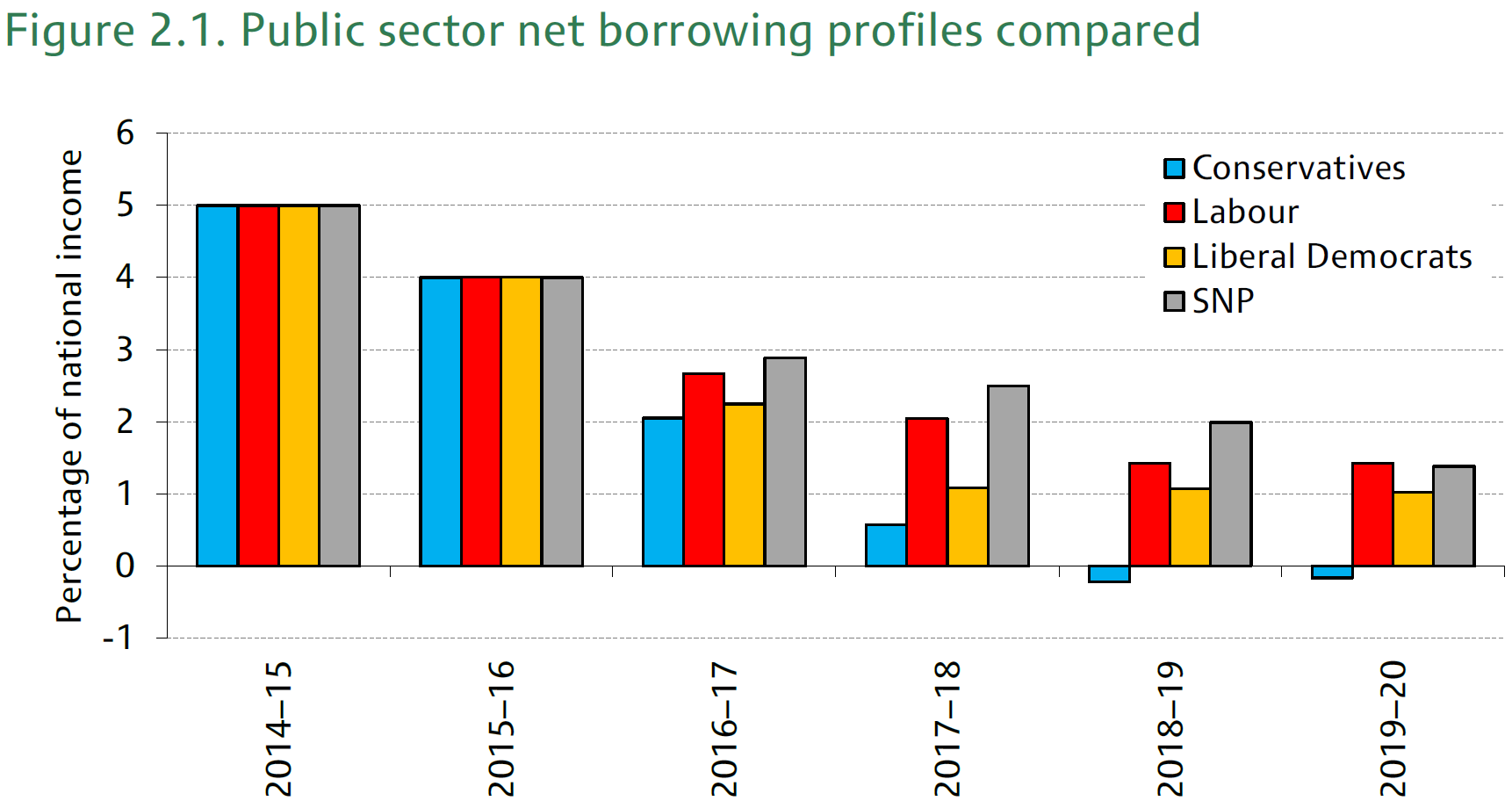
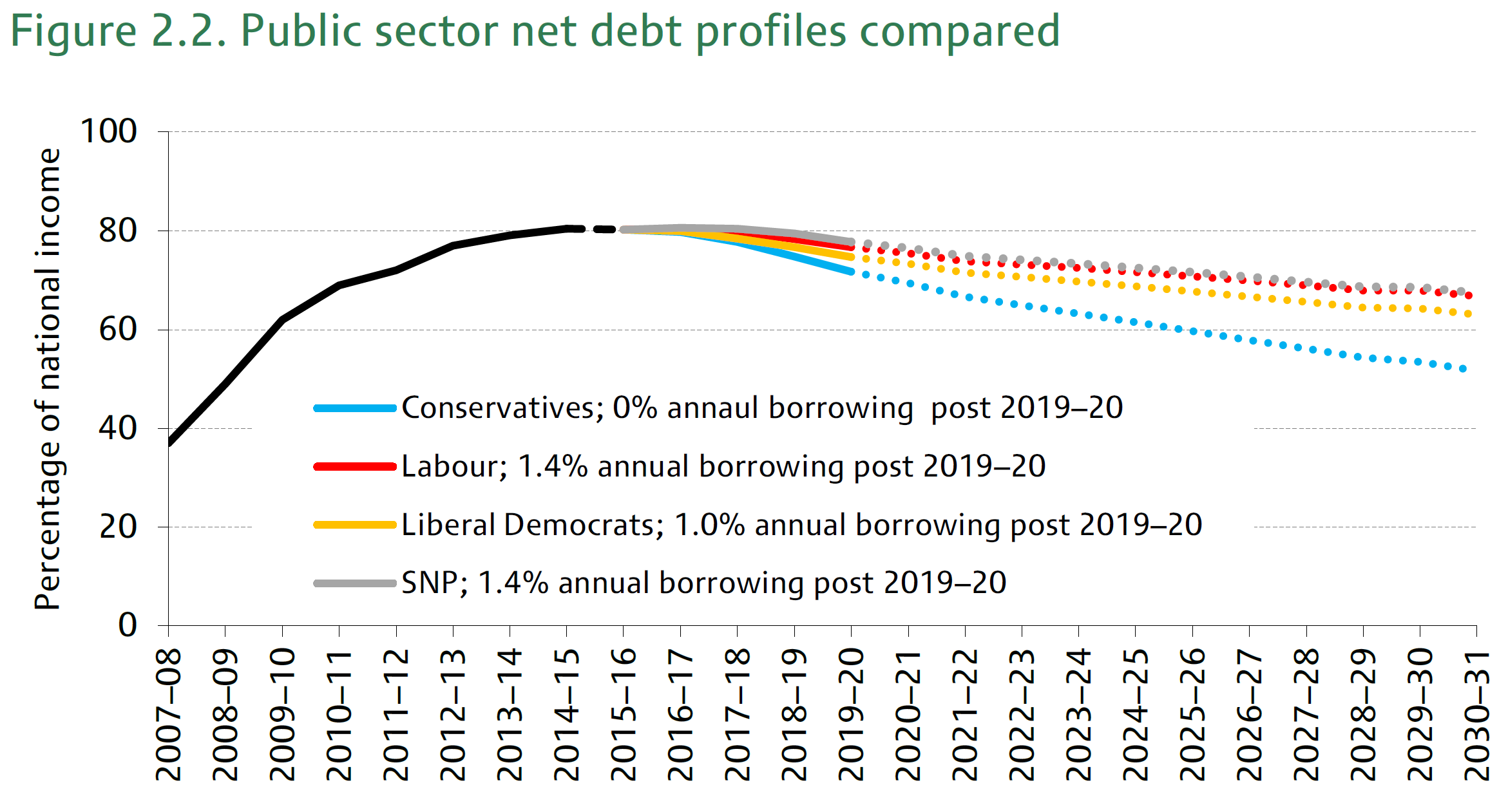
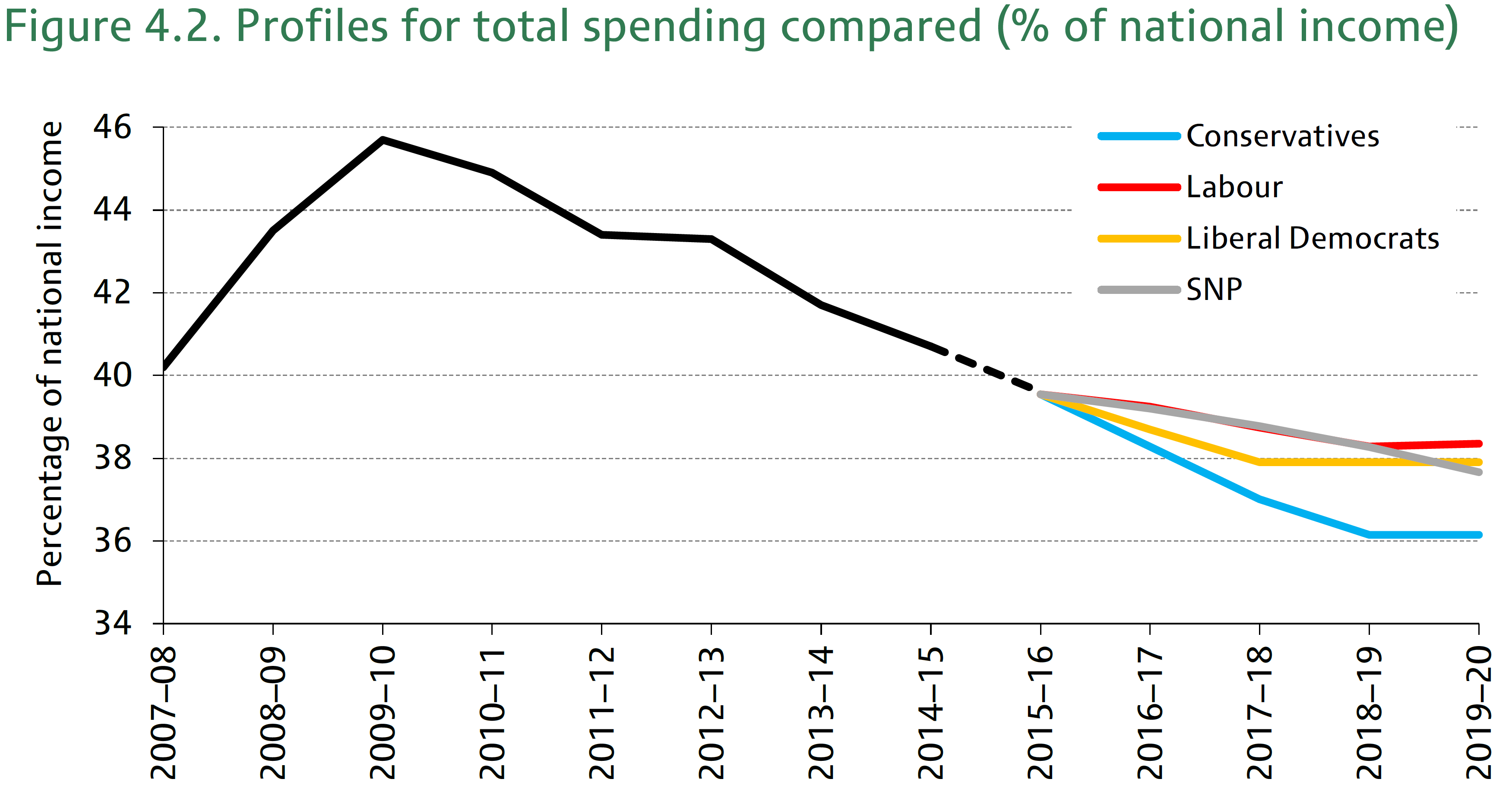
But despite the lack of detail, the IFS claims that there are big differences in the parties’ plans. These are illustrated in the following three charts from the IFS Briefing Note.
According to Carl Emmerson, IFS deputy director:
“There are genuinely big differences between the main parties’ fiscal plans. The electorate has a real choice, although it can at best see only the broad outlines of that choice. Conservative plans involve a significantly larger reduction in borrowing and debt than Labour plans. But they are predicated on substantial and almost entirely unspecified spending cuts and tax increases. While Labour has been considerably less clear about its overall fiscal ambitions its stated position appears to be consistent with little in the way of further spending cuts after this year”.
So what would be the implications of the plans of the various parties for fiscal policy and what, in turn, would be the implications for economic growth and investment? The various videos and articles look at the briefing note and at what is missing from the parties’ plans.
Videos
Voters ‘in the dark’ over budgets BBC News, Robert Peston (23/4/15)
Election 2015: Main parties respond to IFS deficit claims BBC News, James Landale (23/4/15)
Election 2015: ‘Not enough detail’ on deficit cut plans, says IFS BBC News, Paul Johnson (23/4/15)
IFS: Electorate ‘left in the dark’ by political parties ITV News, Chris Ship (23/4/15)
Voters Left In Dark Over Spending Cuts, Says IFS Sky News (23/4/15)
Post-election austerity: parties’ plans compared Institute for Fiscal Studies, Press Briefing (23/5/15)
Articles
IFS: election choice is stark Economia, Oliver Griffin (23/4/15)
Election 2015: Voters ‘left in the dark’, says IFS BBC News (23/4/15)
The huge choice for voters BBC News, Robert Peston (23/4/15)
IFS manifesto analysis: fantasy island of Tory deficit reduction plan The Guardian, Larry Elliott (23/4/15)
Tories have £30bn black hole in spending plans, says IFS The Guardian, Heather Stewart (23/4/15)
Ed Miliband will leave Britain an extra £90bn in debt, IFS finds The Telegraph, Steven Swinford (23/4/15)
IFS despairs as it finds no party’s imaginary numbers add up The Guardian, John Crace (23/4/15)
Reality Check: Why should we trust the IFS? BBC News, Sebastian Chrispin (23/4/15)
IFS: Households can expect lower incomes, whoever wins the election BBC News, Brian Milligan (28/4/15)
Briefing Notes
Post-election Austerity: Parties’ Plans Compared Institute for Fiscal Studies, Briefing Note BN170, Rowena Crawford, Carl Emmerson, Soumaya Keynes and Gemma Tetlow (April 15)
Taxes and Benefits: The Parties’ Plans Institute for Fiscal Studies, Briefing Notw BN 172, Stuart Adam, James Browne, Carl Emmerson, Andrew Hood, Paul Johnson, Robert Joyce, Helen Miller, David Phillips, Thomas Pope and Barra Roantree (April 2015)
Questions
- What detail is missing about cuts in the Conservative plans?
- What detail is missing in the Labour plans on borrowing requirements?
- How do (a) the Liberal Democrat plans and (b) the SNP plans differ from Conservative and Labour plans?
- Find out the public finances plans of (a) the Green Party; (b) UKIP; and (c) Plaid Cymru. How different are these plans from those of other parties?
- Define ‘austerity’.
- How would a tightening of fiscal policy affect economic growth (a) in the short term; (b) in the long term?
- How would an expansion of the economy affect the budget balance through automatic fiscal stabilisers?
- What is meant by the structural deficit? How could this be reduced?
- Would the structural deficit be affected by austerity policies and the resulting size of the output gap, or is it independent of such policies? Explain.
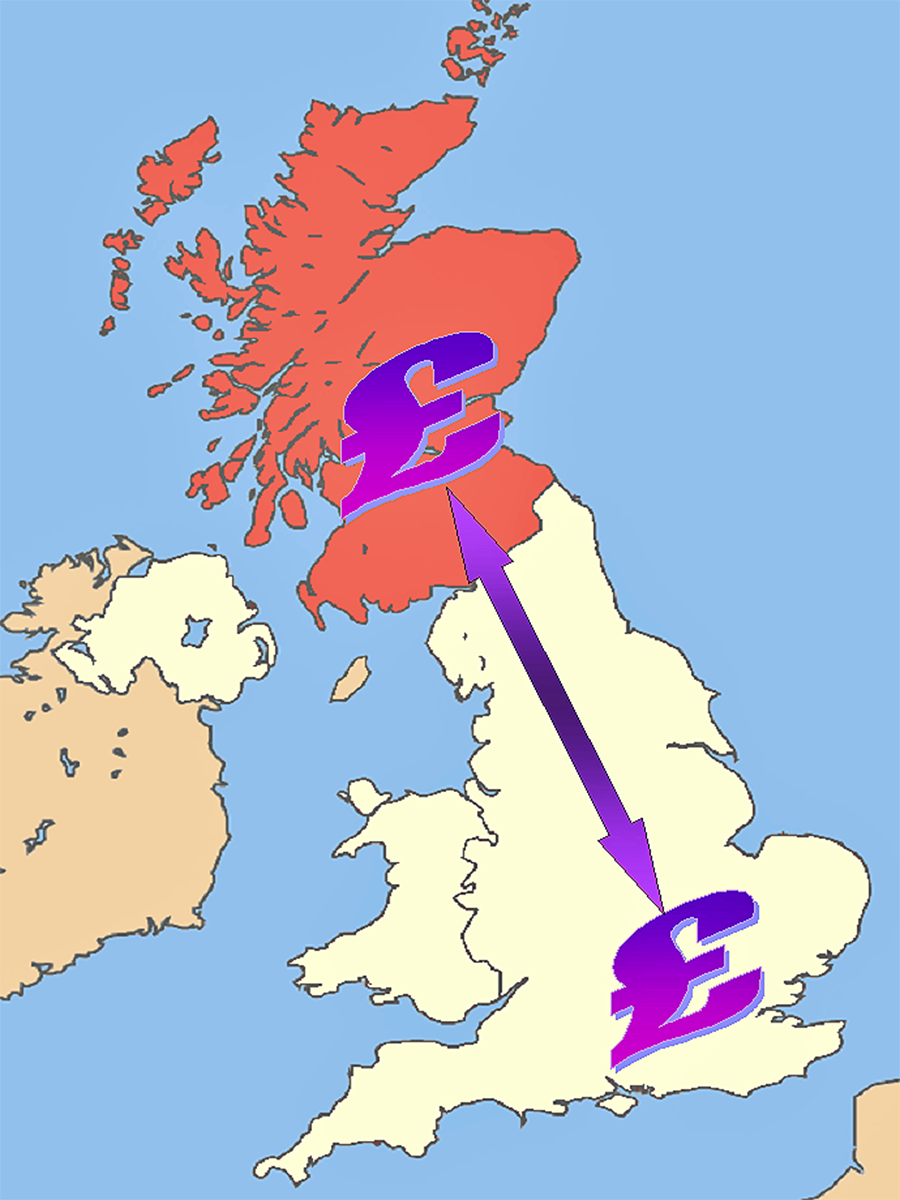 Scottish voters will be crucial in the upcoming election, with the SNP poised to take many of Labour’s seats north of the border. The future of Scotland will depend on which party comes to power and what decisions are made with regards to its finances.
Nicola Sturgeon wants government spending and taxation powers transferred to the Scottish Parliament, but would this mean spending cuts and tax rises for the Scottish people? Ed Miliband, Labour’s leader has been vocal in pointing out what this might mean, with cuts to pensions or raising taxes. However, given that it is Labour that is facing the biggest threat from the SNP, it is perhaps hardly surprising.
However, as the first video below shows, there would be an estimated £7.6bn deficit in Scotland, according to the IFS if spending and taxing was to be transferred here. This is because the tax revenues raised in Scotland are lower per person and spending per person is higher than across the whole of the UK. Oil prices are extremely low at present and hence this is reducing tax revenues. When the oil price does rise, revenues will increase and so if the split in finances was to occur this would reduce that deficit somewhat, but it would still leave a rather large hole in Scotland’s finances. The following videos and articles consider the SNP’s plans.
Videos
SNP fiscal autonomy plan: What would it do to Scotland’s finances? BBC News, Robert Peston (10/4/15)
Labour attacks SNP’s ‘devastating’ economic plans BBC News (10/4/15)
Articles
Ed Miliband attacks SNP plan for Scottish fiscal autonomy The Guardian, Severin Carrell (10/4/15)
Ed Miliband wars pensions will be cut under SNP plans The Telegraph, Auslan Cramb (10/4/15)
SNP fails to account for billions in welfare and pensions pledge, says IFS The Guardian, Severin Carrell (10/4/15)
Questions
- What is a budget deficit?
- What does fiscal autonomy for Scotland actually mean?
- The IFS suggests that there will be a large deficit in Scottish finances if they gain autonomy. How could this gap be reduced?
- Why has Labour claimed that tax rises would occur under the SNP’s plans? What could this mean for Scottish growth?
- Why do lower oil prices reduce tax revenues for Scotland?
- If Scotland had control over its finances, it could influence where government spending goes. Which industries would you invest in if you were in charge?
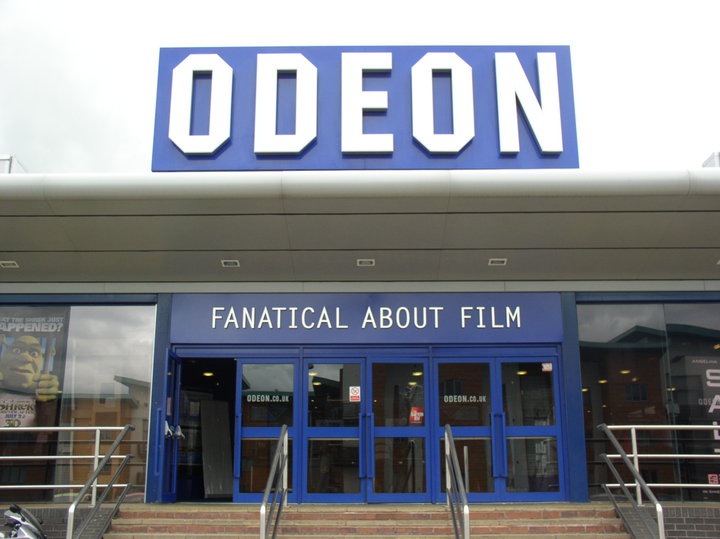 Ever been to the cinema and found it almost empty? And then wondered why you paid the full price? Perhaps you’ve taken advantage of Orange Wednesday or only go if there’s a particularly good film on? Often it might be cheaper to wait until the film is out on DVD!
Going to the cinema can be an expensive outing. The ticket, the popcorm, a drink, ice cream – it all adds up! Orange Wednesday has recently disappeared and this will definitely have an impact on consumption of movies at your local Odeon, Vue or Showcase. The impact will be on how many seats are left empty.
However, a new app could be set to generate revenues for the cinema and provide cheaper entertainment for your everyday consumer. This new app will allow cinemas to send out alerts to people in the local area advising them that a screening will have many empty seats. What’s the incentive? Perhaps a discount, or some food. But, why would they do such a thing?
If a movie is being shown at a cinema, there will be a large fixed cost. However, what happens as each additional consumer enters the theatre? Does the cost to the cinema rise? Perhaps there is a small cost with more cleaning required, but the additional cost of actually showing the film if there 11 rather than 10 people is almost (if not equal to) zero. That is, the marginal cost of an extra user is zero. Therefore, if there is a screening with many empty seats, wouldn’t the cinema be better to offer the seats for half price. After all, if you can earn £5 from selling a ticket and the additional cost is almost zero, then it’s better to sell it for £5 than not sell it for £10! The following article and video from BBC News considers this new app and other strategies to maximise cinema usage!
Apps in pockets, bums on cinema seats BBC News, Dave Lee (27/2/15)
Questions
- What would the budget constraint look like for a cinema where a discount was offered if you purchased two cinema tickets and then received the third ticket for half price?
- Why is the marginal cost of an extra user at the cinema almost zero?
- If the MC = 0, does this mean that a cinema is a public good?
- How will this new app allow a cinema to increase total revenue and profit?
- If it is cheaper to buy a DVD rather than go to a cinema, why do people still go to the cinema?
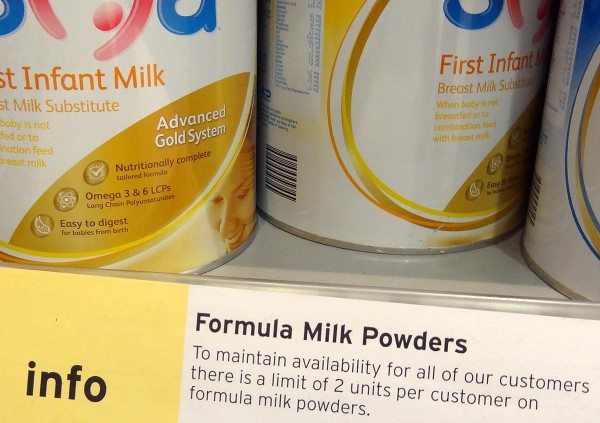 In the UK, we take it for granted that if you need to see a doctor, you go and give little, if any thought, to the cost. It may be petrol costs, time off work or the cost of a prescription, but beyond that, receiving treatment is free at the point of use. Funded through a progressive tax system, the NHS is seen as being one of the more equitable health care systems.
When a mother gives birth, the main thing she will have to worry about is the labour – and not whether to have certain painkillers or stay an extra night, because of the cost.
The International Federation of Health Plans (IFHP) looked at data on the cost of giving birth, based on insurance company payments. For someone living in the UK, the figures make for quite astonishing reading. In the USA, a normal delivery will cost $10,000, while a caesarean totals $15,000, meaning that giving birth in the USA is the most expensive place in the world. The article linked below takes the case of Mari Roberts, whose total delivery bill came to over $100,000. The insurance did cover it, but that’s not always the case. Medical bills in the United States are one of the leading reasons for bankruptcy and with these types of figures, perhaps it’s hardly surprising.
Other countries also see high costs for delivery, where expectant mothers really do need to give consideration to the length of their stay in hospital and perhaps even whether they are willing to forgo a pain-relieving drug and save some money. There is often said to be an efficiency–equity trade-off in the area of healthcare, with countries offering a free at the point of use service delivering an equitable system, but with a lack of responsiveness to the demands of the patients. In the UK, you don’t pay to see a doctor but, with a ‘free’ service, demand is understandably very high, thus creating a shortage and waiting lists. In countries, such as the USA, a higher price for treatment does limit demand, creating more inequity but a responsive system.
There are certainly lessons that can be learned from all health care systems and living in a developed country, we should certainly consider ourselves lucky. There are many countries where access to even the most basic health care is a luxury that most cannot afford. So, where does have the best health care system? I’ll leave that to you.
Video and article
How much do women around the world pay to give birth? BBC News, Mariko Oi (13/2/15)
Report
Research for Universal Health Coverage, World Health Report 2013 World Health Organisation August 2013
Health Systems Financing: The Path to Universal Coverage, World Health Report 2010 World Health Organisation August 2010
Questions
- Using a demand and supply diagram, explain why there may be a trade-off between efficiency and equity.
- If there is over-consumption of a service such as health care, does this suggest that the market fails?
- What are the main market failures that exist in health care?
- Is the concept of opportunity cost relevant to mothers in labour? Think about the country in question.
- How would you go about ranking health care systems if you worked for an organisation such as the OECD or WHO?
- Pick a country whose health care system you are familiar with. What changes have occurred to the way in which health care is organised and financed in this country? How has it affected the key objectives that formed part of your answer to question 5?