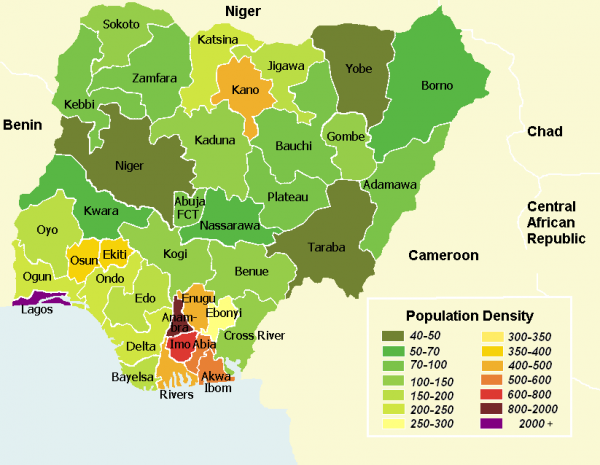
 A new group of economies, known as MINT, are seen as strong current and future emerging markets. We’ve had the BRICS (Brazil, Russia, India, China and South Africa) and now we have the MINTs (Mexico, Indonesia, Nigeria and Turkey).
In 2014, Nigeria became Africa’s fastest growing nation. A large part of Nigeria’s success has to do with growth in some of its key industries.
Nigerian’s reliance on the oil and gas industry created an attractive economy for further development and it now has high growth in a diverse range of sectors, including mobile phones, champagne, private jets and ‘Nollywood’. Despite the uncertainty and political unrest caused by Boko Haram, Nigeria is attracting a significant amount of Foreign Direct Investment (FDI) in a range of sectors, indicating its growing diversity and attractiveness to some of the world’s largest multinational companies.
Boko Haram has certainly had a dampening effect on Nigeria’s growth, as has the lower oil price, but this may create opportunities for further diversification. Furthermore there are concerns about how the wealth of the nation is concentrated, given that poverty is still prevalent across the country. However, Nigeria is certainly emerging as a success story of Africa and surely the question that will be asked is will other African nations follow suit?
The following article from BBC News considers the Nigerian economy.
Nigeria’s ‘champagne’ economy bucks Boko Haram effect BBC News, Vishala Sri-Pathma (27/3/15)
Questions
- Is a falling oil price necessarily bad for the Nigerian economy?
- Explain why Boko Haram is likely to have a dampening effect on economic growth in Nigeria.
- Do you think other African nations will be able to replicate the success of Nigeria? Which factors may prevent this?
- If the number of millionaires is increasing significantly, but poverty is persisting, does this tell us anything about what is happening to inequality in Nigeria?
- Is is possible to reduce inequality in Nigeria while maintaining economic growth? Might it even be posible for greater equality to be a driver of economic growth?
- The Nigerian currency is weakening. What has caused this and why may this be a cause for concern?
 One thing that economists often argue for is free trade. It promotes competition, allows greater choice and generates efficiency gains through specialisation to name a few of the advantages. Barriers to trade have gradually been brought down across the global economy, but some do still exist.
Although free trade does have many advantages, there are also arguments for barriers to trade, especially for developing or emerging economies. In some cases, barriers to trade can help a country to develop a particular industry or offer protection to a new sector from the giants of the world. In the case of China, it had a quota system in place since 2009 to restrict exports of ‘rare earth materials’, such as Tungsten and Molybdenum. Many of the hi-tech products that China specialises in require these rare minerals during production and, as the dominant producer of these minerals, Beijing had imposed restrictions on exporting them in an attempt to develop these industries.
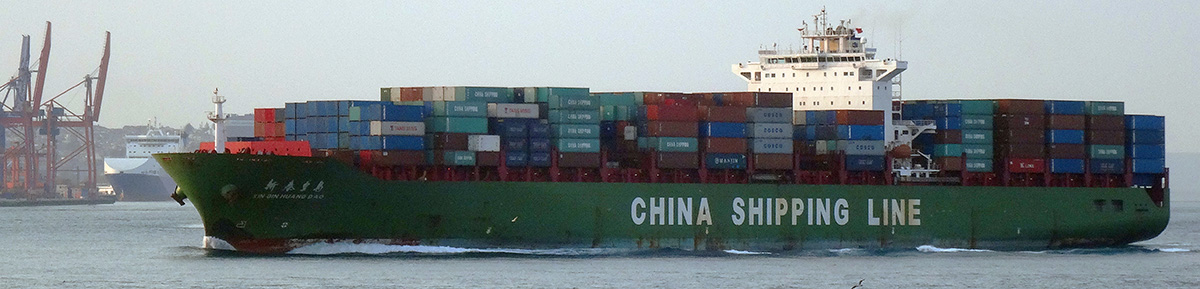 However, other countries had raised concerns about the quota system being used, suggesting that by restricting exports of rare earth minerals, China was driving up their price. It was also suggested that the restrictions benefited domestic producers, at the expense of foreign competitors, given that domestic producers were able to access the raw materials at cheaper prices.
A complaint was made to the World Trade Organization in March 2014 by the USA, supported by the EU, Canada and Japan. Following an investigation by a WTO panel, the panel found that China had failed to show sufficiently that the quotas were justified. After an appeal by China, the panel’s findings were upheld in August by the WTO.
In response to the failure of its appeal, China has just announced that it is removing the quotas on exports of rare earth materials. However, this is unlikely to be the end of the story, as other policies may well be imposed, including a resources tax; and an export licence is still required. The following articles consider this battle.
China axes rare earth export quotas Financial Times, Lucy Hornby (5/1/15)
China scraps quotas on rare earths after WTO complaint BBC News (5/1/15)
China ends rare-earth minerals export quotas Wall Street Journal, Chuin-Wei Yap (5/1/15)
China scraps rare earth export controls after losing WTO appeal Bloomberg (6/1/15)
China abolishes rare earth export quotas: state media Reuters (4/1/15)
Questions
- What are the benefits of free trade?
- Why do some countries choose to impose protectionist measures and what type of measures can be put in place?
- Using a diagram, explain the impact that export quotas would have on Chinese firms using these rare minerals and also on foreign firms.
- Why have other countries argued that export quotas push up prices of these minerals?
- What other policies might China put in place in order to protect its industries?
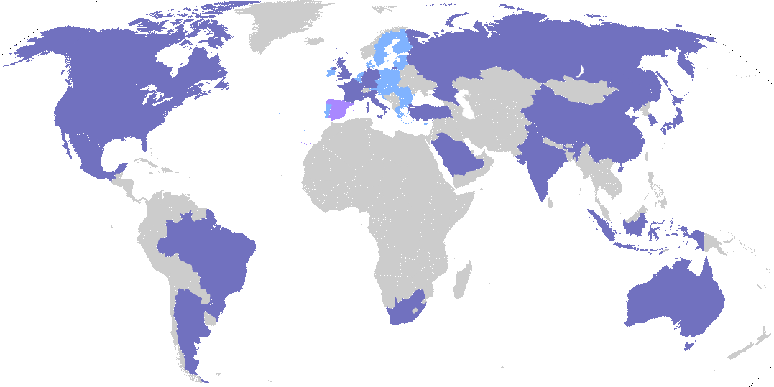
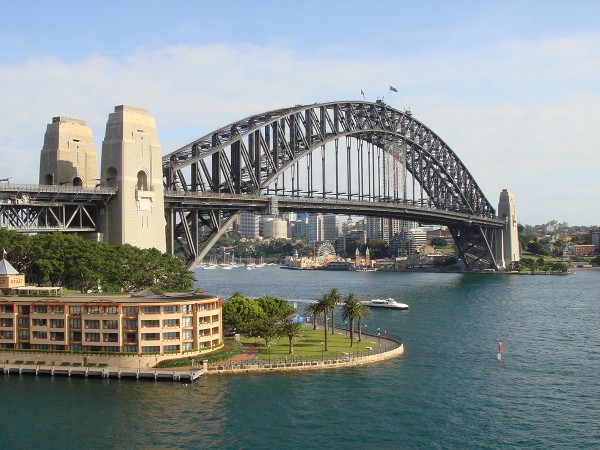 This weekend, Australia will play host to the world’s leaders, as the G20 Summit takes place. The focus of the G20 Summit will be on global growth and how it can be promoted. The Eurozone remains on the brink, but Germany did avoid for recession with positive (just) growth in the third quarter of this year. However, despite Australia’s insistence on returning the remit of the G20 to its original aims, in particular promoting growth, it is expected that many other items will also take up the G20’s agenda.
In February, the G20 Finance Ministers agreed various measures to boost global growth and it is expected that many of the policies discussed this weekend will build on these proposals. The agreement contained a list of new policies that had the aim of boosting economy growth of the economies by an extra 2% over a five year period. If this were to happen, the impact would be around £1.27 trillion. The agreed policies will be set out in more detail as part of the Brisbane Action Plan.
 As well as a discussion of measures to promote global growth as a means of boosting jobs across the world, there will also be a focus on using these measures to prevent deflation from becoming a problem across Europe. Global tax avoidance by some of the major multinationals will also be discussed and leaders will be asked to agree on various measures. These include a common reporting standard; forcing multinationals to report their accounts country by country and principles about disclosing the beneficial ownership of companies. It it also expected that the tensions between Russia and Ukraine will draw attention from the world leaders. But, the main focus will be the economy. Australia’s Prime Minister, Tony Abbott said:
“Six years ago, the impacts of the global financial crisis reverberated throughout the world. While those crisis years are behind us, we still struggle with its legacy of debt and joblessness…The challenge for G20 leaders is clear – to lift growth, boost jobs and strengthen financial resilience. We need to encourage demand to ward off the deflation that threatens the major economies of Europe.”
 Many people have protested about the lack of action on climate change, but perhaps this has been addressed to some extent by the deal between China and the USA on climate change and Barak Obama’s pledge to make a substantial contribution to the Green Climate Fund. This has caused some problems and perhaps embarrassment for the host nation, as Australia has remained adamant that despite the importance of climate change, this will not be on the agenda of the G20 Summit. Suggestions now, however, put climate change as the final communique.
Some people and organisations have criticised the G20 and questioned its relevance, so as well as discussing a variety of key issues, the agenda will more broadly be aiming to address this criticism. And of course, focus will also be on tensions between some of the key G20 leaders. The following articles consider the G20 Summit.
Articles
Ukraine and Russia take center stage as leaders gather for G20 Reuters, Matt Siegel (14/11/14)
The G20 Summit: World leaders gather in Brisbane BBC News (14/11/11)
G20: Obama to pledge $2.5bn to help poor countries on climate change The Guardian, Suzanne Goldenberg (14/11/14)
G20 in 20: All you need to know about Brisbane Leaders summit in 20 facts Independent, Mark Leftly (13/11/14)
G20 leaders to meet in Australia under pressure to prove group’s relevance The Guardian, Lenore Taylor (13/11/14)
Australia PM Abbott accuses Putin of bullying on eve of G20 Financial Times, George Parker and Jamie Smyth (14/11/14)
G20: David Cameron in Australia for world leaders’ summit BBC News (13/11/14)
G20 summit: Australian PM Tony Abbott tries to block climate talks – and risks his country becoming an international laughing stock Independent, Kathy Marks (13/11/14)
Incoming G20 leader Turkey says groups must be more inclusive Reuters, Jane Wardell (14/11/14)
Behind the motorcades and handshakes, what exactly is the G20 all about – and will it achieve ANYTHING? Mail Online, Sarah Michael (14/11/14)
Is the global economy headed for the rocks? BBC News, Robert Peston (17/11/14)
Official G20 site
G20 Priorities G20
Australia 2014 G20
News G20
Questions
- What is the purpose of the G20 and which countries are members of it? Should any others be included in this type of organisation?
- What are the key items on the agenda for the G20 Summit in Brisbane?
- One of the main objectives of this Summit is to discuss the policies that will be implemented to promote growth. What types of policies are likely to be important in promoting global economic growth?
- What types of policies are effective at addressing the problem of deflation?
- What impact will the tensions between Russia and Ukraine have on the progress of the G20?
- Why are multinationals able to engage in tax evasion? What policies could be implemented to prevent this and to what extent is global co-operation needed?
- Discuss possible reforms to the IMF and the G20’s role in promoting such reforms.
- Should the G20 be scrapped?
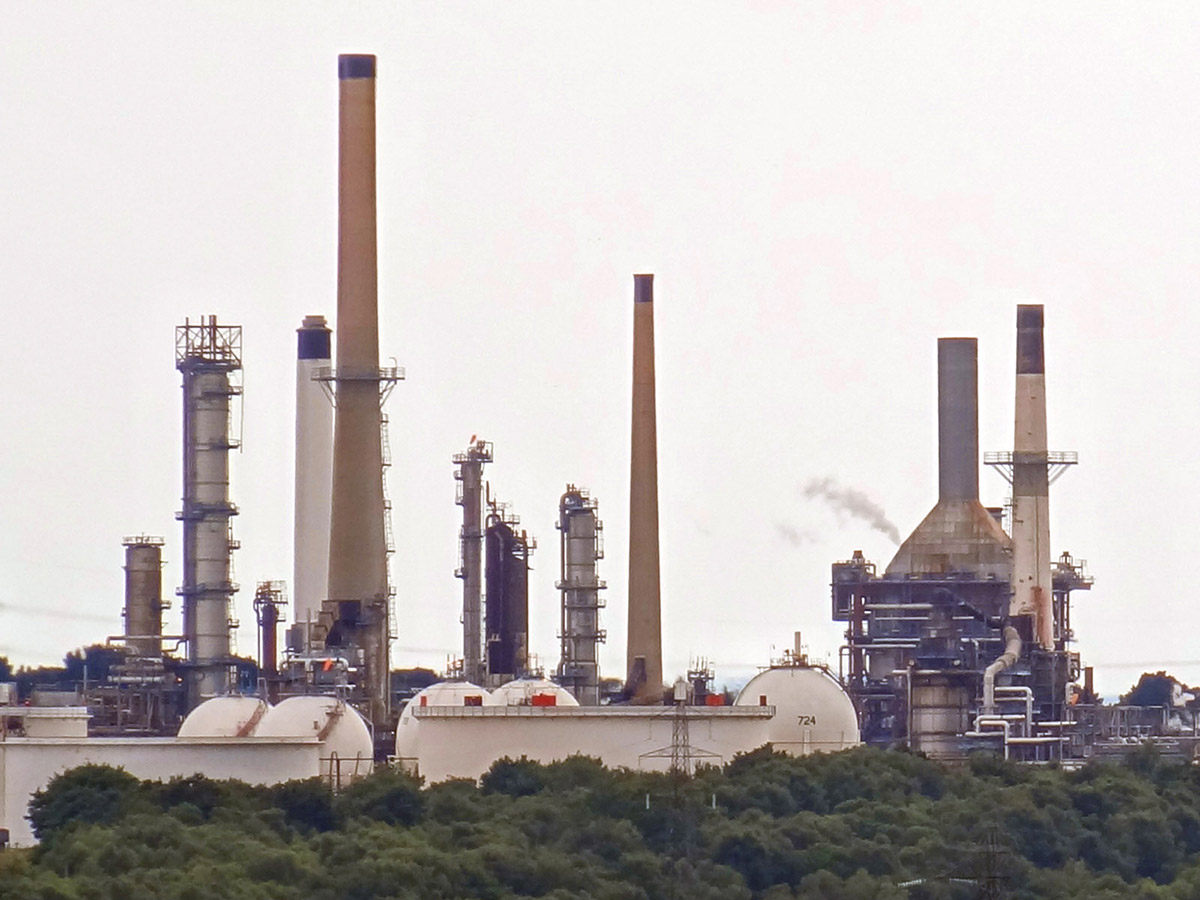 A big expenditure for many households is petrol. The price of petrol is affected by various factors, but the key determinant is what happens in the oil market. When oil prices rise, this pushes up the price of petrol at the pumps. But, when they fall, do petrol prices also fall? That is the question the government is asking.
The price of oil is a key cost of production for companies providing petrol and so when oil prices rise, it shifts the supply curve up to the left and hence prices begin to increase. We also see supply issues developing with political turmoil, fears of war and disruption and they have a similar effect. As such, it is unsurprising that petrol prices rise with concern of supply and rising costs. But, what happens when the opposite occurs? Oil prices have fallen significantly: by a quarter. Yet, prices at the pump have fallen by around 6%. This has caused anger amongst customers and the government is now urging petrol retailers to pass their cost savings from a lower price of oil onto customers. Danny Alexander, Chief Secretary to the Treasury said:
“I believe it’s called the rocket-and-feather effect. The public have a suspicion that when the price of oil rises, pump prices go up like a rocket. But when the price of oil falls, pump prices drift down like a feather … This has been investigated before and no conclusive evidence was found. But even if there were a suspicion it could be true this time it would be an outrage.”
However, critics suggest that tax policy is partly to blame as 63% of the cost of petrol is in the form taxation through fuel duty and VAT. Therefore even if oil prices do fall, the bulk of the price we pay at the pumps is made up of tax revenue for the government. Professor Stephen Glaister, director of the RAC Foundation said:
“It’s a simple story. Before tax we have just about the cheapest petrol and diesel in Europe. After tax we have just about the most expensive … It’s right to keep the pressure on fuel retailers but if drivers want to know what’s behind the high pump prices of recent years all they have to do is follow the trail back to the Treasury … if ministers are serious about reducing fuel prices further then they should cut duty further.”
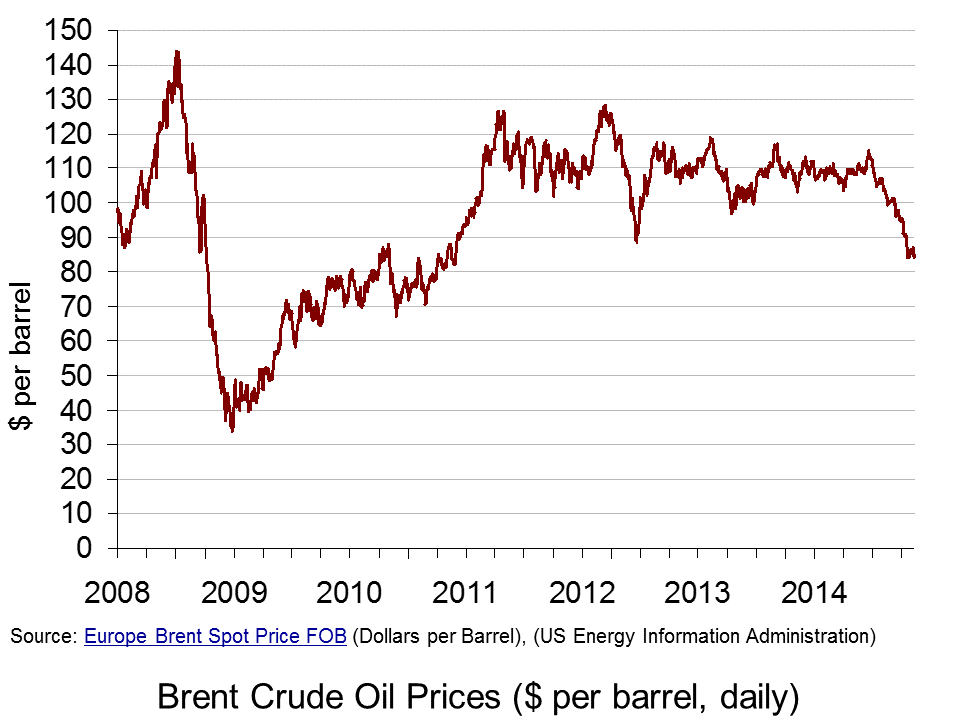 (Click here for a PowerPoint of the chart.)
However, even taking out the fuel duty and VAT, Arthur Renshaw, an analyst at Experian has said that the actual price of petrol has fallen by 21% since last year. Still, a much bigger decrease than we have seen at the pumps. One further reason for this may be the fact that dollars is the currency in which oil is traded. The pound has been relatively weak, falling by almost 7% over the past few months and hence even though the price of oil has fallen, the effect on UK consumers has been less pronounced.
The big supermarkets have responded to government calls to cut petrol prices, but how much of this cut was influenced by the government and how much was influenced by the actions of the other supermarkets is another story. A typical oligopoly, where interdependence is key, price wars are a constant feature, so even if one supermarket cut petrol prices, this would force others to respond in kind. If such price wars continue, further price cuts may emerge. Furthermore, with oil production still at such high levels, this market may continue to put downward pressure on petrol prices. Certainly good news for consumers – we now just have to wait to see how long it lasts, with key oil producing countries, such as Russia taking a big hit. The following articles consider this story.
Articles
Supermarkets cut fuel prices again The Telegraph, Nick Collins (6/11/14)
Petrol retailers urged to cut prices in line with falling oil costs The Guardian, Terry Macalister (6/11/14)
Supermarkets cut petrol prices after chancellor’s criticism Financial Times, Michael Kavanagh (6/11/14)
Governent ‘watching petrol firms’ Mail Online (6/11/14)
Our horrendous tax rates are the real reason why petrol is still so expensive The Telegraph, Allister Heath (6/11/14)
Osborne ‘expects’ fuel price drop after fall in oil price BBC News (6/11/14)
Danny Alexander tells fuel suppliers to pass on oil price cuts to drivers The Telegraph, Peter Dominiczak (5/11/14)
Further UK fuel cuts expected as pound strengthens The Scotsman, Alastair Dalton (6/11/14)
Data
Spot oil prices Energy Information Administration
Weekly European Brent Spot Price Energy Information Administration (Note: you can also select daily, monthly or annual.)
Annual Statistical Bulletin OPEC
Questions
- Using a supply and demand diagram, illustrate the impact that a fall in the price of oil should have on the price of petrol.
- What is the impact of a tax on petrol?
- Why is petrol a market that is so heavily taxed? You should think about the incidence of taxation in your answer.
- Why does the strength of the pound have an impact on petrol prices in the UK and how much of the oil price is passed onto customers at the pumps?
- Does the structure of the supermarket industry help customers when it comes to the price of petrol? Explain your answer.
- Militant action in some key oil producing countries has caused fears of oil disruption. Why is that oil prices don’t reflect these very big concerns?
 One of the key battle grounds at the next General Election is undoubtedly going to be immigration. A topic that is very closely related to EU membership and what can be done to limit the number of people coming to the UK. One side of the argument is that immigrants coming into the UK boost growth and add to the strength of the economy. The other side is that once in the UK, immigrants don’t move into work and end up taking more from the welfare state than they give to it through taxation.
A new report produced by University College London’s Centre for Research and Analysis of Migration has found that the effect on the UK economy of immigrants from the 10 countries that joined the EU from 2004 has been positive. In the years until 2011, it has been found that these immigrants contributed £4.96 billion more in taxes than they took out in benefits and use of public services. Christian Dustmann, one of the authors of this report said:
“Our new analysis draws a positive picture of the overall fiscal contribution made by recent immigrant cohorts, particularly of immigrants arriving from the EU … European immigrants, particularly, both from the new accession countries and the rest of the European Union, make the most substantial contributions … This is mainly down to their higher average labour market participation compared with natives and their lower receipt of welfare benefits.”
 The report also found that in the 11 years to 2011, migrants from these 10 EU countries were 43 per cent less likely than native Britons to receive benefits or tax credits, and 7 per cent less likely to live in social housing. This type of data suggests a positive overall contribution from EU immigration. However, critics have said that it doesn’t paint an accurate picture. Sir Andrew Green, Chairman of Migration Watch commented on the choice of dates, saying:
“If you take all EU migration including those who arrived before 2001 what you find is this: you find by the end of the period they are making a negative contribution and increasingly so … And the reason is that if you take a group of people while they’re young fit and healthy they’re not going to be very expensive but if you take them over a longer period they will be.”
However, the report is not all positive about the effects of immigration. When considering the impact on the economy of migrants from outside of the EEA, the picture is quite different. Over the past 17 years, immigration has cost the UK economy approximately £120bn, through migrant’s greater consumption of public benefits, such as the NHS, compared to their contributions through taxation. The debate is likely to continue and this report will certainly be used by both sides of the argument as evidence that (a) no change in immigration policy is needed and (b) a major change is needed to immigration policy. The following articles consider this report.
Report
The Fiscal effects of immigration to the UK The Economic Journal, University College London’s Centre for Research and Analysis of Migration, Christian Dustmann and Tommaso Frattini (November 2014)
Articles
Immigration from outside Europe ‘cost £120 billion’ The Telegraph, David Barrett (5/11/14)
New EU members add £5bn to UK says Research BBC News (5/11/14)
UK gains £20bn from European migrants, UCL economists reveal The Guardian, Alan Travis (5/11/14)
EU immigrant tax gain revealed Mail Online (5/11/14)
Immigration question still open BBC News, Robert Peston (5/11/14)
EU migrants pay £20bn more in taxes than they receive Financial Times, Helen Warrell (5/11/14)
Questions
- Why is immigration such a political topic?
- How are UK labour markets be affected by immigration? Use a demand and supply diagram to illustrate the effect.
- Based on your answer to question 2, explain why some people are concerned about the impact of immigration on UK jobs.
- What is the economic argument in favour of allowing immigration to continue?
- What policy changes could be recommended to restrict the levels of immigration from outside the EEA, but to continue to allow immigration from EU countries?
- If EU migrants are well educated, does that have a positive or negative impact on UK workers, finances and the economy?
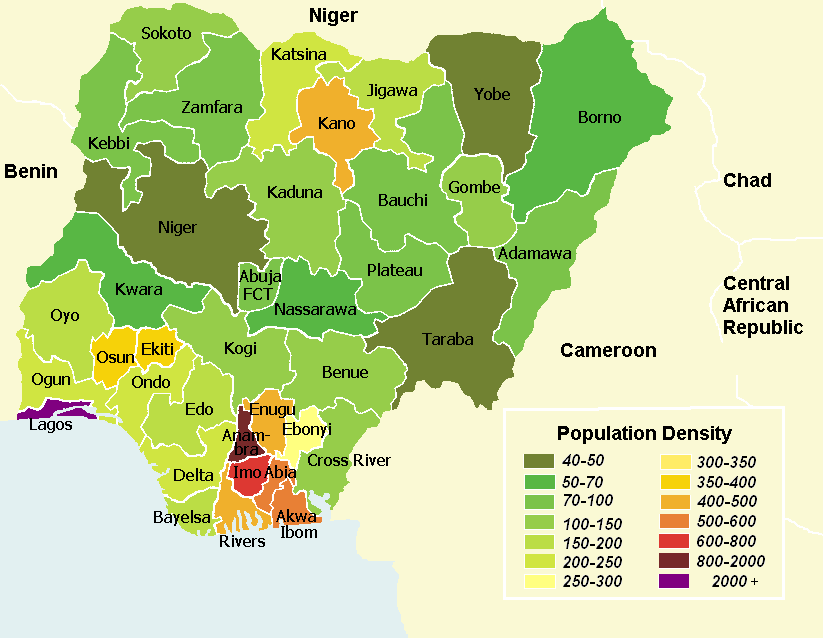 A new group of economies, known as MINT, are seen as strong current and future emerging markets. We’ve had the BRICS (Brazil, Russia, India, China and South Africa) and now we have the MINTs (Mexico, Indonesia, Nigeria and Turkey).