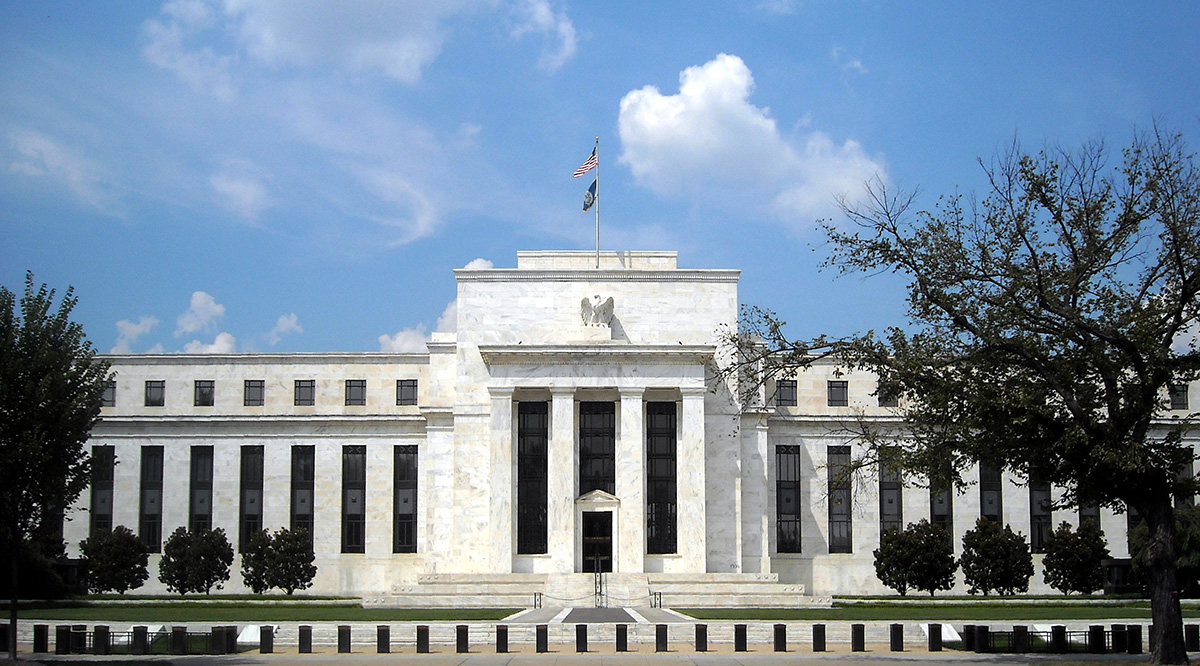
 Jim Slater, who has just died at the age of 86, was a tycoon of the 1970s, probably unknown to most reader of this blog. But his legacy lives on and many will question whether the actions of the banking sector and big business today is a reflection of the lessons that were not learnt 40 years ago.
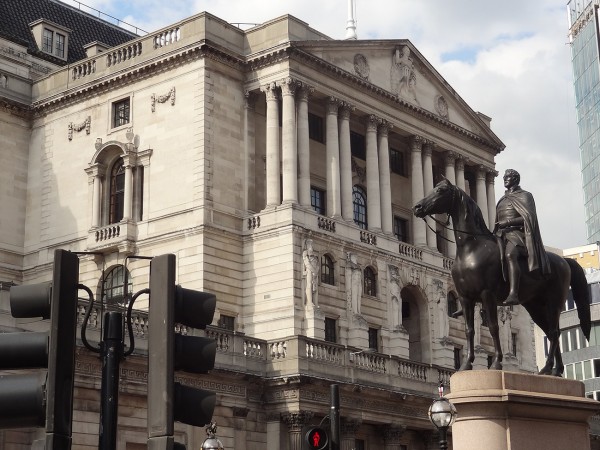
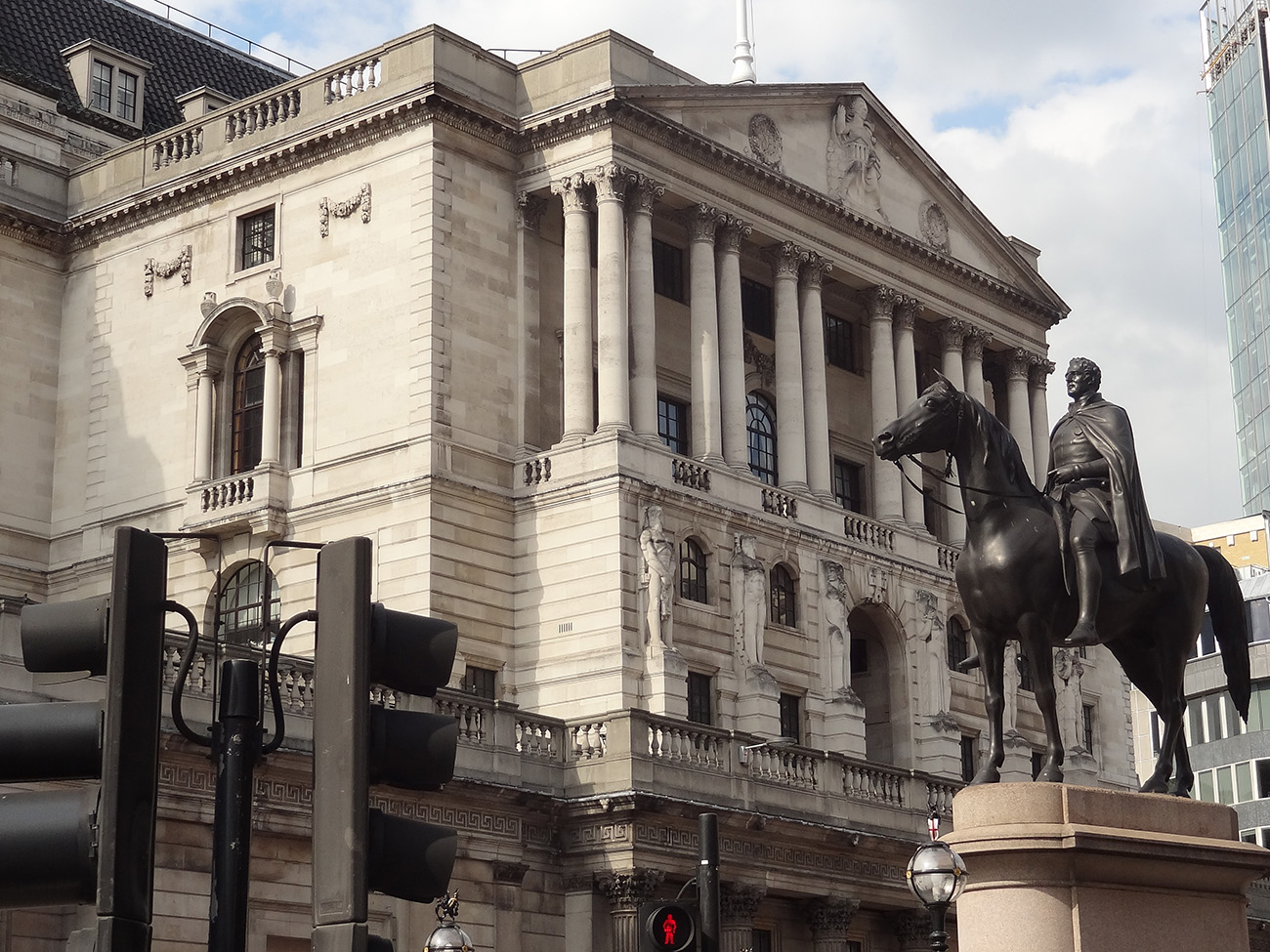
Slater was a businessman: perhaps the businessman in the 1970s, building up a company that in today’s money and the height of its success, would have been worth billions. Buying and selling companies, asset stripping and investing created Slater Walker, which shot to success and then crumbled to failure, taking with it a bailout from the Bank of England of £110 million. You might look at that figure and compare it with the bail outs of more recent times and think – peanuts. But think about how prices have changed and convert £110 million into today’s money and that’s a hefty bail out. A key question is whether the willingness of the government and Bank of England to bail out key banks and financial sector businesses has encouraged the irresponsible lending that led to the credit crunch. Was there a moral hazard? Had Slater Walker been left to fail, would the world look a slightly different place?
Perhaps a little extreme, but I wonder, if we were to look back over the past 50 to 60 years, whether we would find other cases of key businesses being bailed out, which set a precedent for other companies to grow, without necessarily taking full responsibility for it. Jim Slater will certainly leave a legacy behind him .
Jim Slater and the warning from the 1970s that we ignored BBC News, Jonty Bloom (20/11/15)
Questions
- What is meant by asset stripping?
- If a company like Slater Walker had not been bailed out, do you think the economy would have suffered?
- If Slater Walker had been left to fail, would that have changed the business model of some of our largest banks and reduced the chance of a financial crisis 40 years later?
- Do you think the concept of moral hazard is relevant here?
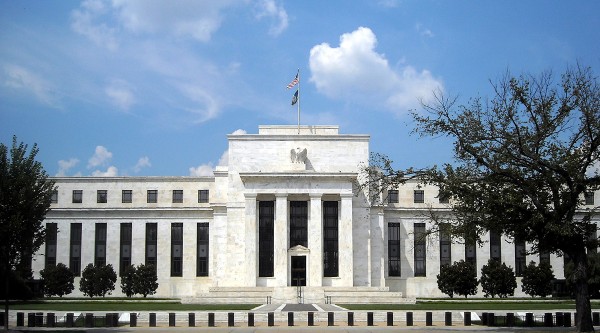 The US economy has been performing relatively well, but as with the UK economy, growth in the first quarter of 2015 has slowed. In the US, it has slowed to 0.2%, which is below expectations and said to be due to ‘transitory factors’. In response, the Federal Reserve has kept interest rates at a record low, within the band 0.0% to 0.25%.
The USA appears relatively unconcerned about the slower growth it is experiencing and expects growth to recover in the next quarter. The Fed said:
“Growth in household spending declined; households’ real incomes rose strongly, partly reflecting earlier declines in energy prices, and consumer sentiment remains high. Business fixed investment softened, the recovery in the housing sector remained slow, and exports declined.”
Nothing has been said as to when interest rates may rise and with this unexpected slowing of the economy, further delays are likely. An investment Manager from Aberdeen Asset Management said:
“The removal of the Fed’s time dependent forward guidance could be significant. It means that any meeting from now on could be the one when they announce that magic first rate rise.”
Low rates will provide optimal conditions for stimulating growth. A key instrument of monetary policy, interest rates affect many of the components of aggregate demand. 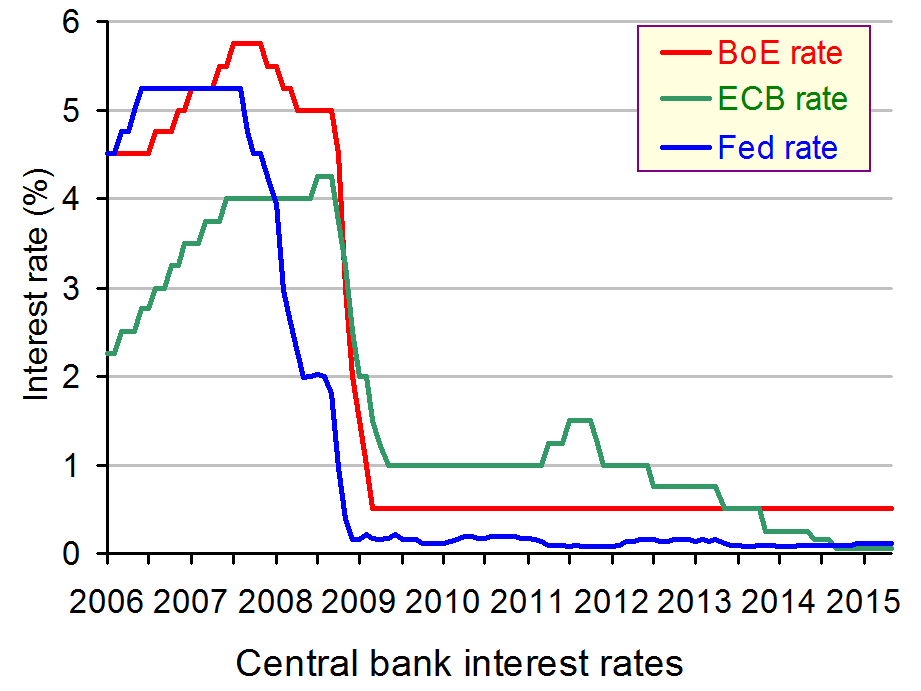 Lower interest rates reduce the cost of borrowing, reduce the return on savings and hence encourage consumption. They can also reduce mortgage repayments and have a role in reducing the exchange rate. All of these factors are crucial for any economic stimulus.
Analysts are not expecting rates to rise in the June meeting and so attention has now turned to September as the likely time when interest rates will increase and finally reward savers. Any earlier increase in rates could spell trouble for economic growth and similar arguments can be made in the UK and across the eurozone. The following articles consider the US economy.
Federal Reserve keeps interest rates at record low BBC News, Kim Gittleson (29/4/15)
Shock stalling of US economy hits chances of early Fed rate rise The Guardian, Larry Elliott (29/4/15)
US Fed leave interest rates unchanged after poor GDP figures Independent, Andrew Dewson (30/4/15)
Fed could give clues on first interest rate hike USA Today, Paul Davidson (28/4/15)
Fed’s downgrade of economic outlook signals longer rate hike wait Reuters, Michael Flaherty and Howard Schneider (29/4/15)
Five things that stopped the Fed raising rates The Telegraph, Peter Spence (29/4/15)
Questions
- By outlining the key components of aggregate demand, explain the mechanisms by which interest rates will affect each component.
- How can inflation rates be affected by interest rates?
- Why could it be helpful for the Fed not to provide any forward guidance?
- What are the key factors behind the slowdown of growth in the USA? Do you agree that they are transitory factors?
- Who would be helped and harmed by a rate rise?
- Consider the main macroeconomic objectives and in each case, with respect to the current situation in the USA, explain whether economic theory would suggest that interest rates should (a) fall , (b) remain as they are, or (c) rise.
 On my commute to work on the 6th October, I happened to listen to a programme on BBC radio 4, which provided some fascinating discussion on climate change, growth, capitalism and the need for co-operation. With more countries emerging as leading economic powers, pollution and emissions continue to grow. Is it time for a green revolution?
The programme considers some ‘typical’ policies and also discusses some radical solutions. There is discussion on developing and developed nations and how these countries should be looked at in terms of compensation, entitlement and aid. Carrots and sticks are analysed as means of saving the planet and how environmental damage can be reduced, without adversely affecting the growth rate of the world economy. I won’t say any more, but it’s certainly worth listening to, for an interesting discussion on one of the biggest problems that governments across the world are facing and it is not going to go away any time soon.
 Naomi Klein on climate change and growth BBC Radio 4, Start the Week (6/10/14)
Questions
- What are the market failures with the environment?
- Why is global co-operation so important for tackling the problem of climate change?
- Which policies are discussed as potential solutions to the problem of climate change?
- What has been the problem with the European carbon trading scheme?
- Why may there be a trade-off between capitalism, growth and the problem of carbon emissions?
- To what extent do you think that countries such as Bangladesh should be ‘compensated’?
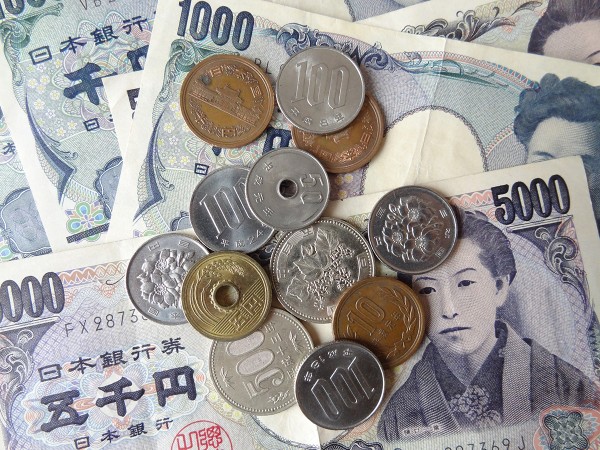 At the end of January 2014, we looked at the problem of deflation and in particular at the fortunes of Japan, as its CPI was rising. As the blog explained, the Japanese economy, rather than being plagued by high inflation has been plagued by deflation and many suggest this is even worse.
In December 2013, Japan’s core consumer prices were growing faster than expected. The data gave the economy a much needed boost, following increases in government spending aimed at stimulating aggregate demand. This in turn pushed up prices, such that they achieved their fastest rate of growth in 5 years. Now, more recent date from May 2014 shows that the trend has continued. Prices in Japan have now increase at their fastest rate in 23 years, rising 3.2% and beating the forecasts of 3.1%. This means that prices have no risen in Japan for 11 consecutive months. Numerous policies have contributed towards this impressive trend for an economy plagued by deflation for 2 decades. Boosts in the money supply, increases in government spending, a rise in sales tax are just some of the contributing factors.
 Although the economy is certainly over the problem of deflation, some are now concerned that such price rises may reduce consumer spending. An ironic twist, given that barely a year ago the concern about low consumer spending was due to deflation. The next 12 months will be a key indicator of how consumers will respond to this unusual inflation data – after all inflation and high prices have been pretty uncommon. The following articles consider the update on the Japanese economy.
Japan inflation rate hits 23 year high (including video) BBC News (30/5/14)
Japan April core CPI rises to 23-year high after sales tax rise Reuters (29/5/14)
Japan inflation accelerates Wall Street Journal, Takashi Nakamichi (30/5/14)
Japan’s consumer inflation set to reach five year high The Guardian (18/4/14)
Japan’s inflation at highest rate for 23 years The Telegraph, Rebecca Clancy (30/5/14)
Japan inflation quickens to fastest since 1991 Bloomberg, Toru Fujioka (30/5/14)
Japaense inflation rises at fastest pace in over five years at 1.3% in December 2013 Independent, Russel Lynch (31/1/14)
Questions
- Why is deflation a problem?
- Using an AD/AS diagram, illustrate the problem of expectations and how this contributes to stagnant growth.
- Japanese policies have helped create a rise in the CPI. Which policies have been effective in creating rising prices?
- Explain how the sales tax has contributed towards higher prices.
- With prices rising, there are now concerned that consumer spending may decline. Using a diagram, explain why this may be the case.
- In the previous blog, we analysed the Indian economy and said that high inflation was something that was contributing towards lower growth. How is that low inflation or deflation can also contribute towards low growth?
 Globalisation has led to an increasingly interdependent world, with companies based in one country often dependent on a market abroad. In recent years, it is the rapid growth of countries like China that has led to growth in the size of the markets for many products. With incomes rising in emerging countries, demand for many products has been growing, but in the past year, the trend for Prada has ended and seems to be reversing.
As the market in China matures and growth of demand in Europe slows, Prada has seen its shares fall by the largest margin since June last year.
Prada is a well-known luxury brand. The products it sells are relatively expensive and hence its products are likely to have an income elasticity of demand well above +1. With changes in China and Europe, Prada expects its growth in sales to January 2015 will be ‘low single-digit’ – less than the 7% figure recorded for the last financial year.
 This lower growth in same-store sales is likely to continue the following year as well. Add on to this the lower-than-expected profits, which missed analysts’ forecasts, and you have a prime example of a brand that is suffering because of its customer base and the economic times.
Prada isn’t alone in suffering from economic conditions and, relative to its European counterparts, is expected to have higher growth in sales and profits in the next 12 months – at 11.5% and 14.8% respectively. This is according to a survey by Thomson Reuters.
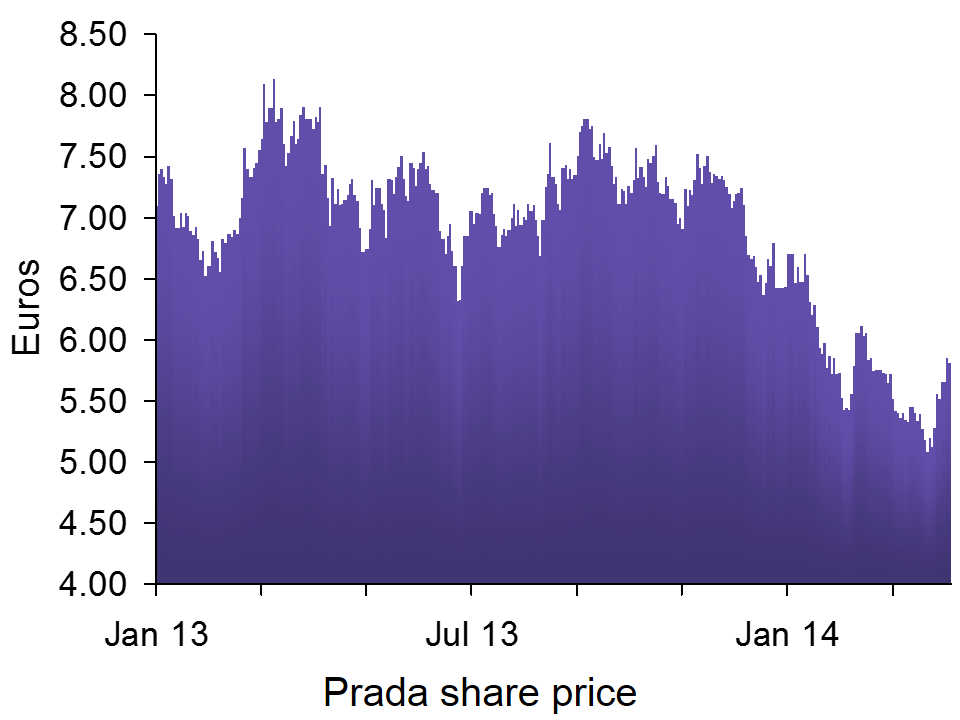 Prada has exploited high demand by Chinese consumers, but has recently been affected by the strength of the euro. A strong euro means that the Italian-based Prada is struggling with exports, which only adds to its problems. As economic growth picks up in China and as other emerging economies begin to experience more rapid economic growth, the fortunes of this luxury-retailer may change once more. However, with volatile economic times still around in many countries, the future of many retailers selling high-end products to higher income customers will remain uncertain. The following articles consider the fortunes of Prada.
Prada shares fall sharply after China luxury warning BBC News (3/4/14)
Prada falls after forecasting slowing luxury sales growth Bloomberg, Andrew Roberts and Vinicy Chan (3/4/14)
Prada profits squeezed by weakness in Europe and crackdown in China The Guardian (2/4/14)
Prada bets on men to accelerate sales growth Reuters, Isla Binnie (2/4/14)
Prada misses full year profit forecast Independent, Laura Chesters (2/4/14)
Questions
- How can we define a luxury product?
- Explain the main factors which have led to a decline in the demand for Prada products over the past 12 months.
- Using a diagram, illustrate what is meant by a strong euro and how this affects export demand.
- What business strategies are Prada expected to adopt to reverse their fortunes?
- Using a diagram, explain the factors that have caused Prada share prices to decline.
 Jim Slater, who has just died at the age of 86, was a tycoon of the 1970s, probably unknown to most reader of this blog. But his legacy lives on and many will question whether the actions of the banking sector and big business today is a reflection of the lessons that were not learnt 40 years ago.