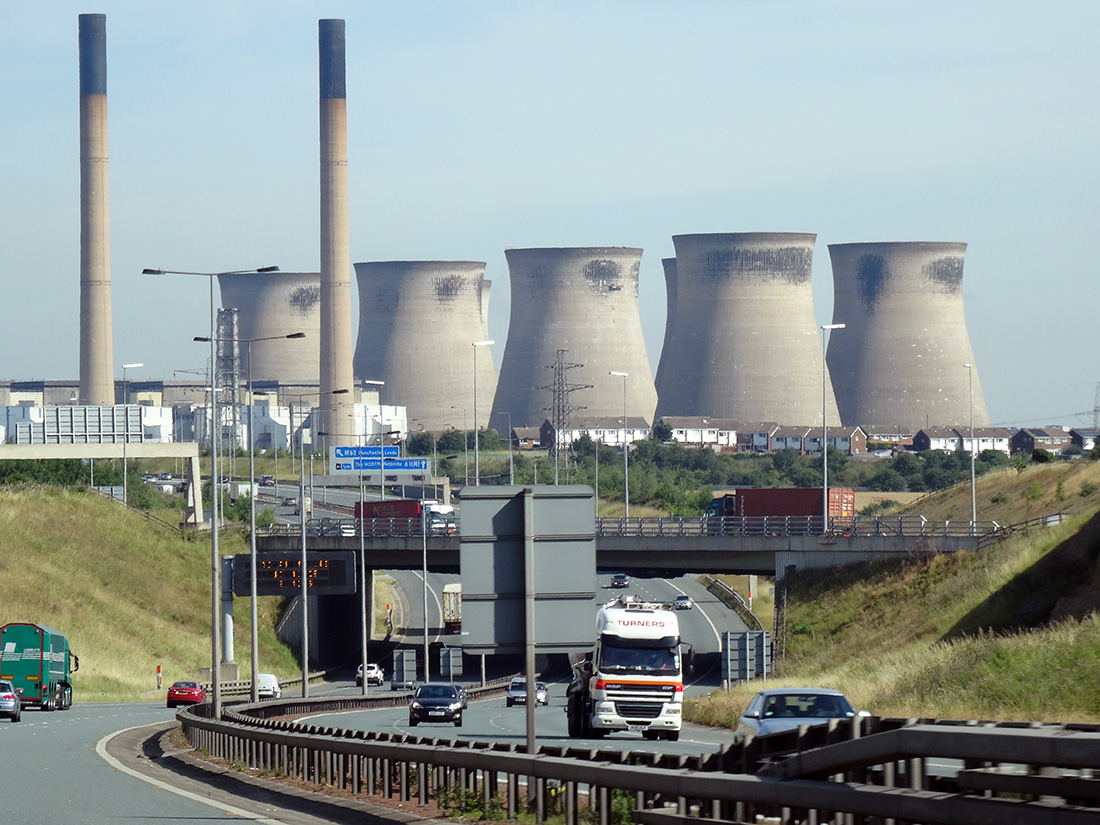
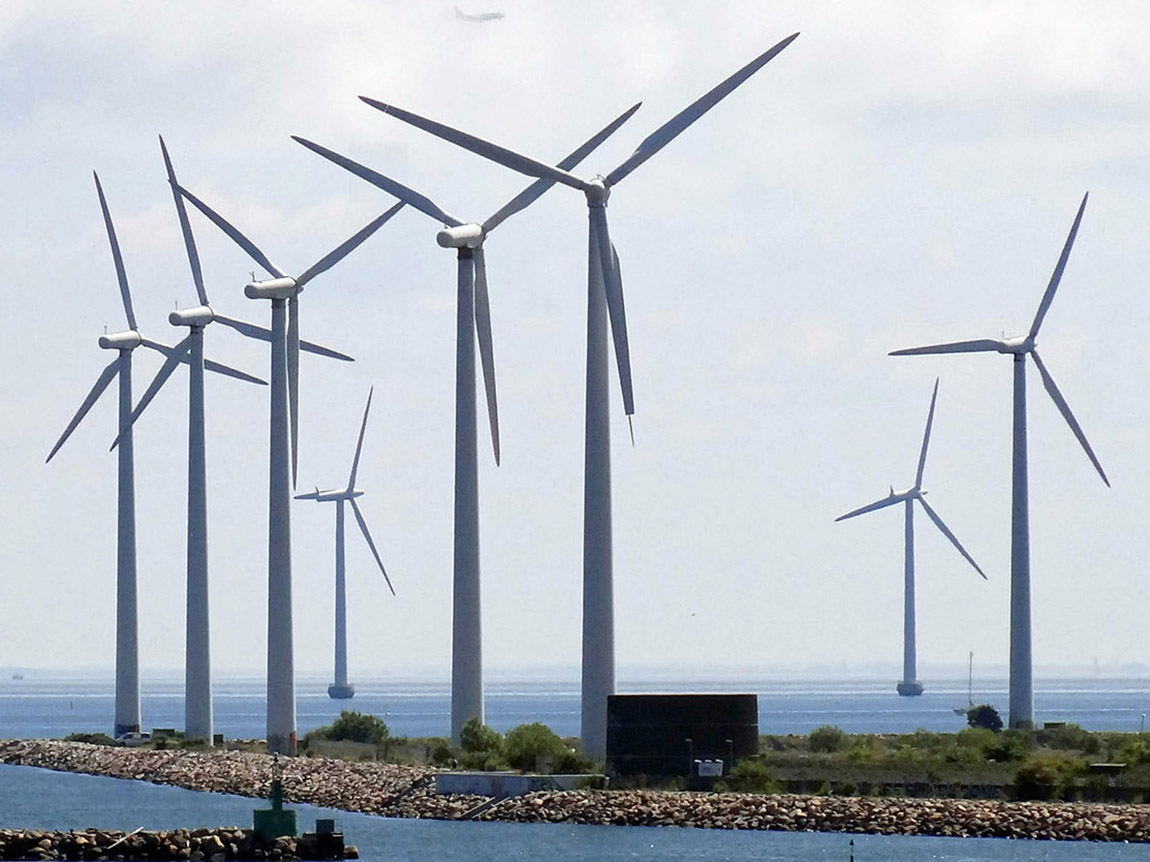
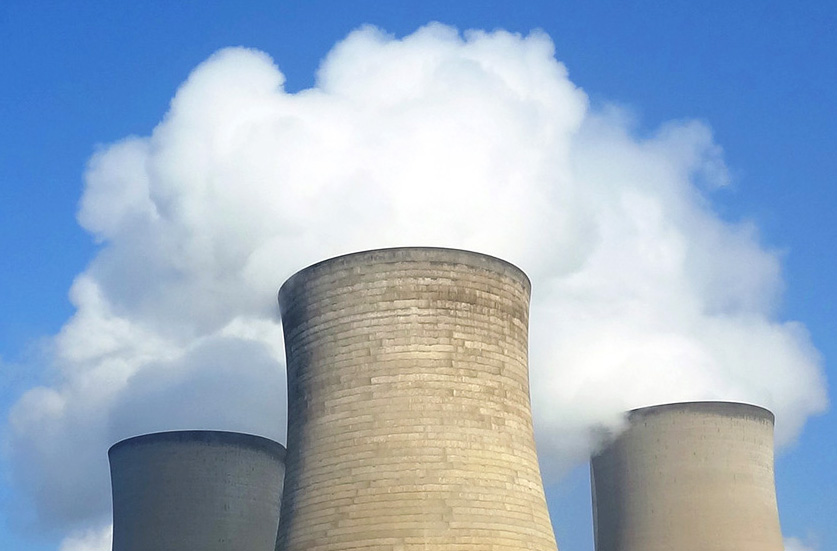
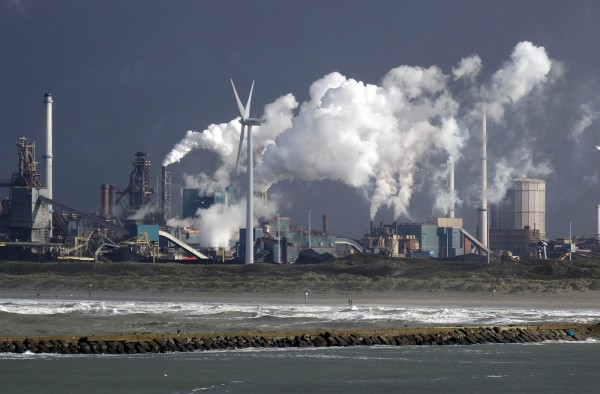
 The Paris Climate Change Conference (COP21) is under way. At the opening on November 30, 150 Heads of State gathered in Paris, most of whom addressed the conference. With representatives from 195 countries and observers from a range of organisations, the conference is set to last until 11 December. Optimism is relatively high that a legally binding and universal agreement will be reached, with the aim of keeping global warming below 2°C – what is generally regarded as a ‘safe’ limit.
But although it is hoped that a successor to the Kyoto Protocol of 1997 will be put in place, there are many problems in getting so many countries to agree. They may all wish to reduce global warming, but there is disagreement on how it should be achieved and how the burden should be shared between countries.
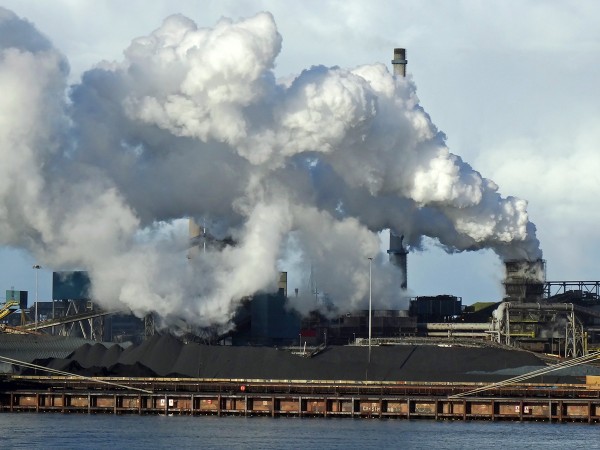 There are several difficult economic issues in the negotiations. The first is the size and impact of the external costs of emissions. When a country burns fossil fuels, the benefits are almost entirely confined to residents of that county. However, the environmental costs are largely external to that country and only a relatively small fraction is borne by that country and hardly at all by the polluters themselves, unless there is a carbon tax or other form or penalty in place. The problem is that the atmosphere is a common resource and without collective action – national or international – it will be overused.
The second problem is one of distribution. Politicians may agree in principle that a solution is necessary which is equitable between nations, but there is considerable disagreement on what is meant by ‘equitable’ in this context. As the third Guardian article below puts it:
The most important hurdle could be over whether industrialised countries like the US, UK and Japan, which have contributed the most to the historical build-up of emissions, should be obliged to cut more than developing countries. India, on behalf of many poor countries, will argue that there must be “differentiation” between rich and poor; but the US wants targets that are applicable to all. A collision is inevitable.
A third problem is that of uncertainty. Although there is general agreement among scientists that human action is contributing to global warming, there is less agreement on the precise magnitude of the causal relationships. There is also uncertainty over the likely effects of specific emissions reductions. This uncertainty can then be used by governments which are unwilling to commit too much to emissions reductions.
 A fourth difficulty arises from the intertemporal distribution of costs and benefits of emissions reductions. The costs are born immediately action is taken. Carbon taxes or charges, or subsidies to renewables, or caps on emissions, all involve higher energy prices and/or higher taxes. The flows of benefits (or lower costs), however, of reduced emissions are not likely to be fully experienced for a very long time. But governments, whether democratic or dictatorships, tend to have a relatively short time horizon, governed by the electoral cycle or the likelihood of staying in power. True, governments may not be solely concerned with power and many politicians may have genuine desires to tackle climate change, but their political survival is still likely to be a major determinant of their actions.
Of course, if there is strong public opinion in favour of action to reduce emissions, governments are likely to respond to this. Indeed, all the expressions of public support for action ahead of the conference from all around the world, do give some hope for a strong agreement at the Paris conference. Nevertheless, there is still widespread scepticism in many countries over the relationship between human action and climate change, and many argue that the costs of policies to tackle climate change exceed the benefits.
Game theory can shed some insights into the difficulties ahead for the negotiators. The global optimum may be for a strong agreement, binding on all countries. The Nash equilibrium, however, may be a situation where countries push for their own interests at the expense of others, with the final agreement being much more minimalistic.
There do, however, seem to be more reasons to be cheerful at this summit that at previous ones. But negotiations are likely to be hard and protracted over the coming days.
Videos and webcasts
 Paris Climate Conference: The Big Picture Wall Street Journal on YouTube, Jason Bellini (30/11/15)
Why is the Paris UN climate summit important? PwC, Leo Johnson (14/10/15)
Paris climate change summit 2015: ‘the near impossible task’ Channel 4 News on YouTube, Tom Clarke (30/11/15)
COP21: Rallies mark start of Paris climate summit BBC News, David Shukman (29/11/15)
With climate at ‘breaking point’, leaders urge breakthrough in Paris Reuters, Bruce Wallace and Alister Doyle (1/12/15)
COP21: Paris conference could be climate turning point, says Obama BBC News (30/11/15)
Leaders meet to reach new agreement on climate change BBC News, David Shukman (30/11/15)
Poll: Growing Doubts Over Climate Change Causes Sky News, Thomas Moore (30/11/15)
Paris climate protesters banned but 10,000 shoes remain The Guardian (29/11/15)
Articles
COP-21 climate deal in Paris spells end of the fossil era The Telegraph, Ambrose Evans-Pritchard (29/11/15)
Is there an economic case for tackling climate change? BBC News, Andrew Walker (28/11/15)
World Leaders in Paris Vow to Overcome Divisions on Climate Change Wall Street Journal, William Horobin and William Mauldin (30/11/15)
Experts discuss how to build a carbon-free energy industry The Guardian, Tim Smedley (25/11/15)
Africa could lead world on green energy, says IEA head The Guardian, Anna Leach (11/11/15)
Climate change talks: five reasons to be cheerful or fearful The Guardian, John Vidal (30/11/15)
The Paris climate change summit, explained in 4 charts The Washington Post, Philip Bump (30/11/15)
Why This Goal To Curb Climate Change ‘Is Not Ideal’ Huffington Post, Jacqueline Howard (30/11/15)
Paris climate change talks: What the different groups attending expect from these crucial meetings Independent, Tom Bawden (29/11/15)
UN Climate Change Conference: World Leaders Call For Price On CO2 Emissions Despite Uphill Battle At Paris Summit International Business Times, Maria Gallucci (30/11/15)
World Bank, six nations call for a price on carbon SBS (Australia) (1/12/15)
Uruguay makes dramatic shift to nearly 95% electricity from clean energy The Guardian, Jonathan Watts (3/12/15)
Questions
- Why is COP21 considered to be so significant?
- For what reasons is there hope for a binding agreement to limit global warming to 2°C?
- What would be the effect on global warming of the commitments made by more than 180 countries prior to the conference?
- What market failings contribute towards the problem of global warming?
- Why, if all countries want to achieve a binding agreement at the Paris conference, is it likely to be so difficult to achieve?
- Explain what is meant by a ‘Nash equilibrium’ and how the concept is relevant to international negotiations.
- Why is China investing heavily in solar power?
- Could Africa lead the world in green energy?
- Is a ‘cap and trade’ (tradable permits) system (a) an effective means of reducing emissions; (b) an efficient system?
- What is the best way of financing investment in renewable energy?
- How does the structure/order of the Paris conference differ from previous COPs? Is such a structure more likely to achieve substantial results?
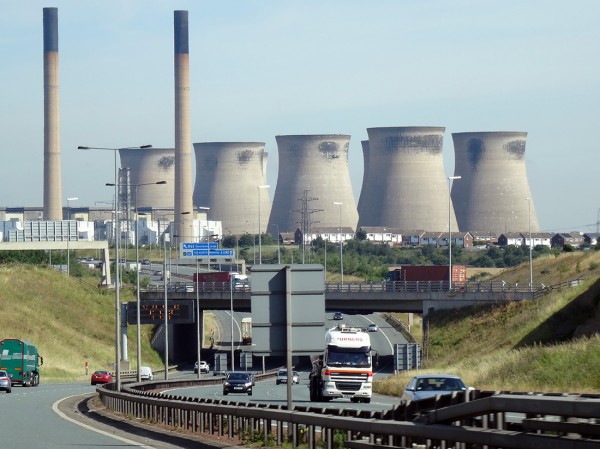 In December, most of the countries of the world will meet in Paris at the 21st annual United Nations Conference of the Parties (COP) on climate change. COP21 ‘will, for the first time in over 20 years of UN negotiations, aim to achieve a legally binding and universal agreement on climate, with the aim of keeping global warming below 2°C.’
When the Copenhagen conference (COP15) ended in disagreement in 2009, few people thought that the increase in renewable energy would be anything like sufficient to prevent global temperatures rising more than 2°C. But things have dramatically changed in the intervening six years.
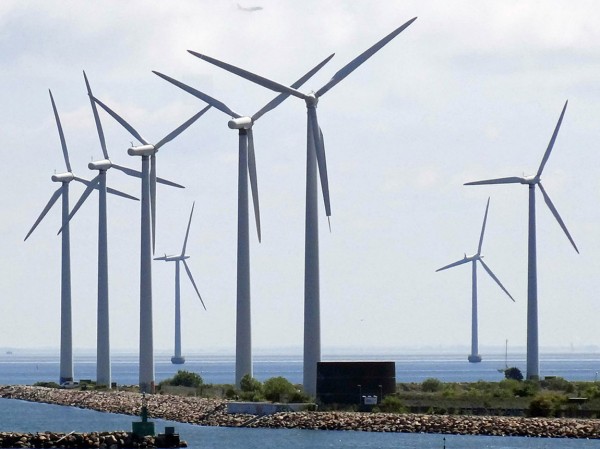
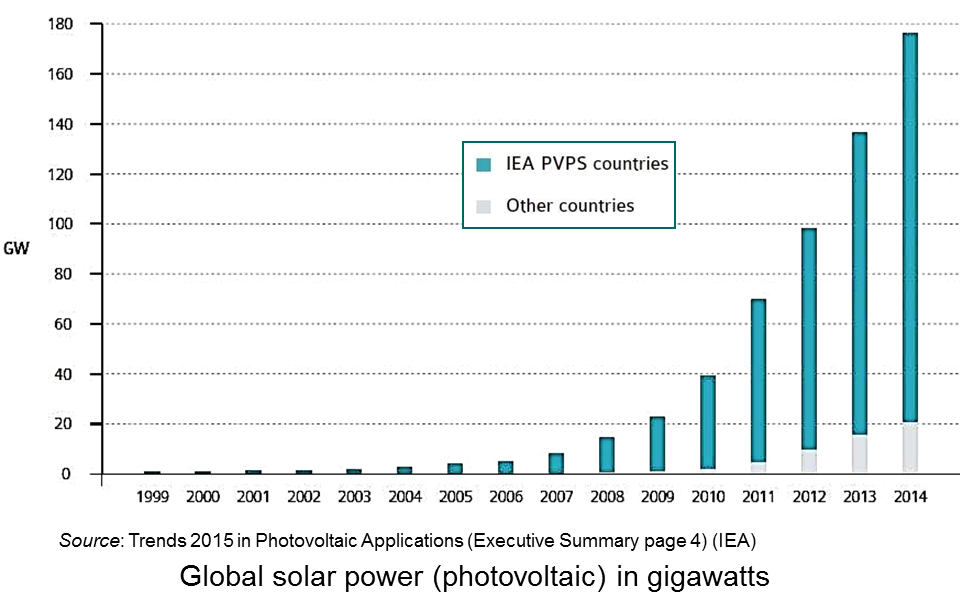 Solar power and other renewables have increased dramatically and the technology for the cleaner burning of fossil fuels, including carbon capture and storage, has developed rapidly.
But perhaps the most important change has been the attitudes of governments. No longer is it a case of Europe and other developed countries moving in the direction of renewables, while developing countries, and, in particular, China and India, argue that their economic development requires a rapid expansion of coal-fired power stations. Now China, India and many other emerging countries are rapidly developing their renewable sectors. This is partly driven by the fall in the costs of renewables and partly by worries that climate change will directly effect them. Now the ‘pro-coal’ countries are in a minority.
 And industry is realising that significant profit is to be made from the development and installation of power plants using renewable energy. This is driving both R&D and investment. As the Telegraph article, linked below, points out, in 2009 ‘the International Energy Agency (IEA) was still predicting that solar power would struggle to reach 20 gigawatts by now. Few could have foretold that it would in fact explode to 180 gigawatts – over three times Britain’s total power output – as costs plummeted, and that almost half of all new electricity installed in the US in 2013 and 2014 would come from solar’.
So is this a good news story? Will real progress be made at COP21 in Paris? The articles explore the issues.
Articles
Paris climate deal to ignite a $90 trillion energy revolution The Telegraph, Ambrose Evans-Pritchard (28/10/15)
OP21 deal critical for low-carbon economy Japan Times, Carlos Ghosn (29/10/15)
Is Solar Without Subsidies Now Viable? Oilprice.com, Michael McDonald (22/10/15)
Policy Paper
The road to Paris and beyond Centre for Climate Change Economics and Policy, Grantham Research Institute on Climate Change and the Environment (LSE), Rodney Boyd, Fergus Green and Nicholas Stern (August 2015)
Report
Energy and Climate Change International Energy Agency (October 2015)
Questions
- What are the drivers for a move from fossil fuels to renewables? Are they similar dirvers in both developed and developing countries?
- What externalities are involved in energy production (a) from fossil fuels; (b) from renewables?
- What policies can be adopted to internalise the externalities?
- What are the merits and problems of a carbon trading scheme? What determines its effectiveness in reducing CO2 emissions?
- Why are more and more investors moving into the renewable energy sector? Could this become a speculative bubble? Explain.
- How might game theory help to explain the process and outcomes of international negotiations over climate change and energy use?
 Obesity is on the rise, especially in children. With all the attendant health problems, concern is growing and various policies have been proposed to try to tackle the problem. One such policy is a sugar tax. This could be either a universal tax on sugar in food products or a tax just on soft drinks, many of which are very high in sugar – typically about seven teaspoons in a can or individual bottle.
Currently the issue is being considered by the UK’s Parliamentary Health Select Committee. Jamie Oliver, the TV chef and restaurateur, argued strongly before the committee in favour of a sugar tax on fizzy drinks. He has already imposed a levy on soft drinks with added sugar in his restaurants. He maintained that it was not just the higher price from a sugar tax that would deter consumption of such drinks, but it would send out an important message that too much sugar is bad for you.
 Two days later, Dr Alison Tedstone appeared before the committee. She is chief nutritionist at Public Health England. PHE has been carrying out research into obesity and ways of tackling it. It has reviewed two types of evidence: experimental data on the effects of imposing higher prices on products with added sugar; and the effects of policies pursued in other countries. She stated to the committee that ‘universally all the evidence shows that the tax does decrease consumption’ and that ‘the higher the tax increase, the greater the effect’.
The government was not planning to publish the report at this stage, but under considerable pressure agreed to its publication.
The articles look at the prospects for a sugar tax, its likely effects if one were introduced and at the politics of the situation, which are likely to result in such a tax being rejected.
Videos and audio podcasts
Can you be trusted to eat less sugar? BBC News, Hugh Pym (22/10/15)
‘Introduce sugar tax’, health officials tell government Channel 4 News, Victoria Macdonald (22/10/15)
Jamie Oliver: ‘Bold’ sugar tax to beat childhood obesity BBC News, Hugh Pym (19/10/15)
Be bold on sugar tax, Jamie Oliver says BBC News, Nick Triggle (19/10/15)
Health scientists’ links with sugar industry queried BBC News, Dominic Hughes (12/2/15)
Mexico’s soda tax is starting to change some habits, say health advocates PRI’s The World on YouTube, Jill Replogle (2/12/14)
Articles
Jeremy Hunt told sugar tax would cut childhood obesity as review Government tried to suppress is published Independent, Charlie Cooper (20/10/15)
Sugar tax could help solve Britain’s obesity crisis, expert tells MPs The Guardian, Ben Quinn (21/10/15)
Jamie Oliver ‘expects kicking’ over sugar tax The Guardian, Jessica Elgot (22/10/15)
Sugar tax, fat fines and gold coins: new ways cities are tackling obesity The Guardian, Sarah Johnson (22/10/15)
Sugar tax and offers ban ‘would work’ BBC News (22/10/15)
Public Health England tells UK government: Sugar taxes do work FoodNavigator.com, Niamh Michail (21/10/15)
Childhood Obesity Partially Down To The Coco Pops Monkey, Sugar Tax Report Claims Huffington Post, Sarah Ann Harris (21/10/15)
Health officials back a sugar tax – and want the Coco Pops monkey banned The Telegraph, Laura Donnelly (20/10/15)
Jeremy Hunt embroiled in row over sugar tax report The Telegraph, Laura Donnelly (11/10/15)
Revealed: ‘Sugar tax report’ which was suppressed by Government The Telegraph, Laura Donnelly (22/10/15)
Public Health England obesity report: the key points The Guardian, James Meikle (22/10/15)
Cameron says no to sugar tax Mail Online, Jason Groves and Daniel Martin (21/10/15)
Sugar tax: Former health minister backs levy to prevent NHS ‘obesity crisis’ Independent, Charlie Cooper (21/10/15)
Journal articles and reports
Sugar Reduction: The evidence for action Public Health England, Dr Alison Tedstone, Victoria Targett, Dr Rachel Allen and staff at PHE (22/10/15)
Effects of a fizzy drink tax on obesity rates estimated NHS CHoices (1/11/13)
Overall and income specific effect on prevalence of overweight and obesity of 20% sugar sweetened drink tax in UK: econometric and comparative risk assessment modelling study British Medical Journal, Adam D M Briggs, Oliver T Mytton, Ariane Kehlbacher, Richard Tiffin, Mike Rayner and Peter Scarborough (2013;347:f6189)
Perspectives: Time for a sugary drinks tax in the UK? Journal of Public Health, Oliver Mytton (29/5/14)
Sugar reduction: Responding to the challenge Public Health England, Dr Alison Tedstone, Ms Sally Anderson and Dr Rachel Allen and staff at PHE (June 2014)
Questions
- What factors are driving the current high consumption of sugar?
- How is the concept of price elasticity of demand relevant to the effectiveness of imposing a sugar tax?
- What would determine the incidence of such a tax between food and drink manufacturers and consumers?
- Would such a tax be progressive, regressive or neutral? Explain.
- What other policies could be pursued to discourage the consumption of sugar? Discuss their likely effectiveness and compare them with a sugar tax.
- What externalities are involved in sugar consumption? How would you set about measuring them? Should a sugar tax be set at a rate that internalises the estimated externalities?
- Examine the objections to imposing a sugar tax.
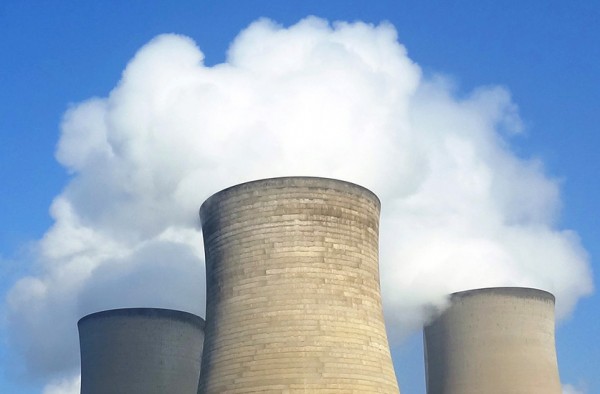 Is slower economic growth a cost of cutting greenhouse gas emissions? Apparently not – at least according to two studies: one by DIW Econ, a German institute for economic research, and the other, earlier this year, by the International Energy Association (see reports below).
The IEA study found that, despite global GDP having grown by 6.4% in 2014, global emissions remained flat. The DIW Econ study found that from 2004 to 2014, OECD countries as a whole grew by 16% while cutting fossil fuel consumption by 6% and greenhouse gas emissions by 6.4%.
But what does this mean? If growth accelerated, what would happen to greenhouse gas emissions? Would they begin to rise again? Probably.
The point is that various developments, largely independent of economic growth have been reducing the greenhouse gas emissions/GDP ratio. These developments include: technological advances in energy generation; the switch to alternative fuels in many countries, thanks, in large part to lower renewable energy costs; increased energy efficiency by consumers; and a continuing move from energy-intensive manufacturing to less energy-intensive services.
So if governments forced more radical cuts in greenhouse gases, would this reduce the rate of economic growth or have no effect? For a given level of technological advancement, the initial effect would probably be a reduction in economic growth. But to the extent that this encouraged further investment in renewables and energy saving, it might even stimulate economic growth over the longer term, especially if it helped to bring lower energy prices.
A big problem in decoupling economic growth from fossil fuel usage is that developing countries, which are taking a growing share of world manufacturing, are more heavily dependent on coal than most developed countries. But even here there seems to be some hope. China, the biggest manufacturer in the developing world, is rapidly increasing its use of renewables. As the IEA press release states:
In China, 2014 saw greater generation of electricity from renewable sources, such as hydropower, solar and wind, and less burning of coal.
If the world is to tackle global warming by making significant cuts in greenhouse gases, there must be a way for developing countries to continue growing while making less use of fossil fuels.
Article
Cutting greenhouse gas emissions won’t slow global economic growth — report The Guardian, Bruce Watson (26/9/15)
Reports
Turning point: Decoupling Greenhouse Gas Emissions from Economic Growth DIW Econ, Lars Handrich, Claudia Kemfert, Anselm Mattes, Ferdinand Pavel, Thure Traber (September 2015)
World Energy Outlook Special Report 2015: Energy and Climate Change International Energy Agency (June 2015)
Questions
- What are the possible causal relationships between cutting greenhouse gas emissions and the rate of economic growth?
- What incentive mechanisms can governments or other agencies adopt to encourage reductions in greenhouse gas emissions without reducing economic growth?
- Can a cap and trade system, such as the European Emissions Trading Scheme help to achieve a given level of emissions reduction at minimum cost to economic growth? Explain.
- How might the developed world support developing countries in moving to a low carbon technology?
- What factors lie behind the falling costs of renewable energy? Are these the same factors that lie behind the falling cost of oil?
- What political problems might hinder the greater production of renewable energy?
- How might an economist set about determining a socially optimal amount of fossil fuel production? What conceptual and philosophical problems might there be in agreeing what is meant by a social optimum?
 The second largest economy in the world, with a record expansion to its current economic status: China. With a phenomenal population, massive migration to the cities and incredible infrastructure development, China has fast become a key economic player, with environmental and pollution problems to match.
The price of China’s economic development may be too high for some people. Increases in incomes, growth and employment may be good news, but is the cost too high? Do economic growth and progress mean poor health and if so, is this a price worth paying
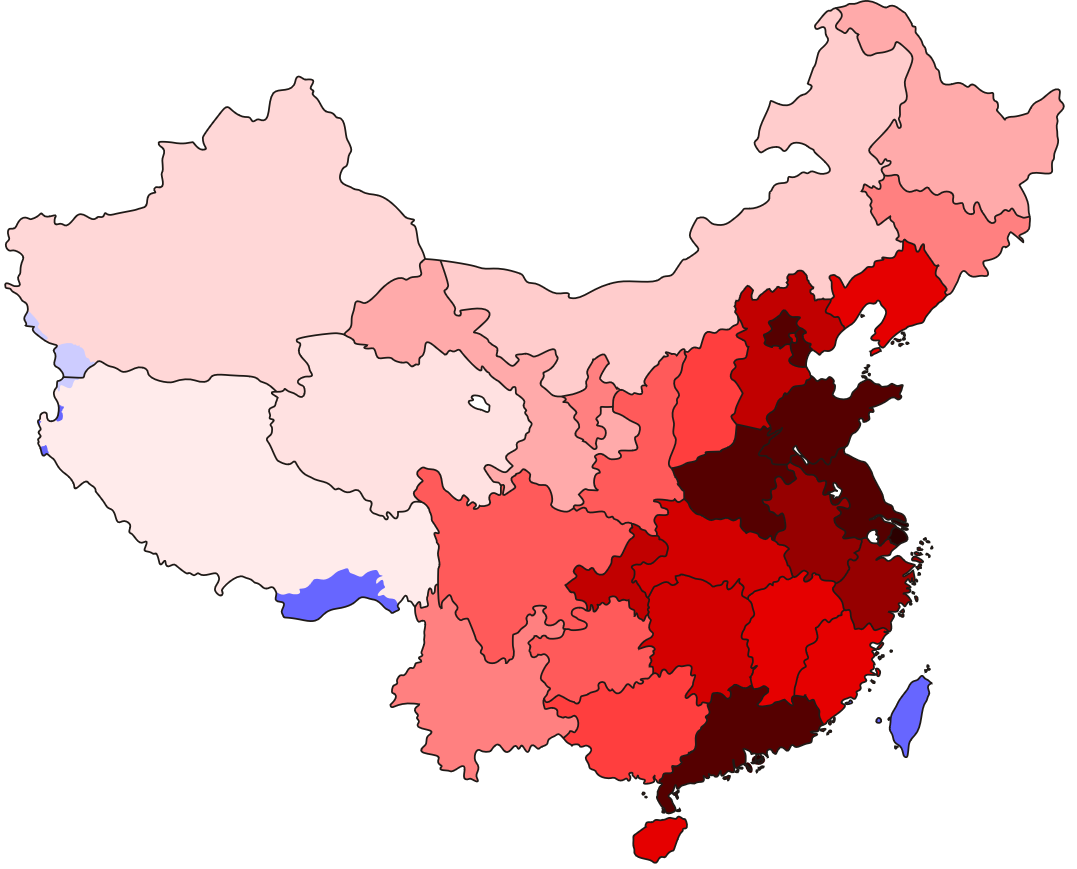 Another big topic within China is the impact on inequality. With growth accelerating in urban areas, population movement from the rural to the urban has been a common feature across China, but this has also created greater inequality. This population movement has separated families and played a role in creating barriers of access to health and education.
The following article from the BBC considers a range of indicators within China and you may also want to review some earlier blog postings on the Sloman News Site which analyse the Chinese economy.
Cement and pig consumption reveal China’s huge changes BBC News (21/9/15)
Questions
- What are the key drivers of China’s development?
- What are the costs and benefits of rural-urban migration?
- To what extent do you think there may be a trade-off between quality and quantity when it comes to infrastructure projects? Or is Chinese labour simply more efficient relative to countries such as the UK?
- How should we measure economic development? If access to education and health care is limited in the more rural areas, but widely available in the larger cities, does this suggest a country that is developing?
- What are the main externalities that China must tackle? Are they domestic issues or global ones? What about the solutions?
- If a key driver of Chinese growth and development is government investment in infrastructure projects, is this true and sustainable growth or do you think it might slowly disappear if the government doesn’t continue to invest?
- Do you think the relative success of China can be replicated in other emerging nations and in particular in nations within Africa?
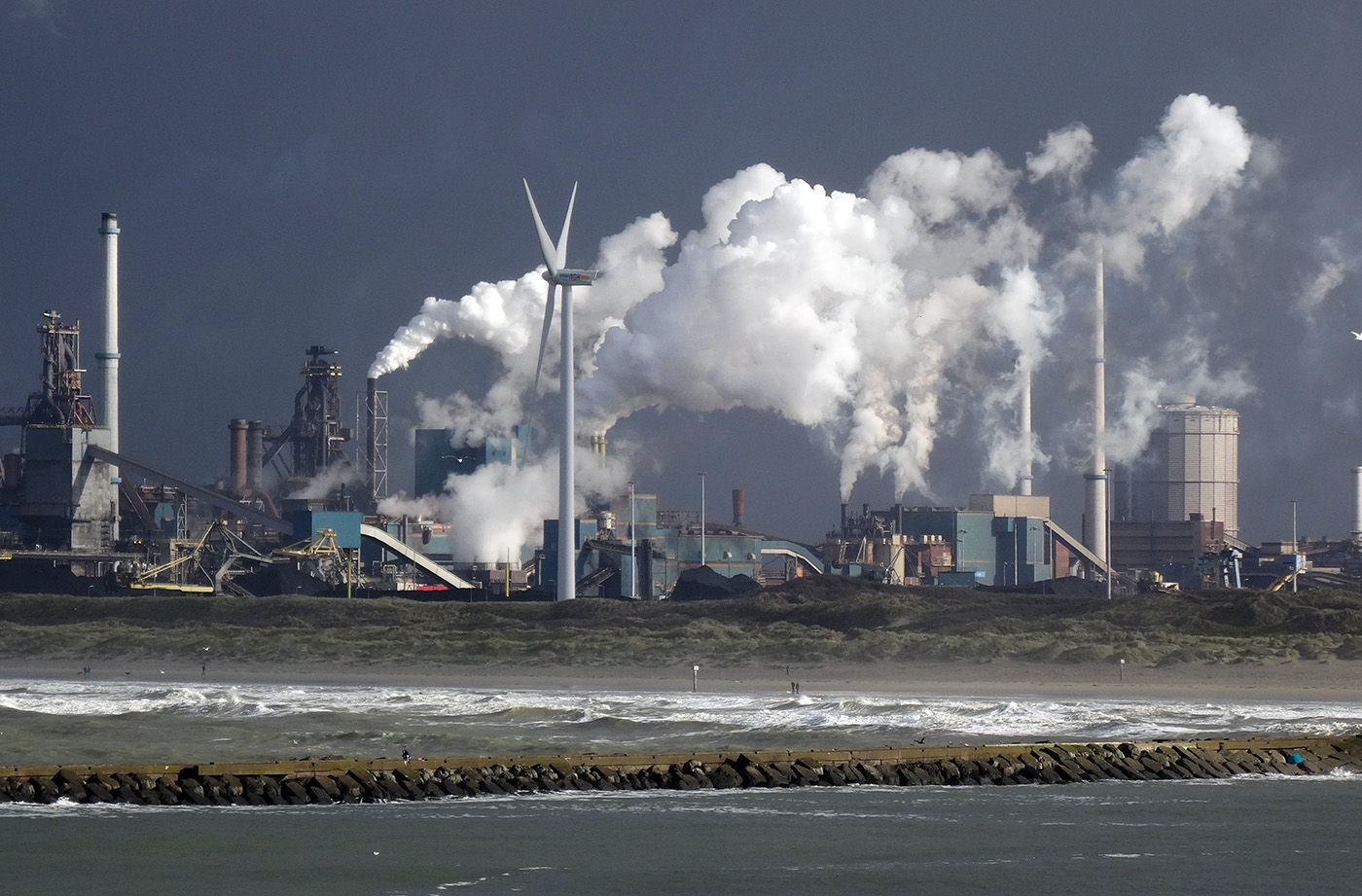 The Paris Climate Change Conference (COP21) is under way. At the opening on November 30, 150 Heads of State gathered in Paris, most of whom addressed the conference. With representatives from 195 countries and observers from a range of organisations, the conference is set to last until 11 December. Optimism is relatively high that a legally binding and universal agreement will be reached, with the aim of keeping global warming below 2°C – what is generally regarded as a ‘safe’ limit.
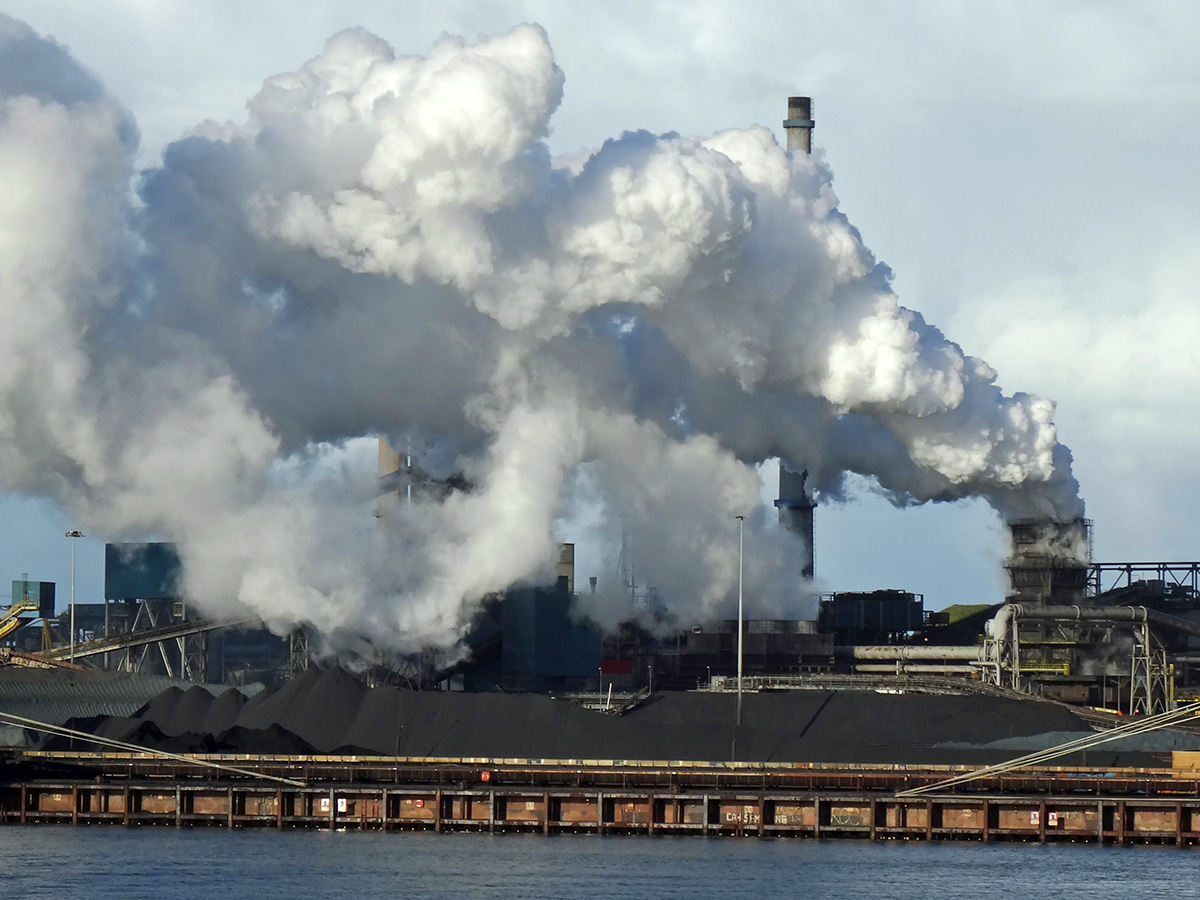 There are several difficult economic issues in the negotiations. The first is the size and impact of the external costs of emissions. When a country burns fossil fuels, the benefits are almost entirely confined to residents of that county. However, the environmental costs are largely external to that country and only a relatively small fraction is borne by that country and hardly at all by the polluters themselves, unless there is a carbon tax or other form or penalty in place. The problem is that the atmosphere is a common resource and without collective action – national or international – it will be overused.
 A fourth difficulty arises from the intertemporal distribution of costs and benefits of emissions reductions. The costs are born immediately action is taken. Carbon taxes or charges, or subsidies to renewables, or caps on emissions, all involve higher energy prices and/or higher taxes. The flows of benefits (or lower costs), however, of reduced emissions are not likely to be fully experienced for a very long time. But governments, whether democratic or dictatorships, tend to have a relatively short time horizon, governed by the electoral cycle or the likelihood of staying in power. True, governments may not be solely concerned with power and many politicians may have genuine desires to tackle climate change, but their political survival is still likely to be a major determinant of their actions.