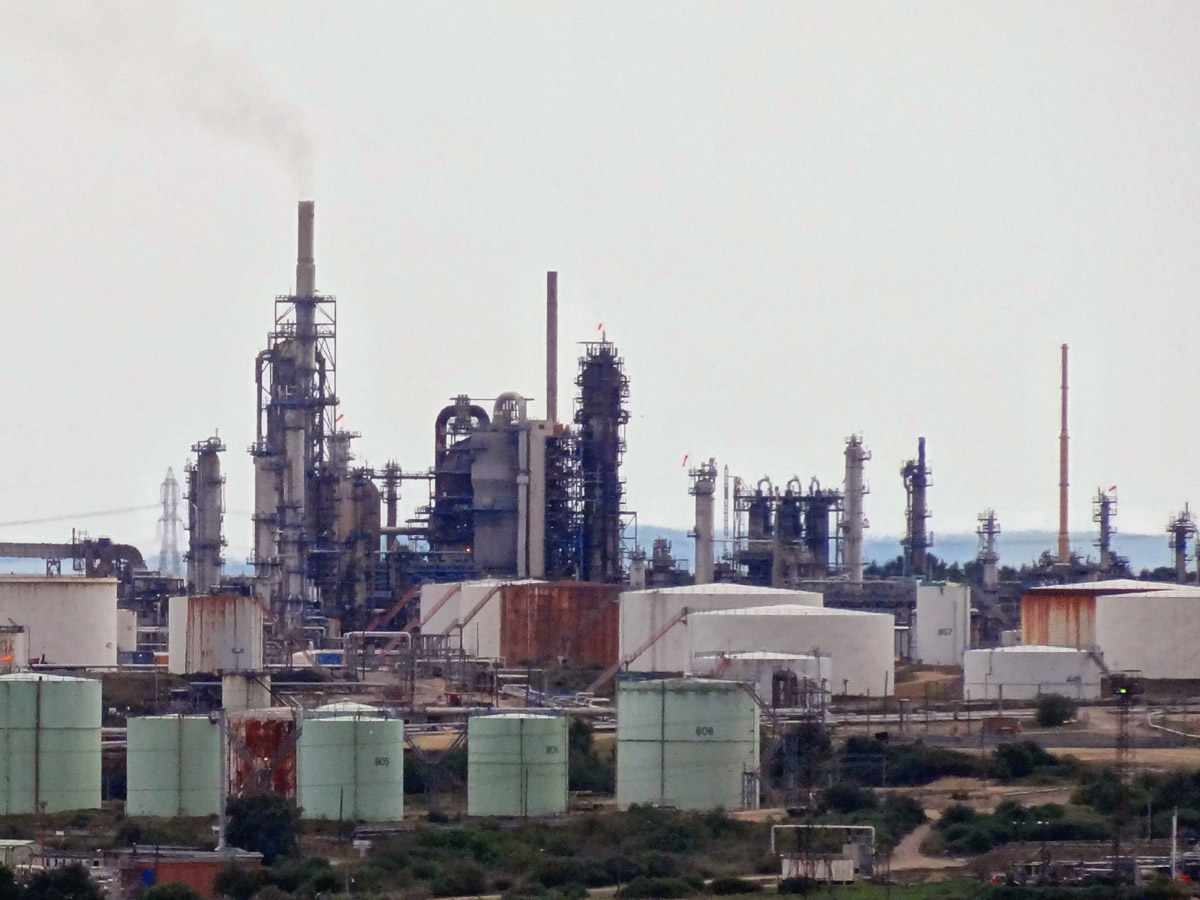
 Rail companies will be permitted to raise average regulated rail fares next year by 6.2%. Not surprisingly, this has been met with dismay and anger by rail travellers, especially long-distance commuters, who could see their annual season tickets going up by several hundred pounds.
Some fares, such as advance tickets, are unregulated. Others, such as anytime, off-peak and season tickets, are regulated by the government. The formula for working out permitted price rises for regulated fares is RPI plus 3%, where RPI is the July annual inflation rate based on the retail price index.
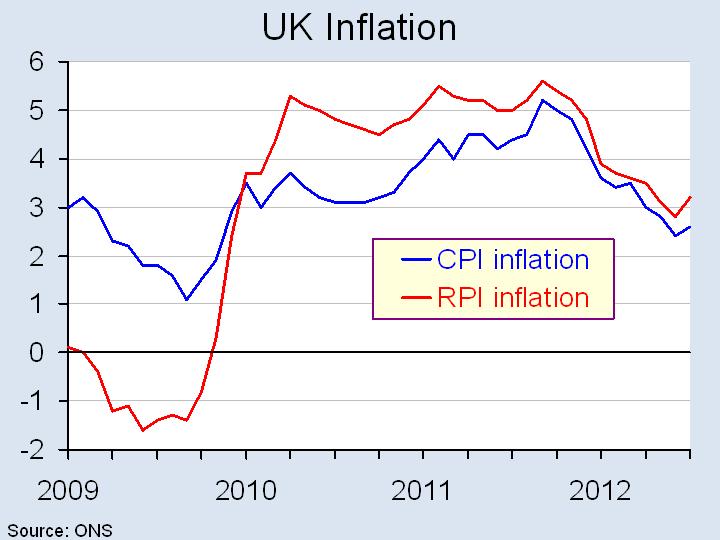
The RPI figure was announced by the ONS on 14 August and was a surprisingly high 3.2% – up from 2.8% in June: see Table 21 in the ONS’s CPI And RPI Reference Tables, July 2012. (Click here for a PowerPoint of the chart on the left.) Hence average fares can rise by 3.2% + 3% = 6.2%.
Rail travellers are angry on three counts:
First, the RPI measure of inflation is generally around 0.5% higher than the CPI measure (which is used for working out public-sector pay increases and the uprating of pensions and benefits). The July figure for CPI inflation was 2.6%.
Second, the extra 3% added on top of RPI means that that rail fares are going up more rapidly than other prices, and incomes too. The reason given for this is to shift the burden of funding the railways from the taxpayer to the traveller.
Third, the formula applies to average fares. Rail companies can raise particular regulated fares by up to 5 percentage points more than the formula provided they raise other fares by less than the formula. Thus some fares are set to rise by 11.2% – including some of the most expensive season tickets.
The government justified the increases by arguing that the higher fares will allow more investment by the rail companies, which could result in lower costs in the future. Nevertheless, two thirds of the revenue from the above-inflation increases will go to the government and only one third to the rail companies.
Webcasts
 Inflation shock as rail fares set to soar Channel 4 News, Ciaran Jenkins (14/8/12)
Protests as rail fare price rises announced The Telegraph (14/8/12)
How do our rail fares compare with the rest of Europe? BBC News (14/8/12)
Rail fare increase will make life better, says minister BBC News (14/8/12)
Passenger Focus: Train companies ‘using dark arts’ BBC News, David Sidebottom (14/8/12)
Articles
Rail fares set to increase by 6.2% Financial Times, Mark Odell (14/8/12)
Rail fares set to rise by 6.2% in January Guardian, Gwyn Topham (14/8/12)
Rail fare hike of 6.2% sparks angry reaction BBC News (14/8/12)
Soaring rail fares will do nothing for the recovery The Telegraph (14/8/12)
Commuters plead with Osborne to prevent 10 per cent rise in rail fares Independent, Oliver Wright (15/8/12)
Rail fare rises: how to keep your ticket prices as low as possible Guardian, Mark King (14/8/12)
Documents and information
Fares Review Conclusions 2003 Strategic Rail Authority (June 2003)
Fares Office of Rail Regulation
Fares on National Rail Association of Train Operating Companies
Questions
- What are the arguments for and against the general principle of using an RPI+X formula for regulating rail fares?
- What are the arguments for and against allowing train operating companies to raise regulated rail fares by an average of RPI plus 3%, with 2 of the 3 percent above RPI inflation going to the government?
- In what ways are travellers likely to respond to the higher prices?
- Why are some travellers likely to have a much lower price elasticity of demand for rail travel than others? What determines this price elasticity of demand?
- What externalities exist in rail transport? How should this impact on the government’s rail pricing strategy?
- How is infrastructure development funded for (a) rail, (b) roads and (c) airports? Does this lead to an efficient allocation of transport investment?
- How does rail pricing in the UK compare with that in other European countries? Should other European countries follow the UK’s policy of above inflation fare increases to fund rail investment?
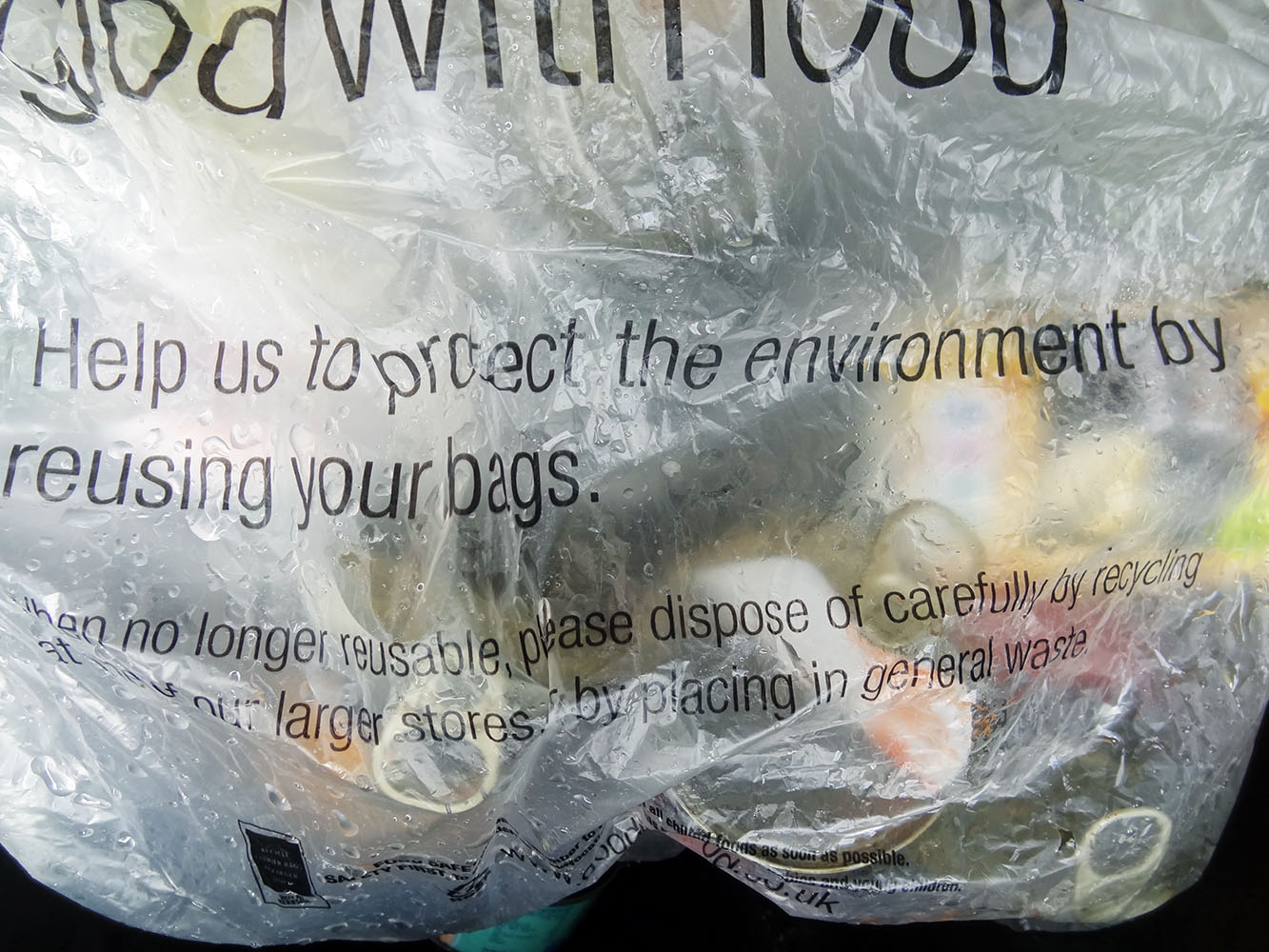
 A campaign to introduce a tax on disposable plastic bags in England has been launched by various pressure groups, including The Campaign to Protect Rural England (CPRE), Keep Britain Tidy, the Marine Conservation Society and Surfers Against Sewage. Plastic bags, they maintain, litter streets and the countryside and pollute the seas, where they cause considerable damage to marine life.
They propose a tax of 5p per bag, which would be passed on to consumers. Such a levy has already been introduced in Wales in October 2011. As a result, plastic bag use in Wales has dropped dramatically (see also the full report from the Welsh Government). The Scottish Government and the Northern Ireland Assembly are also planning introducing similar charges.
Many other governments have introduced taxes, charges or bans on plastic bags and many more are considering introducing such measures. Ireland introduced a 15 euro cent charge on single-use plastic bags as far back as 2002 and saw a 94% reduction in plastic bag use (328 per person per year to 21). The charge was raised to 22 euro cents in 2007 after bag use rose to 30 per person.
Other countries have banned plastic bags altogether: some, such as Rwanda and Somalia have banned all plastic bags; others, such as China and South Africa have banned very thin bags; others, such as Italy, have banned non-biodegradable ones.
In the USA, various states or districts have introduced levies and in the EU, where more than four billion bags are thrown away each year, the European Commission will soon publish proposals for limiting the use of plastic bags.
So what are the arguments for limiting the use of plastic bags? Why is it not enough to leave things simply to the market? And if the use of plastic bags is to be reduced, what’s the most efficient way of doing so? Are there any problems with alternatives to plastic bags? The following articles and reports consider these questions?
Articles
England urged to pick up Wales’ plastic bag levy businessGreen, Jessica Shankleman (1/8/12)
Wales’ plastic bag charge yields massive green savings businessGreen, Jessica Shankleman (5/7/12)
Supermarkets ‘should charge £1 a bag’ BBC Today Programme, Samantha Harding and Judith Holder (2/8/12)
Environmentalists team up to push for bag tax in England Plastics News, Anthony Clark (1/8/12)
Break the Bag Habit Keep Britain Tidy (1/8/12)
Plastic bag use ‘up for second year running’ Guardian, Rebecca Smithers (5/7/12)
Plastic bag use in Wales plummets due to 5p charge, figures show Guardian, Adam Vaughan (4/7/12)
Carrier bag charge ‘effective and popular’ figures reveal ITV News (4/7/12)
What should be done about plastic bags? BBC News Magazine, Chris Summers (19/3/12)
Irish bag tax hailed success BBC News, Chris Summers (20/8/02)
The Big Fix The Math Behind Sacking Disposable Bags Atlantic Cities, Nate Berg (26/9/11)
Fremantle moves to ban plastic bags ABC News, Lucy Martin (23/7/12)
Bans Plastic Bag Ban Report, Ted Duboise (updated)
Vote With Your Dollars, and Also Vote New York Times, Gernot Wagner (30/7/12)
Reports
Evaluation Of The Introduction Of The Single-Use Carrier Bag Charge In Wales: Attitude Change And Behavioural Spillover, Wouter Poortinga, Lorraine Whitmarsh and Christine Suffolk Report to Welsh Government by Cardiff University (June 2012)
Life cycle assessment of supermarket carrierbags: a review of the bags available in 2006 Environment Agency, Joanna Marchant (25/7/11)
Stakeholder consultation on options to reduce the use of plastic carrier bags … EC Environment (19/3/12)
Questions
- Draw a diagram demonstrating the externalities involved in the use of plastic bags. Show the marginal private and social costs and benefits and the socially efficient level of consumption.
- How would you set about establishing the amount of consumer surplus from the use of plastic bags at a zero price?
- Compare the relative social efficiency of a tax on plastic bags with a ban on plastic bags.
- Would education be an effective alternative to taxing plastic bags?
- Why might it be difficult to get supermarkets and other retailers to agree to a voluntary ban on giving out free plastic bags?
- Why might it be extremely difficult in practice to establish the socially efficient price for plastic bags?
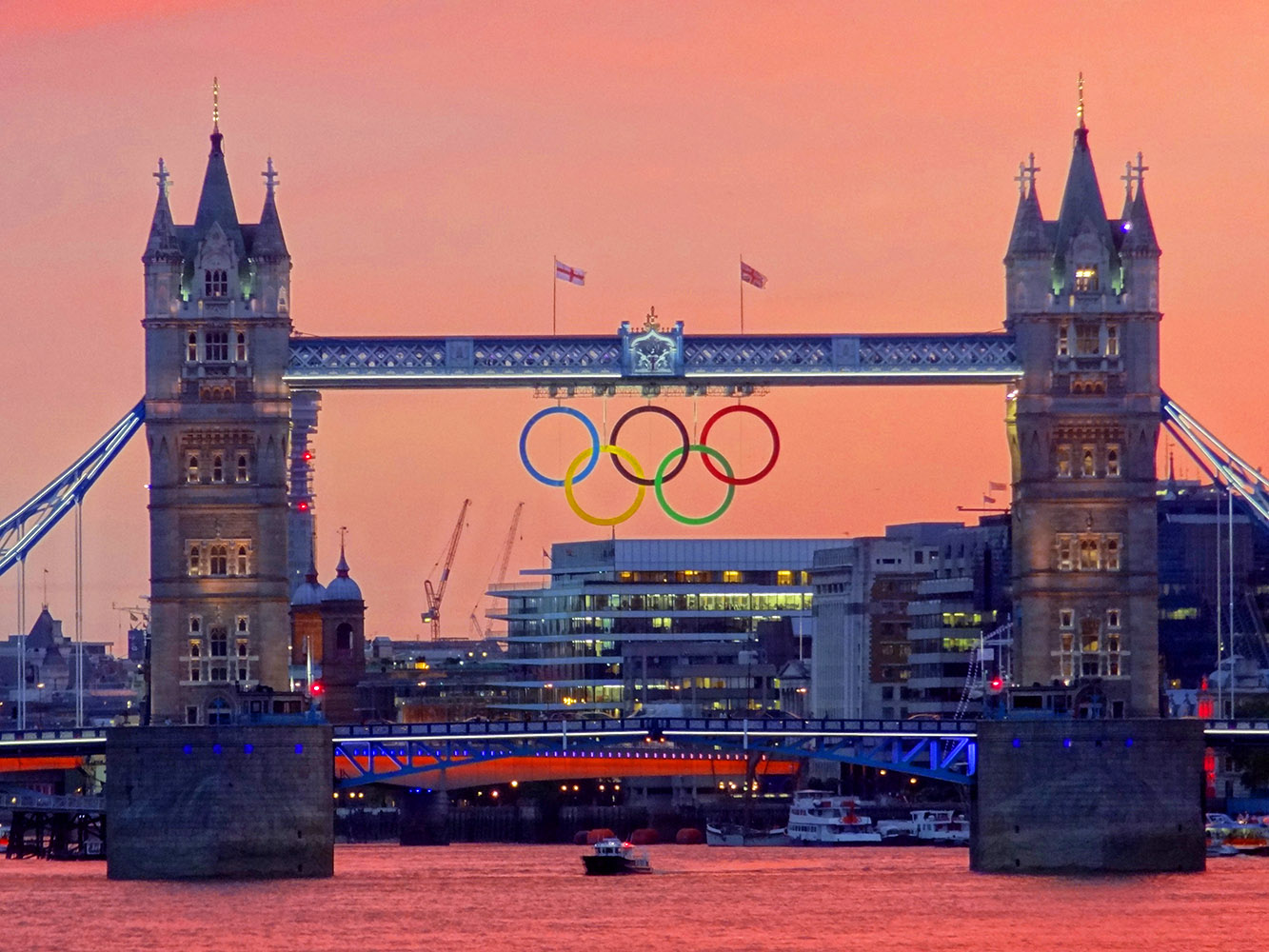
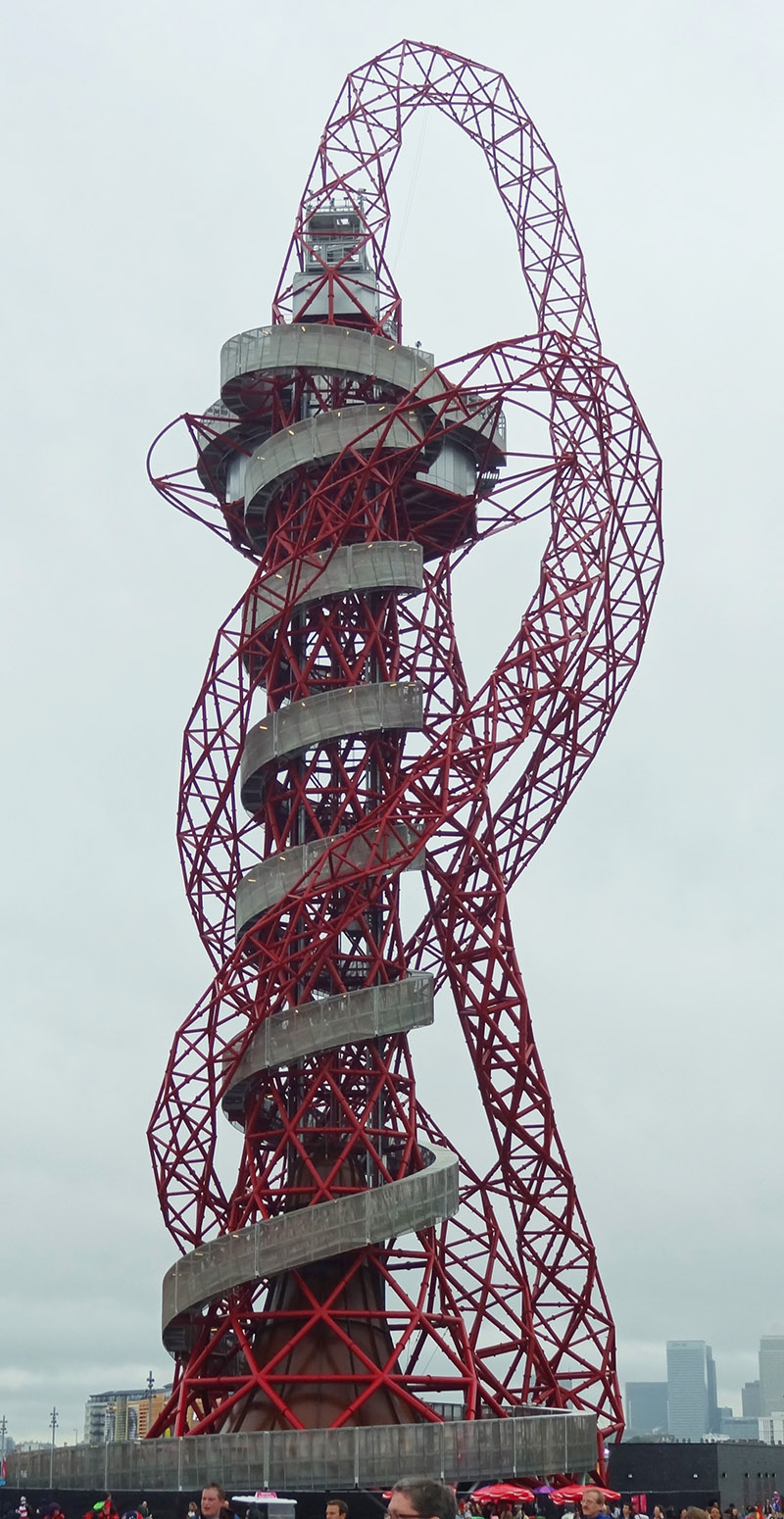
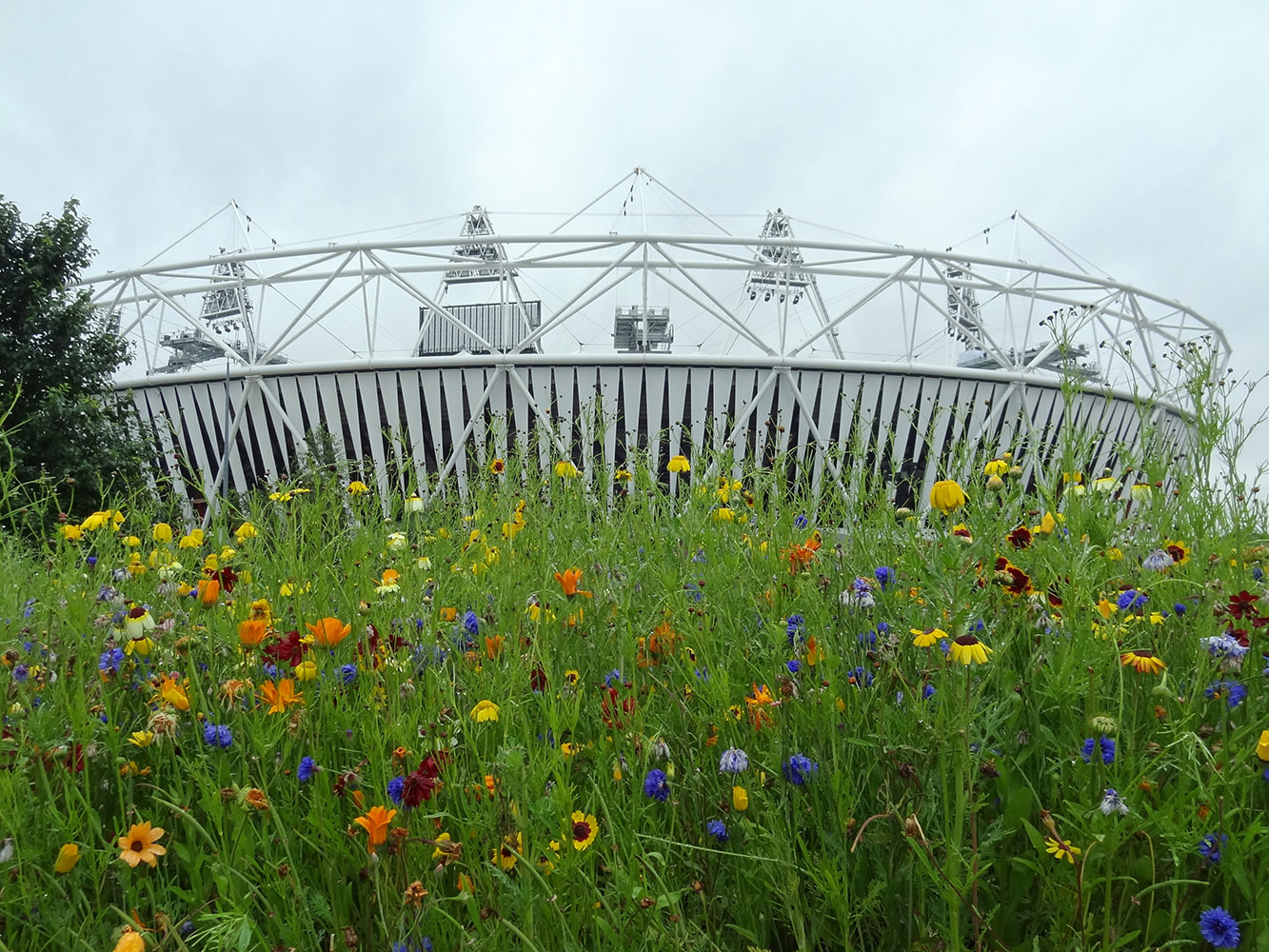
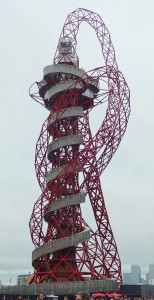
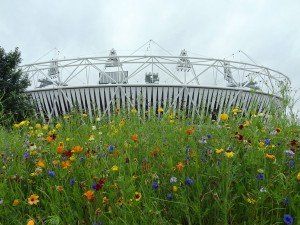
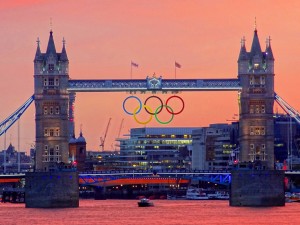 The 2012 London Olympics opened on 27 July. This has been the result of years of planning and investment in infrastructure since London won the bid in 2005.
It is estimated that hosting the Games will have cost over £9bn. It is therefore interesting to consider the long-run impact on a host city years after the last medal has been won. We might expect host cities to achieve increased growth due to the benefits from the improved infrastructure and the impact of increased publicity and exposure on trade, capital and population.
 This has recently been investigated in a paper published in the Economic Inquiry by Stephen Billings and James Holladay which looks at the impact hosting the Games has on GDP and trade (working paper available here). One difficulty with trying to identify the impact of hosting the Games, is that only certain cities will have a chance of being chosen as hosts and these may be cities that are more likely to experience future growth. If this is the case, it would appear that the future growth was due to hosting the Games when it would in fact have been likely to occur anyway. In order to control for this, the above paper compares the winners with losing finalists in the selection process for host cities. For example under this approach London would be compared with Singapore, Moscow, New York and Madrid. In addition, subsequent matching processes are also used to select appropriate cities for comparison.
 They find that larger cities in wealthier countries are more likely to be chosen to host the Games. However, once comparisons with other appropriate cities are made, overall, they find that hosting the Games has no effect on a cities population, growth or trade. One explanation provided is that the intense competition to host the Games means the potential gains are competed away via escalated promises in order to increase a cities chances of being selected. In addition, they note that there may well still be considerable specific benefits from the investments made to host the Games.
It is also clear that there are both positive and negative externalities from hosting the Games that, whilst difficult to measure, ideally should be taken into account. On the negative side, these include the extra hassle anybody travelling to work in London during the Games will face. On the other hand, on the positive side, it is hoped that part of the long-run legacy of the Games will be increased interest and participation in sport which would result in substantial health benefits.
David Cameron claims London 2012 will bring £13bn ‘gold for Britain’ The Guardian, Hélène Mulholland (05/07/12)
Olympic legacy: how the six Olympic boroughs compare for children The Guardian, Simon Rodgers (19/07/12)
London 2012: Olympics legacy hard to define BBC News, David Bond (13/07/12)
Questions
- Explain how intense competition to host the Games might result in benefits being competed away.
- Can you think of any other externalities resulting from the Olympic Games?
- Why are the impact of externalities difficult to measure?
- What other factors should be taken into account when assessing the costs and benefits of hosting the Games?
- Do you think the decision to bid to host the Games should be purely based on a cost-benefit analysis?
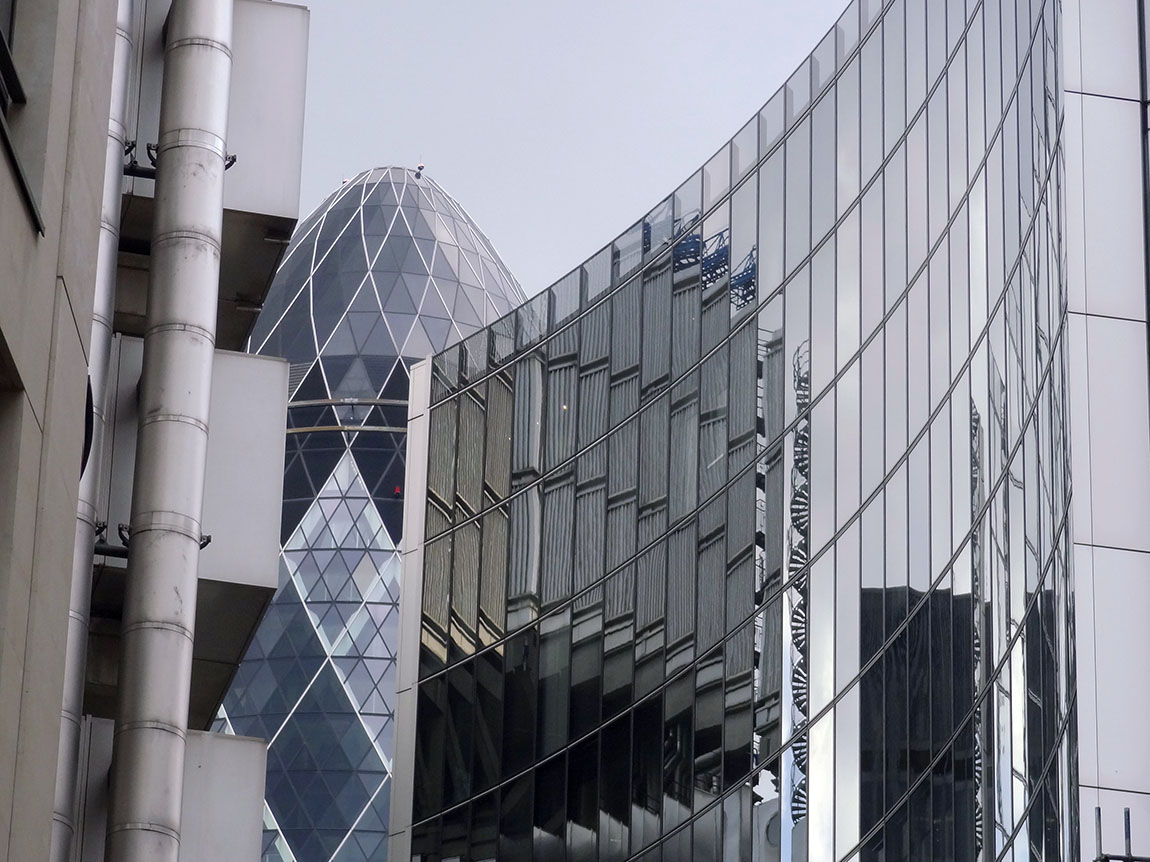 Barclays’ Chief Executive, Bob Diamond, has resigned following revelations that Barclays staff had been involved in rigging the LIBOR in the period 2005–9, including the financial crisis of 2007–9.
So what is the LIBOR; how is it set; what were the reasons for Barclays (and other banks, as will soon be revealed) attempting to manipulate the rate; and what were the consequences?
The LIBOR, or London interbank offered rate, is the average of what banks report that they would have to pay to borrow from one another in the inter-bank market. Separate LIBORs are calculated for 15 different lending periods: overnight, one week, one month, two months, three months, six months, etc. The rates are set daily as the average of submissions made to Thomson Reuters by some 15 to 20 banks (a poll overseen by the British Bankers’ Association). Thomson Reuters then publishes the LIBORs, along with all of the submissions from individual banks which are used to calculate it.
Many interest rates around the world are based on LIBORs, or their European counterpart, EURIBORs. They include bond rates, mortgage rates, overdraft rates, etc. Trillions of dollars worth of such assets are benchmarked to the LIBORs. Thus manipulating LIBORs by even 1 basis point (0.01%) can result in millions of dollars worth of gains (or losses) to banks.
 The charge, made by the Financial Services Authority, is that Barclays staff deliberately under- or overstated the rate at which the bank would have to borrow. For example, when interbank loans were drying up in the autumn of 2008, Barclays staff were accused of deliberately understating the rate at which they would have to borrow in order to persuade markets that the bank was facing less difficulty than it really was and thereby boost confidence in the bank. In other words they were accused of trying to manipulate LIBORs down by lying.
As it was the LIBORs were rising well above bank rate. The spread for the one-month LIBOR was around 1 to 1.2% above Bank Rate. Today it is around 0.1 to 0.15% above Bank Rate. Without lying by staff in Barclays, RBS and probably other banks too, the spread in 2008 may have been quite a bit higher still.
The following articles look at the issue, its impact at the time and the aftermath today.
Articles
A Libor primer The Globe and Mail, Kevin Carmichael (3/7/12)
60 second guide to Libor Which? (3/7/12)
Explaining the Libor interest rate mess CNN Money (3/7/12)
Fixing Libor Financial Times (27/6/12)
LIBOR in the News: What it is, Why it’s Important Technorati, John Sollars (2/7/12)
Libor rigging ‘was institutionalised at major UK bank’ The Telegraph, Philip Aldrick (1/7/12)
Barclays ‘attempted to manipulate interest rates’ BBC News, Robert Peston (27/6/12)
The Libor Conspiracy: Were the Bank of England and Whitehall in on it? Independent, Oliver Wright, James Moore , Nigel Morris (4/7/12)
Fixing LIBOR The Economist (10/3/12)
Cleaning up LIBOR? The Economist (14/5/12)
Eagle fried The Economist, Schumpeter (27/6/12)
Barclays looks like the victim Financial Post, Terence Corcoran (3/7/12)
Inconvenient truths about Libor BBC News, Stephanie Flanders (4/7/12)
Timeline: Barclays’ widening Libor-fixing scandal BBC News (5/7/12)
The elusive truth about Barclays’ lie BBC News, Robert Peston (4/7/12)
Rate Fixing Scandal Is International: EU’s Almunia CNBC, Shai Ahmed (4/7/12)
Bank-Bonus Culture to Blame for Barclays Scandal The Daily Beast, Alex Klein (3/7/12)
Libor scandal ‘damaging’ for City BBC Today Programme, Andrew Lilico and Mark Boleat (5/7/12)
Data
Libor rate fixing: see each bank’s submissions Guardian Data Blog, Simon Rogers (3/7/12)
Sterling interbank rates Bank of England
Questions
- Using data from the Bank of England (see link above), chart two or three LIBOR rates against Bank rate from 2007 to the present day.
- For what reason would individuals and firms lose from banks manipulating LIBOR rates?
- Why would LIBOR manipulation be more ‘effective’ if banks colluded in their submissions about their interest rates?
- Why might the Bank of England and the government have been quite keen for the LIBOR to have been manipulated downwards in 2008?
- To what extent was the LIBOR rigging scandal an example of the problem of asymmetric information?
- In the light of the LIBOR rigging scandal, should universal banks be split into separate investment and retail banks, rather than erecting some firewall around their retail banking arm?
- What are the arguments for and against making attempts to manipulate LIBOR rates a criminal offences?
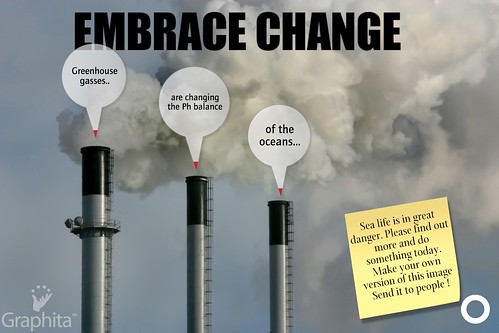 No market is perfect and when the market mechanism fails to deliver an efficient allocation of resources, we say the market fails and hence there is justification for some government intervention. From a monopolist dominating an industry to a manufacturing firm pumping out pollution, there are countless examples of market failure.
The Guardian is creating a guide to climate change, covering areas from politics to economics. The problem of climate change has been well documented and this blog considers a particular issue – the case for climate change or the environment as a market failure. In many cases just one market failure can be identified, for example an externality or a missing market. However, one of the key problems with climate change is that there are several market failures: externalities in the form of pollution from greenhouse gases; poor information; minimal incentives; the problem of the environment as a common resource and the immobility of factors of production, to name a few. Each contributes towards a misallocation of resources and prevents the welfare of society from being maximised.
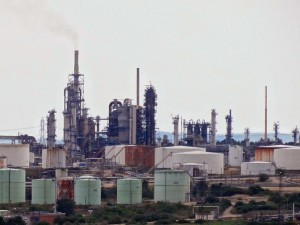 When a market fails, intervention is justified and economists argue for a variety of policies to tackle the above failures. In a first-best world, there is only one market failure to tackle, but in the case of the environment, policy must be designed carefully to take into account the fact that there are numerous failings of the free market. Second-best solutions are needed. Furthermore, as the problem of climate change will be felt by everyone, whether in a developed or a developing country, international attention is needed. The two articles below are part of the Guardian’s ultimate climate change guide and consider a huge range of economic issues relating to the problem of environmental market failure.
Why do economists describe climate change as a ‘market failure’? Guardian, Grantham Research Institute and Dunca Clark (21/5/12)
What is the economic cost of climate change? Guardian (16/2/11)
Questions
- What is meant by market failure?
- What are the market failures associated with the environment and climate change? In each case, explain how the issue causes an inefficient allocation of resources and thus causes the market to fail? You may find diagrams useful!
- What is meant by the first-best and second-best world?
- What does a second-best solution aim to do?
- Using diagrams to help your explanation, show how a tax on pollution will have an effect in a first best world, where the only market failure is a negative externality and in a second best world, where the firm in question is also a monopolist.
- What solutions are there to the problem of climate change? How effective are they likely to be?
- Does the need to tackle climate change require international co-operation? Can you use game theory to help your explanation?!
 Rail companies will be permitted to raise average regulated rail fares next year by 6.2%. Not surprisingly, this has been met with dismay and anger by rail travellers, especially long-distance commuters, who could see their annual season tickets going up by several hundred pounds.