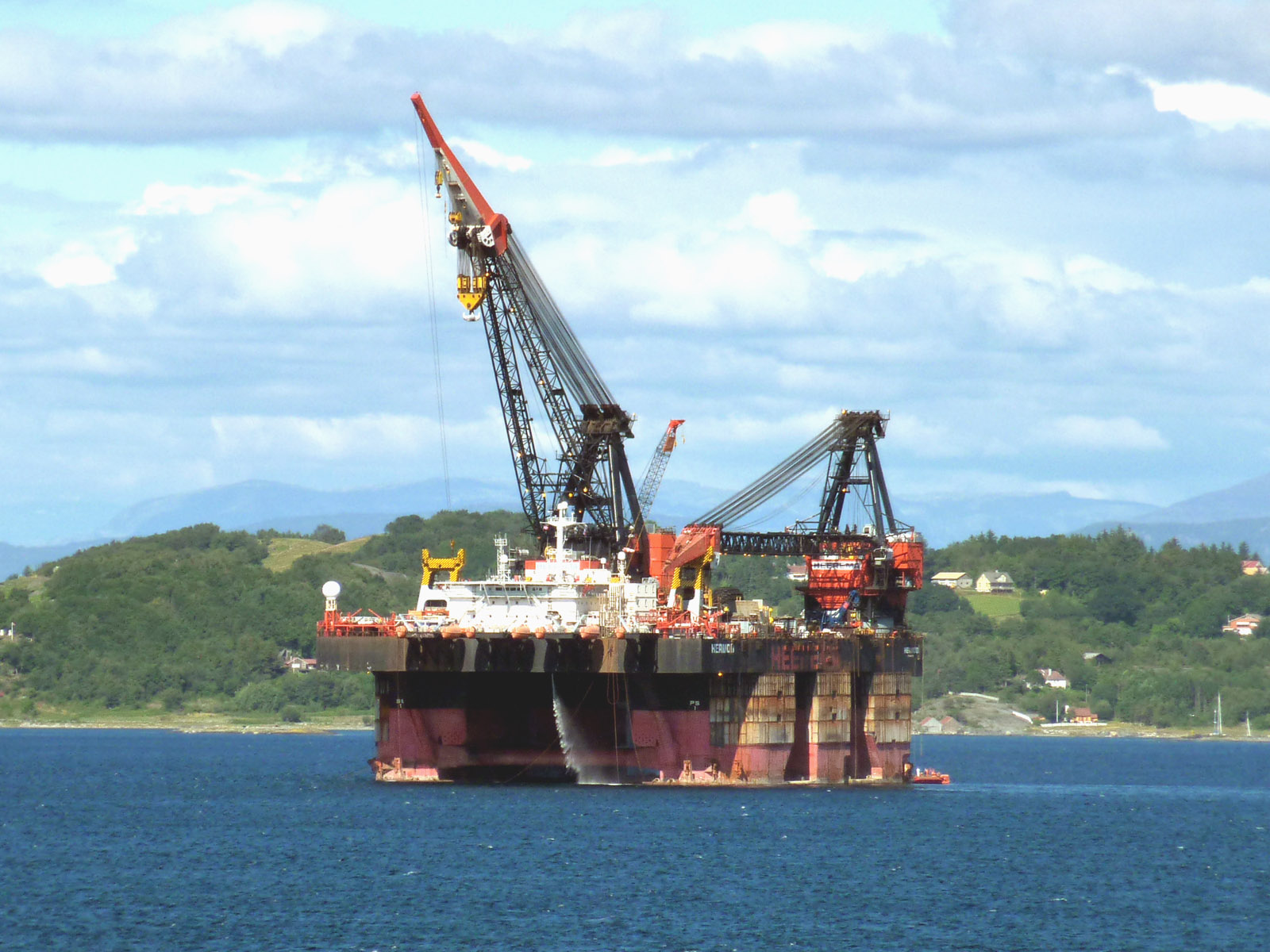
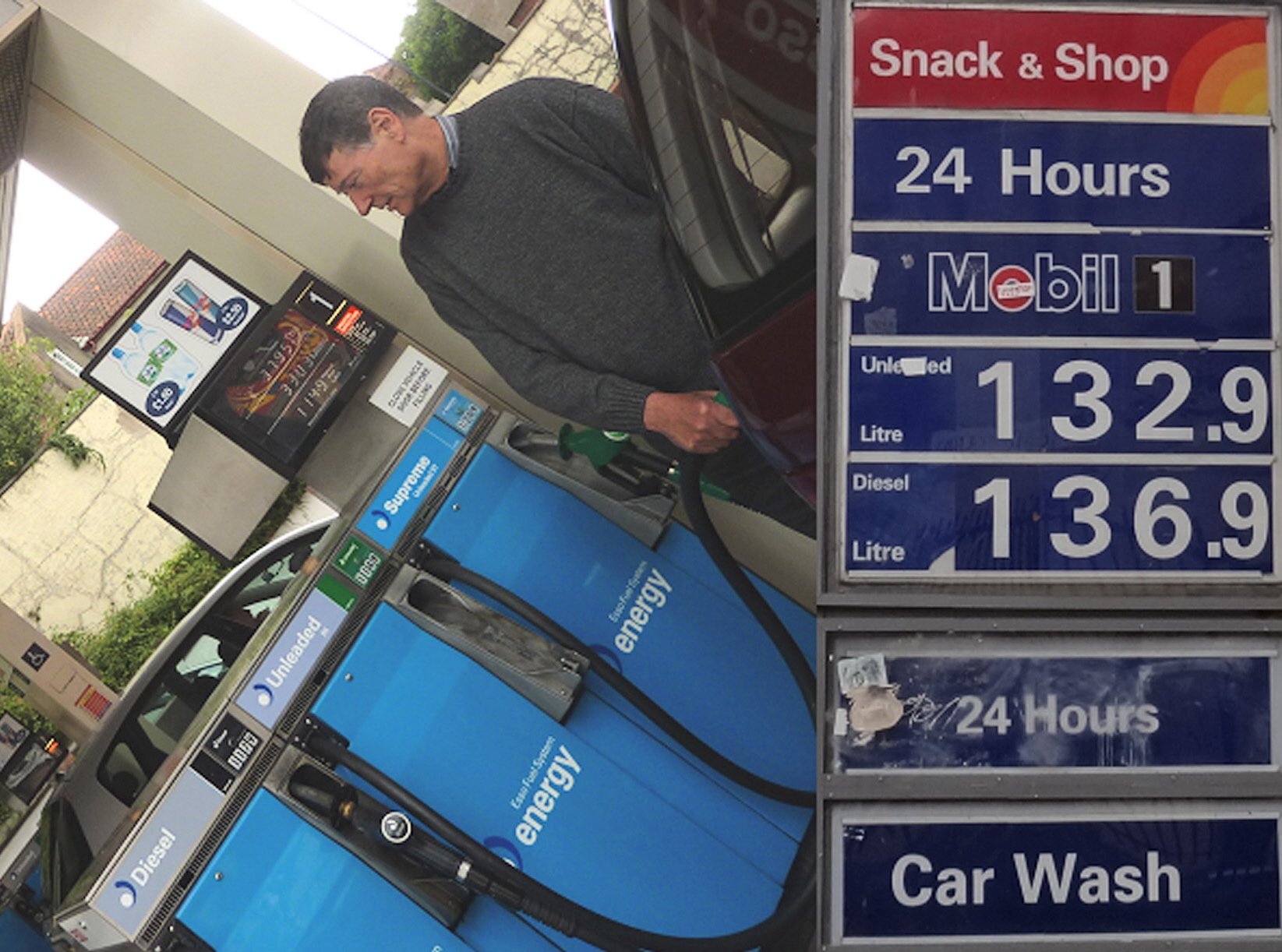
 One problem for motorists at the moment is the cost of petrol, where prices have reached over 1.37p on average, as we considered in the blog It’s fuelling anger. However, another problem could soon materialise and that is no petrol. Back in 2000, there was massive disruption to the public with a fuel blockade and a similar thing could occur, following the ‘yes’ vote by fuel tank drivers in favour of strike action.
Over the past few years, strikes have occurred across a variety of industries and if this one did happen with no contingency plan in place, disruption would be significant to both private individuals and companies. Drivers from Unite (the trade union) supply over 90% of fuel to UK garages and so any strike could lead to the closure of up to 7,900 stations.
However, the government has begun to consider the worst case scenario, if talks do not work with plans to begin training army drivers. There are concerns that without these plans in place, disruption across the country may occur with supermarkets, garages and airports all facing fuel shortages. Those who have a job that relies on travel, or even those who simply use their cars or buses to get to work will also feel the effects. Other problems within the emergency services could also emerge, but the government has assured the public that their fuel would be prioritised. The following articles consider this issue.
Fuel strike drivers vote yes in row over conditions BBC News (26/3/12)
Plan for fuel strike, says Downing Street Financial Times, George Parker (27/3/12)
Talks urged to avert fuel tanker strike Independent, Andrew Woodcock and David Mercer (27/3/12)
Ed Miliband: Fuel strike must be avoided at all costs Telegraph, James Hall (27/3/12)
All striking tanker drivers want is responsible minimum standards Guardian, Len McCluskey (27/3/12)
Questions
- If a trade union bargains for higher wages, what is the likely effect on employment and unemployment?
- How might strike action by tankers affect businesses?
- Are there likely to be any adverse long term effects if strike action does occur over Easter?
- How could strike action affect a firm’s costs of production? Think in particular about those who rely on travel as part of the business.
- What other options are there to trade unions, besides striking? Assess the effectiveness of each of the options.
- If a shortage of petrol emerged, what would you expect to happen to its market price?
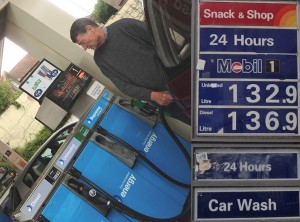
 Petrol prices have been a bone of contention for some time. With household incomes remaining low and the cost of living rising, the fact that average petrol prices have reached their highest level of more than 1.37p per litre on average will undoubtedly put growing pressure on the approaching budget.
There have already been calls for the Chancellor to reduce fuel duty and with this latest data, the pressure will only mount. The problem is, if fuel duty does fall, so will tax revenues and as one of the Coalition’s key objectives has been to cut the budget deficit, this could pose further problems. Even the calls to cut VAT on fuel will also put a dent in the budget deficit.
Although everyone is undoubtedly feeling the effects of these higher prices, the key thing with petrol is its elasticity of demand. Whether the price of petrol was 0.90p or 1.37p per litre, I continue to buy the same amount. Therefore, for me, the price elasticity of demand for petrol is highly inelastic – at least between those prices. After all, if the price increase above say £3 per litre, I might think twice about driving to work!
So what has been driving this increase in prices? Petrol prices are hugely dependent on the cost of oil and on the demand for any product that uses fuel. With growing demand from countries like India and China, as they continue to develop and grow very quickly; the continuing concerns with Iran’s nuclear programme and the political problems in the Middle East, oil prices have been forced up. The future trend in prices will depend on many factors, not least whether or not there is any change in fuel duty in the 2012 budget and whether something like a regulator is introduced to monitor increases in fuel prices. This is definitely an area to pay close attention to in the coming months.
Petrol prices reach record high Independent, Peter Woodman (3/3/12)
Petrol prices hit record high with further rises expected Guardian, Hilary Osborne (2/3/12)
Appeak to regulate petrol prices This is South Wales (3/3/12)
Plea to slash duty as fuel costs soar to record high Scotsman, Alastair Dalton (3/3/12)
Petrol prices hit record high The Telegraph, David Millward (2/3/12)
Diesel prices predicted to reach 150p as petrol hits new record Guardian, Terry Macalister and Hilary Osborne (2/3/12)
Questions
- Which are the factors on the demand side that have pushed up the price of oil and hence petrol and diesel?
- What are the supply-side factors that are causing the rising price of fuel?
- Use a demand and supply diagram to illustrate the effects you have explained in the first two questions.
- In the blog, I mention that my price elasticity of demand is relatively inelastic between 2 given prices. What does this suggest about the shape of my demand curve for petrol? How does this shape affect prices following any change in demand or supply?
- Why is petrol a relatively price inelastic product?
- There have been calls for the government to cut VAT or reduce fuel duty. What are the arguments for and against these policies?
- How effective do you think a petrol price regulator would be?
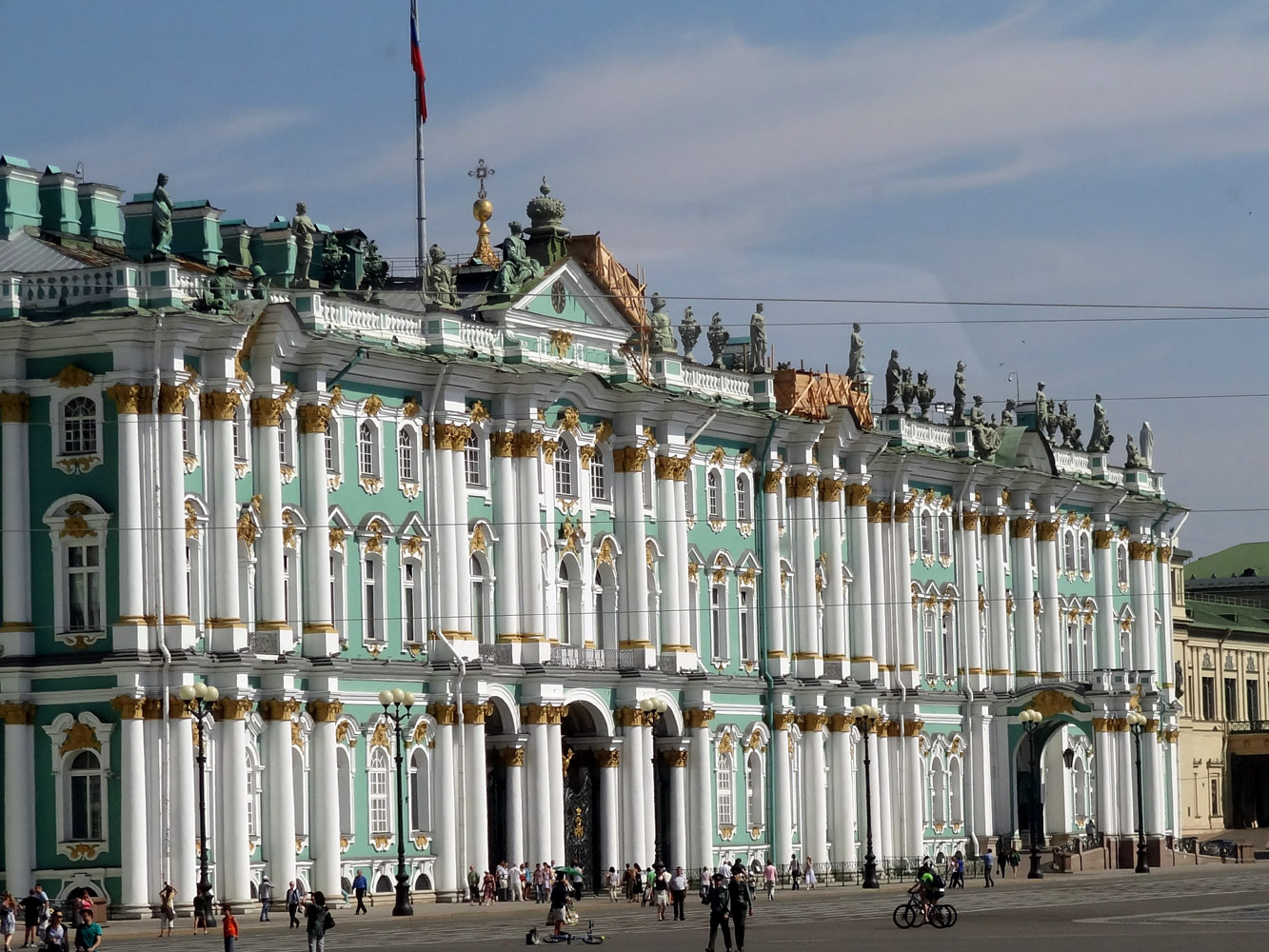 Last year, we felt the cost of the cold weather and whilst we haven’t seen such low temperatures this year, gas shortages are also emerging. Across Eastern Europe, temperatures have fallen well below -30ºC and so demand for gas has unsurprisingly increased.
Thanks to these low temperatures, Russian gas supplies are running low and several countries have seen their deliveries of gas fall. However, the Russian gas monopoly, Gazprom has said that supplies have not been cut and that it has been exporting more gas during these cold times. The blame, according to Alexander Medvedev (the Deputy CEO of Gazprom), lies with the Ukraine taking gas at a pace significantly above contracted levels. The following articles consider this issue.
Russia, Ukraine argue over gas as EU reports shortage Reuters (2/2/12)
Freezing Europe hit by Russian gas shortage BBC News (4/2/12)
Gazprom says ‘Perplexed’ by EU supply drop as Ukraine takes gas Bloomberg BusinessWeek, Anna Shiryaevskaya (3/2/12)
Gazprom cuts gas supplies amid cold snap Financial Times, Guy Chazan (3/2/12)
Gazprom ‘unable to pump extra gas to Europe’ Associated Press (4/2/12)
Questions
- Using a demand and supply diagram, illustrate what we would expect to see with a gas shortage.
- What has been the cause of this current gas shortage? Use a diagram to illustrate the causes.
- What would you expect to happen to prices following this gas shortage?
- Gazprom is said to be a monopoly: what are the characteristics of a monopoly?
- As there are other gas suppliers, how can Gazprom be said to be a monopolist?
Most people are risk-averse: we like certainty and are generally prepared to pay a premium for it. The reason is that certainty gives us positive marginal utility and so as long as the price of insurance (which gives us certainty) is less than the price we place on certainty, we will be willing to pay a positive premium. By having insurance, we know that should the unexpected happen, someone else will cover the risk. As long as there are some risk-averse people, there will always be a demand for insurance.
However, will private companies will be willing to supply it? For private market insurance to be efficient, 5 conditions must hold:
1. Probabilities must be independent
2. Probabilities must be less than one
3. Probabilities must be known or estimable
4. There must be no adverse selection
5. There must be no moral hazard
If these conditions hold or if there are simple solutions, then insurance companies will be willing and able to provide insurance at a price consumers are willing to pay.
There are many markets where we take out insurance – some of them where insurance is compulsory, including home and car insurance. However, one type of insurance that is not compulsory is that for cyclists. No insurance is needed to cycle on the road, but with cycle use increasing and with that the number of accidents involving cyclists also increasing, the calls for cyclists to have some type of insurance is growing. If they are hit by someone without insurance and perhaps suffer from a loss of income; or if they cause vehicle damage, they will receive no compensation. However, whilst the risk of accident is increasing for cyclists, they are still statistically less likely to cause an accident than motorists. Perhaps a mere £30 or £40 per year for a policy is a price worth paying to give cyclists certainty. At least, this is what the Association of British Insurers (ABI) is claiming – hardly surprising when their members made a combined loss of £1.2 billion!
Articles
Cyclists ‘urged to get insurance’ BBC News, Maleen Saeed (26/11/11)
Cyclists urged to get more insurance by … insurance companies Road.CC, Tony Farrelly (26/11/11)
The future of cycle insurance Environmental Transport Assocaition (24/11/11)
Questions
- With each of the above conditions required for private insurance to be possible, explain why each must hold.
- What do we mean by no moral hazard and no adverse selection? Why would their existence prevent a private company from providing insurance?
- Using the concept of marginal utility theory, explain why there is a positive demand insurance.
- What might explain why cyclists are less likely to take out insurance given your answer to the above question?
- Do you think cyclist insurance should be compulsory? If governments are trying to encourage more sustainable transport policy, do you think this is a viable policy?
Nokia is finding out just how competitive the phone industry is, as it sees its third quarter figures come in at a loss. Google and Apple have seen their market shares rise and this has had an adverse effect on the Finnish company, Nokia. This goes some way to backing up the job losses seen earlier in the year, when 7000 jobs were cut and there was a re-allocation of workers towards ‘smartphones’.
Despite Nokia’s disappointing results in this sector, it has seen growth in its sales of other more simple phones, illustrating its ability to focus on this aspect of the market. Its sales were higher than forecast at 107 million handsets in the third quarter, showing some signs of a changing trend for the firm. However, with competition ever increasing, Nokia will need to consider its future strategy very carefully.
Nokia reports lower-than-estimated loss as profit forecast for phone unit Bloomberg, Diana Ben-Aaron (20/10/11)
Nokia swings to loss in third quarter BBC News (20/10/11)
Nokia boosted by sales of cheap handsets Financial Times, Daniel Thomas (20/10/11)
Nokia beats forecasts with sales of 107m phones Guardian, Juliette Garside and Charles Arthur (20/10/11)
Nokia prepares for ‘solid’ windows phone launch Telegraph, Matt Warman (25/10/11)
Questions
- How would you describe Nokia’s strategy of focusing on cheaper and simpler phones?
- Would you say Nokia’s strategy is sensible? What factors will determine its success?
- How have Apple and Google managed to expand their market share and become serious competitors to firms like Nokia?
- Into which market structure would you classify the phone industry?
 One problem for motorists at the moment is the cost of petrol, where prices have reached over 1.37p on average, as we considered in the blog It’s fuelling anger. However, another problem could soon materialise and that is no petrol. Back in 2000, there was massive disruption to the public with a fuel blockade and a similar thing could occur, following the ‘yes’ vote by fuel tank drivers in favour of strike action.