 Technology and the Internet have both good and bad sides, whether it’s for businesses or consumers. Many opportunities have been created, such as access to global markets, cheaper and easier transport and communication and better sources of supply. But with this opportunity comes threats, especially for businesses. We’ve seen the emergence of new online-based companies and in some cases these have contributed to the demise of other firms. In this News Item we look at the impact on the newspaper industry.
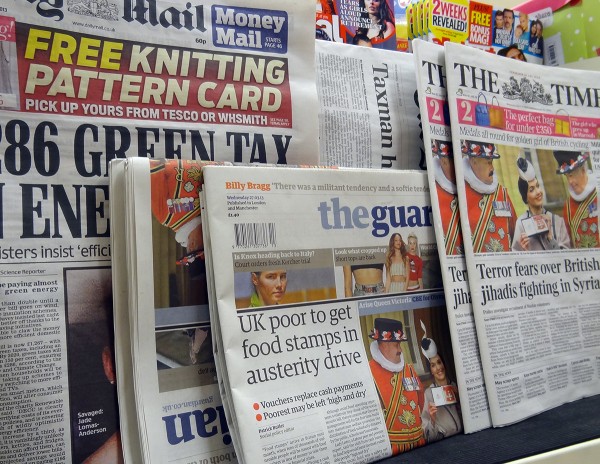
Media is one industry that has been significantly affected by technological developments. Newspaper readership has been in decline for many years and this is even the case for the most widely read UK paper – The Daily Telegraph. However, according to Seamus Dooley, Irish secretary of the National Union of Journalists, it’s not the end of the industry:
It is an industry in crisis, but I don’t accept it is an industry in terminal decline.
More and more information has become freely available online and just as we would expect in any other sector, the newspaper industry has had to respond. To keep their readers, newspapers across the world provide thousands of articles on all topics on their websites. But if news can be accessed freely, why bother purchasing a newspaper? This is the problem facing the Daily Telegraph, the Independent, the Daily Mail etc – the number of newspapers sold has declined and thus so have revenues and profits.
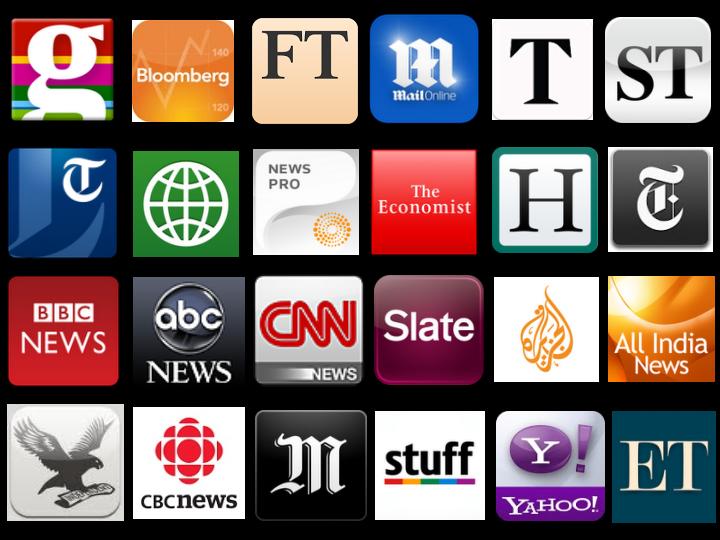 One option is to charge consumers for reading the news by introducing a subscription to the online articles. The Financial Times already charges a fee to view articles online beyond a certain number and The Telegraph is soon to follow suit. Back in 2010, The Times and Sunday Times launched their new websites, which charged readers for viewing articles. The model being adopted by The Telegraph is a little different, as a certain number of articles can be viewed for free before a price must be paid. International readers are already charged to view online material, but these new charges will apply to UK readers. With so much competition facing newspapers, the number of readers for The Telegraph will undoubtedly decline, but with newspaper readership falling, revenues must come from somewhere. Tony Gallagher has said:
We want to develop a closer rapport with our digital audience in the UK, and we intend to unveil a number of compelling digital products for our loyal subscribers in the months ahead.
Differentiating the product is going to be essential for any newspaper that begins charging, as with so much information available online for free, they have to ensure they keep their readers. Establishing loyalty will be crucial. The following articles consider this change.
Telegraph extends paywall to UK readers BBC News (26/3/13)
The Telegraph: subscribe to Britain’s finest journalism The Telegraph (26/3/13)
Telegraph to put up metered paywall Guardian, Roy Greenslade (26/3/13)
The sun joins Telegraph in charging website users The Guardian, Lisa O’Carroll and Roy Greenslade (26/3/13)
Oh how Times are charging Sloman News Site March 2010
Telegraph introduces UK paywall Marketing Week, Lara O’Reilly (26/3/13)
Washington Post announces porous paywall Journalism.co.uk, Sarah Marshall (19/3/13)
Washington Post latest newspaper to put faith in paywalls The Guardian, Dominic Rushe (19/3/13)
Ireland’s newspapers suffer hard times Financial Times, Jamie Smythe (24/3/13)
Washington Post to start charging for website Wall Street Journal, Keach Hagey (18/3/13)
Questions
- Where would you put newspapers on the product life cycle? Explain your answer.
- How would you assess the effect of the development of technology and the internet for newspapers?
- Have readers of newspapers benefited from the internet?
- How might estimates of elasticity have been used to make the decision to charge to view online articles?
- Which consumers will be affected most by this new strategy?
- How might companies that don’t charge for online access benefit from this new strategy?
- Would you continue to read articles from The Times, the Financial Times, The Telegraph, etc. linked from this site if you had to pay to access them? If so, why? If not, why not?
- How much would you be prepared to pay to access online articles? How are the concepts of utility and consumer surplus relevant here?
- What effect will the paywall have on The Telegraph’s revenues and profits? Use a diagram to illustrate your answer.
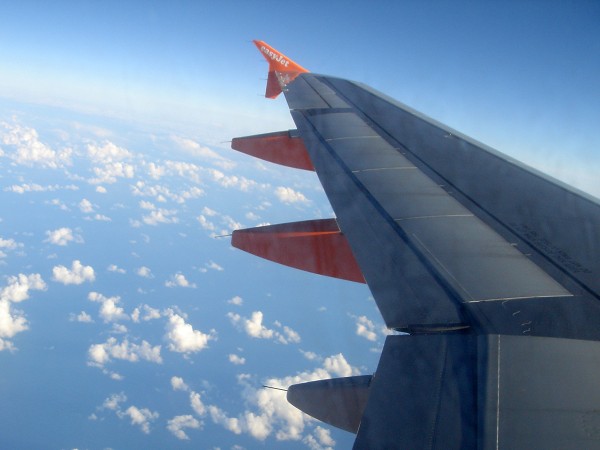 Investment is crucial in all sectors of the economy. With growing demand for travel abroad, airports across the world have begun implementing investment strategies to increase capacity. Airport bosses at Heathrow are currently considering a 5 year investment plan that is expected to cost £3 billion.
Although investment is certainly needed and passengers will benefit in the long run, the cost of this investment will have to be met by someone. If these plans are approved by the airport bosses, it is likely that ticket prices will be pushed upwards to pay for it. Any increase in charges will have to receive approval by the Civil Aviation Authority (CAA). The plan at the moment would see ticket prices, via landing charges, increase by £19.33 per passenger before a further rise to £27.30. The impact on customers has already been raised as a key concern.
 If the investment plans proceed, Heathrow expects to see its passenger numbers increase by 2.6m over the next 5 years, despite the proposed price hikes. This would naturally increase revenue and this money would provide at least some of the funds to repay the cost of the investment.
The price rises have been described as ‘incredibly steep’ and there are concerns that they will penalize customers. Airlines, such as Virgin Atlantic have recognized the need for more investment, but are more focused on finding ways to provide it without the price rises.
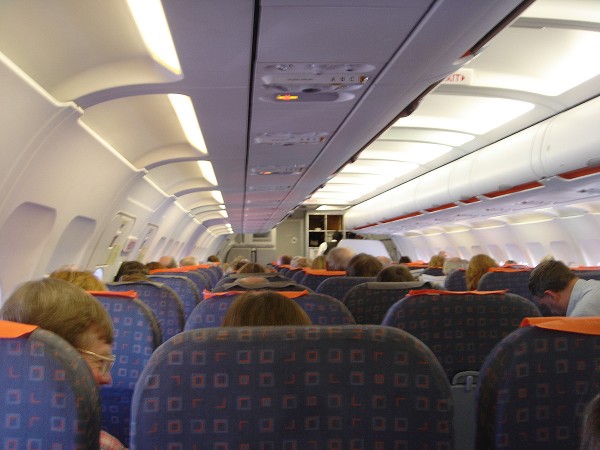 However, Colin Matthews, the Heathrow Chief said:
Heathrow faces stiff competition from other European hubs and we must continue to improve the service we offer passengers and airlines.
Passengers have already seen prices rise and Heathrow’s cost base has been described by British Airways as ‘inefficient’. Despite the fact that the decision by the CAA is not expected until January 2014, speculation will undoubtedly continue until any decision is reach. The following articles consider this case.
Heathrow hits turbulence over airport charges The Telegraph, Nathalie Thomas (12/2/13)
Heathrow Airport proposes ‘to raise ticket prices’ BBC News (12/2/13)
Heathrow investment to raise ticket prices Sky News (12/2/13)
Cost of Heathrow flights to rise by £27 in five years thanks to investment surcharge plans Mail Online, Helen Lawson (12/2/13)
Airlines fly into a rage as Heathrow warns charges must climb steeply Independent, Simon Calder (12/2/13)
Heathrow investment plan may lead to ticket price rise Reuters (12/2/13)
Heathrow calls for rise in airline tariffs Financial Times, Andrew Parker (12/2/13)
Questions
- If you had to undertake a cost-benefit analysis concerning the above investment proposal, which factors would you consider as the private and external benefits?
- Which factors would have to be taken into account as the private and external costs for any cost-benefit analysis?
- How important is it for the CAA to consider external costs and benefits when making its decision?
- If prices rise as the plans propose, what would you expect to be the effect on passenger numbers? How would this change be shown on a demand and supply diagram?
- According to Heathrow, they are expecting passenger numbers to increase, despite the price rises. What does this suggest about the demand curve? Illustrate your answer.
- Would you expect such an investment to have any macroeconomic impact?
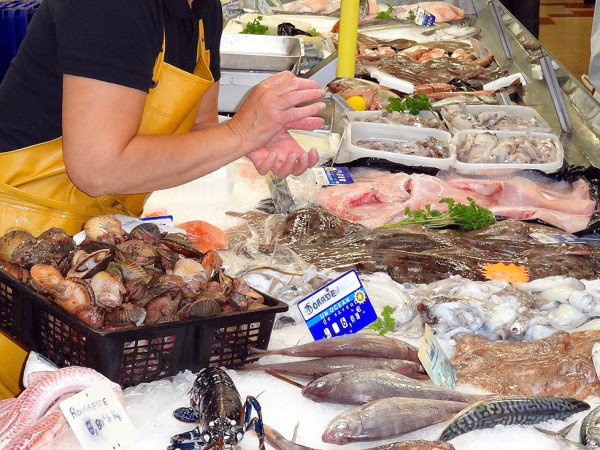 It’s a relatively common dish to see on a menu at a restaurant: mackerel. This particular fish has been promoted as a healthy and sustainable dish, but now its sustainability is coming into question and the Marine Conservation Society has taken it off its ‘fish to eat’ list. My brother Hugh is a marine biologist and often comments on which fish we should be avoiding due to sustainability issues (especially given how much I like fish!) So, how is this an economics issue?
There a couple of key things to pick out here. Firstly, with the conservationists’ warning of this issue of unsustainability, they have been asking consumers to reduce the amount of mackerel they buy. This will naturally have an impact on fisherman. If consumers do listen to the conservationists and hence reduce their demand for mackerel, we could see a fall in the price of this fish and a reduction in the fishermen’s turnover. It could be that we see a switch in consumption to other more sustainable fish, especially if we see some form of intervention.
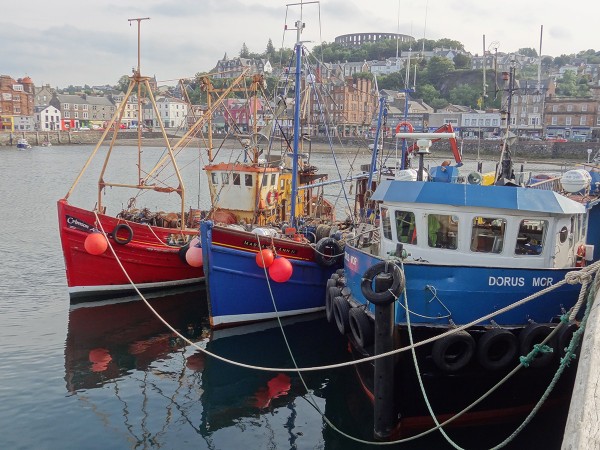 Another area concerning economics is the idea of over-fishing. For years, there have been disputes over who has the rights to these fish stocks. In the past, the Faroe Isles and Iceland have increased their quotas significantly, as mackerel appear to have migrated to their shores, contributing to this question of sustainability. Iceland and the Faroe Isles have ‘unilaterally agreed their quotas … as they are not governed by the common fisheries policy’.
The question is: when fisherman catch one additional mackerel, what are they considering? Do they think about the private benefit to them (or their company) or do they consider the external cost imposed on others? Whenever one fish is taken from the sea, there is one less fish available for other fishermen.
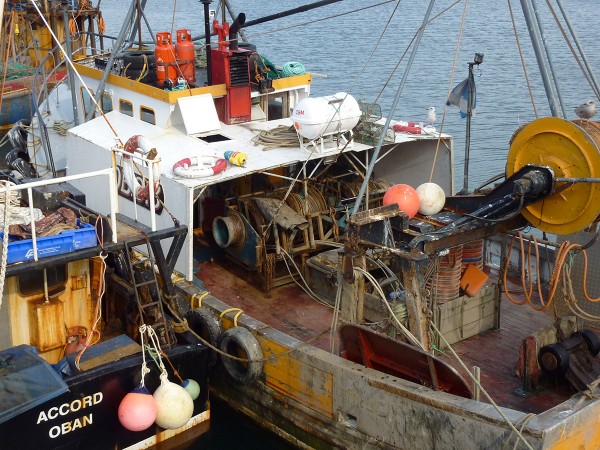 This leads to over-consumption of fish and contributes towards the well-documented depletion of fish stocks and ‘The Tragedy of the Commons’, if account is not taken of the external cost imposed on other fishermen.
The total catch is now far in excess of what has been scientifically recommended and previously agreed upon by all participating countries. Negotiations to introduce new catch allowances have so far failed to reach agreement.
There are hopes that an international policy on quotas can be agreed to ensure mackerel levels return to or remain at a sustainable level. However, at present no progress has been made. Until some form of an agreement is reached, fishermen around Iceland and the Faroe Isles will continue to battle against the conservationists. The following articles consider this fishy topic.
Mackerel taken off conservationists’ ‘fish-to-eat’ list The Guardian, Rebecca Smithers (22/1/13)
Warning over mackerel stocks Scottish Herald (22/1/13)
Fishing quota talks begin amid ongoing disputes and finger-pointing The Scotsman, Fran Urquhart (14/1/13)
Mackerel no longer an ethical choice because of over-fishing The Telegraph, Louise Gray (22/1/13)
Ths fishy tale of macro-mismanagement The Guardian, Annalisa Barbieri (22/1/13)
You can still eat mackerel – just make sure it’s British The Telegraph, Louise Gray (22/1/13)
Dispute means mackerel is no longer fish of the day BBC News, Matt McGrath (22/1/13)
Mackerel struck off sustainable fish list Associated Press (22/1/13)
Questions
- Why are quotas set by the EU for fishing? Who do they apply to?
- Why is there an externality from fishing?
- What is the Tragedy of the Commons? Using a diagram with average and marginal revenue product and average and marginal cost illustrate the market equilibrium and the social optimum. Why are they different?
- Following on from question 3, what does this suggest about the role of governments?
- If the conservationists’ request regarding buying less mackerel is successful, what impact might this have on fishermen and fisheries?
- If consumers do switch to buying other fish, what would happen to the equilibrium in the mackerel market and in the market for other fish? Think about this question in terms of general equilibrium analysis.
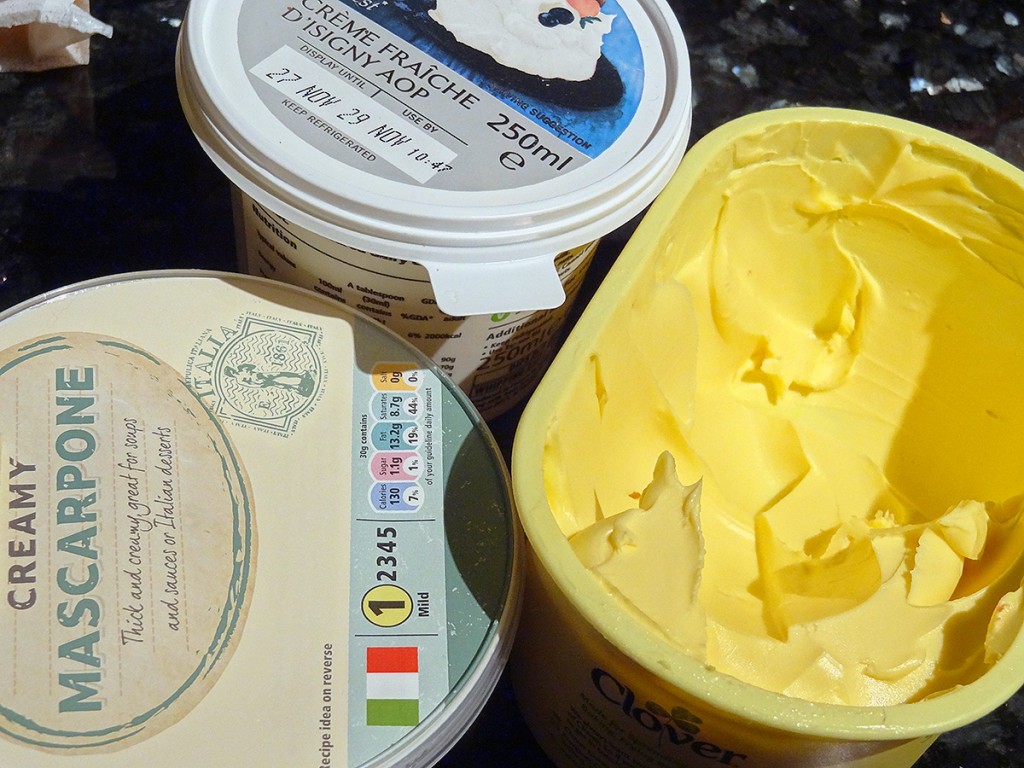 The problem of obesity and healthy eating is a growing problem in many countries and governments have long been looking into designing policy to tackle this issue.
Some have gone for healthy eating campaigns and policies to encourage pregnant women to eat better, but one government took it a step further and introduced a Fat Tax. In October 2011, the Danish government introduced a tax on foods that are high in saturated fat in a bid to reduce consumption of these goods. However, this policy is now to be abolished.
The Fat Tax introduced by the government imposed a surcharge on foods that contained more than 2.3% saturated fat. Numerous products were affected, including meats, dairy and as expected – processed foods. The policy was criticised by scientists who said that saturated fat was the wrong target and perhaps they were proved right, but the government’s u-turn, which will now see the tax being abolished. The tax had gradually increased food prices throughout the country and authorities said that it had even put Danish jobs at risk.
With food prices much higher in Denmark with the tax, consumers switched from buying domestically produced goods to crossing the border into Germany and purchasing their cheaper food. This undoubtedly had an adverse effect on the Danish economy, as it represented a cut in consumer expenditure. Perhaps it also helps to explain Germany’s strong economy – it was feeding 2 nations! The Danish tax ministry said:
‘The fat tax and the extension of the chocolate tax — the so-called sugar tax — has been criticised for increasing prices for consumers, increasing companies’ administrative costs and putting Danish jobs at risk … At the same time it is believed that the fat tax has, to a lesser extent, contributed to Danes travelling across the border to make purchases … Against this background, the government and the (far-left) Red Green Party have agreed to abolish the fat tax and cancel the planned sugar tax’
Once the tax is abolished, other policies will need implementing to tackle the problem of obesity and encourage healthy eating, as it continues to be a big problem in this and many other countries. The following articles consider this problem.
Denmark to scrap world’s first fat tax Associated Press (10/11/12)
Denmark to abolish tax on high-fat foods BBC News (10/11/12)
Fat tax repealed The Copenhagen Post (10/11/12)
Businesses call fat tax a failure on all fronts The Copenhagen Post, Ray Weaver (10/11/12)
Questions
- Illustrate the effect of a tax being imposed on a diagram. What happens to equilibrium price and quantity?
- According to Danish authorities, consumers didn’t change their consumption habits with the tax. What does this suggest about the PED of these products?
- How does the amount of tax revenue generated vary with the price elasticity of demand and supply?
- What other policies could be implemented to encourage healthy eating?
- Why did this fat tax lead to higher food prices?
- Explain the way in which such a tax could adversely affect the Danish economy. Does this justify its removal?
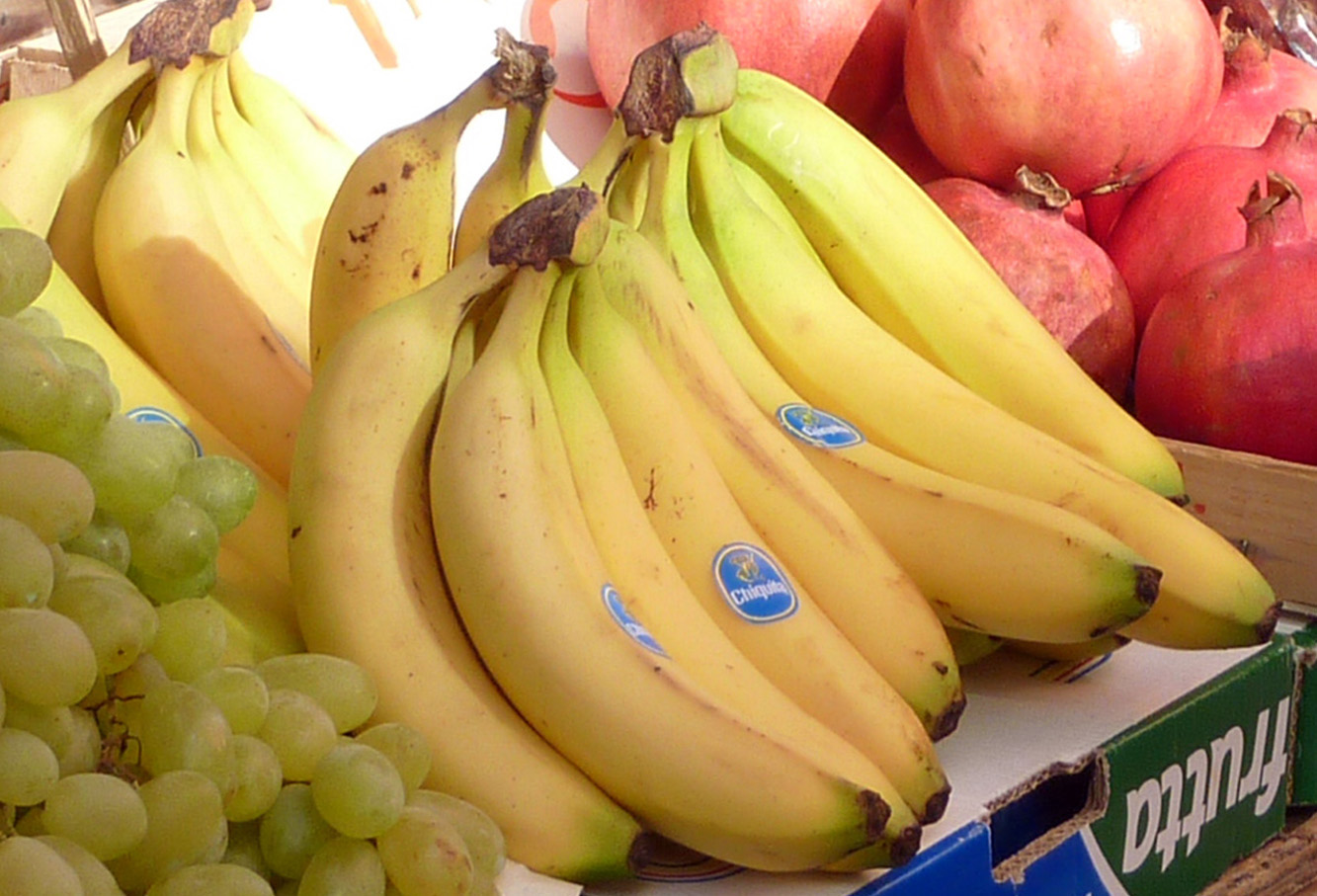
 Trade is generally argued to be good for economic growth, as it allows countries to specialise in those goods in which they have a comparative advantage and thus produce and consume more of all goods in total. However, trade inevitably leads to winners and losers, especially as countries impose tariffs on imports in order to protect domestic industries. This has been the case in the banana industry.
Banana growers in the former European colonies have long been protected by EU tariffs, helping to prevent competition from their Latin American banana growers. But, now things could be about to change. In December 2009, most of the nations concerned reached an agreement in Geneva for tariffs imposed by the EU to be gradually reduced.
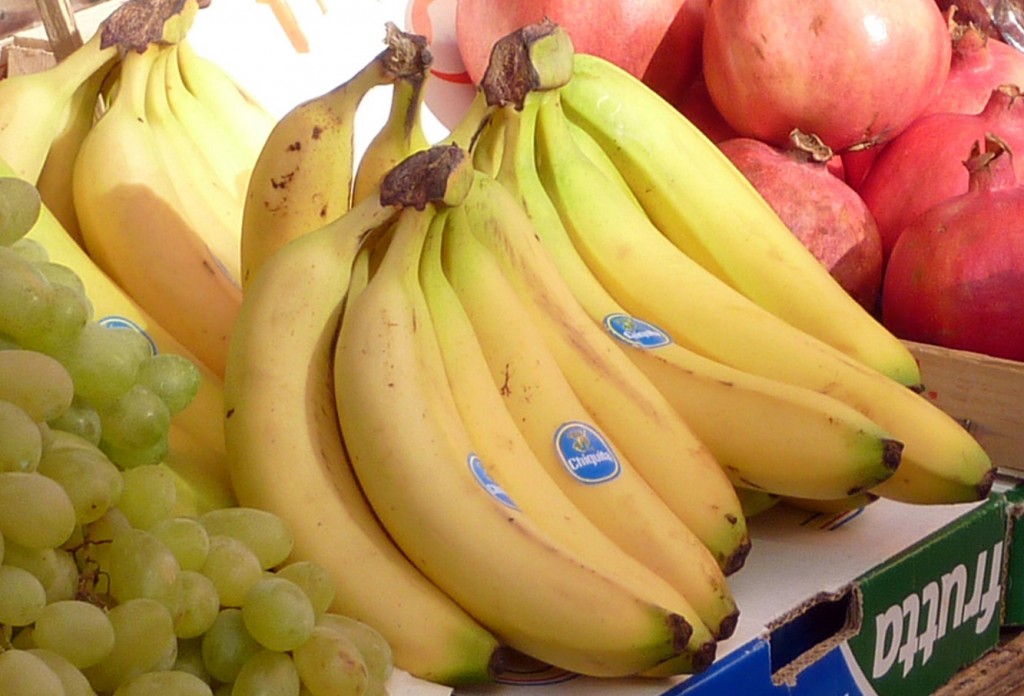
The European Union had imposed no duty on bananas from their former colonies, but had imposed tariffs on banana imports from other countries. This meant that those countries now benefiting from zero import duty could sell their bananas for a much lower price, therefore restricting the other nations (who did have to pay an import duty) from competing effectively.
 With the World Trade Organisation in attendance, an agreement was signed that puts an end to this trade dispute dating back over 2 decades. The Director General of the WTO, Pascal Lamy said:
‘This is a truly historic moment … After so many twists and turns, these complicated and politically contentious disputes can finally be put to bed. It has taken so long that quite a few people who worked on the cases, both in the Secretariat and in member governments have retired long ago.’
This trade war has been ongoing for many years and this agreement represents a big step in the right direction. With a fairer playing field in this banana market, countries in Latin America will now be much more able to compete with other nations. As economists argue that trade is good, a reduction in protectionist measures should be seen as a good thing and will benefit the countries concerned. The following articles consider this trade resolution.
Banana war ends after 20 years BBC News (8/11/12)
WTO: Historic signing ends 20 years of EU-Latin American banana disputes 4-Traders, WTO (8/11/12)
EU, Latin America nations mark end of ‘banana war’ Fox News (8/11/12)
Banana war ends after 20 years The Telegraph (9/11/12)
Infamous banana dispute ends Sky News (9/11/12)
Questions
- What is comparative advantage and how does it lead to gains from trade?
- How does a tariff help protect a country’s domestic industry?
- Using a diagram, illustrate the effect of a tariff being imposed on banana imports from Latin America. Is there a cost to society of such a policy?
- Now, show what happens when this tariff is removed by the EU. Who benefits and who loses?
- What is the role of the World Trade Organisation?
- How does a tariff affect a country’s ability to compete with other nations?
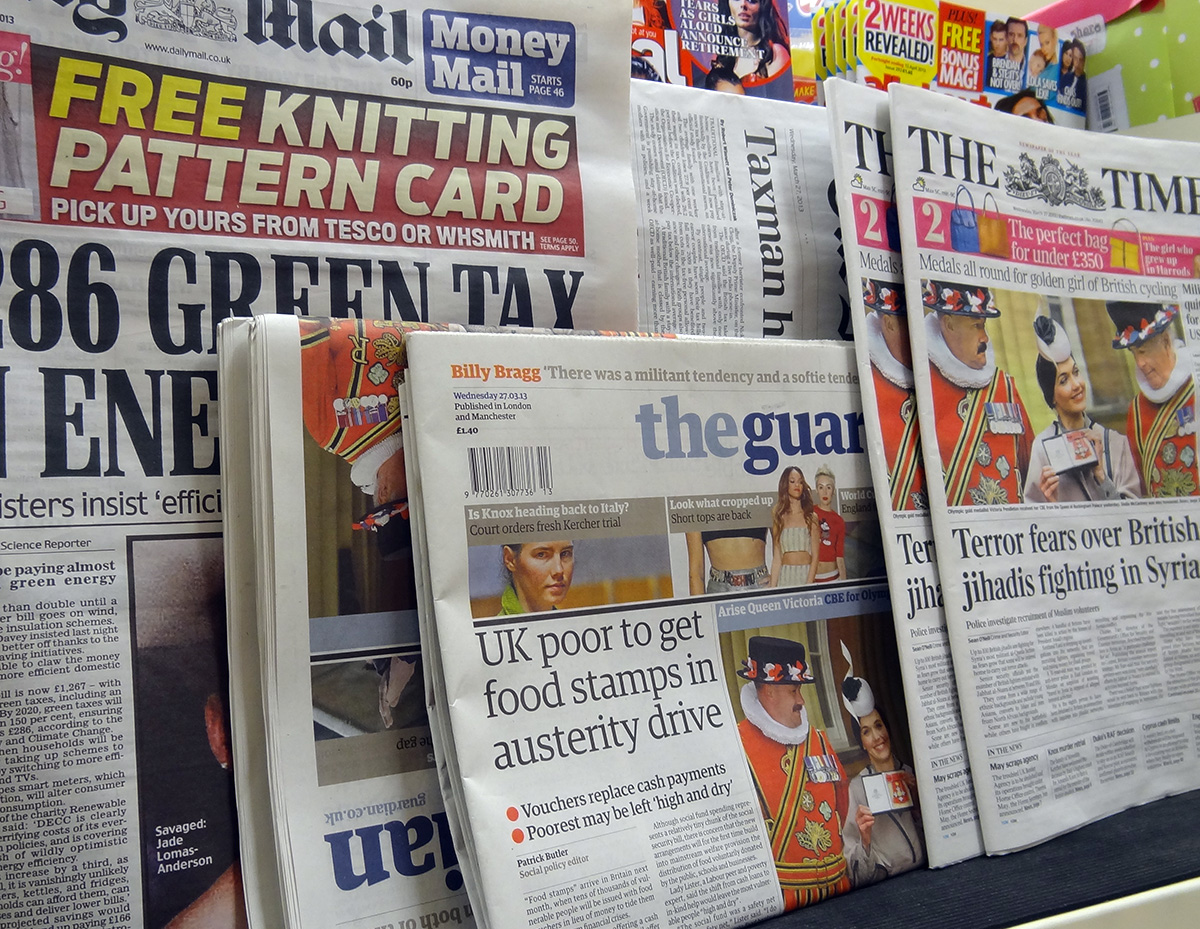 Technology and the Internet have both good and bad sides, whether it’s for businesses or consumers. Many opportunities have been created, such as access to global markets, cheaper and easier transport and communication and better sources of supply. But with this opportunity comes threats, especially for businesses. We’ve seen the emergence of new online-based companies and in some cases these have contributed to the demise of other firms. In this News Item we look at the impact on the newspaper industry.