 The pricing model for low-cost airline seats seems simple. As the seats get booked, so the price rises. Thus the later you leave it to book, the more expensive it will be. But, in fact, it’s not as simple as this. Seat prices sometimes come down as the take-off date approaches. So what is the pricing model?
The general principle of raising prices as the plane fills up still applies. This enables the airline to discriminate between passengers. Holidaymakers and those with flexibility about when, and possibly where, to travel tend to have a relatively high price elasticity of demand. People who wish to travel at the last minute, such as businesspeople and those facing a family emergency, tend to have a much lower price elasticity of demand and would be prepared to pay a higher, possibly much higher, price.
 With relatively high fixed costs for each flight, low-cost airlines need to fill, or virtually fill, their planes if they are to make a profit. And it’s not just about the direct revenue from ticket sales. Low-cost carriers also rely on the revenue from selling extras, such as on-board refreshments, hold luggage, hotels, car hire and travel insurance. With variable costs being tiny, the pricing model is about maximising revenue for each flight. So the fuller the plane, the better it is for the airline.
 The airlines are very experienced in estimating demand over the period from a flight coming on sale and the departure date. If they get it right, then prices will indeed rise as take-off approaches. But sometimes they get it wrong. If, as time passes, a given flight is filling up too slowly, then it makes sense to be more flexible on prices, cutting them if necessary. Pricing may be easy in principle; but not always easy in practice!
Article
Low-cost air fares: How ticket prices fall and rise BBC News, Erica Gornall (21/6/13)
Papers
Pricing strategies of low cost airlines Air Transport Group, Cranfield University, Keith J Mason (2002)
Pricing strategies of low-cost airlines: The Ryanair case study Journal of Air Transport Management, 15, Paolo Malighetti, Stefano Paleari and Renato Redondi (2009)
Questions
- Does a low-cost airline always charge lower prices than a traditional scheduled airline? If not, why not?
- Identify the various reasons why holidaymakers may have a relatively elastic demand for a particular flight?
- Explain the system of ‘buckets’ of seats?
- Are low-cost airlines engaging in price discrimination and, if so, which type?
- Are there any variable costs of operating a particular flight (assuming that the flight does actually take place)?
- If demand for a flight becomes less elastic as the date of departure gets nearer, why might a budget airline choose to lower the price, at least for a few days?
- Why can Ryanair operate with lower costs than easyJet?
- Would it be in low-cost airlines’ interests to charge more (a) to overweight people; (b) for using the toilet?
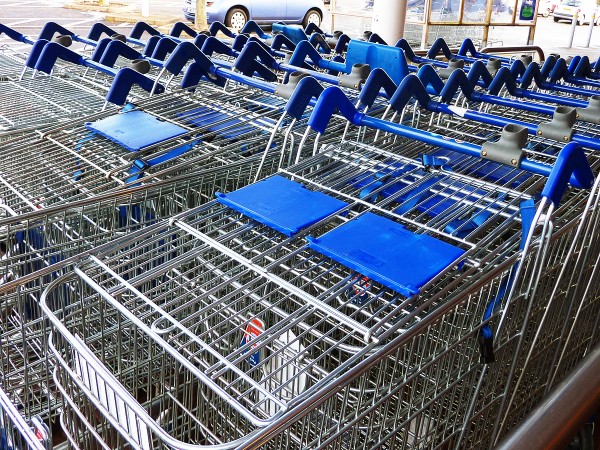 How important are emotions when you go shopping? Many people go shopping when they ‘need’ to buy something, whether it be a new outfit, food/drink, a new DVD release, a gift, etc. Others, of course, simply go window shopping, often with no intention of buying. However, everyone at some point has made a so-called ‘impulse’ purchase.
There is only one article below, which is from the BBC and draws on data released from the National Employment Savings Trust’s survey. This report suggests that British people spend over £1 billion every year on impulse buys – purchases that are not needed, were not intended and are often regretted once the ‘high’ has worn off. Often, it is the way in which a product is advertised or positioned that leads to a spontaneous purchase – seeing chocolate bars/sweets at the tills; a product offered at a huge discount advertised in the window of a shop; 2 for 1 purchases; points for loyalty etc. All of these and more are simple techniques used by retailers to encourage the impulse buy. As consumer psychologist, Dr. James Intriligator says:
Retailers have clever ways of manipulating customers to spend more but if you stick to your plans you can avoid being affected by their tactics.
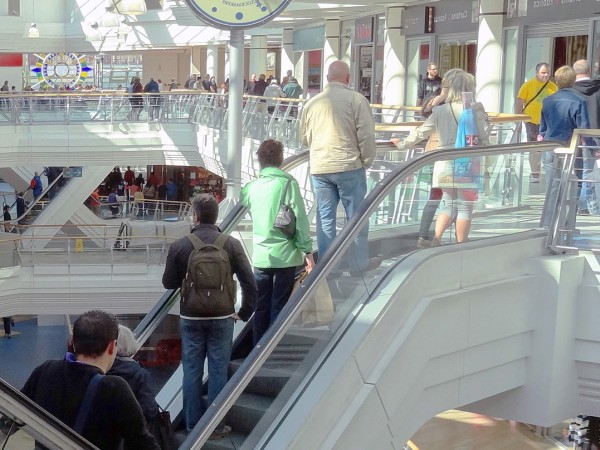
In other cases, it’s simply the frame of mind of the consumer that can lead to such purchases, such as being hungry when you’re food shopping or having an event to attend the next day and deciding to go window shopping, despite already having something to wear! Dr. Intriligator continues, saying:
Your ability to resist and make rational choices is diminished when your glucose levels are down … When you get irrational, you fall back on trusted brands, which often leads you to spend more money … Later in the shop, you’re more tired and less likely to resist [impulse buys]
But are such purchases irrational? One of the key assumptions made by economists (at least in traditional economics) is that consumers are rational. This implies that consumers weigh up marginal costs and benefits when making a decision, such as deciding whether or not to purchase a product. But, do impulse buys move away from this rational consumer approach? Is buying something because it makes you happy in the short term a rational decision? Behavioural economics is a relatively new ‘branch’ of economics that takes a closer look at the decisions of consumers and what’s behind their behaviour. The following article from the BBC considers the impulse buy and leaves you to consider the question of irrational consumers.
Article
How to stop buying on impulse BBC Consumer (30/5/13)
Questions
- If the marginal benefit of purchasing a television outweighs the marginal cost, what is the rational response?
- Using the concept of marginal cost and benefit, illustrate them on a diagram and explain how equilibrium should be reached.
- What is behavioural economics?
- What are the key factors that can be used to explain impulse buys?
- How can framing help to explain irrational purchases?
- If a product is advertised at a significant discount, what figure for elasticity is it likely to have to encourage further purchases in-store?
- Is bulk-buying always a bad thing?
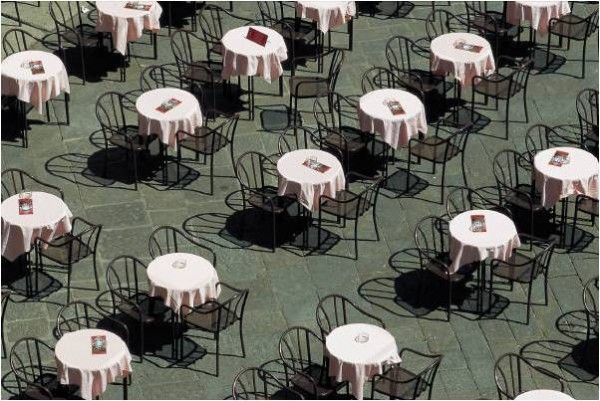 Why are 43 companies in the pub and restaurant sector in the UK donating over a £1 million to an 86 year old Frenchman who claims to work a 70 hour week? Jacques Borel has led an interesting and varied life which has included activities such as helping the French resistance in the 2nd world war and opening the first take-away hamburger restaurant in France in 1961. In 2001 he started a campaign to get the European Union to allow member states to reduce the rate of VAT applied to food and drink sold in the pub, hotel and restaurant industry. Organisations such as JD Wetherspoon, Heineken and Pizza Hut are backing his attempts to persuade the UK government of the benefits of this policy.
VAT is paid when goods and services are purchased and is normally included in the price advertised by the seller. It generates a significant amount of money for the UK government and it is estimated that it will raise £102 billion in 2012-13 – the third biggest source of revenue after income tax and national insurance contributions. It is applied at three different rates in the UK – a standard rate of 20%, a reduced rate of 5% and a zero rate i.e. 0%. This may sound straightforward but in reality the tax is extremely complicated as previously discussed in articles on this website . For example most basic or staple items of food sold in shops are zero rated. However there are some rather bizarre exceptions. For example a packet of potato crisps is subject to the standard rate of VAT whereas tortilla chips are not. The standard rate is applied to a packet of Wotsits whereas a zero rate is applied to a packet of Skips!
The campaign headed by Mr Borel focuses on the discrepancy between the zero-rate applied to most food items purchased from a shop and the standard rate applied to food purchased in restaurants or cafes. For example, if you buy a Pizza from a supermarket then you don’t pay any tax on this purchase, whereas if you eat a pizza in a restaurant the standard 20% rate of VAT is applied. Mr Borel is lobbying the UK government to reduce the rate of VAT paid in pubs and restaurants from the standard rate of 20% to the reduced rate of 5%. One reason why so many UK companies are willing to offer him financial support is because of his success in getting governments in other countries such as Germany, Belgium, Finland and France to adopt this policy.
In a recent radio interview Mr Borel was asked to make his case for the proposed reduction of VAT in the UK. He claimed:
I have a commitment from 125 chains of hotels, restaurants and independents to use 60% of the reduction in VAT to lower prices so that would be a 7.5% decrease in price. When you decrease price by that magnitude you will see an increase in customers of 10-12% and you will be forced to hire new staff. In our best case scenario, we plan to create 670,000 jobs in three years.
When asked in another interview why the hospitality sector should be favoured more than others he replied that:
It would create more jobs in a minimal amount of time…you cannot do that with any other industry.
One obvious drawback of the policy would be the loss of revenue for the UK government. Some estimates have suggested that the loss of VAT receipts would be between £5.5 and £7.8 billion. However it has been claimed that over time the impact of the change on government finances would be zero. In response to the proposed tax cut a Treasury spokesman commented:
Any reduced rates would make a significant impact on revenue and, as a significant proportion of spending in these areas is by UK residents, any increase in activity in these areas would largely be at the expense of other consumer spending.
Webcast
 Jacques Borel: VAT cut for pubs Morning Advertiser on YouTube (18/5/11)
Articles
Industry VAT campaigner Jacques Borel appears on Radio Four’s Today and Radio Five Propelinfo (24/4/13)
French veteran in fight to cut pub VAT Financial Times, Christopher Thompson (5/6/12)
The fiscal impact of reduced VAT rates VAT Club Jobs (22/4/13)
Pub and restaurant groups pay 86-year-old Frenchman £1m to convince UK government to cut VAT The Mail on Sunday, Sarah Bridge (20/4/13)
French veteran seeks British jobs boost with VAT Reuters (17/1/13)
Questions
- In his radio interview Jacques Borel claims that if firms pass on 60% of the cut in VAT this would cause a 7.5% reduction in prices. Explain why this is the case. Clearly outline any assumptions you have made in the analysis
- If 60% of the reduction was passed on by firms through lower prices, what do you think would happen to the money generated from the other 40% of the reduction?
- Using a demand and supply diagram illustrate the proposed reduction in the rate of VAT on the hospitality industry. Make sure your diagram is drawn in such a way that it clearly illustrates producers passing on 60% of the tax reduction in the form of lower prices.
- Assuming that the hospitality industry was very competitive, what impact would a reduction in VAT have on consumer surplus, producer surplus and deadweight welfare loss?
- Explain any assumptions you have in your answer to question 3 about the price elasticity of demand and supply.
- Using the figures provided in the radio interview is it possible to calculate the price elasticity of demand. Try making the calculation and clearly explain any assumptions you have made.
- Explain why the reduction in VAT might have no net effect on government finances in the long run?
- What factors determine the price elasticity of supply? What assumption is Mr Borel making about the price elasticity of supply in the hospitality industry compared to other industries when he makes the claim that jobs would be created quickly?
- Outline some of the arguments against cutting the rate of VAT.
 The UK economy faces a growing problem of energy supplies as energy demand continues to rise and as old power stations come to the end of their lives. In fact some 10% of the UK’s electricity generation capacity will be shut down this month.
Energy prices have risen substantially over the past few years and are set to rise further. Partly this is the result of rising global gas prices.
In 2012, the response to soaring gas prices was to cut gas’s share of generation from 39.9% per cent to 27.5%. Coal’s share of generation increased from 29.5% to 39.3%, its highest share since 1996 (see The Department of Energy and Climate Change’s Energy trends section 5: electricity). But with old coal-fired power stations closing down and with the need to produce a greater proportion of energy from renewables, this trend cannot continue.
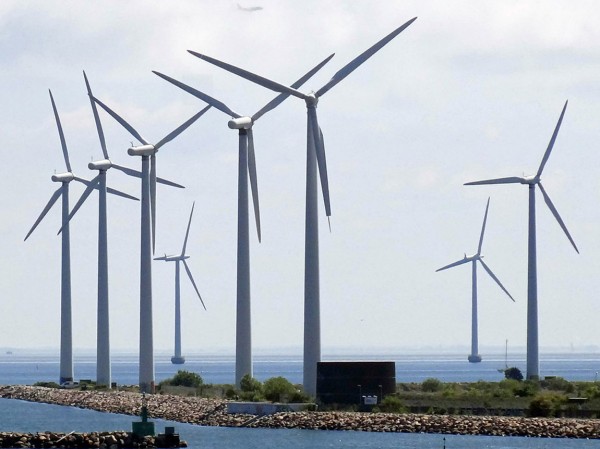 But new renewable sources, such as wind and solar, take a time to construct. New nuclear takes much longer (see the News Item, Going nuclear). And electricity from these low-carbon sources, after taking construction costs into account, is much more expensive to produce than electricity from coal-fired power stations.
So how will the change in balance between demand and supply affect prices and the security of supply in the coming years. Will we all have to get used to paying much more for electricity? Do we increasingly run the risk of the lights going out? The following video explores these issues.
Webcast
UK may face power shortages as 10% of energy supply is shut down BBC News, Joe Lynam (4/4/13)
Data
Electricity Statistics Department of Energy & Climate Change
Quarterly energy prices Department of Energy & Climate Change
Questions
- What factors have led to a rise in electricity prices over the past few years? Distinguish between demand-side and supply-side factors and illustrate your arguments with a diagram.
- Are there likely to be power cuts in the coming years as a result of demand exceeding supply?
- What determines the price elasticity of demand for electricity?
- What measures can governments adopt to influence the demand for electricity? Will these affect the position and/or slope of the demand curve?
- Why have electricity prices fallen in the USA? Could the UK experience falling electricity prices for similar reasons in a few years’ time?
- In what ways could the government take into account the externalities from power generation and consumption in its policies towards the energy sector?
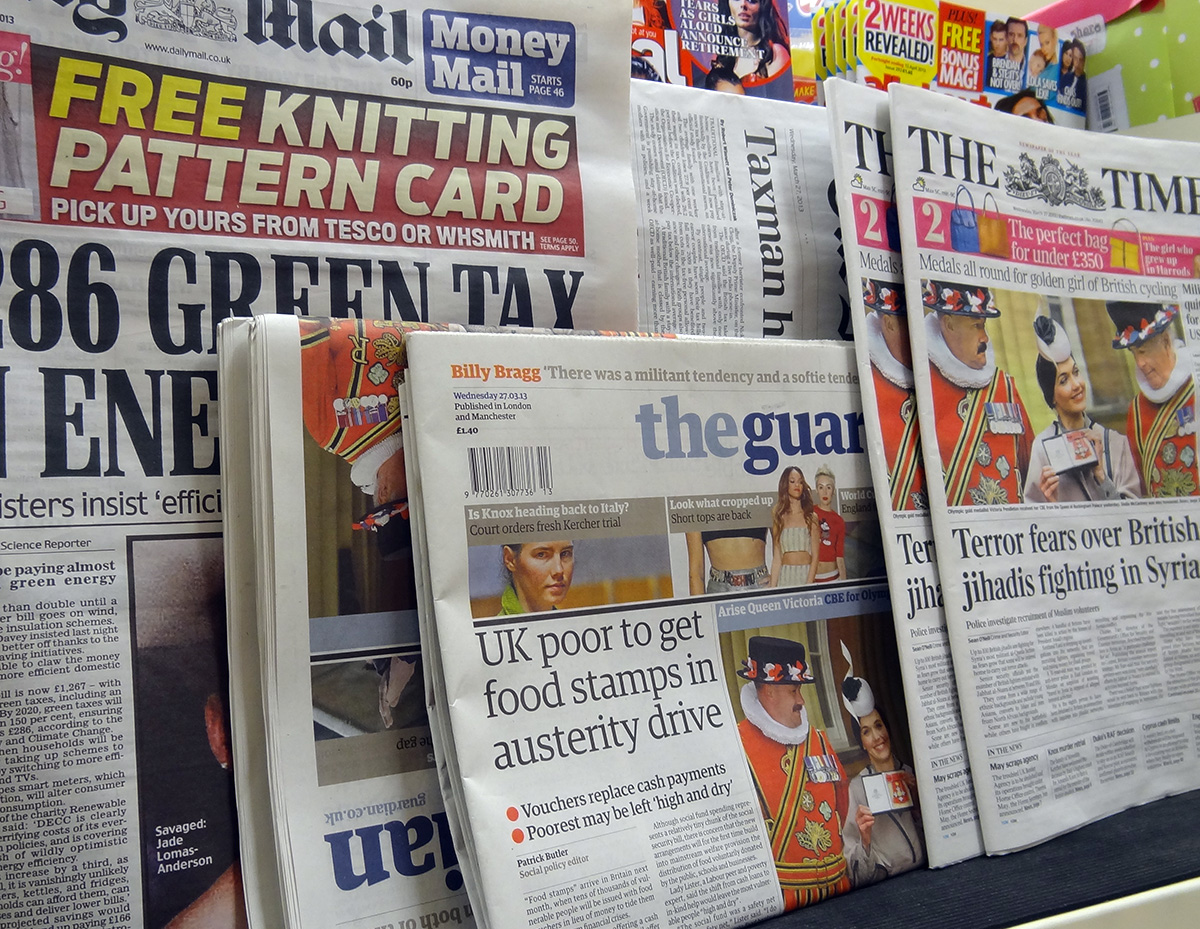
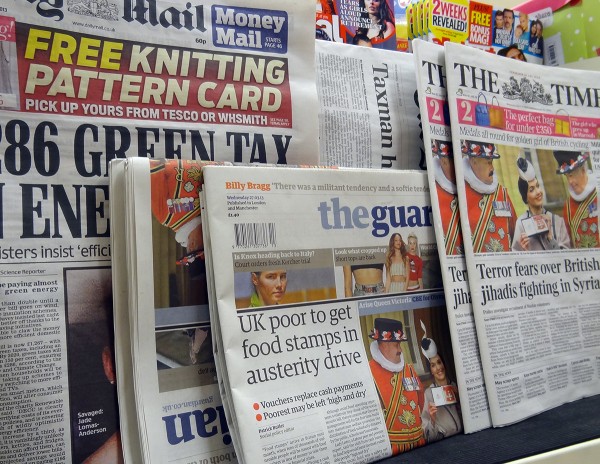 Technology and the Internet have both good and bad sides, whether it’s for businesses or consumers. Many opportunities have been created, such as access to global markets, cheaper and easier transport and communication and better sources of supply. But with this opportunity comes threats, especially for businesses. We’ve seen the emergence of new online-based companies and in some cases these have contributed to the demise of other firms. In this News Item we look at the impact on the newspaper industry.
Media is one industry that has been significantly affected by technological developments. Newspaper readership has been in decline for many years and this is even the case for the most widely read UK paper – The Daily Telegraph. However, according to Seamus Dooley, Irish secretary of the National Union of Journalists, it’s not the end of the industry:
It is an industry in crisis, but I don’t accept it is an industry in terminal decline.
More and more information has become freely available online and just as we would expect in any other sector, the newspaper industry has had to respond. To keep their readers, newspapers across the world provide thousands of articles on all topics on their websites. But if news can be accessed freely, why bother purchasing a newspaper? This is the problem facing the Daily Telegraph, the Independent, the Daily Mail etc – the number of newspapers sold has declined and thus so have revenues and profits.
 One option is to charge consumers for reading the news by introducing a subscription to the online articles. The Financial Times already charges a fee to view articles online beyond a certain number and The Telegraph is soon to follow suit. Back in 2010, The Times and Sunday Times launched their new websites, which charged readers for viewing articles. The model being adopted by The Telegraph is a little different, as a certain number of articles can be viewed for free before a price must be paid. International readers are already charged to view online material, but these new charges will apply to UK readers. With so much competition facing newspapers, the number of readers for The Telegraph will undoubtedly decline, but with newspaper readership falling, revenues must come from somewhere. Tony Gallagher has said:
We want to develop a closer rapport with our digital audience in the UK, and we intend to unveil a number of compelling digital products for our loyal subscribers in the months ahead.
Differentiating the product is going to be essential for any newspaper that begins charging, as with so much information available online for free, they have to ensure they keep their readers. Establishing loyalty will be crucial. The following articles consider this change.
Telegraph extends paywall to UK readers BBC News (26/3/13)
The Telegraph: subscribe to Britain’s finest journalism The Telegraph (26/3/13)
Telegraph to put up metered paywall Guardian, Roy Greenslade (26/3/13)
The sun joins Telegraph in charging website users The Guardian, Lisa O’Carroll and Roy Greenslade (26/3/13)
Oh how Times are charging Sloman News Site March 2010
Telegraph introduces UK paywall Marketing Week, Lara O’Reilly (26/3/13)
Washington Post announces porous paywall Journalism.co.uk, Sarah Marshall (19/3/13)
Washington Post latest newspaper to put faith in paywalls The Guardian, Dominic Rushe (19/3/13)
Ireland’s newspapers suffer hard times Financial Times, Jamie Smythe (24/3/13)
Washington Post to start charging for website Wall Street Journal, Keach Hagey (18/3/13)
Questions
- Where would you put newspapers on the product life cycle? Explain your answer.
- How would you assess the effect of the development of technology and the internet for newspapers?
- Have readers of newspapers benefited from the internet?
- How might estimates of elasticity have been used to make the decision to charge to view online articles?
- Which consumers will be affected most by this new strategy?
- How might companies that don’t charge for online access benefit from this new strategy?
- Would you continue to read articles from The Times, the Financial Times, The Telegraph, etc. linked from this site if you had to pay to access them? If so, why? If not, why not?
- How much would you be prepared to pay to access online articles? How are the concepts of utility and consumer surplus relevant here?
- What effect will the paywall have on The Telegraph’s revenues and profits? Use a diagram to illustrate your answer.
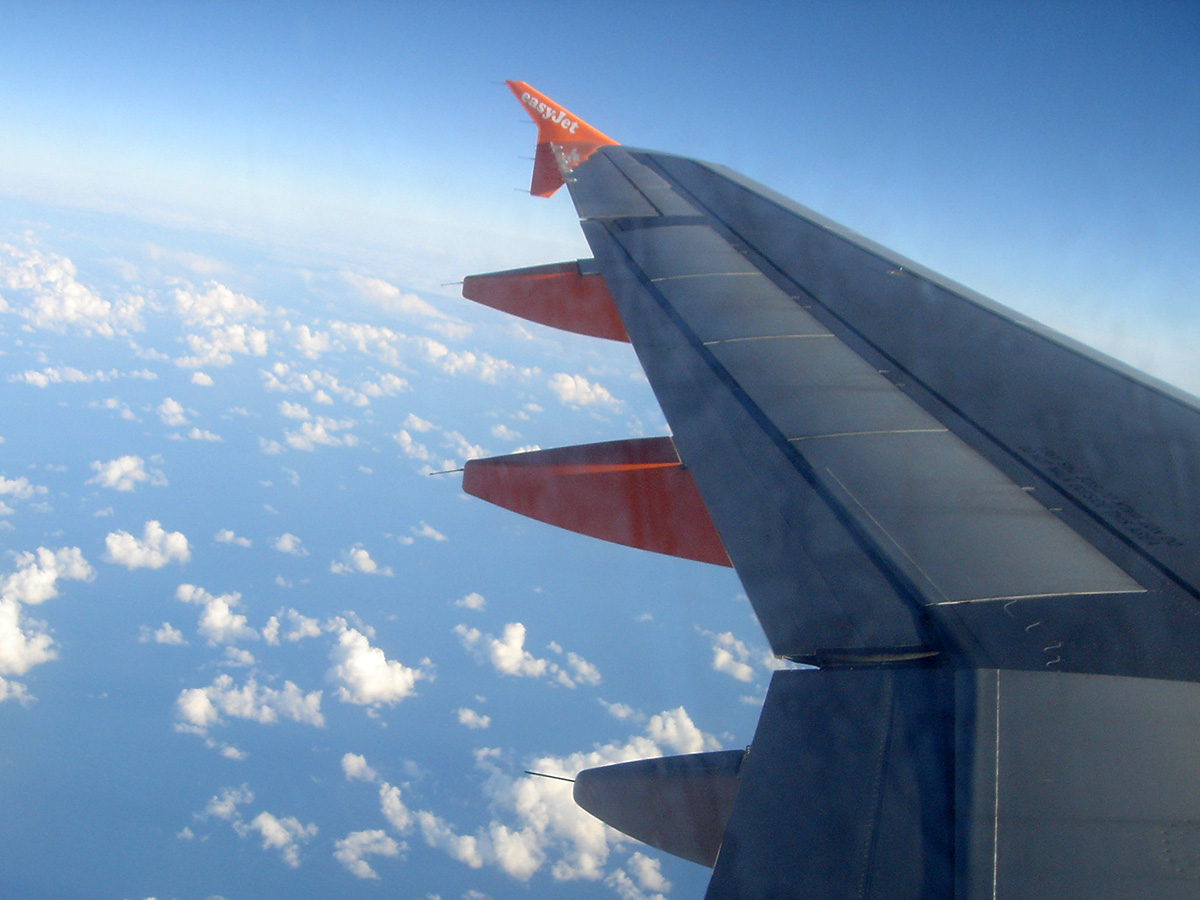 The pricing model for low-cost airline seats seems simple. As the seats get booked, so the price rises. Thus the later you leave it to book, the more expensive it will be. But, in fact, it’s not as simple as this. Seat prices sometimes come down as the take-off date approaches. So what is the pricing model?
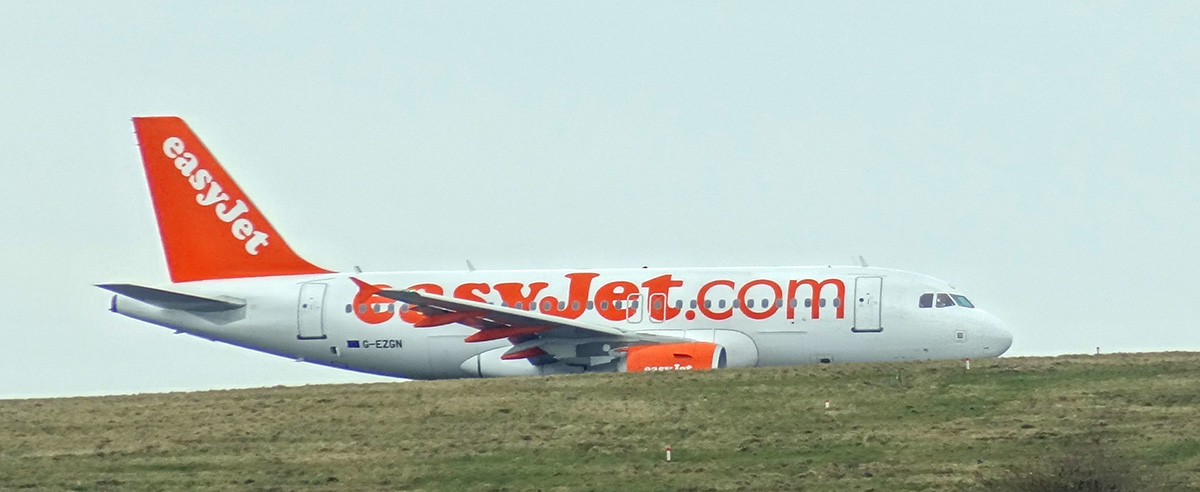 With relatively high fixed costs for each flight, low-cost airlines need to fill, or virtually fill, their planes if they are to make a profit. And it’s not just about the direct revenue from ticket sales. Low-cost carriers also rely on the revenue from selling extras, such as on-board refreshments, hold luggage, hotels, car hire and travel insurance. With variable costs being tiny, the pricing model is about maximising revenue for each flight. So the fuller the plane, the better it is for the airline.
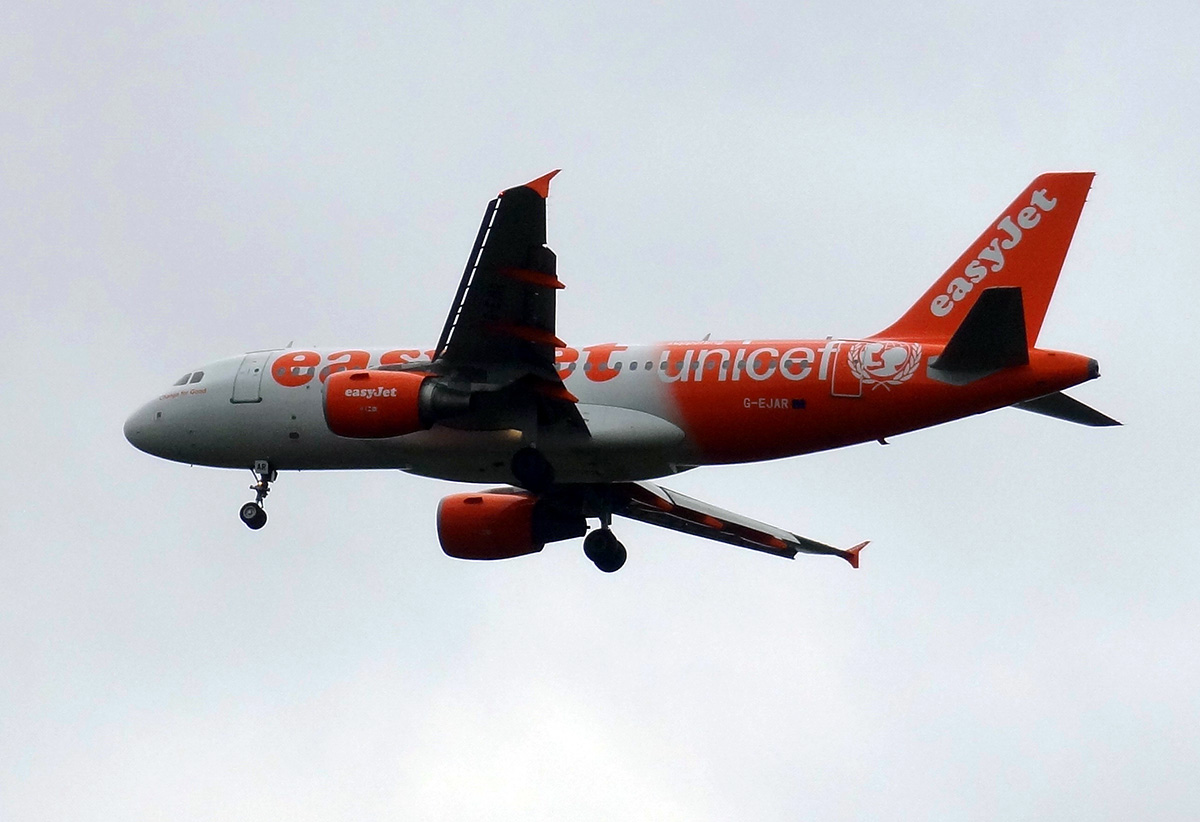 The airlines are very experienced in estimating demand over the period from a flight coming on sale and the departure date. If they get it right, then prices will indeed rise as take-off approaches. But sometimes they get it wrong. If, as time passes, a given flight is filling up too slowly, then it makes sense to be more flexible on prices, cutting them if necessary. Pricing may be easy in principle; but not always easy in practice!