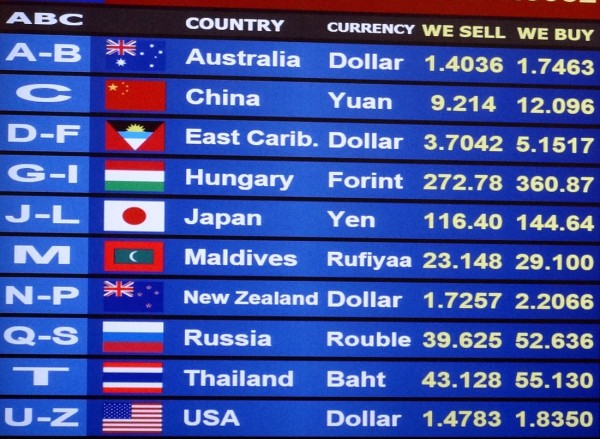
 One effect of an expansionary monetary policy is a depreciation of the exchange rate. Take the case of countries using a combination of a reduction in central bank interest rates and quantitative easing (QE). A fall in interest rates will encourage an outflow of finance; and part of the money created through quantitative easing will be used to purchase foreign assets. Both create an increased demand for foreign currencies and drive down the exchange rate.
The latest case of expansionary monetary policy is that employed by the ECB. After months of promising to ‘do whatever it takes’ and taking various steps towards full QE, the ECB finally announced a large-scale QE programme on 22 January 2015.
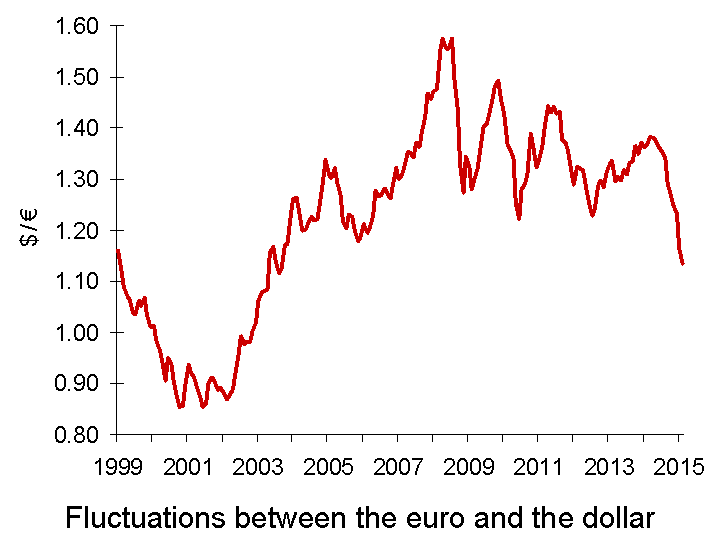 With people increasingly predicting QE and with the ECB reducing interest rates, so the euro depreciated. Between March 2014 and 21 January 2015, the euro depreciated by 20.2% against the dollar and the euro exchange rate index depreciated by 9.7%. With the announced programme of QE being somewhat larger than markets expected, in the week following the announcement the euro fell a further 2.3% against the dollar, and the euro exchange rate index also fell by 2.3%. The euro is now at its lowest level against the US dollar since April 2003 (see chart).
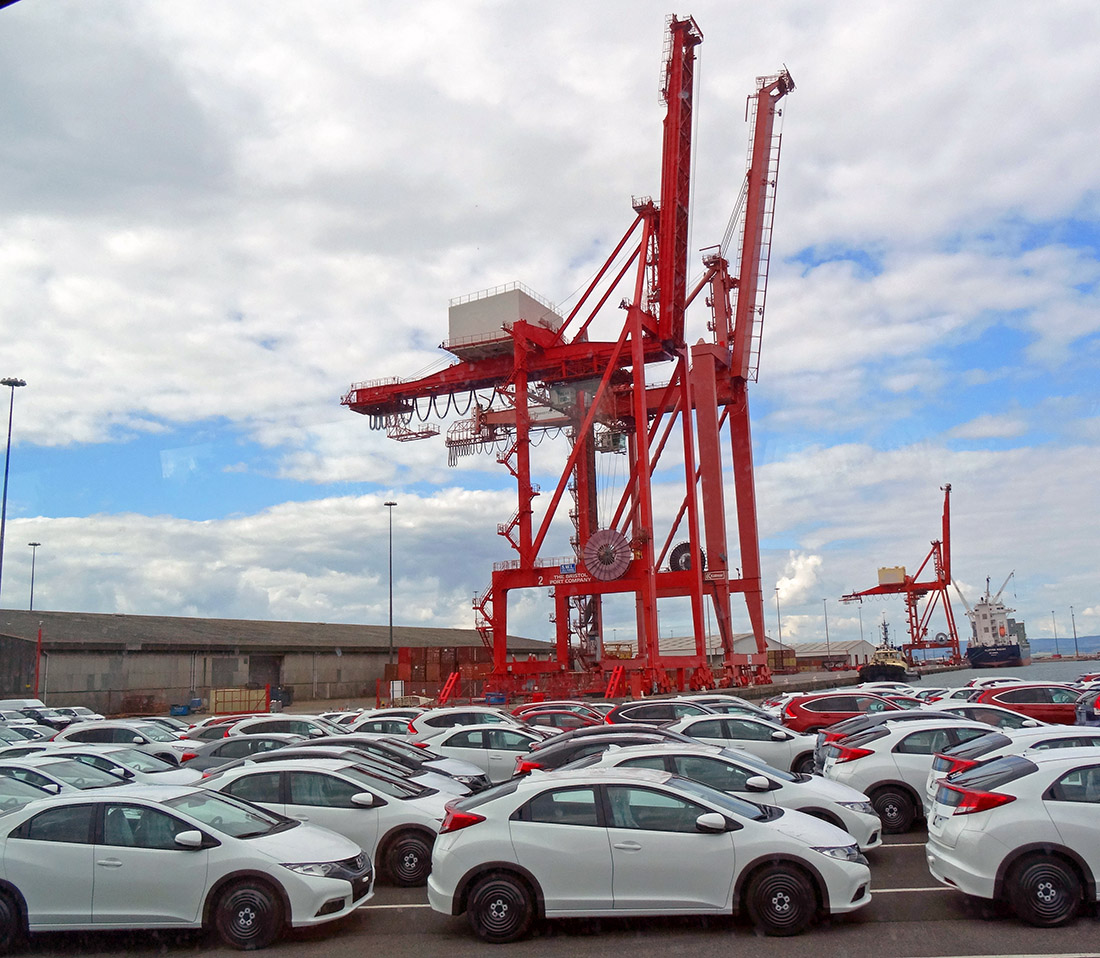
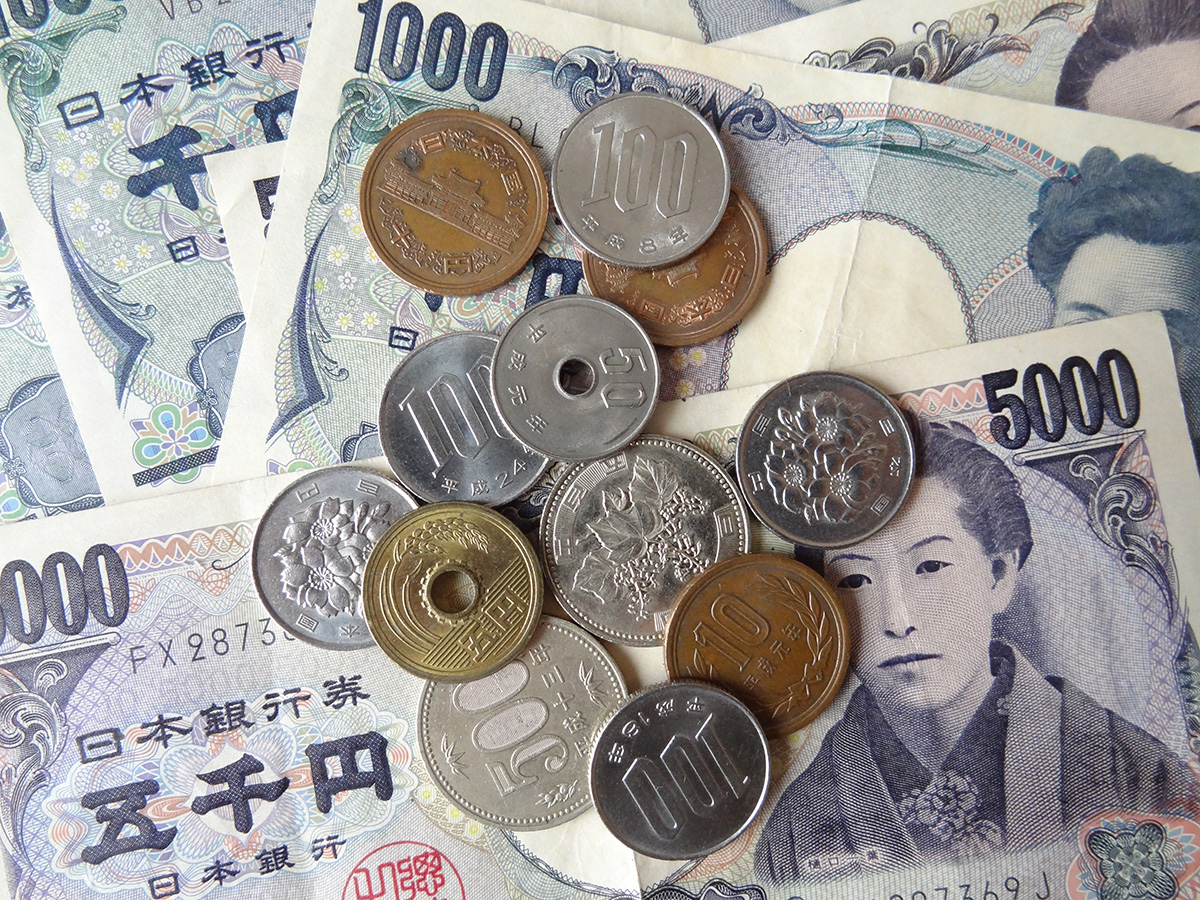
The depreciation of the euro will be welcome news for eurozone exporters. It makes their exports cheaper in foreign currency terms and thus makes their exports more competitive.  Similarly Japanese exporters were helped by the depreciation of the yen following the announcement on 31 October 2014 by the Bank of Japan of an increase in its own QE programme. The yen has depreciated by 7.7% against the dollar since then.
But every currency cannot depreciate against other currencies simultaneously. With any bilateral exchange rate, the depreciation of one currency represents an appreciation of the other. So just as the euro and yen have depreciated against the dollar, the dollar has appreciated against the euro and yen. This has made US goods less competitive relative to eurozone and Japanese goods.
The danger is that currency wars will result, with monetary policy being used in various countries to achieve competitive depreciations. Already, the Swiss have been forced, on 15 January, to remove the cap with the euro at SF1 – €0.833. Since then the Swiss franc has appreciated by some 15% to around SF1 – €0.96. Will the Swiss now be forced to relax their monetary policy?
The Danish and Canadian central banks have cut their interest rates, hoping to stem an appreciation of their currencies. On 28 January, the Monetary Authority of Singapore sold Singapore dollars to engineer a depreciation. The Singapore dollar duly fell by the most in over four years.
But are these policies simply beggar-my-neighbour policies? Is it a zero-sum game, where the gains to the countries with depreciating currencies are exactly offset by losses to the those with appreciating ones? Or is there a net gain from overall looser monetary policy at a time of sluggish growth? Or is there a net loss from greater currency volatility, which will create greater uncertainty and dampen cross-border investment? The following article explore the issues.
Articles
Massive Devaluation of the Euro Seeking Alpha, Sagar Joshi (26/1/15)
Devaluation and discord as the world’s currencies quietly go to war The Observer (25/1/15)
Why is dollar strong vs. 18 trillion of USA’s debt? Pravda, Lyuba Lulko (26/1/15)
Central Bankers Ramp Up Currency Wars Wall Street Journal, Anjani Trivedi, Josie Cox and Carolyn Cui (28/1/15)
The Raging Currency Wars Across Europe The Market Oracle, Gary_Dorsch (29/1/15)
Why ECB action is likely to stoke global currency wars Financial Times, Ralph Atkins (22/1/15)
Euro slides as ECB launches QE Financial Times (22/1/15)
Will Australia join the Currency Wars? The Daily Reckoning, Australia, Greg Canavan (23/1/15)
Australia’s central bank cuts rates to record low; currency plunges and stocks spike The Telegraph (3/2/15)
Singapore loosens monetary policy Financial Times, Jeremy Grant (28/1/15)
Currency Wars Have a Nuclear Option Bloomberg, Mark Gilbert (12/2/15)
Questions
- Explain how quantitative easing results in depreciation. What determines the size of the depreciation?
- How is the USA likely to react to an appreciation of the dollar?
- In the UK, who will benefit and who will lose from the depreciation of the euro?
- What are the global benefits and costs of a round of competitive depreciations?
- How does the size of the financial account of the balance of payments affect the size of a depreciation resulting from QE?
- What determines a country’s exchange-rate elasticity of demand for exports? How does this elasticity of demand affect the size of changes in the current account of the balance of payments following a depreciation?
- Might depreciation of their currencies reduce countries’ commitment to achieving structural reforms? Or might it ‘buy them time’ to allow them to introduce such reforms in a more carefully planned way and for such reforms to take effect? Discuss.
 An historic agreement has been reached between Argentina over outstanding debt owed to creditor nations. Creditor nations come together as the ‘Paris Club’ and at a Paris Club meeting on May 28, details of a repayment plan were agreed. Argentina hopes that the agreement will enable it to start borrowing again on international markets: something that had been largely blocked by outstanding debt, which, up to now, Argentina had been unwilling to repay.
The problem goes back to 2001. Argentina was faced with international debt payments of $132bn, equalling some 27% of GDP and over 300% of export earnings. But at the time the country was in recession and debts were virtually impossible to service. It had received some help from the International Monetary Fund, but in December 2001, the IMF refused a request for a fresh loan of $1.3 billion
As Case Study 27.5 in MyEconLab for Economics, 8th edition explains:
This triggered a crisis in the country with mass rioting and looting. As the crisis deepened, Argentina announced that it was defaulting on its $166 billion of foreign debt.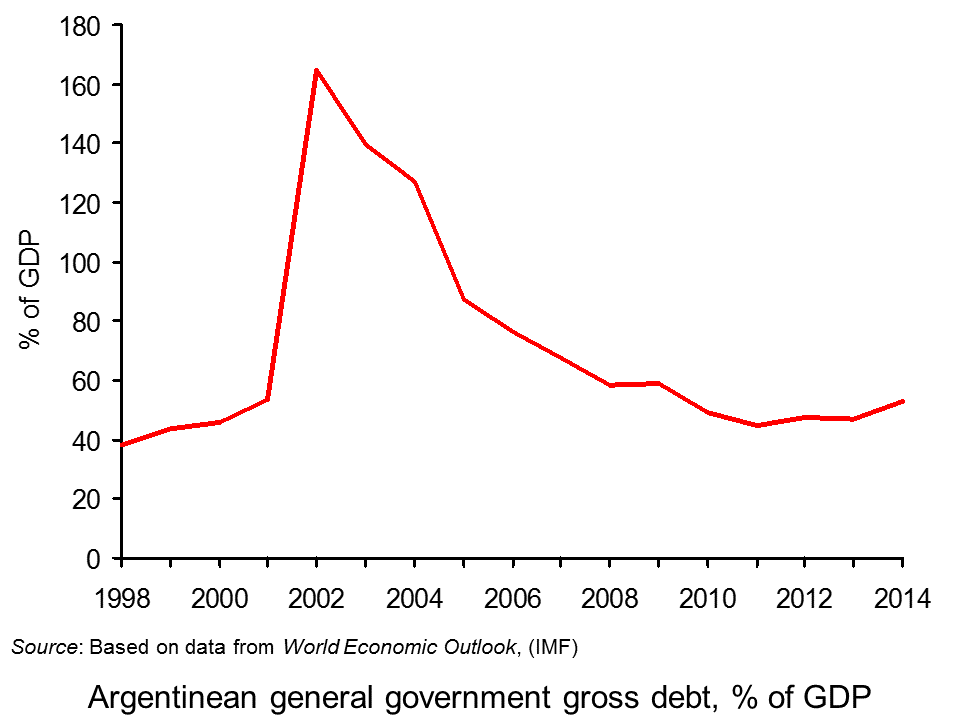 This hardly came as a surprise, however. For many commentators, it was simply a question of when.
Argentina’s default on its debts was the biggest of its kind in history. In a series of dramatic measures, the Argentine peso was initially devalued by 29%. Over the next three months, the peso depreciated a further 40%.
The economy seemed in free-fall. GDP fell by 11% in 2002 and, by the end of the year, income per head was 22% below that of 1998. Unemployment was 21%.
Then, however, the economy began to recover, helped by higher (peso) prices for exports resulting from the currency depreciation. In 2003 economic growth was 9.0% and averaged 8.4% per annum from 2004 to 2008.
But what of the debt? In 2005, Argentina successfully made a huge debt swap with banks and other private creditors (see Box 27.1 in Economics, 8th edition). A large proportion of its defaulted debt was in the form of bonds. It offered to swap the old bonds for new peso bonds, but worth only 35% as much (known as a ‘haircut’). By the deadline of 25 February, there was a 76% take-up of the offer: clearly people thought that 35% was better than nothing! At a stroke, bonds originally worth $104 billion now became worth just $36.2 billion. Later the take-up of the offer increased to 93%. But still 7% held out.
Then in 2006 its debt of nearly $10 billion was repaid to the IMF. General government debt stock as a percentage of GDP fell from 172% in 2002 to 106% in 2006 and to 48% in 2010.
In September 2008, the government of President Cristina Kirchner pledged to use some of its foreign currency reserves of $47 billion to pay back the remainder of the defaulted debt still owed to Paris Club creditors. But negotiations stalled.
However, at the Paris Club meeting of 28 May this year, agreement was finally reached. Argentina will repay the outstanding $9.7bn owed to individual creditor countries. This will take place over 5 years, with a first instalment of $1.15bn being paid before May 2015.
Argentina hopes that the agreement will open up access to overseas credit, which, up to now, has been limited because of this unresolved debt. However, Argentina still owes money to the holders of the 7% of bonds who did not accept the haircut offered in 2005. Their claims are being heard in the US Supreme Court on 12 June this year. The outcome will be critical in determining whether Argentina will be able to raise new funds on the bond market.
Argentina clinches landmark debt repayment deal with Paris Club Reuters, Leigh Thomas and Sarah Marsh (29/5/14)
Argentina Will Repay Paris Club Debt 13 Years After Default Bloomberg, Charlie Devereux and Pablo Gonzalez (29/5/14)
Argentina and the capital markets: At least they have Paris The Economist (30/5/14)
Argentina’s Paris Club Deal to Bring Investment, Kicillof Says Bloomberg, Charlie Devereux (30/5/14)
Argentina Leaves Singer for Last in Preparing Bond Market Return Bloomberg BusinessWeek, Camila Russo and Katia Porzecanski (30/5/14)
Argentina in deal with Paris Club to pay $10bn debts BBC News (29/5/14)
Argentina debt deal could help ease re-entry to international markets The Guardian (29/5/14)
Argentina agrees deal to pay back $10bn debt The Telegraph (29/5/14)
Questions
- What is the Paris Club? Why did the recent meeting of the Paris Club concerning Argentina’s debt not include the IMF?
- What moral hazards are involved in (a) defaulting on debt; (b) offering debt relief to debtor countries; (c) agreeing to pay bond holders who did not accept the haircut?
- In hindsight, was it in Argentina’s interests to default on its international debts in 2001?
- Assume a country has a severe debt problem. What are the benefits and costs of using devaluation (or depreciation) to tackle the problem?
 The latest balance of payments data for the UK show that in the final two quarters of 2013 the current account deficit as a percentage of GDP was the highest ever recorded. In quarter 3 it was 5.6% of GDP and in quarter 4 it was 5.4% of GDP. The previous highest quarterly figures were 5.3% in 1988 Q4 and 5.2% in 1989 Q3. The average current account deficit from 1960 to 2013 has been 1.1% of GDP and from 1980 to 2013 has been 1.6% of GDP.
The current account has four major components: the balance on goods, the balance on services, the balance on current transfers and the balance on income flows (e.g. investment income). The chart below shows the annual balances of each of these components, plus the overall current account balance, from 1960 to 2013.
There are large differences in the balances of these four and the differences seem to be widening. (Click here for a PowerPoint of the chart.)
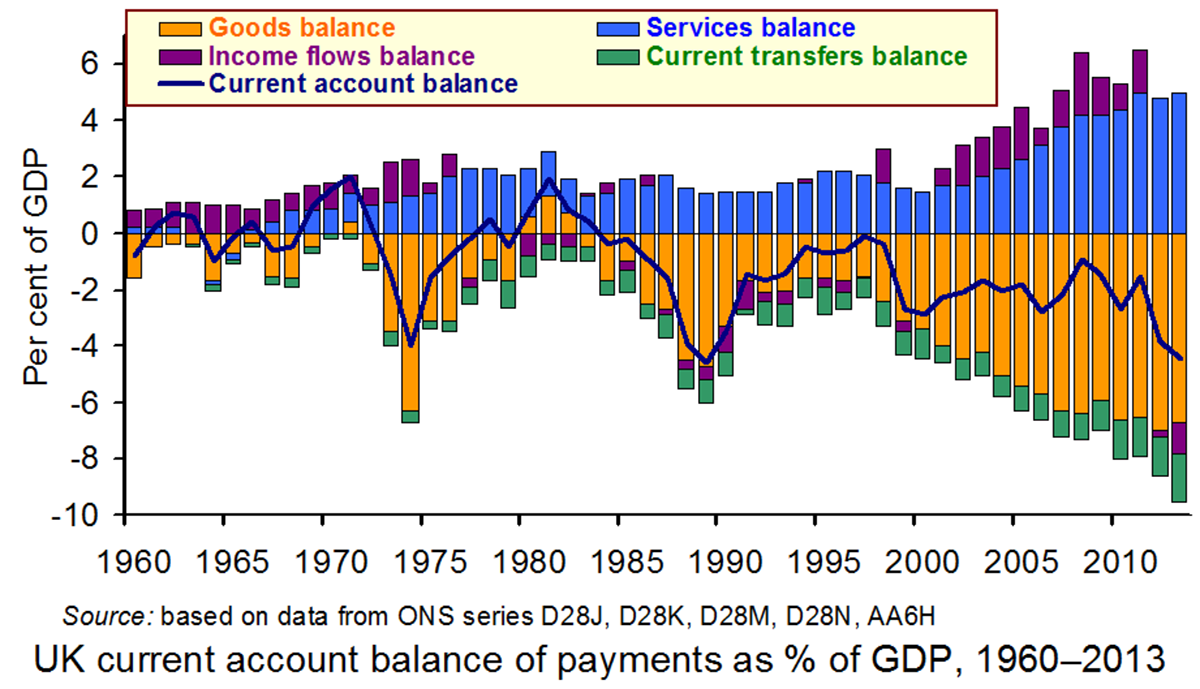
Traditionally the balance on goods has been negative. In 2013 Q3 the deficit on goods reached a record 7.3% of GDP. It fell back somewhat in Q4 to 6.5%, still significantly above the average since 2000 of 5.5%. With the economy still recovering slowly, it would normally be expected that the trade deficit would be low. However, the high exchange rate has made it difficult for UK exporters to compete. Also with consumer confidence returning, imports are rising, again boosted by the high exchange rate, which makes imports cheaper.
The services balance, by contrast, is typically in surplus. In the final two quarters of 2013, the surpluses were 4.9% and 5.1% of GDP respectively. These compare with an average of 3.3% since 2000. It seems that the service sector, which includes banking, insurance, consultancy, advertising, accountancy, law, etc., is much more able to compete in a global environment.
The balance of current transfers to and from such bodies as the EU and UN have traditionally been negative, although as a proportion of GDP this has gradually widened in recent years. In 2013 the deficit was 1.7% compared with an average of 1.0% since 2000.
 The most dramatic change has been in income flows and particularly those from investment. Before the crash in late 2008, the returns to many of the risky investments abroad made by UK financial institutions were very high. Income flows in the 12 months 2007 Q4 to 2008 Q3 averaged a surplus of 2.8% of GDP. They stayed positive, albeit at lower levels, until 2012 Q1, but then became negative as UK institutions reduced their exposure to overseas investments and as earnings in the UK by overseas investors increased. In the last two quarters of 2013, the deficits on income flows were 1.4% and 2.5% of GDP respectively.
How do these figures accord with the Chancellor’s desire to rebalance the economy towards exports? In terms of services, the export performance is good. In terms of goods, however, exports actually fell in the last two quarters from £78.4bn to £74.8bn. Although imports fell too in the final quarter, there is a danger that, with recovery and a high pound, these could begin to rise rapidly
 So should the Bank of England attempt to bring the sterling exchange rate down? After all, the exchange rate index has risen from 79.1 in March 2013 to 85.9 in February 2014 (an appreciation of 8.6%). But if it did want to do so, what could it do? The traditional methods of reducing Bank rate and increasing the money supply are not open to it at the present time: Bank rate, at 0.5%, is already about as low as it could go and the Bank has ruled out any further quantitative easing.
The articles consider the latest balance of payments figures and their implications for the economy and for economic policy
Articles
UK current account deficit far bigger than forecast The Guardian, Katie Allen (28/3/14)
UK current account deficit near record high at £22.4bn BBC News (28/3/14)
UK current account gap second widest on record The Telegraph, Szu Ping Chan (28/3/14)
When will the UK pay its way? BBC News, Robert Peston (28/3/14)
Current account deficit crisis creeping up on UK can no longer be ignored The Guardian, Larry Elliott (30/3/14)
Data
Balance of Payments, Q4 and annual 2013 ONS (28/3/14)
Statistical Interactive Database – interest & exchange rates data Bank of England
Questions
- If the current account is in deficit, how is the overall balance of payments in balance (i.e. is in neither deficit nor surplus)?
- If the current account is in record deficit, why has sterling appreciated over recent months? What effect is this appreciation likely to have on the balance on trade in goods and services?
- Why has the balance on investment income deteriorated? In what ways could this be seen as a ‘good thing’?
- To what extent do the balance of payments figures show a rebalancing of the economy in the way the Chancellor would like?
- What could the Bank of England do to bring about a depreciation of sterling?
- What would be the benefits and costs of a depreciation of sterling?
- Why do investors overseas seem so willing to lend to the UK, thereby producing a large surplus on the financial account?
 It is rising inflation that typically causes problems for countries, whether it is demand-pull or cost-push. However, one country that has not been subject to problems of rising prices is Japan. Instead, this economy has been suffering from the gloom of deflation for many years and many argue that this is worse than high inflation.
Falling prices are popular among consumers. If you see a product whose price has fallen from one day to the next, you can use your income to buy more goods. What’s the problem with this? The Japanese economy has experienced largely stagnant growth for two decades and a key cause has been falling prices. When the prices of goods begin to fall over and over again, people start to form expectations about the future direction of prices. If I expect the price of a good to fall next week, then why would I buy now, if I can buy the same good next week at a lower price?  But, when next week arrives and the price has fallen as expected, why would I purchase the product, if I think that the price fall is set to continue? The problem of deflation is that with continuously falling prices, consumers stop spending. Aggregate demand therefore declines and economic growth all but disappears. This is the problem that the Japanese economy has been faced with for more than 20 years.
However, the latest data from Japan shows core consumer prices growing faster than expected in December 2013, compared to the previous year. This figure was above market forecasts and was the fastest rate of growth in the past 5 years. These data, together with those on unemployment have given the economy a much needed boost.
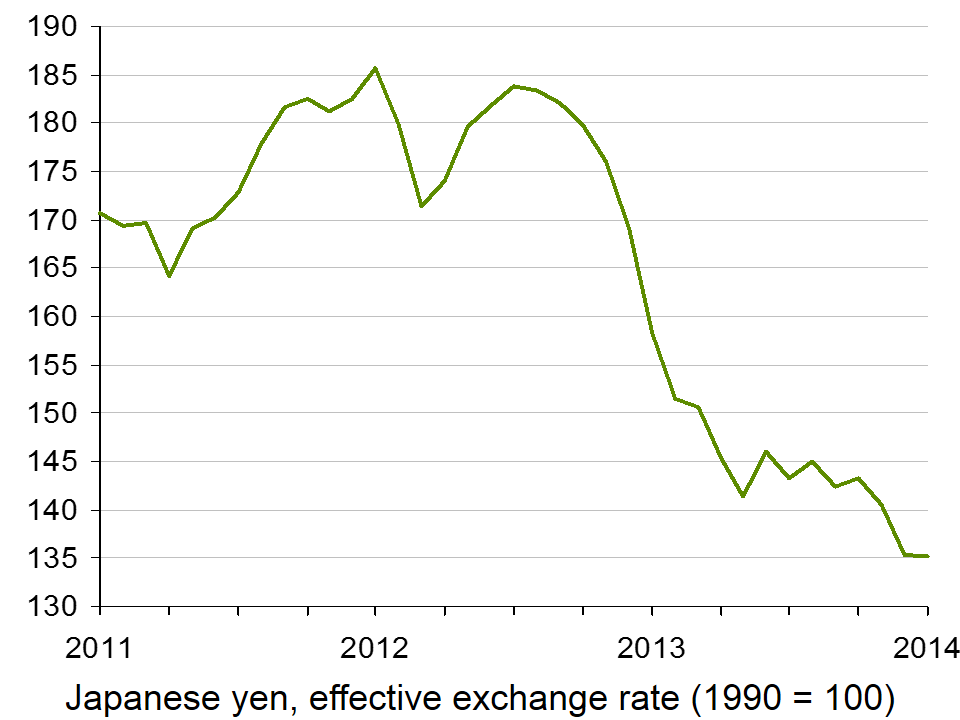 Recent government policy has been focused on boosts in government spending, with an aim of reducing the value of the currency (click here for a PowerPoint of the chart). Such policies will directly target aggregate demand and this in turn should help to generate an increase in national output and push up prices. If the price trend does begin to reverse, consumers will start to spend and again aggregate demand will be stimulated.
The future of the economy remains uncertain, though the same can be said of many Western economies. However, the signs are good for Japan and if the recovery of other economies continues and gathers pace, Japan’s export market will be a big contributor to recovery. The following articles consider the Japanese economy.
Japan inflation rises at fastest pace in over five years BBC News (31/1/14)
Benchmark Japan inflation rate hits 1.3% Financial Times, Jonathan Soble (31/1/14)
Japan’s inflation accelerates as Abe seeks wage gains Bloomberg, Chikako Mogi, Masahiro Hidaka and James Mayger (31/1/14)
Japan inflation quickens to over 5-year high, output rebounds Reuters, Leika Kihara and Stanley White (31/1/14)
Japaense inflation rises at fastest pace in over five years at 1.3% in December 2013 Independent, Russel Lynch (31/1/14)
 Why Abenomics holds lessons for the West BBC News, Linda Yueh (18/12/13)
Questions
- Why is deflation a problem?
- Using an AD/AS diagram, illustrate the problem of expectations and how this contributes to stagnant growth.
- How will a lower currency help Japan?
- What is the likely effect of a sales tax being imposed?
- Does the fact that unemployment has declined support the fact that consumer prices are beginning to rise?
- What government policies would you recommend to a government faced with stagnant growth and falling prices?
- How important are expectations in creating the problem of deflation?
 World markets were taken by surprise by a large rise in Turkish interest rates on 28/1/14. In an attempt to combat a falling lira and rising inflation, the Turkish central bank raised its overnight lending rate from 7.75% to 12%. Following the decision, the lira appreciated by over 3%.
Since the start of this year, the Turkish lira had depreciated by 7.1% and since the start of 2013 by 22.8%. Along with the currencies of several other emerging economies, such as India and Brazil, speculators had been selling the Turkish currency. This has been triggered by worries that the Fed’s tapering off its quantitative easing programme would lead to a fall, and perhaps reversal, of the inflow of finance into these countries; in the worst-case scenario it could lead to substantial capital flight.
Consumer price inflation in Turkey is currently 7.4%, up from 6.2% a year ago. The central bank, in a statement issued alongside the interest rate rise, said that it would continue with a tight monetary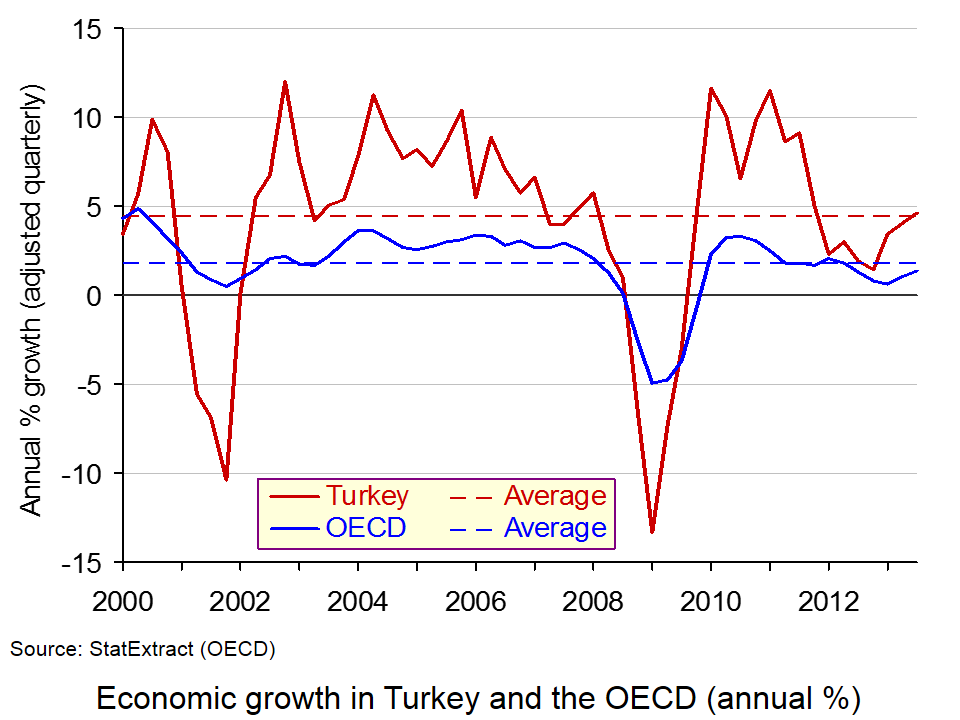 policy until the inflation outlook showed a clear improvement.
The Turkish Prime Minister, Tayyip Erdogan, has been opposed to rises in interest rates, fearing that the dampening effect on aggregate demand would reduce economic growth, which, as the chart shows, has been recovering recently (click here for a PowerPoint of the chart). A slowing of growth could damage his prospects in forthcoming elections.
World stock markets, however, rallied on the news, seeing the rise in interest rates as a symbolic step in emerging countries stemming outflows of capital.
Articles
Turkey raises interest from 7.75pc to 12pc The Telegraph (28/1/14)
Emerging markets forced to tighten by US and Chinese monetary superpowers The Telegraph, Ambrose Evans-Pritchard (28/1/14)
Turkey Gets Aggressive on Rates The Wall Street Journal, Joe Parkinson (28/1/14)
Turkish central bank raises lending rate to 12% BBC News (28/1/14)
Asian stock markets stage relief rally after Turkey rate rise BBC news (29/1/14)
Turkey raises rates to halt lira’s slide Financial Times, Daniel Dombey (29/1/14)
Turkey Rate Increase Stems Lira Drop as Basci Defies Erdogan Bloomberg Businessweek, Onur Ant and Taylan Bilgic (29/1/14)
Fragile economies under pressure as recovery prompts capital flight The Observer, Angela Monaghan (2/2/14)
Data
Main Economic Indicators (including Turkish data) OECD
Data on Turkey, World Economic Outlook database IMF
Turkey price indices Central Bank of the Republic of Turkey
Questions
- Why did the Turkish central bank decide to raise interest rates by such a large amount?
- Why has the Turkish lira been depreciating so much over the past few months? How has this been linked to changes in Turkey’s balance of payments and what parts of the balance of payments account have been affected?
- Why did global stock markets rally on the news from Turkey?
- What will be the impact of the central bank’s actions on (a) inflation; (b) economic growth?
- How has the USA’s quantitative easing programme affected developing countries?
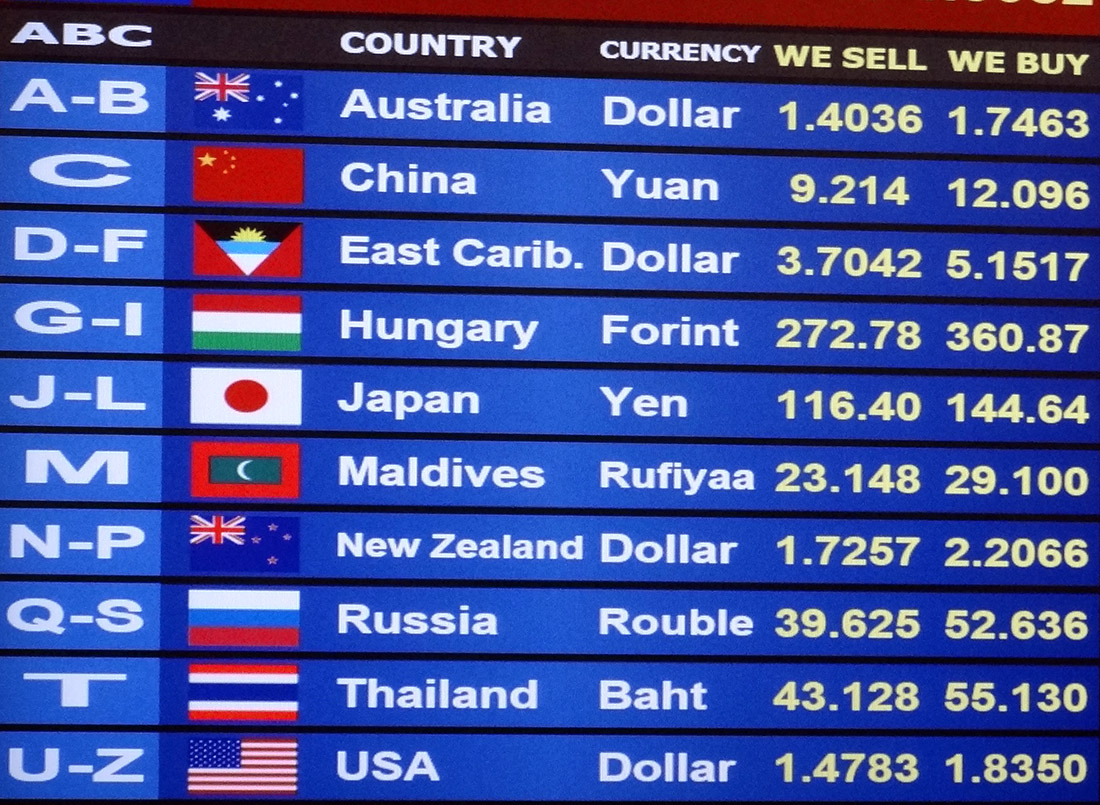 One effect of an expansionary monetary policy is a depreciation of the exchange rate. Take the case of countries using a combination of a reduction in central bank interest rates and quantitative easing (QE). A fall in interest rates will encourage an outflow of finance; and part of the money created through quantitative easing will be used to purchase foreign assets. Both create an increased demand for foreign currencies and drive down the exchange rate.
 Similarly Japanese exporters were helped by the depreciation of the yen following the announcement on 31 October 2014 by the Bank of Japan of an increase in its own QE programme. The yen has depreciated by 7.7% against the dollar since then.