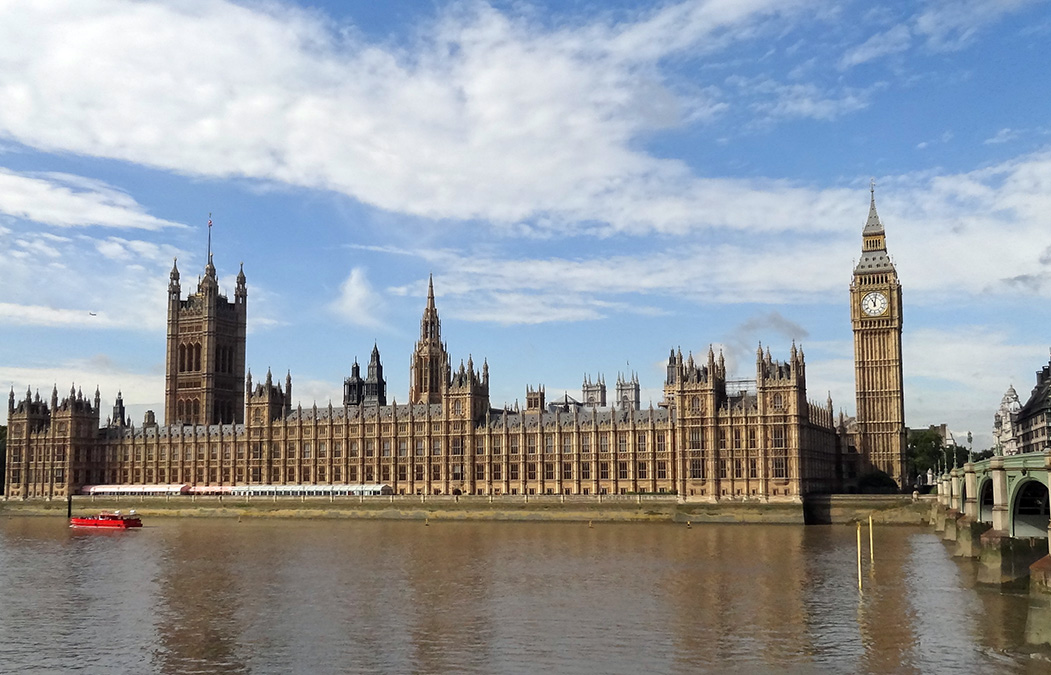
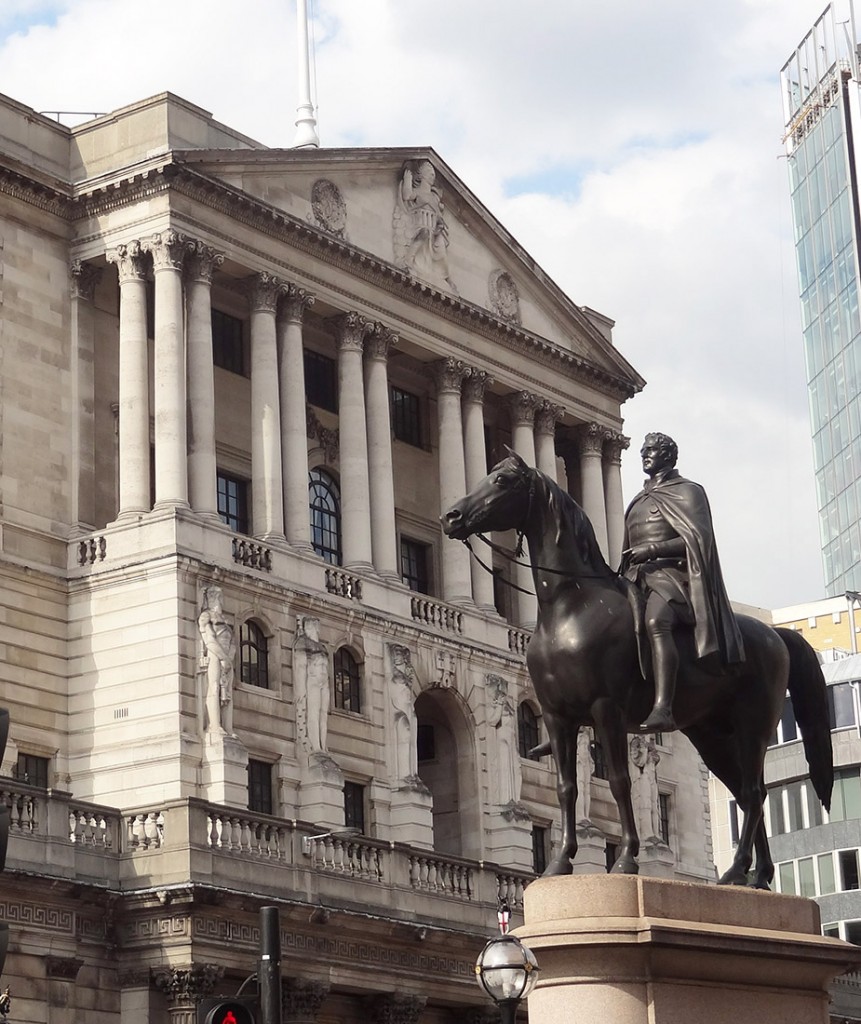
 The Bank of England has responded to forecasts of a dramatic slowdown in the UK economy in the wake of the Brexit vote. On 4th August, it announced a substantial easing of monetary policy, but still left room for further easing later.
Its new measures are based on the forecasts in its latest 3-monthly Inflation Report. Compared with the May forecasts, the Report predicts that, even with the new measures, aggregate demand growth will slow dramatically. As a result, over the next two years cumulative GDP growth will be 2.5% lower than it would have been with a Remain vote and unemployment will rise from 4.9% to around 5.5%.
What is more, the slower growth in aggregate demand will impact on aggregate supply. As the Governor said in his 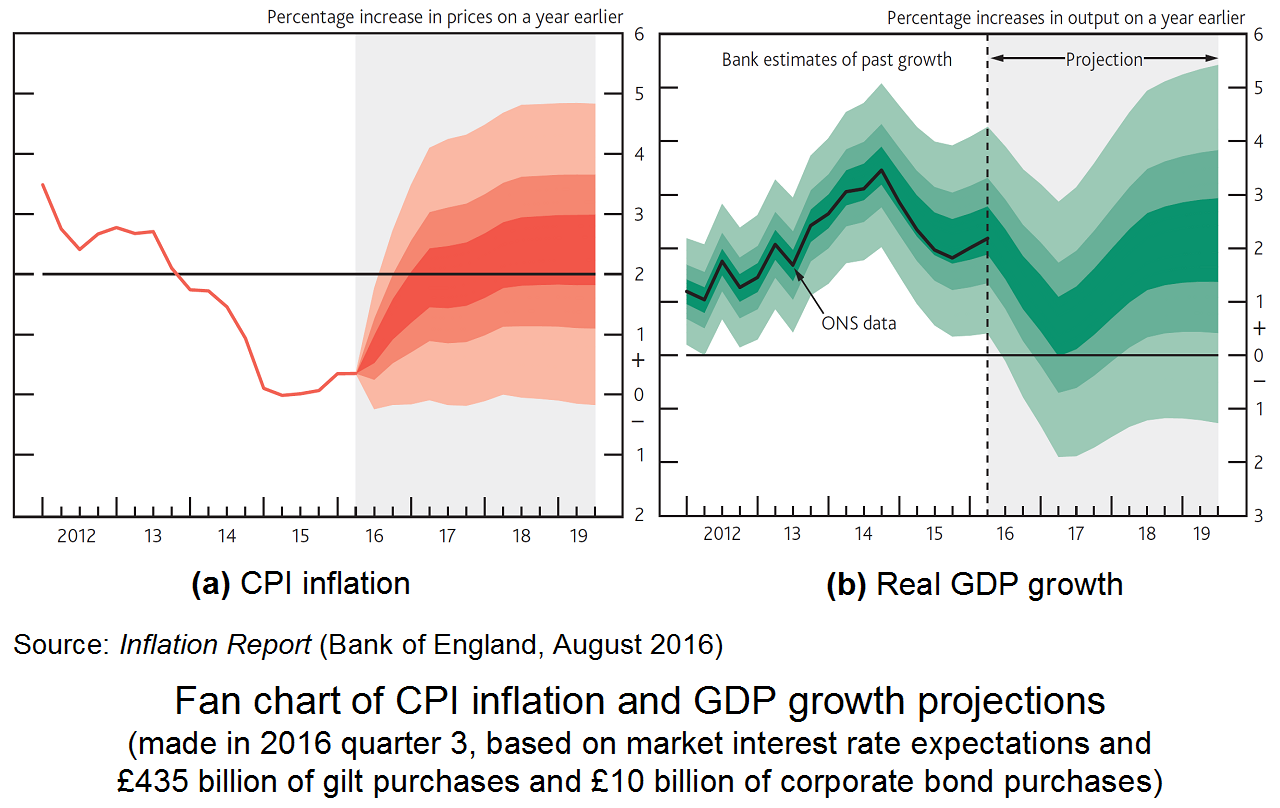 opening remarks at the Inflation Report press conference:
“The weakness in demand will itself weigh on supply as a period of low investment restrains growth in the capital stock and productivity.
There could also be more direct implications for supply from the decision to leave the European Union. The UK’s trading relationships are likely to change, but precisely how will be unclear for some time. If companies are uncertain about the future impact of this on their businesses, they could delay decisions about building supply capacity or entering new markets.”
Three main measures were announced.
|
|
| • |
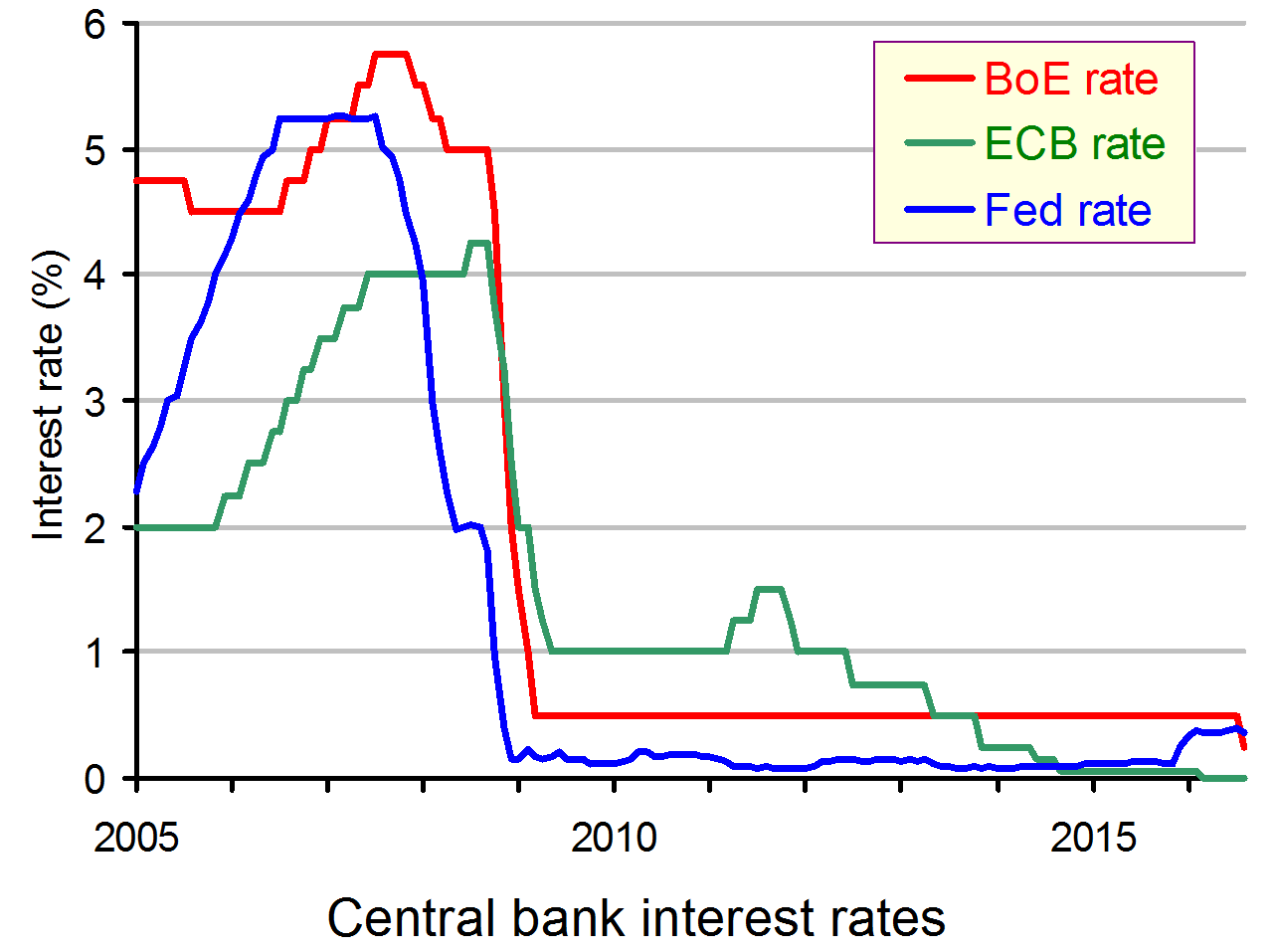
A cut in Bank Rate from 0.5% to 0.25%. This is the first time Bank Rate has been changed since March 2009. The Bank hopes that banks will pass this on to customers in terms of lower borrowing rates. |
| • |
A new ‘Term Funding Scheme (TFS)’. “Compared to the old Funding for Lending Scheme, the TFS is a pure monetary policy instrument that is likely to be more stimulative pound-for-pound.” The scheme makes £100bn of central bank reserves available as loans to banks and building societies. These will be at ultra-low interest rates to enable banks to pass on the new lower Bank Rate to customers in all forms of lending. What is more, banks will be charged a penalty if they do not lend this money. |
| • |
An expansion of the quantitative easing programme beyond the previous £375 billion of gilt (government bond) purchases. This will consist of an extra £60bn of gilt purchases and the purchase of up to £10bn of UK corporate bonds. |
 The Bank recognises that there is a limit to what monetary policy can do and that there is also a role to play for fiscal policy. The new Chancellor, Philip Hammond, is considering what fiscal measures can be taken, including spending on infrastructure projects. These are likely to have relative high multiplier effects and would also increase aggregate supply at the same time. But we will have to wait for the Autumn Statement to see what measures will be taken.
But despite the limits to monetary policy, there is more the Bank of England could do. It already recognises that there may have to be a further cut in Bank Rate, perhaps to 0.1% or even to 0% (the ECB has a 0% rate). There could also be additional quantitative easing or additional term funding to banks.
 Some economists argue that the Bank should go further still and, in conjunction with the Treasury, provide new money directly to fund infrastructure spending or tax cuts, or even as cash handouts to households. This extra money provided to the government would not increase government borrowing.
We discussed the use of this version of ‘helicopter money’ in the blogs, A flawed model of monetary policy, Global warning and People’s quantitative easing. Some of the articles below also consider the potential for this type of monetary policy. In a letter to The Guardian 35 economists advocate:
A fiscal stimulus financed by central bank money creation [which] could be used to fund essential investment in infrastructure projects – boosting the incomes of businesses and households, and increasing the public sector’s productive assets in the process. Alternatively, the money could be used to fund either a tax cut or direct cash transfers to households, resulting in an immediate increase of household disposable incomes.
Webcasts and podcasts
 Inflation Report Press Conference Bank of England, Mark Carney (4/8/16)
Bank spells out chance of further rate cut this year BBC Radio 4 Today Programme, Ben Broadbent, Deputy Governor of the Bank of England (5/8/16)
Broadbent Ready to Back Another BOE Rate Cut Amid Slowdown Bloomberg, Chris Wyllie (5/8/16)
What’s Top of Mind? ‘Helicopter Money’ Goldman Sachs Macroeconomic Insights, Allison Nathan (April 2016)
Articles
Bank of England measures
Interest rate cut: What did the Bank of England announce today and how will it affect you? Independent, Ben Chu (5/8/16)
This is the Bank of England’s all-action response to Brexit The Guardian, Larry Elliott (4/8/16)
Bank of England unveils four-pronged stimulus package in bid to avoid Brexit recession The Telegraph, Szu Ping Chan (4/8/16)
Record-breaking Bank of England Financial Times, Robin Wigglesworth (4/8/16)
The Bank of England has delivered – now for a fiscal response Financial Times (4/8/16)
Bank of England Cuts Interest Rate to Historic Low, Citing Economic Pressures New York Times, Chad Bray (4/8/16)
Sledgehammer? This is more like the small tool to fix a fence The Telegraph, Andrew Sentance (5/8/16)
All eyes are on Hammond as Bank runs low on options The Telegraph, Tom Stevenson (6/8/16)
Bank of England’s stimulus package has bought the chancellor some time The Guardian, Larry Elliott (7/8/16)
Helicopter money
A post-Brexit economic policy reset for the UK is essential Guardian letters, 35 economists (3/8/16)
Cash handouts are best way to boost British growth, say economists The Guardian, Larry Elliott (4/8/16)
Helicopter money: if not now, when? Financial Times, Martin Sandbu (2/8/16)
The helicopters fly on for now, but one day they will crash The Telegraph, Tom Stevenson (23/7/16)
Is the concept of ‘helicopter money’ set for a resurgence? The Conversation, Phil Lewis (2/8/16)
Helicopter money talk takes flight as Bank of Japan runs out of runway Reuters, Stanley White (30/7/16)
Helicopters 101: your guide to monetary financing Deutsche Bank Research, George Saravelos, Daniel Brehon and Robin Winkler (15/4/16)
Helicopter money is back in the air The Guardian, Robert Skidelsky (22/9/16)
Bank of England publications
Inflation Report, August 2016 Bank of England (4/8/16)
Inflation Report Press Conference: Opening Remarks by the Governor Bank of England, Mark Carney (4/8/16)
Inflation Report Q&A Bank of England Press Conference (4/8/16)
Inflation Report, August 2016: Landing page Bank of England (4/8/16)
Questions
- Find out the details of the previous Funding for Lending (FLS) scheme. How does the new Term Funding Scheme (TFS) differ from it? Why does the Bank of England feel that TFS is likely to be more effective than FLS in expanding lending?
- What is the transmission mechanism between asset purchases and real aggregate demand?
- What factors determine the level of borrowing in the economy? How is cutting Bank Rate from 0.5% to 0.25% likely to affect borrowing?
- If the Bank of England’s latest forecast is for a significant reduction in economic growth from its previous forecast, why did the Bank not introduce stronger measures, such as larger asset purchases or a cut in Bank Rate to 0.1%?
- What are the advantages and disadvantages of helicopter money in the current circumstances? If helicopter money were used, would it be better to use it for funding public-sector infrastructure projects or for cash handouts to households, either directly or in the form of tax cuts?
- How does the Bank of England’s measures of 4 August compare with those announced by the Japanese central bank on 29 July?
- What effects can changes in aggregate demand have on aggregate supply?
- What supply-side policies could the government adopt to back up monetary and fiscal policy? Are the there lessons here from the Japanese government’s ‘three arrows’?
 Deflation is currently a concern in the UK and across Europe. However, relative to Japan, the deflation concern is small. In Japan, deflation has been problematic for more than two decades and this has had significant implications for the Japanese economy.
‘Abenomics’ has been in practice in Japan, as the Prime Minister, Shinzo Abe, has been trying to reflate the economy. Growth has been improving and the deflation concern appeared to be under control. However, GDP data now shows that the economy is once again declining and so with aggregate demand falling, this pushes down average prices across the economy and so the deflation risk re-emerges. This article from BBC News and another from The Guardian look at the economic policy known as ‘Abenomics’ and how the Japanese economy is faring.
Articles
Off target: Is it the end of ‘Abenomics’ in Japan? BBC News, Rupert Wingfield-Hayes (15/2/16)
Japan’s economy shrinks again as Abenomics is blown off course The Guardian, Justin McCurry (15/2/16)
Previous blogs
Japan’s deflation fears grow (update) (27/2/16)
Riding the Japanese roller coaster (15/2/16)
Japan’s interesting monetary stance as deflation fears grow (14/2/16)
Japan’s arrows missing their target (17/11/14)
Japan’s recovery (3/2/14)
Abenomics – one year on (16/12/13)
Japan’s three arrows (6/6/13)
Questions
- What are the key features of Japan’s ‘Abenomics’?
- Why is deflation such a concern? Surely falling prices are good for consumers and hence the economy.
- How has Japan been trying to reflate its economy and why has this failed?
- The yen is getting stronger, but how will this affect the Japanese economy? Use a demand and supply diagram to illustrate what has caused the value of the yen to fall and an aggregate demand and supply diagram to show the impact.
- Negative interest rates have been implemented in Japan. What does this mean for savers and borrowers and the economy?
- How do you think Japan’s stance on immigration and structural change is affecting its macroeconomy?
 The International Monetary Fund has just published its six-monthly World Economic Outlook (WEO). The publication assesses the state of the global economy and forecasts economic growth and other indicators over the next few years. So what is this latest edition predicting?
Well, once again the IMF had to adjust its global economic growth forecasts down from those made six months ago, which in turn were lower than those made a year ago. As Larry Elliott comments in the Guardian article linked below:
Every year, economists at the fund predict that recovery is about to move up a gear, and every year they are disappointed. The IMF has over-estimated global growth by one percentage point a year on average for the past four years.
In this latest edition, the IMF is predicting that growth in 2015 will be slightly higher in developed countries than in 2014 (2.0% compared with 1.8%), but will continue to slow for the fifth year in emerging market and developing countries (4.0% in 2015 compared with 4.6% in 2014 and 7.5% in 2010).
In an environment of declining commodity prices, reduced capital flows to emerging markets and pressure on their currencies, and increasing financial market volatility, downside risks to the outlook have risen, particularly for emerging market and developing economies.
So what is the cause of this sluggish growth in developed countries and lower growth in developing countries? Is lower long-term growth the new norm? Or is this a cyclical effect – albeit protracted – with the world economy set to resume its pre-financial-crisis growth rates eventually?
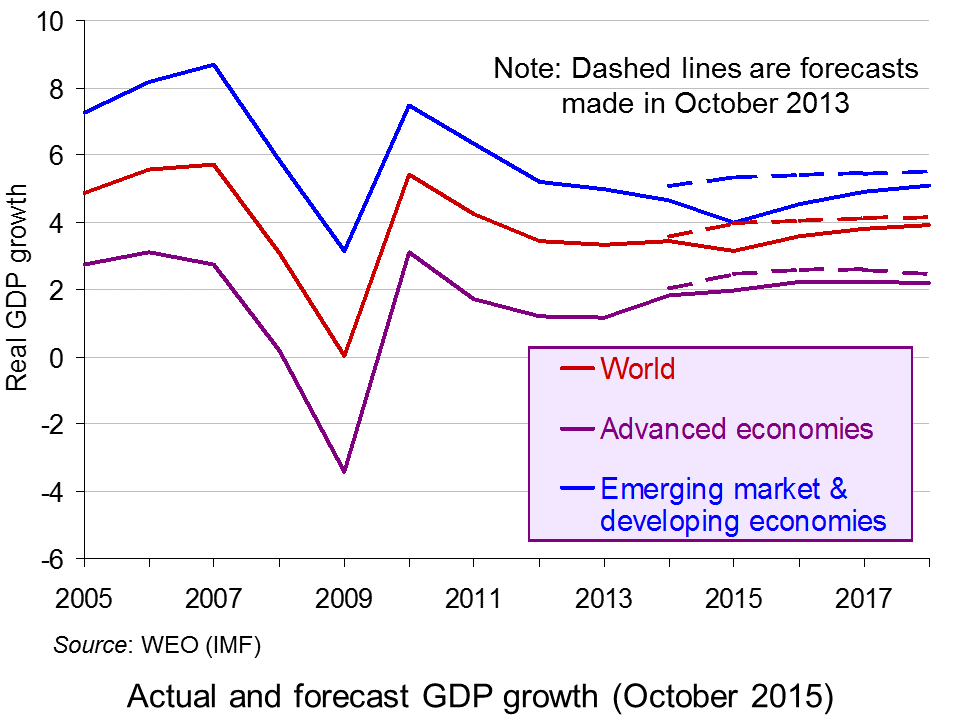 To achieve faster economic growth in the longer term, potential national output must grow more rapidly. This can be achieved by a combination of more rapid technological progress and higher investment in both physical and human capital. But in the short term, aggregate demand must expand sufficiently rapidly. Higher short-term growth will encourage higher investment, which in turn will encourage faster growth in potential national output.
But aggregate demand remains subdued. Many countries are battling to cut budget deficits, and lending to the private sector is being constrained by banks still seeking to repair their balance sheets. Slowing growth in China and other emerging economies is dampening demand for raw materials and this is impacting on primary exporting countries, which are faced with lower exports and lower commodity prices.
Quantitative easing and rock bottom interest rates have helped somewhat to offset these adverse effects on aggregate demand, but as the USA and UK come closer to raising interest rates, so this could dampen global demand further and cause capital to flow from developing countries to the USA in search of higher interest rates. This will put downward pressure on developing countries’ exchange rates, which, while making their exports more competitive, will make it harder for them to finance dollar-denominated debt.
As we have seen, long-term growth depends on growth in potential output, but productivity growth has been slower since the financial crisis. As the Foreword to the report states:
The ongoing experience of slow productivity growth suggests that long-run potential output growth may have fallen broadly across economies.  Persistently low investment helps explain limited labour productivity and wage gains, although the joint productivity of all factors of production, not just labour, has also been slow. Low aggregate demand is one factor that discourages investment, as the last World Economic Outlook report showed. Slow expected potential growth itself dampens aggregate demand, further limiting investment, in a vicious circle.
But is this lower growth in potential output entirely the result of lower demand? And will the effect be permanent? Is it a form of hysteresis, with the effect persisting even when the initial causes have disappeared? Or will advances in technology, especially in the fields of robotics, nanotechnology and bioengineering, allow potential growth to resume once confidence returns?
Which brings us back to the short and medium terms. What can be done by governments to stimulate sustained recovery? The IMF proposes a focus on productive infrastructure investment, which will increase both aggregate demand and aggregate supply, and also structural reforms. At the same time, loose monetary policy should continue for some time – certainly as long as the current era of falling commodity prices, low inflation and sluggish growth in demand persists.
Articles
Uncertainty, Complex Forces Weigh on Global Growth IMF Survey Magazine (6/10/15)
A worried IMF is starting to scratch its head The Guardian, Larry Elliott (6/10/15)
Storm clouds gather over global economy as world struggles to shake off crisis The Telegraph, Szu Ping Chan (6/10/15)
Five charts that explain what’s going on in a miserable global economy right now The Telegraph, Mehreen Khan (6/10/15)
IMF warns on worst global growth since financial crisis Financial Times, Chris Giles (6/10/15)
Global economic slowdown in six steps Financial Times, Chris Giles (6/10/15)
IMF Downgrades Global Economic Outlook Again Wall Street Journal, Ian Talley (6/10/15)
WEO publications
World Economic Outlook, October 2015: Adjusting to Lower Commodity Prices IMF (6/10/15)
Global Growth Slows Further, IMF’s latest World Economic Outlook IMF Podcast, Maurice Obstfeld (6/10/15)
Transcript of the World Economic Outlook Press Conference IMF (6/10/15)
World Economic Outlook Database IMF (October 2015 edition)
Questions
- Look at the forecasts made in the WEO October editions of 2007, 2010 and 2012 for economic growth two years ahead and compare them with the actual growth experienced. How do you explain the differences?
- Why is forecasting even two years ahead fraught with difficulties?
- What factors would cause a rise in (a) potential output; (b) potential growth?
- What is the relationship between actual and potential economic growth?
- Explain what is meant by hysteresis. Why may recessions have a permanent negative effect, not only on trend productivity levels, but on trend productivity growth?
- What are the current downside risks to the global economy?
- Why have commodity prices fallen? Who gains and who loses from lower commodity prices? Does it matter if falling commodity prices in commodity importing countries result in negative inflation?
- To what extent can exchange rate depreciation help commodity exporting countries?
- What is meant by the output gap? How have IMF estimates of the size of the output gap changed and what is the implication of this for actual and potential economic growth?
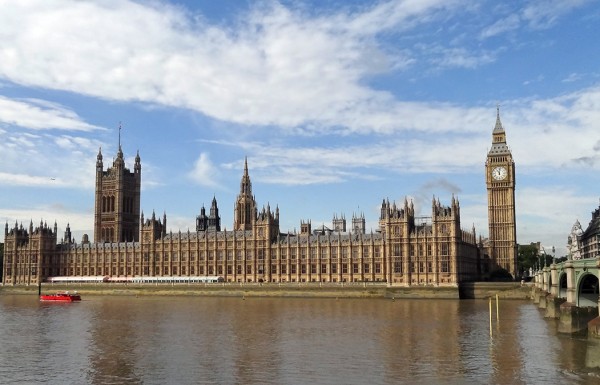 In his annual Mansion House speech to business leaders on 10 June 2015, George Osborne announced a new fiscal framework. This would require governments in ‘normal times’ to run a budget surplus. Details of the new framework would be spelt out in the extraordinary Budget, due on 8 July.
If by ‘normal times’ is meant years when the economy is growing, then this new fiscal rule would mean that in most years governments would be require to run a surplus. This would reduce general government debt.
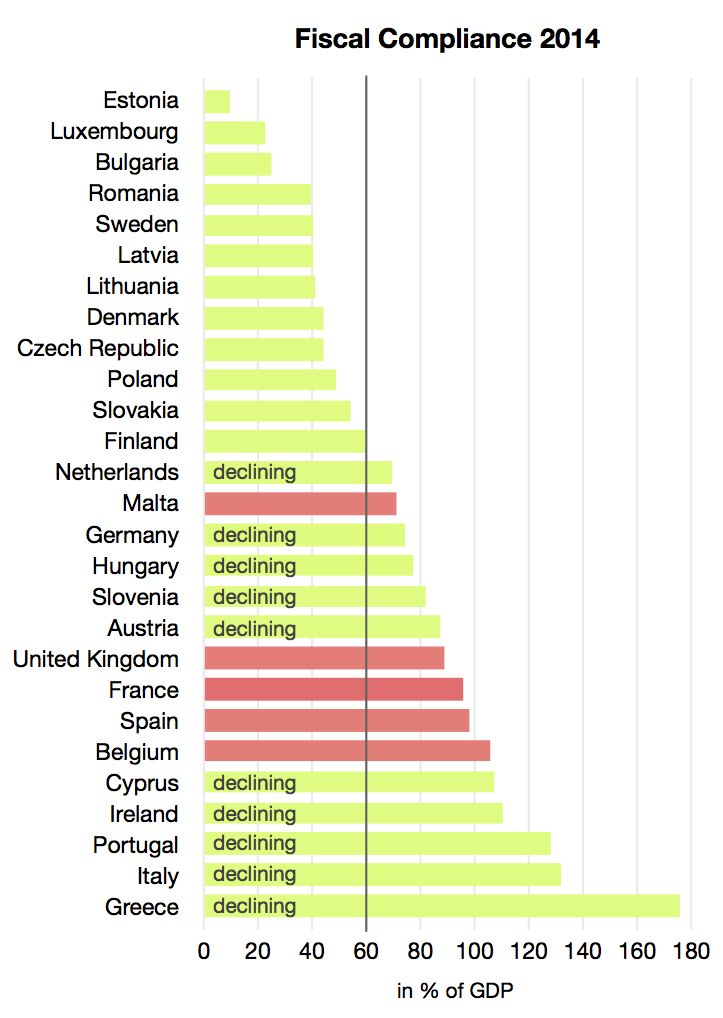
And it would eventually reduce the debt from the forecast ratio of 89% of GDP for 2015 to the target of no more than 60% set for member states under the EU’s Stability and Growth Pact. Currently, many countries are in breach of this target, although the Pact permits countries to have a ratio above 60% provided it is falling towards 60% at an acceptable rate. The chart shows in pink those countries that were in breach in 2014. They include the UK.
 Sweden and Canada have similar rules to that proposed by George Osborne, and he sees them as having been more able to use expansionary fiscal policy in emergency times, such as in the aftermath of the financial crisis of 2007/8, without running excessive deficits.
Critics have argued, however, that running a surplus whenever there is economic growth would dampen recovery if growth is sluggish. This makes the rule very different from merely requiring that, over the course of the business cycle, there is a budget balance. Under that rule, years of deficit are counterbalanced by years of surplus, making fiscal policy neutral over the cycle. With a requirement for a surplus in most years, however, fiscal policy would have a net dampening effect over the cycle. The chancellor hopes that this would be countered by increased demand in the private sector and from exports.
The rule is even more different from the Coalition government’s previous ‘fiscal mandate‘, which was for a ‘a forward-looking target to achieve cyclically-adjusted current balance by the end of the rolling, five-year forecast period’. The current budget excludes investment expenditure on items such as transport infrastructure, hospitals and schools. The fiscal mandate was very similar to the former Labour government’s ‘Golden rule’, which was to achieve a current budget balance over the course of the cycle.
 By excluding public-sector investment from the target, as was previously done, it can allow borrowing to continue for such investment, even when there is a substantial deficit. This, in turn, can help to increase aggregate supply by improving infrastructure and has less of a dampening effect on aggregate demand. A worry about the new rule is that it could lead to further erosion of public-sector investment, which can be seen as vital to long-term growth and development of the economy. Indeed, Sweden decided in March this year to abandon its surplus rule to allow government borrowing to fund investment.
The podcasts and articles below consider the implications of the new rule for both aggregate demand and aggregate supply and whether adherence to the rule will help to increase or decrease economic growth over the longer term.
Video and audio podcasts
George Osborne confirms budget surplus law Channel 4 News, Gary Gibbon (10/6/15)
Osborne To Push Through Budget Surplus Rules Sky News (10/6/15)
OECD On Osborne’s Fiscal Plans Sky News, Catherine Mann (10/6/15)
‘Outright fiscal madness’ Osborne’s Mansion House Speech RT UK on YouTube, Harry Fear (11/6/15)
A “straightjacket” [sic] on future government spending? BBC Today Programme, Robert Peston; Nigel Lawson (11/6/15)
Thursday’s business with Simon Jack BBC Today Programme, Gerard Lyons (12/6/15)
Articles
Osborne seeks to bind successors to budget surplus goal Reuters, David Milliken (10/6/15)
George Osborne to push ahead with budget surplus law The Telegraph, Peter Dominiczak (10/6/15)
Osborne Wants U.K. to Build Treasure Chest During Good Times Bloomberg, Svenja O’Donnell (10/6/15)
Questions over Osborne’s Victorian-era budget plans BBC News (10/6/15)
Years more spending cuts to come, says OBR BBC News (11/6/15)
Is Chancellor right to want surplus in normal times? BBC News, Robert Peston (10/6/15)
George Osborne Unveils New Budget Surplus Law, But Critics Warn It Means Needless Cuts Huffington Post, Paul Waugh (10/6/15)
George Osborne’s fiscal handcuffs are political, but he does have a point Independent, Hamish McRae (11/6/15)
Osborne’s budget surplus law follows UK tradition of moving goalposts Financial Times, Chris Giles (10/6/15)
George Osborne’s budget surplus rule is nonsense and it could haunt Britain for decades Business Insider, Malaysia, Mike Bird (10/6/15)
To cut a way out of recession we need growth, not austerity economics Herald Scotland, Iain Macwhirter (11/6/15)
George Osborne moves to peg public finances to Victorian values The Guardian, Larry Elliott and Frances Perraudin (10/6/15)
The Guardian view on George Osborne’s fiscal surplus law: the Micawber delusion The Guardian, Editorial (10/6/15)
Academics attack George Osborne budget surplus proposal The Guardian, Phillip Inman (12/6/15)
Osborne plan has no basis in economics Guardian letters, multiple signatories (12/6/15)
Is there an optimal debt-to-GDP ratio? Vox EU, Anis Chowdhury and Iyanatul Islam
No basis in economics Mainly Macro, Simon Wren-Lewis (16/6/15)
Questions
- Explain what is meant by a ‘cyclically adjusted current budget balance’.
- How does the speed with which the government reduces the public-sector debt affect aggregate demand and aggregate supply?
- What are the arguments for and against running a budget surplus: (a) when there is currently a large budget deficit; (b) when there is already a budget surplus? How do the arguments depend on the stage of the business cycle?
- Do you agree with the statement that ‘the biggest issue with the UK economy right now is not the government deficit’. If so, what bigger issues are there?
- How could public-sector debt as a proportion of GDP decline without the government running a budget surplus?
- How might the term ‘normal times’ be defined? How does the definition used by the Chancellor affect the rate at which the public-sector debt is reduced?
- How sustainable is the current level of public-sector debt? How does its sustainability relate to the interest rate on long-term government bonds?
- If there is a budget surplus, such that G – T is negative, what can we say about the balance betwen (I + X) and (S + M)? What good and adverse consequences could follow?
- Why do George Osborne’s plans for budget surpluses ‘risk a liquidity crisis that could also trigger banking problems, a fall in GDP, a crash, or all three’?
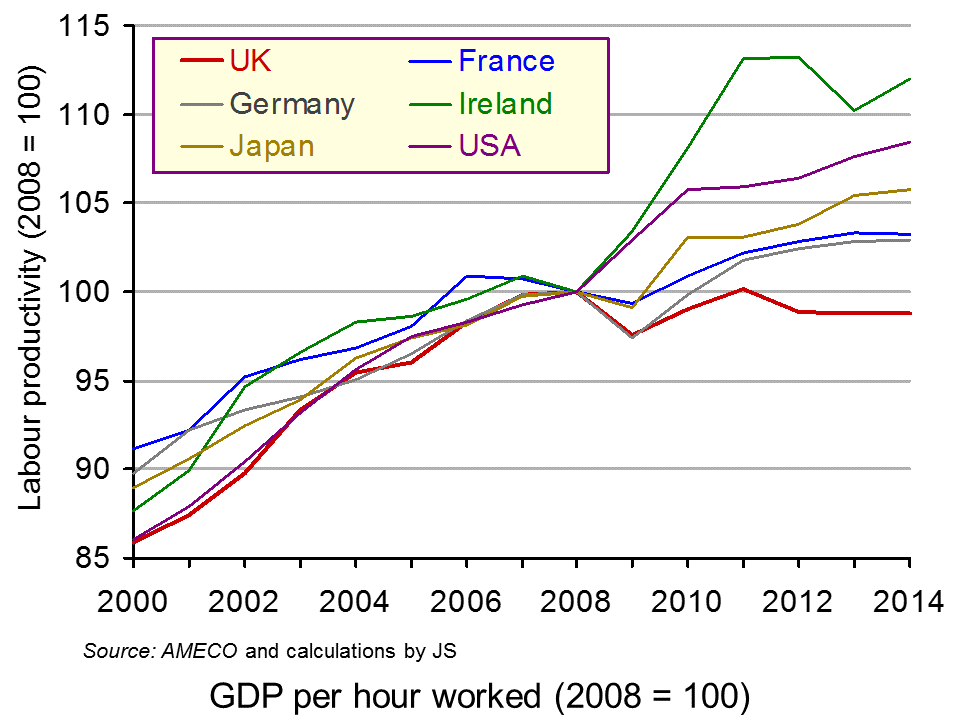
 As we saw in the blog post The UK’s poor productivity record, the UK’s productivity, as measured by output per hour worked, has grown much slower than in other major developed countries since the financial crisis. In fact, output per hour is lower now than in 2008. In France and Germany it is around 3 per higher than in 2008; in Japan it is nearly 6% higher; in the USA it is over 8% higher; and in Ireland it is 12% higher.
The chart below shows international comparisons of labour productivity from 2000 to 2014. (Click here for a PowerPoint of the chart.)
And it is not just labour productivity that has fallen in the UK. Total factor productivity of labour and capital combined has also fallen. This reflects the fall in business investment after the financial crisis and, more recently, meeting the demand for extra output by employing more labour rather than by investing in extra capital.
 In his first major speech since the election, the Chancellor of the Exchequer, George Osborne, told the CBI that the government was intent on tackling the problem of low and stagnant productivity. This would require investment in infrastructure, such as high-speed rail, better roads, superfast broadband and a new runway in the south east. It would require investment in education, training and research; it would involve cutting red tape for business; it would require making it easier for both parents in a family to work by cutting the cost of childcare. The details of the government’s policies would be made clear in the soon-to-be published Productivity Plan.
But how much difference can the government make? Are there intractable problems that will prove virtually impossible to overcome? How much, indeed, can a government do, however much it would like to? The articles explore the issues.
Articles
Will George Osborne’s productivity plan help make Britain a world-beater? The Guardian, Larry Elliott (24/5/15)
UK productivity has stayed stubbornly low for years. Dare we hope for better? The Guardian (24/5/15)
Joseph Stiglitz: ‘GDP per capita in the UK is lower than it was before the crisis. That is not a success’ The Observer, Anthony Andrew (24/5/15)
Osborne says low productivity key economic challenge BBC News (20/5/15)
Solving the productivity puzzle BBC News, Duncan Weldon (20/4/15)
Osborne faces up to productivity challenge BBC News, Robert Peston (20/5/15)
Osborne makes priority of boosting UK productivity Financial Times, George Parker (20/5/15)
The Bank of England is living in cloud-cuckoo land on wages Independent, David Blanchflower (18/5/14)
Cameron’s Plan Hasn’t Cracked Productivity Slump Flagged by BOE Bloomberg, Jill Ward (14/5/15)
To solve Britain’s productivity puzzle, try asking the workers The Conversation, Stephen Wood (29/6/15)
Report
Inflation Report: Chapter 3, Output and Supply Bank of England (May 2015)
Questions
- Define (a) labour productivity; (b) capital productivity; (c) total factor productivity.
- Why has the UK experienced lower productivity than other developed countries?
- Why may the UK’s lower unemployment than other countries in the post-recession period be the direct consequence of lower productivity growth?
- For what reasons might it be difficult for the government to achieve a significant increase in UK productivity?
- How might demand-side policy negatively impact on the supply-side policies that the government might adopt to increase productivity?
- How might the period up to and beyond the referendum in the UK on continuing EU membership impact on productivity?
- How might poor productivity be tackled?
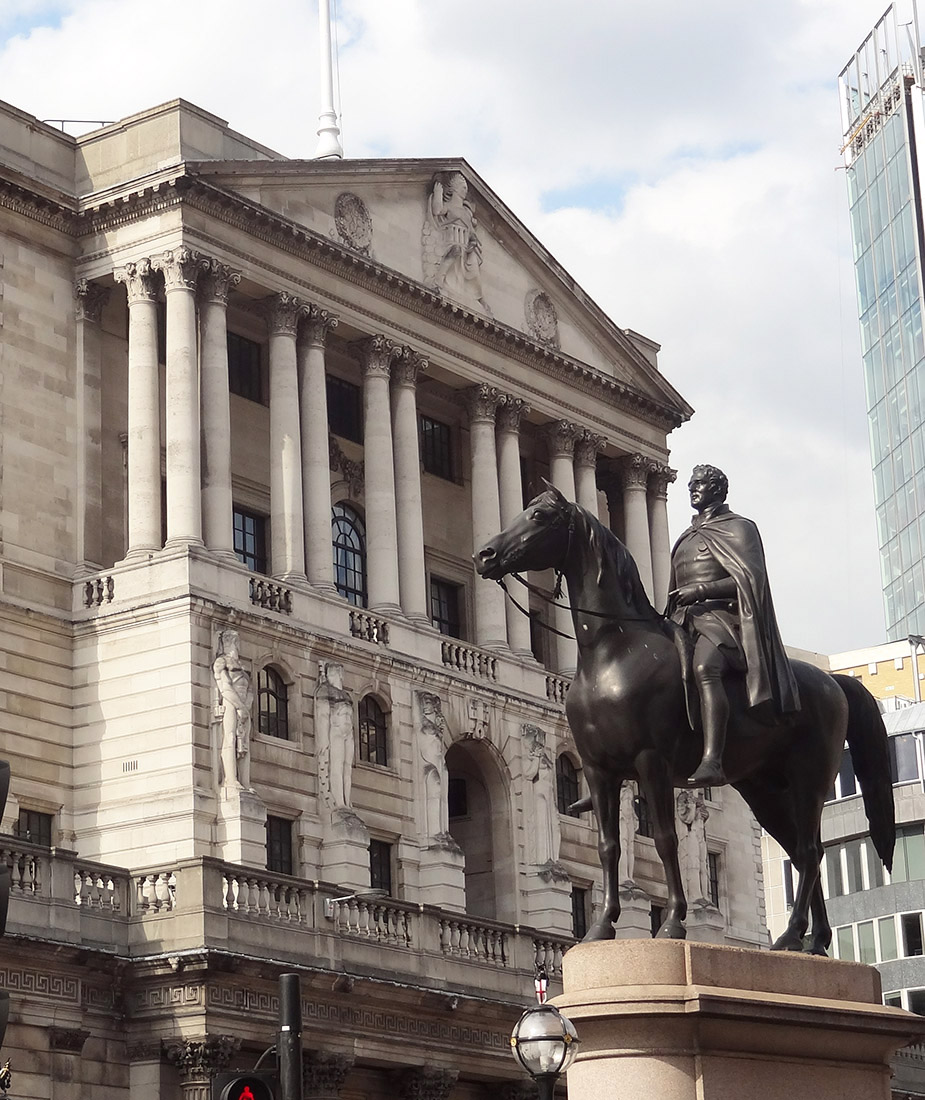 The Bank of England has responded to forecasts of a dramatic slowdown in the UK economy in the wake of the Brexit vote. On 4th August, it announced a substantial easing of monetary policy, but still left room for further easing later.
 Some economists argue that the Bank should go further still and, in conjunction with the Treasury, provide new money directly to fund infrastructure spending or tax cuts, or even as cash handouts to households. This extra money provided to the government would not increase government borrowing.