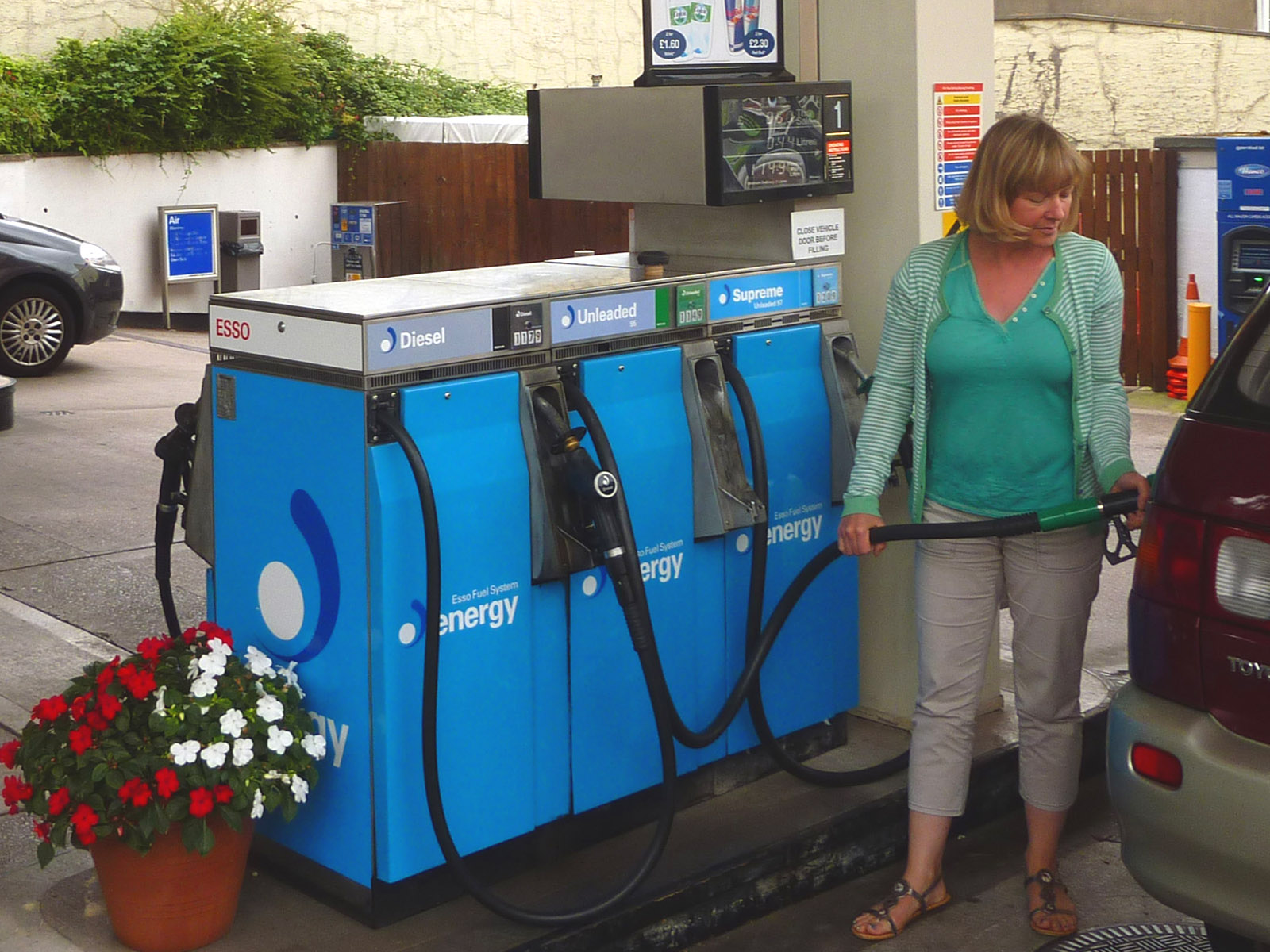
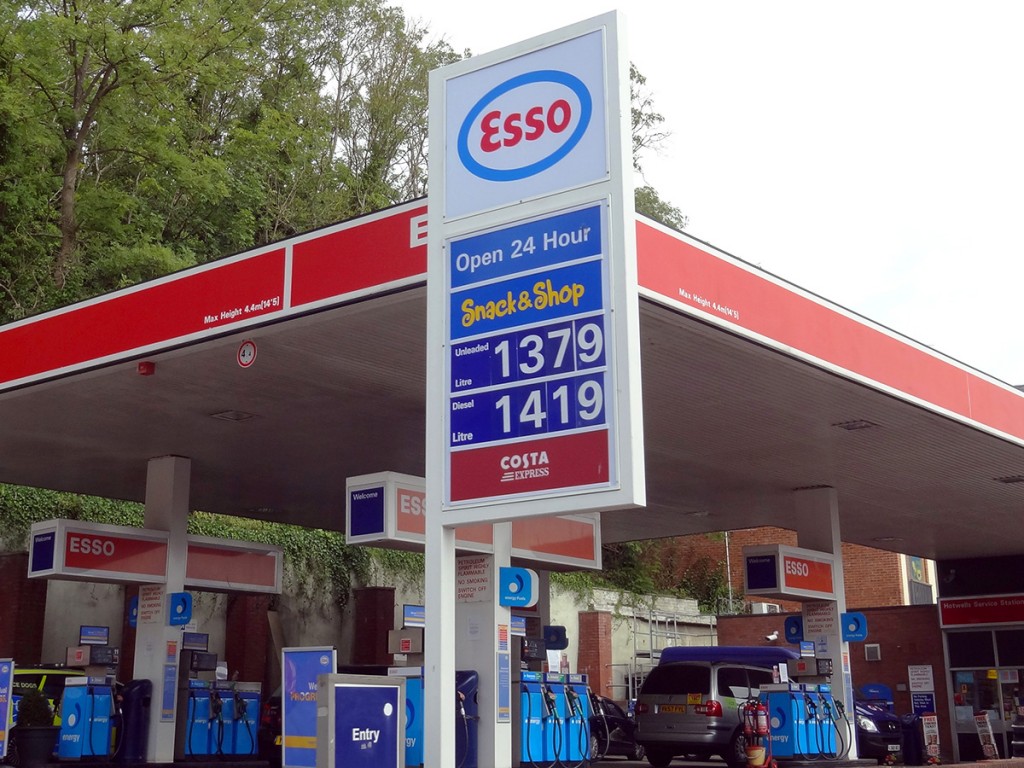
 Increases in the cost of living over the past few years have put many families under financial pressure. One of the main factors that has been hurting households is the price of petrol and diesel. Road fuel duty was due to be increased last August, but the Chancellor delayed it in June. However, a planned 3p rise in duty by the Coalition, which has faced rebellion from numerous MPs may now be delayed further, following a hint from the Treasury.
The government has said that it will do everything it can to support struggling families with the cost of living and this has led many to conclude that in the Autumn Statement, the Chancellor will delay the planned 3p rise. Labour was defeated in its efforts to force a delay of the proposed 3p duty rise, as Tory bankbenchers were given this hint that the Treasury would decide to delay the increase anyway. The Economic Secretary to the Treasury said that fuel duty is part of the government’s strategy to help cut the cost of living. He commented that fuel duty was 20% lower in real terms compared to March 2000, when it was at its peak.
If we had continued with the policies of the previous government, quite simply prices would be higher, fuel would be 10p more expensive per litre. I know some will call for a further freeze in fuel duty today. I can assure them this government understands the financial pressures hard-working families are facing. Subject to the constraints of the public finances, this government is determined to help families with the cost of living.
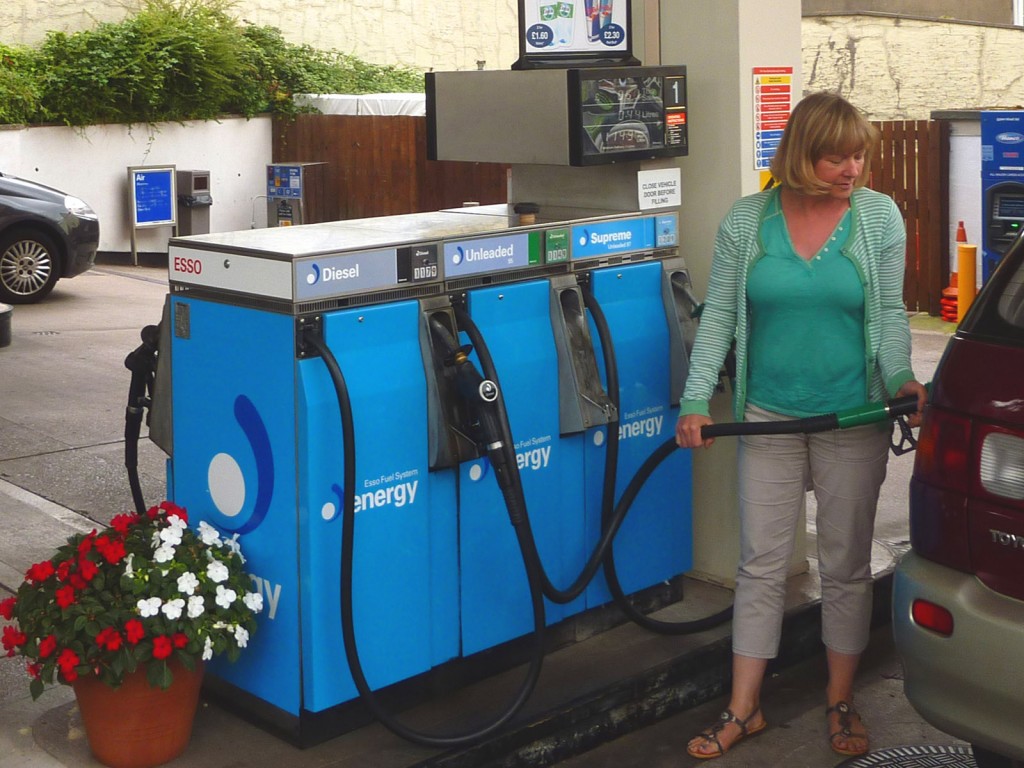
A key economic question to consider is why is fuel one of the products that is frequently taxed? When a tax is imposed on a product, its price will rise and as the law of demand tells us, this will cause people to purchase less of it. But, what is so special about petrol? Why do people continue to purchase petrol even when its price rises? The following articles consider the concerns surrounding the 3p fuel duty rise.
Treasury to defer planned increase in fuel duty The Guardian, Nicholas Watt (13/11/12)
Asda chief Andy Clarke urges scrapping fuel duty rise BBC News (15/11/12)
Fuel Duty: Labour to force vote to delay 3p rise The Guardian, Helene Mulholland (12/11/12)
Fuel duty delay called for by Which? BBC News (11/11/12)
Fuel Duty: Government may still axe increase Sky News (13/11/12)
Chancellor heads off fuel duty rebellion Financial Times, George Parker (12/11/12)
Osborne pressed to shelve fuel duty rise Financial Times, George Parker (8/11/12)
Planned 3p petrol increase could be abandonedThe Telegraph, Christopher Hope (11/11/12)
Questions
- Why is petrol a good that is taxed so heavily?
- Illustrate the impact of a tax on petrol using a demand and supply diagram. Explain what happens to the equilibrium price and quantity.
- Which factors will make the change in price and quantity relatively larger or smaller? Think about how elasticity is relevant here.
- What other factors have contributed towards the increased cost of living over the past few years?
- Which factors in particular would make a January rise in fuel duty especially painful for many families?
- What are the arguments both for and against delaying the 3p rise in duty?
- According to the Economic Secretary to the Treasury, fuel duty is 20% lower in real terms. What does this actually mean?
 The problem of obesity and healthy eating is a growing problem in many countries and governments have long been looking into designing policy to tackle this issue.
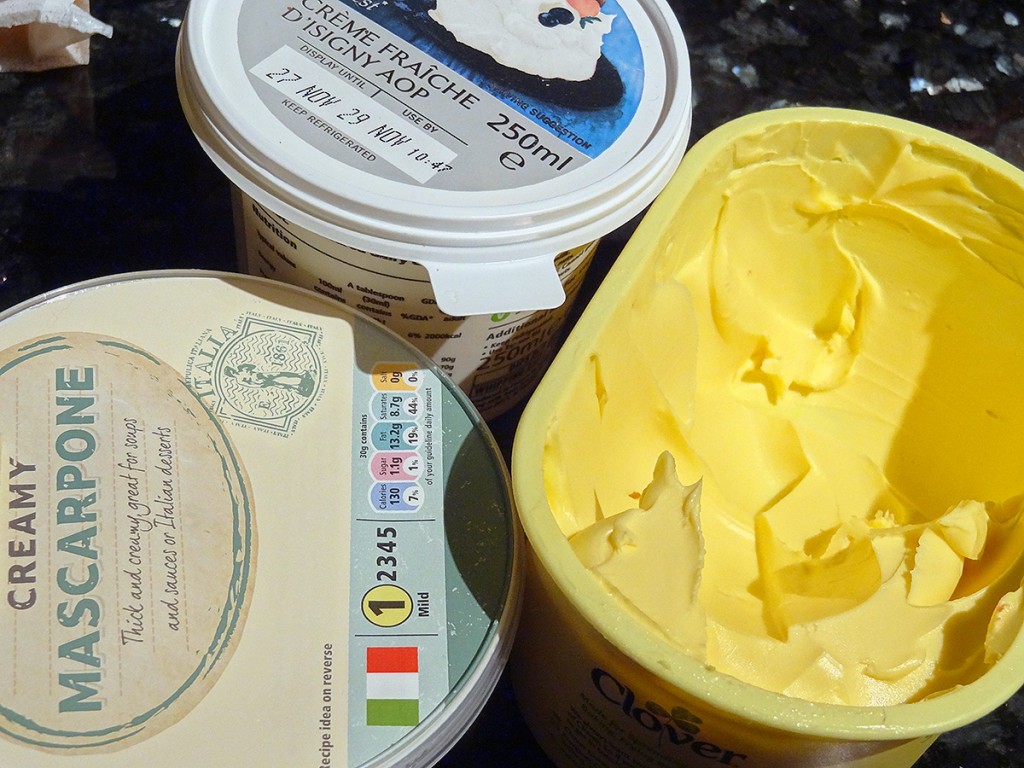
Some have gone for healthy eating campaigns and policies to encourage pregnant women to eat better, but one government took it a step further and introduced a Fat Tax. In October 2011, the Danish government introduced a tax on foods that are high in saturated fat in a bid to reduce consumption of these goods. However, this policy is now to be abolished.
The Fat Tax introduced by the government imposed a surcharge on foods that contained more than 2.3% saturated fat. Numerous products were affected, including meats, dairy and as expected – processed foods. The policy was criticised by scientists who said that saturated fat was the wrong target and perhaps they were proved right, but the government’s u-turn, which will now see the tax being abolished. The tax had gradually increased food prices throughout the country and authorities said that it had even put Danish jobs at risk.
With food prices much higher in Denmark with the tax, consumers switched from buying domestically produced goods to crossing the border into Germany and purchasing their cheaper food. This undoubtedly had an adverse effect on the Danish economy, as it represented a cut in consumer expenditure. Perhaps it also helps to explain Germany’s strong economy – it was feeding 2 nations! The Danish tax ministry said:
‘The fat tax and the extension of the chocolate tax — the so-called sugar tax — has been criticised for increasing prices for consumers, increasing companies’ administrative costs and putting Danish jobs at risk … At the same time it is believed that the fat tax has, to a lesser extent, contributed to Danes travelling across the border to make purchases … Against this background, the government and the (far-left) Red Green Party have agreed to abolish the fat tax and cancel the planned sugar tax’
Once the tax is abolished, other policies will need implementing to tackle the problem of obesity and encourage healthy eating, as it continues to be a big problem in this and many other countries. The following articles consider this problem.
Denmark to scrap world’s first fat tax Associated Press (10/11/12)
Denmark to abolish tax on high-fat foods BBC News (10/11/12)
Fat tax repealed The Copenhagen Post (10/11/12)
Businesses call fat tax a failure on all fronts The Copenhagen Post, Ray Weaver (10/11/12)
Questions
- Illustrate the effect of a tax being imposed on a diagram. What happens to equilibrium price and quantity?
- According to Danish authorities, consumers didn’t change their consumption habits with the tax. What does this suggest about the PED of these products?
- How does the amount of tax revenue generated vary with the price elasticity of demand and supply?
- What other policies could be implemented to encourage healthy eating?
- Why did this fat tax lead to higher food prices?
- Explain the way in which such a tax could adversely affect the Danish economy. Does this justify its removal?
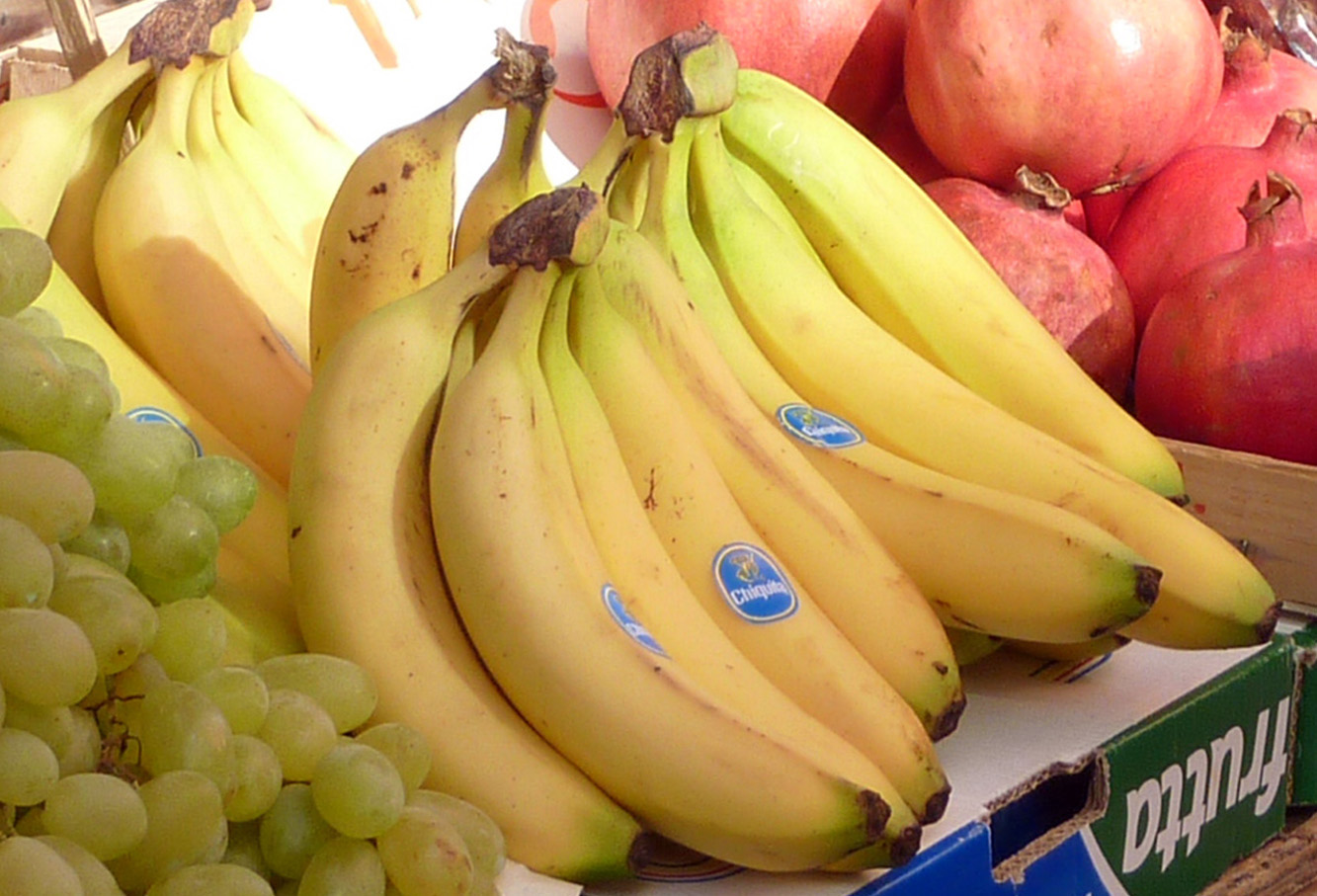
 Trade is generally argued to be good for economic growth, as it allows countries to specialise in those goods in which they have a comparative advantage and thus produce and consume more of all goods in total. However, trade inevitably leads to winners and losers, especially as countries impose tariffs on imports in order to protect domestic industries. This has been the case in the banana industry.
Banana growers in the former European colonies have long been protected by EU tariffs, helping to prevent competition from their Latin American banana growers. But, now things could be about to change. In December 2009, most of the nations concerned reached an agreement in Geneva for tariffs imposed by the EU to be gradually reduced.
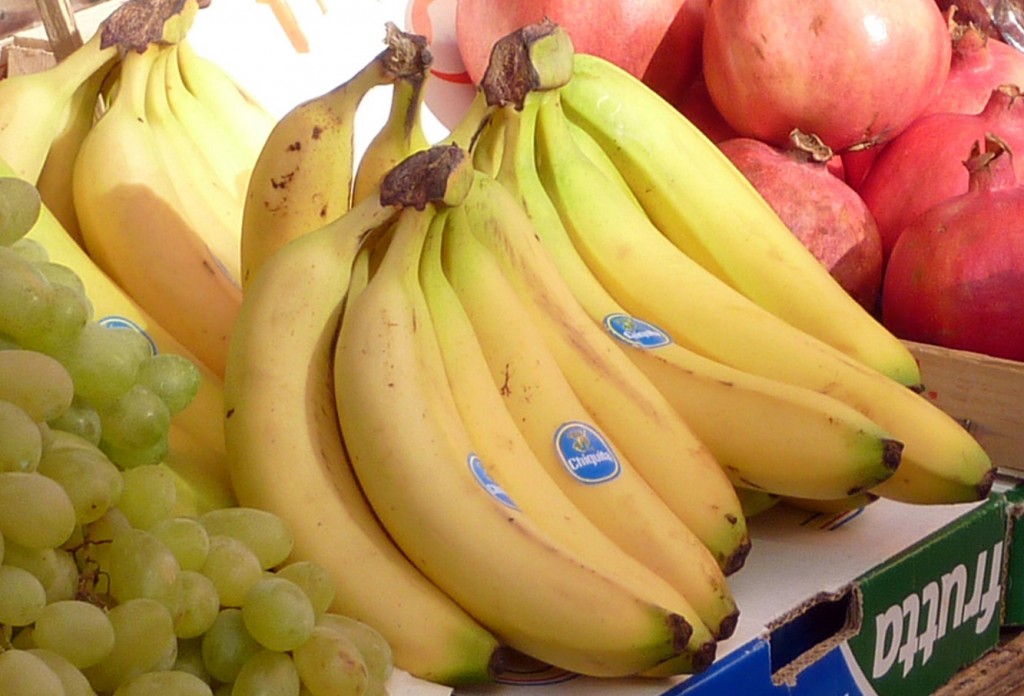
The European Union had imposed no duty on bananas from their former colonies, but had imposed tariffs on banana imports from other countries. This meant that those countries now benefiting from zero import duty could sell their bananas for a much lower price, therefore restricting the other nations (who did have to pay an import duty) from competing effectively.
 With the World Trade Organisation in attendance, an agreement was signed that puts an end to this trade dispute dating back over 2 decades. The Director General of the WTO, Pascal Lamy said:
‘This is a truly historic moment … After so many twists and turns, these complicated and politically contentious disputes can finally be put to bed. It has taken so long that quite a few people who worked on the cases, both in the Secretariat and in member governments have retired long ago.’
This trade war has been ongoing for many years and this agreement represents a big step in the right direction. With a fairer playing field in this banana market, countries in Latin America will now be much more able to compete with other nations. As economists argue that trade is good, a reduction in protectionist measures should be seen as a good thing and will benefit the countries concerned. The following articles consider this trade resolution.
Banana war ends after 20 years BBC News (8/11/12)
WTO: Historic signing ends 20 years of EU-Latin American banana disputes 4-Traders, WTO (8/11/12)
EU, Latin America nations mark end of ‘banana war’ Fox News (8/11/12)
Banana war ends after 20 years The Telegraph (9/11/12)
Infamous banana dispute ends Sky News (9/11/12)
Questions
- What is comparative advantage and how does it lead to gains from trade?
- How does a tariff help protect a country’s domestic industry?
- Using a diagram, illustrate the effect of a tariff being imposed on banana imports from Latin America. Is there a cost to society of such a policy?
- Now, show what happens when this tariff is removed by the EU. Who benefits and who loses?
- What is the role of the World Trade Organisation?
- How does a tariff affect a country’s ability to compete with other nations?
 For those looking to buy larger electrical appliances at cheaper prices, things might be looking up, as Comet have begun heavy discounting after entering administration. Deloitte, as the administrator, will now begin the search for a buyer for this retailer, while Comet aims to raise the funds to rescue the company.
Comet was bought by OpCapita last year, but with poor performance continuing across the 200+ stores, we could be about to see the demise of this retailer. Over 6,000 jobs are now at risk, although Deloitte has maintained that stores will continue to trade and that redundancies will not be made. One of the administrators said:
‘Our immediate priorities are to stabilise the business, fully assess its financial position, and begin an urgent process to seek a suitable buyer which would also preserve jobs.’
The retail environment has inevitably suffered over the past few years, with well-known companies such as Woolworths, Optical Express and JJB Sports (to name a few) entering administration. Comet, therefore seems to be the latest in a long line of sad trading stories. So, which factors have contributed towards the collapse of this giant retailer?
Over the past few years, online retailers have gained a larger and larger market share. These internet retailers do not have the same overhead costs that Comet and other high street retailers face. To open a store in an area where customers are in high supply, premium rents must be paid and this adds to the cost of running any given store. In order to cover these higher costs, higher prices can result and this, together with consumers facing tight budgets, has led many customers to look at the cheaper alternatives online. Deloitte has also said that Comet has been suffering from a lack of credit, which has meant that it has not been able to purchase stock in the run-up to Christmas. Deloitte commented that:
‘The inability to obtain supplier credit for the peak Christmas trading period means that the company had no realistic prospect of raising further capital to build up sufficient stock to allow it to continue trading.’
Concerned customers are naturally emerging, wondering whether items they have ordered and paid for will actually turn up. However, Deloitte’s reassurance that trading will continue may go some way to relieving their concern. The following articles consider how Comet has fallen from the sky.
Comet officially enters administration, stores re-open for expected firesale The Telegraph, Graham Ruddick and Helia Ebrahimi (2/11/12)
Comet calls in Deloitte as administrators BBC News (2/11/12)
Apple sky-high as Comet falls to earth The Guardian, Zoe Wood (2/11/12)
Comet enters administration, Deloitte seeks buyer Reuters (2/11/12)
Comet electricals administrators formally begin search for saviour The Guardian, Zoe Wood (2/11/12)
Comet goes into administration Financial Times, Andrea Felsted (3/11/12)
Comet collapse: Deloitte blames internet and lack of first-time home buyers The Telegraph(2/11/12)
Collapse of Comet puts 7000 jobs in danger Independent, James Thompson (2/11/12)
Questions
- Why does the retail environment remain very weak?
- Explain why Deloitte suggest that a lack of first time home buyers has played a part in the demise of Comet.
- Why has a lack of credit contributed towards Comet’s downfall?
- Should customers be concerned about how Comet’s demise (if indeed a buyer is not found) might affect prices in other retailers such as Currys, given that they will now have a larger share of the market?
- Why has online trading contributed towards the harsher retail environment for the high street stores? You should think about fixed and variable costs in your answer.
- Why are companies such as Apple doing so well relative to other companies, such as Comet and JJB Sports? Is there a secret to their success?
- What impact might this collapse have on local labour markets, given Comet employs so many people? Think about the effect on wages, unemployment and on claimants of benefits.
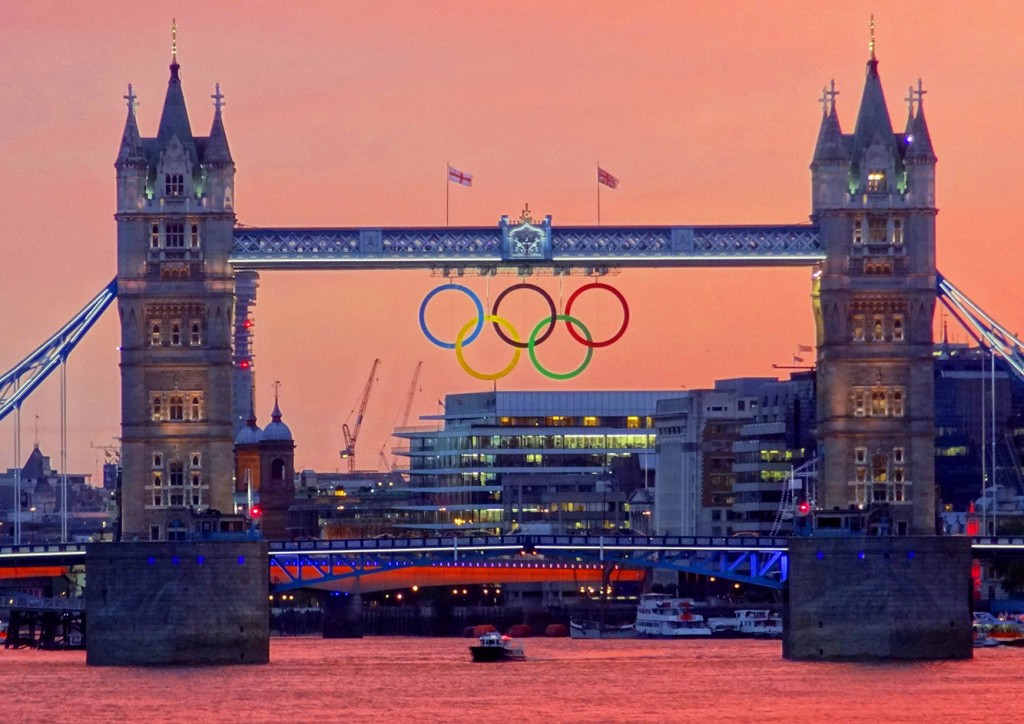 The story of the UK economy over the past few years has been one of bad news and worse news. With a double-dip recession having kept confidence low in the UK, positive news for the economy was seemingly a distant hope of government ministers. However, official statistics show that that in the 3 months from July to September, the UK economy emerged from recession, with growth of 1.0%.
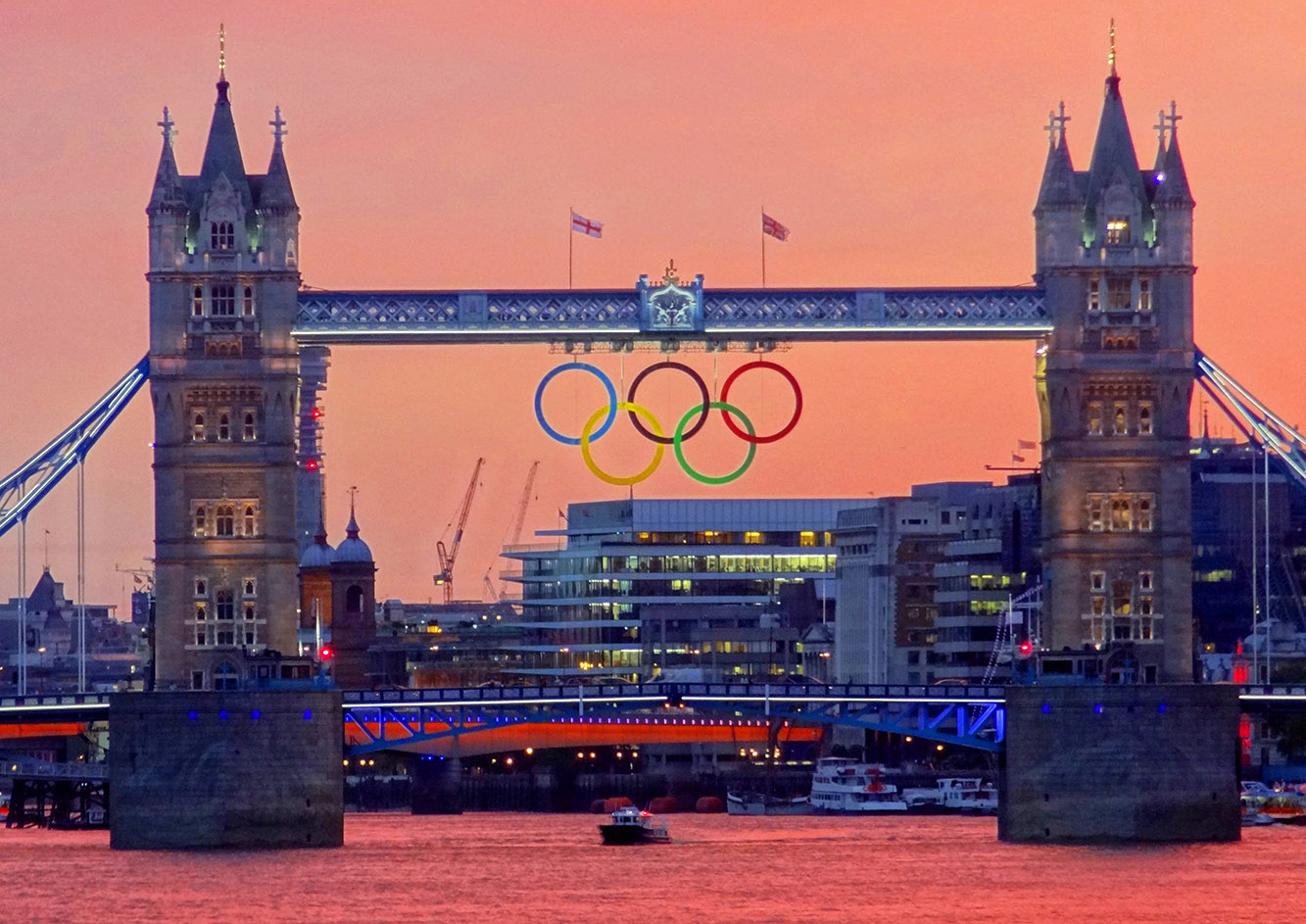
This positive GDP figure (click here for a PowerPoint of the chart below) was undoubtedly helped by the London Olympics over the summer, which may have added as much as 0.2 percentage points to GDP, according to the ONS. Millions arriving in London and other venues, spending money on countless things. Yet, other factors have also contributed to this welcome growth. Stephanie Flanders said:
The positive ‘surprise’ in these figures is largely to be found in the service sector, which is estimated to have growth by 1.3% in the third quarter, after shrinking by 0.1% in the three months before.
Further to this, in Stephanie Flanders’ ‘Stephanomics’, she says that ‘it confirms that the last three months of this latest recession were brought to you by the Queen. Or at least, the extra Bank Holiday to celebrate her Jubilee.’ The Bank of England suggests that the Jubilee took 0.5 percentage points from official GDP statistics. So, the news so far is positive, but the economy is far from being back to its pre-recession size.
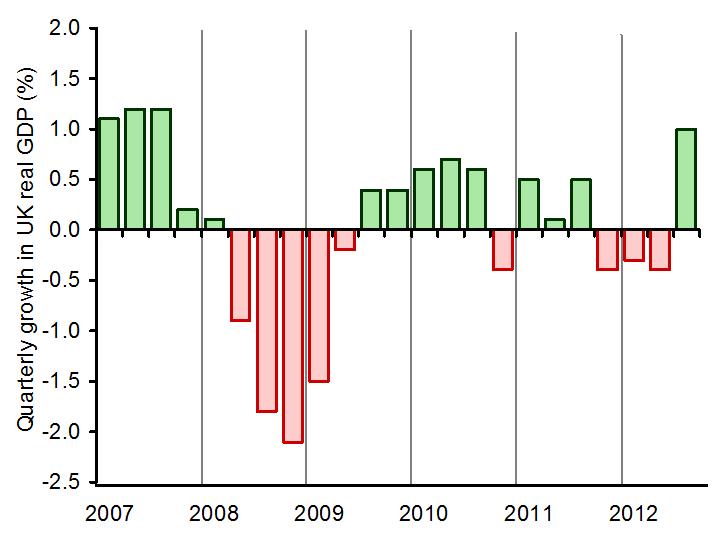
The 2008-2009 recession knocked 6.4% off the UK economy. Since then, the total growth (over the past 4 years) has reached only half of that – 3.2% and that includes the 1% figure just published. Thus, while we may be on ‘the right track’, there is still a long way to go. Economists differ in their interpretations of what this means for the overall recovery: some say that this is a sign of what’s to come; others argue that this recovery has been driven by one-off factors.
What is certain is that government policy over the next few months will be crucial in keeping the economy on the right growth path. The following articles consider the implications of this new economic data.
A special recovery BBC News, Stephanomics, Stephanie Flanders (25/10/12)
UK GDP rises 1pc: economist reaction The Telegraph (25/10/12)
Nick Clegg warns economic recovery will be ‘fitful’ The Guardian, Daniel Boffey (28/10/12)
GDP figures set to show UK economy has exited double-dip recession The Telegraph, Philip Aldrick, Emma Rowley and Jessica Winch (25/10/12)
UK economy returns to growth with help from Olympics BBC News (25/10/12)
U.K. posts quarterly gain in GDP, lifted by Olympics Wall Street Journal, Cassel-Bryan Low (25/10/12)
GDP figures show UK emerging from recession: full reaction The Guardian (25/10/12)
UK growth signals move out of recession Financial Times, Sarah O’Connor and George Parker (25/10/12)
Questions
- How do we define a recession?
- How is GDP calculated and what does it measure?
- Which factors have contributed towards lower GDP data towards the beginning of this year?
- Which factors have helped boost GDP in the 3 months from July to September?
- Why is there disagreement about the likelihood of positive GDP figures continuing throughout the rest of the year?
- Prior to the official release of the GDP figures, David Cameron hinted at positive news. Given that the market is so sensitive, what effect might this suggestion have had?
- Given this positive figure, what implications does this have for the government’s quantitative easing programme?
- If we translate this latest growth data onto an AD/AS diagram, how would you show what has recently happened?
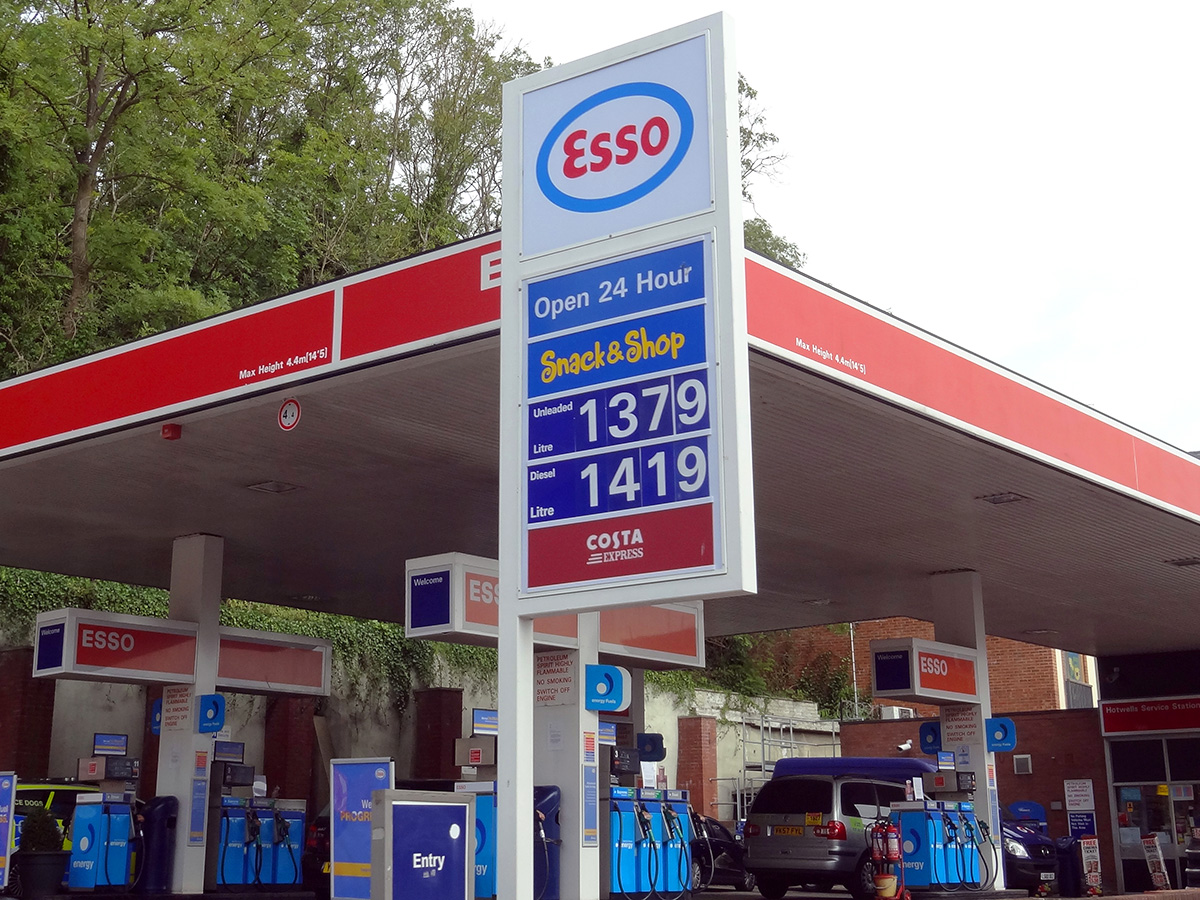 Increases in the cost of living over the past few years have put many families under financial pressure. One of the main factors that has been hurting households is the price of petrol and diesel. Road fuel duty was due to be increased last August, but the Chancellor delayed it in June. However, a planned 3p rise in duty by the Coalition, which has faced rebellion from numerous MPs may now be delayed further, following a hint from the Treasury.