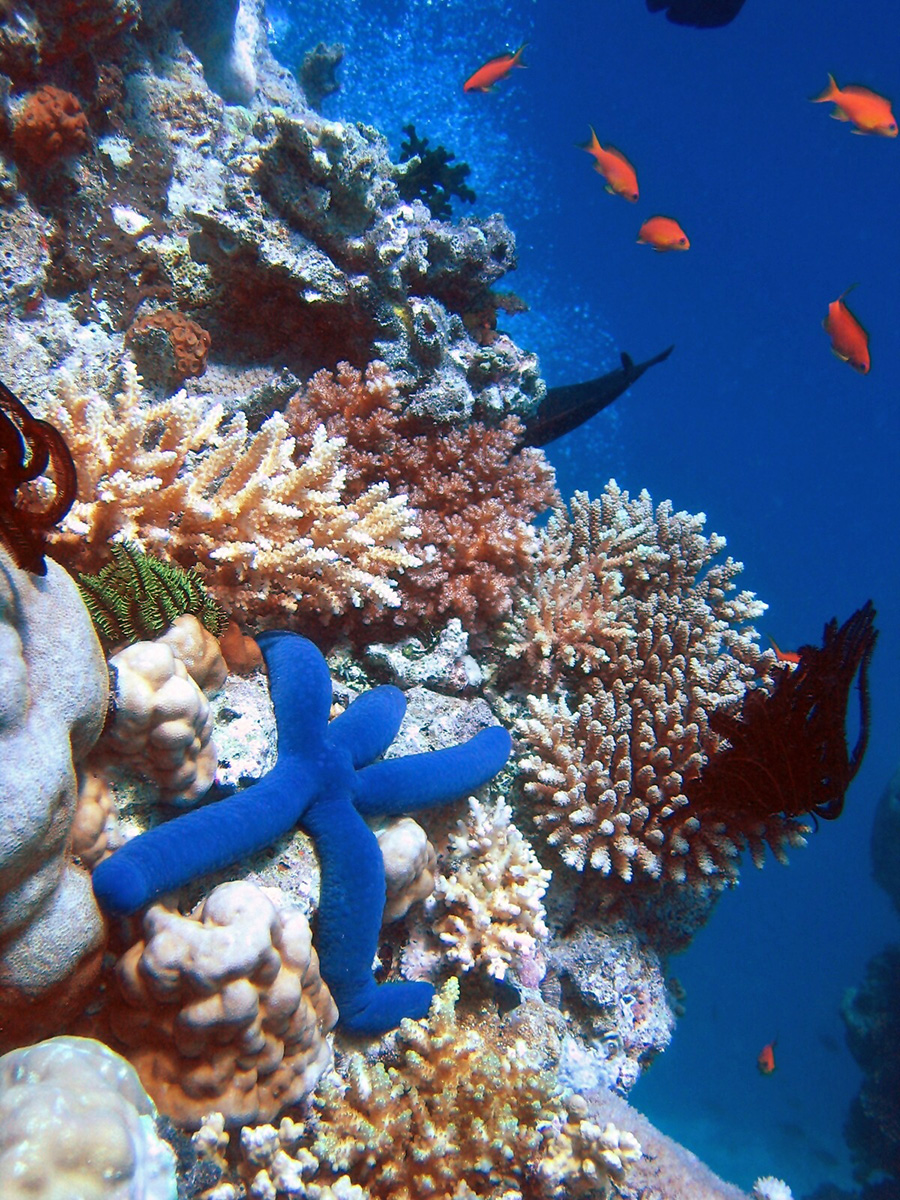
 Australia held a general election on 2 July 2016. The Liberal/National coalition narrowly won in the House of Representatives, gaining a substantially reduced majority of 77 of the 150 seats, to Labor’s 68 and other parties’ 5 seats. One campaign issue for all parties was the destruction of the Great Barrier Reef, which is seen as an environmental disaster. Each party had proposals for tackling the problem and we examine some of them here.
The Great Barrier Reef is the largest coral reef in the world. As the BBC’s iWonder guide states:
One of the world’s seven natural wonders, the Great Barrier Reef contains some 900 islands and 3000 smaller reefs. It is larger than the UK, the Netherlands and Switzerland combined, home to around 10% of the world’s marine fish, over 200 bird species and countless other animals, including turtles and dolphins.
But this iconic Reef system is facing unprecedented threats. Together with governments, scientists are playing a key role in the battle to preserve this vulnerable ecosystem before it’s too late.
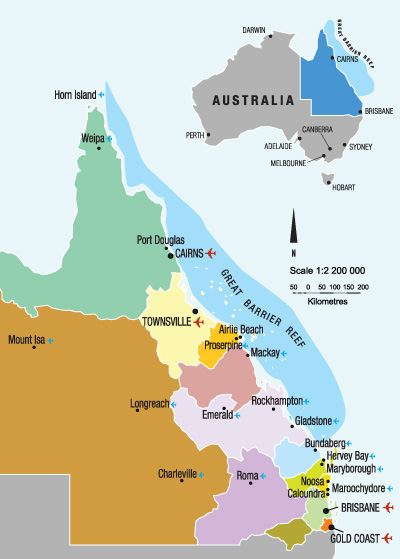
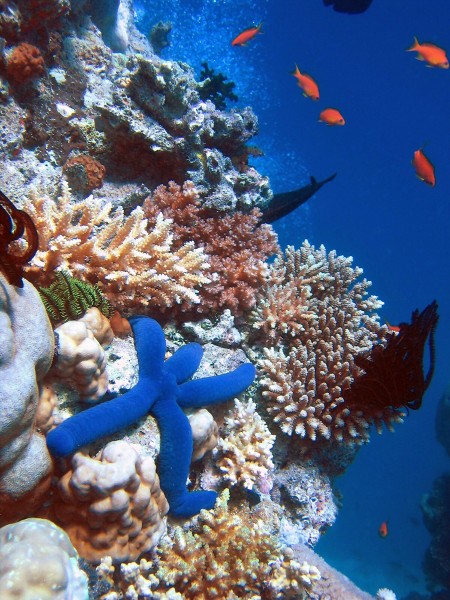
The Reef is 2300km long. In the northern third, around half of the coral is dead. Few tourists see this, as they tend to dive in the southern third, which, being cooler, is less affected.
The bleaching and destruction of coral reefs has a number of causes. These include: rising water temperatures, generally from global warming and more extreme El Niño events (rising warm waters that periodically spread across the Pacific); pollution, including that from coal mining, industrial effluent and run-off of pesticides, herbicides, fertilisers and sediment from farming, leading to acidification of waters; more frequent and more violent cyclones; rapidly expanding numbers of coral-eating Crown of Thorns starfish; and over fishing of some species of fish, leading to knock-on effects on ecosystems.
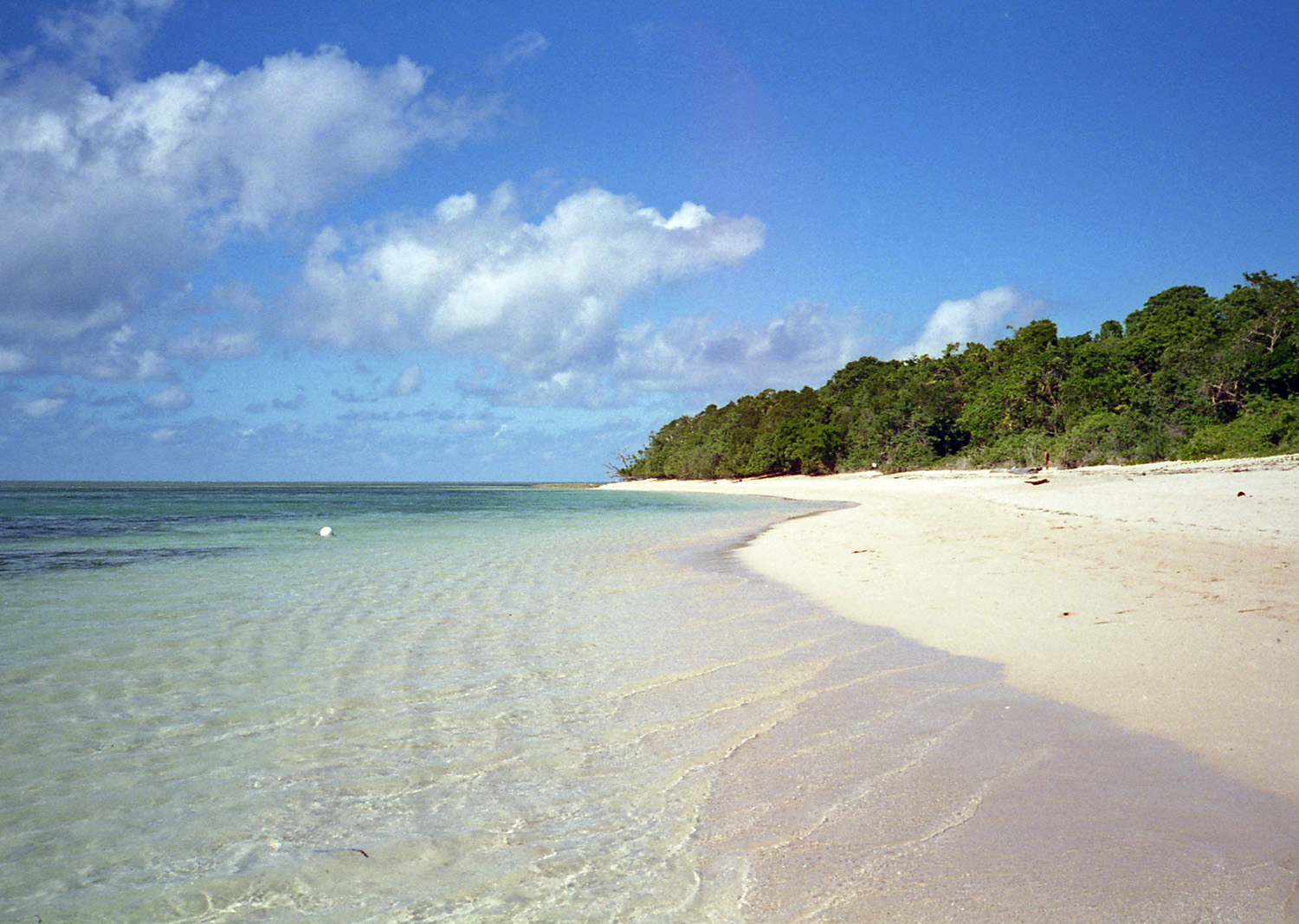 The Barrier Reef and the oceans and atmosphere around it can be regarded as a common resource. The warming of the atmosphere and the oceans, and the destruction of the reef and the wildlife on it, are examples of the ‘tragedy of the commons’. With no-one owning these resources, they are likely to be overused and abused. Put another way, these activities cause negative externalities, which do not appear as costs to the polluters and despoilers, but are still costs to all who treasure the reef. And, from a non-human perspective, it is a cost to the planet and its biodiversity. What is in the private interests of the abusers is not in the social or environmental interest.
The Australian government had sought to downplay the extent of the problem, afraid of deterring tourists – a valuable source of revenue – and under pressure from the coal and farming industries. Nevertheless, in the run-up to the election, the destruction of the Reef and what to do about it became a major debating point between the parties.
 The Coalition government has pledged A$1bn for a new Reef fund, which will be dedicated to tackling climate change and water quality.
The fund will also help coastal sewage treatment plants to reduce ocean outfalls with efficient pumps, biogas electricity generation and next-generation waste water treatment. Improving water quality will enhance the Reef’s resilience to climate change, coral bleaching and outbreaks of the destructive crown of thorns starfish.
But how much difference the fund can make with the money it will have is not clear.
The Labor Party pledged to follow every recommendation in the Great Barrier Reef Water Science Taskforce’s Final Report, released in May, and to pass laws to prevent farm pollution flowing into the waters around the Reef and to have a more rapid shift towards renewable energy.
The Green Party goes the furthest. In addition to the Labor Party’s proposals, it wants to impose taxes on coal firms equal to the cost of the damage they are causing. The tax revenues would be paid into a multi-billion dollar fund. This would then be spent on measures to rescue the Reef, invest in clean energy projects, stop damaging industrial development, improve farm management and stop polluted run-off into the Reef catchment area by investing in water systems.
Promises at the time of an election are all well and good. Just how much will be done by the re-elected Coalition government remains to be seen.
Interactive Videos and presentations
 David Attenborough’s Great Barrier Reef: an Interactive Journey, Atlantic Productions, David Attenborough (2015)
Global Warming – the greatest market failure Prezi, Yvonne Cheng (5/12/12)
Articles
The Great Barrier Reef: a catastrophe laid bare The Guardian, Michael Slezak (7/6/16)
The Guardian view on the Great Barrier Reef: the crisis they prefer to downplay The Guardian (7/6/16)
Fight to save Great Barrier Reef could cost billions, secret government modelling estimates ABC News, Mark Willacy (2/6/16)
Great Barrier Reef: government must choose which parts to save, says expert The Guardian, Joshua Robertson (8/7/16)
This election, what hope is there for the Great Barrier Reef? The Guardian, Michael Slezak (1/7/16)
Coalition will protect Great Barrier Reef with $1bn fund, says PM The Guardian, Gareth Hutchens (12/6/16)
Great Barrier Reef election explainer: how do the parties compare? The Guardian, Michael Slezak (2/6/16)
Five things we can do right now to save the Great Barrier Reef The Guardian, John Pandolfi (13/6/16)
We’ve scored the parties on the Reef My Sunshine Coast, Australian Marine Conservation Society (29/6/16)
Our Most Iconic Places Are Under Dire Threat From Climate Change Huffington Post, Nick Visser (26/5/16)
There are bright spots among the world’s coral reefs – the challenge is to learn from them The Conversation, Australia, Joshua Cinner (21/7/16)
Questions
- Explain what is meant by the Tragedy of the Commons. Is all pollution damage an example of this?
- What can the Australian government do to internalise the external costs to the Great Barrier Reef from (a) farming; (b) mining; (c) global warming?
- Why is it difficult to reach international agreement on tackling climte change? What insights can game theory provide for understanding the difficulties?
- What are the recommendations in the Final Report of the Great Barrier Reef Water Science Taskforce? What mix of tools does it suggest?
- What are the relative advantages and disadvantages of taxation, laws and regulations, public investment, education and international negotiation as policy instruments to protect the Reef?
 Concerns have been expressed about the UK’s relatively poor record of upgrading broadband services so that households can receive ultrafast connectivity. Some commenters have argued that future economic growth prospects will be harmed if the UK continues to lag behind its leading rivals.
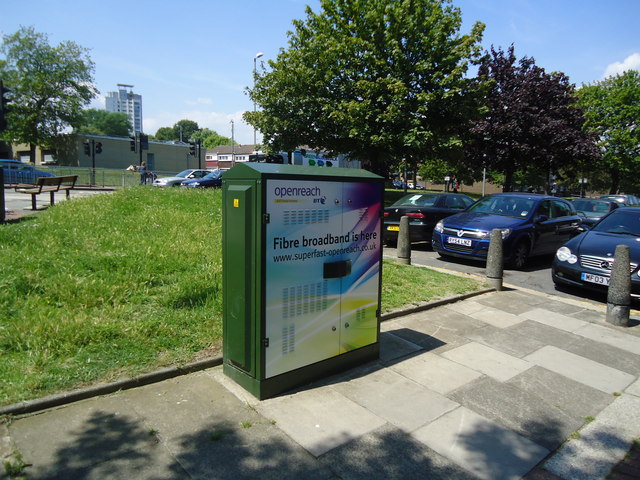
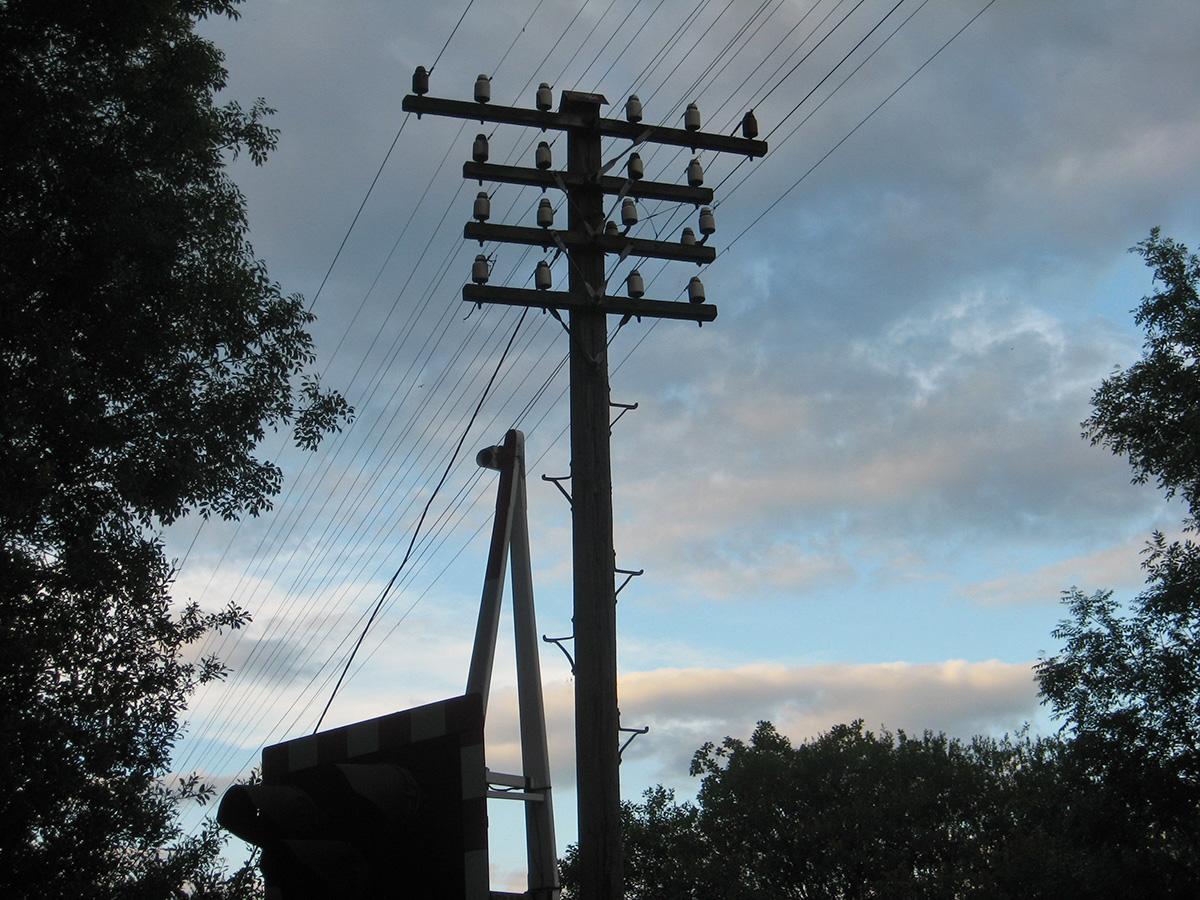
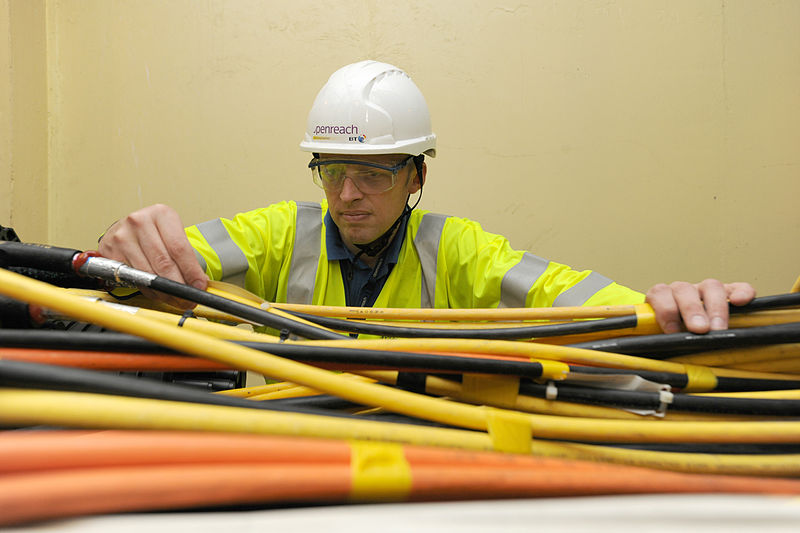
Much of the fixed line system that allows people to connect to broadband was originally installed many years ago for the land-line telephone network. The so called ‘final mile’ consists of copper-based wiring that is carried from street cabinets to the premises of the end-user. This wiring is transported via a huge network of telegraph poles and cable ducts (small underground tunnels).
In order for people to gain connectivity to ultrafast broadband this copper based wiring needs to be replaced by fibre optic cables. This is commonly referred to as Fibre to the Premises (FTTP). Unfortunately, the UK has a relatively poor record of installing FTTP. Japan and Korea were forecast to have 70% and 63% coverage by the end of 2015 as opposed to just 2% in the UK.
Why is the UK’s record so poor? Many observers blame it on the structure of the industry. In other network industries, such as those for gas pipeline and electricity grids, the business responsible for managing the infrastructure, National Grid, is a regulated monopoly. This company does not directly supply services to consumers using the network it is responsible for maintaining. Instead, customers are supplied by the retail sector of the industry, where firms compete for their business. This sector includes the so-called ‘big six’ (British Gas; npower; SSE; Scottish Power; EDF; E.On) and a number of smaller suppliers such as Ovo Energy and Ebico.
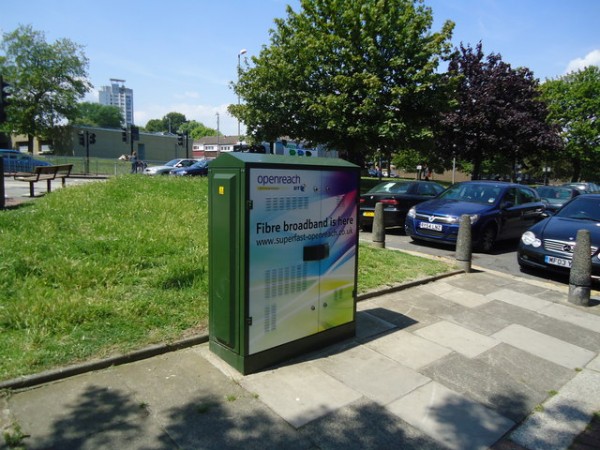
The structure of the fixed line telecommunications sector is very different. The company that manages the ‘final mile’, Openreach, is a subsidiary of BT. BT also competes with other Internet Service Providers (ISPs), such as TalkTalk and Sky, to supply broadband to customers using this network. Its market share of 32 per cent makes it the largest player in the broadband market. Sky and TalkTalk have market shares of 22 per cent and 14 per cent respectively. Virgin Media also supplies 20 per cent of this market using its own network of ducts and cables.
Given that in most cases ISPs such as Sky and TalkTalk are stuck with the network Openreach provides, BT may have limited incentives to invest. It can still earn a good return from its infrastructure of copper-based wiring and avoid installing expensive FTTP. Dido Harding, the chief executive of TalkTalk, argued that:
“We need to separate Openreach from the rest of BT to create a more competitive, pro-investment market”
Ofcom, in its recent review of the market, has taken a different approach. Rather than creating an entirely separate monopoly business to manage the network (i.e. splitting Openreach from BT), the regulator instead opted for a policy of encouraging competition between different suppliers that deploy fibre optic cables. It states in the report that:
“We believe competition between different networks is the best way to drive investment in high-quality, innovative services for customers.”
This competition could come from ISPs such as TalkTalk and Sky or other smaller network providers such as CityFibre and Gigaclear.
One major problem with this approach is that potential new entrants might be deterred from entering the market because of the very high initial costs involved in building a new network in order to deploy FTTP. In particular, the costs of digging up the roads and laying the ducts are considerable. Matt Yardley, author of a study on the industry, said:
“It is widely accepted that civil works such as digging trenches account for up to 80% of broadband deployment costs.”
One way of reducing these costs and encouraging more competition is to allow rival firms access to the existing ducts and poles that are currently managed by Openreach. Once access has been obtained, these firms could effectively rent space inside the ducts and lay fibre optic cables alongside the existing copper-based wiring. Vodafone reported that a similar policy in Spain had reduced its capital expenditure of building FTTP by 40 per cent compared with constructing its own network of ducts and poles.
Ofcom first introduced this type of policy in 2010 when it launched its Physical Infrastructure Access (PIA) initiative. Unfortunately it has proved to be relatively unsuccessful with very little demand for PIA from rival firms. The success of this type of policy will depend on a number of factors including (1) the prices charged by Openreach to access and rent space inside the ducts; (2) the simplicity of any relevant administration; and (3) the availability and reliability of information about the ducts. With this last point, key issues include:
|
|
| • |
Where they are located . |
| • |
How much space is available: i.e. is there enough space for firms to lay fibre optic cables alongside the existing wiring? |
| • |
What condition they are in: i.e. are they flooded or clogged up with sand and mud, which will involve expensive work to make them usable again?
|
Firms did complain about the pricing structures and bureaucratic nature of the administration process under the PIA scheme. However, their most significant concerns were about the uncertainty that was created by the lack of information about the ducts and poles. For example, analysts from the consultancy firm, Reburn, argued that if a firm contacted Openreach to try to obtain access to the network it was informed that:
“We don’t know what condition the ducts and poles are in. Please pay £10 000 for a survey. Also unfortunately we are rather busy and we can only start in six weeks.”
Matthew Hare, the chief executive of Gigaclear, argued that it was like going to a shop where the assistant says:
“Give me some money, and I’ll tell you whether you can have it or not.”
In response to these criticisms Ofcom has introduced a number of changes to PIA, which has been re-named Duct and Pole Access (DPA). In particular, it has imposed a new requirement on Openreach to create a database that provides information on the location, condition and capacity of its ducts and poles. The database must be made available to rival ISPs and network providers. DPA must also be provided on the same timescales, terms and conditions to all businesses including other parts of BT – this is referred to as ‘equivalence of inputs’.
The first big test of this policy is in Southend where City Fibre is hoping to deploy 50km of fibre optic cables using DPA. However, reports in the media have suggested that the initial surveys have found very limited capacity in some of the ducts, which would make DPA impossible.
It will be interesting to see how the trial in Southend progresses. If it is successful, then DPA may be viable for about 40 per cent of premises in the UK. If it fails, then Ofcom might ultimately have to force Openreach to be completely separated from BT.
Articles
How the gothic city of York became a broadband battleground The Telegraph, Kate Palmer (22/5/16)
City Fibre first to mount BT challenge after Openreach is told to share network The Telegraph, Kate Palmer (1/3/16)
Challenges as CityFibre Moot Using BT Cable Ducts in Southend-on-Sea ISPreview, Mark Jackson (2/5/16)
CityFibre to build pure fibre infrastructure for Southend Networking (5/4/16)
Ofcom tells BT to open up infrastructure to rivals The Guardian, Rob Davies (26/2/16)
Questions
- Draw an average total cost curve to illustrate the economics of building a network of ducts and poles. Label the minimum efficient scale.
- To what extent does DPA create a contestable market?
- For DPA to deliver productive efficiency, what must be true about the economies of scale of laying fibre optic cables?
- In the run-up to Ofcom’s review of the telecoms industry, many commentators described Openreach as being a natural monopoly. To what extent do you agree with this argument?
- What are the advantages of marginal cost pricing? What issues might a regulator face if it tried to impose marginal cost pricing on a natural monopoly?
- Using a diagram, explain how the network of ducts and poles might be a natural monopoly in rural areas but not in densely populated urban areas.
- Discuss how Ofcom has tried to increase the level of separation between Openreach and BT.
 The government plans to improve broadband access across the country and BT is a key company within this agenda. However, one of the problems with BT concerns its natural monopoly over the cable network and the fact that this restricts competition and hence might prevent the planned improvements.
Ofcom, the communications watchdog has now said that BT must open up its cable network, making it easier for other companies to access. This will allow companies such as Sky, Vodafone and TalkTalk to invest in the internet network in the UK, addressing their criticisms that BT has under-invested in Openreach and this is preventing universal access to decent and affordable broadband. There have been calls for Ofcom to require BT and Openreach to separate, but Ofcom’s report hasn’t required this, though has noted that it ‘remains an option’.
BT has been criticised as relying on old cables that are not sufficient to provide the superfast broadband that the government wants. The report may come as a relief to BT who had perhaps expected that Ofcom might require it to sell its Openreach operation, but it will also remain concerned about Ofcom’s constant monitoring in the years to come. BT commented:
“Openreach is already one of the most heavily regulated businesses in the world but we have volunteered to accept tighter regulation … We are happy to let other companies use our ducts and poles if they are genuinely keen to invest very large sums as we have done.”
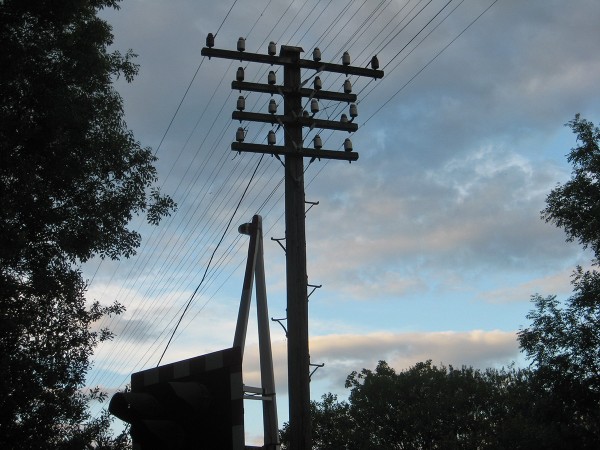 Its rivals will also be in two minds about the report, happy that some action will be taken, but wanting more, as Ofcom’s report suggests that “Openreach still has an incentive to make decisions in the interests of BT, rather than BT’s competitors”. A spokesperson for Vodafone said:
“BT still remains a monopoly provider with a regulated business running at a 28% profit margin …We urge Ofcom to ensure BT reinvests the £4bn in excess profits Openreach has generated over the last decade in bringing fibre to millions of premises across the country, and not just make half-promises to spend an unsubstantiated amount on more old copper cable.”
The impact of Ofcom’s report on the competitiveness of this market will be seen over the coming years and with a freer market, we might expect prices to come down and see improved broadband coverage across the UK. In order to achieve the government’s objective with regards to broadband coverage, a significant investment is needed in the network. With BT having to relinquish its monopoly power and the market becoming more competitive, this may be the first step towards universal access to superfast broadband. The following articles consider this report and its implications.
Ofcom opens a road to faster broadband The Guardian, Harriet Meyer and Rob Davies (28/2/16)
Ofcom: BT must open up its Openreach network Sky News (25/2/16)
How Ofcom’s review of BT Openreach could improve your internet service Independent, Doug Bolton (25/2/16)
Ofcom’s digital review boosts faltering broadband network Financial Times, Daniel Thomas (25/2/16)
The Observer view on broadband speeds in Britain The Observer, Editorial (28/2/16)
Ofcom tells BT to open up cable network to rivals’ BBC News (25/2/16)
Ofcom should go further and break up BT Financial Times, John Gapper (25/2/16)
BT escapes forced Openreach spin-off but Ofcom tightens regulations International Business Times, Bauke Schram (25/2/16)
Questions
- Why does BT have a monopoly and how might this affect the price, output and profits in this market?
- Ofcom’s report suggests that the market must be opened up and this would increase competitiveness. How is this expected to work?
- What are the benefits and costs of using regulation in a case such as this, as opposed to some other form of intervention?
- How might a more competitive market increase investment in this market?
- If the market does become more competitive, what be the likely consequences for consumers and firms?
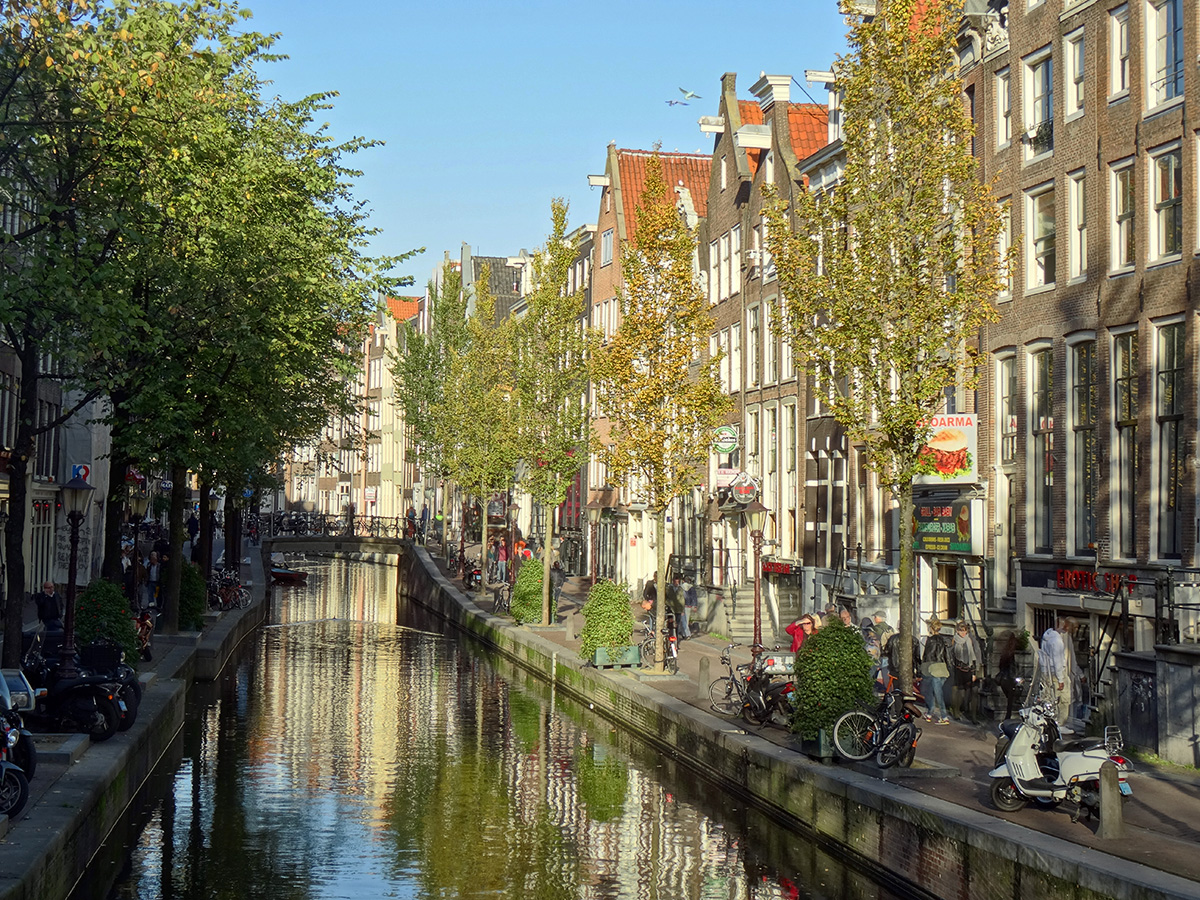
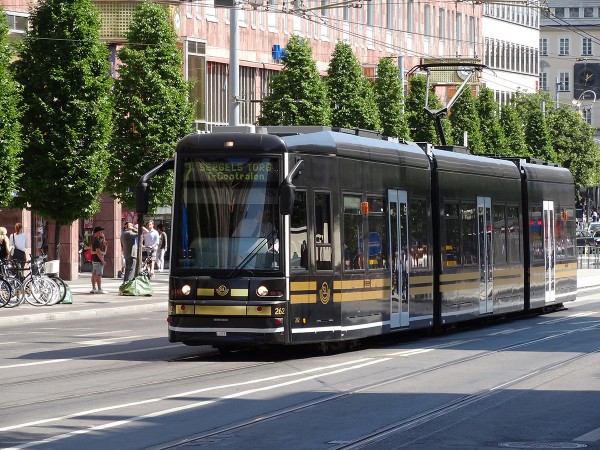 Two surveys have been released looking at the quality of life in cities and the levels of happiness of their residents. The first is a three-yearly Eurobarometer survey by the European Commission focusing on 83 European cities/conurbations. This survey finds that, despite growing concerns about immigration, terrorism and stagnant real incomes, levels of satisfaction have remained stable since the 2012 survey. In all except six cities, at least 80% of respondents say that they are satisfied to live in their city. The highest scores (above 98%) are in the north of Europe.
The second is the 2016 Quality of Life Survey (an annual survey) by the consultancy firm, Mercer. This looks at cities worldwide, particularly from the perspective of employees of multinational companies being placed abroad. The survey found that the top ten cities by quality of life include seven in Europe, and that the five safest cities in the world are all in Europe.
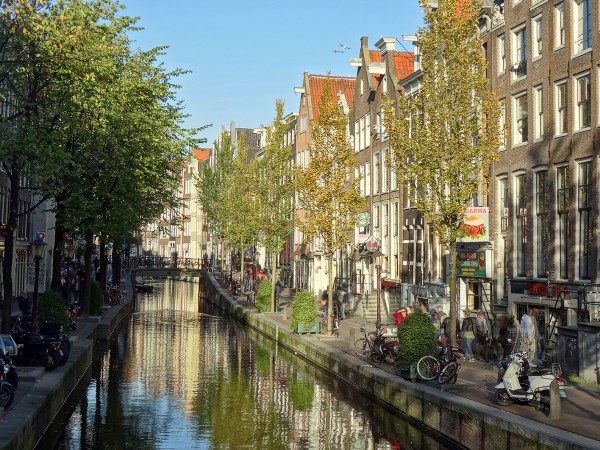 So what is it that makes the quality of life so high in many European cities, especially those in Germany, Austria, Switzerland, the Netherlands and Scandinavia? Is it that income per head is higher in these cities? In other words, is the quality of life related to GDP?
The answer is only loosely related to GDP. What seems more important is people’s income relative to other people and whether their income relative to other people is rising.
But people regard the quality of life in cities as depending on other factors than simple relative income. One factor common across all cities is household composition. People are least happy if they live on their own.
Other factors include: a feeling of safety; how well integrated different ethic and social groups are felt to be; the quality of public transport; the cleanliness of the city; health care provision and social services; the quality of schools and other educational establishments; sports facilities; cultural facilities; parks and other public spaces; the quality of shops, restaurants and other retail outlets; 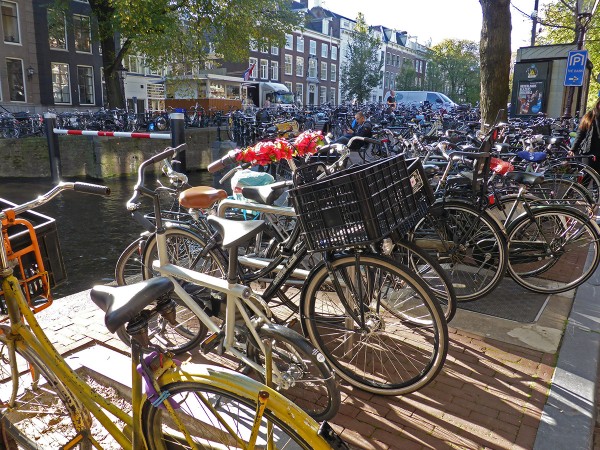 the quality and price of housing; the ease of getting a job; trust in fellow citizens; environmental factors, such as air quality, noise, traffic congestion and cleanliness; good governance of the city. The top three issues are health services, unemployment and education and training.
Although cities with higher incomes per head can usually afford to provide better services, there is only a loose correlation between income per head and quality of life in cities. Many of the factors affecting quality of life are not provided by the market but are provided publicly or are part of social interaction outside the market.
Articles
Happiness in Europe The Economist (25/2/16)
Happiness in Europe: What makes Europeans happy? It depends on where they live The Economist (27/2/16)
Rating Europe’s Most and Least Happy Cities CityLab, Feargus O’Sullivan (9/2/16)
Europe’s Nicest Cities Aren’t Its Happiest Ones Bloomberg, Therese Raphael (2/2/16)
Vienna named world’s top city for quality of life The Guardian, Patrick Collinson (23/2/16)
Vienna named world’s best city to live for quality of life, but London, New York and Paris fail to make top rankings Independent, Loulla-Mae Eleftheriou-Smith (23.2.16)
The world’s most liveable cities: London and Edinburgh rank in top 50 The Telegraph, Soo Kim (23/2/16)
Reports
Quality of Life in European Cities 2015 Flash Eurobarometer 41 (January 2016)
Quality of Life in European Cities 2015: Individual Country Reports Flash Eurobarometer 41 (January 2016) (This may take a short while to download.)
Quality of life in European Cities 2015: Data for Research Flash Eurobarometer 41 (January 2016)
2016 Quality of Living Rankings Mercer (23/2/16)
Western European Cities Top Quality of Living Ranking Mercer, Press Release (23/2/16)
Questions
- Why, do you think, is the quality of life is generally higher in (a) most northern European cities than most southern and eastern European ones; (b) most European cities rather than most north American ones?
- To what extent is (a) absolute real income per head; (b) relative real income per head an indicator of quality of living in cities?
- Why, do you think, are Italians less satisfied with the quality of life in their cities than residents of other western European countries?
- What factors affect your own quality of living? To what extent do they depend on the city/town/village/area where you live?
- Look at the list of factors above that affect quality of life in a given city. Put them in order of priority for you and identify any other factors not listed. To what extent do they depend on your age, your background, your income and your personal interests and tastes?
- Identify a particular city with which you are relatively familiar and assume that you were responsible for allocating the city’s budget. What would you spend more money on, what less and what the same? Provide a justification for your allocation.
- Discuss the following passage from the Bloomberg article: “What is striking is that there appears to be a correlation between those who report high levels of satisfaction and those who view foreigners in their city as an advantage. Conversely, respondents who complained loudest about transportation, public services, safety and other issues tended to view the presence of foreigners far less favorably.”
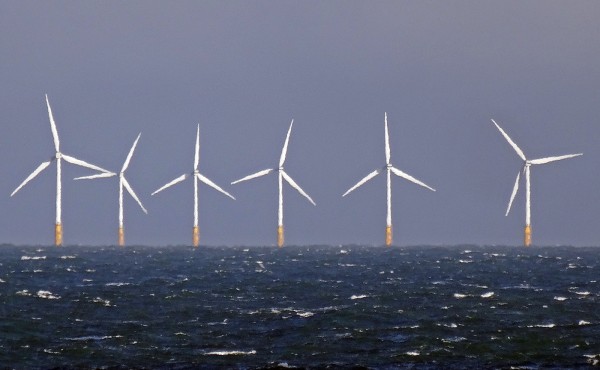 After two weeks of negotiations between the 195 countries attending the COP21 climate change conference in Paris, a deal has been reached on tackling climate change. Although the deal still has to be ratified by countries, this is a major step forward in limiting global warming. Before it can formally come into force, it must have been ratified by at least 55 countries, accounting for at least 55% of global greenhouse gas emissions.
The deal goes much further than previous agreements and includes the following:
- A limit on the increase in global temperatures to ‘well below’ 2°C above pre-industrial levels and efforts pursued to limit it to 1.5°C.
- A recognition that the pledges already made ahead of the conference by 186 countries and incorporated into the agreement are insufficient and will only limit global temperature rise to 2.7°C at best.
- Countries to update their emissions reductions commitments every five years – the first being in 2020. Such revised commitments should then be legally binding.
- A global ‘stocktake’ in 2023, and every five years thereafter, to monitor countries’ progress in meeting their commitments and to encourage them to make deeper cuts in emissions to reach the 1.5°C goal. This requires a process of measurement and verification of countries’ emissions.
- To reach a peak in greenhouse gas emissions as soon as possible and then to begin reducing them and to achieve a balance between sources and sinks of greenhouse gases (i.e. zero net emissions) in the second half of this century.
- Developed countries to provide the poorest developing countries with $100bn per year by 2020 to help them reduce emissions. This was agreed in Copenhagen, but will now be continued from 2020 to 2025, and by 2025 a new goal above $100bn per year will be agreed.
- The development of market mechanisms that would award tradable credits for green projects and emissions reductions.
- A recognition that the ‘loss and damage’ associated with climate-related disasters can be serious for many vulnerable developing countries (such as low-lying island states) and that this may require compensation. However, there is no legal liability on developed countries to provide such compensation.
Perhaps the major achievement at the conference was a universal recognition that the problem of global warming is serious and that action needs to be taken. Mutual self interest was the driving force in reaching the agreement, and although it is less binding on countries than many would have liked, it does mark a significant step forward in tackling climate change.
But why did the conference not go further? Why, if there was general agreement that global warming should be tackled and that global temperature rise should ideally be capped at 1.5°C, was there not a binding agreement on each country to apply this cap?
There are two reasons.
First, it is very difficult to predict the exact relationship, including its timing, between emissions and global temperature rise. Even if you could make limits to emissions binding, you could not make global temperature rise binding.
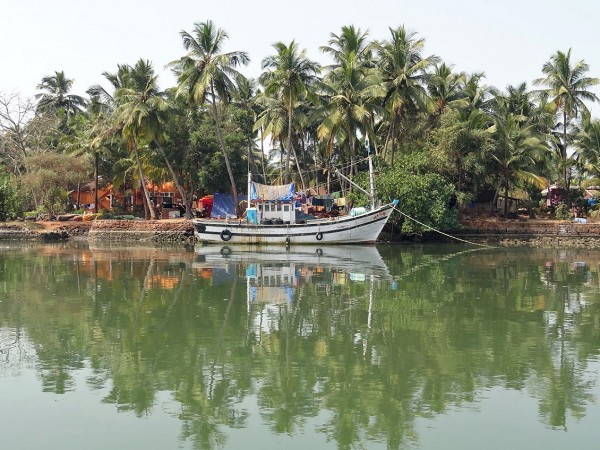 Second, even if there is general agreement about how much emissions should be reduced, there is no general agreement on the distribution of these reductions. Many countries want to do less themselves and others to do more. More specifically, poor countries want rich countries to do all the cutting while many continue to build more coal-fired power stations to provide the electricity to power economic development. The rich countries want the developing countries, especially the larger ones, such as China, India and Brazil to reduce their emissions, or at least the growth in their emissions.
Then there is the difference between what countries vaguely pledge at a global conference and what they actually do domestically. Many developed countries are keen to take advantage of currently cheap fossil fuels to power economic growth. They are also still investing in alternative sources of fossil fuels, such as through fracking.
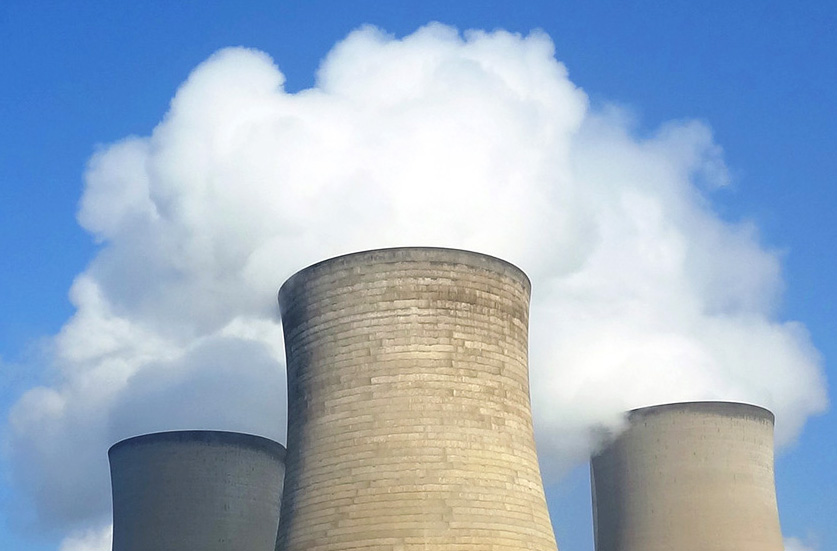 As we said in the previous blog, game theory can shed some useful insights into the nature and outcome of climate negotiations. ‘The global optimum may be for a strong agreement, binding on all countries. The Nash equilibrium, however, may be a situation where countries push for their own interests at the expense of others, with the final agreement being much more minimalistic.’
‘Minimalistic’ may be too strong a description of the outcomes of the Paris conference. But they could have been stronger. Nevertheless, judged by the outcomes of previous climate conferences, the deal could still be described as ‘historic’.
Videos
With landmark climate accord, world marks turn from fossil fuels Reuters (13/12/15)
COP21 climate change summit reaches deal in Paris BBC News (13/12/15)
COP21: Paris climate deal is ‘best chance to save planet’ BBC News (13/12/15)
COP21: Climate change deal’s winners and losers BBC News, Matt McGrath (13/12/15)
The Five Key Decisions Made in the UN Climate Deal in Paris Bloomberg, video: Nathaniel Bullard; article: Ewa Krukowska and Alex Morales (12/12/15)
The key factors in getting a deal in Paris BBC News on YouTube, Tom Burke (13/12/15)
Articles
COP21 agreement: All you need to know about Paris climate change deal Hindustan Times, Chetan Chauhan (13/12/15)
COP21: Paris agreement formally adopted Financial Times, Pilita Clark and Michael Stothard (12/12/15)
Let’s hail the Paris climate change agreement and get to work Financial Times, Jeffrey Sachs (12/12/15)
COP21: Public-private collaboration key to climate targets Financial Times, Nicholas Stern (13/12/15)
Paris climate change agreement: the deal at a glance The Telegraph, Emily Gosden (12/12/15)
Climate Accord Is a Healing Step, if Not a Cure New York Times, Justin Gillis (12/12/15)
Paris Agreement Ushers in End of the Fossil Fuel Era Slate, Eric Holthaus (12/12/15)
Paris Agreement: the reaction Business Green, James Murray and Jessica Shankleman (12/12/15)
World’s First Global Deal to Combat Climate Change Adopted in Paris Scientific American, David Biello (12/12/15)
COP21: Paris climate deal ‘our best chance to save the planet’, says Obama Independent, Tom Bawden (13/12/15)
Grand promises of Paris climate deal undermined by squalid retrenchments The Guardian, George Monbiot (12/12/15)
Paris Agreement on climate change: the good, the bad, and the ugly The Conversation, Henrik Selin and Adil Najam (14/12/15)
COP21: James Hansen, the father of climate change awareness, claims Paris agreement is a ‘fraud’ Independent, Caroline Mortimer (14/12/15)
Paris climate agreement: More hot air won’t save us from oblivion Sydney Morning Herald, Peter Hartcher (15/12/15)
Draft Agreement
Adoption of the Paris Agreement United Nations Framework Convention on Climate Change (12/12/15)
Questions
- Could the market ever lead to a reduction in greenhouse gas emissions? Explain.
- What are the main strengths and weaknesses of the Paris agreement?
- Is it in rich countries’ interests to help poorer countries to achieve reductions in greenhouse gas emissions?
- How might countries reduce the production of fossil fuels? Are they likely to want to do this? Explain.
- Is a ‘cap and trade’ (tradable permits) system (a) an effective means of reducing emissions; (b) an efficient system?
- What is the best way of financing investment in renewable energy?
 The Coalition government has pledged A$1bn for a new Reef fund, which will be dedicated to tackling climate change and water quality.