 The Digital Markets Act (DMA) outlines a new regulatory approach that the European Commission (EC) is taking to address concerns over the lack of competition in digital platform markets. The DMA complements existing European Union competition law and officially came into force on 1st November 2022.
In the first stage of this new regulatory approach, the EC identified ten core platform services (CPS). Examples include search engines, online social networking services, video sharing services, cloud computing services, web browsers and operating systems. These services act as important gateways for large numbers of businesses and consumers to interact with one another. They also have some important economic characteristics, such as large economies of scale and very strong network effects.
The next stage of the regulatory process was to assess which of the large established businesses should be designated as ‘gatekeepers’ of these CPS. To be judged as a gatekeeper, a business had to meet three qualitative criteria. Using quantitative thresholds as a guide to see if these qualitative criteria had been met, the following six companies were designated as gatekeepers by the EC in September 2023: Alphabet (Google’s parent company), Amazon, Apple, ByteDance (owner of TikTok), Meta (owner of Facebook) and Microsoft. Individual companies can be gatekeeper for more than one CPS. For example, Apple was judged to be a gatekeeper for both web browsers (Safari) and operating systems (iOS and iPadOS).
Rules and compliance
 Once a business has been designated as a gatekeeper for one or more CPS, the DMA imposes a set of rules on its future conduct. Some of these rules refer to conduct that the business must follow, while others refer to types of behaviour that are prohibited. The EC sometimes refer to these rules as a list of “do’s” and “don’ts”.
One of the rules refers to interoperability. This is the degree to which different (a) software, (b) devices and (c) other applications can work seamlessly together (i.e. share functionality/data) without requiring any actions by the user (i.e. how compatible they are with one another).
For example, consider the degree of interoperability between the operating system of a gatekeeper, such as Apple, and other hardware/software services. One of the requirements of the DMA is for the gatekeeper to provide the same degree of interoperability for the hardware/software services provided by rival businesses as they do for similar hardware/software services they supply. This is sometimes referred to as the interoperability obligation.
Once a business is designated as a gatekeeper, it has 6 months to submit a compliance report to the EC that demonstrates how it is meeting the rules set out in the DMA. This should include descriptions of any changes the company has had to make to its conduct to meet the new requirements. Further compliance reports must then be submitted on an annual basis.
If, after assessing a compliance report, the EC suspects that a gatekeeper is still acting in ways that do not comply with the DMA, then it can launch either a non-compliance or specification procedure.
The case of Apple
 Apple submitted its first compliance report on 7 March 2024. It was far less extensive than those completed by other designated gatekeepers and adopted a very different tone: it directly challenged the EC’s view that the DMA rules would have a positive impact on consumer welfare.
In September 2024, the EC launched its first two specification proceedings that focused on Apple’s compliance with the interoperability obligation.
The first of these proceedings opened a formal discussion with Apple over the interoperability between the iPhone operating system (iOS) and connected devices such as smartwatches and headphones. The proceeding identified nine features that gave the iOS greater functional compatibility with connected devices produced by Apple than with those made by other businesses. For example:
- Only users of connected devices produced by Apple can (a) receive iOS notifications that contain images or other attachments and (b) select the iOS notifications they want to appear on the device.
- Only users of Apple’s wireless headphones have intelligent audio switching functionality that allows them to switch automatically to the device playing the most relevant audio.
- The Airdrop function, which enables users to share files wirelessly between devices, only works if they are both produced by Apple.
- Only connected devices made by Apple have the functionality for high-bandwidth data transfer from an iPhone without having to rely on network or cellular connection. This is useful for gaming and AI services.
The second specification proceeding focused on the process developed by Apple to deal with requests from other businesses that wanted to develop hardware or software services that are compatible with the iOS.
On 18th December 2024, the EC informed Apple of its preliminary specification decisions and opened a consultation exercise with other interested parties about the suitability of its proposals. Once this process was completed, the EC informed Apple of its final specification decisions on 19 March 2025.
The EC’s decisions
 The first decision included a set of measures that Apple must take to improve the interoperability of connected devices produced by other businesses with the iOS. The EC stated that:
The interoperability solutions for third parties will have to be equally effective to those available to Apple and must not require more cumbersome system setting or additional user friction.
The second decision outlined measures that Apple had to take to improve the process of dealing with requests for greater compatibility with the iOS. For example, it should provide outside businesses with more (a) access to technical documentation, (b) predictable timelines for the reviews and (c) timely updates.
Apple argued that being forced to introduce these measures will (a) create significant additional costs, (b) limit its ability to develop products that work seamlessly with one another and (c) lead to its having to share sensitive customer information with its rivals.
On 30th May 2025, Apple filed an appeal against the EC’s specification decisions to the General Court of the European Union. It will be interesting to see what judgment is made on this case by the General Court and the implications this has for the enforcement of the DMA.
Video
Articles
- The EU Digital Markets Act – The Holy Grail of Big Tech Regulation?
Morrison & Foerster, Andreas Grünwald, Christoph Nüßing and Theresa Oehm (19/7/22)
- Commission starts first proceedings to specify Apple’s interoperability obligations under the Digital Markets Act
EC Press Release (19/9/24)
- Apple hits out at Meta’s numerous interoperability requests
Reuters, Foo Yun Chee (19/12/24)
- 1st Anniversary of the Digital Markets Act (DMA): Lessons learned and road ahead
Hausfeld Competition Bulletin, Ann-Christin Richter and René Galle (28/3/25)
- EU accuses Google and Apple of breaking its rules, risking Trump clash
The Guardian, Rob Davies and Dan Milmo (19/3/25)
- Brussels takes action against Google and Apple despite Trump threat
Financial Times, Barbara Moens (19/3/25)
- Brussels Takes Action Against Google And Apple Despite Trump Threat
GNC (19/3/25)
- Commission provides guidance under Digital Markets Act to facilitate development of innovative products on Apple’s platforms
EC Press Release (19/3/25)
- European Commission Fines Both Apple, Meta For DMA Breaches
Silicon UK, Tom Jowitt (23/4/25)
- Apple Appeals European Commission Order on Interoperability With Competitors’ Products
PYMNTS (2/6/25)
- https://dig.watch/updates/apple-sues-european-commission-over-dma-interoperability-ruling
The Digital Watch (6/6/25)
- Meta, Apple Launch Legal Challenges to EU DMA Rulings
PYMNTS (3/6/25)
Questions
- Identifying core platform services is similar to defining relevant markets in standard competition policy but takes a more legalistic approach. Discuss some of the problems of defining a relevant market for a digital platform.
- Outline the three qualitative criteria and the quantitative thresholds that are used by the EC to designate a digital platform as a gatekeeper of a core platform service.
- Find an example of a digital platform that met the quantitative thresholds but did not meet the qualitative criteria and so was not designated as a gatekeeper.
- Find an example of a digital platform that did not meet the quantitative thresholds but did meet the qualitative criteria and so was designated as a gatekeeper.
- Interoperability is a type of conduct that is sometimes referred to as self-preferencing: i.e. behaviour by a digital platform that gives its own products/services preferential treatment over those provided by other firms that use the same platform. What other types of conduct are possible examples of self-preferencing?
- What is the difference between a non-compliance procedure and a specification procedure? Find some recent examples of non-compliance procedures that have been undertaken by the EC to enforce the DMA.
- What are the potential advantages and disadvantages for consumer welfare of the specification decisions made by the EC?
 The enforcement of Article 102 of the Treaty on the Functioning of the European Union (TFEU) by the European Commission (EC) tends to focus on exclusionary abuses by firms with significant market power. Exclusionary abuses are actions that limit or prevent competition, as opposed to exploitative abuses that directly harm the consumer, such as charging high prices.
The treatment of exclusionary abuses has evolved over time. Initially, the approach towards enforcement was form-based (i.e. the nature of the abuses), but this changed when the EC produced new guidelines in 2009 which signalled a move to a more effects-based approach.
The EC plans to produce a new set of guidelines in 2025 and published a draft version in August 2024 as part of the consultation process with businesses and other stakeholders. These draft guidelines indicate a partial shift back to a form-based approach. Any moves in this direction made by the EC are likely to influence both national-level competition authorities and the courts.
The form-based approach to policy enforcement
A form-based approach to the enforcement of Article 102 assumes that certain types of business conduct are inherently anti-competitive except in very exceptional circumstances. In other words, there is a presumption that the characteristics or form of the behaviour mean that it must have a negative impact on competition and consumer welfare in virtually all real-world cases.
With a form-based approach to enforcement there is no requirement for the authorities to carry out detailed case-specific analyses of business conduct as part of an investigation. This had been the approach adopted by the EC before 2009. It is possible, however, that the same form of business conduct could have anti-competitive effects in some market situations but pro-competitive effects in others. The EC was criticised for not making enough allowance for the chances of this happening.
The effects-based approach to policy enforcement
 In response to this criticism the European Union published a new set of guidelines in 2009 which signalled that the enforcement of Article 102 was moving to a more effects-based approach. The effects-based approach uses economic analysis to assess the impact of a dominant firm’s conduct on a case-by-case basis. Context-specific evidence is examined by the competition authorities to see if the behaviour effectively excludes rival businesses from the market that are just as efficient as the dominant firm.
The use of economics in this effects-based approach gradually increased over time. Initially, the analysis was predominately based on theoretical arguments, but increasingly cases included sophisticated analysis of market-specific evidence using econometric models and market simulations. This, however, led to the following issues.
- The increasing use of complex economic analysis makes it more difficult to meet the evidentiary standards of the courts and prove a case. As the effects-based approach places a greater burden on the competition authorities to meet these evidentiary standards (i.e. provide evidence of case-specific anti-competitive effects of the conduct) it disproportionality affects their ability to prove cases.
- Businesses with significant market power are more likely to make large profits and so have access to greater resources than government-funded competition authorities. Therefore, they will be able to employ more economic consultants with the relevant technical expertise to (a) carry out the analysis and (b) communicate the findings effectively in a court case
This led to concerns that the competition authorities were losing cases where there was strong evidence of exclusionary conduct by the dominant firm.
In response to these concerns, the EC announced in 2023 that it would be revising its 2009 guidelines to improve enforcement of Article 102.
The draft guidelines
The draft guidelines published in August 2024 split different types of potentially anti-competitive conduct by dominant firms into three categories.
The first category includes types of conduct where there is a strong presumption of anti-competitive effects: i.e. the sole purpose of the business behaviour is to restrict competition. These types of conduct are referred to as a ‘naked restriction’ and the documentation provides the following three examples:
- making payments to customers (typically other businesses) on the condition that they cancel or postpone the launch of a product that uses inputs produced by the dominant firm’s rivals;
- threatening to withdraw discounts offered to suppliers unless they agree to supply the dominant firm’s product in place of a similar product produced by a rival firm;
- actively dismantling infrastructure used by a rival firm.
The guidelines indicate a form-based approach will be taken when investigating these types of conduct as the EC will not have to provide any case-specific evidence of anti-competitive effects. A business under investigation can challenge the presumption of anti-competitive effects with appropriate evidence, but the guidelines make it clear that this would only succeed in exceptional circumstances. In other words, it is highly unlikely that the conduct could ever be justified on pro-competitive grounds.
 The second category of anti-competitive conduct includes actions that are also presumed to have a negative impact on competition. The presumption, however, is not as strong as with naked restrictions, so firms have a better chance of proving pro-competitive effects.
There is a form-based element towards this second category of conduct as the EC will not have to provide any initial case specific evidence of anti-competitive effects. But, if a business under investigation does submit evidence to challenge the presumption of anti-competitive effects, the EC must demonstrate that (a) it has fully assessed this evidence and (b) the evidence is insufficient to prove that the conduct does have pro-competitive effects. As part of this process, the EC can provide its own case-specific evidence. Therefore, for this second category of conduct, the initial burden of proof effectively shifts from the competition authority to the firm under investigation, making it more of a form-based approach. However, if the firm uses relevant evidence to appeal its case, the burden shifts back to the competition authority and becomes a more effects-based approach.
The third category includes types of conduct where the EC must initially provide case-specific evidence that it reduces competition. For this category of conduct, the approach towards enforcement remains the same as in the 2009 guidelines and an effects-based approach is adopted.
It will be interesting to see the extent to which the final guidelines (a) follow the approach outlined in the draft guidance and (b) influence the enforcement of Article 102 by the EC and other national-level competition authorities.
Articles
Questions
- What exactly does it mean if a firm has ‘significant’ market power?
- What methods do competitions authorities use to assess whether a firm has a dominant market position?
- Explain the difference between conduct by dominant firm that is (a) an exploitative abuse of its market power and (b) an exclusionary abuse of its market power.
- Explain why a form-based approach towards the enforcement of competition policy is more likely to lead to Type 1 errors (false positives), whereas an effects-based approach is more likely to lead to Type 2 errors (false negatives).
- Provide some examples of exclusionary abuses that are not considered to be naked restrictions.
- Competition policy guidance documents commonly refer to ‘competition on the merits’. What is the precise meaning of this term?
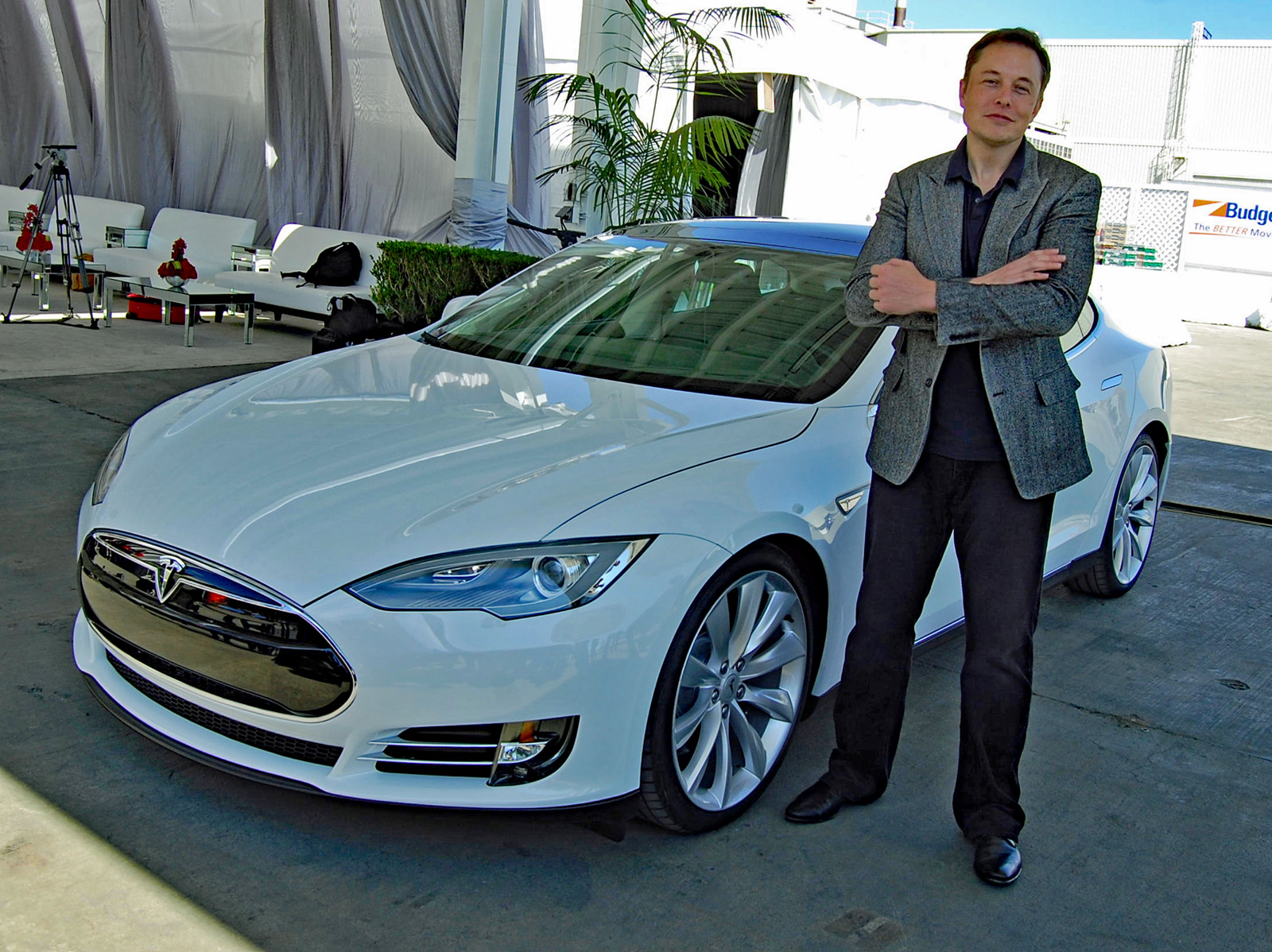 Tesla sales have fallen dramatically recently. In Europe they were down 47.7% in January 2025 compared with January 2024. In Spain the figure was 75.4%, in France 63.4%, in Germany 59.5%, in Sweden 44.3%, in Norway 37.9%, in the UK 18.2% and in Italy 13.4%. And it was not just Europe. In Australia the figure was 33.2%, in China 15.5% and in California 11.6%. Meanwhile, Tesla’s share price has fallen from a peak of $480 on 17 December 2024 to $338 on 21 February 2025, although that compares with $192 in February 2024.
So why have Tesla sales fallen? It’s not because of a rise in price (a movement up the demand curve); indeed, Tesla cut its prices in 2024. Part of the reason is on the supply side. In several countries, stocks of Teslas are low. Some consumers who would have bought have had to wait. However, the main reason is that the demand curve has shifted to the left. So why has this happened?
A reaction to Elon Musk?
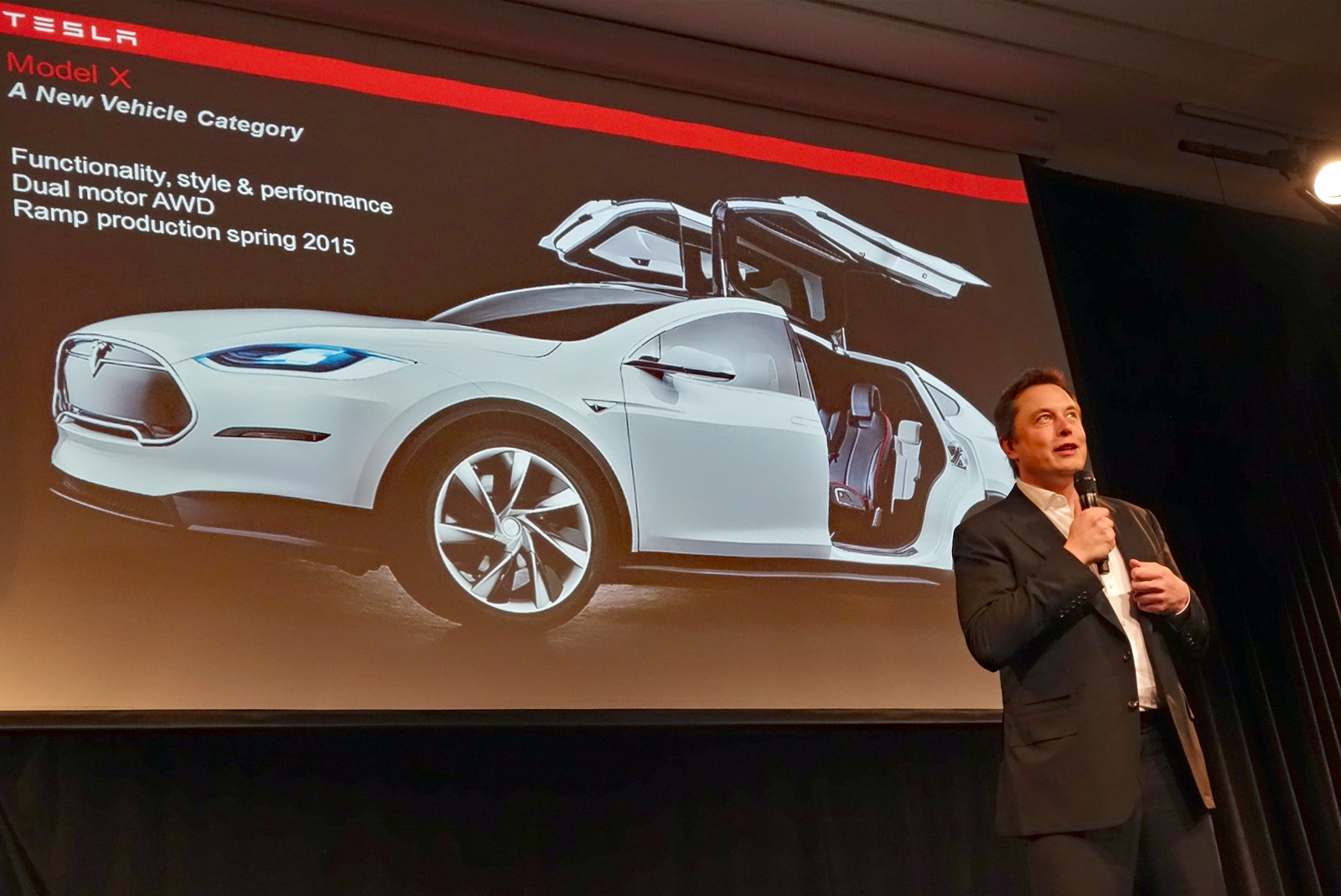 One explanation is a growing unpopularity of Elon Musk among many potential purchasers of electric vehicles (EVs). People are more likely to buy an EV if they are environmentally concerned and thus more likely to be Green voters or on the political left and centre. Elon Musk, by supporting Donald Trump and now a major player in the Trump administration, is seen as having a very different perspective. Trump’s mantra of ‘drill, baby drill’ and his announced withdrawal from the Paris agreement and the interventions of Trump, Vance and Musk in European politics have alienated many potential purchasers of new Teslas. Elon Musk has been a vocal supporter of the right-wing Alternative for Germany (AfD) party, describing the party as the ‘last spark of hope for this country’ (see BBC article linked below).
There has been outspoken criticism of Musk in the media and the Financial Times reports existing owners of Teslas, who are keen to distance themselves from Musk, ordering stickers for their cars which read ‘I bought this before Elon went crazy’. In a survey by Electrifying.com, 59% of UK potential EV buyers stated that Musk’s reputation put them off buying a Tesla.
Other reasons for a leftward shift in the demand for Teslas
But is it just the ‘Musk factor’ that has caused a fall in demand? It is useful to look at the general determinants of demand and see how each might have affected the demand for Teslas.
The price, number, quality and availability of substitutes Tesla faces competition, not only from long-established car companies, such as Ford, VW, Volvo/Polestar, Seat/Cupra and Toyota, moving into the EV market, but also from Chinese companies, such as BYD and NIO. These are competing in all segments of the EV market and competition is constantly increasing. Some of these companies are competing strongly with Tesla in terms of price; others in terms of quality, style and imaginative features. The sheer number of competitor models has grown rapidly. For some consumers, Teslas now seem dated compared with competitors.
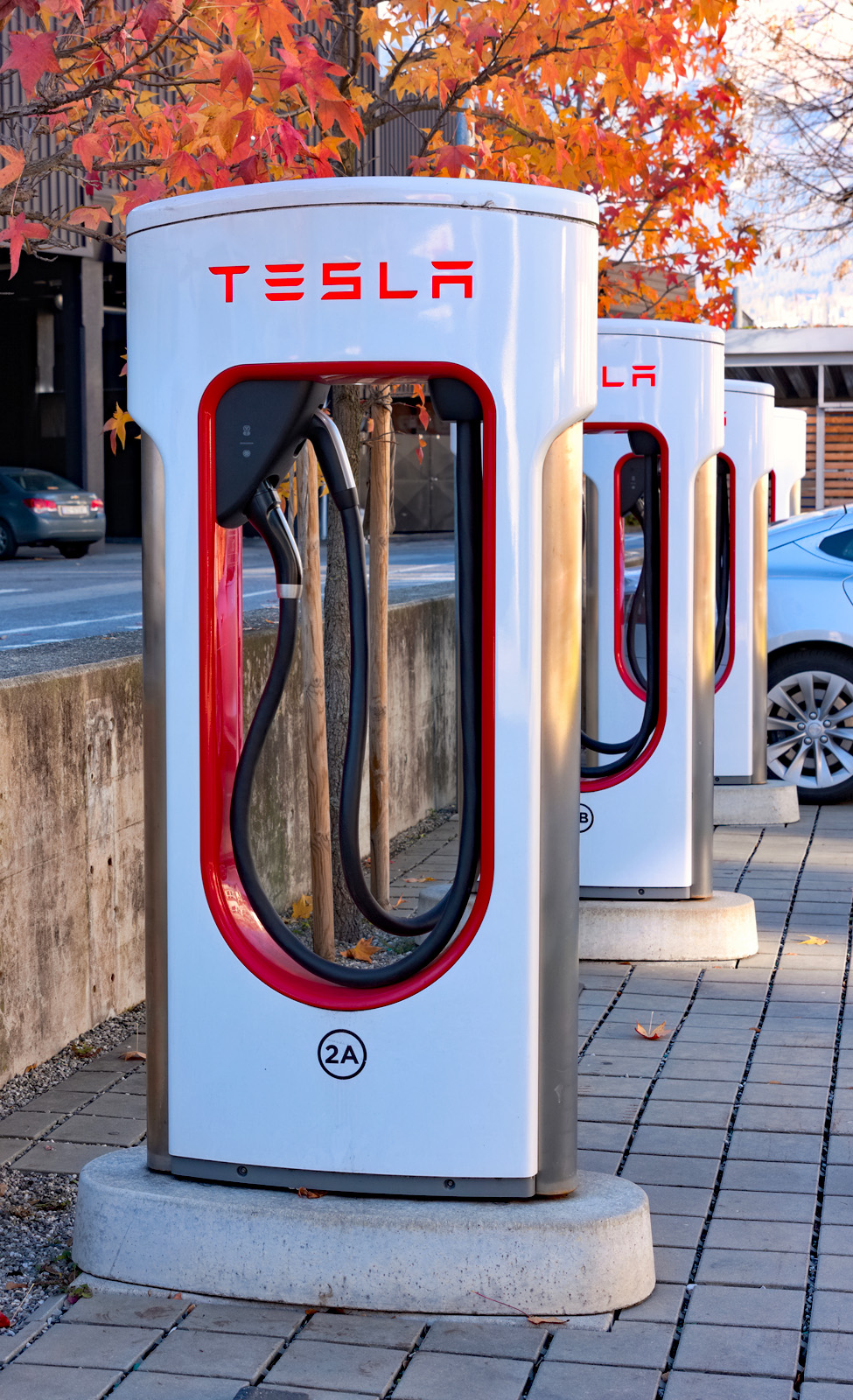 The price and availability of complements. The most relevant complement here is electrical charging points. As Teslas can be charged using both Tesla and non-Tesla charging points, there is no problem of compatibility. The main issue is the general one for all EVs and that is how to achieve range conveniently. The fewer the charging points and more widely disbursed they are, the more people will be put off buying an EV, especially if they are not able to have a charging point at home. Clearly, the greater the range of a model (i.e. the distance that can be travelled on a full battery), the less the problem. Teslas have a relatively high range compared with most (but not all) other makes and so this is unlikely to account for the recent fall in demand, especially relative to other makes.
Expectations. The current best-selling Tesla EV is the Model Y. This model is being relaunched in a very different version, as are other Tesla models. Consumers may prefer to wait until the new models become available. In the meantime, demand would be expected to fall.
Conclusions
As we have seen, there have been a number of factors adversely affecting Tesla sales. Growing competition is a major factor. Nevertheless, the increasing gap politically between Elon Musk and many EV consumers is a major factor – a factor that is likely to grow in significance if Musk’s role in the Trump administration continues to be one of hostility towards the liberal establishment and in favour of the hard right.
Articles
- Tesla’s sales plummet across Europe
Financial Times, Patricia Nilsson, Laura Pitel and Kana Inagaki (6/2/25)
- Tesla sales plummet nearly 50% in Europe – what’s behind the drop?
motor1.com, Brian Potter (5/2/25)
- Elon Musk is putting buyers off Tesla, survey reveals
Electrifying.com, Tom Barnard (27/1/25)
- ‘I felt nothing but disgust’: Tesla owners vent their anger at Elon Musk
The Guardian, Ashifa Kassam (25/2/25)
- Elon Musk is putting consumers off buying Tesla cars with his behaviour, research suggests
indy100, Ellie Abraham (27/1/25)
- Are Elon Musk’s politics costing Tesla sales?
CNN, Chris Isidore (18/2/25)
- Is Tesla’s sales slump down to Elon Musk?
The Conversation, James Obiegbu and Gretchen Larsen (11/2/25)
- Tesla Sales Are Tanking Across The World
InsideEVs, Patrick George (8/2/25)
- Is Elon Musk steering Tesla into a brand crisis?
The Drum, Audrey Kemp (29/1/25)
- Why are Tesla sales down? Elon Musk’s politics may be to blame
The Standard, Saqib Shah (18/2/25)
- Tesla sales slump on ageing line up, competition
Argus, Chris Welch (12/2/25)
- Trends in electric vehicle charging, Global EV Outlook 2024
International Energy Agency (23/4/24)
- What Are Tesla’s (TSLA) Main Competitors?
Investopedia, Peter Gratton (1/2/25)
- Europe leaders criticise Musk attacks
BBC News, Paul Kirby & Laura Gozzi (7/1/25)
- German far-right leader Weidel woke up to missed call from Elon Musk
Yahoo News, dpa international (24/2/25)
- ‘Major brand worries’: Just how toxic is Elon Musk for Tesla?
The Guardian, Dan Milmo and Jasper Jolly (8/3/25)
Questions
- Why have BYD EV sales risen so rapidly?
- If people feel strongly about a product on political or ethical grounds, how is that likely to affect their price elasticity of demand for the product?
- Find out how Tesla shareholders are reacting to Elon Musk’s behaviour.
- Find out how Tesla sales have changed among (a) Democratic voters and (b) Republican voters in the USA. How would you explain these trends?
- Identify some products that you would or would not buy on ethical grounds. How carefully have you researched these products?
 During the pandemic, most people who were not furloughed were forced to work from home. After lockdown restrictions were lifted, many employers decided to continue with people working remotely, at least for some of the time.
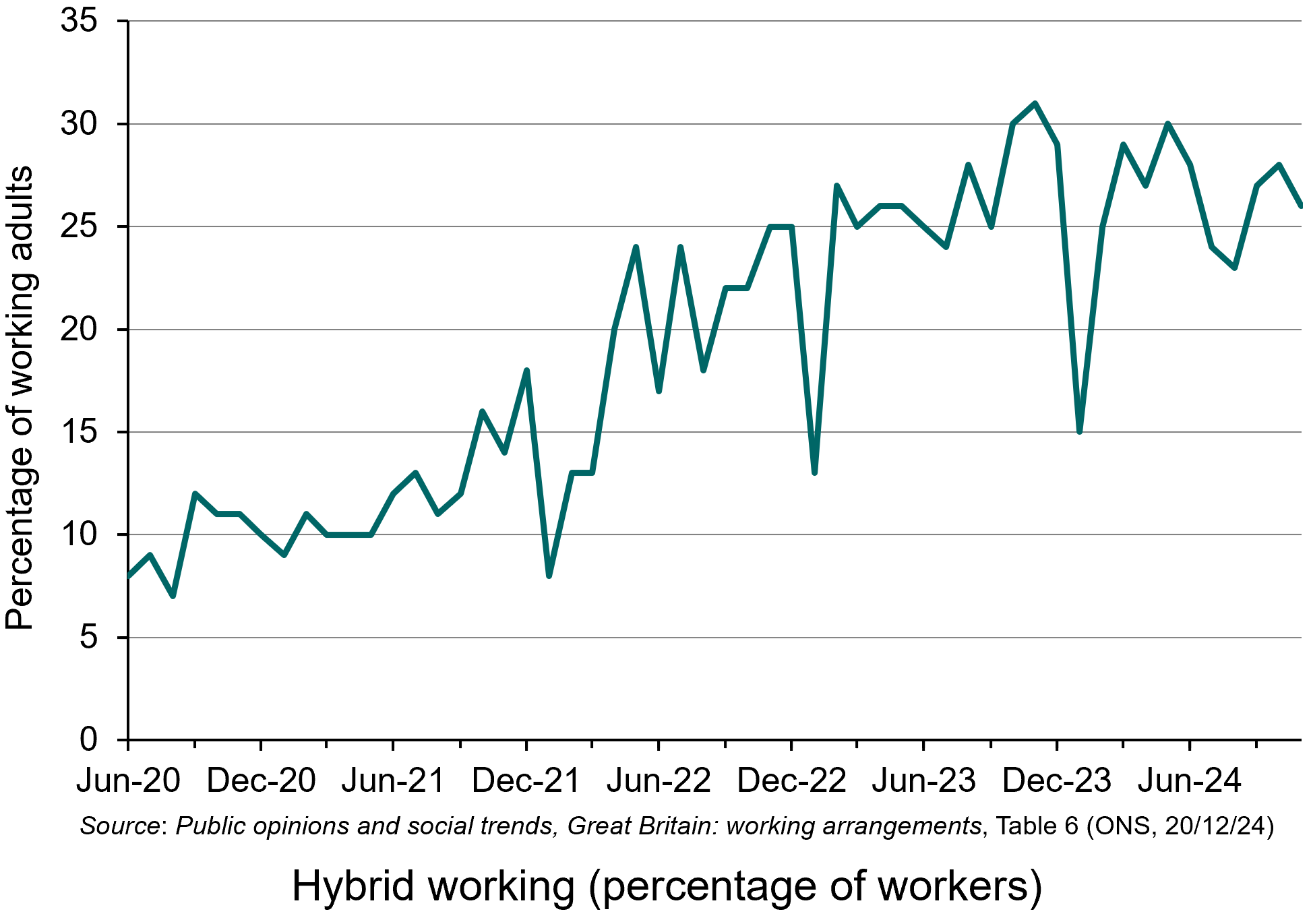
Today, this hybrid model, whereby workers work partly from home or local workspaces and partly in the office/factory/warehouse etc., has become the ‘new normal’ for around 26% of the working population in Great Britain – up from around 10% at the end of the national lockdowns in the Spring of 2021.
 Increasingly, however, employers who had introduced hybrid working are requiring their employees to return to the office, arguing that productivity and hence profits will rise as a result. Amazon is an example. Other employers, such as Asda, are increasing the time required in the office for hybrid workers.
Hybrid working had peaked at around 31% in November 2923 as the chart shows (click here for a PowerPoint). The chart is based on the December 20 database, Public opinions and social trends, Great Britain: working arrangements from the Office for National Statistics (see link under Data, below).
But why are some employers deciding that hybrid working is less profitable than working full time in the office. And does it apply to all employers and all employees or only certain types of firm and certain types of job?
The first thing to note is that hybrid work is more common among certain groups. These include older workers, parents, graduates and those with greater flexibility in scheduling their work, especially those in managerial or professional roles with greater flexibility. Certain types of work on the other hand do not lend themselves to hybrid work (or working completely from home, for that matter). Shop workers and those providing a direct service to customers, such as those working in the hospitality sector, cannot work remotely.
Benefits of hybrid working
For some employees and employers, hybrid working has brought significant benefits.
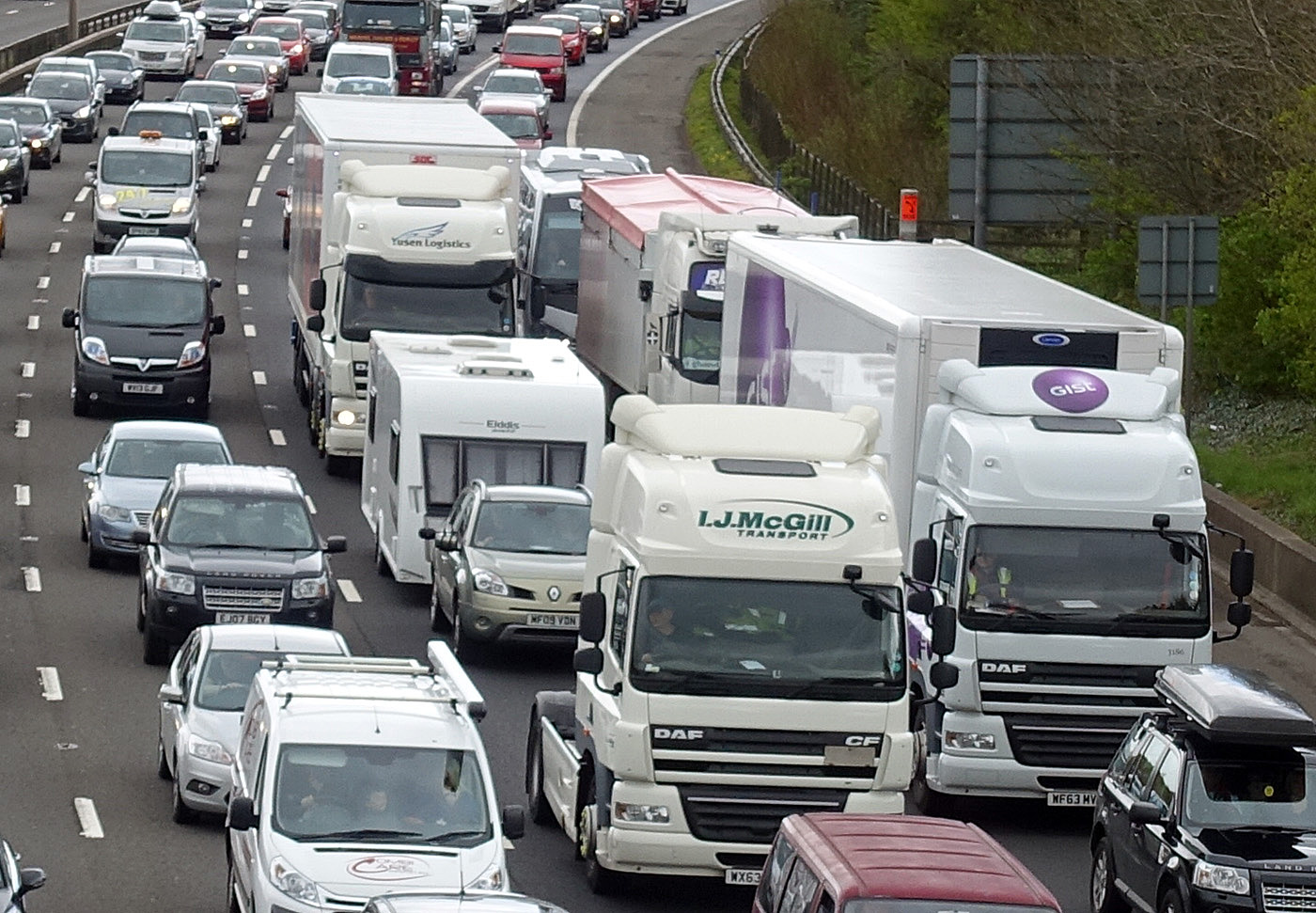 For employees, less time and money is spent on commuting, which accounts for nearly an hour’s worth of the average worker’s daily time. According to the ONS survey, respondents spent an additional 24 minutes per day on sleep and rest and 15 minutes on exercise, sports and other activities that improved well-being compared to those who worked on-site. Working at home can make juggling work and home life easier, especially when workers can work flexible hours during the day, allowing them to fit work around family commitments.
Employers benefit from a healthier and more motivated staff who are more productive and less likely to quit. Hybrid work, being attractive to many workers, could allow employers to attract and retain talented workers. Also, employees may work longer hours if they are keen to complete a task and are not ‘clocking off’ at a particular time. Working from home allows workers to concentrate (unless distracted by other family members!).
By contrast, office working can be very inefficient, especially in open offices, where chatty colleagues can be distracting and it is difficult to concentrate. What is more, employees who are slightly unwell may continue working at home but may feel unable to commute to the office. If they did, they could spread their illness to other colleagues. Not allowing people to work from home can create a problem of ‘presenteeism’, where people feeling under the weather turn up to work but are unproductive.
One of the biggest benefits to employers of hybrid work is that costs can be saved by having smaller offices and by spending less on heating, lighting and facilities.
With hybrid working, time spent on site can be devoted to collaborative tasks, such as meetings with colleagues and customers/suppliers and joint projects where face-to-face discussion is required, or at least desirable. Tasks can also be completed that required specialist equipment or software not available at home.
Problems of hybrid working
So, if hybrid working has benefits for both employers and employees, why are some employers moving back to a system where employees work entirely on site?
 Some employers have found it hard to monitor and engage employees working from home. Workers may be easily distracted at home by other family members, especially if they don’t have a separate study/home office. People may feel detached from their co-workers on days they work from home. After a time, productivity may wane as workers find ways of minimising the amount of time actually working during declared work times.
Far from improving work-life balance, for some workers the boundaries between work and personal life can become blurred, which can erode the value of personal and family time. This can create a feeling of never escaping from work and be demotivating and reduce productivity. Employees may stay logged on longer and work evenings and weekends in order to complete tasks.
Unless carefully planned, on days when people do go into the office they might not work effectively. They may be less likely to have profitable ad hoc conversations with co-workers, and meetings may be harder to arrange. Misunderstandings and miscommunication can occur when some employees are in the office but others are at home.
Some employers have found that the problems of hybrid working in their organisations have outweighed the benefits and that productivity has fallen. In justifying its ending of hybrid working from 1 January 2025, Amazon CEO, Andy Jessy, wrote in a memo to staff in September 2024:
To address the … issue of being better set up to invent, collaborate, and be connected enough to each other and our culture to deliver the absolute best for customers and the business, we’ve decided that we’re going to return to being in the office the way we were before the onset of COVID. When we look back over the last five years, we continue to believe that the advantages of being together in the office are significant.1
But is the solution to do as Amazon is doing and to abandon hybrid working and have a mass ‘return to the office’?
Improving hybrid working
There are ways of making hybrid working more effective so that the benefits can be maximised and the costs minimised.
Given that there are specific benefits from home working and other specific benefits from working on-site, it would be efficient to allocate time between home and office to maximise these benefits. The optimum balance is likely to vary from employer to employer, job to job and individual to individual.
 Where work needs to be done in teams and where team meetings are an important element of that work, it would generally make sense for such meetings to be held in person, especially when there needs to be a lot of discussion. If the team requires a brief catch up, however, this may be more efficiently done online via Teams or Zoom.
Individual tasks, on the other hand, which don’t require consultation with colleagues or the use of specific workplace facilities, are often carried out more efficiently when there is minimum chance of interruption. For many workers, this would be at home rather than in an office – especially an open-plan office. For others without a protected work space at home or nearby, it might be better to come into the office.
The conclusion is that managers need to think carefully about the optimum distribution between home and office working and accept that a one-size-fits-all model may not be optimum for all types of job and all workers. Recognising the relative benefits and costs of working in different venues and over different hours may help to achieve the best balance, both for employers and for workers. A crucial element here is the appropriate use of incentives. Workers need to be motivated. Sometimes this may require careful monitoring, but often a more hands-off approach by management, with the focus more on output and listening to the concerns of workers, rather than on time spent, may result in greater productivity.
1Message from CEO Andy Jassy: Strengthening our culture and teams, Amazon News (16/9/24)
Articles
- Hybrid working is the ‘new normal’, according to ONS
Personnel Today, Jo Faragher (11/11/24)
- Hybrid working is here to stay but needs better managing
Business Live, Dylan Jones-Evans (18/11/24)
- The permanently imperfect reality of hybrid work
BBC: Worklife, Alex Christian (11/12/23)
- The diminishing returns of in-office mandates
BBC: Worklife, Alex Christian (12/6/24)
- The Advantages and Challenges of Hybrid Work
Gallup: Workplace, Ben Wigert and Jessica White (14/9/22)
- 9 Challenges of hybrid working and how you should tackle them
Manager Talks, Ankita (10/3/24)
- 5 Challenges of Hybrid Work — and How to Overcome Them
Harvard Business Review, Martine Haas (15/2/22)
- Post-Christmas blues as UK bosses try to turn back clock on hybrid working
The Guardian, Joanna Partridge (3/1/25)
- ‘It didn’t come as a surprise’: UK workers on being forced back into the office
The Guardian, Rachel Obordo (3/1/25)
- Amazon tells staff to get back to office five days a week
BBC News, Natalie Sherman (16/9/24)
- Inequality in flexible working dividing Britain into ‘two-tier workforce’
The Guardian, Joanna Partridge (27/1/25)
Data
Questions
- Why may hybrid working be better for (a) employees and (b) employers than purely home working or purely working in the office?
- Why are many firms deciding that workers who were formerly employed on a hybrid basis should now work entirely from the office?
- What types of job are better performed on site, or with only a small amount of time working from home?
- What types of job are better performed by working at home with just occasional days in the office?
- Does the profile of workers (by age, qualifications, seniority, experience, family commitments, etc) affect the likelihood that they will work from home at least some of the time?
- How would you set about measuring the marginal productivity of a worker working from home? Is it harder than measuring the marginal productivity of the same worker doing the same job but working in the office?
- How may working in the office increase network effects?
- How may behavioural economics help managers to understand the optimum balance of home and on-site working?
 On Saturday 31 August, tickets for the much-heralded Oasis reunion tour went on sale through the official retailer, Ticketmaster. When the company sells tickets, the acts or their promoters can choose whether to use a static pricing system, where each type of ticket is sold at a set price until they have all been sold. Or they can use a dynamic pricing system (‘in-demand’ or ‘platinum’ tickets, as Ticketmaster calls them), where there is a starting price quoted, but where prices then rise according to demand. The higher the demand, the more the price is driven up. Acts or their promoters have the option of choosing an upper limit to the price.
Dynamic pricing
The Oasis tickets were sold under the dynamic pricing system, a system previously used for Harry Styles, Bruce Springsteen, Coldplay and Blackpink concerts, but one rejected by Taylor Swift for her recent Eras tour. Standing tickets for the Oasis concert with a face value of around £135 were quickly being sold for over £350. There were long online queues, with the prices rising as people slowly moved up the queue. When they reached the front, they had to decide quickly whether to pay the much higher price. Some people later suffered from buyer’s remorse, when they realised that in the pressure of the moment, they had paid more than they could afford.
Dynamic pricing is when prices change with market conditions: rising at times when demand exceeds supply and falling when supply exceeds demand. It is sometimes referred to as ‘surge pricing’ to reflect situations when price surges in times of excess demand.
Dynamic pricing is a form of price discrimination. It is an imperfect form of first-degree price discrimination, which is defined as people being charged the maximum price they are willing to pay for a product. Pricing in an eBay auction comes close to first-degree price discrimination. With dynamic pricing in the ticket market, some people may indeed pay the maximum, but others earlier in the queue will be lucky and pay less than their maximum.
Ticketmaster justifies the system of dynamic pricing, saying that it gives ‘fans fair and safe access to the tickets, while enabling artists and other people involved in staging live events to price tickets closer to their true market value’. The company argues that if the price is below the market value, a secondary market will then drive ticket prices up. Ticket touts will purchase large amounts of tickets, often using bots to access the official site and then resell them at highly inflated prices on sites such as Viagogo and Stubhub, where ticket prices for popular acts can sell for well over £1000. The day after Oasis tickets went on sale, Viagogo had seats priced at up to £26 000 each!
Oasis and Ticketmaster have tried to stamp out the unofficial secondary market by stating that only tickets bought through the official retailers (Ticketmaster, Gigsandtours and SeeTickets) will be valid. If fans want to resell a ticket – perhaps because they find they can no longer go – they can resell them on the official secondary market though Ticketmaster’s Fan-to-Fan site or Twickets. These official secondary sites allow holders of unwanted tickets to sell them for anything up to the original face value, but no more. Buyers pay a 12% handling fee. It remains to be seen whether this can be enforced with genuine tickets resold on the secondary market.
Examples of dynamic pricing
 Dynamic pricing is not a new pricing strategy. It has been used for many years in the transport, e-commerce and hospitality sectors. Airlines, for example, have a pricing model whereby as a flight fills up, so the prices of the seats rise. If you book a seat on a budget airline a long time in advance, you may be able to get it at a very low price. If, on the other hand, you want a seat at the last minute, you may well have to pay a very high price. The price reflects the strength of demand and its price elasticity. The business traveller who needs to travel the next day for a meeting will have a very low price sensitivity and may well be prepared to pay a very high price indeed. Airlines also learn from past behaviour and so some popular routes will start at a higher price. A similar system of dynamic pricing is used with advance train tickets, with the price rising as trains get booked up.
The dynamic pricing system used by airlines and train companies is similar, but not identical, to first-degree price discrimination. The figure below illustrates first-degree price discrimination by showing a company setting the price for a particular product.
Assume initially that it sets a single profit-maximising price. This would be a price of P1, at an output of Q1, where marginal revenue (MR) equals marginal cost (MC). (We assume for simplicity that average and marginal costs are constant.) Total profit will be area 1: i.e. the blue area ((P1 – AC) × Q1). Area 2 represents consumer surplus, with all those consumers who would have been prepared to pay a price above P1, only having to pay P1.
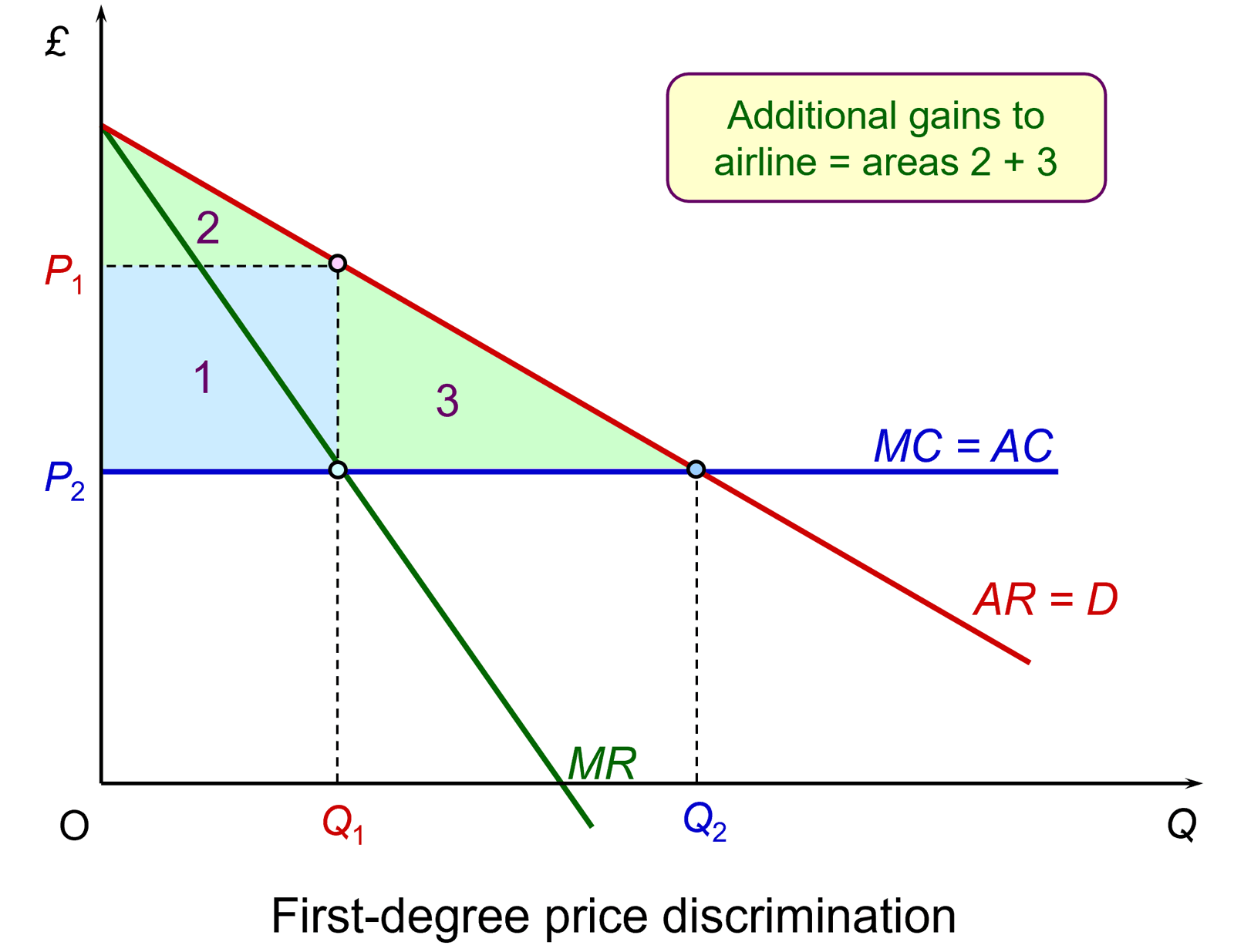 Now assume that the firm uses first-degree price discrimination, selling each unit of the product at the maximum price each consumer is willing to pay. Starting with the consumer only willing to pay a price of P2, the price will go on rising up along the demand with each additional consumer being charged a higher price up to the price where the demand curve meets the vertical axis. In such a case, the firm’s profit would be not just the blue area, but also the green areas 2 and 3. Note that there is no consumer surplus as area 2 is now part of the additional profit to the firm.
Although dynamic pricing by airlines is similar to this model of first-degree price discrimination, in practice some people will be paying less than they would be willing to pay and the price goes up in stages, not continuously with each new sale of a ticket. Thus, compared with a fixed price per seat, the additional profit will be less than areas 2 + 3, but total profit will still be considerably greater than area 1 alone. Note also that there is a maximum quantity of seats (Qmax), represented by a full flight. The airline would hope that demand and its pricing model are such that Qmax is less than Q2.
Dynamic pricing also applies in the hospitality sector, as hotels raise the prices for rooms according to demand, with prices at peak times often being considerably higher than off-season prices. Rather then pre-setting prices for particular seasons, dates or weekends/weekdays, many hotels, especially chains and booking agents, adjust prices dynamically as demand changes. Airbnb offers property owners what it calls ‘Smart Pricing’, where nightly prices change automatically with demand.
 Another example is Uber, which uses dynamic pricing to balance demand and supply location by location. In times of peak demand on any route, the company’s algorithm will raise the price. This will encourage people to delay travelling if they can or use alternative means of transport. It will also encourage more Uber drivers to come to that area. In times of low demand, the price will fall. This will encourage more people to use the service (rather than regular taxis or buses) and discourage drivers from working in that area.
Where dynamic pricing varies with the time or date when the purchase is made, it is sometimes referred to as inter-temporal pricing. It is a form of second-degree price discrimination, which is where a firm offers consumers a range of different pricing options for the same or similar products.
Another example of dynamic pricing, which is closer to first-degree price discrimination is the use of sophisticated algorithms and AI by Amazon, allowing it to update the prices of millions of products many times a day according to market conditions. Another is eBay auctions, where the price rises as the end date is reached, according to the willingness to pay of the bidders.
Attitudes to dynamic pricing
Consumers have grown accustomed to dynamic pricing in many industries. People generally accept the pricing model of budget airlines, for example. What makes it acceptable is that most people feel that they can take advantage of early low-priced seats and can compare the current prices on different flights and airlines when making their travel plans. Pricing is transparent. With the Oasis concert, however, there wasn’t the same degree of price transparency. Many people were surprised and dismayed to find that when they got to the front of the online queue, the price had risen dramatically.
People are familiar of dynamic pricing in the context of price cuts to shift unsold stock. Supermarkets putting stickers on products saying ‘reduced for quick sale’ is an example. Another is seasonal sales. What is less acceptable to many consumers is firms putting up prices when demand is high. They see it a profiteering. Many supermarkets are introducing electronic shelf labels (ESLs), where prices can be changed remotely as demand changes. Consumers may react badly to this if they see the prices going up. The supermarket, however, may find it a very convenient way of reducing prices to shift stock – something consumers are hardly likely to complain about.
 Returning to the Oasis tour, the UK government responded to the outrage of fans as ticket prices soared. Culture Secretary, Lisa Nandy, announced that the government will investigate how surge pricing for concert tickets is used by official retailers, such as Ticketmaster. This will be part of a planned review of ticket sales that seeks to establish a fairer and more transparent system of pricing.
The problem is that, with some fans being prepared to pay very high prices indeed to see particular acts and with demand considerably exceeding supply at prices that fans would consider reasonable, some way needs to be found of rationing demand. If it is not price, then it will inevitably involve some form of queuing or rationing system, with the danger that this encourages touts and vastly inflated prices on the secondary market.
Perhaps a lesson can be drawn from the Glastonbury Festival, where prices are fixed, people queue online and where security systems are in place to prevent secondary sales by ticket touts. The 2024 price was set at £355 + a £5 booking fee and purchasers were required to register with personal details and a photo, which was checked on admission.
Update
On 5 September, the CMA announced that it was launching an investigation into Ticketmaster over the Oasis concert sales. Its concerns centred on ‘whether buyers were given clear and timely information, and whether consumer protection law was breached’. This followed complaints by fans that (i) they were not given clear and timely information beforehand that the tickets involved dynamic pricing and warned about the possible prices they might have to pay and (ii) on reaching the front of the queue they were put under pressure to buy tickets within a short period of time.
Meanwhile, band member stated that they were unaware that dynamic pricing would be used and that the decision to use the system was made by their management.
Videos
Articles
- Oasis ticket sales – everything you need to know about reunion
BBC News (27/8/24)
- Ticketmaster demand-based pricing system criticised
BBC News, Annabel Rackham (10/10/22)
- I loved Oasis – until I saw Ticketmaster’s dynamic pricing
Metro, Issy Packer (2/9/24)
- A supersonic swindle: my £1,423 Oasis Ticketmaster hell
The Guardian, Josh Halliday (1/9/24)
- Bands urged to oppose dynamic pricing of concert tickets after Oasis ‘fiasco’
The Guardian, Josh Halliday and Rob Davies (1/9/24)
- Oasis tickets: what is dynamic pricing and why is it used for live music?
The Guardian, Rob Davies (1/9/24)
- Viagogo defends reselling Oasis tickets for thousands of pounds as ‘legal’
City A.M. (31/8/24)
- Oasis fans face ‘eye-watering’ resale ticket prices
i News, Adam Sherwin (30/8/240
- Would you really pay €500 for an Oasis ticket?
RTE Brainstorm, Emma Howard (3/9/24)
- When ‘dynamic pricing’ works – and when it doesn’t
Investors’ Chronicle, Hermione Taylor (11/12/23)
- The pros, cons and misconceptions of dynamic pricing for retailers
Computer Weekly, Glynn Davis (20/6/24)
- Dynamic Pricing (Taylor’s Version)
Linkedin, Economic Insight (10/7/23)
- Dynamic pricing: successful companies that use this pricing strategy
PriceTweakers, Simon Gomez (25/5/24)
- Five lessons for businesses investigating dynamic pricing
FT Strategies
- Inflated Oasis ticket prices ‘depressing’ – government promises review of dynamic pricing
Sky News (2/9/24)
- Lisa Nandy hits out at ‘incredibly depressing’ Oasis ticket sale and orders probe into surge pricing
Independent, Archie Mitchell (2/9/24)
- Oasis ticket row: How Ticketmaster’s owner has grip on UK live music scene
BBC News, Chi Chi Izundu and James Stewart (4/9/24)
- CMA launches investigation into Ticketmaster over Oasis concert sales
CMA Press Release (5/9/24)
- Revealed: the touts offering Oasis tickets for thousands on resale sites
The Guardian, Rob Davies, Hannah Al-Othman and Tiago Rogero (7/9/24)
Questions
- What is the difference between dynamic pricing and surge pricing?
- What is buyer’s remorse? How could dynamic pricing be used while minimising the likelihood of buyer’s remorse?
- Distinguish between first-degree, second-degree and third-degree price discrimination. Do the various forms of dynamic pricing correspond to one or more of these three types?
- Distinguish between consumer and producer surplus. How may dynamic pricing lead to a reduction in consumer surplus and an increase in producer surplus?
- Should Ticketmaster sell tickets on the same basis as tickets for the Glastonbury Festival?
- Is Oasis a monopoly? What are the ticket pricing implications?
- Are there any industries where firms would not benefit from dynamic pricing? Explain.
- What are the arguments for and against allowing tickets to be sold on the secondary market for whatever price they will fetch?
- How powerful is Ticketmaster in the primary and secondary ticket markets?
 Can the EU curb tech giants’ power?