German Engineering has dominated for decades and is seen as the pinnacle of quality and the key to manufacturing long-lasting products. But are long-lasting products a good strategy for a company? If products break quickly, customers need to replace them and this encourages more spending. But does this encourage customers to switch to other suppliers? Instead, do high quality products that don’t require replacement but demand a higher price offset this lack of repeat custom?
Markus Miele is the Chief Executive of Miele, the German domestic appliance manufacturer and he takes a personal interest in his products and customers. Typical appliances from Miele can cost up to twice as much as similar appliances from other companies and yet this company is going from strength to strength. Rather than selling products that need frequent replacements, Miele is proud of its strategy to retain customers by selling products at a very high price, knowing that they will last for years. Customers appear equally willing to pay this high price for big consumer durables and their long-lasting nature is clearly encouraging its customers to buy other products too. This strategy has been so successful that other big companies are now targeting these customers. Anthony Williams, from GfK said:
“Evidence suggests manufacturers are putting in money to ensure good build quality…There are so many standards that now have to be adhered to, particularly for hi-tech products, by the nature of the product they have to make sure the [manufacturing] environment is very carefully monitored.”
The following article from BBC News considers the market for domestic appliances and the role of durability.
Can you charge double and still keep your customers coming back? BBC News, Lucy Hooker (2/10/15)
Questions
- How important is the concept of price elasticity of demand in determining a company’s strategy?
- If other firms are targeting a similar strategy to that of Miele, what might this mean for prices?
- How does the brand ‘made in Germany’ affect the demand for a product? Is there imperfect information here?
- With increase competition, companies such as Miele may be pressured into moving into cheaper production markets. How would this affect the company?
- Will the recent scandal at VW have a negative impact on companies such as Miele who rely on the ‘brand Germany’?
 The 2015 Rugby World Cup is now well under-way, with record crowds, surprising results and some heartbreak. But what about the economic impact of the Rugby World Cup? Big sporting events bring in spectators (estimated to be 466,000), athletes and crucially they all spend money. But what happens when the host country doesn’t make it through? Unfortunately for all England fans out there, this is a very relevant question.
Go to the area surrounding a stadium on the day of a rugby world cup match and you will barely find a pub with any room to move. Spending on drinks and food in local pubs and restaurants on match days is extremely high and many hotels are at breaking point with reservations. Predictions were that there would be an increase in direct expenditure by international visitors of £869 million. A report by Ernst and Young looked at the Economic Impact of the Rugby World Cup 2015 and it provides detailed analysis of how such sporting events can generate benefits to the host nation. The highlights are:
- £2.2 billion of output into the economy
- £982 million of value added to national GDP
- £85 million in infrastructure
- 41,000 jobs across the country
- £1 billion of added value
But, what happens when you take out the host team? Suddenly we see less interest in the daily matches and the feel good spirit takes a dive. Of course, the other home teams are still around and English fans are being encouraged to support them, but commentators suggested that this early exit will have a significant economic impact. Alex Edmans from the London Business School suggests that when a host nation exits a rugby sporting event at an early stage, the pessimism can wipe 0.15% of the stock market the following day. This translates to around £3 billion for the UK. He noted:
A defeat makes investors more negative about life in general. If England were to lose, they wouldn’t just be negative about the England rugby team but also about economic outcomes in general.
Advertising revenues may also be hit, with a significant impact on ITV, who are showing all matches. With England out, the value of advertising slots has fallen and the advertising impact on some of the key England sponsors, such as O2, may be significant. However, English ticket holders may use this as an opportunity to make money, selling on their tickets to fans of surviving teams! The following articles and report from Ernst and Young consider this latest major sporting event that has come to the UK.
Articles
The Economic Impact of Rugby World Cup 2015 Ernst and Young 2014
An England Rugby World Cup exit could have knock-on effect for our stock market The Guardian, Sean Farrell (1/10/15)
Brands cheer on Rugby World Cup in face of England’s exit Financial Times, Malcolm Moore (4/10/15)
Rugby World Cup 2015: Early England exit could cost country £3bn International Business Times, Alfred Joyner (6/10/15)
Rugby World Cup brands play down commercial losses of England’s ‘lacklustre’ exit The Drum, Seb Joseph (5/10/15)
Questions
- What is an Economic Impact Analysis?
- How would you estimate the size of the multiplier effect of a sporting event, such as the Rugby World Cup?
- Following England’s exit, what happened to the stock market?
- How will media companies be affected by the Rugby World Cup and by England’s exit?
- Why do emotions affect the stock market?
- Do you think England’s exit will lead to greater spending in other parts of the country, such as Scotland and Wales, as England fans defect?
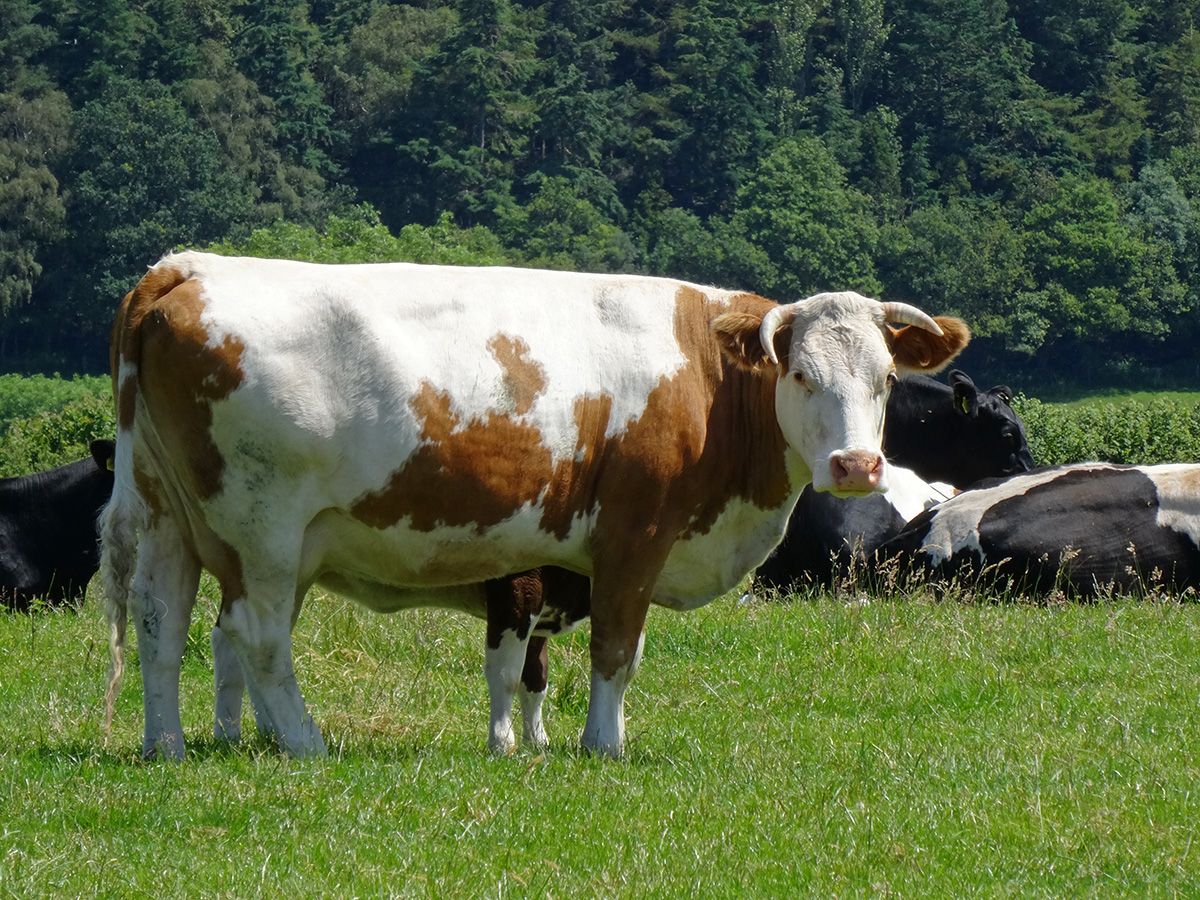
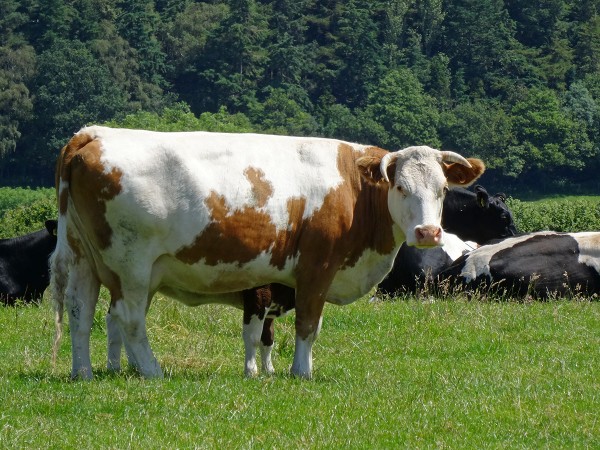 You’ll be familiar with these types of posts from me, which typically start with a comment like: ‘On my commute to work on …’. That’s one of the good things about a long drive – the interesting and informative discussions that you hear on the radio. This one is another interesting piece from BBC Radio 4, looking at a very topical issue, especially to those living in the South West and other rural areas in the UK.
We have recently seen pictures of farmers protesting about the price of milk and in places like Somerset, the protest took a rather odd method, where farmers from across the region entered supermarkets and simply bought all of the milk, before giving it away. The issue is that dairy farming is no longer profitable, as the price that dairy farmers receive for each pint of milk is now lower than the cost of providing it. Thus, for each pint they make a loss.
There are many reasons that have contributed to this situation, including pressures imposed by customers demanding cheaper prices; pressures from supermarkets using their monopsony power to 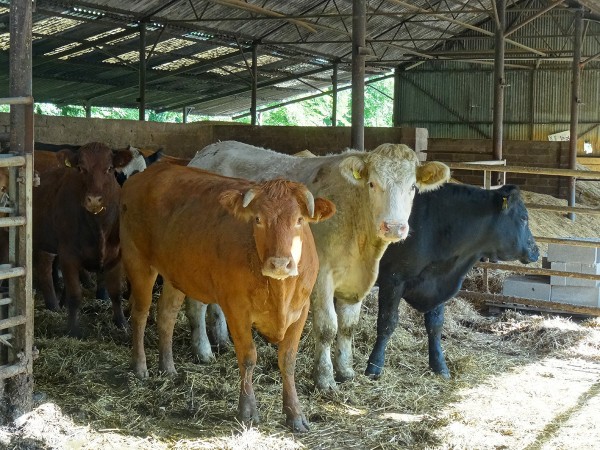 force down the prices paid to farmers; and pressures from abroad. In the case of milk, we have a surplus and with a perishable product, i.e. one that cannot be stored, unlike wheat, this has contributed to falling prices. Data suggest that we are seeing approximately one farmer per day being forced to leave the indsutry.
This programme explores the current dairy farming crisis and draws some similarities with the wheat crisis that the UK experienced in the 1930s. The programme below is 30 minutes and provides some interesting insights on two important commodities and the economics behind the markets.
 Today’s crisis in dairy farming and the wheat crisis of the 1930s BBC Radio 4; The Long View, Jonathan Freedland (29/9/15)
Questions
- Using demand and supply analysis, explain the situation in the milk market.
- Now consider the wheat industry and provide a similar analysis of how prices are set and what caused the problems seen in the 1930s.
- Although these two commodities have similarities they are also very different. Why can two different commodities experience such similar problems at such different times?
- What are the key demand and supply-side factors affecting the current low price of milk?
- Consider the market for (a) milk and (b) wheat. What are (if any) the market failures within each area?
- Agriculture is an area where we do see significant government intervention. Should the UK government be doing more to help the UK’s dairy farmers? If so, what should they do and would this intervention create further problems, e.g. unintended consequences?
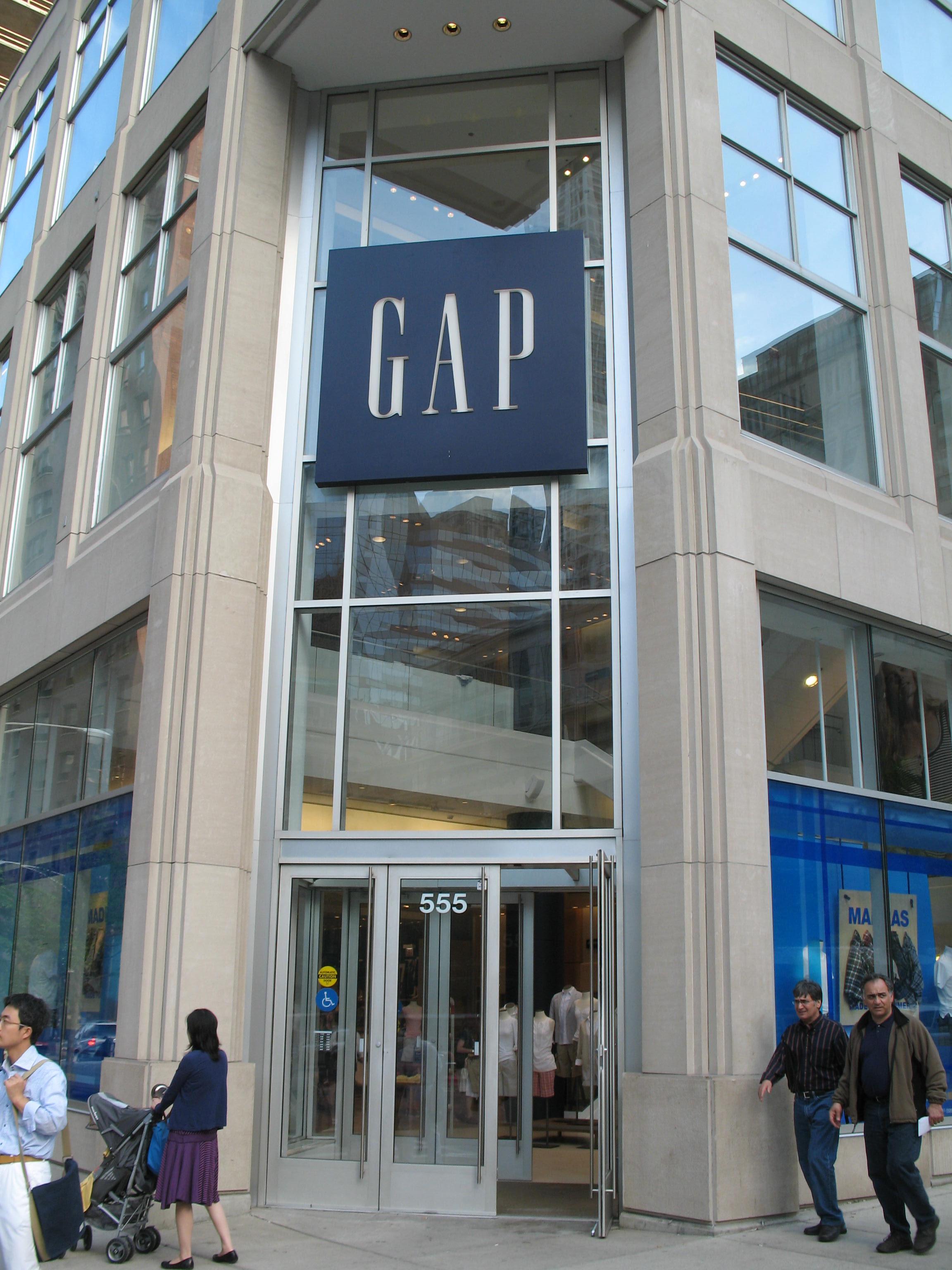 The Gap has been a fixture of UK High Streets for many years and has had both ups and downs. In a highly competitive market, it faces fierce rivals from other high street retailers and also from an increasingly important online presence. Same-shop sales for Gap fell in July by 7% and the brand is now finding itself in a tricky position.
Although the Gap does sell products at a variety of prices, even sales growth in its most affordable line was not sufficient to offset declines elsewhere. It’s not just the UK where this decline is observed, with 175 Gap specialty shops in America being shut down over the next year. This will inevitably mean job losses. So why is Gap struggling so much, after being such a popular brand?
Its competitors are arguably offering a very similar product, but at a lower price. Consumers, being increasingly aware of prices and having many more options to make price comparisons, are perhaps using this information to make better choices. If they don’t believe that they are getting something extra from paying a slightly higher price at Gap, then they’d prefer to get the same thing elsewhere, from somewhere like Forever 21 or H&M. Some also suggest that the product itself is out of date and with the world of high fashion being such an important part of life for many people, an out-of-date product is bad news. That, together with consumers finding more and more things that they can spend their money on, beyond clothes has led to a tricky position for the Gap.
A key part of maintaining a presence on high streets has been sales and special offers – this has been a key element in keeping customers coming, but it is certainly not a long term strategy. Research analysts have been investigating some of the key aspects of the Gap and various comments have been made, including:
“Uniformity is no longer cool… The trick now is convincing your customer that they’re getting something unique.” (Simeon Siegel), Nomura Securities.
“Of top priority is delivering more consistent and compelling product collections.” Kari Shellhorn, Gap spokeswomen.
“Whether it’s colour or print or it’s pattern, the Gap brand hasn’t been kept up to date … Until they have their product right, I think we’ll continue to see them have promotions.” Dana Telsey, Telsey Advisory Group.
The future of Gap is certainly in the balance and with an increasingly competitive market when it comes to retail, an effective strategy to maintain and increase its market share will be essential.
Why Gap is in a tight squeeze BBC News, Gianna Palmer (20/8/15)
Gap Inc sees some potential for next year but Q2 2015 remains weak Forbes, Investing, Trefis Team (24/8/15)
Questions
- What sort of figure would you expect Gap’s clothes to have and why?
- Into which market structure would you place the retail industry? What does this tell us about how a company such as Gap can hope to make profits?
- If you were advising Gap, what strategies would you propose as a means of boosting revenue and cutting costs?
- The BBC News article states that the fortunes of Gap have been hurt by a strong US dollar. Why may this be the case?
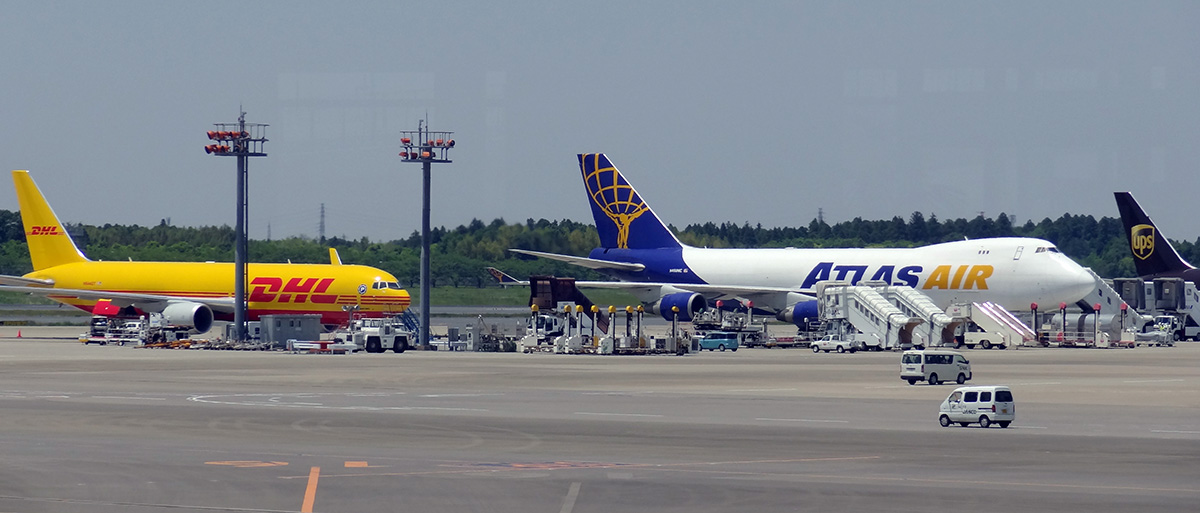
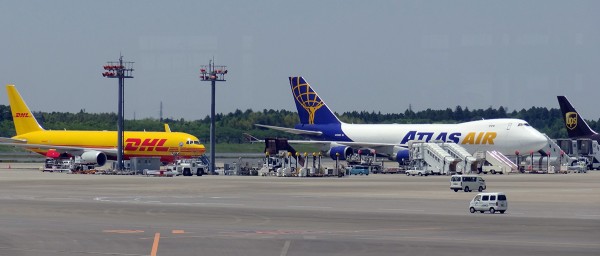 In the year to June 2014, Qantas, the Australian airline, posted record losses of $2.8 billion. The airline was seen to be in some serious trouble and engaged in various cost-cutting measures. This, together with help from falling oil prices appears to have reversed this company’s fortunes. It posted profits of $557 million in the year to the end of June 2015.
The airline industry was hit by the financial crisis and subsequent worldwide recession. Holidays are a luxury item, such that when incomes are rising, there is a greater demand for travel abroad. Conversely, when incomes fall (as we see in a recession) demand will fall and this can hurt the revenues and profits of airlines such as Qantas.  Qantas, in particular, had been struggling with a high degree of competition from other airlines, who are also competing on key long-haul routes, for example Emirates, Etihad and Singapore. Further competition came at home from Virgin Australia, who had significant backing from other large airlines and Qantas found itself unable to compete with such low prices and restrictions on foreign ownership.
However, with significant layoffs, cancelling some unprofitable routes and various other cost-cutting measures, Qantas will return $505 million of profits to its shareholders and will purchase 8 Boeing 787-9 Dreamliners. This will certainly boost confidence in the company and its Chief Executive, Alan Joyce’s comments may well add to this. He said:
“We are halfway through the biggest and fastest transformation in our history … Without that transformation, we would not be reporting this strong profit, recommencing shareholder returns, or announcing our ultra-efficient Dreamliner fleet for Qantas International.”
Although the investment in so many new planes is a large outlay, it is expected that they will improve the efficiency of its fleet, reducing its fuel bill significantly, especially over its longest routes. As these profit figures only represent a job that is half done, it will be interesting to see how Qantas fares with the recovery of the global economy.
Qantas to buy eight Boeing dreamliners after posting profit of $557m The Guardian (20/8/15)
Qantas returns to full-year profit and pledges new growth phase BBC News (20/8/15)
Qantas soars past overhaul to return to profit Wall Street Journal, Rebecca Thurlow (20/8/15)
Qantas injects another $55 million into Jetstar Japan Sydney Morning Herald, Jamie Freed (24/8/15)
Is Qantas set to keep on soaring? Sydney Morning Herald, John Collett (21/8/15)
Qantas to expand fleet after rapid profit turnaround Reuters (20/8/15)
Qantas turnaround gains altitude with swing to profit Financial Times, Jamie Smyth (20/8/15)
Questions
- Into which market structure would you place the airlines industry?
- Consider the different strategies that were adopted by Qantas and in each case, explain whether it would have had an impact on the firm’s costs or revenues.
- Why was Virgin Australia proving to be such fierce competition for Qantas?
- The Wall Street Journal Article refers to Qantas finding it difficult ‘to attract a White Knight’. What is meant by a White Knight?
- What has been the impact of falling global oil prices on the airline industry? Use a diagram to explain your answer.